


You check the weather app for the third time this morning. It says 52 degrees now but 68 degrees by afternoon. Your toddler is ready to head to daycare, and you are standing at the closet wondering: fleece jacket or light cardigan? Both? Neither?
Spring mornings with kids can feel like a guessing game where getting it wrong means a too-hot, cranky child or a worried call from daycare about cold hands. The frustration is real. Those fluctuating temperatures between cool mornings and warm afternoons make dressing kids for spring weather one of the trickiest seasonal challenges parents face.
Here is the good news: mastering the art of layering kids clothes does not require a meteorology degree. With a simple three-layer system and the right fabric choices, you can confidently dress your little one for whatever spring throws your way. At PatPat, we understand that busy parents need practical solutions that actually work. This guide will walk you through everything you need to know about toddler spring layering, from temperature-specific outfit recommendations to dealing with jacket-resistant toddlers.
Why the Three-Layer System Works Best for Kids in Spring
Before diving into specific outfit combinations, it helps to understand why layering matters more for children than adults. According to NIH research on pediatric thermoregulation, newborns have an elevated ratio of body surface area to weight, along with high heat loss by evaporation and deficient subcutaneous adipose tissue for insulation. This means little ones can lose heat much faster than grown-ups.
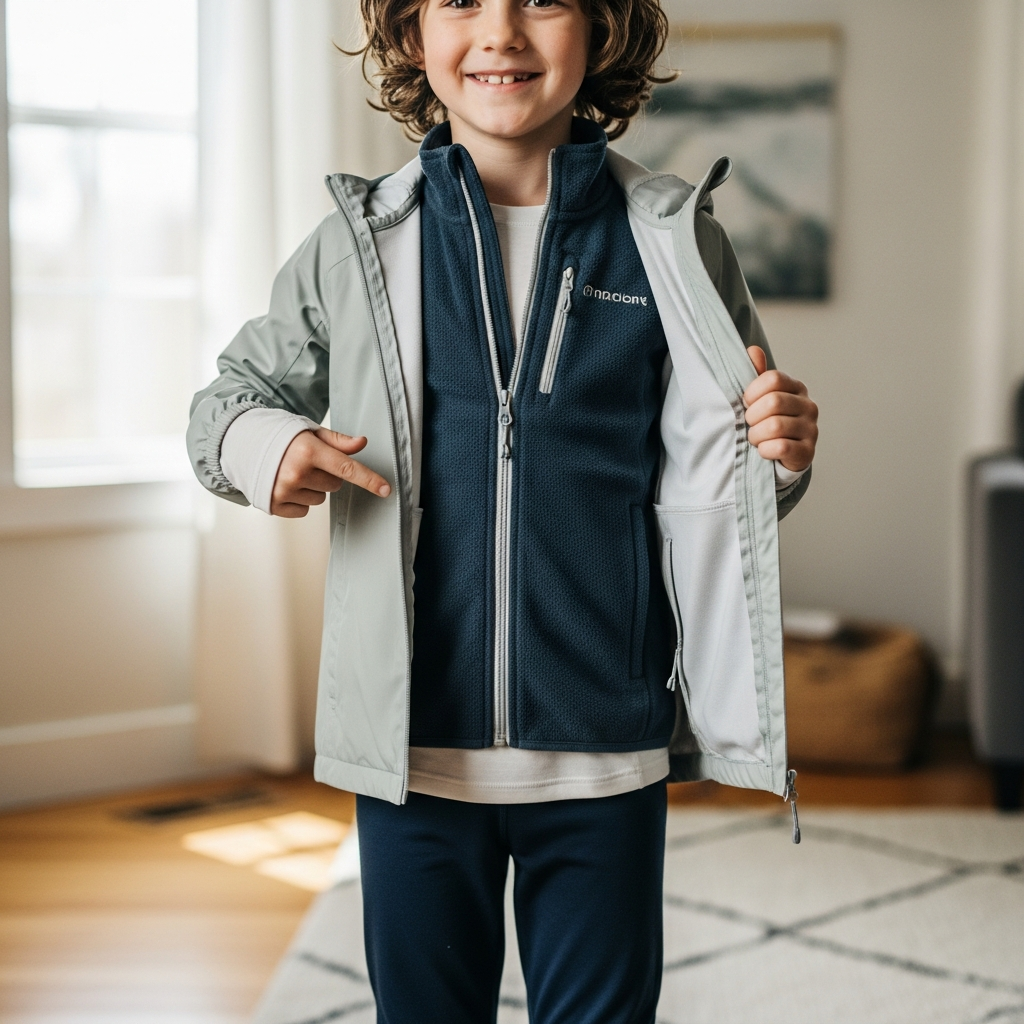
The three-layer system creates adjustable warmth by trapping air between each layer for insulation while allowing flexibility throughout the day:
- Base layer: Sits against the skin, wicks moisture, and provides foundational warmth
- Mid-layer: Provides insulation and can be removed as temperatures rise
- Outer layer: Protects against wind, light rain, and cooler morning temperatures
The American Academy of Pediatrics recommends dressing infants in no more than one additional layer compared to what an adult would wear comfortably. This "one more layer rule" helps prevent both overheating and getting too cold.
Temperature regulation also differs by age. Newborns struggle most with maintaining stable body temperature, while toddlers and preschoolers develop better self-regulation but still need parental guidance on appropriate clothing choices.
Choosing the Best Fabrics for Spring Layering: Cotton, Bamboo, and Fleece
Not all fabrics perform equally when it comes to spring layering. The right material can mean the difference between a comfortable child and one who is sweaty or shivering by lunchtime.
Why Bamboo Fabric Is Ideal for Temperature-Regulating Base Layers
Bamboo has emerged as a standout choice for children's base layers, and the science backs it up. According to MORI's fabric research, bamboo viscose is exceptionally breathable and efficient at venting excess heat and moisture away from the body.
What makes bamboo special for kids:
- Naturally thermo-regulating, adapting to body temperature
- Moisture-wicking properties keep skin dry during active play
- Hypoallergenic and gentle on sensitive skin
- Sustainable and eco-friendly for environmentally conscious families
For parents seeking temperature-regulating base layers, bamboo kids clothes offer natural breathability and softness that works beautifully for spring layering.
Cotton vs Fleece: Matching Fabrics to Your Child's Activity Level
Cotton and fleece each have their place in a spring layering system, but knowing when to use each makes a significant difference:
Cotton works best for:
- Base layers worn directly against skin
- Indoor daycare environments
- Active toddlers who run warm
- All-day comfort and breathability
Fleece excels for:
- Mid-layer insulation on cooler mornings
- Outdoor playground time
- Quick-dry situations after light rain
- Extra warmth without bulk
Keep in mind that active toddlers may overheat in fleece more easily than less mobile babies. Match the fabric weight to your child's activity level and the specific situation.
Temperature Guide: What to Dress Kids in 50 to 70 Degree Weather
One of the most common questions parents ask is exactly what their child should wear at specific temperatures. This chart takes the guesswork out of dressing kids for spring weather:
| Temperature Range | Recommended Layers | Notes |
|---|---|---|
| 50-55 degrees F | Base + Mid + Light Outer | Full three-layer system; include hat for cool ears |
| 55-60 degrees F | Base + Mid Layer | Cardigan or zip hoodie sufficient; outer layer optional |
| 60-65 degrees F | Base + Light Cardigan | Single layer may work for active play |
| 65-70 degrees F | Single Breathable Layer | Light long-sleeve or short-sleeve depending on activity |
Activity level matters significantly. A toddler running around the playground generates more body heat than one sitting in a stroller. Adjust your layering strategy based on what your child will actually be doing.
Essential Spring Layering Pieces Every Toddler Wardrobe Needs
Building a functional spring wardrobe does not require buying dozens of items. Focus on versatile, mix-and-match pieces that work together seamlessly.
Base Layer Essentials: Long-Sleeve Bodysuits and Cotton Tees
Your base layer foundation should include:
- Long-sleeve cotton or bamboo bodysuits for babies
- Soft cotton long-sleeve tees for toddlers
- Breathable leggings or cotton pants as bottom base layer
- A mix of neutral colors that coordinate with everything
Proper fit matters. Base layers should be snug enough to trap warmth without restricting movement or feeling uncomfortable against sensitive skin.
Mid-Layer Must-Haves: Hoodies, Cardigans, and Lightweight Sweaters
Mid-layers do the heavy lifting in a spring wardrobe. Look for:
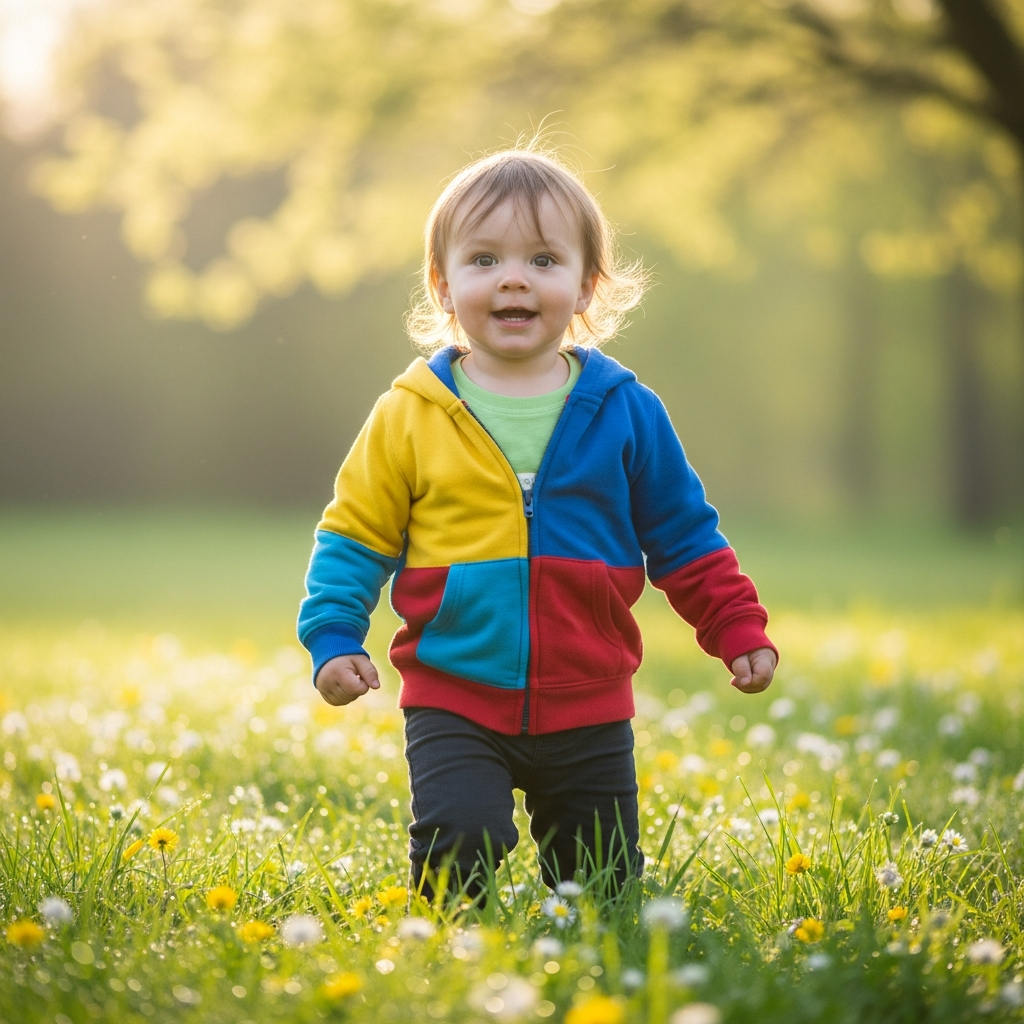
- Zip-up hoodies: Easy on and off, even for wiggly toddlers
- Button cardigans: Perfect for a more dressed-up look
- Lightweight fleece pullovers: Extra warmth without bulk
- Front-opening designs: Easier for daycare caregivers to manage
When building your toddler's spring wardrobe, look for versatile pieces like zip-up hoodies and soft cardigans. Collections like toddler spring clothes offer mix-and-match options that make morning dressing easier.
Outer Layer Options: Windbreakers and Light Jackets for Unpredictable Days
A good outer layer protects against spring's unpredictable elements:
- Lightweight windbreakers for breezy mornings
- Water-resistant options for spring showers
- Packable jackets that fit easily in daycare bags
- Denim jackets as a stylish and functional choice
How to Check If Your Child Is Dressed Right for Spring Weather
Even with perfect planning, you will want to verify your child is comfortable. The good news is that checking is simple once you know the technique.
The neck and chest check method: Place your hand on the back of your child's neck or on their chest. According to pediatric experts, the skin should feel warm but not sweaty. This is more reliable than checking hands or feet, which naturally run cooler.
Signs your child is too hot:
- Flushed, red cheeks
- Damp or sweaty hair, especially at the back of the neck
- Unusual fussiness or irritability
- Rapid breathing
Signs your child is too cold:
- Pale or mottled skin
- Shivering or tucking limbs close to body
- Cool chest or back (not just cold hands)
- Decreased activity or lethargy
Remember that toddlers may not articulate discomfort directly. Watch behavioral cues. A child who suddenly becomes clingy, irritable, or resistant to activities may be telling you something about their comfort level.
Layering Solutions for Toddlers Who Refuse to Wear Jackets
If you have ever wrestled a screaming toddler into a jacket, you know this struggle intimately. The good news? Research suggests children have proportionally higher levels of brown adipose tissue, which produces heat more efficiently than adult fat tissue. Your jacket-refusing toddler might actually be warmer than you think.
That said, spring mornings still require some protection. Try these alternatives:
- Offer choices: Let your toddler pick between two acceptable options. Autonomy reduces resistance.
- Try vests: These feel less restrictive since arms remain free.
- Use thicker mid-layers: A cozy hoodie can provide enough warmth without the jacket battle.
- Incorporate favorite characters: Layers featuring beloved characters increase cooperation significantly.
- Bring it along: Pack the jacket and let natural consequences teach. When they feel cold, they will ask for it.
For daycare situations, send extra layers for caregivers to add when your toddler is calmer and more cooperative. Sometimes avoiding the morning power struggle is worth it if the mid-layer provides adequate warmth.
Daycare and School-Ready Spring Outfits That Transition from Morning to Afternoon
The morning drop-off to afternoon pickup temperature swing presents a unique challenge. Your child needs to stay comfortable across potentially 20-degree temperature differences throughout the day.
The peel-away layering method works best:
- Start with a comfortable base layer that works alone for warm afternoons
- Add a mid-layer and outer layer for the cool morning drop-off
- Clearly label all removable layers with your child's name
- Communicate your layering plan with caregivers
Daycare-friendly layering tips:
- Choose front zips over pullover styles for easy on and off
- Avoid tiny buttons that frustrate caregivers and toddlers alike
- Send a backup light layer in the cubby for outdoor play
- Select self-serve layers that older toddlers can manage independently
Having a few go-to layering outfits makes busy mornings smoother. When shopping for kids spring clothes, look for versatile pieces that mix and match easily for daycare.
Building a Capsule Spring Wardrobe: Mix-and-Match Layering Made Simple
You do not need an overflowing closet to dress your child well for spring. A thoughtfully curated capsule wardrobe actually makes mornings easier and stretches your budget further.
Recommended capsule wardrobe quantities:
- 4-5 base layer tops (mix of long and short sleeve)
- 3-4 breathable pants or leggings
- 2-3 mid-layer options (hoodie, cardigan, sweater)
- 1-2 outer layers (windbreaker, light jacket)
Smart shopping strategies:
- Choose neutral base layers that maximize outfit combinations
- Add a few colorful accent pieces for variety
- Invest in quality over quantity for items worn frequently
- Consider growth room and hand-me-down potential
- Repurpose lighter winter pieces as spring mid-layers
With approximately 15 key pieces, you can create dozens of outfit combinations that handle any spring temperature scenario. This minimalist approach saves money, reduces decision fatigue, and ensures everything in the closet actually gets worn.
Ready to build your little one's spring layering wardrobe?
Start with breathable base layers and versatile mid-layer pieces that mix and match for easy mornings. Your future self standing at the closet at 7 AM will thank you.
Frequently Asked Questions About Layering Kids' Clothes for Spring
How many layers should a toddler wear in spring?
For cool spring mornings (50-60 degrees F), dress your toddler in three layers: a breathable base layer, an insulating mid-layer like a hoodie or cardigan, and a light outer layer. As temperatures rise above 65 degrees, you can reduce to one or two layers. The general rule is to dress your toddler in one more layer than you would wear yourself.
What should my toddler wear in 55-degree weather?
In 55-degree weather, dress your toddler in a long-sleeve cotton or bamboo base layer, a lightweight sweater or zip-up hoodie as a mid-layer, and have a windbreaker or light jacket available for wind or shade. This three-layer approach lets you easily remove the outer layer if your child warms up during active play.
How do I know if my child is too hot or cold?
Check your child's chest or back of the neck. It should feel warm but not sweaty. Signs of overheating include flushed cheeks, damp hair, and fussiness. Signs of being too cold include pale skin, shivering, and curling limbs inward. Cold hands and feet alone are not reliable indicators since extremities are naturally cooler.
Should babies wear more layers than adults in spring?
Yes, the general guideline is to dress babies in one additional layer compared to what an adult would comfortably wear. Babies lose heat faster than adults due to their smaller body mass. However, avoid over-bundling, especially indoors. Always check their core temperature at the chest or neck rather than relying on hand or foot temperature.
What is the best fabric for kids' spring base layers?
Bamboo and cotton are the best fabrics for kids' spring base layers. Bamboo is naturally temperature-regulating, moisture-wicking, and gentle on sensitive skin. Cotton is breathable and comfortable for all-day wear. Avoid synthetic fabrics for base layers as they can trap heat and cause discomfort during temperature changes.
My toddler refuses to wear a jacket. What are some alternatives?
Try these jacket alternatives: offer your toddler a choice between two acceptable layer options, use vests which feel less restrictive, layer with a thicker mid-layer hoodie, or choose layers featuring favorite characters or colors. For daycare, send extra layers for caregivers to add when your toddler is calmer. Sometimes the battle is not worth it if the mid-layer provides enough warmth.
When can I stop layering my baby's clothes in spring?
You can reduce to a single layer when daytime temperatures consistently stay above 70 degrees F and your baby is active. Continue using light layers for air-conditioned indoor spaces, cool evenings, and windy days. Pay attention to your individual child's cues, as some children run warmer or cooler than others.
How do I dress my toddler for daycare when mornings are cool but afternoons are warm?
Use the peel-away layering method: dress your toddler in a comfortable base layer that works alone for warm afternoons, add a mid-layer and outer layer for the cool morning drop-off, and clearly label removable layers so caregivers know what to remove as the day warms up. Send an extra light layer in their cubby for outdoor play.
Final Thoughts: Mastering Spring Layering for Your Little One
Dressing kids for spring weather does not have to be a daily source of stress. With the three-layer system as your foundation, the right fabric choices for each layer, and a temperature-specific game plan, you can confidently tackle those tricky cool mornings and warm afternoons.
Remember the key principles: babies need one more layer than adults, check core temperature at the chest or neck rather than hands and feet, and embrace flexibility. Some days will require adjustments. Some toddlers will refuse jackets no matter what. That is all perfectly normal.
The goal is not perfection but comfort. A child who is dressed appropriately for spring weather is a child who can focus on exploring, learning, and playing rather than feeling too hot or too cold. And a parent who has a reliable layering system in place is a parent who can actually enjoy those beautiful spring mornings instead of stressing at the closet.
At PatPat, we know that parenting comes with enough challenges without adding wardrobe stress to the list. Start with a few quality base layers, add versatile mid-layer options, and keep a light jacket handy for those unpredictable spring days. Your mornings just got a whole lot easier.





