


It is 3 AM. Your baby needs a diaper change, and you are fumbling with tiny snaps in the dark while your little one squirms and fusses. Sound familiar? If you have ever struggled with complicated baby clothing during a midnight blowout or rushed to get your infant dressed for daycare, you are not alone. Finding practical baby outfit ideas that actually work for your busy lifestyle can feel overwhelming when store shelves overflow with adorable but utterly impractical options.
Here is the reality most parenting books do not mention: newborns need 8 to 12 diaper changes daily, which means you could dress and undress your baby dozens of times before the week ends. Between spit-ups, diaper leaks, and the occasional feeding mess, parents report going through five to eight outfit changes in a single day. The clothing you choose matters far more than aesthetics.
This guide covers everything from essential features that make baby clothes actually functional to time-saving organization strategies that eliminate morning chaos. Whether you are building a registry or simplifying an overflowing nursery closet, you will discover outfit ideas you can implement today. At PatPat, we understand that busy parents need clothing that works with their lifestyle, and that starts with understanding what makes baby clothes truly practical. Let us dive in.
Why Practical Baby Outfits Matter More Than Fashion Trends
Before you swoon over that adorable ruffled dress or perfectly tailored baby suit, consider this: your newborn does not care about Instagram aesthetics. What they need is comfort, and what you need is sanity. Prioritizing function over fashion is not settling for less. It is making a smart parenting decision.
Think about the math: if each diaper change with complicated closures takes an extra two minutes compared to simple designs, and you are changing diapers ten times daily, that adds up to twenty minutes lost every single day. Over a month, you have spent ten hours wrestling with tiny buttons and misaligned snaps. Practical, functional baby clothing gives that time back to you for rest, bonding, or simply breathing.
The mental load deserves attention too. When every outfit in the drawer works, you eliminate decision fatigue during exhausted moments. There is no calculating which pieces go together or remembering which adorable romper has the impossible back zipper. Comfortable baby clothing often means more comfortable babies as well, since practical designs typically use softer fabrics and avoid irritating embellishments.
Cost efficiency rounds out the practical argument. Versatile pieces that mix and match reduce the overall wardrobe size you need. Instead of buying twenty-five outfits because only specific items work together, you can own fifteen pieces that create dozens of combinations. Your wallet and your laundry pile both benefit.
Essential Features That Make Baby Clothes Easy to Use
Not all baby clothes are created equal. The difference between a time-saving garment and a frustrating one often comes down to specific design features. Understanding what to look for transforms your shopping experience and daily routine.
Closure Types Compared: Zippers, Snaps, and Magnetic Options
The closure on baby clothing might seem like a minor detail until you are operating on three hours of sleep. Here is what you need to know about each type:
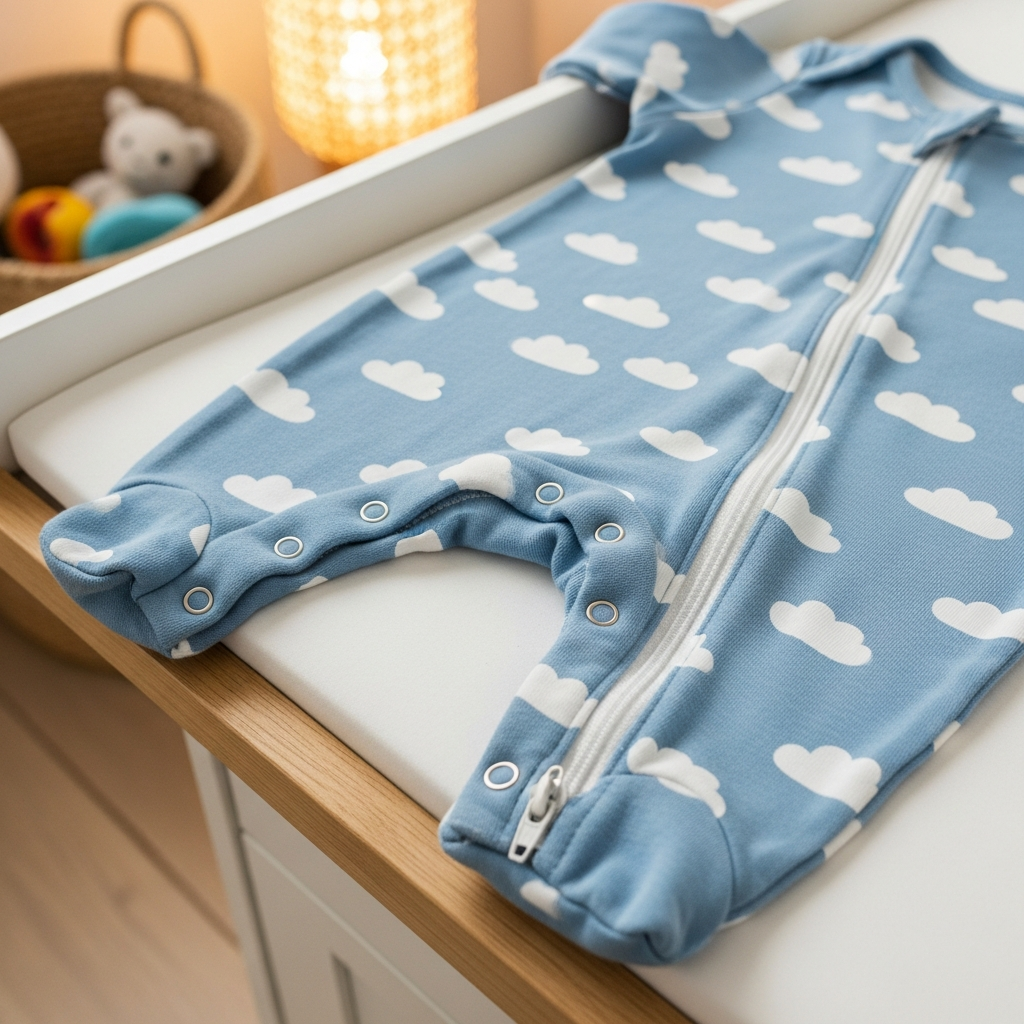
- Two-way zippers: These open from both top and bottom, allowing diaper access without fully undressing your baby. For nighttime changes, this feature is transformative since you can change the diaper without waking baby completely.
- Magnetic closures: Silent and operable with one hand, magnetic snaps are ideal when your other arm is occupied soothing a fussy infant. They look like traditional snaps but connect with satisfying ease.
- Traditional snaps: While ubiquitous, snaps take longest to fasten, especially when you are lining up eight of them on a squirming baby. Side-snap bodysuits offer faster access than center-front designs.
- Envelope necklines: These expanded shoulder openings allow you to pull onesies down over baby's body instead of over their head after a blowout. This small feature prevents spreading messes through baby's hair.
Fabric Features That Simplify Baby Care
Beyond closures, fabric choice dramatically impacts both your experience and your baby's comfort. The best breathable baby fabrics work with your baby's developing temperature regulation rather than against it.
Bamboo fabric is exceptionally breathable and efficient in venting excess heat and moisture away from the body. This thermoregulating property helps babies stay comfortable whether the weather runs warm or cool. Unlike adults, babies cannot regulate their body temperature efficiently, making fabric choice genuinely important for their wellbeing.
Look for these fabric features when shopping:
- Stretchy materials: Four-way stretch makes pulling clothes onto squirmy babies significantly easier
- Breathable construction: Natural fibers like bamboo baby clothing and organic cotton allow airflow that synthetic materials cannot match
- Durable composition: Baby clothes face frequent washing, so reinforced seams and quality construction matter
- Tagless designs: Eliminating scratchy tags prevents fussiness and skin irritation
Building a Minimalist Baby Capsule Wardrobe
The concept of a capsule wardrobe applies beautifully to baby clothing. Rather than stuffing drawers with items you rarely use, a curated collection of quality pieces simplifies every aspect of dressing your little one.
How Many Outfits Does a Newborn Actually Need?
New parents often overbuy, ending up with clothes their baby never wears before outgrowing. If you typically wash clothes once a week, you need about seven outfits, plus a few extras for unexpected messes. Here is a practical breakdown for the 0-3 month stage:
| Item | Quantity | Why This Number |
|---|---|---|
| Bodysuits/Onesies | 7-8 | Daily base layer, prone to spit-up stains |
| Sleepers/Footies | 5-6 | Nighttime and naptime essentials |
| Simple Pants | 3-4 | Layering options over bodysuits |
| Versatile Rompers | 3-4 | One-piece convenience for busy days |
| Lightweight Jacket | 1-2 | Temperature flexibility when going out |
Resist the urge to stock up on newborn sizes. Many babies skip this size entirely or wear it for mere weeks. Focus your investment on 0-3 month sizing for better value.
The Mix-and-Match Strategy for Effortless Outfits
The secret to a functional baby capsule wardrobe lies in color coordination. When every piece works with every other piece, outfit selection becomes effortless even on your most exhausted mornings.
Building a capsule wardrobe means selecting versatile pieces that work together. Quality basics form the foundation, and you can explore baby clothes collections that offer coordinating essentials in comfortable, practical designs. Avoid the temptation of trendy statement pieces that match nothing else. That dinosaur-covered outfit might be adorable, but if it only pairs with one specific item, it creates more laundry pressure and decision stress.
Best Baby Outfit Types for Easy Diaper Changes
When you are changing diapers up to twelve times daily, the specific clothing style matters tremendously. Some designs turn a thirty-second task into a three-minute wrestling match. Others make the process almost effortless.
Why Rompers and Bodysuits Are Parent Favorites
Two outfit types consistently earn top marks from experienced parents: bodysuits and rompers. Understanding when to use each maximizes their benefits.
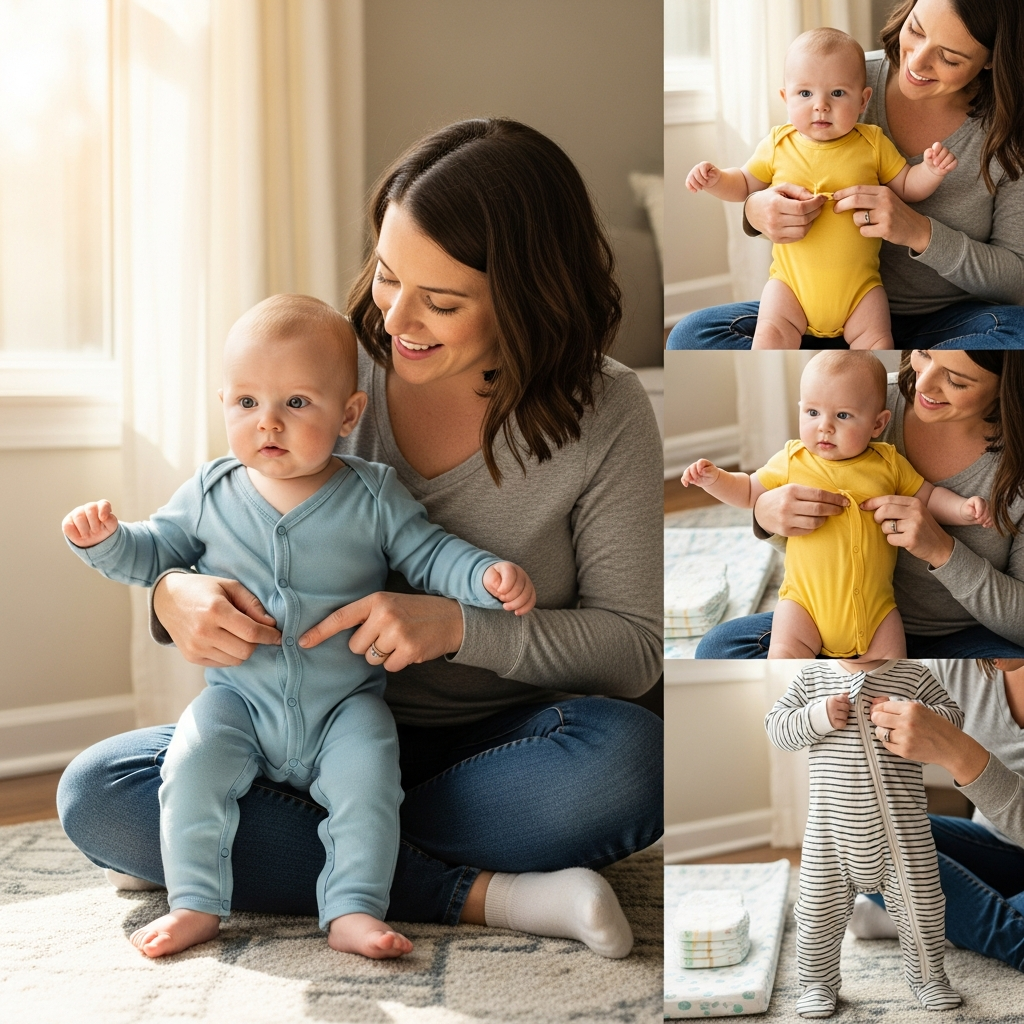
Bodysuits function as the versatile base layer every baby wardrobe needs. The snap crotch keeps shirts tucked regardless of how much your baby moves, and they pair beautifully with pants, shorts, or skirts. Whether worn alone in warm weather or layered under sweaters, quality bodysuits earn their place as wardrobe workhorses.
Rompers offer the convenience of a complete outfit in one piece, perfect for quick morning routines. No coordinating tops and bottoms, no untucked shirts riding up. For busy days when you need to dress baby quickly, well-designed rompers and jumpsuits eliminate decisions entirely. Look for styles with snap or zipper closures along the inseam for easy diaper access.
Sleepwear That Makes Nighttime Changes Bearable
Nighttime diaper changes test every parent's patience. The right sleepwear makes these moments manageable instead of miserable.
- Two-way zipper sleepers: The gold standard for nighttime. Open from the bottom, change the diaper, zip back up. Baby barely stirs.
- Gowns for newborns: These open-bottom garments eliminate leg wrestling at 2 AM entirely. Simply pull up for changes with no snaps or zippers to navigate in the dark.
- Sleep sacks: Safe alternatives to loose blankets that keep baby warm while allowing easy lower-body access for changes.
Avoid sleepwear with back closures, extensive button plackets, or complicated snap arrangements. What looks cute in the store becomes your nemesis at midnight.
Dressing Baby for Different Situations and Seasons
Practical baby outfit ideas must account for varying temperatures and activities. What works at home differs from what works during errands, and seasonal changes demand wardrobe adjustments.
Everyday Outfits That Work From Home to Errands
The "one-piece wonder" approach simplifies busy days. Choose a comfortable romper or footed sleeper that works whether you are home playing on the floor or running to the pediatrician. Layering pieces like cardigans or zip-up jackets add versatility without complexity.
Always maintain a backup outfit strategy. Your diaper bag should contain a complete change of clothes, including a onesie, pants, and socks. The day you forget backup clothes is the day a massive blowout happens in the grocery store parking lot.
Practical Solutions for Seasonal Dressing
Spring and Fall (Transitional Seasons):
- Light layers that add or remove easily as temperatures shift
- Cotton bodysuits as breathable base layers
- Zip-up hoodies over one-pieces for quick temperature adjustment
Summer:
- Breathable rompers and short-sleeve bodysuits
- Sun protection through lightweight, loose-fitting clothes rather than heavy layers
- Minimal layers with maximum airflow to prevent overheating
Winter:
- Fleece sleepers for warmth without bulk
- Layering technique: thin layers trap warmth better than one thick piece
- Consideration for car seat safety when choosing outerwear
Time-Saving Baby Dressing Strategies and Organization
Even the most practical wardrobe fails if you cannot find what you need. Organization systems transform chaotic mornings into smooth routines.
Pre-Planning Outfits to Eliminate Morning Chaos
Sunday outfit prep works wonders for weekday sanity. Spend fifteen minutes laying out complete outfits for the coming week, and you eliminate daily decision-making when you are tired and rushed.
Create outfit bundles by keeping complete sets together. Rather than storing all onesies in one drawer and all pants in another, group a bodysuit, pants, and socks together. Grab one bundle, have everything you need.
Quick-Change Techniques for Squirmy Babies
Distraction proves essential when dressing wiggly babies. Keep a special toy reserved only for changing time, or sing a consistent song that signals "dressing time" to your little one.
For babies who hate having clothes pulled over their heads, practice the "scrunch and stretch" technique: gather the neckline in your hands, stretch it wide, and slip it over quickly. Many parents find feet-first dressing easier for sleepers and rompers, threading legs through before arms.
Practicing one-handed dressing skills pays dividends. You will frequently need one hand to soothe or secure baby while the other manages clothing. Choose garments that accommodate this reality.
Smart Shopping Tips for Building a Practical Wardrobe
Armed with knowledge about features and organization, shopping becomes strategic rather than impulsive. These guidelines help you build a wardrobe that actually serves your needs.
What to Prioritize When Shopping for Baby Clothes
Before adding anything to your cart, run through this mental checklist:
- Does this have practical closures (zippers, accessible snaps)?
- Is the fabric soft, stretchy, and machine washable?
- Will this coordinate with existing pieces?
- Can I dress baby in this one-handed if needed?
- Does this serve multiple purposes or occasions?
Read reviews specifically looking for practical insights. Other parents often mention whether snaps stay closed, whether sizing runs large or small, and how garments hold up after repeated washing.
Budget-Friendly Strategies Without Sacrificing Function
Smart spending focuses investment on frequently used items. Allocate more budget toward sleepwear and everyday basics that face constant wear and washing. Save on special occasion pieces that see limited use.
Multi-pack basics provide excellent value as wardrobe foundations. A set of five solid-color bodysuits serves you better than five individual themed pieces at similar cost.
When evaluating hand-me-downs, assess condition carefully. Accept items with intact closures and minimal pilling. Decline anything with stretched-out necklines, broken snaps, or significant staining that suggests the garment has exceeded its useful life.
Common Baby Clothing Mistakes to Avoid
Learning from others' missteps saves you money and frustration. These common errors trip up even experienced parents.
- Buying too many newborn sizes: Many babies skip this size entirely or wear it for just two weeks. Focus on 0-3 month sizing.
- Prioritizing aesthetics over function: That adorable outfit with twenty buttons will haunt you during every diaper change.
- Ignoring easy-access features: Back closures and over-the-head designs without envelope necks create unnecessary struggles.
- Overcomplicating the wardrobe: More choices create more decision fatigue and more laundry sorting.
- Forgetting laundry reality: Dry-clean only baby clothes exist, but they should not exist in your nursery.
- Skipping the feel test: Always touch fabric before buying. Scratchy materials cause fussy babies and sleepless nights.
Frequently Asked Questions About Practical Baby Outfits
What type of baby clothes are easiest for diaper changes?
Two-way zipper sleepers, gowns for newborns, and bodysuits with snap crotches are the easiest options. Two-way zippers allow bottom-up access without fully undressing baby, while gowns eliminate leg snaps entirely during the newborn phase. Rompers with snap or zipper closures along the inseam also provide quick diaper access.
How many outfits does a newborn actually need?
A practical newborn wardrobe includes 7-8 bodysuits, 5-6 sleepers, 3-4 pants, and 3-4 rompers. This provides enough for daily changes and laundry gaps. Avoid overstocking newborn sizes since babies often outgrow them within weeks. Focus on 0-3 month sizing for better value.
Are zippers or snaps better for baby clothes?
Zippers are generally faster and easier, especially two-way zippers that open from the bottom for diaper changes. Snaps offer more adjustability but take longer to fasten. Magnetic closures combine the best of both, offering snap-like adjustability with zipper-like speed. For nighttime, zippers are the clear winner.
What features should I look for in baby pajamas?
Prioritize two-way zippers for easy diaper access, footies with fold-over cuffs for newborns, snug-fitting design for safety, flame-resistant or snug cotton fabrics, and zipper guards that protect baby's chin. Avoid buttons, ties, or loose elements that create safety concerns or slow down nighttime changes.
How do I build a minimalist baby capsule wardrobe?
Select 15-20 quality pieces in 2-3 complementary neutral colors. Include bodysuits as base layers, versatile rompers, simple pants, and functional sleepwear. Every piece should mix and match with others. Focus on quality basics with practical features rather than trendy statement pieces. This approach reduces decision fatigue and laundry loads.
What is the difference between a onesie, bodysuit, romper, and sleeper?
A bodysuit (often called a onesie) is a shirt that snaps at the crotch, worn as an undershirt or top. A romper is a one-piece outfit with shorts or short sleeves covering the torso and legs. A sleeper is a full-coverage one-piece for sleep with footies and long sleeves, typically featuring a zipper or snaps.
How can I make dressing my baby faster in the morning?
Pre-plan outfits by organizing complete outfit bundles in dresser dividers. Choose one-piece rompers or sleepers for the fastest dressing. Keep frequently used items at eye level and reduce wardrobe choices to eliminate decision time. Some parents prep an entire week of outfits on Sunday to streamline weekday mornings.
What baby clothes work best for daycare?
Daycare-friendly clothes include simple bodysuits, elastic-waist pants, and zip-up rompers that caregivers can manage quickly. Avoid complicated closures, delicate fabrics, or expensive items. Label everything clearly, send extras for accidents, and choose stain-resistant, durable fabrics that survive frequent washing.
Making Practical Choices That Support Your Parenting Journey
Parenting is hard enough without clothing struggles adding to your daily stress. The practical baby outfit ideas covered in this guide are not about sacrificing style. They are about making smart choices that give you back time, energy, and peace of mind.
Remember: features matter more than fashion when you are operating on minimal sleep. A minimalist approach with quality, functional baby clothing beats a closet overflowing with impractical pieces every time. Organization systems transform chaotic mornings into manageable routines, and understanding what to look for makes shopping strategic rather than overwhelming.
Start small if overhauling your baby's wardrobe feels daunting. Swap one complicated sleeper for a two-way zipper option. Create one outfit bundle in your drawer. These small changes compound into significant daily relief.
Your baby's comfort and your sanity both matter. At PatPat, we believe busy parents deserve clothing options that work as hard as they do. Every midnight diaper change gets a little easier when you have the right gear.
What practical baby outfit challenges are you facing? Start with one simple swap today, and experience the difference thoughtful clothing choices make in your daily routine.




