


You are standing in the baby clothing aisle, surrounded by adorable tiny outfits, and suddenly the labels start blurring together. Onesies. Bodysuits. Rompers. Creepers. Is there actually a difference, or are these all just fancy names for the same thing?
If you have found yourself googling "baby romper vs onesie" at 2 AM while building your registry, you are definitely not alone. We know how overwhelming this can be, especially when you just want to make sure your little one is comfortable and cute without accidentally buying duplicates of the same garment type.
The truth is, understanding the difference between a romper and an onesie matters more than you might think. Each serves a unique purpose in your baby's wardrobe, and knowing when to use which can save you money, reduce laundry stress, and keep your baby comfortable through every season and stage.
At PatPat, we have helped millions of parents navigate the baby clothing world, and today we are breaking down everything you need to know about rompers versus onesies. By the end of this guide, you will shop with confidence and build a wardrobe that actually works for real life with a baby.
Understanding Baby Clothes Terminology: Onesie, Bodysuit, and Romper Defined
Before we dive into comparisons, let us clear up the terminology confusion once and for all. Baby clothing names vary by brand, region, and generation, which explains why your mother-in-law calls everything a "sleeper" while the store labels say something completely different.
Onesie (Bodysuit): This is a one-piece garment that covers only your baby's torso. It features snap closures at the crotch for easy diaper access and leaves the legs completely exposed. Think of it as a t-shirt that cannot ride up because it snaps securely at the bottom.
Romper: A romper is a complete one-piece outfit that covers both the torso AND the legs. Rompers can have short legs or long legs, and they function as a standalone outfit rather than a base layer. They typically feature more stylish designs and often have snaps or zippers along the legs or inseam.
The ONESIE Trademark Story
Here is a fun fact many parents do not know: "Onesie" is actually a trademarked brand name. Gerber acquired the trademark in 1982 and has protected the brand ever since. The generic term for this type of garment is actually "bodysuit" or "snapsuit."
Why does this matter for you? When shopping online, searching for "baby bodysuit" instead of "onesie" may give you more results and better prices, since non-Gerber brands technically cannot call their products onesies.
What Is the Difference Between a Bodysuit and a Creeper?
You might also encounter terms like "creeper" or "snapsuit" while shopping. Here is the quick breakdown:
- Bodysuit = the generic term for an onesie (interchangeable terms)
- Creeper = an older or regional term for the same leg-exposing, snap-crotch garment
- Snapsuit = emphasizes the snap closure feature specifically
- Growsuit = often refers to long-sleeved, footed one-pieces (more like sleepwear)
Understanding these terms helps you decode different brand terminology and avoid accidentally ordering the wrong thing.
Baby Romper vs Onesie: Key Differences at a Glance
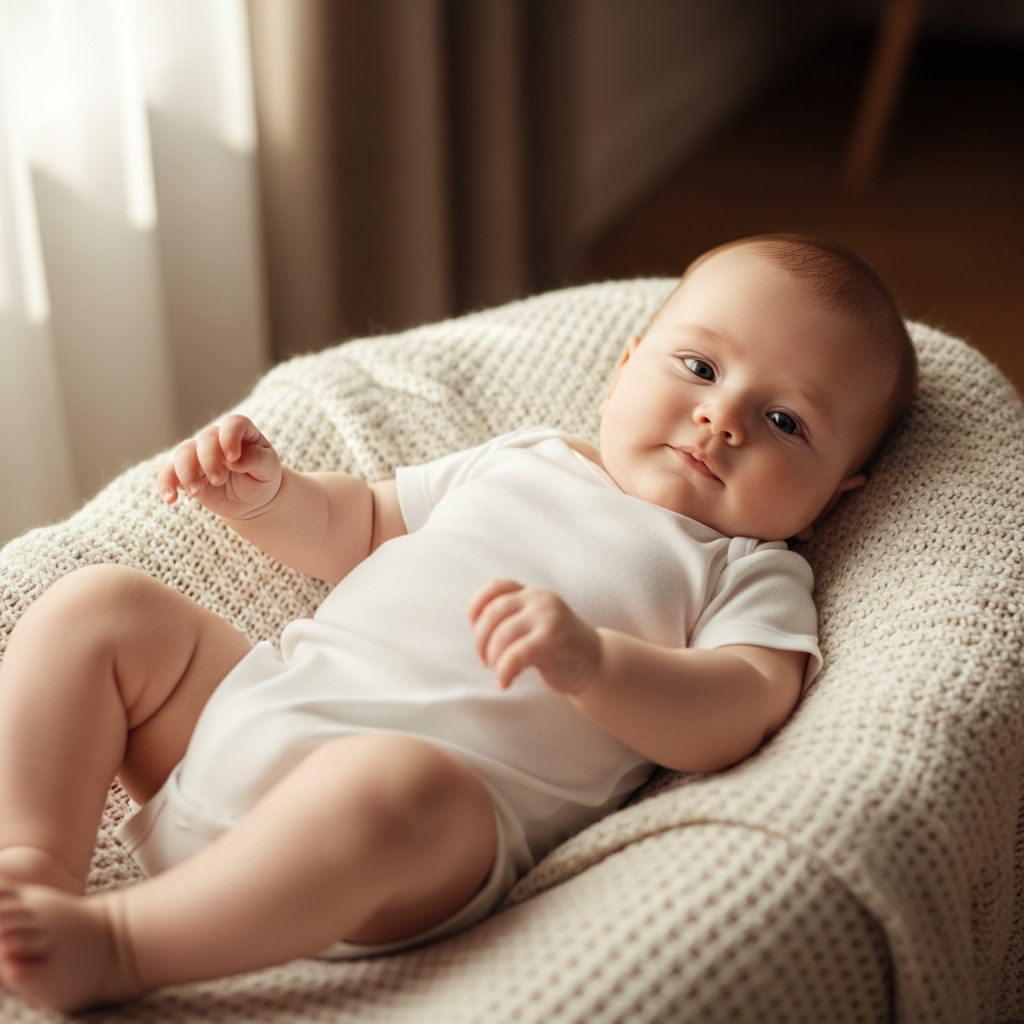
Now that you know what each garment is, let us compare them side by side. This comparison will help you understand exactly when to reach for each option.
| Feature | Onesie (Bodysuit) | Romper |
|---|---|---|
| Leg Coverage | No - legs exposed | Yes - short or long legs |
| Primary Use | Base layer, underwear | Complete outfit |
| Style Level | Basic, functional | Fashionable, outfit-ready |
| Layering | Easy to layer with pants/shorts | Standalone piece |
| Best Season | Year-round (as base layer) | Warmer months (shorts style) |
| Typical Age Range | Newborn - 24 months | 3 months - toddler years |
| Diaper Changes | Very easy (crotch snaps only) | More steps (full leg access) |
| Price Range | Budget-friendly | Mid to higher range |
Design and Construction Differences
Onesies typically feature simpler construction with an envelope neckline (more on this lifesaver feature later) and basic crotch snaps. They are designed for function first, comfort always, and style as a bonus.
Rompers, on the other hand, often showcase more design elements like decorative buttons, ruffles, patterns, and varied closures. You will find rompers with front zippers, back buttons, shoulder snaps, or full inseam snaps. The fabric variety is also wider, ranging from casual cotton to dressier linen blends for special occasions.
When Each Garment Works Best
Reach for an onesie when:
- You need a comfortable base layer
- Baby is sleeping or lounging at home
- You want to mix and match with pants or shorts
- Quick diaper changes are the priority
- You are layering under a sweater or jacket
Reach for a romper when:
- You need a complete, photo-ready outfit
- Heading to an outing or special occasion
- The weather is warm and one layer is enough
- You want your baby to look put-together with minimal effort
Romper vs Onesie for Newborns: What Should Your Baby Wear First?
This is perhaps the most common question new parents ask, and the answer is clear: for the newborn stage, onesies are your best friend.
Why Onesies Win for Newborns (0-3 Months)
Those first weeks with a newborn are a beautiful blur of feeding, sleeping, and diaper changes. Newborns typically need 8-12 diaper changes per day, and anything that makes those changes faster and easier is worth its weight in gold.
Onesies excel in this stage because:
- They are easier to put on a floppy, head-wobbling newborn
- Three crotch snaps mean lightning-fast diaper access
- They fit perfectly under swaddles and sleep sacks
- Simple designs mean fewer things to snag or irritate delicate skin
When Rompers Become Practical (3+ Months)
Around the three-month mark, rompers start making more sense. Your baby now has better head and neck control, making dressing less stressful. The diaper change frequency drops slightly, and you have more opportunities for outings where a cute outfit matters.
This is when many parents start introducing rompers for special occasions, photos, or simply because they cannot resist those adorable designs.
Building your newborn's wardrobe? Having a good selection of basic bodysuits is essential for those early months. You can explore soft, comfortable baby bodysuits that make diaper changes a breeze while keeping your little one cozy.
Seasonal Guide: Choosing Between Rompers and Onesies by Weather
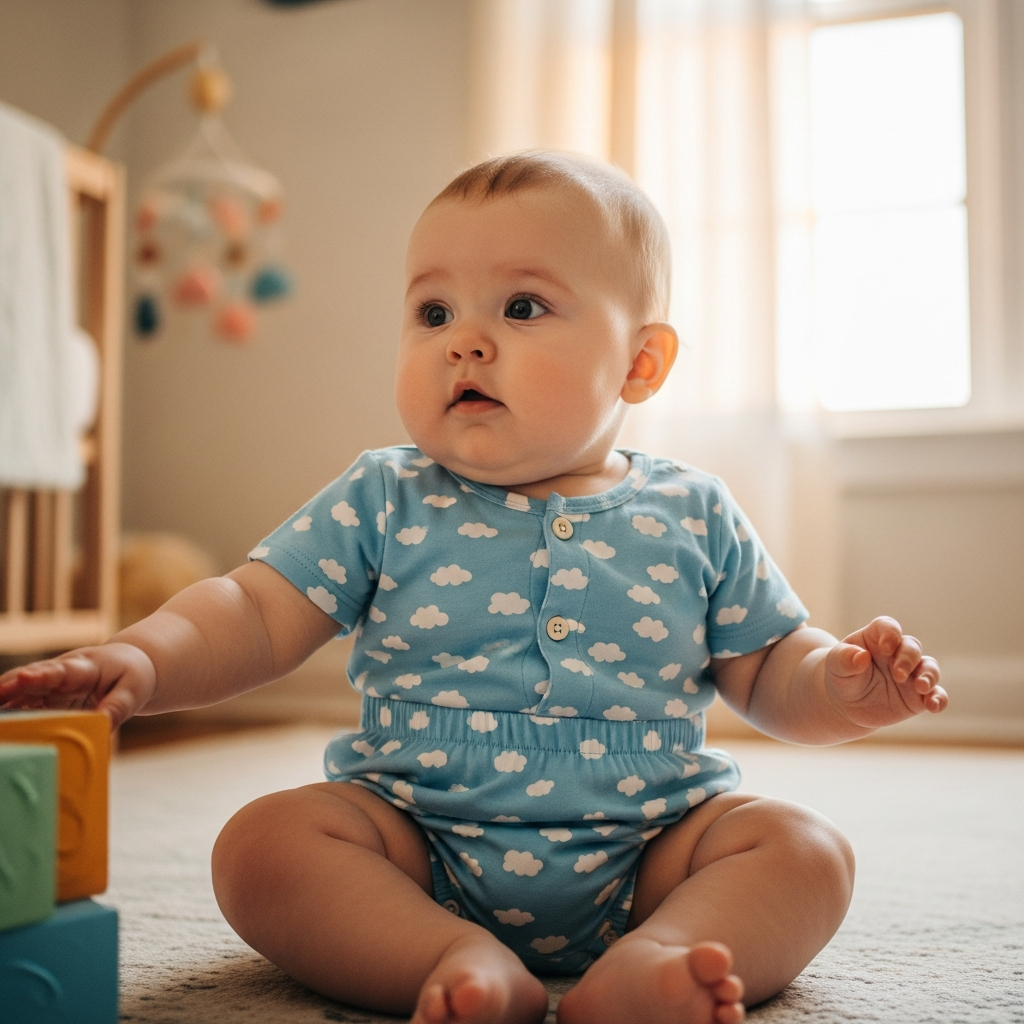
Your climate plays a significant role in whether rompers or onesies dominate your baby's closet. Here is how to dress your little one comfortably through every season.
Summer Baby Clothes: When Rompers Shine
Warm weather is romper season. A lightweight, short-sleeved or sleeveless romper keeps your baby cool and comfortable without overheating. Look for breathable fabrics like cotton, bamboo, or linen blends.
In very hot weather, a simple onesie alone can be the perfect outfit. No pants needed. Just a bodysuit and a diaper keeps baby comfortable without overheating.
Summer dressing tips:
- Choose light colors that reflect heat
- Opt for loose-fitting rompers that allow airflow
- Keep a light cardigan handy for air-conditioned spaces
- Consider UV-protective fabrics for outdoor time
Winter Layering: The Onesie Foundation
Cold weather is where onesies truly prove their worth as the ultimate base layer. The layering formula that works: onesie plus pants plus sweater or jacket.
The American Academy of Pediatrics recommends dressing babies in no more than one extra layer than what you would wear. A long-sleeve onesie under a cozy outfit provides that extra warmth without bulkiness.
Winter dressing tips:
- Long-sleeve onesies under everything
- Footed rompers or sleepsuits for cold nights
- Easy-to-remove layers for indoor heating adjustments
- Fleece-lined options for extra warmth
Spring and Fall: The Flexible Seasons
Transitional seasons require flexible thinking. Mornings might be chilly while afternoons warm up. The solution? Light layering that can be easily adjusted.
A onesie with light pants in the morning can become just the onesie by afternoon. Or start with a long-sleeved romper and add or remove a cardigan as needed.
Practical Parent Considerations: Diaper Changes, Snaps vs Zippers, and Daily Use
Let us get into the nitty-gritty details that experienced parents wish someone had told them earlier.
Which Is Easier for Diaper Changes?
For pure diaper-change efficiency, onesies win hands down. Three snaps at the crotch, a quick change, and you are done. No navigating leg snaps or zippers, no fully undressing your baby.
Rompers require more steps. Even with inseam snaps, you are dealing with more buttons and more body parts to maneuver. For those 3 AM changes when you are operating on autopilot, every extra step matters.
Pro tip: If your daycare requests you bring specific clothing types, ask about their preference. Many childcare providers prefer onesies for their diaper-change efficiency.
Snaps vs Zippers: What Experienced Parents Prefer
This is a surprisingly heated topic in parenting circles. Here is the honest breakdown:
Snaps:
- Pros: Adjustable fit, quiet to fasten, easy to replace if one breaks
- Cons: Time-consuming, easy to misalign (especially in the dark), more dexterity required
Zippers:
- Pros: Lightning-fast, one-motion closure, great for sleepy changes
- Cons: Can pinch baby's skin if not careful, harder to adjust fit
The golden option? Two-way zippers. These zip from both top and bottom, giving you quick diaper access without fully unzipping the outfit. Game changer for sleepwear.
The Envelope Neckline Hack Every Parent Should Know
This is the parenting hack that makes people say "why did no one tell me this sooner?" See those wide, overlapping shoulders on most onesies? That is called an envelope neckline, and it is designed for a specific purpose beyond just easy dressing.
When a diaper blowout happens (and it will), you can pull the soiled onesie DOWN over your baby's body instead of up over their head. The envelope shoulders stretch wide enough to slip past the torso and legs, keeping the mess contained and away from your baby's face and hair.
Trust us, the first time you use this hack during a major blowout, you will feel like you discovered a parenting superpower.
Fabric Guide for Sensitive Baby Skin
Whatever style you choose, fabric matters enormously for your baby's delicate skin.
Best fabric choices:
- Organic cotton: The gold standard. Look for GOTS or OEKO-TEX certified options
- Bamboo: Incredibly soft, naturally antibacterial, temperature-regulating
- Regular cotton: Budget-friendly and widely available
What to avoid: synthetic fabrics for extended wear, especially for sleep. Polyester blends can trap heat and irritate sensitive skin.
Building Your Baby Wardrobe: How Many Onesies and Rompers Do You Need?
One of the biggest questions for registry planning and baby prep: how many of each do you actually need?
Newborn Wardrobe Essentials (0-3 Months)
For the newborn stage, here is what we recommend:
-
Onesies/Bodysuits: 10-14 pieces total
- Short-sleeve: 6-8
- Long-sleeve: 4-6
- Rompers: 2-4 pieces (for special occasions and outings)
- Sleepsuits/Footies: 4-6 pieces
This gives you enough for frequent changes without drowning in laundry.
Growing Baby Wardrobe (3-12 Months)
As your baby grows, the balance shifts:
- Onesies: 8-10 pieces per size
- Rompers: 5-7 pieces per size
You will find yourself reaching for rompers more often as your baby becomes more active and social.
Smart Registry and Buying Tips
Learn from the mistakes of parents who came before you:
- Do not overbuy newborn sizes. Some babies never even fit into newborn clothing
- Focus on 0-3 month and 3-6 month sizes for your initial stock
- Request a variety of sizes at your baby shower
- Quality over quantity for frequently worn items
- Keep tags on until worn in case you need to exchange sizes
When stocking up on wardrobe essentials, look for versatile pieces that mix and match easily. A well-curated collection of baby rompers and jumpsuits can take your little one from playtime to photo ops in comfort and style.
Age-by-Age Clothing Guide: From Newborn to Toddler
Your baby's clothing needs evolve as they grow and hit developmental milestones. Here is what to expect at each stage.
Newborn to Sitter (0-6 Months)
During this stage, onesies dominate the wardrobe. Babies at this age spend most of their time lying down, being held, or in carriers. Prioritize:
- Simple, easy-access clothing
- Soft fabrics with minimal embellishments
- Rompers reserved for photos and outings
Crawler (6-12 Months)
Once your baby starts moving, more rompers enter the rotation. Consider:
- Knee-protecting clothing (long pants or padded rompers)
- Stretchy, movement-friendly fabrics
- Onesies still useful as base layers
Walker and Early Toddler (12-24 Months)
This stage marks the transition toward separate tops and bottoms. However:
- Rompers remain convenient as one-piece outfits
- Onesies work as undershirts to keep shirts tucked
- Potty training considerations begin affecting clothing choices
When Do Babies Stop Wearing Onesies?
Most children transition away from onesies between 18-24 months, typically when potty training begins. The snap crotch that was so convenient for diaper changes becomes an obstacle for independent toilet use.
That said, some parents continue using onesies as undershirts through age 3 or beyond. They keep shirts tucked in and provide an extra layer without bulk. Follow your child's lead and your own convenience.
Final Verdict: Romper or Onesie - Which Is Better for Your Baby?
After all this information, you might be hoping for a definitive answer. Here is the truth: neither is universally "better." They serve different purposes, and your baby genuinely needs both in their wardrobe.
The Bottom Line
The right choice depends on four factors:
- Age: Younger babies benefit more from onesies; older babies can rock rompers
- Activity: Sleeping and lounging favor onesies; outings favor rompers
- Season: Cold weather needs layering (onesies shine); warm weather works for rompers alone
- Occasion: Everyday comfort versus photo-ready looks
Quick Decision Guide
Choose a onesie when:
- You are layering with other clothes
- Baby is sleeping or napping
- You are in the newborn stage
- Easy, fast diaper changes are the priority
Choose a romper when:
- You need a complete, standalone outfit
- Heading out for an event or photos
- The weather is warm enough for one layer
- Your baby is 3+ months with good head control
Our Recommendation
Start onesie-heavy for newborns. Gradually add rompers as your baby grows. By six months, aim for a balanced mix of both. And always, always prioritize comfort and convenience over fashion.
Ready to build your baby's perfect wardrobe? Whether you are preparing a nursery or adding to an existing collection, having a thoughtful mix of essentials makes daily dressing stress-free. Explore a wide range of baby clothes at PatPat to find comfortable, adorable options for every stage.
Found this guide helpful? Share it with other new parents in your life who might be standing confused in that baby clothing aisle right now. We have all been there, and a little guidance goes a long way.
Frequently Asked Questions
What is the difference between a onesie and a romper?
A onesie (bodysuit) covers only the torso with snaps at the crotch, leaving legs exposed for pairing with pants. A romper is a complete one-piece outfit that covers both torso and legs, functioning as a standalone garment. Onesies work as base layers while rompers are outfit-ready.
Is a bodysuit the same as a onesie?
Yes, bodysuit is the generic term for what many call a "onesie." The word ONESIE is actually trademarked by Gerber. Other names include creeper, snapsuit, and bodysuit. All refer to the same leg-exposing, snap-crotch baby garment designed for easy diaper access.
Are rompers or onesies better for newborns?
Onesies are generally better for newborns. They are easier to put on floppy newborns, simpler for frequent diaper changes (8-12 daily), and work perfectly under swaddles and sleep sacks. Save rompers for occasional outings after your baby reaches 3 months old.
How many onesies does a newborn need?
Plan for 10-14 onesies for a newborn: 6-8 short-sleeve and 4-6 long-sleeve. Newborns go through multiple outfit changes daily due to spit-up and diaper leaks. Having plenty on hand prevents constant laundry and ensures you always have clean options ready.
Can babies sleep in rompers?
Babies can sleep in lightweight rompers, but most parents prefer onesies or dedicated sleepwear. Onesies work better under sleep sacks and swaddles. If using rompers for sleep, choose soft, breathable fabrics without buttons or embellishments that could irritate skin.
What is easier for diaper changes - a romper or onesie?
Onesies are easier for diaper changes. They require only 3 snaps at the crotch, while rompers typically need full leg access through multiple snaps or zippers. For nighttime changes especially, onesies minimize disruption to sleepy babies and tired parents alike.
At what age do babies stop wearing onesies?
Most babies transition away from onesies between 18-24 months, often when potty training begins. However, some parents continue using onesies as undershirts until age 3 or beyond to keep shirts tucked in and provide an extra layer of warmth.
What is the envelope neckline on baby onesies for?
The envelope neckline (wide, overlapping shoulder design) allows parents to pull a soiled onesie down over the baby's body instead of over their head during diaper blowouts. This prevents spreading mess to the baby's face and hair, making cleanup much easier.




