


Standing in the baby clothing aisle, surrounded by endless options, most new parents feel the same thing: complete overwhelm. Tiny dresses with delicate buttons. Miniature jeans that look adorable but feel stiff. Outfits with more pieces than you can count. How do you choose what your baby actually needs?
Here is the truth that will save you time, money, and stress: your baby does not need a closet bursting with outfits. What they need is comfort, and what you need is simplicity. The right baby clothes make every day easier, from morning changes to bedtime routines.
This guide from PatPat shares simple baby outfit ideas for everyday comfort that prioritize your little one's wellbeing while simplifying your life. You will learn which fabrics feel best against sensitive skin, which clothing types work hardest in your baby's wardrobe, and how to build a practical capsule collection that covers every daily activity without waste.
Whether you are preparing a nursery for your first baby or looking to streamline an overflowing wardrobe, these everyday baby outfit ideas will help you dress your little one with confidence. No complicated matching required. No frustrating closures to fumble with at 3 AM. Just comfortable, practical baby clothes designed for real life with a newborn.
Essential Everyday Baby Outfit Types That Prioritize Comfort
Before filling your baby's dresser, you need to understand which clothing pieces work hardest for everyday wear. The foundation of any comfortable baby wardrobe rests on three essential outfit types that offer versatility, ease, and all-day comfort.
Bodysuits: The Versatile Everyday Foundation
Bodysuits, often called onesies, are one-piece garments that cover your baby's torso with snap closures at the crotch. They serve as the backbone of everyday baby outfits for good reason.
These versatile pieces keep diapers securely in place, never ride up or bunch, and layer beautifully under other clothing. In warm weather, a quality bodysuit works perfectly on its own. When temperatures drop, it becomes the ideal base layer.
Look for bodysuits with these comfort features:
- Envelope necklines that stretch wide for easy on-and-off
- Flat seams that prevent irritation against sensitive skin
- Soft, breathable cotton or bamboo fabrics
- Nickel-free snaps that close quickly and securely
For a functional wardrobe, plan on 6-8 bodysuits per size. This quantity allows for the 2-3 daily outfit changes that most parents experience while accommodating laundry schedules.
Rompers: One-Piece Simplicity for Active Days
Rompers are complete outfits covering both torso and legs in one piece. They eliminate the need for matching separates and stay perfectly in place during tummy time, crawling practice, and all of baby's daily adventures.
Well-designed rompers combine style with everyday practicality. Short-leg versions work beautifully in summer, while long-leg styles keep little legs cozy in cooler months. For diaper changes, look for rompers with snap or zipper access along the legs or inseam.
Rompers shine for outings and photo opportunities because they create a pulled-together look with zero effort. One piece on, snaps closed, and your baby looks adorable for whatever the day brings.
Footed Sleepers: Day-to-Night Comfort
Footed sleepers are full-body garments with enclosed feet, designed primarily for sleep but versatile enough for all-day wear, especially during the newborn stage.
Many parents keep their newborns in footed sleepers around the clock during those early weeks. These practical pieces eliminate the need for separate socks, which inevitably fall off, and keep babies warm without loose blankets, following AAP safe sleep guidelines.
Key features to prioritize include two-way zippers that open from the foot for easy diaper access and fold-over hand cuffs that prevent scratching without separate mittens.
Best Fabrics for Soft and Breathable Baby Clothes
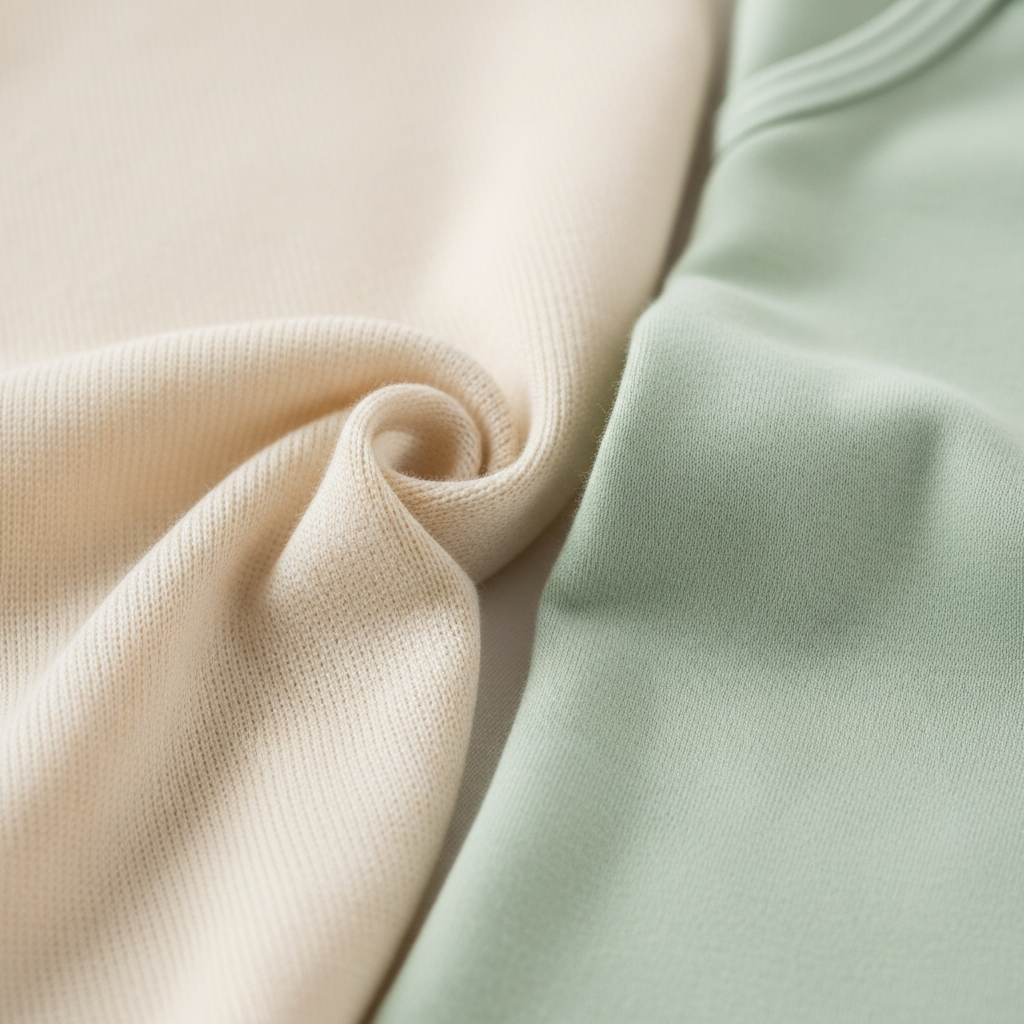
The fabric against your baby's skin matters more than any other clothing decision. Babies have delicate, sensitive skin that reacts to rough textures, synthetic materials, and chemical treatments. Choosing the right fabrics ensures all-day comfort and helps prevent common skin irritations.
Organic Cotton: The Trusted Standard for Newborns
Organic cotton remains the gold standard for baby clothing, and for good reason. This natural fiber offers exceptional breathability, allowing air to circulate and preventing overheating. It feels soft against skin, absorbs moisture effectively, and gets softer with each wash.
The "organic" distinction matters significantly for babies. Unlike conventional cotton, organic cotton is free from pesticides, synthetic fertilizers, and toxic dyes, making it the gentlest option for sensitive newborn skin.
When shopping, look for GOTS (Global Organic Textile Standard) certification. According to the Global Organic Textile Standard, certified products must contain a minimum of 70% organic fibers, with strict limits on chemical processing.
Bamboo: Naturally Temperature-Regulating and Ultra-Soft
Bamboo fabric has become increasingly popular for baby clothing, and parents who try it often become devoted fans. This material feels exceptionally soft, often described as silkier than cotton, and offers unique temperature-regulating properties.
The science behind bamboo's comfort is fascinating. Studies show bamboo fabric can keep skin two to three degrees cooler than cotton in warm conditions. This temperature regulation happens because bamboo fibers contain micro-gaps that allow superior moisture absorption and ventilation.
Bamboo baby clothes work beautifully year-round, keeping babies cool in summer heat and warm in winter cold. The fabric also offers natural moisture-wicking properties, drawing sweat away from skin before it can cause irritation.
What to Look for and Avoid in Baby Clothing Fabrics
Beyond organic cotton and bamboo, here is what to seek and avoid when selecting everyday baby clothes:
| Look For | Avoid for Daily Wear |
|---|---|
| OEKO-TEX Standard 100 certification | 100% polyester |
| Pre-washed fabrics | Stiff, scratchy materials |
| Cotton-spandex blends for stretch | Heavy embellishments or beading |
| Natural dyes or low-impact colors | Strong chemical smells |
The OEKO-TEX certification provides important safety assurance. According to OEKO-TEX, this certification tests for over 1000 harmful substances, with the strictest standards applied to products for infants under 36 months.
A simple test: if fabric feels scratchy to your hand, it will likely irritate your baby. Always wash new clothes before first wear to remove any residual manufacturing chemicals.
How to Dress Your Newborn for Everyday Activities
Your baby's outfit needs change throughout the day based on activities. Here is how to dress your little one comfortably for common everyday situations.
Tummy Time and Floor Play Outfits
During tummy time and floor play, your baby needs maximum freedom of movement to support healthy development. The best choices include bodysuits paired with soft pants or stretchy rompers that allow unrestricted motion.
Avoid dresses for active play, as they bunch up awkwardly during tummy time. Similarly, skip stiff jeans or pants with decorative buttons that might press uncomfortably into baby's tummy. Prioritize soft fabrics with no front embellishments that could dig into skin during floor time.
As your baby grows toward crawling, knee-covering options help protect those busy little knees from friction on floors and carpets.
Nap Time and Lounging Attire
For naps and quiet lounging time, comfort reigns supreme. Footed sleepers work wonderfully, as do sleep gowns for newborns or bodysuits worn under sleep sacks.
Prioritize tagless designs and flat seams that will not irritate during rest. Check that your baby feels warm but not hot by touching their chest or back of neck rather than hands or feet, which naturally run cooler.
Following Sleep Foundation recommendations, keep the nursery between 68-72 degrees Fahrenheit and dress baby appropriately for that temperature to support safe sleep.
Outings and Errands: Keeping It Simple
For outings, one-piece rompers offer the ultimate convenience. No matching required, and the outfit stays put through car seat transfers, stroller rides, and everything in between.
Choose outfits that allow car seat straps to fit properly against baby's body. Avoid puffy clothing under straps, as this can compromise car seat safety. Instead, dress in lighter layers and add blankets over straps if needed for warmth.
Pack one backup outfit in your diaper bag in a similar simple style for inevitable mid-outing changes. Solid colors and simple patterns photograph well anywhere, perfect for capturing spontaneous moments during your adventures.
Seasonal Layering Strategies for Year-Round Baby Comfort
Babies cannot regulate their body temperature like adults can, making proper layering essential for comfort and safety. According to Royal Children's Hospital, babies can lose heat rapidly, as much as four times more quickly than adults due to their immature thermoregulatory system.
Warm Weather Outfits: Light and Breathable
When temperatures climb above 75 degrees Fahrenheit, light single layers work best. Short-sleeve bodysuits, lightweight rompers, and breathable cotton or bamboo fabrics keep babies comfortable without overheating.
For outdoor time, consider long sleeves in lightweight fabric for sun protection, paired with a wide-brimmed hat. Indoors with air conditioning, a single bodysuit often provides enough coverage.
Watch for signs of overheating, which can include flushed cheeks, sweating at the hairline or neck, heat rash, and unusual fussiness. When in doubt, remove a layer and check again in a few minutes.
Cool Weather Outfits: Cozy Layers Without Bulk
For cooler temperatures, use this layering formula: base layer (bodysuit) plus middle layer (pants or shirt) plus outer layer (cardigan or jacket). This approach allows easy adjustments as you move between indoor and outdoor temperatures.
Long-sleeve bodysuits make excellent base layers, keeping baby's core warm while allowing for additional pieces on top. A general guideline: dress your baby in one more layer than you are comfortable wearing.
Avoid the temptation to over-bundle. Too many layers can cause dangerous overheating. Check baby's temperature regularly by feeling their chest or back of neck, not their hands or feet, which naturally feel cooler.
The One-Layer Rule for Room Temperature
At comfortable room temperature of 68-72 degrees Fahrenheit, most babies do well in bodysuits, rompers, or lightweight sleepers. This temperature range is considered ideal for infant sleep environments.
| Room Temperature | Recommended Outfit |
|---|---|
| 75+ degrees F | Short-sleeve bodysuit only |
| 70-74 degrees F | Long-sleeve bodysuit or light romper |
| 65-69 degrees F | Long-sleeve bodysuit + pants or footed sleeper |
| Below 65 degrees F | Layers: bodysuit + pants + light jacket or warm sleeper |
Signs your baby feels too cold include a cool chest or tummy, mottled skin, and unusual fussiness. Simple base outfits make adding or removing layers quick and easy as temperatures change throughout the day.
Easy-Dressing Features That Simplify Your Daily Routine
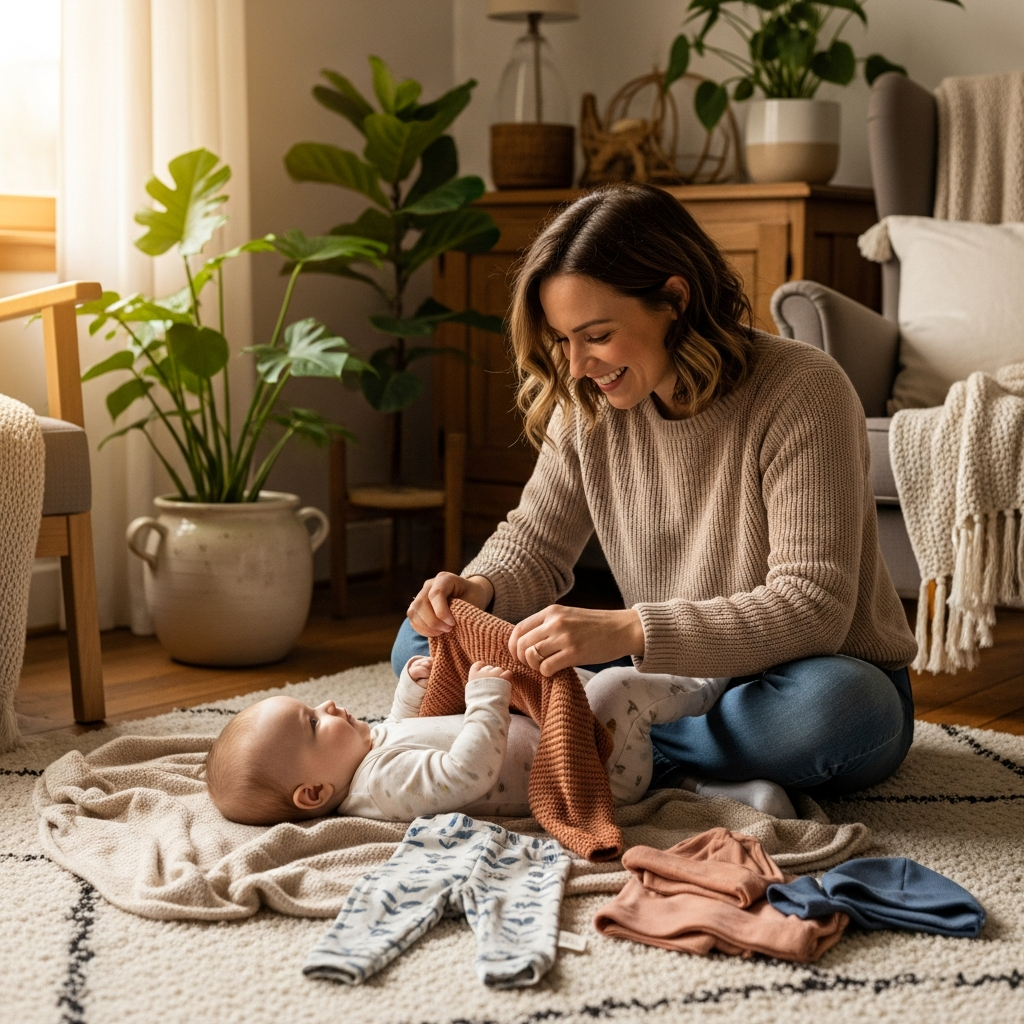
When you are changing outfits and diapers multiple times a day, the right clothing features save precious time and reduce stress. Newborns may need up to 10-12 diaper changes per day, so clothing that allows quick access matters significantly.
Closure Types: Zippers, Snaps, and Magnetic Options
Different closure types serve different purposes in your baby's wardrobe:
- Zippers: Fastest for sleepy nighttime changes. Look for two-way zippers that open from the foot, allowing diaper access without fully undressing baby.
- Snaps: Flexible and durable for daytime wear. Multiple snaps take longer but offer secure closure and easy adjustments.
- Magnetic closures: The quickest option of all. Magnets align automatically and close silently, perfect for middle-of-night changes when you want to avoid fully waking baby.
Many parents find zippers or magnetic closures ideal for nighttime and more tolerant of snaps during daytime. Magnetic closure garments cost more but may prove worthwhile for sleep-deprived parents handling frequent nighttime diaper changes.
Design Features That Speed Up Outfit Changes
Beyond closures, these design features make dressing easier:
- Envelope necklines: The wide shoulders on many bodysuits stretch to pull down over baby's body rather than over the head, invaluable during messy diaper blowouts.
- Kimono or wrap styles: These open completely flat, perfect for newborns who dislike anything pulled over their heads.
- Extended leg snaps: Full access to the diaper area without removing the entire outfit.
- Fold-over cuffs: Built-in mittens and foot covers eliminate extra accessories.
- Tagless designs: No irritating tags means no mid-day outfit changes due to discomfort.
- Stretchy fabrics: Easier to maneuver onto wiggly babies and more comfortable overall.
Features to Avoid for Everyday Comfort
Some clothing features, while cute, create daily frustrations:
- Buttons: Time-consuming and can press uncomfortably into skin
- Back-only closures: Impossible for diaper changes when baby lies on their back
- Stiff embellishments: Beads, appliques, or decorations that scratch sensitive skin
- Restrictive fits: Tight elastic and non-stretchy fabrics limit movement
- Complicated multi-piece outfits: Save these for special occasions, not everyday wear
- Rough interior seams: These rub against delicate skin and cause irritation
Building a Minimalist Baby Capsule Wardrobe for Everyday Wear
More is not better when it comes to baby clothes. A thoughtful capsule wardrobe of comfortable essentials means less clutter, less laundry overwhelm, and more outfits your baby actually wears before growing to the next size.
The Essential Capsule Wardrobe Checklist (0-6 Months)
Here is what a practical everyday wardrobe includes for babies in their first six months:
| Item | Quantity | Notes |
|---|---|---|
| Short-sleeve bodysuits | 5-6 | Year-round staple |
| Long-sleeve bodysuits | 4-5 | Cooler weather base layer |
| Footed sleepers | 4-5 | Prioritize zipper styles |
| Rompers | 3-4 | Mix of short and long leg |
| Soft pants or leggings | 3-4 | Stretchy waistbands only |
| Cardigans or light jackets | 2 | Easy layering pieces |
| Hats | 2 | Sun hat plus warm hat |
These quantities accommodate 2-3 outfit changes per day while allowing laundry every 2-3 days. This approach prevents buying excess before baby grows to the next size.
Choosing Pieces That Mix and Match
Smart color and pattern choices maximize your wardrobe's versatility:
- Color strategy: Build your base with neutrals like white, grey, and beige that mix with any accent color
- Pattern pairing: Combine solids with patterns rather than patterns with patterns
- Seasonal flexibility: Long-sleeve bodysuits layer under rompers when weather cools
- Classic styles: Simple designs photograph well and never look dated
Invest more in frequently worn items like bodysuits and sleepers, where quality construction and soft fabrics matter most. When creating a registry or shopping, request sizes 3-6 months and 6-9 months rather than loading up on newborn size, which babies often outgrow within weeks.
When to Size Up and Rotate Out
Babies grow at unpredictable rates, sometimes skipping sizes entirely or staying in one longer than expected. Watch for these signs that it is time to size up:
- Snaps pulling or popping open
- Leg openings feeling tight
- Fabric stretched thin across chest or tummy
- Sleeper feet cramped against baby's toes
Keep one size ahead washed and accessible for sudden growth spurts. When rotating out too-small clothes, well-chosen quality basics stay in excellent condition for siblings, friends, or donation.
Specialized Comfort: Outfit Ideas for Sensitive Skin
Some babies need extra attention to fabric and clothing choices. According to the American Academy of Pediatrics, atopic dermatitis (eczema) affects 20-25% of children, with many cases developing in infancy.
Eczema-Friendly Baby Outfit Choices
For babies with eczema or extra-sensitive skin, clothing choices directly impact comfort and flare-up frequency:
- Fabric priorities: 100% organic cotton, bamboo viscose, or GOTS-certified materials
- Avoid triggers: Wool, synthetic fibers, strong dyes, fragranced fabrics
- Seam considerations: Flat seams or seams on the outside reduce friction against irritated skin
- Fit matters: Loose enough to avoid rubbing but snug enough to prevent bunching
Layering carefully helps too. Fewer layers mean less friction against already-sensitive skin. Use fragrance-free detergent, add an extra rinse cycle to remove all soap residue, and consider air drying when possible.
Certifications That Ensure Baby-Safe Clothing
When shopping for sensitive-skin-friendly options, these certifications provide peace of mind:
- GOTS (Global Organic Textile Standard): The strictest organic certification, covering the entire production process from fiber to finished product
- OEKO-TEX Standard 100: Tests for harmful substances with the strictest limits applied to infant products (Class I)
- GOTS + OEKO-TEX together: The ideal combination for maximum safety assurance
Certified items may cost more than conventional options, but they offer valuable peace of mind for parents of babies with sensitive or reactive skin.
Frequently Asked Questions About Simple Baby Outfit Ideas
What should a newborn baby wear for everyday?
For everyday wear, dress newborns in soft bodysuits as a base layer, paired with comfortable pants or as standalone outfits in warm weather. Footed sleepers work well for lounging and naps. Choose organic cotton or bamboo fabrics and prioritize easy-access closures for frequent diaper changes. Many parents find that simple footed sleepers serve as perfect all-day outfits during the earliest weeks.
How many outfits does a baby need per day?
Newborns typically need 2-3 outfit changes per day due to diaper leaks, spit-up, and drool. Plan for 8-10 everyday outfits in each size to allow for laundry every 2-3 days. This number often decreases as babies grow and experience fewer accidents. Always keep at least one backup outfit in your diaper bag for outings.
What fabric is best for baby clothes?
Organic cotton and bamboo are the best fabrics for baby clothes. Organic cotton is breathable, soft, and hypoallergenic with no pesticide residues. Bamboo is exceptionally soft, naturally temperature-regulating, and moisture-wicking. Look for GOTS or OEKO-TEX certifications for added safety. Avoid 100% polyester and stiff synthetic fabrics for everyday wear.
Should babies wear pants or just onesies at home?
At home, either option works depending on room temperature. In warm conditions above 72 degrees Fahrenheit, a bodysuit alone provides comfortable coverage. In cooler conditions, add soft pants or choose footed sleepers. The key is checking baby's chest or back of neck to ensure they are not too hot or cold. Many parents find bodysuits-only simplest for frequent diaper changes.
How do I know if my baby is dressed comfortably?
Check your baby's chest or back of neck rather than hands or feet, which naturally run cooler. Skin should feel warm but not hot or sweaty. Signs of discomfort include fussiness, heat rash, visible sweating, or cool or mottled skin on the torso. A comfortable baby is typically calm with pleasantly warm skin at the chest.
What baby clothes are easiest to put on?
The easiest baby clothes to put on feature envelope necklines, front zippers, or magnetic closures. Kimono-style wraps are ideal for newborns who dislike clothes pulled over their heads. Stretchy fabrics also make dressing easier. Avoid back-only closures and garments with multiple small buttons, which slow down outfit changes.
Are expensive baby clothes worth it for everyday wear?
Quality everyday basics are worth investing in because babies wear them repeatedly. Focus spending on frequently worn items like bodysuits and sleepers. Choose quality fabrics like organic cotton or bamboo with durable construction. You will save money overall by buying fewer pieces in better quality rather than many cheap items that wear out quickly or irritate baby's skin.
When can babies start wearing regular clothes instead of onesies?
Babies can wear separate tops and bottoms at any age, but most parents transition around 12-18 months when potty training approaches. Many continue using bodysuits as undershirts until age 2-3 to keep shirts tucked. There is no rush to switch; use whatever style works best for your family and your baby's current stage of development.
Creating Everyday Comfort for Your Baby
Dressing your baby does not need to be complicated. With simple baby outfit ideas focused on everyday comfort, you can create a wardrobe that works for real life with a newborn: easy changes, happy babies, and less stress for everyone.
Remember these key takeaways as you build or refine your baby's wardrobe:
- Foundation pieces like bodysuits, rompers, and footed sleepers handle most daily needs
- Quality fabrics including organic cotton and bamboo offer the best comfort for sensitive skin
- Practical features like zippers, envelope necklines, and stretchy materials simplify daily routines
- A capsule wardrobe approach prevents overbuying and ensures every piece gets worn
- Layering thoughtfully keeps baby comfortable through temperature changes and seasons
Trust your instincts as you dress your baby each day. If your little one seems comfortable and happy, you are doing it right. The most elaborate outfit means nothing if your baby is uncomfortable, while a simple bodysuit can be perfect when the fit, fabric, and features are just right.
PatPat believes that practical, comfortable baby clothes should be accessible to every family. Whether you are building your first baby wardrobe or simplifying an overstuffed dresser, focusing on quality basics over quantity will serve you and your baby well.
Every parent finds their own rhythm with baby clothing. Give yourself grace during the learning curve, and remember that your baby's comfort and your peace of mind matter far more than having the "perfect" outfit for every occasion.




