


Family camping is booming. According to KOA's camping research, roughly one million new families start camping each year in the United States. But here is the challenge every parent faces when planning their first tent adventure with a little one: how do you keep your baby comfortable and safe sleeping outdoors when temperatures drop after sunset?
Choosing the right baby pajamas for a camping trip is not simply about picking something cute. It is about understanding how outdoor conditions differ from your climate-controlled nursery, selecting fabrics that perform in fluctuating temperatures, and mastering the layering system that keeps your infant cozy from dusk to dawn. Get this wrong, and you will spend the night worrying instead of stargazing.
This guide walks you through everything you need to know about outdoor baby sleepwear, from temperature-appropriate fabric choices to essential safety considerations. Whether you are planning a summer beach campout or a cool mountain retreat, you will learn exactly how to dress your baby for camping sleep. At PatPat, we understand that parents want practical solutions that actually work in the wild. Let us help you prepare for restful nights under the stars.
Understanding Temperature Regulation for Baby Camping Sleep
Before you pack a single onesie, you need to understand why outdoor temperature management matters so much more than it does at home. Your nursery thermostat keeps things steady. A tent does not.
Tent temperatures can swing dramatically from evening to morning. You might start the night at a comfortable 65 degrees, only to wake at dawn with condensation dripping and temperatures hovering near 45 degrees. Unlike adults, babies cannot efficiently regulate their own body temperature. According to Stanford Children's Health, babies can lose heat as much as four times more quickly than adults because their body surface area is about three times greater relative to their weight.
This is not just about comfort. The CDC reports approximately 3,700 sudden unexpected infant deaths annually in the United States, and overheating is a known risk factor. According to medical research, overheating increases SIDS risk. Getting your baby's camping sleepwear right is a safety issue, not just a comfort preference.
How Cold Is Too Cold for Camping with a Baby?
Here is the straightforward answer parents need:
- Generally safe: Overnight temperatures above 50°F (10°C) with proper sleepwear
- Cautious zone: 40–50°F (4–10°C) requires careful layering and frequent monitoring
- Not recommended: Below 40°F (4°C) for most family tent camping with infants
Individual factors matter too. A chunky six-month-old handles cool nights differently than a lean newborn. Babies who tend to run hot at home will likely do the same in a tent. Know your baby's patterns before you go.
Reading Outdoor Conditions for Sleepwear Decisions
Smart camping parents check more than just the forecast low. Consider these factors:
- Elevation effects: According to the National Weather Service, temperature drops approximately 5.5°F for every 1,000 feet of elevation gain on dry days
- Humidity levels: Damp air feels colder and affects how fabrics perform
- Wind exposure: Even light breezes increase cooling inside tents
- Morning condensation: Tents can get damp inside, making moisture-wicking fabrics essential
Camping Temperature to Sleepwear Guide
| Overnight Low | Sleepwear Recommendation | TOG Rating | Additional Notes |
|---|---|---|---|
| 65°F+ (18°C+) | Light cotton pajamas or short-sleeve onesie | 0.5–1.0 | Watch for tent overheating in morning |
| 55–65°F (13–18°C) | Standard footie pajamas | 1.0–2.0 | May add light sleep sack |
| 45–55°F (7–13°C) | Fleece or bamboo footie + sleep sack | 2.0–2.5 | Layer base + insulating layer |
| 40–45°F (4–7°C) | Merino wool base + fleece + warm sleep sack | 2.5–3.5 | Maximum warmth with frequent monitoring |
| Below 40°F (4°C) | Not recommended for tent camping | N/A | Consider cabin camping or postpone |
Best Fabrics for Baby Camping Pajamas
Your baby's favorite cotton sleeper from home might not be the best choice for camping. Outdoor conditions demand fabrics that can handle moisture, temperature swings, and limited laundry options. Here is what actually works.
Bamboo Fabric for Versatile Camping Sleepwear
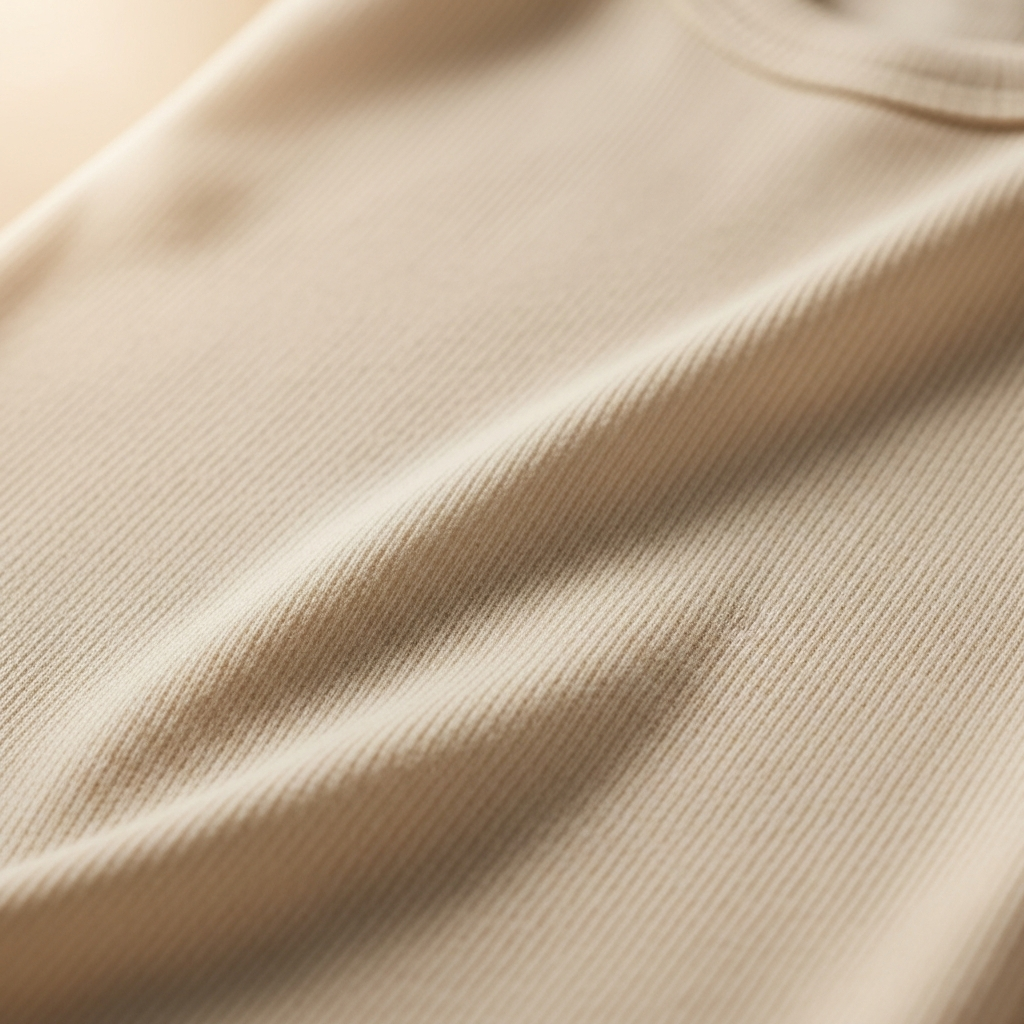
Bamboo has emerged as the go-to fabric for parents who camp, and the science backs this up. According to textile research, bamboo fabric has a moisture regain rate of 12–13%, compared to cotton's 6–9%, making it significantly better at wicking away sweat.
What does this mean in a tent? Your baby stays dry when temperatures swing from cool evening air to a warming morning tent. The micro-gap structure in bamboo fibers creates natural temperature adaptation, keeping the wearer cooler in heat and warmer in cold. For families seeking versatile camping sleepwear, moisture-wicking bamboo baby sleepwear offers excellent temperature regulation in fluctuating outdoor conditions.
Merino Wool for Cold Weather Camping
When temperatures dip into the 40s, merino wool becomes your best friend. This natural fiber provides outstanding insulation even when slightly damp, which matters in tent environments where condensation is common. Merino also resists odors naturally, a practical benefit when you cannot do laundry mid-trip.
The downside? Cost. Quality merino baby sleepwear runs significantly higher than other options. Save it for colder camping trips where the investment pays off.
Fleece and Synthetic Options for Layering
Fleece excels as a mid-layer rather than a base layer. It provides excellent insulation-to-weight ratio and dries quickly if it gets damp. However, fleece against bare skin can cause sweating, so pair it with a moisture-wicking base layer underneath.
Why Cotton Falls Short for Camping
Cotton is comfortable and familiar, but it has a critical flaw for outdoor use: it retains moisture and loses insulating properties when wet. A baby who sweats in cotton pajamas ends up clammy and cold when temperatures drop. Cotton also dries slowly, making it impractical when conditions change. Reserve cotton for warm, dry camping conditions only.
Why Bamboo Sleepwear Excels for Camping with Babies
Given the challenges of tent sleeping, bamboo deserves a closer look. This fabric addresses the specific problems camping parents face.
Natural Thermoregulation for Unpredictable Tent Temperatures
Tents create a unique microclimate. They trap body heat overnight, then cool rapidly as morning dew settles on the rainfly. Bamboo's micro-gap fiber structure responds to these changes naturally, reducing the need for middle-of-the-night pajama swaps. Parents consistently report fewer night wakings when babies wear bamboo compared to cotton in outdoor settings.
Moisture Management for Active Baby Sleep
Babies move, kick, and often sweat during sleep, especially in the insulated environment of a sleeping bag or sleep sack. Research shows that bamboo can absorb more moisture than cotton before feeling wet. This keeps skin dry and reduces the risk of heat rashes that can disrupt sleep.
For camping trips where temperature swings are expected, breathable bamboo baby sleepwear helps maintain consistent comfort throughout the night.
Packing Light with Multi-Purpose Bamboo
One bamboo pajama set can work across a wider temperature range than cotton, reducing your packing load. Bamboo also dries quickly if you need to hand-wash it at a campsite, and it can double as comfortable daytime loungewear around camp.
How to Layer Baby Clothes for Tent Sleeping
Layering is not just for adults on mountain hikes. The same principles apply to keeping your baby comfortable through changing overnight conditions.
The Three-Layer System for Baby Camping Sleep
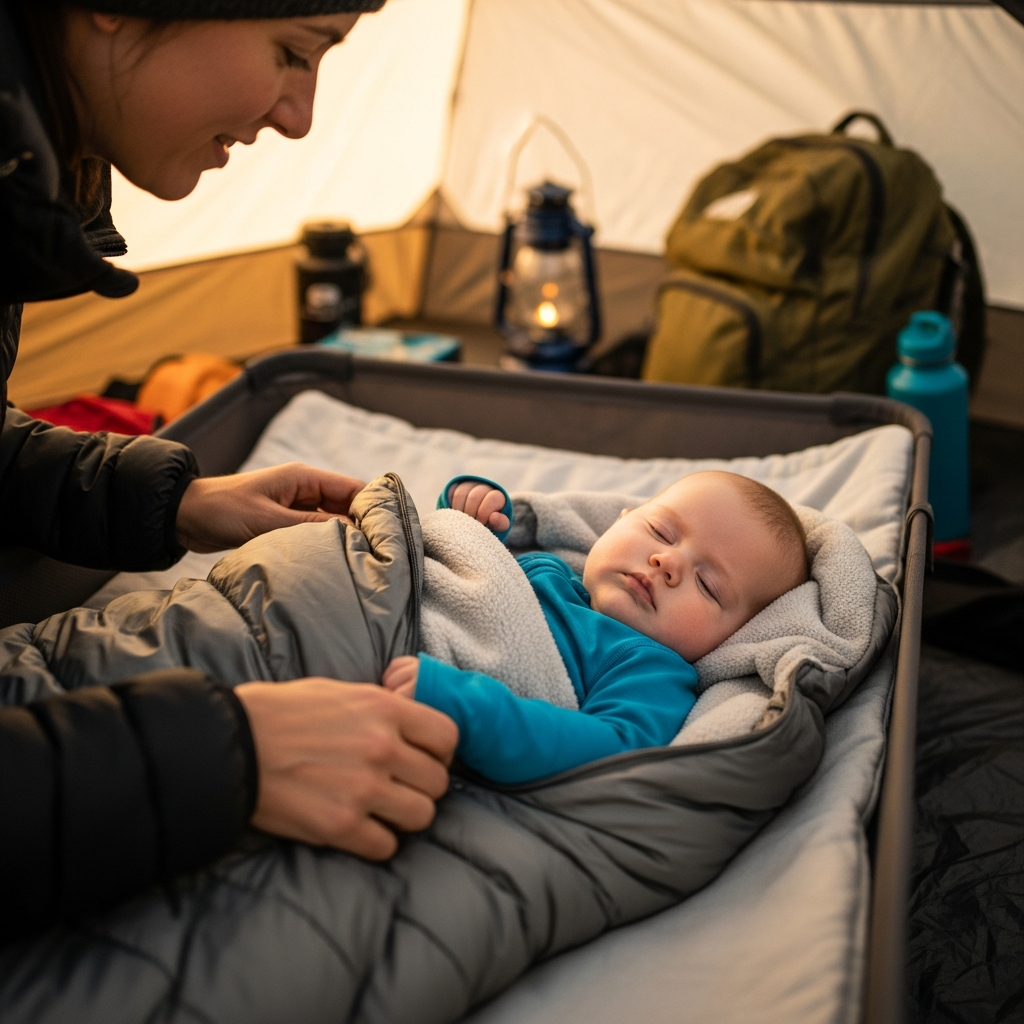
Think of baby camping sleepwear in three parts:
- Base Layer: Moisture-wicking layer against skin (bamboo or merino wool). This pulls sweat away to keep skin dry.
- Mid Layer: Insulating layer for warmth (fleece or wool pajamas). Only needed in cooler conditions.
- Outer Layer: Sleep sack or wearable sleeping bag at appropriate TOG rating. This provides safe, blanket-free warmth.
Layering by Temperature Range
Match your layers to expected conditions:
- Warm nights (60–70°F): Single bamboo layer, possibly with light sleep sack
- Cool nights (50–60°F): Bamboo base layer plus standard TOG 2.0 sleep sack
- Cold nights (40–50°F): Merino base layer plus fleece mid-layer plus warm TOG 2.5+ sleep sack
Always adjust based on your individual baby's temperature tendencies. A baby who kicks off blankets at home likely runs warm.
Common Layering Mistakes to Avoid
Over-layering is actually more dangerous than dressing too lightly. Research from the National Institutes of Health confirms that babies who get overheated are at higher risk for SIDS. Avoid these common errors:
- Using cotton as a base layer, which traps sweat and loses warmth
- Forgetting that sleep sacks already provide significant insulation
- Not accounting for activity level, as a baby who nursed actively before bed generates more body heat
The Touch Test for Camping
How do you know if your layers are right? Check your baby's chest and back of neck. They should feel warm but not hot or sweaty. Cold hands and feet are normal and not concerning. Red cheeks, sweating, or damp hair indicate overheating, so remove a layer immediately.
Essential Safety Tips for Baby Sleep While Camping
Camping introduces safety considerations you do not face at home. Adapting safe sleep guidelines for the outdoors requires some planning.
Creating a Safe Sleep Space in Your Tent
The American Academy of Pediatrics safe sleep guidelines apply outdoors too:
- Use a travel crib or portable play yard for a familiar, safe sleep space
- Ensure a firm, flat sleeping surface
- Keep loose blankets, pillows, and soft bedding out of the sleep area
- Position the sleep space away from tent walls to avoid condensation and cold transfer
Safe Sleepwear Guidelines for Camping
The Consumer Product Safety Commission recommends snug-fitting sleepwear because it is less likely to come into contact with a flame. This matters when camping near fire pits or stoves. Additional guidelines:
- Sleep sacks eliminate loose blanket hazards
- Avoid hoods or drawstrings that could pose strangulation risk
- Ensure pajamas are not so bulky they restrict movement when baby sleeps on back
Monitoring Baby Temperature Overnight
Plan for overnight checks every two to three hours during your first camping trip. Keep a small flashlight accessible for quick temperature assessments. Know the signs of both overheating (sweating, flushed skin, rapid breathing) and getting too cold (cool chest, pale skin, lethargy).
Altitude and Environment Considerations
Mountain camping adds complexity. Higher elevations mean cooler temperatures, and mountain weather changes rapidly. Pack layers that allow quick adjustments, and err on the side of bringing warmer options than you think you need.
Packing Baby Pajamas for Your Camping Trip
How much sleepwear should you bring? The answer depends on trip length and expected conditions.
Essential Sleepwear Packing List
- 2–3 sets of base layer pajamas (bamboo or merino wool recommended)
- 1–2 mid-layer options (fleece sleeper for colder nights)
- 1–2 sleep sacks (different TOG ratings if temperatures vary)
- Extra onesies for layering adjustments
- Lightweight hat and socks for additional warmth if needed
- Backup pajama set stored in car for unexpected weather changes
Packing for Different Trip Lengths
- Weekend trip (2 nights): Minimum two complete sleepwear sets plus backup
- Week-long trip: Four to five sleepwear options covering the expected temperature range
- Extended trips: Plan for campsite laundry or pack accordingly
Building a versatile camping wardrobe with quality baby clothing ensures you are prepared for changing conditions without overpacking.
Smart Packing Organization Tips
- Pack sleepwear in a waterproof bag to protect from tent condensation
- Keep the nighttime outfit accessible so you are not digging through gear in the dark
- Bring a small flashlight or headlamp for nighttime changes
- Pack layers separately for easy mixing and matching
Sleep Sacks and Wearable Sleeping Bags for Baby Camping
Sleep sacks are essential for safe camping sleep. They eliminate the need for loose blankets while providing adjustable warmth.
Standard Sleep Sacks for Camping
Your baby's regular sleep sack from home works well for mild to moderate camping temperatures. The familiarity helps maintain sleep routines in an unfamiliar environment. Pair standard sleep sacks with appropriate layered pajamas underneath for temperature adjustment.
Camping-Specific Baby Wearable Sleeping Bags
For serious camping families or cold weather trips, camping-specific wearable sleeping bags offer higher insulation ratings than standard sleep sacks. Brands like Morrison Outdoors design products rated to specific temperature ranges, giving you confidence in colder conditions.
Choosing the Right TOG Rating for Camping
TOG ratings indicate thermal resistance. Match the rating to your expected overnight lows:
- TOG 0.5–1.0: Warm summer camping above 65°F overnight
- TOG 1.0–2.0: Standard spring and fall camping, 55–65°F overnight
- TOG 2.5–3.5: Cool camping conditions, 45–55°F overnight
- TOG 3.5+: Cold weather camping below 45°F, with layering underneath
Can Babies Sleep in Regular Sleeping Bags?
No. Adult sleeping bags are not safe for babies due to suffocation and overheating risks. Baby-specific wearable sleeping bags are designed with infant safety in mind, allowing arm movement and preventing face coverage. Never place a baby directly in an adult sleeping bag.
Frequently Asked Questions About Baby Pajamas for Camping
What should a baby wear to sleep when camping?
Dress baby in moisture-wicking base layer pajamas (bamboo or merino wool) appropriate for the overnight temperature. Add a sleep sack for safe warmth. For 50–60°F nights, a bamboo footie pajama with a medium-TOG sleep sack works well. Adjust layers based on actual conditions and your baby's temperature tendencies.
How do I keep my baby warm camping at night?
Use proper layering: moisture-wicking base layer, insulating mid-layer if needed, and appropriate TOG-rated sleep sack. Position baby's sleep space away from tent walls. Check baby's chest temperature periodically using the touch test. Avoid loose blankets entirely; sleep sacks provide safe, reliable warmth.
Can babies sleep in sleeping bags when camping?
Babies should not sleep in adult sleeping bags due to suffocation and overheating risks. Instead, use baby-specific sleep sacks or wearable sleeping bags designed for infant safety. These allow arm movement and prevent face coverage while providing appropriate insulation for outdoor conditions.
What temperature is too cold for baby camping?
Generally, overnight temperatures below 40°F (4°C) are not recommended for tent camping with babies. The 40–50°F range requires careful layering and frequent monitoring. Above 50°F with proper sleepwear is comfortable for most healthy babies. Always prioritize safety over adventure when conditions are questionable.
Do babies need special pajamas for camping?
While not mandatory, camping-appropriate fabrics make a significant difference in comfort and safety. Moisture-wicking materials like bamboo or merino wool outperform cotton outdoors. Standard home pajamas work for mild conditions, but technical fabrics handle temperature swings and dampness much better.
Should baby wear a hat to sleep camping?
In cold conditions below 50°F, a lightweight hat can help since babies lose significant heat through their heads. Choose thin, breathable materials and ensure proper fit without tight elastic or loose elements. Remove the hat immediately if baby shows any signs of overheating.
How many layers should baby wear in a tent?
Follow the general guideline: dress baby in one more layer than you would wear comfortably. For camping, this typically means a base layer plus a sleep sack. In colder conditions, add a mid-layer. Avoid over-layering, which causes dangerous overheating and is riskier than being slightly cool.
Is it safe for a baby to sleep in a tent?
Yes, tent camping is safe for babies with proper preparation. Use a portable crib or play yard for a safe sleep space, choose appropriate sleepwear for the expected temperature, and monitor baby periodically overnight. Avoid camping in extreme temperatures and always follow AAP safe sleep guidelines.
Ready for Restful Camping Nights
Choosing baby pajamas for a camping trip comes down to three priorities: temperature-appropriate fabrics, smart layering, and safety-first sleep setups. Bamboo and merino wool outperform cotton in outdoor conditions. The layering system gives you flexibility as temperatures change overnight. Sleep sacks eliminate risky loose blankets while keeping your baby comfortably warm.
The key insight? Outdoor sleeping is not as different from home as it seems. The same safe sleep principles apply. You just need fabrics and layers that can handle the unique demands of tent environments, from temperature swings to morning condensation.
Ready to prepare for your family camping adventure? Start with a versatile camping wardrobe featuring quality baby clothing designed for comfort. With the right sleepwear packed, you can focus on what really matters: making outdoor memories together under the stars. At PatPat, we believe every family deserves adventures that work for everyone, including the littlest campers.


