


The moment you finally bring your baby home from the hospital is one of life's most cherished memories. After months of anticipation, you will cradle your newborn in your arms, walk through your front door, and begin your journey as a family. Naturally, you want everything to be perfect, including what your baby wears for this milestone moment.
But here is the challenge many expecting parents face: with countless fabric options available, choosing the right material for your newborn's first outfit can feel overwhelming. Should you prioritize softness over durability? Is organic cotton really worth the extra cost? And what about bamboo, which everyone seems to be talking about?
This comprehensive guide breaks down everything you need to know about selecting the best fabric for a baby coming home outfit. You will discover why fabric choice matters more than most parents realize, compare the top five materials experts recommend, and learn how to balance comfort with those picture-perfect moments. Whether you are shopping for quality baby clothes or creating your newborn's first capsule wardrobe, understanding fabrics will help you make confident decisions.
At PatPat, we believe every baby deserves to feel comfortable and look adorable from day one. Let us explore why the fabric touching your newborn's delicate skin deserves careful consideration.
Why Fabric Choice Matters for Your Newborn's Sensitive Skin
Before diving into specific fabric recommendations, understanding why your newborn's skin requires such careful attention helps explain why fabric selection is not just about aesthetics. Your baby's skin operates very differently from yours, and what feels comfortable to adults can cause significant issues for newborns.
The Science Behind Newborn Skin Sensitivity
Your newborn's skin is remarkably different from adult skin in ways that directly impact fabric choices. According to research published in Pediatric Dermatology journals, infant skin has a thinner stratum corneum and smaller corneocytes compared to adults. This means the protective barrier that keeps irritants out and moisture in is not fully developed.
The pH balance of newborn skin also plays a crucial role. Research shows that skin surface pH is highest in newborns at around 6.0, decreasing to 5.1 in babies 5 to 6 weeks old. This acidification process, which creates the protective acid mantle, takes several weeks to complete. During this time, your baby's skin is more vulnerable to irritation from chemicals, dyes, and rough textures.
Additionally, newborn skin contains higher water content, making it more permeable to substances it contacts. Combined with limited melanin production, these factors create a perfect storm where the wrong fabric can lead to discomfort, rashes, and irritation.
How the Wrong Fabric Can Affect Your Baby
Choosing unsuitable fabrics for your newborn can cause problems ranging from minor discomfort to serious health concerns:
- Heat and moisture trapping: Synthetic materials prevent proper airflow, causing sweat to accumulate against your baby's skin
- Chemical exposure: Certain dyes and fabric finishes can cause contact dermatitis in sensitive newborns
- Skin irritation: Rough textures, scratchy tags, and stiff seams create friction that damages delicate skin
- Temperature regulation issues: Non-breathable fabrics can contribute to dangerous overheating
The research published in PMC journals indicates that overheating has been associated with an increased risk of SIDS. While many factors contribute to safe sleep, choosing breathable, natural fabrics represents one way parents can help regulate their baby's temperature.
Top 5 Fabrics for Baby Coming Home Outfits Ranked
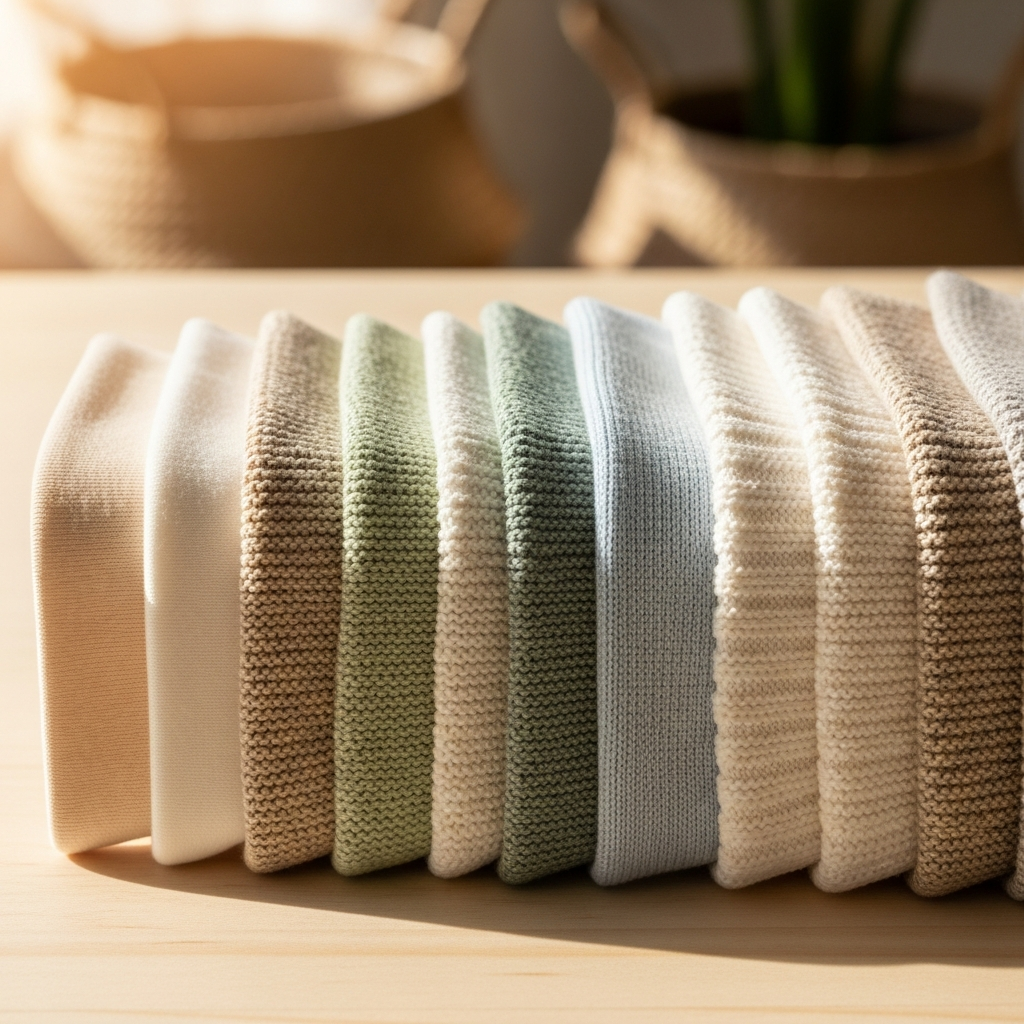
Now that you understand why fabric matters, let us examine the top five materials recommended by pediatricians and textile experts for newborn clothing. Each fabric offers unique benefits, and the best choice depends on your specific needs, climate, and baby's sensitivity level.
Organic Cotton: The Gold Standard for Newborn Skin
Organic cotton remains the most trusted fabric for baby clothing, and for good reason. When you see GOTS (Global Organic Textile Standard) certification on baby clothing, you have assurance that the fabric was grown without harmful pesticides and processed without dangerous chemicals. According to The Roundup, GOTS certification verifies that textiles are made from organic fibers and produced under environmentally responsible conditions, covering the entire production process.
What makes organic cotton ideal for coming home outfits:
- Naturally hypoallergenic and gentle on sensitive newborn skin
- Excellent breathability allows air to circulate freely
- Soft texture that becomes even softer with washing
- Machine washable and highly durable for repeated use
- Available in various thread counts and weave patterns
Pros: Hypoallergenic, breathable, durable, eco-friendly, widely available
Cons: Can shrink if not pre-washed, may wrinkle easily
Bamboo Viscose: The Breathable Temperature-Regulating Choice
Bamboo viscose has gained tremendous popularity among parents seeking ultra-soft, temperature-regulating options for their newborns. This innovative fabric offers properties that make it particularly suited for babies who tend to overheat or have extra-sensitive skin.
The temperature regulation benefits of bamboo are impressive. Research indicates that bamboo fabric stays approximately 3 degrees cooler against the skin than cotton. The unique fiber structure contains micro-gaps and tiny pores that create natural ventilation, allowing heat to escape while maintaining comfort in cooler conditions.
Bamboo viscose also excels at moisture management. The fabric can absorb significantly more moisture than cotton of similar weight, then releases it efficiently through evaporation. This keeps your baby dry and comfortable, which is particularly important for preventing diaper rash and heat rash.
For parents seeking these temperature-regulating benefits, bamboo baby clothes offer an excellent alternative to traditional cotton with superior breathability and natural antibacterial properties.
Pros: Temperature-regulating, naturally antibacterial, incredibly soft, sustainable
Cons: Requires gentle care, may be pricier than regular cotton
Pima Cotton: The Premium Upgrade for Lasting Softness
Often called the cashmere of cottons, Pima cotton represents the luxury tier of natural baby fabrics. What sets Pima apart is its extra-long staple fibers, which create a smoother, softer surface that resists pilling and maintains its shape over time.
Key benefits of Pima cotton for coming home outfits:
- Exceptionally smooth texture that feels luxurious against newborn skin
- 30-50% more durable than regular cotton fibers
- Actually gets softer with each wash rather than breaking down
- Resistant to fading and stretching
- Creates heirloom-quality pieces worth saving
Pros: Superior softness, excellent durability, improves over time
Cons: Higher price point, less widely available
Muslin: The Lightweight Option for Warm Weather
If your baby's coming home day falls during summer or you live in a warm climate, muslin deserves serious consideration. This lightweight fabric features an open-weave construction that allows maximum airflow, making it ideal for preventing overheating.
Muslin has been used for baby clothing for centuries across various cultures, and its enduring popularity speaks to its effectiveness. The fabric becomes progressively softer with each wash while maintaining its structural integrity.
Pros: Highly breathable, soft, versatile, affordable
Cons: May be too lightweight for cooler temperatures, more sheer than other options
Merino Wool: Nature's Temperature Regulator
Many parents hesitate when they hear wool, imagining scratchy sweaters from childhood. However, merino wool is fundamentally different from traditional wool. Its finer fibers create a soft, non-itchy texture that is actually gentle enough for newborn skin, including babies with eczema.
Merino wool's superpower is natural thermoregulation. The fibers respond to your baby's body temperature and the surrounding environment, providing warmth when cold and releasing heat when warm. This makes merino ideal for unpredictable weather or air-conditioned hospitals.
Pros: All-season versatility, natural properties, moisture-wicking
Cons: Requires careful washing, higher cost
Fabric Comparison Table
| Fabric | Softness | Breathability | Temperature Control | Durability | Best For |
|---|---|---|---|---|---|
| Organic Cotton | Excellent | Excellent | Good | Excellent | All seasons, sensitive skin |
| Bamboo Viscose | Superior | Superior | Excellent | Good | Warm weather, eczema-prone skin |
| Pima Cotton | Superior | Excellent | Good | Superior | Everyday wear, keepsakes |
| Muslin | Good | Superior | Moderate | Good | Summer, hot climates |
| Merino Wool | Excellent | Good | Superior | Excellent | Winter, variable climates |
Synthetic Fabrics to Avoid for Newborn Coming Home Outfits
While natural fabrics offer numerous benefits for newborns, synthetic materials present potential risks that parents should understand. Not all adorable outfits you see online or in stores are created equal, and knowing what to avoid is just as important as knowing what to choose.
Why Polyester and Synthetics Pose Risks for Newborns
Synthetic fabrics like polyester, nylon, and acrylic are derived from petroleum-based chemicals. While they can be inexpensive and easy to care for, they create several problems when worn against newborn skin:
- Poor breathability: Synthetic fibers trap heat and moisture against the skin, creating a warm, damp environment
- Microplastic concerns: These fabrics shed microscopic plastic particles with each wash and wear
- Chemical treatments: Many synthetics are treated with flame retardants, formaldehyde, and other chemicals
- Static electricity: Synthetic materials build up static charge, causing discomfort
- Skin irritation: The smooth but non-absorbent surface can trigger rashes in sensitive babies
According to guidance from pediatric sources, polyester-based fabrics should be avoided for very young babies because the synthetic fibers do not breathe and can trap hot air next to a baby's skin, potentially causing overheating.
Fabrics to Avoid or Limit
- 100% polyester garments
- Nylon and nylon blends
- Acrylic materials
- Polyester blends containing more than 20% synthetic fiber
- Fabrics with heavy chemical finishes or strong smells
- Bright neon colors, which often require harsh chemical dyes
If budget constraints make all-natural fabrics challenging, look for blends with at least 80% natural fiber content. Also verify that any fabric carries OEKO-TEX Standard 100 certification, which indicates testing for harmful substances.
Balancing Comfort and Style: Practical Features for Coming Home Day
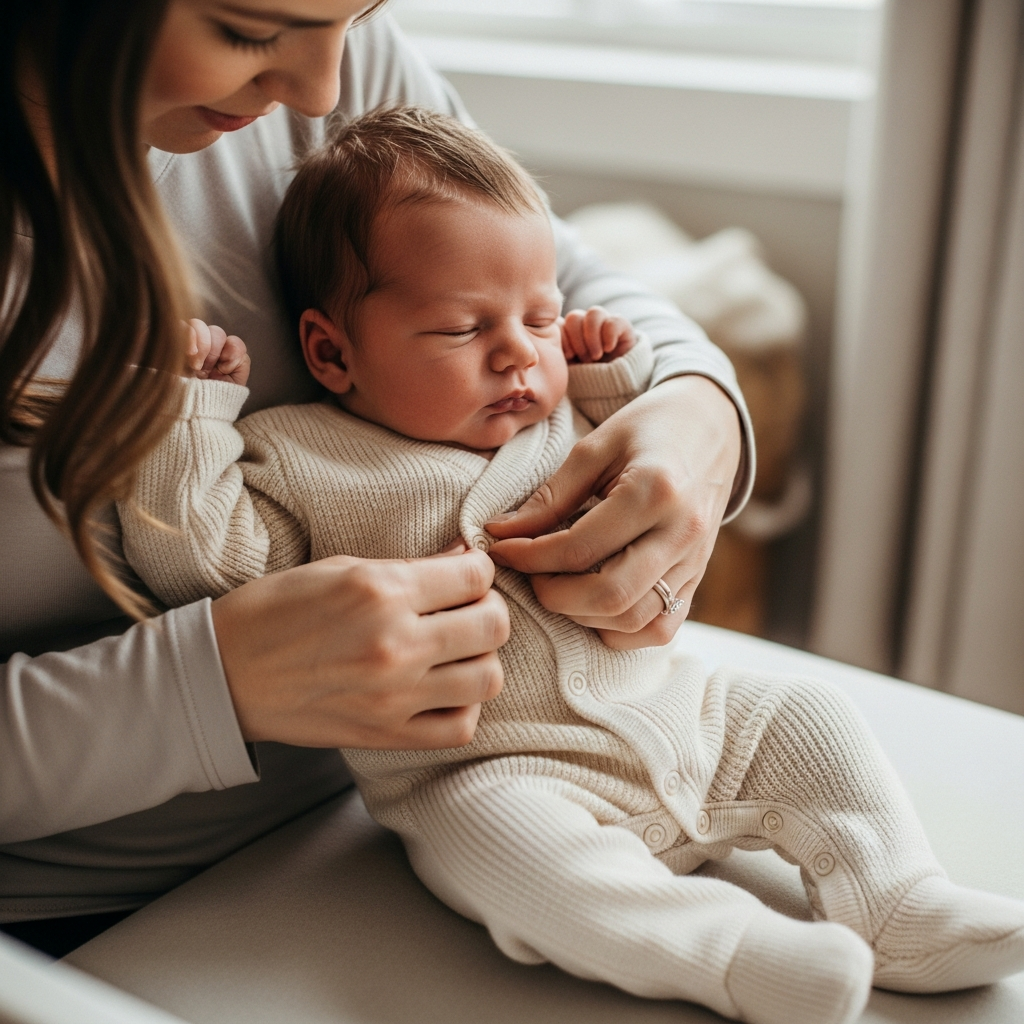
Your baby's coming home outfit serves two important purposes: keeping your newborn comfortable during those first precious hours and creating photo-worthy memories you will treasure forever. The good news is that you do not have to sacrifice one for the other. Understanding practical design features helps you find outfits that excel at both.
Functional Design Elements That Enhance Comfort
Beyond fabric choice, the construction details of baby clothing significantly impact your newborn's comfort. Look for these practical features when shopping for baby coming home outfits:
- Two-way zippers: Allow easy diaper changes without fully undressing your baby
- Envelope necklines: Stretch over the head gently without pulling or tugging
- Flat seams: Prevent irritation from raised stitching against sensitive skin
- Tagless designs: Eliminate scratchy labels that can bother newborns
- Fold-over mittens: Protect baby from scratching their face while keeping hands warm
- Expandable shoulders: Make dressing and undressing easier and gentler
Style Elements That Photograph Beautifully
Those first photos leaving the hospital become treasured keepsakes. Certain styling choices photograph better than others:
- Neutral tones like cream, soft gray, and blush photograph beautifully in varied hospital lighting
- Subtle textures add visual interest without overwhelming your baby's features
- Classic, timeless styles create photos that look elegant for years to come
- Avoid overly busy patterns that can distract from your baby's face
- Consider how the outfit will coordinate with hospital blankets
Car Seat Safety Considerations
An often-overlooked aspect of choosing a coming home outfit is car seat compatibility. The outfit your baby wears needs to work safely with car seat harnesses during that first ride home.
According to the American Academy of Pediatrics, bulky clothing including winter coats and snowsuits can compress in a crash and leave the straps too loose to properly restrain your child. This means that adorable puffy winter outfit might actually be unsafe for the car ride home.
Safe car seat outfit strategies include:
- Choose lightweight, non-bulky layers rather than one thick outfit
- Dress baby in thin clothing, then place a blanket over the buckled harness for warmth
- Avoid snowsuits, puffy jackets, or thick fleece under the harness
- Test that you can fit only one finger between the harness and your baby's collarbone
Seasonal Fabric Recommendations: Dressing Baby for Every Climate
The season your baby arrives significantly influences the best fabric choice for their coming home outfit. What works perfectly for a July baby might leave a December newborn too cold. Here is how to adjust your fabric selection based on when your baby will arrive.
Summer Baby Coming Home Outfit Fabric Choices
Summer babies face the challenge of potentially overheating, both in the hospital and during the car ride home. The best fabrics for warm-weather arrivals prioritize breathability and moisture management:
- Lightweight organic cotton: Single-layer cotton rompers or gowns allow air to circulate freely
- Bamboo viscose: Its natural cooling properties make it ideal for warm temperatures
- Muslin: The open weave provides maximum breathability for very hot climates
Remember that hospitals often have strong air conditioning, so pack a light receiving blanket even for summer babies. A single-layer outfit with a cotton blanket provides flexibility to adjust as needed.
Winter Newborn Coming Home Outfit Layers
Cold weather requires a layering approach rather than one heavy outfit. This strategy provides warmth while maintaining car seat safety and allowing temperature adjustments:
- Base layer: Soft organic cotton or merino wool onesie against the skin
- Middle layer: Cotton or bamboo footie pajamas or sleeper
- Outer layer: Lightweight fleece bunting or blanket placed over buckled car seat harness
Merino wool base layers excel in winter because they regulate temperature naturally and wick moisture away from the skin. Avoid synthetic fleece directly against your baby's skin, even in cold weather.
Spring and Fall: Transitional Season Strategies
Unpredictable spring and fall weather calls for versatility. The temperature might change significantly between when you enter the hospital and when you leave days later:
- Pack multiple weight options ranging from lightweight to mid-weight
- Mid-weight organic cotton works well for most transitional weather
- Bamboo fabric adapts well to varying temperatures throughout the day
- Pima cotton provides ideal medium weight with excellent softness
- Bring both a light receiving blanket and a warmer option
How to Choose the Best Fabric for Babies with Sensitive Skin or Eczema
Some newborns arrive with extra-sensitive skin or develop conditions like eczema within the first weeks of life. If you have a family history of eczema, allergies, or sensitive skin, selecting the right fabric becomes even more critical.
Identifying Signs of Fabric Sensitivity in Newborns
Watch for these indicators that a fabric may be irritating your baby:
- Red, irritated patches appearing under or around clothing
- Increased fussiness when dressed in certain outfits
- Dry, flaky skin developing in areas covered by clothing
- Hives or rash development after wearing specific garments
- Excessive scratching or rubbing at clothing
Best Fabric Choices for Eczema-Prone Newborns
According to Medical News Today, 100% cotton clothing allows better air circulation, and bamboo fabrics have naturally antimicrobial and moisture-wicking properties that benefit eczema-prone skin.
For babies with sensitive skin or eczema:
- GOTS-certified organic cotton: Minimizes chemical triggers and ensures no harsh residues
- Bamboo viscose: Natural antibacterial properties help soothe irritated skin
- Merino wool: Despite being wool, fine merino is safe for most eczema-prone babies
- TENCEL Lyocell: Excellent moisture absorption keeps skin dry
Always avoid all synthetic fabrics for eczema-prone babies. Pre-wash all new clothing in fragrance-free, dye-free detergent before first wear, and skip fabric softeners entirely.
Certifications to Look For
When shopping for sensitive-skin-safe fabrics, these certifications indicate tested safety:
- GOTS (Global Organic Textile Standard): The gold standard ensuring organic content and safe processing
- OEKO-TEX Standard 100: Tests for over 100 harmful substances including formaldehyde and heavy metals
- Certified B Corp brands: Companies verified for social and environmental responsibility
Frequently Asked Questions About Baby Coming Home Outfits
What is the best fabric for a baby coming home outfit?
The best fabrics are organic cotton and bamboo viscose. Organic cotton offers hypoallergenic, breathable comfort with GOTS certification ensuring chemical-free processing. Bamboo viscose provides natural temperature regulation, staying approximately 3 degrees cooler than cotton while being exceptionally soft on newborn skin. Both fabrics are gentle enough for the most sensitive newborns and photograph beautifully for those memorable first pictures.
Is cotton or bamboo better for newborn baby clothes?
Both are excellent choices with different strengths. Cotton is more durable and widely available, while bamboo offers superior temperature regulation and moisture-wicking properties. For summer babies or those prone to overheating, bamboo excels with its natural cooling abilities. For year-round versatility and maximum durability, organic cotton is ideal. Many parents keep both in their newborn wardrobe to handle different situations and seasons.
Are organic baby clothes actually worth the extra cost?
Yes, particularly for newborns in their first weeks of life. Organic certification through GOTS guarantees no pesticides, harmful dyes, or chemical finishes touched the fabric during production. Since newborn skin absorbs substances more easily than adult skin due to its thinner barrier, organic fabrics reduce exposure to potential irritants. The price difference typically ranges from 20-40% more than conventional fabrics, which many parents consider worthwhile protection for their newborn's sensitive skin.
What size should a baby coming home outfit be?
Most newborns fit comfortably in Newborn size, designed for babies up to 8 pounds, or 0-3 months size for babies 8-12 pounds. If ultrasounds or your doctor suggest your baby will be larger than average, choose the 0-3 months size. When uncertain, bring both sizes to the hospital and decide once you know your baby's actual weight. Slightly larger is always better than too tight for newborn comfort.
Should I wash my baby's coming home outfit before wearing?
Absolutely, without exception. All new baby clothes should be washed before first wear, regardless of fabric quality or organic certification. Use fragrance-free, baby-safe detergent and skip fabric softener entirely. Even organic fabrics may have sizing chemicals from manufacturing or have been handled by multiple people during shipping and retail. One gentle wash cycle removes any residue and pre-softens the fabric for your baby's comfort.
What should baby wear in the car seat from the hospital?
Choose lightweight, non-bulky clothing that allows the car seat harness to fit snugly against your baby's body with no more than one finger of space. Avoid puffy jackets, thick snowsuits, or bulky fleece as they compress during a crash, loosening the harness and reducing protection. Instead, dress your baby in thin layers appropriate for the temperature, buckle the harness properly, then place a blanket or bunting over the secured harness for additional warmth.
How many outfits should I bring to the hospital for baby?
Bring 2-3 complete outfits in different sizes to cover all possibilities. Pack at least one newborn size and one 0-3 month option since you will not know your baby's exact size until arrival. Include at least one backup outfit in case of diaper leaks, spit-up, or other messes. A typical hospital stay lasts 24-48 hours for vaginal birth and 3-4 days for cesarean section, so having options ensures your baby always has a clean, comfortable outfit available.
Is muslin good for newborn clothes?
Muslin is excellent for warm weather or summer babies due to its lightweight, breathable open-weave construction that allows maximum airflow. The fabric softens beautifully with each wash and is gentle on newborn skin. However, muslin may be too lightweight for cooler temperatures and offers less warmth than cotton or bamboo. It works best as a warm-weather primary fabric or as a layering piece in transitional seasons.
Making Your Baby's Coming Home Moment Perfect
Bringing your baby home marks the beginning of your greatest adventure as a family. The outfit your newborn wears for this milestone becomes part of treasured memories, potentially saved as a keepsake and shown in photographs for decades to come.
As you prepare for this special day, remember that comfort should always come first. Your baby cannot tell you if their clothes are scratchy, too warm, or causing irritation. By choosing fabrics like organic cotton or bamboo viscose, you ensure your newborn feels safe and comfortable during those precious first hours at home.
Here are the key takeaways to guide your decision:
- Prioritize natural fabrics: Organic cotton and bamboo viscose lead as the safest, most comfortable options
- Verify certifications: Look for GOTS and OEKO-TEX labels to ensure chemical-free fabrics
- Avoid synthetics: Skip polyester and nylon that can irritate newborn skin and cause overheating
- Consider the season: Match fabric weight to your climate and baby's arrival time
- Think about car seat safety: Choose lightweight layers rather than bulky outfits
- Pre-wash everything: One gentle wash removes residues and softens fabrics
PatPat offers a beautiful selection of newborn clothing options designed with both comfort and style in mind. From soft organic cotton basics to temperature-regulating bamboo pieces, you can find the perfect outfit for your baby's homecoming.
Start shopping early to ensure the best selection, and remember to pack multiple sizes and backup options in your hospital bag. Most importantly, trust your instincts as a parent. You know what feels right for your baby, and armed with knowledge about fabrics, you can make confident choices that keep your little one comfortable and looking adorable for this unforgettable milestone.
Welcome to parenthood. The journey ahead is filled with countless precious moments, and it all starts with bringing your baby home.





