


Picture this: you're carefully folding a tiny outfit, running your fingers over the soft fabric, imagining your baby wearing it for the very first time outside the hospital walls. The baby coming home outfit represents far more than clothing. It marks the moment your family's new chapter officially begins.
But have you ever wondered why this tradition holds such powerful meaning? Why do parents across cultures, generations, and continents share this same instinct to dress their newborns in something special for that first journey home?
The answer stretches back thousands of years. From ancient swaddling cloths to Victorian christening gowns to today's Instagram-worthy ensembles, the tradition of marking a baby's arrival with meaningful dress connects you to parents throughout history. At PatPat, we understand this milestone matters deeply. Let's explore the fascinating journey of how the newborn coming home outfit became the cherished tradition it is today.
The Ancient Origins of Dressing Newborns in Special Garments
Long before hospitals existed, parents instinctively wrapped their newborns in meaningful garments. This impulse to clothe babies in special first outfits traces back to the earliest human civilizations, revealing a universal desire to protect, bless, and welcome new life.
In ancient Egypt, parents used linen to swaddle their infants with intricate wrapping techniques that symbolized care and protection. Archaeological evidence shows these practices depicted in hieroglyphics, suggesting that dressing newborns ceremonially was considered essential to their wellbeing.
Roman civilization took this practice further. Roman infants were typically swaddled immediately after their first bath, with medical texts recommending specific techniques believed to ensure healthy development. The physician Soranus of Ephesus advised continuing swaddling until an infant's body was sufficiently strong, typically around 40 to 60 days after birth.
These weren't merely practical choices. The fabrics used, the colors selected, and the care taken in wrapping all carried symbolic weight. Wealthy families displayed their status through finer materials like silk, while protective amulets were often incorporated into swaddling bands. Even in these ancient times, a baby's first garments communicated the family's hopes, values, and social standing.
Swaddling Traditions from Biblical Times to Medieval Europe
Biblical references to swaddling clothes underscore how deeply embedded this practice was in ancient cultures. The image of the Christ child wrapped in swaddling cloths wasn't merely descriptive. It connected to powerful cultural expectations about proper infant care and presentation.
Medieval European practices introduced "bearing cloths," elaborate wrappings used when presenting babies to family members or for christening ceremonies. Noble families invested significant resources in these garments, often embroidering them with family crests or religious symbols. Common families created simpler versions using available materials, but the intention remained the same: marking the baby's arrival with something meaningful.
This medieval tradition of the "presentation garment" directly foreshadows our modern coming home outfit. Just as medieval parents dressed their babies specially for their first introduction to the wider family, today's parents choose that perfect outfit for baby's first journey into the world beyond the hospital.
Victorian Era: The Birth of the Christening Gown Tradition
Queen Victoria herself set the standard when she commissioned a christening gown for her firstborn daughter in 1841. Made of Honiton lace and Spitalfields silk, this exquisite garment was fashioned after Victoria's own wedding dress. The queen's choice created a fashion ripple effect throughout British society and beyond.
What made this royal gown particularly influential was its longevity. The original gown was used by 62 royal children over 163 years, including the current King Charles III. This established the concept of the heirloom christening gown, a tradition middle and upper-class families eagerly adopted.
The Industrial Revolution made elaborate baby clothing more accessible to ordinary families. Mass production of lace and fine cotton meant that beautiful christening gowns weren't exclusively for royalty anymore. White became the standard color, symbolizing purity and innocence, while intricate embroidery and handwork demonstrated a family's care and investment in their child's future.
During this era, christening represented a baby's first major public appearance. Families treated it with the same gravity we now give to the hospital homecoming. The parallel is striking: both moments mark the baby's official introduction to the broader world, dressed in something chosen with love and intention.
20th Century Evolution: From Hospital Gowns to Personalized Outfits
The twentieth century brought dramatic changes to childbirth that fundamentally reshaped baby clothing traditions. As birth moved from homes to hospitals, a new milestone emerged: the moment of leaving the medical setting and bringing baby home.
In the early 1900s, hospital births were relatively rare. In 1900, only 5% of all births occurred in hospitals. By 1935, nearly 75% of urban births took place in medical facilities. This shift created an entirely new transition moment. Suddenly, parents needed to think about what baby would wear for that first car ride home.
The decades that followed brought distinct changes to this tradition:
- 1920s-1940s: Practical layette sets replaced elaborate gowns for everyday use, though special occasion pieces remained important
- 1950s-1960s: The post-war baby boom sparked a dedicated baby retail industry, giving parents more choices than ever
- 1970s-1980s: Safety and comfort became priorities, with softer fabrics and more practical designs gaining popularity
- 1990s: The professional newborn photography trend made baby hospital discharge outfits more photo-focused
- 2000s-Present: Social media transformed the coming home moment into a shareable milestone event
Today, approximately 99% of births in the United States occur in hospitals, making the newborn coming home outfit a near-universal experience. What was once a gradual transition at home has become a distinct, photographable moment that parents anticipate and plan for months in advance.
The Rise of Baby Photography and First Outfit Documentation
The evolution of photography technology profoundly influenced coming home outfit culture. When Polaroid cameras became household items in the 1970s and 1980s, capturing that hospital doorway moment became accessible to average families. No longer did you need a professional photographer to document your baby's first outfit.
The 1990s brought a boom in professional newborn photography. Studios began offering "first 48 hours" sessions, and suddenly that coming home outfit wasn't just for the car ride. It needed to photograph beautifully under studio lighting.
Then came Instagram, Pinterest, and the modern social media landscape. Today's parents often select outfits partly based on how they'll appear in carefully composed photographs. The pressure can feel overwhelming, but it also reflects something beautiful: parents documenting a moment they never want to forget.
Why the Coming Home Outfit Became a Meaningful Milestone for Parents
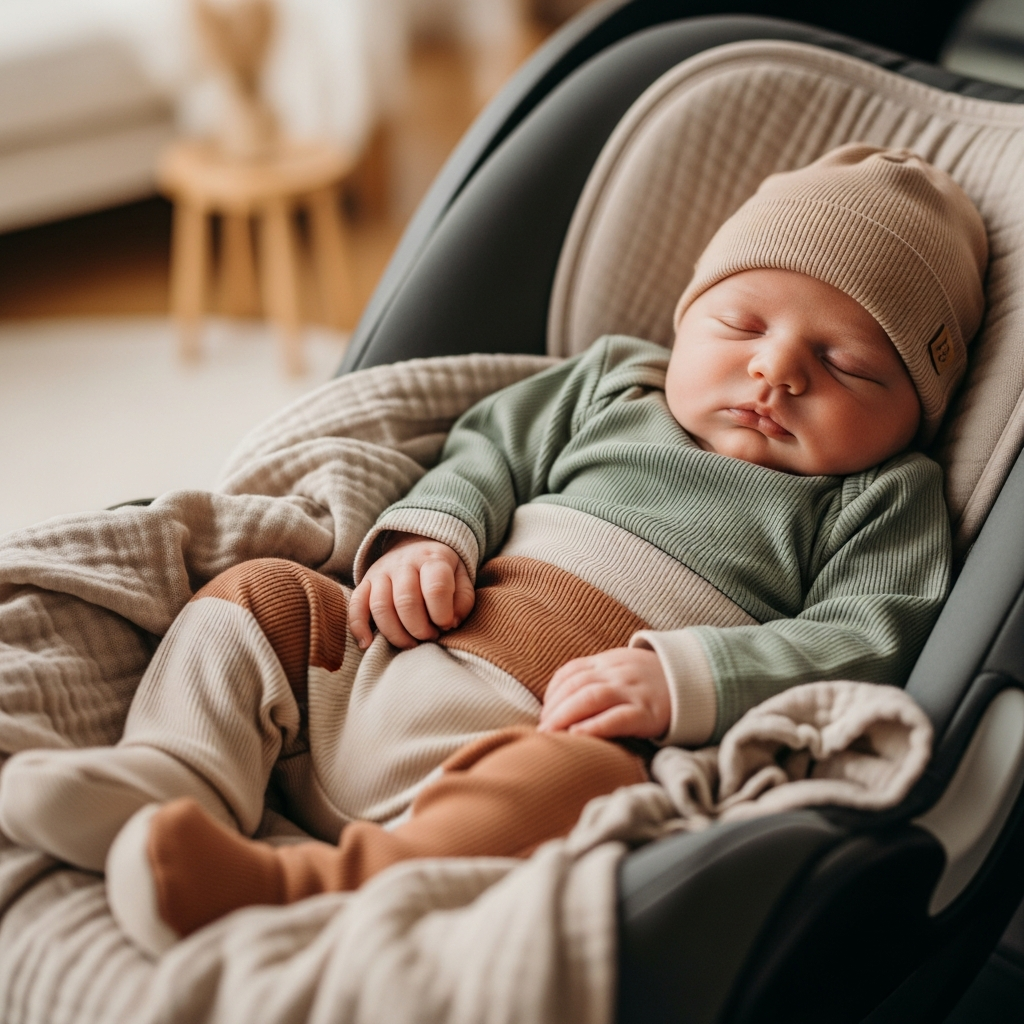
Beyond historical tradition, the baby coming home outfit holds profound psychological significance. Understanding why this moment matters so deeply can help you embrace it more fully.
The outfit marks a powerful transition. In the hospital, you're supported by medical professionals, monitors, and scheduled check-ins. The moment you dress your baby in that chosen outfit, you're saying: "We're ready. We can do this." It represents your confidence as new parents, your preparation, and your readiness to care for this tiny person independently.
There's also the contrast between medical and personal. Hospital gowns and medical blankets are functional and impersonal. The outfit you choose is the first thing touching your baby's skin that you selected with love. It's the first expression of your family's identity on your child's body.
For many parents, choosing the coming home outfit is an act of anticipation during pregnancy. When so much feels uncertain, selecting that tiny sleeper or gown provides a concrete way to prepare. It makes the coming baby feel more real, more imminent, more yours.
The outfit also creates tangible memory during an overwhelming time. The first days with a newborn blur together in exhaustion and wonder. That carefully chosen outfit anchors the memory, giving you something physical to hold onto when recalling those precious first moments.
Cultural Traditions Around the World
The instinct to dress newborns meaningfully transcends borders. Exploring global traditions reveals how universal this impulse truly is.
In Japan, traditional practices include dressing babies in special garments for their first shrine visit, typically occurring around one month after birth. These outfits often feature auspicious colors and symbols meant to bring good fortune.
Indian naming ceremonies frequently involve elaborate traditional clothing for the baby, with colors and fabrics carrying specific cultural meanings. The outfit chosen for this ceremony is often preserved as a family treasure.
Latin American cultures sometimes dress babies in brightly colored clothing believed to ward off "mal de ojo" (evil eye), combining protection with celebration. Scandinavian traditions emphasize practical yet meaningful first clothing, reflecting cultural values of simplicity and quality.
Across African cultures, naming ceremonies serve as the baby's first major public presentation, with traditional garments reflecting family heritage and regional customs. Despite vast differences in specific practices, every culture shares this same instinct: marking baby's arrival with meaningful dress.
Modern Trends in Baby Coming Home Outfits
Today's newborn take home outfits blend tradition with contemporary values. Several trends are shaping what parents choose for this milestone moment.
Sustainable Fashion: Eco-conscious parents increasingly seek organic cotton, bamboo fabrics, and sustainably produced clothing. This connects to the historical tradition of quality. Just as Victorian families invested in garments meant to last through multiple children, today's parents choose sustainable pieces built to endure.
Personalization: Monogrammed outfits, custom embroidery, and name announcement pieces have surged in popularity. Technology makes personalization accessible, allowing families to create truly unique first outfits.
Gender-Neutral Options: Many families move beyond traditional pink and blue, choosing earth tones, soft yellows, or classic white. This trend honors an even older tradition: before the twentieth century, most baby clothing was white regardless of gender.
Heirloom Revival: Vintage-inspired pieces that evoke earlier eras are gaining popularity. Some families incorporate actual heirloom elements, like great-grandmother's lace, into modern outfits.
Today's parents can find a wide range of beautifully designed baby clothes that honor tradition while meeting modern expectations for comfort and quality.
The Shift Toward Sustainable and Organic Baby Clothing
The movement toward organic and sustainable baby clothing deserves special attention. Unlike conventional cotton, organic cotton is grown without harmful chemicals and processed gently, making it safer for sensitive newborn skin.
Babies have particularly permeable skin that absorbs substances more readily than adult skin. Choosing organic fabrics minimizes exposure to pesticides, formaldehyde, and artificial dyes that can irritate delicate newborn skin.
This sustainable approach also connects to the heirloom tradition. When you choose quality organic materials, you're selecting something that can be passed down to future children, just as Victorian christening gowns served multiple generations.
How to Choose the Perfect Newborn Coming Home Outfit
With historical context and modern trends in mind, let's focus on practical guidance for selecting your baby's milestone baby clothing.
Prioritize Comfort and Safety: Your baby's comfort comes first. Look for soft, breathable fabrics that won't irritate sensitive skin. Avoid anything with scratchy tags, rough seams, or embellishments that could poke or scratch.
Consider Practical Features: Easy diaper access matters more than you might think. Snap closures, envelope necklines, and stretchy materials make those first changes much simpler during an already overwhelming time.
Think About Car Seat Compatibility: This is crucial. The American Academy of Pediatrics advises against bulky clothing underneath car seat harnesses because in a crash, fluffy padding compresses, leaving dangerous slack in the straps.
Choose Photo-Friendly Designs: Select colors that photograph well and designs that won't distract from your baby's face. Soft neutrals, gentle pastels, and classic patterns tend to photograph beautifully.
When browsing newborn clothes, look for pieces that combine softness with practical features like gentle closures and tag-free designs.
Sizing Tips: Newborn vs. 0-3 Months
Choosing the right size can feel tricky when you haven't met your baby yet. Here's what to know.
The average full-term newborn weighs approximately 7 pounds, 5 ounces, fitting comfortably in standard newborn sizing (designed for babies up to 8 pounds). Most parents should choose newborn size as their primary option.
Consider having a 0-3 month backup if:
- Your baby is measuring large in late ultrasounds
- You're going past your due date
- Previous babies were larger than average
Some families bring both sizes to the hospital, allowing them to choose once they've met their baby.
Seasonal Considerations for Hospital Discharge Outfits
| Season | Recommendations |
|---|---|
| Summer | Lightweight, breathable fabrics; short sleeves or sleeveless options; sun protection for the walk to the car |
| Winter | Thin fitted layers; avoid puffy coats (use blankets over harness instead); warm hat and mittens |
| Spring/Fall | Adaptable layers; bring options for temperature changes; footie pajamas work well |
Remember: regardless of weather, keep the outfit thin enough for proper car seat harness fit. Add warmth with blankets over the buckled harness rather than bulky clothing underneath.
Preserving the Coming Home Outfit as a Family Keepsake
The tradition of preserving baby's first garments connects directly to Victorian heirloom practices. When you save your baby's coming home outfit, you're participating in a centuries-old custom.
Proper Cleaning: Treat any stains promptly before storage. Use gentle, fragrance-free detergent and ensure the outfit is completely dry before storing to prevent mildew.
Smart Storage: Avoid plastic containers or bags, which can trap moisture and cause yellowing. Instead, wrap the outfit in acid-free tissue paper and store in a breathable fabric bag or acid-free box. Keep in a climate-controlled space away from direct light.
Creating Displays: Many families create shadow boxes featuring the outfit alongside a hospital photo, birth announcement, or hospital bracelet. This transforms the clothing from stored item into displayed art.
Passing Down: Consider whether you want to save the outfit for future children or grandchildren. Quality pieces stored properly can last generations, just like those Victorian christening gowns that served multiple royal babies.
Creative Ways to Display and Remember the Outfit
- Shadow Box Display: Include the outfit, a photo, and birth statistics in an elegant frame
- Memory Quilt: Incorporate the outfit into a larger quilt using other meaningful baby clothes
- Memory Bear: Have the outfit transformed into a stuffed animal your child can keep
- Professional Preservation: Specialty services can archive textiles using museum-quality techniques
- Digital Documentation: Photograph the outfit from multiple angles and include it in a digital memory book
Frequently Asked Questions About Baby Coming Home Outfits
What is a baby coming home outfit?
A baby coming home outfit is the special clothing chosen for a newborn to wear when leaving the hospital or birthing center for the first time. This milestone outfit is typically soft, comfortable, and meaningful to parents, often becoming a cherished keepsake that marks the baby's first journey home.
What should a newborn wear home from the hospital?
Newborns should wear a soft, comfortable outfit with easy diaper access. Choose breathable fabrics like cotton, appropriate layering for the season, and avoid bulky items that interfere with car seat harness safety. A onesie, sleeper, or knotted gown with a light blanket works well for most conditions. Parents looking for quality options can explore dedicated baby coming home outfit collections that offer both style and comfort for this special milestone.
What size coming home outfit should I buy?
Most parents should choose newborn size (up to 8 lbs) for the coming home outfit. If expecting a larger baby or going past your due date, consider having a 0-3 month backup. The average newborn fits comfortably in standard newborn sizing.
Why do parents save the baby coming home outfit?
Parents save coming home outfits because they represent a meaningful milestone and emotional memory. This tradition connects to centuries-old practices of preserving baby's first garments as family heirlooms. The outfit symbolizes the moment the family officially began their journey together at home.
Do babies need a special outfit for coming home?
While not medically necessary, many parents find joy in selecting a special coming home outfit. It provides a meaningful way to mark the transition from hospital to home and creates lasting photographs. The outfit can be as simple or elaborate as the family prefers.
What material is best for a newborn hospital outfit?
Organic cotton, bamboo viscose, and pima cotton are excellent choices for newborn hospital outfits. These materials are soft, breathable, hypoallergenic, and gentle on sensitive newborn skin. Avoid synthetic fabrics that may irritate or cause overheating.
How should I dress my baby for the car seat when leaving the hospital?
Dress your baby in thin, fitted layers without bulky padding. Car seat harness straps must lie flat against the body for safety. Use a blanket over the buckled harness for warmth rather than puffy clothing underneath, which can compress in a crash.
Can the baby coming home outfit be used for other occasions?
Many families reuse the coming home outfit for newborn photos, birth announcements, or the first pediatrician visit. Some choose outfits that work as everyday wear, while others select special pieces reserved only for the homecoming moment and future sibling use.
Honoring a Timeless Tradition
From ancient Egyptian linen wrappings to Victorian lace gowns to today's organic cotton sleepers, the tradition of dressing babies meaningfully has remained constant across millennia. What has changed is the specific moment: from home presentations to christening ceremonies to hospital homecomings. What hasn't changed is the love, hope, and intention parents pour into this choice.
When you select your baby's coming home outfit, you join an unbroken chain of parents stretching back to the earliest civilizations. You're participating in something profoundly human: the instinct to welcome new life with beauty, care, and meaning.
The "perfect" outfit isn't about price tags or designer labels. It's about choosing something that feels right to you, something soft against your baby's skin, something that will anchor your memory of this unrepeatable moment. Whether you select a simple organic cotton sleeper or an elaborate heirloom-quality gown, what matters most is the love behind the choice.
As you prepare for your own milestone moment, PatPat is here to help you find pieces that honor this beautiful tradition. Because some moments deserve to be marked with something special, and bringing your baby home is certainly one of them.




