


The moment you leave the hospital with your newborn is one of the most photographed and cherished memories of early parenthood. You have probably imagined this scene a hundred times during pregnancy, picturing your baby snuggled in that perfect first outfit as you finally head home. But here is a secret many parents learn the hard way: countless families have shared their regrets about the baby coming home outfit they chose.
From ill-fitting sizes that swallowed their tiny newborn to impractical designs that made the car ride home stressful rather than special, these mistakes are surprisingly common. The good news? They are also completely avoidable.
Whether you are an expectant parent preparing your hospital bag or a loved one searching for the perfect baby shower gift, this guide will walk you through the five most common mistakes when choosing a newborn coming home outfit. At PatPat, we have helped thousands of families prepare for this special moment, and we want to make sure your baby's first journey home is as smooth and memorable as it should be. By the time you finish reading, you will know exactly what to look for and what to avoid when selecting your baby's first outfit for their grand entrance into the world.
Mistake 1: Choosing the Wrong Size for Your Newborn
This is hands-down the most common regret parents share about their baby's coming home outfit. You spend weeks searching for the perfect outfit, only to discover it either drowns your newborn or cannot fit over their surprisingly broad shoulders. The challenge is real: babies vary dramatically in birth size, and ultrasound estimates are notoriously unreliable.
Understanding Newborn Clothing Sizes
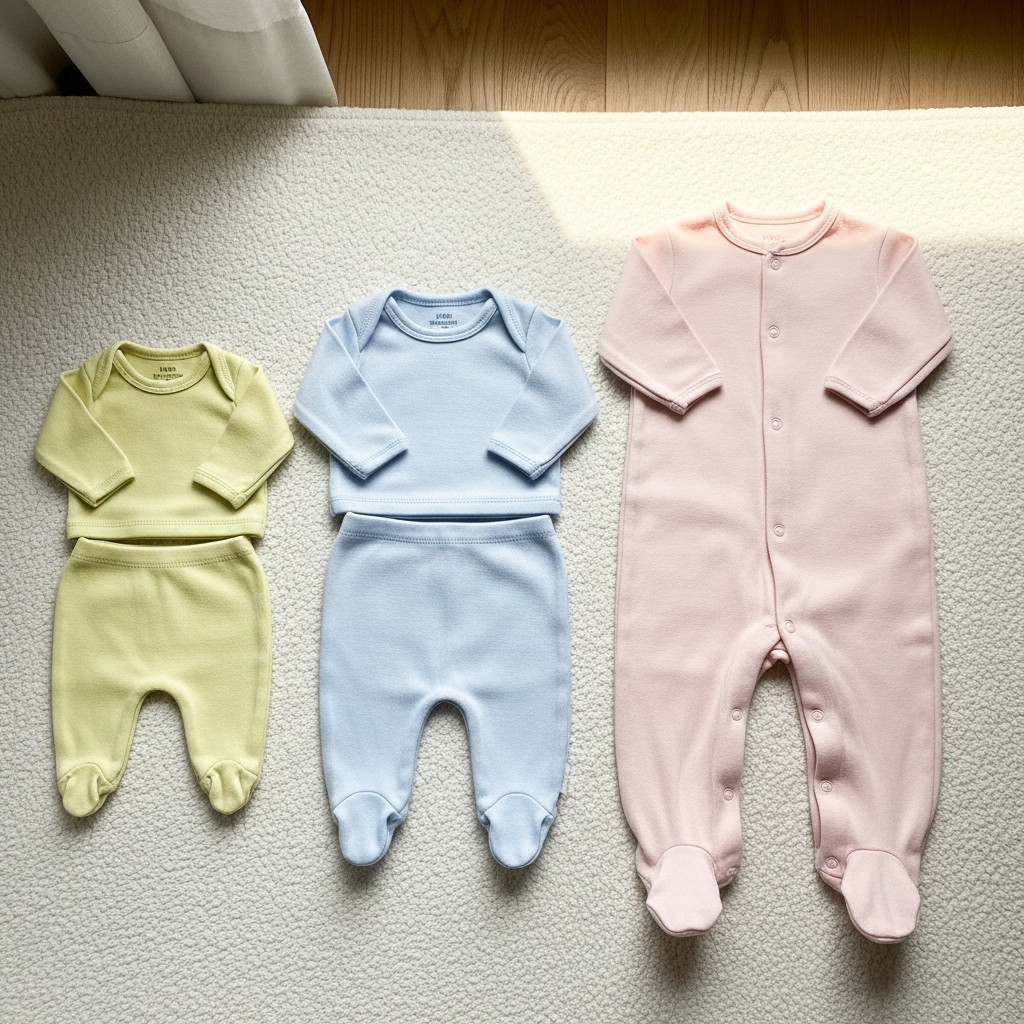
Let us break down what these sizes actually mean. According to CDC growth data, the average newborn weighs between 5.5 and 8.5 pounds, which is the typical range for newborn-sized clothing. However, many healthy full-term babies arrive weighing more than 8 pounds and skip the newborn size entirely.
Here is a quick reference:
| Size | Weight Range | Best For |
|---|---|---|
| Preemie | Under 5 lbs | Premature or small babies |
| Newborn | 5–8 lbs | Average-sized newborns |
| 0–3 Months | 8–12 lbs | Larger newborns, most babies by 2–4 weeks |
The Two-Size Strategy Every Parent Should Know
Here is the insider tip that experienced parents swear by: bring two sizes to the hospital. Pack both a newborn size and a 0–3 month outfit in your hospital bag. This simple strategy eliminates the panic of realizing your carefully chosen outfit does not fit.
Think about it this way: your third-trimester ultrasound might estimate your baby at 7 pounds, but babies can be significantly larger or smaller than predicted. Having options from a quality collection of well-fitting newborn clothes in appropriate sizes ensures you are prepared no matter your baby's arrival size.
If one outfit goes unused, you have several options: exchange it, save it for a future sibling, or gift it to another expecting parent. The peace of mind is worth the small extra effort of packing both sizes.
Mistake 2: Ignoring Car Seat Safety Requirements
This mistake can have serious consequences, yet it is one of the least discussed aspects of choosing a coming home outfit. That adorable puffy snowsuit or thick fleece outfit might look cozy and Instagram-worthy, but it could actually put your baby at risk during the car ride home.
Why Bulky Outfits Are Dangerous in Car Seats
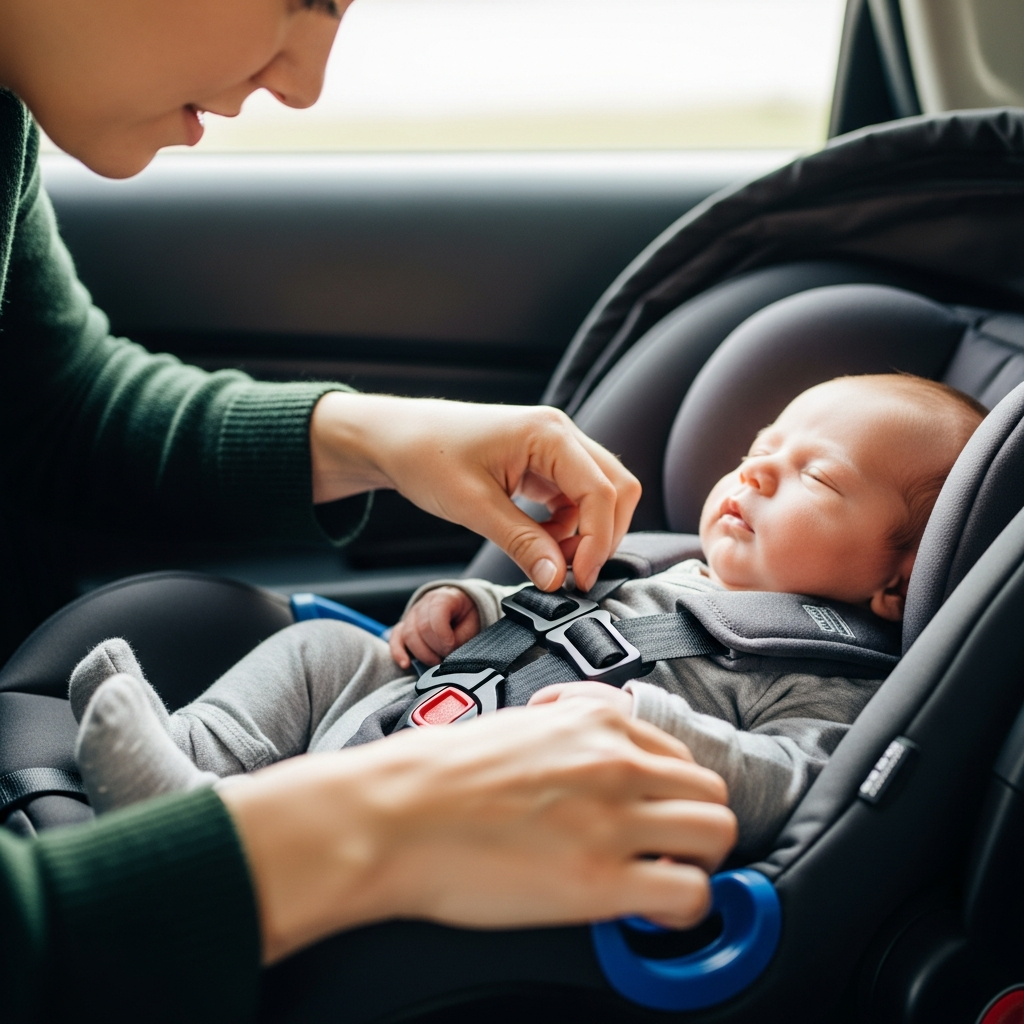
The American Academy of Pediatrics warns against bulky clothing under car seat harnesses. Here is why: thick, puffy fabric compresses in a crash, which can cause the harness to become too loose and fail to properly restrain your baby.
The physics are simple but frightening. When you buckle a baby into a car seat wearing a bulky outfit, the harness appears snug. But if a collision occurs, that padding compresses instantly, creating dangerous slack in the straps. Your baby could then slip through or move too far forward in the seat.
Outfit types to avoid include:
- Snowsuits and bunting suits
- Thick fleece one-pieces
- Puffy winter jackets
- Multiple bulky layers
Car Seat Safe Outfit Options That Still Look Great
The good news is you can keep your baby both safe and stylish. The key is dressing in thin, fitted layers. A onesie, thin cotton sleeper, or fitted romper allows the harness straps to fit snugly against your baby's body, which is exactly what they are designed to do.
For warmth, use the blanket-over method: buckle your baby in wearing thin clothing, then place blankets over the harness straps. This keeps baby warm without compromising safety. Many parents bring a cozy blanket specifically for this purpose.
You can use the "pinch test" to verify proper harness fit: try to pinch the harness strap at your baby's shoulder. If you can pinch any fabric, the straps are too loose. This simple check works whether you are at the hospital or doing a practice run at home.
Mistake 3: Prioritizing Style Over Comfort and Fabric Quality
We understand the temptation. You want those first photos to be absolutely perfect, so you are drawn to elaborate outfits with lace, ruffles, sequins, and intricate details. But here is what experienced parents will tell you: the most photographed moment often becomes the most stressful when baby is uncomfortable.
Best Fabrics for Sensitive Newborn Skin
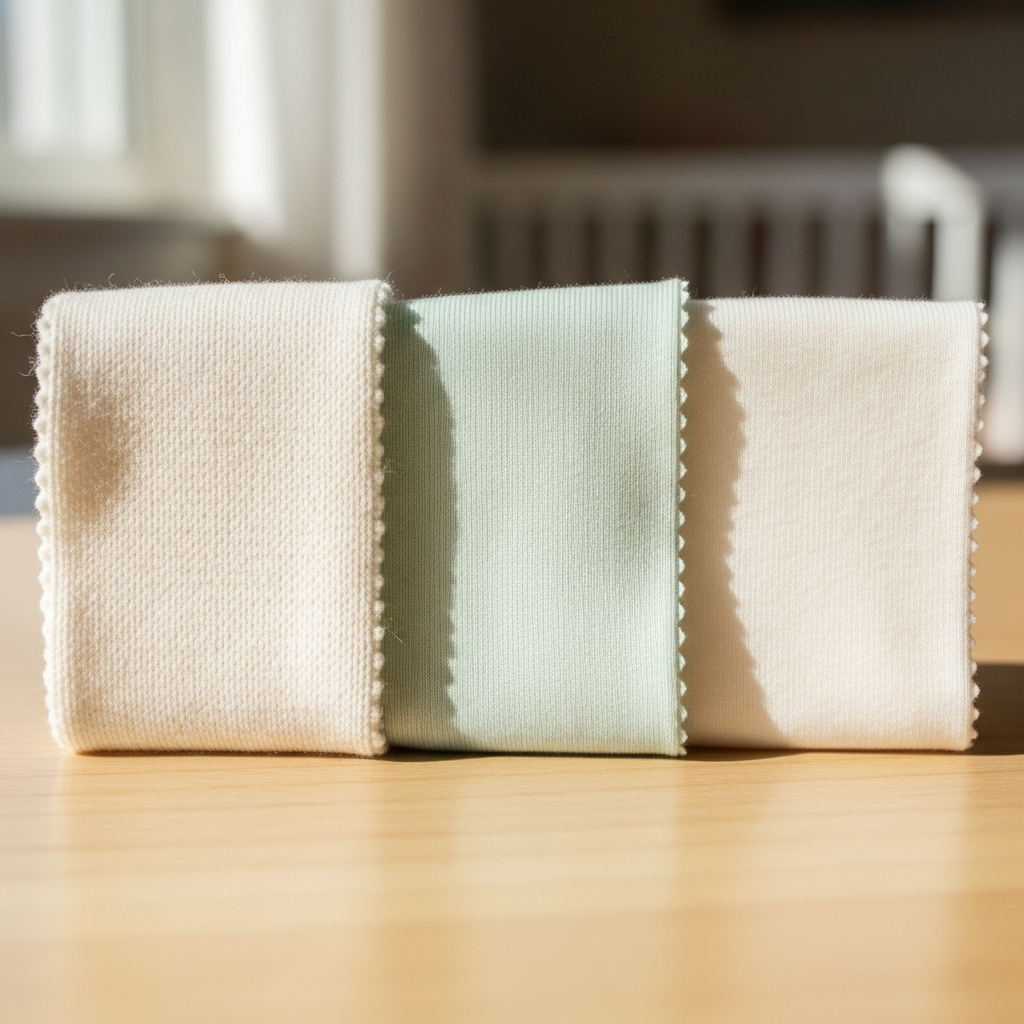
Newborn skin is remarkably delicate. According to the American Academy of Dermatology, a baby's skin barrier is still developing and more vulnerable to irritation than adult skin. This makes fabric choice crucial for your baby's first outfit.
The best fabrics for newborns include:
- Organic cotton: Pesticide-free, breathable, and gentle on sensitive skin
- Bamboo: Naturally hypoallergenic with excellent temperature regulation
- Pima cotton: Extra-long staple fibers that create an incredibly soft fabric
Look for certifications like GOTS (Global Organic Textile Standard) or Oeko-Tex, which verify that fabrics are free from harmful chemicals. When you choose soft, comfortable baby clothes made from gentle fabrics, you are protecting your newborn's delicate skin from irritation.
Balancing Photo-Worthy Style with Baby Comfort
Here is a counterintuitive truth: simple outfits often photograph better than elaborate ones. When your baby is wearing something clean and classic, the focus stays where it belongs, on that perfect little face. Busy patterns and excessive embellishments can actually distract from what makes these photos so precious.
Avoid these comfort pitfalls:
- Scratchy tags (look for tagless options)
- Rough seams that rub against skin
- Stiff embellishments like sequins or beads
- Tight elastic that leaves marks
- Synthetic fabrics that do not breathe
One essential tip: always wash your baby's coming home outfit before their first wear. This removes any manufacturing chemicals and softens the fabric. Use a gentle, fragrance-free detergent and wash separately from adult clothing.
Mistake 4: Forgetting About Easy Diaper Access and Umbilical Cord Care
In the excitement of choosing an adorable outfit, many parents overlook a very practical reality: newborns need frequent diaper changes. We are talking 8 to 12 changes per day, according to HealthyChildren.org. An outfit that requires completely undressing your baby for each change quickly becomes exhausting.
Closure Types That Make Diaper Changes Simple
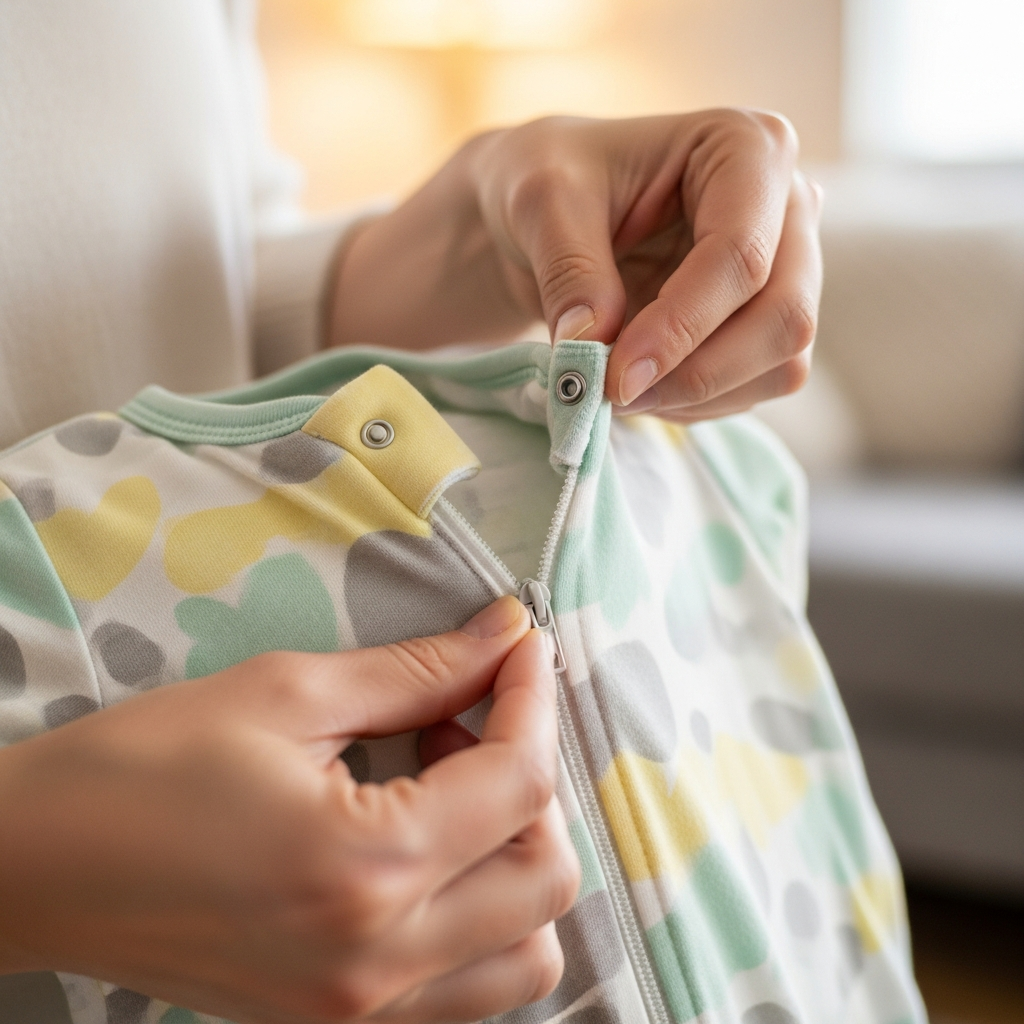
Not all closures are created equal. The best coming home outfits feature closures designed for easy access:
- Front snap closures: Allow quick bottom access without full undressing
- Two-way zippers: The gold standard for midnight changes, letting you unzip from the bottom
- Kimono-style wraps: Perfect for newborns, with side ties that avoid pulling over the head
- Magnetic closures: A newer option that allows quiet, one-handed changes
What to avoid: back zippers that require flipping baby over, complicated button arrangements, and pull-over styles that disturb a sleeping newborn. Choose newborn outfits designed with practical closures that make those frequent diaper changes less stressful for everyone.
Umbilical Cord Friendly Outfit Features
Your newborn will still have their umbilical cord stump when you leave the hospital. This typically falls off within one to three weeks, but during that time, you want to avoid irritating the area. The Mayo Clinic recommends keeping the stump dry and avoiding clothing that rubs against it.
Look for these cord-friendly features:
- Low-rise waistbands that sit below the belly button
- Loose-fitting abdominal areas
- Gowns with open bottoms
- Kimono-style wraps that tie at the side
Mistake 5: Not Considering the Season and Weather Conditions
Your baby will experience several temperature transitions on their first trip home: from the climate-controlled hospital room to the outdoor elements, into a temperature-adjusted car, and finally home. Many parents either overdress or underdress their newborn for this journey, both of which can cause discomfort.
Dressing for Each Season Without Overdoing It
Hospital rooms are typically kept between 68 and 72 degrees Fahrenheit regardless of outdoor weather. This means your baby will need different layering approaches based on when they are born:
Summer babies: A thin onesie or light romper is perfect. Keep a light blanket handy for air-conditioned spaces, but avoid the temptation to bundle up.
Winter babies: Start with a thin base layer, then add warmth with blankets placed over the car seat (not under the harness). Skip the bulky snowsuit entirely.
Spring and fall babies: Light layers that can be easily added or removed work best during these transitional seasons.

The Layering Strategy for Temperature Transitions
A general rule of thumb: dress your baby in one more layer than you would wear yourself. However, the AAP warns that overheating is just as dangerous as being too cold for newborns.
The smart layering approach:
- Start with a thin, comfortable base layer
- Add blankets over (never under) the car seat harness
- Bring a hat for temperature regulation, as babies lose heat through their heads
- Check baby's neck or chest to gauge temperature (hands and feet are often cool)
What Makes a Perfect Coming Home Outfit: The Complete Checklist
Now that you know what to avoid, let us flip the script and focus on what you should look for. The perfect baby coming home outfit exists at the intersection of comfort, safety, practicality, and style.
Essential Features to Look For
Use this checklist when shopping:
- Correct sizing: Bring two sizes (newborn and 0–3 months) to be prepared
- Car seat compatible: Thin, fitted design with no bulk under the harness
- Soft, gentle fabric: Organic cotton, bamboo, or Pima cotton
- Easy diaper access: Front snaps, two-way zipper, or kimono style
- Umbilical cord friendly: Low waistband or loose-fitting middle
- Weather appropriate: Suitable for the season, layerable
When shopping, look for coming home outfits that check all these boxes. The right combination of comfort, safety, and practicality makes all the difference in how you and your baby experience this special moment.

Nice-to-Have Features for Extra Convenience
Beyond the essentials, these bonus features add extra convenience:
- Fold-over mittens: Built-in hand covers prevent scratching
- Built-in footies: No separate socks to lose
- Envelope neckline: Makes over-the-head dressing easier
- Stretchy fabric: Accommodates growth and makes dressing simpler
- Matching hat included: Practical for temperature regulation and photo-ready
Recommended Coming Home Outfits That Avoid All These Mistakes
After learning what to avoid, you might wonder which outfit styles actually meet all these criteria. The good news is several classic designs have stood the test of time precisely because they balance style with function.
Outfit Styles That Check Every Box
- Footie pajamas with two-way zipper: Warm, practical, and photo-ready with easy diaper access
- Kimono-style bodysuits: Cord-friendly, simple to put on, and car seat safe
- Rompers with snap closures: Classic look with practical features
- Gowns with elastic bottom: Ultimate diaper access and umbilical cord friendly
Explore baby coming home outfits designed with all these essentials in mind, combining safety, comfort, and style for your newborn's first journey home.
Tips for Gift-Givers Choosing Coming Home Outfits
If you are shopping for a baby shower gift, keep these tips in mind:
- Ask about the due date to determine the season
- Choose 0–3 month size as the safer option (most babies fit this at birth)
- Prioritize practical features over elaborate designs
- Include a gift receipt for easy exchanges
- Consider a set with multiple size options
Frequently Asked Questions About Coming Home Outfits
What size should a baby coming home outfit be?
Bring both newborn size (for babies under 8 lbs) and 0–3 month size (for babies 8+ lbs) to the hospital. Most babies fit 0–3 months at birth, but having options ensures the perfect fit regardless of your baby's arrival size.
What should a newborn wear home from the hospital?
A newborn should wear a thin, fitted outfit like a onesie, romper, or footie pajamas that allows proper car seat harness fit. Add blankets over the car seat for warmth rather than bulky clothing under the harness.
Can babies wear gowns in car seats?
Yes, newborn gowns are car seat safe when they are not bulky. Their thin design allows proper harness fit. Gowns are actually excellent for newborns because they provide easy diaper access and do not irritate the umbilical cord area.
Should I buy newborn size or 0-3 months for coming home outfit?
Buy both sizes or choose 0–3 months as the safer option. About 70% of full-term babies can wear 0–3 months at birth. Newborn size fits babies under 8 lbs, but many babies exceed this weight at delivery.
How many outfits should I bring to the hospital for baby?
Bring 2–3 outfits total: one in newborn size and one in 0–3 months for coming home, plus one backup in case of diaper blowouts. Keep extras in your car rather than the hospital room to save space.
Do I need to wash baby's coming home outfit before wearing?
Yes, always wash new baby clothes before first wear. Use a gentle, fragrance-free detergent to remove manufacturing chemicals and ensure the fabric is soft against newborn skin. Wash separately from adult clothes.
What fabric is best for a newborn coming home outfit?
Organic cotton, bamboo, and Pima cotton are the best choices for newborn skin. These fabrics are soft, breathable, hypoallergenic, and gentle on sensitive skin. Avoid synthetic fabrics and rough textures.
Does the hospital provide clothes for newborns?
Most hospitals provide basic clothing during your stay (hospital shirts, blankets, hats), but parents are expected to bring their own outfit for going home. Hospital-provided items are usually plain and not intended for keepsake photos.
Bringing It All Together
Choosing your baby's coming home outfit does not have to be stressful. By avoiding these five common mistakes, you can focus on what truly matters: the joy of welcoming your little one home for the first time.
Let us recap what we have learned:
- Size wisely: Bring two sizes and be prepared for variability
- Safety first: Choose car seat compatible outfits with no bulk under the harness
- Comfort matters: Soft, gentle fabrics protect sensitive newborn skin
- Practicality pays: Easy closures and cord-friendly designs reduce stress
- Weather awareness: Dress appropriately for the season without overdoing it
Your baby's first outfit is more than just clothing. It is part of one of life's most precious moments. By choosing quality baby clothing designed with newborn needs in mind, you can capture beautiful photos while keeping your baby comfortable and safe.
At PatPat, we understand how important this moment is to your family. Take your time, trust your instincts, and remember that the perfect coming home outfit is one that keeps your baby cozy while making that first car ride home as peaceful as the moment deserves. Welcome home, little one.




