


It is 3 AM, and your newborn is crying for a diaper change. You fumble in the dim light, struggling to align those tiny snaps while your exhausted brain refuses to cooperate. Sound familiar? You are certainly not alone.
Here is a reality that catches many new parents off guard: according to the American Academy of Pediatrics, newborns need 8 to 12 diaper changes per day. That adds up to roughly 3,000 diaper changes in the first year alone. When you multiply that by the minutes spent wrestling with complicated clothing closures, you quickly realize that choosing the right baby clothes is not just about style. It is about survival.
The good news? The right baby clothes can transform diaper duty from a dreaded task into a quick, stress-free routine. Whether you are preparing your nursery, building a baby registry, or simply looking to upgrade your little one's wardrobe, this guide will walk you through everything you need to know about choosing baby clothes for easy diaper changes.
At PatPat, we understand that new parents need practical solutions that actually work at 2 AM. That is why we have put together this comprehensive guide covering the types of baby clothes designed for easy diaper access, closure comparisons, fabric choices, and essential features that save you time and preserve your sanity. When you explore options like thoughtfully designed baby clothes, you will discover how much easier parenting can become.
What You Will Learn:
- Types of baby clothes that provide the easiest diaper access
- Zipper vs snap closures: which is truly better
- Best fabrics for comfort and practicality
- Essential features that save time during changes
- Strategies for daytime and nighttime diaper changes
- Seasonal considerations for year-round comfort
Types of Baby Clothes That Make Diaper Changes Effortless
Not all baby clothes are created equal when it comes to diaper access. Understanding the different clothing styles available helps you make smarter choices and spend less time per change. Let us explore the options that experienced parents swear by.

Bodysuits and Onesies with Snap Crotch Design
The humble bodysuit remains a cornerstone of every baby's wardrobe for good reason. These one-piece garments cover the torso and feature snaps at the crotch, allowing you to change a diaper without fully undressing your baby.
What makes bodysuits so practical is their versatility. They work perfectly as a standalone outfit in warm weather or as a layering piece under other clothes. Look for bodysuits with envelope necklines. These clever designs stretch wide, allowing you to pull the garment down over baby's body rather than up over their head. This feature becomes a lifesaver during blowout situations when you definitely do not want to pull a messy onesie over your baby's face.
A sizing tip many parents wish they knew sooner: choosing bodysuits slightly larger than your baby's current size makes snap alignment significantly easier. When you are shopping for quality bodysuits with well-placed snaps, prioritize those with clearly spaced closures that you can manage even in low light.
Rompers and Coveralls with Leg Snap Access
Rompers offer the adorable factor of a complete outfit while maintaining practical diaper access through snaps along the inner legs. These one-piece designs cover the torso and legs, making them perfect for playtime, outings, and transitional weather.
The key feature to prioritize: look for rompers with snaps that extend from one ankle to the other. This continuous line of snaps allows you to fully access the diaper area without removing the entire garment. Some rompers only feature partial leg snaps, which can make changes frustrating.
A well-designed romper with thoughtful snap placement can become your go-to outfit for daytime activities. They come in short-sleeve, long-sleeve, and sleeveless varieties, giving you options for every season.
Sleep Gowns and Knotted Gowns for Newborns
If you want the absolute fastest diaper changes possible, sleep gowns are your answer. These open-bottom gowns allow instant diaper access without any closures to fumble with. Simply lift up the gown, change the diaper, and you are done.
Sleep gowns work exceptionally well for the first few months when diaper changes are most frequent. The elastic or knotted bottom keeps baby warm while allowing quick access. Many parents use them exclusively for nighttime during the newborn phase because they minimize sleep disruption.
Important note: once your baby starts kicking actively and rolling, typically around 3 to 4 months, transition to sleepwear that stays in place better. Gowns can ride up on active babies, potentially causing them to become tangled or cold.
Footed Sleepers and Pajamas with Bottom Zippers
For nighttime sleep and colder weather, footed sleepers provide full-body coverage with practical diaper access. The game-changing feature to look for is a two-way zipper that starts at the foot and zips upward. This design allows you to unzip from the bottom, access the diaper area, and change baby without exposing their chest to cold air.
According to AAP safe sleep guidelines, sleepwear should be lightweight and breathable to prevent overheating. Look for sleepers with built-in zipper guards that protect baby's chin and skin from the metal closure.
Footless sleepers offer an alternative for growing babies or warmer weather. They provide the same ease of diaper access without the risk of outgrowing the foot portion first.
Zipper vs Snaps: Which Closure Makes Diaper Changes Easier?
This debate has divided parents for generations, and the honest answer is: it depends on your situation, preferences, and when you are changing diapers most frequently. Let us break down the pros and cons of each option.
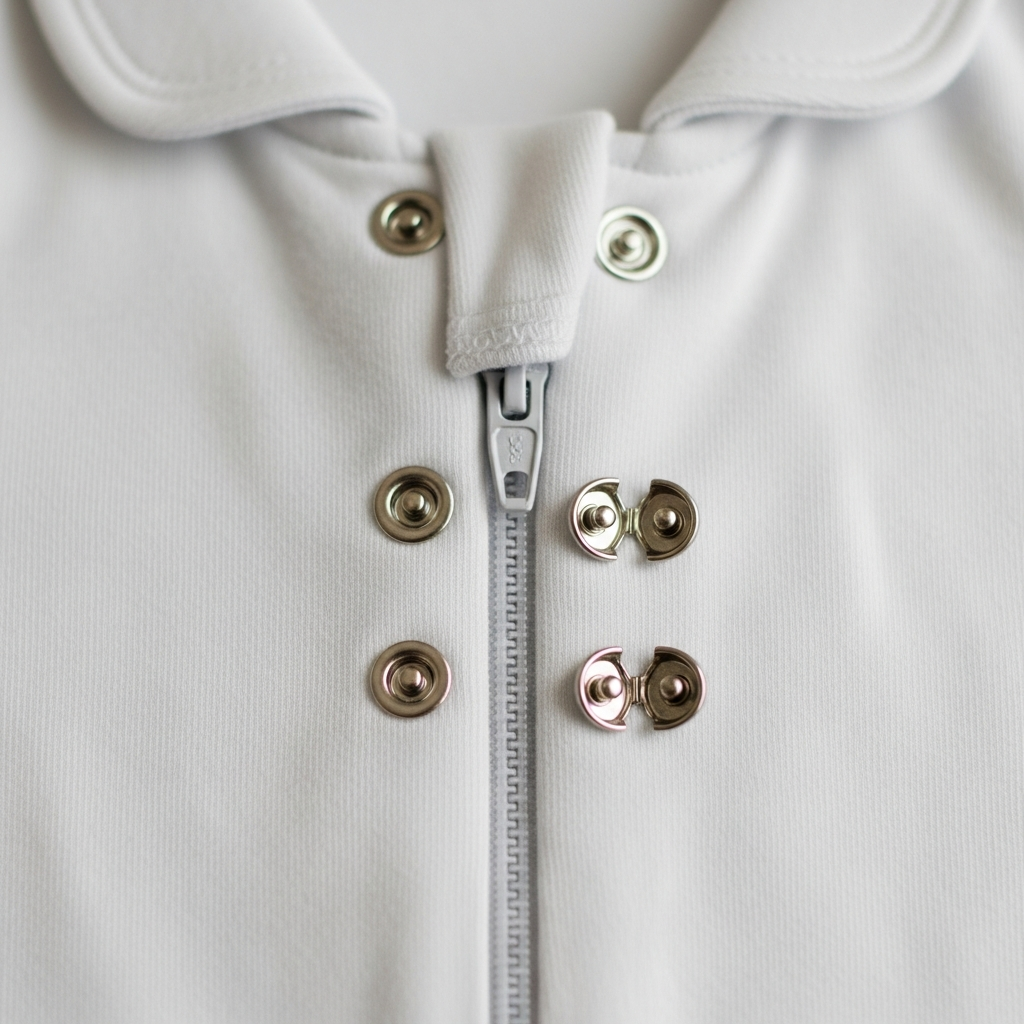
| Feature | Snaps | Zippers |
|---|---|---|
| Speed | Slower (multiple closures) | Faster (single motion) |
| Nighttime ease | Challenging in dark | Easier one-handed |
| Durability | Very durable | Can break or snag |
| Noise level | Quiet | Slightly audible |
| Partial undressing | More flexible | Need two-way zip |
| Skin protection | Covered | Fabric flap needed |
| Cost | Generally cheaper | Slightly higher |
The Case for Zipper Baby Pajamas
When the clock reads 2 AM and you are operating on minimal sleep, zippers become your best friend. One smooth motion replaces the task of aligning and fastening multiple snaps. Two-way zippers are particularly valuable because they allow bottom-only access for diaper changes while keeping baby's chest covered and warm.
Zipper pajamas also work well for one-handed operation. While you steady a squirmy baby with one hand, you can easily manage the zipper with the other. For nighttime sleepwear, most experienced parents recommend zippers as the preferred choice.
The main consideration: ensure any zipper sleeper has a fabric guard or flap that protects baby's chin and skin from the metal closure.
The Case for Snap Closures on Baby Clothes
Snaps offer flexibility that zippers cannot match. You can partially open them for a quick peek to check if a diaper change is actually needed, then close them back up without fully undressing baby. This partial-open option also helps with temperature regulation in warmer weather.
From a durability standpoint, snaps rarely break. Zippers, on the other hand, can jam, separate, or snag fabric over time. For budget-conscious parents who want clothing that lasts, snaps often prove more economical in the long run.
The key to happy snapping: choose clothes with easy-to-align, well-spaced snaps. Cheap snaps that require significant force to close and open will frustrate you quickly.
Magnetic Closures: The Premium Alternative
Magnetic closures represent the newest innovation in baby clothing technology. Hidden magnets within the fabric align automatically, creating the fastest, quietest closure system available.
According to safety testing information, properly designed magnetic closures are baby-safe because the magnets are securely sewn into garments with double-stitched construction, making them inaccessible to babies or their siblings.
Magnetic clothes work exceptionally well for parents with limited hand mobility, for NICU situations where gentle handling is essential, and for those who prioritize minimal sleep disruption. The higher price point is the main consideration, but many parents find the investment worthwhile once they experience the ease of magnetic closures.
Best Fabrics for Comfortable and Practical Baby Clothes
The fabric you choose affects more than just comfort. The right material makes diaper changes easier by stretching comfortably, staying soft against baby's skin, and holding up to frequent washing.
Organic Cotton: The Classic Choice
Organic cotton remains the gold standard for baby clothing, and for good reason. It is breathable, soft, hypoallergenic, and easy to wash. For babies with sensitive skin, organic cotton minimizes the risk of irritation or allergic reactions.
When shopping, look for GOTS-certified organic cotton. The Global Organic Textile Standard ensures the fabric meets strict environmental and safety criteria, meaning no harsh chemicals, pesticides, or synthetic fertilizers touched the material your baby wears against their skin.
A practical bonus: organic cotton gets softer with each wash while maintaining its structure. Quality organic cotton bodysuits and sleepers can withstand countless diaper changes without losing their shape or comfort.
Bamboo Fabric: Naturally Temperature-Regulating
Bamboo fabric has gained tremendous popularity among parents, and the benefits justify the hype. According to textile research, bamboo fabric possesses unique thermoregulating properties thanks to micro gaps in bamboo fibers, which allow for superior moisture absorption and ventilation.
This temperature regulation matters significantly because babies cannot regulate their body temperature as well as adults can. Overheating during sleep is a suspected risk factor for SIDS, making breathable fabrics an important safety consideration.
Bamboo fabric also contains natural antimicrobial properties that help prevent odor-causing bacteria growth. For babies with eczema or particularly sensitive skin, bamboo's extra-gentle softness reduces friction and potential discomfort.
If you are considering bamboo baby clothes for your little one, look for OEKO-TEX certified options that ensure the fabric meets safety standards.
Cotton Blends and Stretchy Materials
Cotton blended with a small percentage of spandex or elastane offers practical advantages for diaper changes. The added stretch makes dressing easier and helps with snap alignment because the fabric gives slightly as you work.
Stretchy blends also resist shrinking better than pure cotton and maintain their shape through countless wash cycles. For active babies who wiggle during changes, the give in stretchy fabric makes the process less of a wrestling match.
Essential Features to Look for in Diaper-Friendly Baby Clothes
Beyond the type of clothing and fabric, specific design features can make or break your diaper-changing experience. Here is what to prioritize when shopping.
Closure Placement and Accessibility
The placement of closures determines how quickly you can access the diaper area. Essential features include:
- Crotch snaps: The minimum requirement for quick bottom-only access
- Extended leg snaps: Allow full diaper area access without removing the garment
- Side snaps: Helpful for newborns who dislike clothes being pulled over their head
- Shoulder snaps: Make dressing easier, especially for babies with larger heads
Neckline Designs That Simplify Dressing
A well-designed neckline saves time during outfit changes, especially after blowouts when speed matters.
- Envelope necklines: Stretch wide for easy over-head dressing or pull-down removal during messy situations
- Kimono or wrap style: Opens flat for no-fuss dressing of newborns who cannot support their heads
- Crossover fronts: Provide easy access without pulling anything over baby's head
Practical Details That Save Time
Small design elements add up to significant time savings:
- Fold-over mittens: Keep hands warm without separate accessories that get lost
- Convertible cuffs: Roll down to cover feet or keep open for mobility
- Tagless labels: No irritation means no unnecessary clothing changes
- Reinforced seams: Withstand frequent snap and unsnap cycles without loosening
- Diaper-friendly fit: Adequate room in the bottom area for bulky diapers
Dressing Baby for Daytime vs Nighttime Diaper Changes
Your approach to baby clothing should shift based on when diaper changes happen most frequently. Different situations call for different strategies.
Daytime Outfit Strategies for Quick Changes
During the day, flexibility takes priority. Bodysuits with snap crotches work excellently under separate pants, giving you the option to change just the bottom layer if needed. This two-piece approach proves especially practical during the messier newborn months.
For outings, dress baby in rompers with full leg snaps. You can manage changes on the go without completely undressing your little one in public changing areas. Stretchy, comfortable clothes also support tummy time and active play between changes.
A layering approach works well: start with an easy-access base layer (like a bodysuit), then add removable outer layers as needed for warmth or style.
Nighttime Sleepwear for Minimal Sleep Disruption
The nighttime priority is keeping everyone asleep as much as possible. According to sleep experts, quick and quiet changes help baby (and you) return to sleep faster.
Best nighttime choices include two-way zipper sleepers and sleep gowns for newborns. Avoid complicated multi-snap outfits or clothes that require pulling over baby's head. Keep a spare sleeper within reach for blowout emergencies so you are not searching through drawers at 3 AM.
Practice locating the zipper or snaps in low light during daytime so the motion becomes automatic when you are half-asleep.
Tips for Squirmy and Active Babies
Older babies who roll, kick, and actively resist diaper changes present unique challenges. Speed becomes your greatest ally because less time changing means less time for escape attempts.
Prioritize magnetic closures or single-zip sleepers that you can manage one-handed while steadying your acrobatic baby. Footless options give you one less thing to wrestle with. Keep a small toy nearby as a distraction tool, and remember that this phase, while exhausting, is temporary.
Seasonal Considerations for Easy-Change Baby Clothes
Weather affects both comfort and practicality. Adjusting your baby clothing strategy by season keeps changes efficient year-round.
Summer and Warm Weather Choices
Hot weather calls for minimal, breathable layers. Short-sleeve onesies, sleeveless rompers, and sleep gowns keep baby cool while maintaining easy diaper access. Bamboo and lightweight cotton fabrics help regulate temperature naturally.
For nighttime in summer, a light cotton sleeper or just a onesie paired with a breathable sleep sack may be sufficient. According to safe sleep experts, keep the nursery at a comfortable temperature for adults, typically between 68 to 72 degrees Fahrenheit, to prevent overheating regardless of season.
Winter and Cold Weather Solutions
The winter temptation is to bundle baby in multiple layers, but this complicates diaper changes significantly. Instead, maintain a warm enough indoor temperature that heavy layers become unnecessary.
Use a layering strategy that starts with an easy-access base layer. Fleece-lined zipper sleepers with two-way zips provide warmth without sacrificing convenience. Footed sleepers eliminate the need for separate socks that inevitably get kicked off.
Important reminder: even in cold weather, avoid overdressing for sleep. Overheating remains a concern regardless of season.
Transitional Seasons: Spring and Fall
Fluctuating temperatures make versatility essential. Bamboo fabric shines during transitional seasons because of its natural temperature regulation. Long-sleeve bodysuits and light cotton sleepers work well as base layers.
The practical approach: dress baby in easy-change clothes and add removable outer layers (like cardigans or jackets) that come off easily when you move between indoor and outdoor temperatures.
Building Your Easy-Change Baby Wardrobe: How Many Clothes Do You Need?
New parents often wonder exactly how many of each item they need. Here is a practical breakdown for the first three months, keeping diaper change frequency in mind.
Essential Quantities Checklist for Newborns (0-3 months)
| Item | Recommended Quantity | Notes |
|---|---|---|
| Bodysuits/Onesies | 6-8 | Mix of short and long sleeve |
| Sleep gowns | 2-3 | Perfect for first weeks |
| Footed sleepers | 4-6 | Prioritize zipper styles |
| Rompers | 3-4 | For daytime outings |
| Lightweight layers | 2-3 | Cardigans or jackets |
Why These Numbers Work
Newborns may need 2-3 outfit changes per day due to spit-up, blowouts, and general messiness. These quantities account for doing laundry every 2-3 days, which is typical for new parent households.
A word of caution: babies grow incredibly fast. Avoid overstocking any single size. Start with essentials, discover which styles work best for your baby, then stock up on your favorites in the next size up.
Quality over quantity matters here. Well-made clothes with durable closures last through countless changes and can even survive to be handed down to future siblings.
Frequently Asked Questions About Baby Clothes and Diaper Changes
What type of baby clothes are best for diaper changes?
Sleep gowns are ideal for newborns as they require no unfastening at all. For older babies, footed sleepers with two-way zippers allow quick bottom access without exposing the chest. During the day, bodysuits with snap crotches under separate pants offer the most flexibility for quick changes.
Are zipper pajamas better than snap pajamas for babies?
For nighttime changes, zipper pajamas are generally better because they operate with one hand and work easily in low light. Two-way zippers that open from the bottom are particularly helpful. Snaps offer more flexibility for daytime partial changes and are typically more durable long-term.
Are magnetic baby clothes worth the higher price?
Magnetic closures offer the fastest, quietest changes and work well for parents with limited hand mobility, premature babies, or those prioritizing minimal sleep disruption. They are worth considering if nighttime changes are particularly challenging or if your baby is especially sensitive to being disturbed.
How do I change a diaper without fully undressing my baby?
Choose clothing with bottom-only access: sleep gowns (lift up), two-way zipper sleepers (unzip from foot), or bodysuits with crotch snaps (unsnap only the bottom three snaps). This approach keeps baby's chest covered and warm during changes.
What are the best baby clothes for nighttime diaper changes?
Two-way zipper sleepers are the top choice for nighttime because they allow diaper access without exposing baby's torso. Sleep gowns work excellently for newborns. Avoid outfits with multiple snaps or those requiring removal over the head.
How often should I change my newborn's diaper?
Newborns typically need 8-12 diaper changes per day, including during nighttime hours. This frequency decreases as babies grow. Choosing easy-change clothes makes this frequent task much more manageable for exhausted parents.
Should I change my baby's clothes every time I change their diaper?
No, unless clothes are soiled from leaks or blowouts. This is why easy-access clothing is so valuable. Properly designed baby clothes with crotch snaps or bottom zippers allow diaper changes without any clothing change needed.
What baby clothes work best with cloth diapers?
Cloth diapers are bulkier, so choose bodysuits and rompers with a roomier fit in the bottom. Look for extra-long bodysuits or those specifically designed for cloth diapers. Snaps may be easier than zippers to accommodate varying diaper thickness throughout the day.
Making Diaper Changes Easier Starts with the Right Clothes
Choosing baby clothes for easy diaper changes is not about finding one perfect outfit. It is about building a wardrobe of practical options that work for different situations throughout your day and night. The strategies that work at 2 PM may differ from what you need at 2 AM.
Remember these key takeaways as you shop:
- Sleep gowns and two-way zipper sleepers are nighttime essentials for quick, quiet changes
- Snap crotch bodysuits provide daytime flexibility and layering options
- Fabric matters. Organic cotton and bamboo offer both comfort and practicality
- Features like envelope necklines and extended snaps are worth prioritizing
- Your needs will evolve as baby grows. Start simple and adjust based on what works
Every parent eventually figures out what works best for their baby and their family. It is completely normal to try different styles before discovering your favorites. The "perfect" baby outfit is simply the one that makes your life easier.
At PatPat, we believe parenting should be joyful, not exhausting. Start with the essentials we have outlined, pay attention to what makes your diaper-changing routine smoother, and build from there. Bookmark this guide for reference as you shop, and remember that you have got this, even at 3 AM.




