


Your newborn's skin is thinner, more permeable, and far more sensitive than yours. According to research published in the Pediatric Dermatology journal, infant stratum corneum is 30% thinner and infant epidermis is 20% thinner than in adults. This means finding the best fabric for baby skin is one of the most important decisions new parents face.
Have you ever wondered why your baby keeps getting unexplained rashes, or why some outfits seem to make them fussier than others? The answer often lies in the fabric itself. At PatPat, we understand that navigating countless clothing options and confusing labels feels overwhelming.
This guide covers everything you need to know about baby skin health clothing. You will learn which natural fabric baby clothes protect sensitive skin, what OEKO-TEX and GOTS certifications mean, and how to care for babies with eczema. By the end, you will feel confident making baby clothes choices that keep your little one comfortable and rash-free.
Why Fabric Choice Matters for Your Baby's Delicate Skin
Understanding why your baby's skin reacts differently than yours is the first step toward making informed fabric choices. The physiological differences between infant and adult skin explain why something that seems perfectly soft to you might irritate your baby.
The Science of Infant Skin
Baby skin is fundamentally different from adult skin in several critical ways. Research from the National Institutes of Health confirms that the most distinctive characteristics of infant skin are a thinner stratum corneum, thinner epidermal layer, and smaller corneocytes.
Here is what makes infant skin so vulnerable:
- The stratum corneum (outer protective layer) is still developing and less compact
- Higher permeability means chemicals and irritants penetrate more easily
- Skin barrier function does not fully mature until approximately age 5-6
- pH levels differ from adults, affecting how skin responds to irritants
- Increased rate of water loss makes skin more susceptible to dryness
Why This Makes Fabric Choice Critical
Because baby skin is so permeable, what touches it directly impacts comfort and health. Rough textures cause more friction on delicate skin. Chemical residues from fabric processing can be absorbed through that thinner barrier. Synthetic materials trap heat and moisture against skin that cannot regulate temperature as effectively as adult skin.
Signs of Fabric-Related Skin Issues
Watch for these indicators that your baby's clothing may be causing problems:
- Red, irritated patches where clothing touches skin
- Rashes that appear after wearing certain outfits
- Increased fussiness when dressed in specific items
- Heat rash in areas covered by non-breathable fabric
- Dry, flaky skin from moisture-wicking synthetic materials
Best Fabrics for Baby Clothes: Safe Choices for Sensitive Skin
Not all natural fabrics are created equal. Understanding the specific benefits of each helps you make the best choice for your baby's unique needs. These fabrics have earned their reputation as the safest options for newborn and infant skin.
Organic Cotton - The Gold Standard for Newborn Skin
Organic cotton remains the most recommended fabric for baby clothing, and for good reason. Unlike conventional cotton, organic cotton is grown without toxic chemicals, harmful pesticides, synthetic fertilizers, or genetic engineering.
Benefits of organic cotton for babies:
- Chemical-free: No pesticide or fertilizer residues to irritate sensitive skin
- Breathability: Allows excellent air circulation, preventing heat buildup
- Absorbency: Wicks moisture away from skin naturally
- Hypoallergenic: Minimal risk of allergic reactions
- Durability: Gets softer with each wash while maintaining structure
When shopping for organic cotton baby clothes, look for GOTS (Global Organic Textile Standard) certification to verify authentic organic content and safe processing.
Bamboo Fabric - Naturally Antibacterial and Ultra-Soft
Bamboo fabric has become increasingly popular for baby clothing due to its exceptional properties. Research shows that bamboo plants contain a powerful antimicrobial agent called bamboo kun, which contributes to the fabric's antibacterial properties.
What makes bamboo excellent for babies:
- Ultra-soft texture: Softer than cotton with a silky feel against skin
- Antibacterial properties: Natural agents help prevent bacterial growth
- Temperature regulation: Keeps baby cool in summer and warm in winter
- Superior moisture-wicking: Pulls moisture away from skin faster than cotton
- Eco-friendly: Sustainable crop requiring less water and no pesticides
Bamboo baby clothes are particularly beneficial for babies who overheat easily or have very sensitive skin conditions.
TENCEL Lyocell - The Eco-Friendly Breathable Alternative
TENCEL lyocell offers exceptional skin benefits from wood pulp processed sustainably. Benefits include exceptionally smooth fibers that reduce friction, superior breathability, moisture absorption that outperforms cotton, and biodegradable composition.
Muslin - Perfect for Swaddling and Layering
Muslin's loose, open weave makes it ideal for swaddles, blankets, and lightweight clothing. It prevents overheating during sleep and becomes progressively softer with washing.
Merino Wool - Temperature Regulation Champion
Fine merino wool (under 18.5 microns) differs from coarse wool. It offers remarkable temperature regulation, absorbs up to 30% of its weight in moisture without feeling damp, and provides natural flame resistance without chemical treatments.
| Fabric | Breathability | Softness | Temp Regulation | Best For |
|---|---|---|---|---|
| Organic Cotton | Excellent | Very Good | Good | All babies, daily wear |
| Bamboo | Excellent | Excellent | Excellent | Sensitive skin, temperature issues |
| TENCEL Lyocell | Excellent | Excellent | Very Good | Eczema, ultra-sensitive skin |
| Muslin | Excellent | Good | Good | Swaddling, warm weather |
| Merino Wool | Good | Very Good | Excellent | All seasons, sleep regulation |
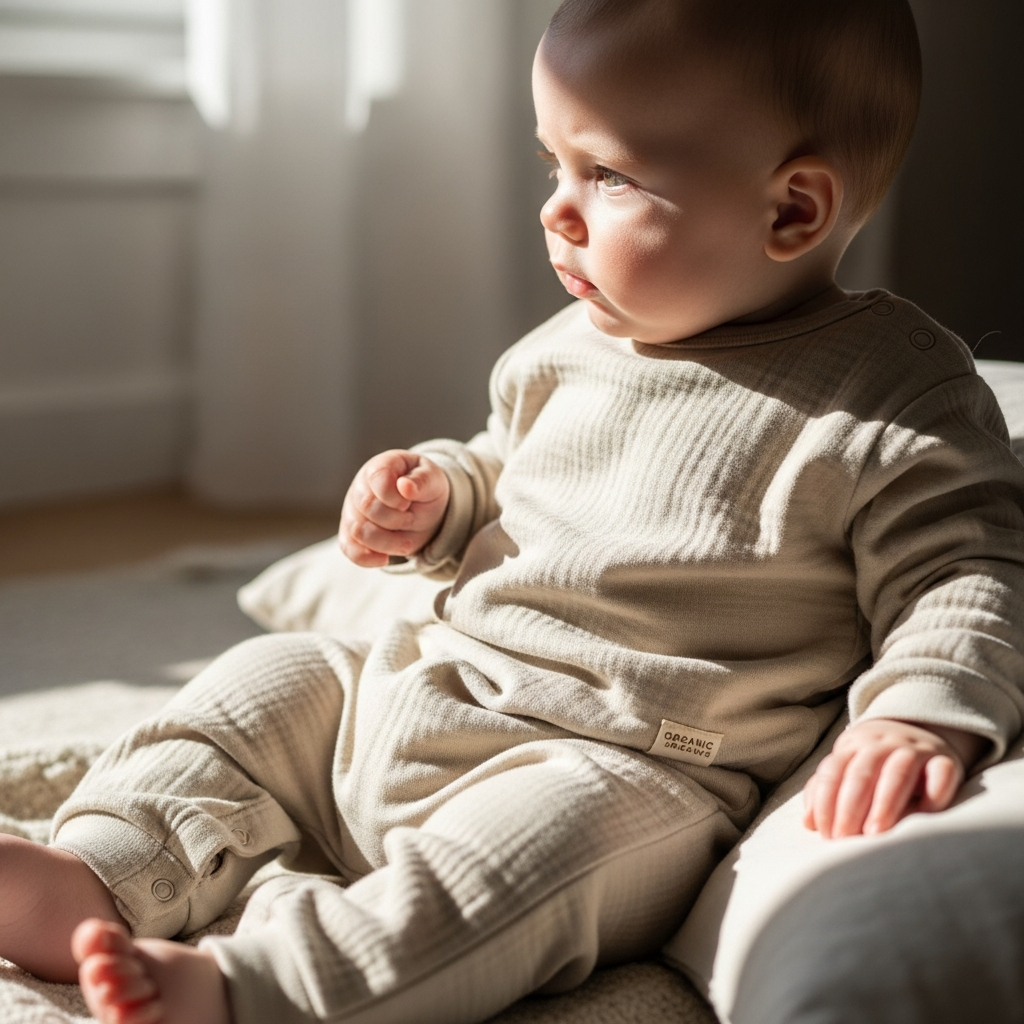
Fabrics to Avoid for Baby's Sensitive Skin
Just as important as knowing what to choose is understanding what to avoid. Certain fabrics and chemical treatments can irritate even the most resilient baby skin, and some pose particular risks for babies with sensitivities.
Synthetic Fabrics: Polyester, Nylon, and Acrylic
While synthetic fabrics are durable and affordable, they present several problems for baby skin:
- Heat trapping: Do not breathe, causing overheating and sweating
- Moisture retention: Hold sweat against skin, creating irritation
- Static electricity: Can cause discomfort and skin irritation
- Chemical composition: Derived from petroleum-based products
The American Academy of Dermatology notes that synthetic, chemically produced fabrics like nylon can irritate skin, particularly in children with eczema or sensitive skin conditions.
Exception: Small percentages of synthetic fiber (under 5%) added for stretch are generally acceptable in otherwise natural garments.
Chemically Treated Fabrics
Be cautious of fabrics with these treatments:
- Formaldehyde finishes: Used for wrinkle-resistance; known skin irritant
- Flame retardant chemicals: Some contain harmful compounds
- Stain-resistant treatments: Often contain PFAs
- Non-colorfast dyes: Can transfer to skin during wear
Warning Signs When Shopping
Trust your instincts and watch for these red flags:
- Strong chemical or "new clothes" smell
- Stiff or scratchy texture when touched
- Labels listing "wrinkle-free" or "easy care" treatments
- 100% polyester or high synthetic content
- Heavy, non-breathable fabric weight
Special Considerations for Babies with Eczema
If your baby has been diagnosed with eczema (atopic dermatitis) or shows signs of this common skin condition, fabric choice becomes even more critical. The American Academy of Dermatology recommends dressing children in soft clothing and avoiding wool or rough fabric.
Why Fabric Matters More for Eczema
Babies with eczema face additional challenges. Their compromised skin barrier allows more irritant penetration, they experience increased sensitivity to friction and rough textures, and heat and sweat commonly trigger flare-ups.
Best Fabric Choices for Eczema
- 100% organic cotton: Hypoallergenic with no chemical residues
- Bamboo: Antibacterial properties help prevent infection in broken skin
- TENCEL lyocell: Exceptionally smooth fibers minimize friction
- Silk: Naturally smooth, though requires careful care
Critical Features to Prioritize
Beyond fabric type, look for these design elements:
- Flat seams or outward-facing seams to reduce friction
- Tagless designs to eliminate irritation points
- Loose fits that do not rub against affected areas
- Breathable construction to prevent sweating
Care Recommendations for Eczema
Proper laundering is essential for managing eczema:
- Use fragrance-free, dye-free laundry detergent
- Run an extra rinse cycle to remove all detergent residue
- Skip fabric softener (leaves coating on fabric)
- Air dry when possible to avoid dryer sheet residues
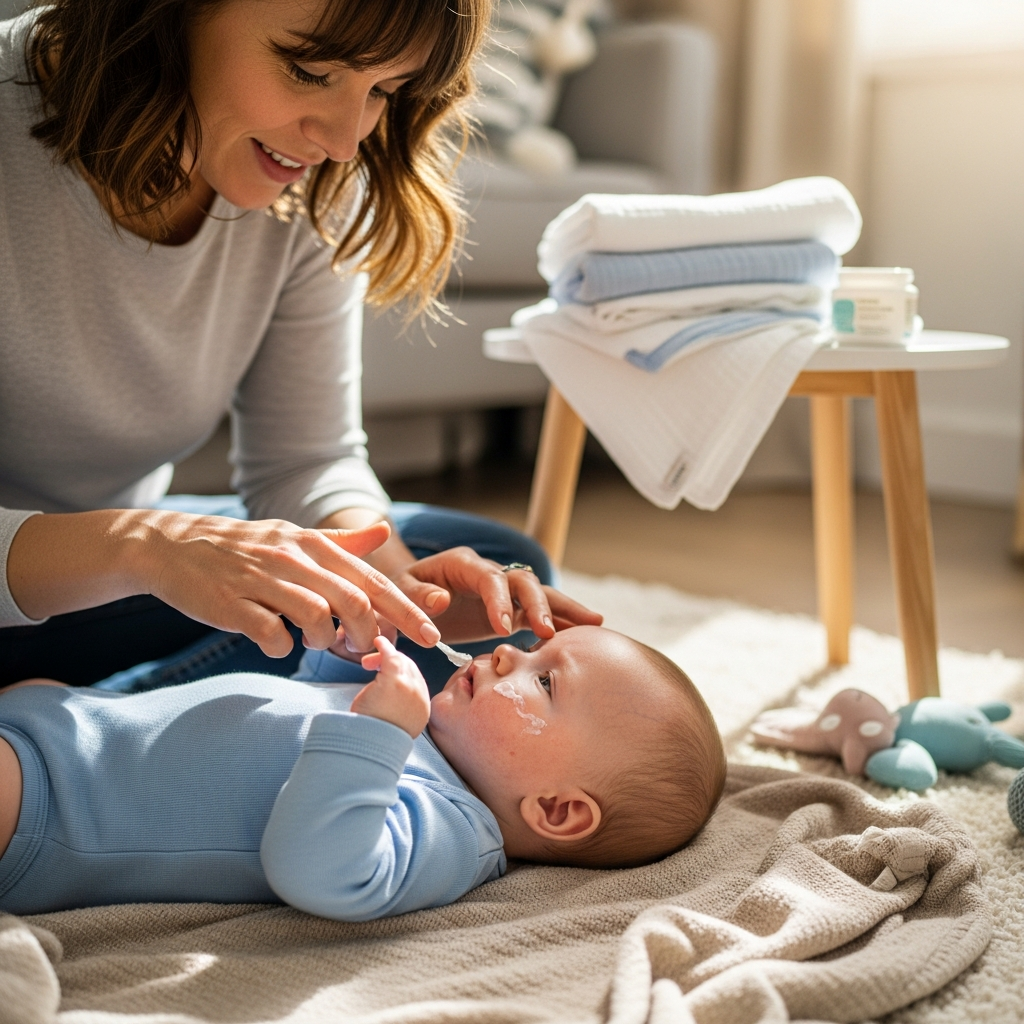
Understanding Fabric Certifications: OEKO-TEX and GOTS Explained
When shopping for baby clothes, you have likely encountered labels featuring OEKO-TEX or GOTS certifications. Understanding what these standards actually test for helps you make confident decisions about which fabrics are truly safe for your baby's skin.
OEKO-TEX Standard 100 Explained
The OEKO-TEX Standard 100 is one of the world's best-known labels for textiles tested for harmful substances. This certification tests for over 1,000 harmful substances including formaldehyde, azo dyes, heavy metals, pesticides, phthalates, and flame retardants.
Class I - The Strictest Standard: Products designed for babies and toddlers up to age three must meet the strictest limits for harmful substances. This class additionally tests for color fastness using a simulation of sucking and nibbling with synthetic saliva solution.
GOTS (Global Organic Textile Standard) Explained
The Global Organic Textile Standard (GOTS) is the worldwide leading textile processing standard for organic fibres. It covers the entire supply chain from farming to final product.
GOTS requirements include:
- Minimum 70% organic fibers (95% for "organic" label)
- Only approved, non-toxic chemicals in processing
- No harmful substances like GMOs, pesticides, or heavy metals
- Environmental criteria for water and waste management
- Social criteria for workers throughout production
| Certification | Tests For | Organic Guarantee | Supply Chain Coverage |
|---|---|---|---|
| OEKO-TEX Standard 100 | 1,000+ harmful chemicals | No | Finished product only |
| GOTS | Organic content + processing | Yes (70-95%) | Entire supply chain |
Which Certification Should You Look For?
Both certifications provide meaningful safety assurance. OEKO-TEX focuses on finished product safety and can apply to any fabric type. GOTS ensures organic materials and ethical production throughout the supply chain. The best option is products carrying both certifications, though either one indicates the manufacturer prioritizes baby safety.
Seasonal Fabric Guide: Dressing Baby Safely Year-Round
Baby skin health is affected not just by fabric type but by how well that fabric performs in different seasons. Overheating in summer and inadequate warmth in winter both stress delicate skin.
Warm Weather Fabrics - Keeping Baby Cool and Rash-Free
Summer requires lightweight organic cotton, bamboo, and muslin for maximum breathability. Choose light colors, single layers indoors, loose fits for air circulation, and change promptly if baby sweats.
Cool Weather Fabrics - Warmth Without Irritation
Winter calls for fine merino wool, bamboo fleece, layered organic cotton, and TENCEL base layers. Layer rather than using heavy garments, always use soft fabric for base layers, and moisturize skin before dressing in cold weather.
| Season | Best Fabrics | Key Concerns |
|---|---|---|
| Summer | Cotton, bamboo, muslin | Heat rash, overheating, sun protection |
| Winter | Merino, bamboo fleece, layered cotton | Dry skin, indoor overheating |
| Spring/Fall | Cotton-bamboo blends | Temperature fluctuations |
How to Care for Baby Clothes to Protect Sensitive Skin
Even the safest organic fabric can irritate baby skin if not properly cared for. How you wash, dry, and store baby clothes directly impacts whether those garments remain gentle against your baby's delicate skin.
Washing New Clothes Before First Wear
Always wash new baby clothes before your little one wears them. Manufacturing leaves sizing chemicals while shipping adds dust. Wash separately using fragrance-free, dye-free detergent with warm water and an extra rinse cycle.
Choosing Baby-Safe Laundry Products
Look for fragrance-free, dye-free, hypoallergenic detergents free of optical brighteners. Avoid fabric softeners, dryer sheets, chlorine bleach, and heavily scented products, as these leave residues that irritate sensitive skin.
Ongoing Care Best Practices
Wash baby clothes separately using gentle cycles. Turn garments inside out to protect surfaces. Air drying is gentlest on fibers. If using a dryer, choose low heat settings and avoid over-drying. Store in clean, dry locations.
Frequently Asked Questions About Baby Fabric and Skin Health
What is the best fabric for baby clothes?
Organic cotton is widely considered the best fabric for baby clothes due to its breathability, softness, and hypoallergenic properties. Bamboo fabric is an excellent alternative, offering natural antibacterial properties and temperature regulation. Look for GOTS or OEKO-TEX certifications to ensure safety.
Is bamboo or cotton better for baby clothes?
Both are excellent choices, but they excel in different areas. Organic cotton is highly breathable and gets softer with washing, making it ideal for everyday wear. Bamboo is naturally antibacterial, softer initially, and better at temperature regulation, making it particularly good for babies who overheat or have very sensitive skin.
What fabric is safest for newborn baby clothes?
The safest fabrics for newborns are organic cotton, bamboo, and TENCEL lyocell. These natural or sustainably produced materials are soft, breathable, and free from harsh chemicals. Always look for OEKO-TEX Standard 100 (Class I) or GOTS certification to verify safety for infant skin.
Can baby clothes cause skin rashes?
Yes, baby clothes can cause skin rashes if made from irritating fabrics, treated with harsh chemicals, or not properly washed before wearing. Synthetic fabrics like polyester, chemically treated "wrinkle-free" materials, and rough textures are common culprits. Switching to organic cotton or bamboo often resolves fabric-related rashes.
What fabrics should babies avoid?
Babies should avoid 100% synthetic fabrics (polyester, nylon, acrylic), chemically treated materials with "wrinkle-free" or "stain-resistant" finishes, coarse wool, and any fabric with a strong chemical smell. These can trap heat, irritate skin, or contain harmful chemical residues.
Why is organic cotton better for babies?
Organic cotton is grown without synthetic pesticides, herbicides, or GMO seeds, meaning no chemical residues transfer to baby's skin. The organic certification process also ensures processing uses only approved, non-toxic substances. This results in a purer, softer fabric that is less likely to cause irritation or allergic reactions.
Should I wash new baby clothes before wearing?
Yes, always wash new baby clothes before first wear. Manufacturing processes leave sizing chemicals, dust, and residues that can irritate baby's sensitive skin. Washing in fragrance-free detergent with an extra rinse cycle removes these substances and softens the fabric for better skin contact.
What does OEKO-TEX certified mean for baby clothes?
OEKO-TEX Standard 100 certification means the fabric has been independently tested for over 1,000 harmful substances including formaldehyde, heavy metals, and pesticides. Class I certification (the strictest level) specifically applies to baby products and confirms the fabric is safe for prolonged contact with infant skin.
Protecting Your Baby's Skin Through Informed Fabric Choices
Choosing the best fabric for baby skin is one of the most meaningful ways you can protect your little one's comfort and health. With baby skin being 20-30% thinner than adult skin, every fabric decision matters.
The key takeaways: organic cotton and bamboo offer the safest options for sensitive baby skin. Avoid synthetic fabrics and chemical treatments for daily wear. Look for OEKO-TEX Standard 100 (Class I) and GOTS certifications when shopping. Proper washing and care maintain fabric safety over time.
Remember that quality matters more than quantity. A smaller wardrobe of safe, breathable fabric for babies serves your little one better than many potentially irritating options. At PatPat, we believe every baby deserves clothing that feels as good as it looks. Share this guide with other parents who might benefit from understanding how fabric choice affects baby skin health.
Ready to choose safer fabrics for your baby?
Explore our collection of soft, certified baby clothing designed with your little one's sensitive skin in mind.




