


It is 2 a.m., and your baby is awake again, scratching furiously at red, inflamed patches of skin. You have tried everything, applied the creams, adjusted the thermostat, and swaddled them in what you thought was the softest blanket. Yet here you are, exhausted and heartbroken, watching your little one struggle with eczema once more.
You are not alone in this struggle. According to the National Eczema Association, eczema affects approximately 31.6 million Americans, with infants being particularly vulnerable. Research published by the American Academy of Dermatology indicates that up to 1 in 5 children develop eczema, often appearing within the first year of life. The good news? The right baby sleepers for eczema can make a significant difference in your child's comfort and sleep quality.
This comprehensive guide covers everything you need to know about choosing eczema-friendly sleepwear. From understanding why nighttime tends to worsen symptoms to selecting the best fabrics and features, you will find practical, evidence-based advice that actually works. Collections like PatPat's baby clothes offer soft, breathable options worth exploring as you navigate this journey.
Why Eczema Gets Worse at Night and How Sleepwear Helps
If you have noticed that your baby's eczema flares up more intensely at bedtime, you are not imagining things. There are several physiological reasons why nighttime brings increased discomfort for eczema-prone babies.
The Science Behind Nighttime Eczema Flare-Ups
Your baby's body goes through natural changes during sleep that can trigger or worsen eczema symptoms. Body temperature typically rises during the night, which triggers itchiness and sweating. Additionally, cortisol, your body's natural anti-inflammatory hormone, reaches its lowest levels during nighttime hours. According to research from the National Institutes of Health, circadian rhythms affect eczema symptoms, meaning your baby has less natural inflammation control while sleeping.
During sleep cycles, babies often scratch unconsciously, damaging the skin barrier and creating a vicious itch-scratch cycle. Environmental factors like dry indoor air and certain bedding materials can also act as triggers, compounding the problem throughout the night.
How the Right Sleepwear Reduces Eczema Symptoms
The right eczema pajamas for babies address these nighttime challenges in several key ways:
- Temperature regulation: Breathable fabrics prevent the overheating that triggers itchiness
- Smooth texture: Silky fabrics minimize friction against irritated skin
- Anti-scratch features: Built-in mittens and enclosed feet protect healing skin from damage
- Moisture management: Wicking properties keep skin comfortable and dry
Best Fabrics for Baby Eczema Sleepwear: Bamboo, Organic Cotton, and More
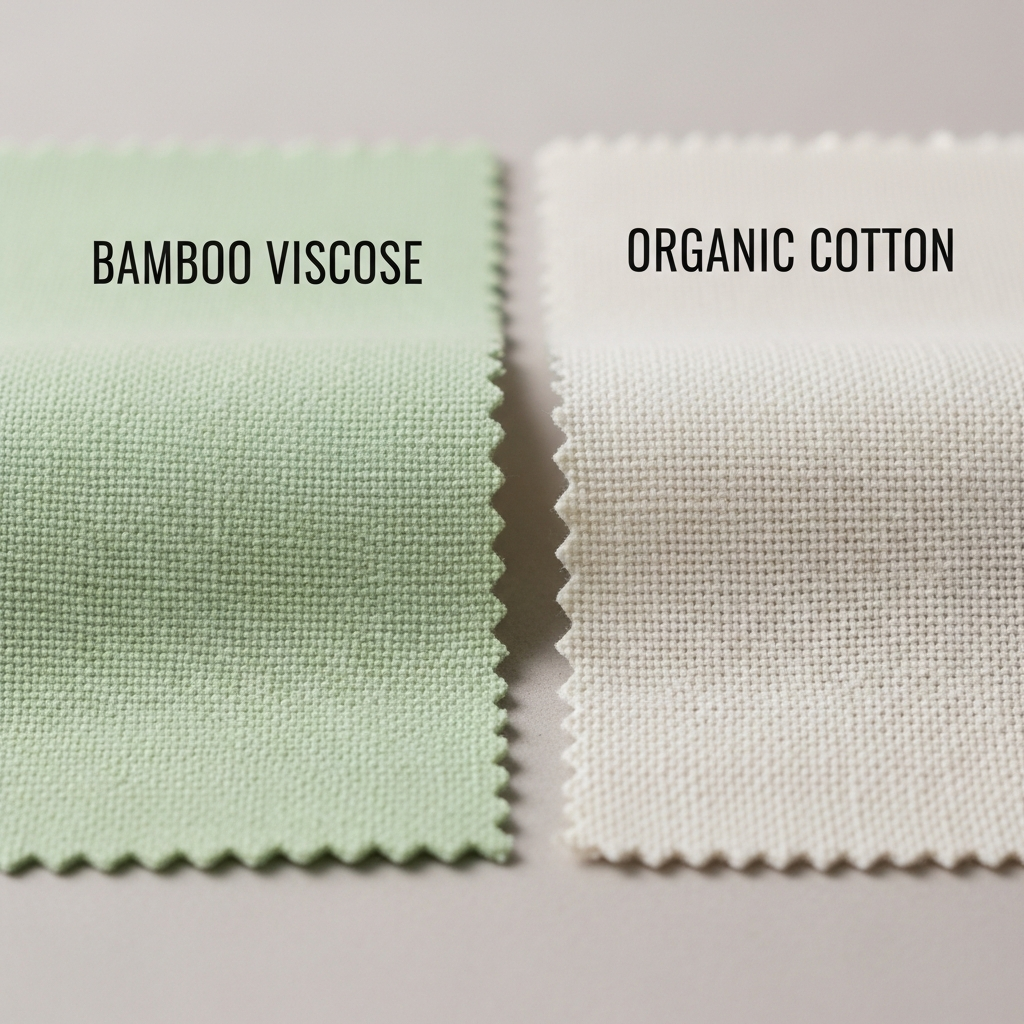
Not all fabrics are created equal when it comes to sensitive baby skin. Choosing the best fabric for baby eczema pajamas can dramatically reduce irritation and help your little one sleep more comfortably through the night.
Bamboo Viscose: The Gold Standard for Eczema-Prone Skin
Bamboo viscose has emerged as the gold standard for babies with eczema, and for good reason. This remarkable fabric offers a unique combination of properties that make it exceptionally gentle on irritated skin.
Bamboo is naturally hypoallergenic and possesses antibacterial properties that help prevent infection in compromised skin. The fabric is exceptionally soft, often described as feeling like silk against the skin. Studies show that bamboo viscose absorbs approximately three times more moisture than cotton, keeping sensitive skin dry and comfortable throughout the night.
Perhaps most importantly for eczema babies, bamboo naturally regulates temperature. It keeps your baby cool during warm nights and provides warmth when temperatures drop. This thermoregulating property helps prevent the overheating that commonly triggers eczema flare-ups.
Bamboo sleepwear has become increasingly popular for sensitive skin. Browse PatPat's bamboo baby clothes collection for soft, breathable options designed with baby comfort in mind.
Organic Cotton: A Natural Alternative for Sensitive Babies
Organic cotton remains an excellent choice for babies with eczema, particularly when it meets certain standards. Unlike conventional cotton, organic cotton is grown without pesticides and processed without harsh chemicals that could irritate sensitive skin.
Look for organic cotton sleepers that carry GOTS (Global Organic Textile Standard) certification, which ensures the fabric meets strict organic and environmental standards. The best organic cotton options for eczema babies are unbleached and undyed, eliminating potential chemical irritants.
Organic cotton is breathable, durable, and becomes softer with each wash. While it may not wick moisture quite as effectively as bamboo, it remains a reliable, accessible option for many families seeking gentle fabrics for their little ones.
TENCEL and Specialty Fabrics Worth Considering
TENCEL lyocell, derived from sustainably sourced wood pulp, offers another excellent option for eczema-prone babies. Its silky texture causes minimal friction, and it shares many of bamboo's moisture-wicking and temperature-regulating properties.
Some specialty fabrics incorporate additional therapeutic elements. Zinc oxide infused fabrics offer antimicrobial properties that may help healing skin. Medical-grade options featuring TEWLTect and DreamSkin technologies are designed specifically for eczema management and may be worth exploring for severe cases.
Fabrics to Avoid for Eczema-Prone Babies
Knowing what to avoid is just as important as knowing what to choose. Steer clear of these fabrics when shopping for eczema sleepwear:
- Synthetic materials: Polyester and nylon trap heat and moisture, creating conditions that worsen eczema
- Wool: Despite its warmth, wool can be scratchy and irritating to sensitive skin
- Fleece: This popular fabric overheats sensitive skin quickly and can feel rough
- Heavily treated fabrics: Dyes and chemical finishes can act as skin irritants
Fabric Comparison for Eczema Baby Sleepwear
| Fabric Type | Breathability | Softness | Moisture-Wicking | Recommendation |
|---|---|---|---|---|
| Bamboo Viscose | Excellent | Excellent | Excellent | Highly Recommended |
| Organic Cotton | Very Good | Very Good | Good | Recommended |
| TENCEL | Excellent | Excellent | Excellent | Recommended |
| Polyester | Poor | Variable | Poor | Not Recommended |
| Fleece | Poor | Good | Poor | Not Recommended |
| Wool | Moderate | Variable | Moderate | Not Recommended |
Essential Features to Look for in Eczema-Safe Baby Sleepers
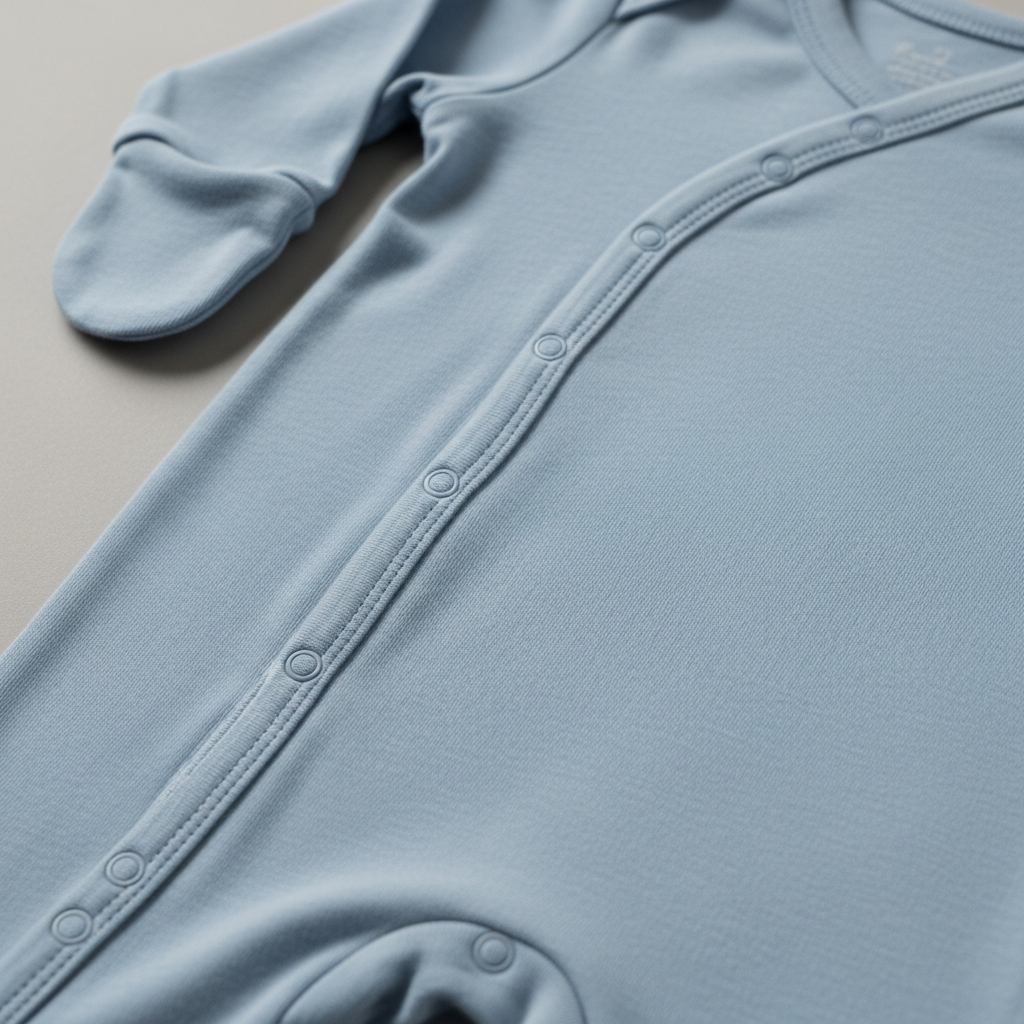
Beyond fabric choice, specific design features can significantly impact how comfortable and protective a sleeper is for your eczema baby. Here are the essential elements to look for when shopping for anti-scratch sleepers for babies with eczema.
Anti-Scratch Design Elements That Protect Healing Skin
Preventing scratching during sleep is one of the most important functions of eczema sleepwear. Look for these protective features:
- Fold-over mittens: Built-in hand covers that fold over to prevent scratching and fold back during awake time
- Enclosed feet: Full-foot coverage prevents babies from scratching their legs with their toes
- Stay-on mitten cuffs: Snug but comfortable wristbands that keep mittens in place all night
- Two-way zippers: Allow easy diaper changes without fully undressing your baby
Seam Construction and Tagless Design
Traditional clothing construction can be surprisingly irritating to eczema-prone skin. The best baby sleepers for eczema feature thoughtful construction that minimizes friction points.
Flat seams or outward-facing seams sit away from your baby's skin, reducing rubbing and irritation. Tagless labels, either printed directly on the fabric or located in non-contact areas, eliminate a common source of scratching and discomfort. Some premium sleepers feature fully covered seams or even seamless construction for maximum comfort.
Temperature Regulation and Breathability Features
Since overheating is a major eczema trigger, temperature management features are essential. Look for sleepers made from lightweight, breathable fabrics that allow air circulation. Moisture-wicking properties help manage sweat before it can irritate the skin.
Understanding TOG ratings can help you choose appropriate warmth levels. TOG measures thermal resistance. Lower TOG ratings (0.5-1.0) suit warmer conditions, while higher ratings (2.0-2.5) provide warmth for cooler rooms. For eczema babies, erring on the side of lighter sleepwear is generally safer.
Certifications That Matter for Eczema Baby Clothing
Several certifications can help you identify truly safe options for your eczema baby:
- OEKO-TEX Standard 100: Tests for harmful substances and ensures safety for baby skin
- GOTS Certification: Verifies organic content and environmentally responsible processing
- National Eczema Association Seal of Acceptance: Products reviewed and accepted for eczema sufferers
- Dermatologist tested: Indicates clinical evaluation for skin safety
- Bamboo or organic cotton fabric
- Fold-over mittens or hand covers
- Flat or outward-facing seams
- Tagless design
- OEKO-TEX or GOTS certification
- Temperature-regulating properties
How to Help Your Baby with Eczema Sleep Through the Night
The right sleepwear is just one piece of the puzzle. Creating an optimal sleep environment and establishing supportive routines can further improve your eczema baby's nighttime comfort.
Creating the Optimal Sleep Environment
Your baby's sleep environment plays a crucial role in eczema management. The American Academy of Pediatrics recommends maintaining appropriate room temperature, generally between 68 and 72 degrees Fahrenheit (20-22 degrees Celsius), to prevent overheating while remaining comfortable.
Humidity levels matter too. Aim for 40-50% relative humidity to prevent skin from drying out overnight. A cool-mist humidifier can help maintain appropriate moisture levels, especially during dry winter months or in air-conditioned spaces.
Consider using hypoallergenic bedding and mattress covers to reduce exposure to dust mites and other allergens. An air purifier with a HEPA filter can help remove airborne irritants from your baby's sleeping space.
Pre-Bedtime Skincare Routine for Eczema
A consistent bedtime skincare routine can significantly reduce nighttime eczema symptoms. Follow these steps:
- Give your baby a lukewarm (not hot) bath before bed, keeping it brief (5-10 minutes)
- Apply any prescribed eczema treatments as directed by your pediatrician
- Layer a thick, fragrance-free moisturizer while skin is still slightly damp
- Wait 10-15 minutes for the moisturizer to fully absorb before dressing
- Consider wet wrap therapy for severe flare-ups, under medical guidance
Dressing Your Eczema Baby for Comfortable Sleep
When deciding what to dress your baby with eczema in at night, less is often more. Choose appropriate layer weight for your room temperature. Overdressing leads to sweating, which quickly triggers itching and discomfort.
Finding pajamas with the right features makes a significant difference. Explore PatPat's baby pajamas collection for comfortable options that prioritize soft fabrics and thoughtful design.
If additional warmth is needed, use a breathable sleep sack over the sleeper rather than heavy blankets. For persistent scratching despite proper sleepwear, consult your pediatric dermatologist and consider medical-grade options like Soothems or ScratchSleeves.
Wet Wrap Therapy and Specialized Eczema Sleepwear Options
For moderate to severe eczema, wet wrap therapy can provide significant relief. Understanding this treatment and the specialized sleepwear designed to support it can be valuable for struggling families.
Understanding Wet Wrap Therapy for Baby Eczema
Wet wrap therapy involves applying moisturizer or prescribed medication to the skin, then covering with damp fabric, followed by a dry outer layer. This technique helps medications penetrate more effectively, provides cooling relief from itching, and creates a physical barrier against scratching.
According to the National Eczema Association, wet wrap therapy can be used during eczema flares to help calm symptoms and restore the skin barrier. However, it should always be performed under the guidance of your healthcare provider.
Choosing Pajamas Compatible with Wet Wrapping
If your dermatologist recommends wet wrap therapy, certain sleeper features make the process easier:
- Two-piece designs allow separate treatment of upper and lower body
- Loose-fitting styles accommodate the damp layer underneath
- Quick-dry fabrics work well for the outer layer
- Purpose-designed wet wrap sleepwear streamlines the process
Medical-Grade Eczema Sleepers: Are They Worth the Investment?
For families dealing with severe eczema, medical-grade sleepers may be worth considering. Brands like Soothems, HappySkin, and ScratchSleeves offer FDA registered Class 1 medical devices specifically designed for eczema management.
These specialty products often incorporate zinc oxide or TENCEL fibers and feature therapeutic properties beyond standard sleepwear. While they come at a higher price point, some may be eligible for HSA or FSA reimbursement. Weigh the cost against the potential benefits for your child's specific situation.
Age-Specific Sleeper Recommendations for Eczema Babies

Your baby's sleepwear needs evolve as they grow. Here are age-specific recommendations for choosing the best eczema pajamas at each stage.
Newborn Sleepers for Eczema (0-3 Months)
Newborns with eczema require extra-gentle sleepwear. Kimono-style designs that wrap around rather than pulling over the head make dressing easier and cause less friction on sensitive skin. Gown styles with elastic bottoms allow quick diaper changes with minimal disturbance.
At this age, fold-over mittens are essential since newborns lack the coordination to avoid scratching themselves. Look for sleepers with extra-soft seams, as newborn skin is particularly delicate. When in doubt, size up for a comfortable fit without restriction.
Infant Sleepers for Eczema (3-12 Months)
As your baby becomes more active, footie pajamas with enclosed feet provide full coverage and protection. Two-way zippers become increasingly practical for middle-of-the-night diaper changes.
Sleep sacks can add warmth without the risks associated with loose blankets. Anti-scratch mittens remain important during this stage as babies discover their hands and may scratch more deliberately.
Toddler Sleepwear for Eczema (12+ Months)
Toddlers often do well with two-piece pajama sets that allow easier bathroom transitions. Snug-fit options meet safety requirements while remaining comfortable. Focus on durability as toddlers become more active.
If your child's scratching is well-controlled, you may be able to transition away from mittened sleepers. However, keep anti-scratch options available for flare-up periods.
Caring for Eczema Baby Sleepwear: Washing and Maintenance Tips
How you care for your baby's sleepwear matters as much as the fabric you choose. Proper washing practices help maintain softness and prevent irritation from detergent residue.
Choosing the Right Detergent for Eczema-Sensitive Laundry
Standard laundry detergents often contain fragrances and dyes that can irritate eczema-prone skin. Choose fragrance-free, dye-free formulas specifically designed for sensitive skin. Avoid fabric softeners and dryer sheets, which leave residue on fabrics.
Look for detergents recommended by dermatologists or those carrying the National Eczema Association Seal. Consider running an extra rinse cycle to ensure all detergent residue is removed from clothing.
Washing Best Practices for Bamboo and Organic Cotton
Always wash new sleepers before first wear to remove any manufacturing residue. Use cold or warm water rather than hot, which can damage bamboo fibers and cause shrinkage. Select the gentle or delicate cycle to preserve fabric softness.
Turn sleepers inside out before washing to protect the outer surface. Line dry when possible, or use low heat in the tumble dryer to maintain fabric integrity.
Care Quick Reference Table
| Care Step | Bamboo Sleepers | Organic Cotton | Medical-Grade |
|---|---|---|---|
| Water Temperature | Cold/Warm | Warm | Per instructions |
| Cycle | Gentle | Normal/Gentle | Gentle |
| Drying | Low heat/Line dry | Medium heat | Low heat/Line dry |
| Ironing | Low if needed | Medium if needed | Usually not needed |
Frequently Asked Questions About Baby Sleepers for Eczema
Parents often have specific questions about managing their eczema baby's sleepwear. Here are answers to the most common concerns.
What is the best fabric for baby pajamas with eczema?
Bamboo viscose is widely considered the best fabric for baby eczema pajamas. It is naturally hypoallergenic, exceptionally soft, and offers superior moisture-wicking and temperature-regulating properties. Organic cotton certified GOTS is an excellent alternative.
Are bamboo pajamas good for babies with eczema?
Yes, bamboo pajamas are excellent for babies with eczema. Bamboo viscose is softer than cotton, naturally antibacterial, and regulates temperature to prevent overheating, reducing irritation and nighttime scratching.
What should a baby with eczema wear to bed?
Babies with eczema should wear soft, breathable sleepers made from bamboo viscose or organic cotton with fold-over mittens, flat seams, and tagless designs. Dress appropriately for room temperature to avoid overheating.
Do tags on clothes irritate baby eczema?
Yes, clothing tags commonly irritate eczema. Rough edges rub against sensitive skin triggering flare-ups. Always choose tagless sleepwear or carefully remove tags before dressing your baby.
Are cotton or bamboo pajamas better for baby eczema?
Bamboo is generally better. While organic cotton is gentle, bamboo offers superior moisture-wicking, better temperature regulation, and silkier texture causing less friction on sensitive skin.
How can I help my baby with eczema sleep through the night?
Maintain a consistent bedtime skincare routine, keep room temperature between 68-72 degrees F, use a humidifier if needed, and choose sleepwear with anti-scratch features. Apply moisturizer before bed and use fold-over mittens.
What temperature should a baby with eczema sleep in?
The ideal room temperature is 68-72 degrees Fahrenheit (20-22 degrees Celsius). Overheating triggers sweating worsening eczema. Use lightweight, breathable sleepwear and avoid overdressing.
Are fleece pajamas bad for baby eczema?
Yes, fleece is not recommended. It traps heat, causes sweating, and feels rough against sensitive skin, triggering flare-ups. Choose bamboo or organic cotton instead for comfort.
Finding Comfort and Rest for Your Eczema Baby
Choosing sleepwear is an important part of managing your baby's eczema. As you have learned throughout this guide, the best baby sleepers for eczema combine eczema-friendly fabrics like bamboo viscose or organic cotton with thoughtful features including anti-scratch mittens, flat seams, and tagless construction.
Remember these key takeaways as you make your choices:
- Bamboo viscose and organic cotton are the safest fabric choices for eczema-prone skin
- Anti-scratch features like fold-over mittens protect healing skin during sleep
- Flat seams and tagless designs minimize friction and irritation
- Maintain proper room temperature at 68-72 degrees F to prevent overheating
- A consistent bedtime skincare routine enhances the benefits of proper sleepwear
- Consult healthcare providers for severe or persistent eczema
Every baby's skin is unique, and finding the perfect sleepwear may take some trial and error. Start with the fabric and feature recommendations in this guide, and observe how your baby's skin responds. With the right sleepwear and nighttime routine, peaceful sleep is possible for both you and your little one.
Ready to find comfortable sleepwear for your eczema baby? Explore soft, breathable options in PatPat's baby clothes collection designed with sensitive skin in mind. Your baby deserves restful nights, and you deserve some peaceful sleep too.
Additional Resources for Parents
- National Eczema Association - Comprehensive eczema education and support
- American Academy of Dermatology - Expert dermatology guidance
- HealthyChildren.org - Pediatric health information from the American Academy of Pediatrics




