


Few moments in parenting compare to the overwhelming joy of bringing your baby home for the first time. After months of anticipation, endless nursery preparations, and the whirlwind of delivery, you finally get to carry your little one through your front door. And somewhere in all that excitement, you might find yourself wondering: what exactly should my newborn wear for this momentous journey?
If you are standing in the baby clothing aisle feeling completely overwhelmed by tiny onesies, footie sleepers, and knotted gowns, you are not alone. Choosing the perfect newborn coming home outfit can feel surprisingly complicated when you consider sizing uncertainties, seasonal weather, car seat safety, and the desire to capture beautiful photos. At PatPat, we understand that this first outfit represents so much more than clothing. It is the outfit that appears in the photos you will treasure forever.
This guide walks you through everything you need to know about selecting your baby's first outfit, from practical sizing tips to fabric choices that protect delicate newborn skin. Whether you are expecting a summer baby or preparing for a winter arrival, we will help you navigate every consideration so you can focus on what truly matters: welcoming your newest family member home.
What Makes the Perfect Baby Coming Home Outfit?
The ideal coming home outfit strikes a balance between adorable and functional. While you naturally want your baby to look precious for those first photos, comfort and practicality should guide your decision. Remember, your newborn has just experienced the biggest transition of their young life, so their first outfit should feel like a gentle hug, not a fashion statement.
Hospitals typically provide basic clothing during your stay, including simple white onesies and receiving blankets. However, most parents bring their own carefully chosen outfit for the trip home. This first outfit becomes a keepsake, often saved in baby books or shadow boxes for years to come. The key is finding something that serves both purposes: functional enough for a comfortable car ride and special enough to commemorate the occasion.
Essential Features Every First Outfit Should Have
When shopping for your baby's going home outfit, look for these practical features that make life easier during those first overwhelming days:
- Easy closures: Snap or zipper fronts allow quick diaper changes without undressing your baby completely. Avoid complicated button arrangements that frustrate tired parents.
- Soft, breathable fabric: Newborn skin is remarkably sensitive. Research shows newborn skin has an alkaline pH ranging from 6.34 to 7.5, making it more vulnerable to irritation than adult skin.
- Gentle necklines: Envelope necks or side-snap designs allow you to dress your baby without pulling fabric over their delicate head.
- Fold-over mittens: Many sleepers include built-in mittens that prevent babies from scratching their faces with those tiny sharp fingernails.
- Tagless construction: Look for printed labels or flat seams that will not irritate sensitive skin.
When exploring soft, comfortable options for your little one, quality newborn clothing collections offer gentle fabrics designed specifically for sensitive newborn skin.
Practical vs Keepsake: Finding the Right Balance
Many parents wrestle with wanting an Instagram-worthy outfit while also needing something practical. Here is the honest truth: simpler outfits often photograph better than busy patterns, and your baby will look precious in almost anything.
Personalized options like monogrammed onesies or embroidered names make meaningful keepsakes, but they are entirely optional. A classic solid-colored sleeper photographs beautifully and allows your baby's face to be the star. If you do choose embellishments, ensure they are flat and soft rather than scratchy or raised.
Understanding Newborn Sizing: Should You Buy Newborn or 0-3 Months?
This is perhaps the most frequently asked question among expecting parents, and for good reason. There is nothing more disappointing than bringing a beautiful outfit to the hospital only to discover it swallows your baby whole.
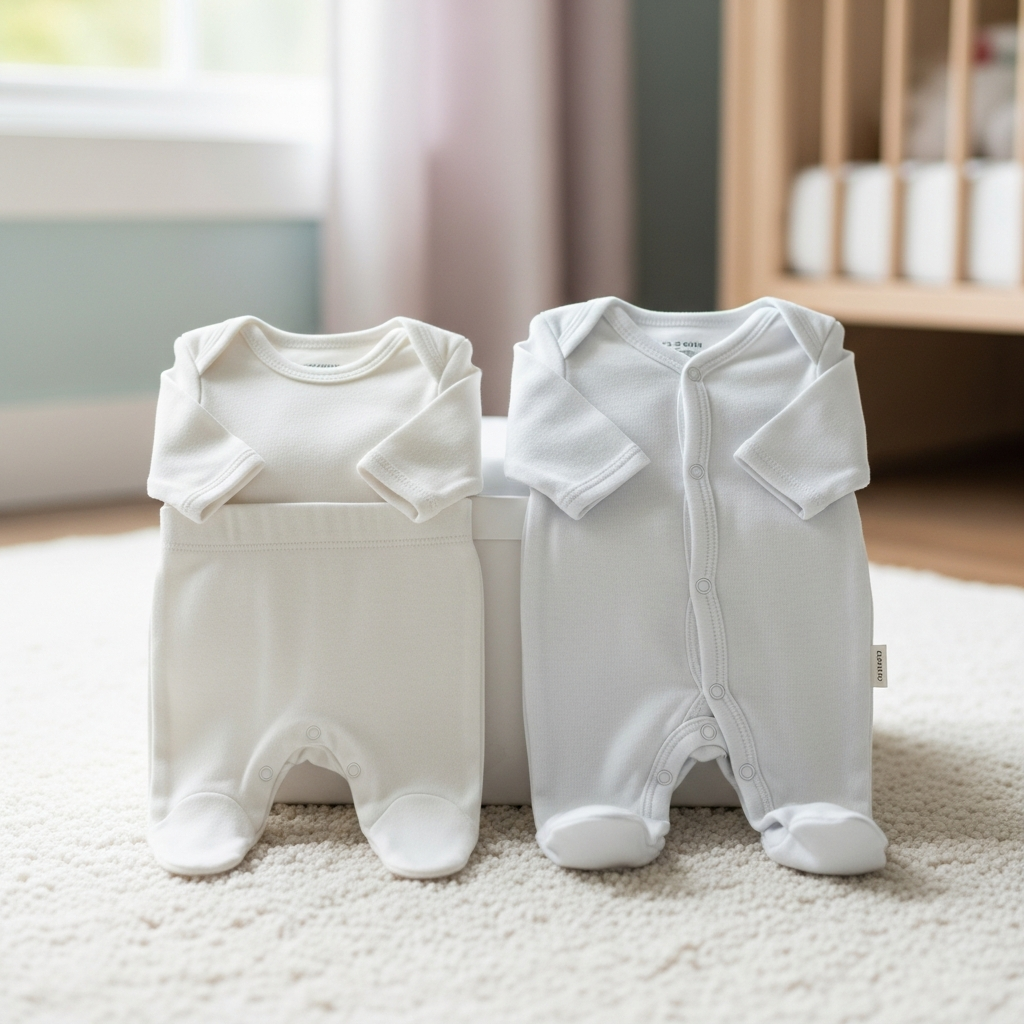
Newborn Size vs 0-3 Months: Key Differences Explained
Baby clothing sizes can vary between brands, but here are the general guidelines:
| Size | Weight Range | Length Range |
|---|---|---|
| Newborn (NB) | 5-8 lbs | Up to 21.5 inches |
| 0-3 Months | 8-12 lbs | 21.5-24 inches |
The average full-term baby weighs approximately 7 pounds at birth, which falls comfortably within newborn sizing. Most first-time parents overestimate their baby's size and pack only 0-3 month clothing, ending up with an outfit that drowns their little one.
What Size to Bring to the Hospital: Expert Recommendations
The smartest approach is packing both sizes. Ultrasound weight estimates can be off by a pound in either direction, so you cannot rely solely on those predictions. Consider these factors:
- Family history: Were you or your partner larger or smaller babies? Birth weight often runs in families.
- Gestational age: Babies born at 37 weeks typically weigh less than those born at 41 weeks.
- Medical factors: Gestational diabetes can result in larger babies, while certain conditions may cause smaller birth weights.
When in doubt, prioritize newborn size. A slightly snug outfit works better than one that overwhelms your baby, and you can always add a swaddle blanket if needed.
Best Fabrics for Your Newborn's Sensitive Skin
Your baby's skin is extraordinarily delicate during those first weeks. The skin barrier is still developing, and research shows it takes approximately three months for a newborn's skin hydration levels to mature. This means fabric choice genuinely matters for your baby's comfort and skin health.
Bamboo vs Cotton: Which is Better for Newborns?
Both bamboo and organic cotton are excellent choices for newborn clothing, but each offers distinct advantages:
Bamboo benefits:
- Naturally hypoallergenic with smooth, round fibers that glide over skin without scratching
- Temperature-regulating properties that help prevent overheating
- Antibacterial qualities from natural bamboo compounds
- Absorbs significantly more moisture than cotton, keeping baby drier
Organic cotton benefits:
- Breathable and gentle on sensitive skin
- Durable and easy to care for
- Widely available and affordable
- Chemical-free when certified organic
For babies with eczema or particularly sensitive skin, bamboo often edges out cotton due to its exceptional softness. Parents seeking premium bamboo options can explore specialized bamboo baby clothing collections designed specifically for delicate newborn skin.
Fabric Features That Protect Delicate Skin
Beyond the fabric type, look for these protective features:
- OEKO-TEX certification: This certification tests for over 1,000 harmful substances, with the strictest standards applied to products for babies under 36 months.
- Chemical-free dyes: Opt for natural or low-impact dyes that will not irritate skin.
- Tagless construction: Printed labels eliminate scratchy tags against your baby's neck.
- Flat seams: Smooth interior seams prevent rubbing and irritation.
Always pre-wash new clothing before your baby wears it. This removes any residual manufacturing chemicals and softens the fabric for maximum comfort.
Seasonal Coming Home Outfit Guide: Dressing Baby for Every Weather
Weather plays a significant role in your outfit choice, but remember this important tip: hospitals are often heavily air-conditioned regardless of outdoor temperature. Plan for both the indoor hospital environment and the outdoor journey to your car.

Summer Newborn Coming Home Outfit Essentials
June, July, and August babies need lightweight, breathable clothing that prevents overheating. For summer arrivals:
- Choose a short-sleeve onesie or lightweight romper as your primary outfit
- Pack a thin muslin blanket for the air-conditioned hospital
- Avoid overdressing, as overheating poses greater risks than being slightly cool
- Consider a soft sun hat for the car ride if baby faces windows
- Opt for loose-fitting styles that allow air circulation
Winter Baby Coming Home Outfit: Warmth and Safety
December, January, and February babies require careful layering that balances warmth with car seat safety. This is where many parents make critical mistakes.
- Base layer: Start with a onesie or bodysuit against baby's skin
- Middle layer: Add a footed sleeper or knotted gown
- Outer warmth: Use blankets OVER the car seat harness, never underneath
- Accessories: Pack a warm hat and mittens for outdoor exposure
Critical safety note: Never dress your baby in puffy clothing or snowsuits for the car seat. We will explain this essential safety information in detail in the next section.
Spring and Fall Layering for Hospital Discharge
March, April, May, September, October, and November bring unpredictable weather. The layering approach works best:
- Dress in removable layers that you can add or subtract as needed
- Pack both lightweight and warmer options in your hospital bag
- Check the forecast on discharge day and adjust accordingly
- A cardigan or zip-up sweater provides easy temperature regulation
Car Seat Safety: What Your Newborn Should Wear for the First Car Ride
This section contains the most important safety information in this entire guide. What your baby wears in the car seat directly impacts their safety in the event of a crash.
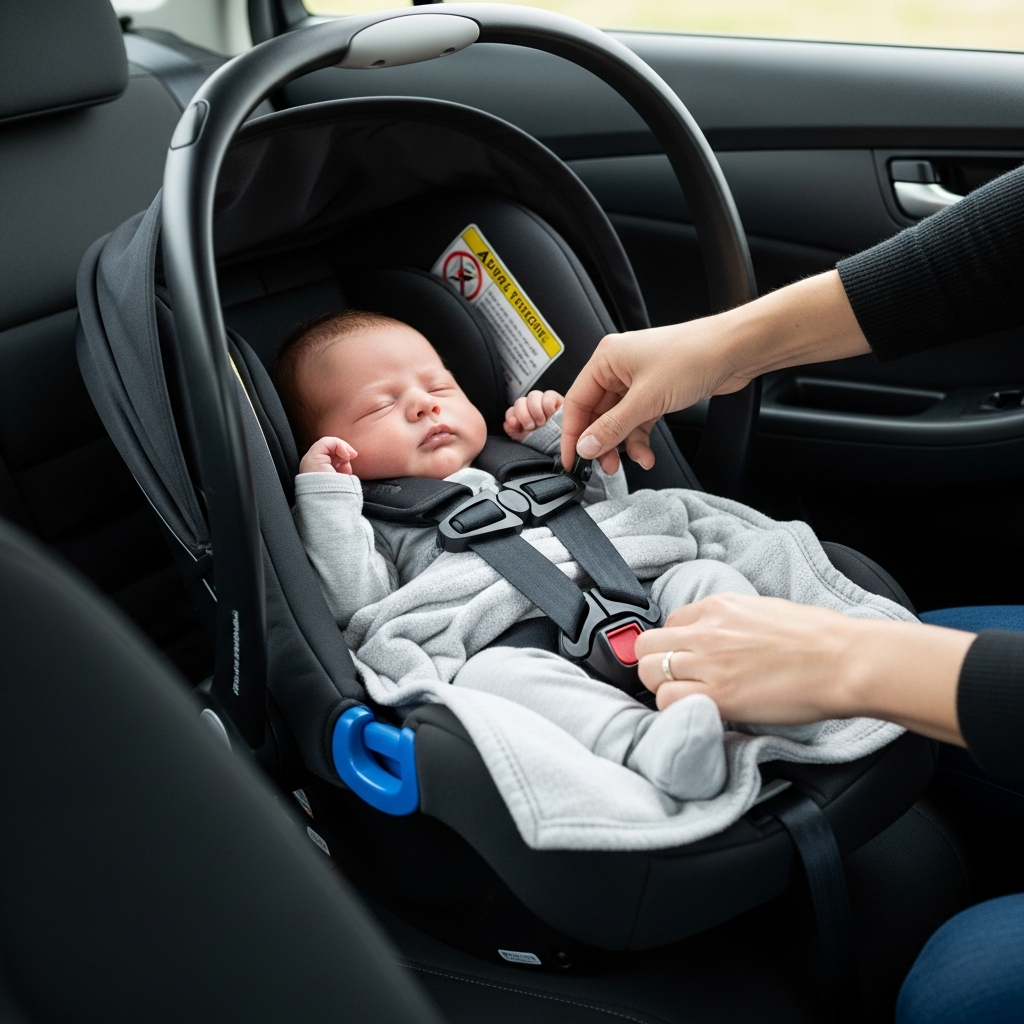
Why Puffy Clothes and Car Seats Do Not Mix
The American Academy of Pediatrics strongly advises against bulky clothing in car seats. In a car crash, fluffy padding immediately flattens from the force, leaving dangerous extra space under the harness. This slack allows a baby to slip through the straps and potentially be ejected from the seat during impact.
Clothing items to avoid in the car seat include:
- Snowsuits or bunting bags
- Puffy winter jackets
- Thick fleece suits worn under the harness
- Any clothing that prevents the harness from fitting snugly against your baby's body
The pinch test: After buckling your baby in, try to pinch the harness strap at the shoulder. If you can pinch excess material, the harness is too loose. This often indicates the clothing is too bulky.
How to Keep Newborn Warm and Safe in Car Seat
You can absolutely keep your baby warm while maintaining safety. Here is the proper approach:
- Dress baby in thin layers, nothing thicker than a fleece jacket
- Buckle the harness snugly over the thin layers
- Place blankets OVER the buckled harness for warmth
- Consider a car seat cover that fits like a shower cap over the carrier, never under the harness
- Pre-warm the car before bringing baby outside in cold weather
Hospital Bag Checklist: How Many Baby Outfits to Pack
Packing the right amount prevents both overpacking and that panicked realization that you forgot something essential. Here is a practical approach to building your hospital bag wardrobe.
Complete Baby Clothing Checklist for Hospital Stay
- 2-3 onesies or bodysuits in newborn size
- 2-3 onesies or bodysuits in 0-3 month size (backup)
- 1-2 sleepers or gowns
- 1-2 pairs of socks or booties
- 2 soft hats (newborn heads lose heat quickly)
- Scratch mittens if sleepers lack fold-over cuffs
- 1-2 receiving blankets
- Your chosen coming home outfit
For parents building their hospital bag wardrobe, quality baby clothing essentials can help ensure you have everything you need for those first days.
What Hospitals Provide vs What You Should Bring
Most hospitals provide basic white onesies, receiving blankets, hats, and diapers for your stay. These utilitarian items work perfectly well during the hospital stay itself. Some families even cherish keeping hospital-provided items as sentimental keepsakes.
However, the coming home outfit is entirely your personal choice. This is the outfit that appears in those first homecoming photos, so bring something that feels special to you, whether that means a simple classic or an heirloom piece.
Popular Coming Home Outfit Styles: Choosing What Works for You
With so many adorable options available, narrowing down your choice can feel overwhelming. Understanding the pros and cons of each style helps you make an informed decision.
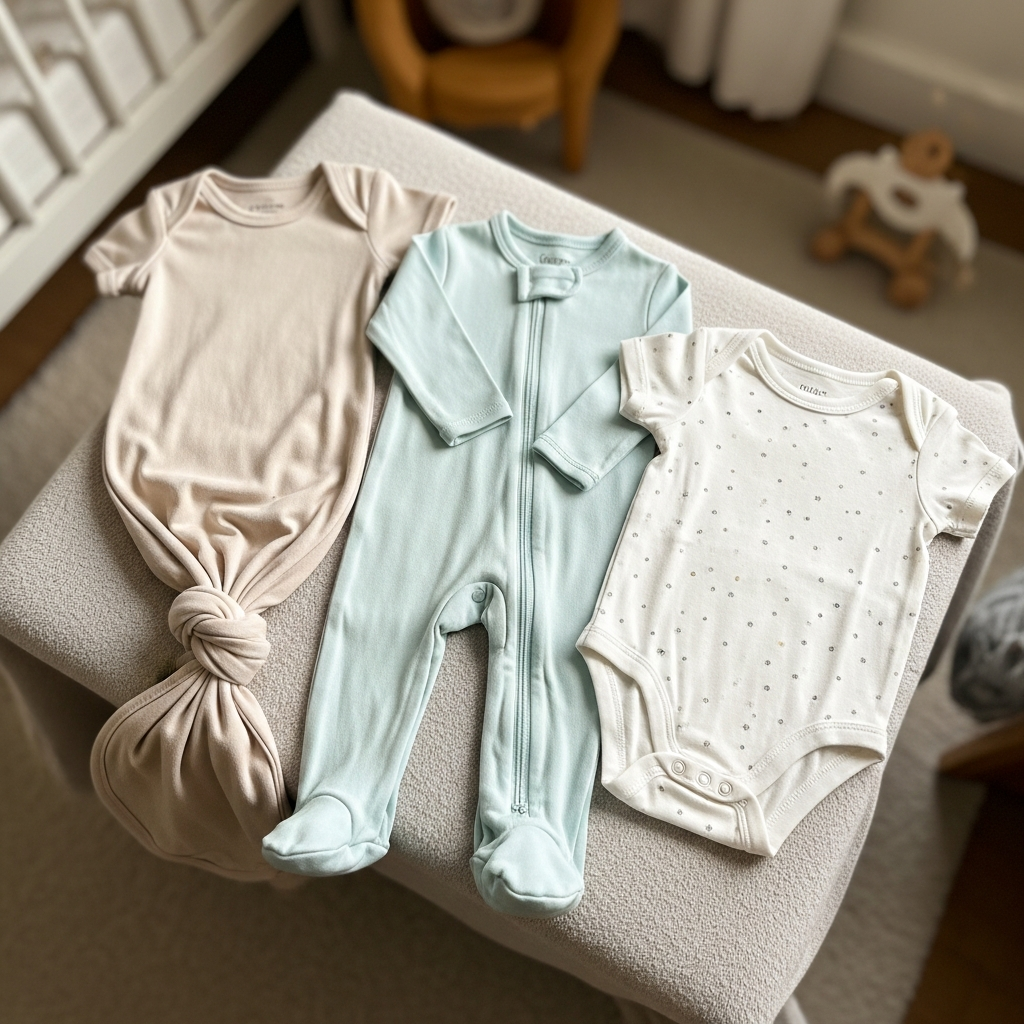
Knotted Gown vs Footie Sleeper: Which is Best?
Knotted gowns have become increasingly popular for newborns, and for good reason:
- Easiest diaper access with no snaps or zippers to navigate at 3 AM
- Adjustable length accommodates babies of different sizes
- Simple dressing that minimizes handling a floppy newborn
- Keeps legs covered while allowing easy diaper checks
Footie sleepers remain a classic choice with their own advantages:
- Keep tiny feet warm without separate socks that fall off
- Secure fit that stays in place during movement
- More structured appearance for photos
- Transition easily to everyday wear beyond the coming home moment
Many parents prefer gowns for the first few weeks when diaper changes happen constantly, then transition to sleepers as their baby grows.
Gender Neutral Coming Home Outfit Ideas
Whether you are keeping baby's sex a surprise or simply prefer non-traditional colors, neutral options are trendier than ever:
- Trending neutral tones: Sage green, cream, oatmeal, dusty blue, and terracotta
- Classic patterns: Animal prints, nature themes, and geometric designs work beautifully for any baby
- Timeless choices: Yellow, green, gray, and white never go out of style
- Minimalist designs: Simple solid colors photograph particularly well, allowing baby's face to shine
Frequently Asked Questions About Newborn Coming Home Outfits
What should a newborn wear home from the hospital?
A newborn should wear a comfortable, weather-appropriate outfit with easy diaper access. In warm weather, a short-sleeve onesie or romper works well. In cooler weather, layer a onesie with a sleeper and bring a blanket. Always ensure clothing is thin enough to be car seat safe, meaning no puffy or bulky items under the harness.
What size should my baby's coming home outfit be?
Most full-term newborns fit newborn size clothing, which accommodates babies up to 8 pounds. Pack both newborn and 0-3 month sizes to the hospital as backup. Babies over 8 pounds at birth may need the larger size immediately. When in doubt, newborn size is usually the safer first choice.
How many outfits should I pack in my hospital bag for baby?
Pack 2-3 onesies, 1-2 sleepers, your chosen coming home outfit, 2 hats, socks, and mittens. Include two sizes in case of unexpected baby size. Hospitals provide basic clothing during your stay, so these extras are mainly for going home and backup in case of diaper blowouts.
Can my baby wear a snowsuit in the car seat?
No, babies should never wear puffy snowsuits or thick jackets in car seats. Bulky clothing compresses in a crash, creating dangerous slack in the harness that could allow your baby to slip through. Instead, dress baby in thin layers and place a blanket over the buckled harness for warmth.
What is the best fabric for newborn clothes?
Organic cotton and bamboo are ideal for newborn skin. Bamboo is naturally hypoallergenic, temperature-regulating, and exceptionally soft. Organic cotton is breathable and chemical-free. Look for OEKO-TEX or GOTS certification to ensure fabrics are tested for harmful substances.
Is a knotted gown or footie sleeper better for coming home?
Both work well, and choice depends on preference. Knotted gowns offer the easiest diaper access and adjustable length, making them popular for the newborn stage. Footie sleepers keep feet covered and provide a more secure fit. Many parents prefer gowns initially for frequent diaper changes.
What should baby wear for hospital photos?
Simple, solid-colored outfits photograph best for fresh 48 and hospital photos. Avoid busy patterns that distract from baby's face. Neutral tones, white, and soft pastels are timeless choices. Ensure the outfit is comfortable so baby stays calm during the photo session.
Do hospitals provide clothes for newborns?
Yes, most hospitals provide basic white onesies, hats, receiving blankets, and diapers for your stay. However, these are typically plain and utilitarian. Most parents prefer to bring their own coming home outfit for a more personal, memorable first trip home with meaningful photos.
Creating a Memorable First Trip Home
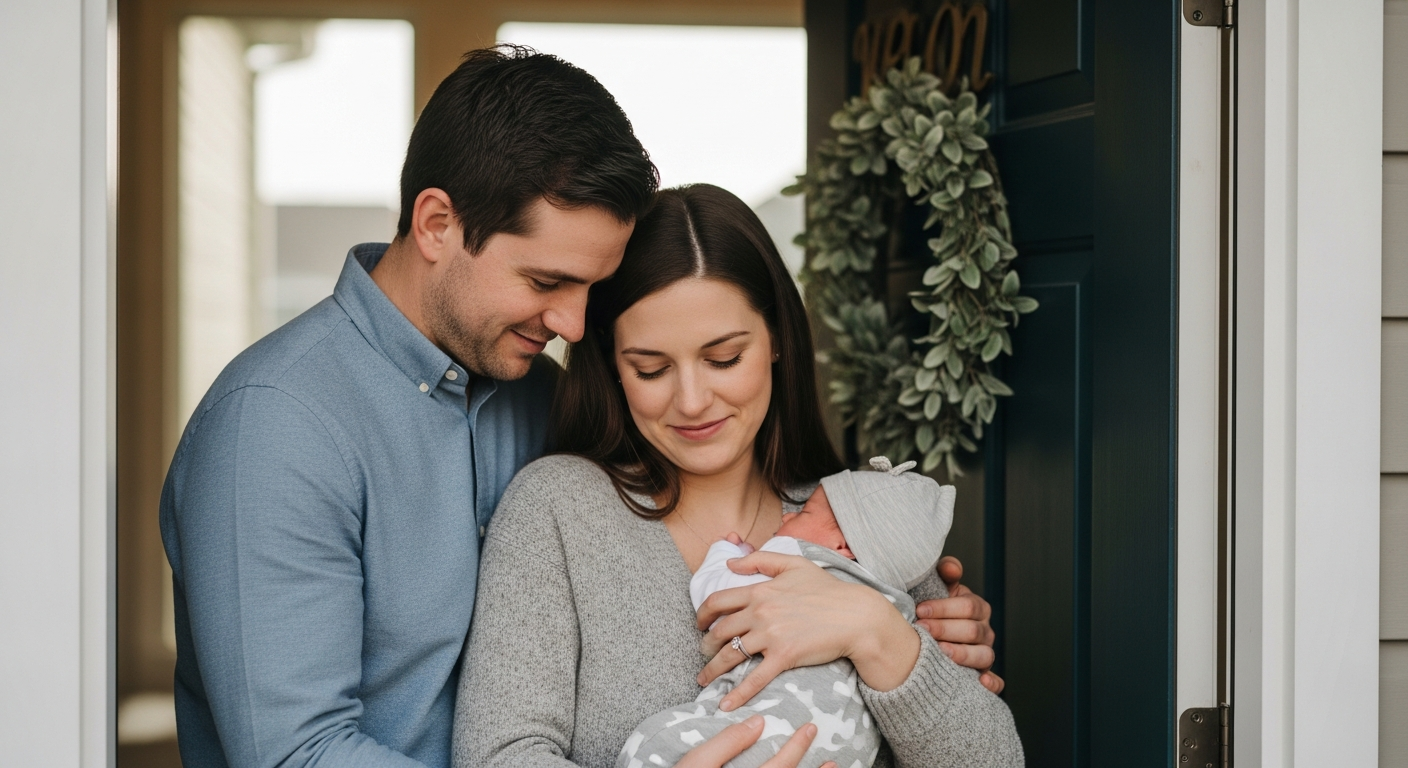
Here is the reassuring truth that experienced parents will tell you: the perfect newborn coming home outfit is simply one that keeps your baby comfortable and safe. Your little one will not remember what they wore, but the photos will preserve this precious memory for a lifetime.
Trust your instincts as you make this choice. Whether you select a classic white sleeper, a trendy knotted gown in sage green, or a personalized keepsake with baby's name, what matters most is the love behind your decision. The best outfit is one that makes you smile when you look back at those homecoming photos years from now.
At PatPat, we celebrate this beautiful milestone with you. As you prepare for your baby's arrival, remember that this journey, from hospital room to home, marks just the beginning of countless precious moments ahead. Take a deep breath, pack your hospital bag with confidence, and get ready for the incredible adventure of parenthood.
Your baby is coming home. And that, more than any outfit, is what makes this moment truly perfect.




