


Your little one has just figured out how to crawl, and suddenly your world is full of baby-proofing, chasing, and wondering if their adorable footed rompers are still the right choice. If you have ever watched your crawling baby slip on hardwood floors or questioned whether those cozy footie pajamas might be holding back their development, you are not alone.
Here is the reality that surprises many parents: according to the Mayo Clinic's developmental milestone guidelines, most babies begin crawling between 7 and 10 months. This timing coincides exactly with when footed rompers for crawling babies become a topic of heated debate among parents. Some swear by them for warmth and convenience, while others worry about safety and motor development.
At PatPat, we understand the importance of making informed decisions about your baby's clothing. This comprehensive guide breaks down everything you need to know about footed sleepers during the crawling stage, from genuine benefits to real concerns, so you can choose what works best for your unique little crawler.
What Are Footed Rompers and Why Parents Choose Them for Infants
Before diving into the crawling-specific considerations, let us establish what we are actually talking about. Footed rompers, also called footie pajamas, sleepers, or sleepsuits, are one-piece garments that cover your baby from neck to toe with built-in foot coverings. They have been a nursery staple for generations, and for good reason.
Key Features of Baby Footed Pajamas
Modern footed rompers have evolved significantly from the basic designs your grandmother might remember. Today's versions typically include:
- Full foot coverage that keeps tiny toes warm without the need for separate socks
- One-piece construction that simplifies dressing and reduces items to track
- Various closure types including zippers (front or diagonal), snaps, and increasingly popular magnetic closures
- Built-in hand coverage options on some styles with fold-over cuffs for newborns
When it comes to selecting quality baby rompers and jumpsuits, the fabric, fit, and closure style all impact how well the garment works for your crawling baby. Exploring trusted baby romper collections can help you find options designed with both comfort and practicality in mind.
Why Footed Sleepers Remain Popular with New Parents
There is a reason footed rompers fill baby registries and nursery drawers everywhere. For new parents navigating sleep deprivation and endless laundry, these garments offer undeniable convenience:
- No separate socks to buy, match, or lose
- Guaranteed warmth for babies who kick off blankets
- Streamlined bedtime routines with just one garment to manage
- A classic, adorable look that photographs beautifully
However, once your baby starts crawling, the calculation changes. The same features that make footed rompers perfect for stationary infants may need reconsideration for mobile babies. Let us explore both sides of this important decision.
The Benefits of Footed Rompers for Babies Learning to Crawl
Despite the concerns you may have heard, footed rompers offer several genuine advantages for crawling babies. Understanding these benefits helps you make a balanced decision rather than dismissing footie pajamas entirely.
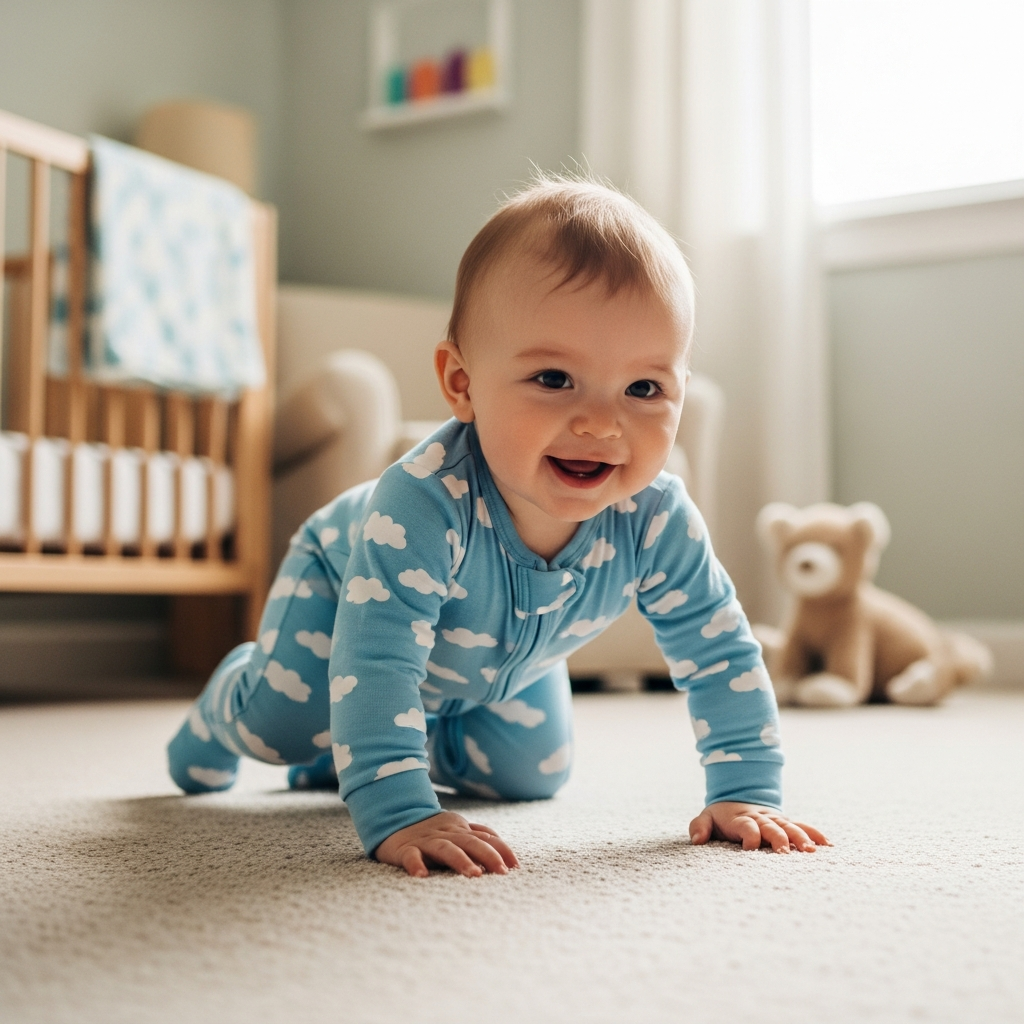
Temperature Regulation and Keeping Baby Warm at Night
The American Academy of Pediatrics recommends against loose blankets in cribs for babies under 12 months due to suffocation risks. Footed rompers provide an elegant solution by keeping your baby warm without any loose bedding.
For crawling babies who tend to move around their cribs at night, footed sleepers ensure:
- Consistent warmth even when baby shifts positions
- Protected feet in air-conditioned nurseries or drafty rooms
- Appropriate layering when paired with the right TOG rating for your climate
Convenience for Nighttime Diaper Changes
Any parent who has fumbled through a 3am diaper change understands the value of efficiency. Modern footed rompers with two-way zippers transform midnight changes from a production into a quick task:
- Zip from the bottom to access the diaper without fully undressing baby
- Fewer pieces to remove and replace in dim lighting
- Faster redressing means less disruption to your sleepy crawler
- Reduced wake time helps everyone get back to sleep sooner
The "No Lost Socks" Advantage
Here is something every parent discovers quickly: baby socks have a mysterious ability to disappear. Whether they are pulled off by curious little hands, kicked off during play, or simply vanish in the laundry, keeping socks on a mobile baby feels like a full-time job.
Footed rompers eliminate this frustration entirely. You will never again hunt for a missing sock or worry about your crawling baby's exposed feet on cold mornings.
Knee Protection During Crawling Practice
While not their primary purpose, footed rompers do provide a layer of protection for sensitive baby knees. On hardwood floors, tile, or low-pile carpet, the fabric creates a cushion that can:
- Reduce friction on delicate skin
- Provide slight padding during repetitive crawling motions
- Give parents peace of mind during extended floor play sessions
The Drawbacks of Footed Pajamas During the Crawling Stage
Now let us address the concerns that bring many parents to this article in the first place. While these drawbacks are real considerations, they are also manageable with the right approach.
Slipping and Safety Concerns on Hard Floors
This is the number one concern parents express about footed rompers for crawling babies, and it is legitimate. Traditional footed sleepers with smooth fabric soles can be slippery, particularly on:
- Hardwood and laminate flooring
- Tile and vinyl surfaces
- Polished concrete or stone floors
When a crawling baby slips repeatedly, several issues can arise. Their crawling confidence may suffer, and they might become hesitant to explore. In some cases, slipping can lead to minor bumps or frustration that affects their motivation to practice this important gross motor skill.
How Covered Feet May Impact Motor Skill Development
Pediatric occupational therapists often emphasize the importance of barefoot time for developing babies. According to developmental experts, feet play a crucial role in how babies understand their bodies and environment.
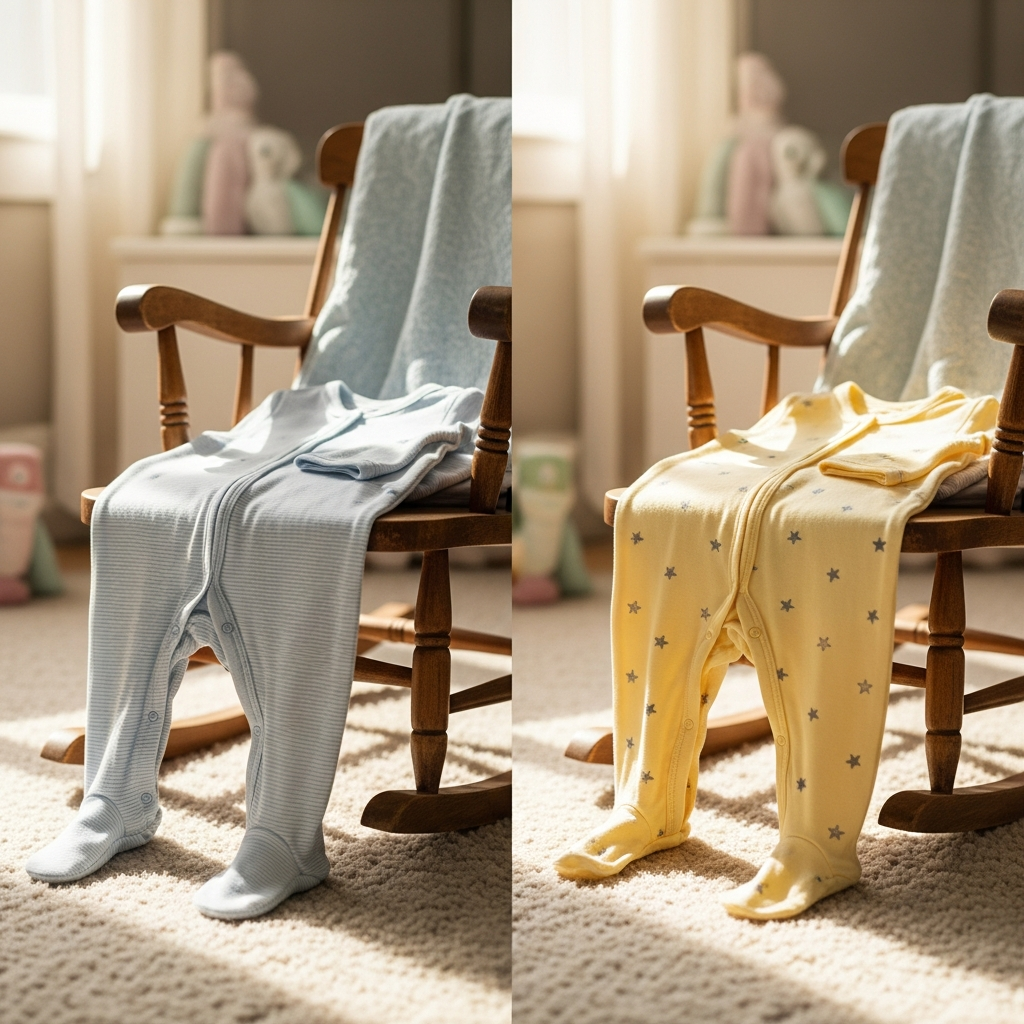
When babies crawl barefoot, they receive sensory feedback that helps with:
- Proprioception: Understanding where their body is in space
- Balance development: Using toe grip and foot sensation for stability
- Muscle strengthening: Engaging foot muscles for pushing off surfaces
This does not mean footed rompers cause developmental delays. Rather, it suggests that babies benefit from variety, including some barefoot time alongside their cozy footie sleepers.
Limited Sensory Feedback for Growing Feet
Babies learn through touch, and their feet are packed with nerve endings designed to gather information about textures, temperatures, and surfaces. When feet are constantly covered, babies miss opportunities to:
- Explore different floor textures
- Develop grip strength through toe movements
- Build the neural connections that support walking later
The solution is balance rather than avoiding footed rompers entirely. Nighttime footie wear combined with daytime barefoot play gives your baby the best of both worlds.
Sizing Challenges as Mobile Babies Grow Quickly
Crawling babies between 6 and 12 months grow at remarkable rates, and footed rompers present unique sizing challenges:
- Too small: Cramped toes restrict natural foot movement and can be uncomfortable
- Too large: Excess fabric at the feet creates trip hazards and reduces traction
- Between sizes: Many babies hover between sizes, making perfect fit elusive
This is where footless options or convertible designs can offer more flexibility as your baby grows.
When Should Babies Stop Wearing Footed Pajamas?
One of the most common questions parents ask is about timing. When do babies stop wearing footie pajamas, and is there a right age for the transition?
Age and Developmental Milestones to Watch
There is no universal "right age" to stop using footed rompers. However, most families find themselves reconsidering around these milestones:
- 9-12 months: Baby is crawling confidently and may show interest in pulling to stand
- 10-14 months: Cruising along furniture becomes a regular activity
- 12-15 months: First steps appear and bare feet become more important for balance
The transition is gradual for most families, with footless options introduced during daytime while footed sleepers continue at night.
Signs Your Crawling Baby Is Ready for Footless Options
Watch for these signals that your baby might benefit from exposed feet during active time:
- Frequent slipping during crawling, especially on hard floors
- Baby actively pulling at or removing the feet of their sleepers
- Faster, more confident movement when barefoot compared to covered
- Attempts to stand or cruise that seem hampered by footie fabric
- Feet feeling hot or sweaty inside the foot coverings
It Is Not One-Size-Fits-All: Individual Baby Differences
Here is what we want you to remember above all else: every baby is different. Some crawling babies thrive in footed rompers with no issues whatsoever. Others benefit from the switch to footless options early. Factors that influence this include:
- Your home's flooring types and layout
- Climate and indoor temperature
- Your baby's personal preferences and temperament
- Individual developmental pace
Trust your parental instincts. You know your baby better than any article or expert ever could.
Best Alternatives to Traditional Footed Rompers for Active Babies
If you have decided to explore options beyond traditional footed sleepers, you have several excellent choices. Each offers different benefits for your crawling baby.
Footless Sleepers for Crawling and Cruising Babies
Footless rompers and sleepers have become increasingly popular with parents of mobile babies. They offer:
- Complete freedom for bare feet during all activities
- Easier sizing since length matters less
- Versatility across seasons when paired with socks as needed
- Natural sensory feedback for developing motor skills
Convertible Footie Pajamas with Fold-Over Cuffs
These clever designs give you the best of both worlds. Fold-over cuffs can cover feet when warmth is the priority or fold back for barefoot time. This flexibility makes them ideal for:
- Transitional periods when you are not ready to fully commit to footless
- Variable temperatures throughout the night
- Travel when you want one versatile option
For parents seeking quality convertible options, zippered footie rompers designed for easy changes offer comfort and convenience in one package.
Non-Slip Footed Rompers with Grip Soles
If you love the warmth and convenience of footed rompers but worry about slipping, look for styles with built-in traction. Quality non-slip baby pajamas feature:
- Silicone or rubber grip patterns on the soles
- Textured fabric bottoms for improved traction
- Reinforced foot areas that withstand crawling wear
These specialized designs address the primary safety concern while maintaining the benefits parents love about traditional footie sleepers.
Sleep Sacks with Foot Openings for Mobile Babies
Wearable blankets have evolved to accommodate mobile babies. Modern sleep sacks designed for crawlers often include:
- Foot openings that allow bare feet while keeping legs and torso warm
- Roomier designs that permit crawling movements
- Safe sleep compliance without restricting mobility
This option works particularly well for babies who are active sleepers but whose parents want to maintain safe sleepwear standards.
How to Choose the Safest Sleepwear for Your Crawling Baby
Whether you choose footed or footless options, certain factors determine how safe and comfortable your baby's sleepwear will be.
Fabric Matters: Bamboo, Cotton, and Breathable Materials
The material of your baby's sleepwear affects everything from comfort to temperature regulation:
- Bamboo viscose: Naturally temperature-regulating, exceptionally soft, moisture-wicking, and ideal for babies with sensitive skin or eczema
- Organic cotton: Breathable, durable, chemical-free, and widely available in various weights for different seasons
- Cotton blends: Often more affordable while maintaining breathability and easy care
For crawling babies who tend to get warm during activity, breathable fabrics help prevent overheating even in footed designs.
Safety Features to Look for in Baby Sleepwear
The Consumer Product Safety Commission has specific guidelines for children's sleepwear. When shopping, look for:
- Snug fit: Sleepwear should fit closely rather than loosely for fire safety
- Quality closures: Zippers that do not catch skin or fabric, with protective covers at the top
- No loose elements: Avoid ribbons, bows, or embellishments that could come loose
- Appropriate labeling: Check for flame resistance certification or snug-fit designation
Sizing Tips for Mobile Babies Who Grow Fast
Getting the right fit for your crawling baby requires balancing room to grow with proper function:
- Measure your baby's current length and weight, then compare to brand-specific size charts
- For footed rompers, ensure toes have wiggle room without excess fabric bunching
- Choose stretch fabrics that accommodate movement and growth
- When between sizes, consider whether baby is closer to crawling or walking stage
PatPat offers a variety of safe, high-quality options for both baby rompers and jumpsuits and zippered footie rompers designed with these safety considerations in mind.
Expert Tips for Dressing Your Crawling Baby Day and Night
With all this information, how do you actually put it into practice? Here are specific recommendations for different situations.
Daytime Clothing Choices for Active Crawlers
During waking hours when your baby is actively crawling and exploring, consider:
- Bare feet on safe surfaces: Carpet, play mats, and clean indoor floors offer sensory stimulation
- Grip socks on hard floors: If bare feet are not practical, non-slip socks provide traction
- Knee-protecting pants: Soft leggings or pants with reinforced knees for extended floor time
- Freedom of movement: Avoid bulky clothing that restricts crawling motion
Nighttime Sleepwear Recommendations by Season
Nighttime needs vary throughout the year:
- Winter: Footed rompers with appropriate TOG rating, or footless sleepers with cozy socks in a sleep sack
- Summer: Lightweight footless sleepers or short-sleeved rompers in breathable cotton or bamboo
- Spring and Fall: Layering approach with convertible footie options or footless sleepers with removable sock layer
Temperature Guidelines and Layering for Safe Sleep
The ideal nursery temperature for safe sleep falls between 68-72 degrees Fahrenheit (20-22 degrees Celsius). Use these signs to assess if your baby is comfortable:
- Too warm: Sweaty neck or back, flushed cheeks, rapid breathing
- Too cold: Cool chest or tummy (hands and feet may naturally be cooler)
- Just right: Comfortable chest temperature, relaxed breathing, settled sleep
TOG ratings on sleepwear can guide your choices: higher TOG for cooler rooms, lower TOG for warmer environments.
Frequently Asked Questions About Footed Rompers and Crawling Babies
Are footed pajamas safe for crawling babies?
Yes, footed pajamas are generally safe for crawling babies when sized properly and made from appropriate materials. The main considerations are ensuring the feet have grip soles to prevent slipping on hard floors and that the fit is snug enough to prevent fabric bunching that could restrict movement. For daytime crawling practice, many parents alternate between footed and barefoot time to balance warmth with sensory development.
When should babies stop wearing footie pajamas?
Most babies transition from footed to footless sleepers between 9-15 months, often coinciding with when they begin pulling to stand or taking first steps. However, there is no strict rule. Watch for signs like frequent slipping, baby pulling at their feet, or faster crawling that suggests they may benefit from bare feet or grip soles. Climate and personal preference also influence timing.
Do footed sleepers affect baby motor development?
While footed sleepers do not cause developmental delays, they can limit the sensory feedback babies receive through their feet. Pediatric occupational therapists often recommend some barefoot time each day to support proprioception and balance development. Using footed sleepers at night while allowing bare feet during supervised play is a balanced approach that works for many families.
What are the best pajamas for a crawling baby?
The best pajamas for a crawling baby depend on your priorities. For warmth and convenience, footed rompers with grip soles are excellent. For maximum mobility and sensory development, footless sleepers allow bare feet. Convertible footie pajamas with fold-over cuffs offer the best of both worlds. Look for breathable fabrics like bamboo or cotton in snug-fitting designs.
Can footed pajamas make crawling harder for babies?
Footed pajamas with slippery soles can make crawling more challenging, especially on hardwood or tile floors. Babies may slip or lose traction, which can affect their crawling confidence. Choosing footed rompers with non-slip grip soles or allowing barefoot crawling during the day can address this concern effectively.
Should I choose footed or footless sleepers for my 9-month-old?
At 9 months, when most babies are active crawlers, both options can work well. Footless sleepers or footed rompers with grip soles are excellent choices. Consider your home's flooring, room temperature, and your baby's development stage. Many parents keep both options available and choose based on daily needs, weather conditions, and whether it is day or night.
How do I keep my crawling baby warm at night without footed pajamas?
If using footless sleepers, pair them with fitted socks or booties designed to stay on, or use a sleep sack that covers the feet while allowing leg movement. Ensure the room temperature is appropriate (68-72 degrees F) and dress baby in layers that can be adjusted. Many footless sleepers come in warmer fleece fabrics for cold weather months.
Are bamboo footed rompers better than cotton for crawling babies?
Both bamboo and cotton make excellent choices for crawling babies. Bamboo is naturally temperature-regulating, exceptionally soft, and often preferred for babies with sensitive skin or conditions like eczema. Cotton is breathable, durable, and widely available. For crawling babies who tend to overheat during activity, bamboo's moisture-wicking properties offer a distinct advantage.
Making the Right Choice for Your Crawling Baby
Choosing the right sleepwear for your crawling baby does not have to be complicated. The debate between footed vs footless sleepers crawling ultimately comes down to balance and awareness rather than strict rules.
Here is what we hope you take away from this guide: footed rompers for crawling babies are not inherently good or bad. They offer genuine benefits like warmth, convenience, and knee protection. They also present considerations around traction and sensory development that deserve attention. The solution for most families involves having multiple options available and making choices based on the specific situation, whether that is cozy footed rompers for cold nights or barefoot play during supervised floor time.
Trust yourself as a parent. You observe your baby daily and understand their needs better than anyone. If your crawler seems frustrated by slipping, try grip soles or barefoot time. If they are content and comfortable in their footie pajamas, there is no need to rush a change.
Ready to find the perfect sleepwear for your crawling baby? PatPat offers a wide selection of baby rompers and jumpsuits and zippered footie rompers designed with comfort, safety, and style in mind. Whatever your baby needs, we are here to help you find it.




