


Picture this: It is 3 AM, your baby needs a diaper change, and you are half-asleep trying to line up tiny snap buttons in near darkness. Sound familiar? If you have ever fumbled with baby clothing closures while fighting to keep your eyes open, you are not alone. The zipper vs snaps baby clothes debate is one of the most common questions new parents face, and your choice can genuinely impact your daily sanity.
Here is the reality most baby clothing brands will not tell you: not all closures are created equal, and what works best depends on your specific situation. Whether you are a first-time parent building your registry, a grandparent shopping for the perfect gift, or a seasoned caregiver looking for easier options, understanding the differences between zipper and snap baby rompers can save you countless frustrating moments.
In this comprehensive guide, we will break down everything you need to know about baby romper closures. You will discover which option makes nighttime changes less disruptive, learn critical safety considerations for both types, and get practical recommendations based on your baby's age and stage. At PatPat, we believe that small conveniences matter when you are navigating the beautiful chaos of parenthood. So let us dive into this comparison and help you make an informed decision that works for your family.
Understanding Baby Romper Closures and Why Your Choice Matters
The Evolution of Baby Clothing Fasteners
Baby clothing has come a long way from the days of cloth diapers and safety pins. Today, parents have access to innovative fastening systems designed specifically for the unique challenges of dressing little ones. The three main closure types you will encounter are traditional snap buttons (also called press studs), zippers with protective guards, and the newer magnetic closure options.
Each fastening method was developed to address specific parenting needs. Snaps became popular in the mid-20th century as a safer alternative to pins, offering secure closure without sharp points. Zippers on baby clothes gained traction more recently as manufacturers developed covered zipper technology that protects delicate skin. Understanding these options helps you build a functional wardrobe that actually makes your life easier.
How Closure Type Affects Your Daily Routine
Consider this: newborns require up to 10-12 diaper changes daily, with older babies still needing 6-8 changes. Over the first year alone, you will complete thousands of diaper changes. If each change takes just 30 seconds longer due to difficult closures, those seconds accumulate into hours of unnecessary struggle.
The connection between clothing convenience and parent stress levels is real. When you are sleep-deprived and functioning on autopilot at 3 AM, easy-access closures become more than a nice-to-have feature. They become essential for maintaining your nighttime routine without fully waking yourself or your baby. Quick changes mean faster returns to sleep for everyone involved.
Zipper Baby Rompers: The Speed Champion for Diaper Changes
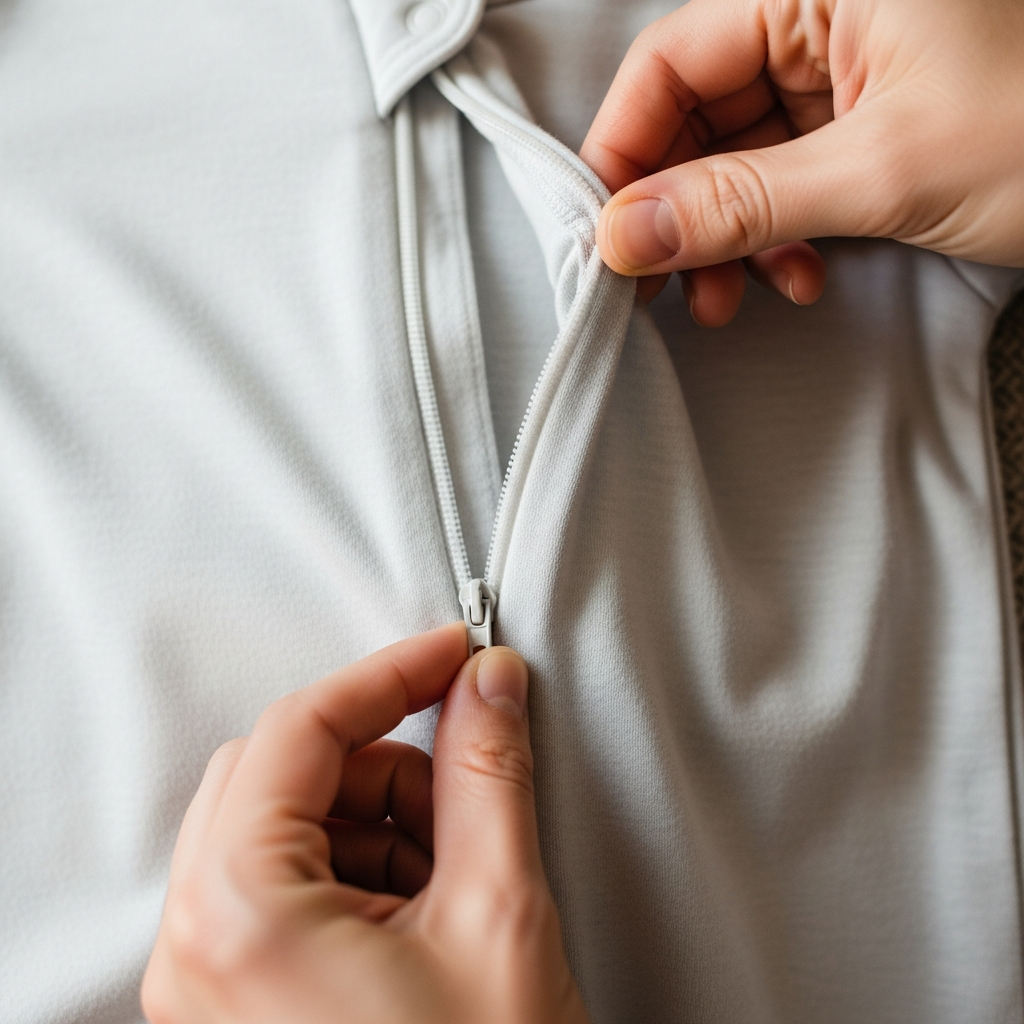
Why Experienced Parents Often Choose Zippers
There is a reason seasoned parents consistently recommend zipper rompers to expectant friends. The speed advantage is undeniable: one smooth zip motion versus manipulating eight to twelve individual snaps. For parents who have survived the newborn phase, this efficiency becomes non-negotiable for subsequent children.
Two-way zipper baby rompers take convenience even further. These clever designs feature zipper pulls at both ends, allowing you to unzip from the feet upward for diaper changes without exposing your baby's chest. This keeps your little one warmer during changes and reduces the disturbance factor, especially important for those best baby romper for nighttime changes.
The learning curve for zippers is practically nonexistent. Grandparents, daycare workers, babysitters, and new dads can operate a zipper intuitively without any instruction. This universal ease of use makes zipper rompers the easiest baby clothes for new dads and anyone less experienced with infant care.
When shopping for quality zipper rompers, look for features like covered zipper tracks, reinforced pulls, and smooth-gliding mechanisms. These details separate well-designed baby clothing from frustrating alternatives.
Zipper Safety Features Every Parent Should Know
The most common concern parents express about zipper pajamas is skin pinching. Modern covered zipper baby clothes address this worry with fabric guards that create a protective barrier between metal teeth and delicate skin. Quality baby rompers feature chin guards specifically designed to prevent any contact with your baby's sensitive neck area.
When evaluating zipper safety, look for:
- Covered zipper tracks - fabric flaps that shield the zipper mechanism
- Chin guards - protective tabs at the top of the zipper
- Smooth-gliding zippers - quality hardware that will not snag or stick
- Secure stops - prevents the zipper from coming off track
- CPSIA compliant materials - meets federal safety standards
The myth that baby zippers are unsafe simply does not hold up against modern design standards. Reputable manufacturers prioritize safety testing and thoughtful construction to ensure pinch-free dressing every time.
When Zippers Work Best: Ideal Scenarios
Certain situations make zipper rompers the clear winner. For nighttime changes, the quiet, quick zip minimizes disruption to your baby's sleep state. Active babies who wiggle and squirm during changes are much easier to manage when you only need to secure one closure rather than wrestle multiple snaps into alignment.
Daycare settings particularly benefit from zipper closures, where caregivers manage multiple children and appreciate efficiency. For caregivers with arthritis or other dexterity challenges, the single-motion zip is significantly easier than manipulating small snap buttons. And for babies who simply hate being changed, the faster you can complete the process, the less everyone suffers.
Snap Closure Rompers: The Traditional Choice with Unique Benefits

The Case for Snaps: When Traditional Works Best
Snap closure baby rompers have remained popular for good reasons. One significant advantage is adjustable fit. Parents can skip snaps to accommodate a growing baby or a bulkier diaper, providing flexibility that fixed zippers cannot match. This baby clothes that grow with baby approach extends garment usefulness.
For parents concerned about metal touching their baby's skin, some snap rompers use plastic closures that eliminate this worry entirely. Snap clothing also tends to be more affordable to manufacture, meaning budget-conscious families often find more options at lower price points.
Another practical consideration: if a single snap breaks or loses its grip, the garment remains functional. A broken zipper, however, typically means the entire piece becomes unwearable.
Snap Rompers for Special Circumstances
Certain situations make snap closures the better choice. For NICU babies, snaps allow easier access for monitors, IV lines, and other medical equipment without completely removing clothing. Healthcare providers often prefer snap garments for this reason.
Babies with sensitive skin or eczema may benefit from snap rompers, particularly those with smooth-backed closures that minimize irritation. During the umbilical cord healing period, snaps allow parents to position closures away from the healing area, something fixed zipper placement cannot accommodate.
Cloth diapering families sometimes prefer snaps because the adjustable closure accommodates bulkier diapers more easily. Preemies requiring extra-gentle handling also benefit from the controlled, gradual opening that snaps provide.
Common Snap Frustrations and How to Manage Them
Let us acknowledge the elephant in the room: too many snaps baby clothes can be genuinely frustrating. The misaligned snaps problem plagues tired parents everywhere. When you finish snapping and realize you missed one early in the sequence, the entire row becomes crooked.
To manage snap frustrations:
- Start from the crotch and work outward to catch alignment issues early
- Choose garments with minimal snaps when possible
- Look for quality snaps that click securely rather than popping open
- Practice the sequence during daylight hours before attempting in darkness
- Replace garments when snaps become worn and lose their grip
Nighttime Diaper Changes: The Ultimate Test for Baby Closures
If there is one scenario that truly reveals which closure type works better, it is the middle of night diaper change. Everything is harder in the dark when you are exhausted: finding the wipes, positioning the fresh diaper, and yes, managing clothing closures.
The science of successful nighttime changes centers on keeping everyone as drowsy as possible. Light exposure, excessive handling, and prolonged activity all signal the brain to wake up. Every second counts when you are trying to change a diaper without triggering a full awakening.
Comparing average change times in low-light conditions tells the story: a practiced parent can complete a zipper-based change in roughly 90 seconds, while snap closures typically add 30-60 seconds for alignment and securing. That extra minute might not sound significant, but it often marks the difference between a baby who drifts back to sleep and one who decides it is playtime.
The two-way zipper advantage becomes most apparent at night. Unzipping from the feet allows legs-only access, keeping your baby's torso covered and warm. Browse rompers designed for nighttime ease that feature this practical design element.
Pro Tips for Faster Nighttime Changes
- Use dim red or amber light that will not disrupt sleep hormones
- Position clean diaper and wipes before unzipping
- Pre-open diaper cream containers
- Minimize talking and eye contact to avoid stimulation
- Keep movements slow and deliberate
Safety Comparison: Are Zippers or Snaps Safer for Your Baby?
Zipper Safety Considerations
The question "do zipper pajamas pinch baby skin?" appears frequently in parent forums. With properly designed baby clothing, the answer is no. Modern covered zippers feature fabric guards that completely separate the zipper mechanism from skin contact. Quality indicators include full-length coverage along the zipper track, reinforced chin guards, and smooth zipper tape that will not irritate.
When evaluating zipper safety, check that the product meets CPSIA compliance standards. Reputable manufacturers conduct pull testing on zipper components and use child-safe materials throughout construction. The key is purchasing from established brands that prioritize infant safety in their design process.
Snap Button Safety Considerations
Parents sometimes worry about snap buttons baby clothes choking hazard potential. The reality is that properly attached snaps on quality clothing are secure. Industrial attachment methods used by reputable manufacturers ensure snaps withstand normal wear without detaching.
However, vigilance matters. Inspect baby clothes regularly for:
- Loose snaps that wiggle or rotate
- Snaps that no longer click securely
- Signs of wear around snap attachment points
- Fabric thinning that could allow snap separation
Retire any garment showing these warning signs immediately. The difference between buttons (which should never appear on infant clothing) and properly secured snaps is significant. Quality snap closures are designed specifically for baby safety.
| Safety Feature | Zippers | Snaps |
|---|---|---|
| Pinching Risk | Eliminated with covered tracks | Not applicable |
| Choking Hazard | Minimal (zipper pulls secured) | Low when properly attached |
| Skin Irritation | Low with fabric guards | Low with smooth backs |
| Durability | High (quality zippers) | Medium (can wear over time) |
The bottom line: Both closure types are safe when manufactured with quality standards. Purchase from reputable brands that prioritize baby safety, inspect garments regularly, and replace worn items promptly.
Making the Right Choice for Your Baby's Age and Stage
Newborn Stage (0-3 Months)
The newborn phase presents unique considerations. During umbilical cord healing (typically the first 1-3 weeks), snaps offer flexibility to position closures away from the sensitive area. The frequency of changes peaks during this period, making ease of access particularly important.
For newborn essentials clothing, many parents find success with a mixed approach: snap options in the smallest sizes transitioning to zippers as the umbilical stump heals and baby grows. NICU families or those with medical considerations may benefit from maintaining snap options longer for equipment access.
Infant Stage (3-12 Months)
As babies become more active, the zipper advantage becomes pronounced. Your once-still newborn now wiggles, kicks, and rolls during diaper changes. Aligning snaps on a squirming infant tests even patient parents' limits.
This stage often coincides with sleep training, making nighttime efficiency more valuable than ever. Daycare enrollment during this period also favors zipper rompers, as caregivers appreciate the faster changes. For infant romper easy dressing solutions, two-way zippers become the practical choice.
Approaching Toddlerhood (12+ Months)
As babies approach their first birthday and beyond, considerations shift toward independence and potty training readiness. Toddlers begin participating in dressing themselves, and some closure types support this development better than others.
At this stage, prioritize durability alongside convenience. Active walkers put clothing through more stress, and quality construction matters more than ever. Consider closures that will survive the toddler years while supporting your child's growing independence.
Practical Shopping Tips for Baby Romper Closures
Building a functional baby wardrobe means having appropriate options for different situations. Rather than committing entirely to one closure type, strategic variety serves most families best.
A practical baby registry romper recommendation: aim for approximately 70% zipper rompers and 30% snap options. Stock snap rompers in newborn sizes for the umbilical healing period, then shift toward zipper rompers in larger sizes. This ratio provides flexibility while prioritizing convenience.
Quality indicators to look for when shopping:
- Zipper rompers: Covered tracks, smooth glide, reinforced pulls, chin guards
- Snap rompers: Secure click closure, smooth backs, industrial attachment, quality fabric
- Both types: Breathable fabrics, tagless labels, easy-access design, appropriate sizing
Fabric and closure combinations worth considering include bamboo zipper rompers for temperature regulation and softness, and organic cotton snap rompers for eco-conscious families. Explore versatile baby clothing options that combine quality materials with practical closure designs.
Zipper rompers with two-way zips
Either works - parent preference
Quality snaps or covered zippers
Zippers for easier changes
Zipper rompers in 3-6 month size
What Real Parents Say: Community Insights and Preferences
When surveying parent communities about closure preferences, a clear pattern emerges. The majority of experienced parents prefer zippers for everyday use, citing speed and simplicity as primary factors. However, the conversation reveals nuance beyond simple preference percentages.
Dad perspectives frequently favor zippers strongly. As one father shared in a parenting forum: "I converted to zippers after my first child - game changer at 3 AM." New fathers often find the intuitive zip motion more approachable than learning snap sequences, making baby clothes for clumsy parents (their words, not ours) synonymous with zipper options.
Grandparents and occasional caregivers echo similar sentiments. The single-motion closure reduces anxiety about "doing it wrong" and allows focus on the baby rather than the clothing.
Interestingly, preferences often evolve. Parents who start with snap loyalty frequently convert as their babies become more active. One mother noted: "Snaps worked better for us in the NICU, but zippers are our go-to now." This evolution highlights why having both types in your wardrobe makes sense.
"My husband refuses to use snap onesies - zippers only! When grandma babysits, she specifically asks which outfits have zippers. It just makes everyone's life easier."
Frequently Asked Questions About Baby Romper Closures
Are zippers or snaps better for newborns?
Both work well for newborns, but many parents find snaps slightly easier during the umbilical cord healing period because of adjustable positioning. Once the cord falls off (typically 1-3 weeks), zippers become the preferred choice for their speed during frequent diaper changes. For NICU babies, snaps often work better for medical equipment access.
Do zipper pajamas pinch baby's skin?
Quality baby zipper pajamas feature covered zipper tracks that create a fabric barrier between metal teeth and baby's skin. When shopping, look for rompers with chin guards and covered zippers to ensure pinch-free dressing. Reputable brands design zippers specifically to prevent skin contact.
Can snap buttons on baby clothes be a choking hazard?
Properly attached snaps on quality baby clothing are not a choking hazard. Reputable manufacturers use industrial-strength attachment methods and conduct safety testing. Always inspect baby clothes for loose or worn snaps and retire garments where snaps have become loose or detached.
What is a two-way zipper and why is it better for babies?
A two-way zipper has pulls at both top and bottom, allowing you to unzip from either direction. For babies, this means you can unzip from the feet up for diaper changes without exposing their chest, keeping them warmer. This feature significantly reduces time and disruption during nighttime changes.
Which closure is easier for grandparents and caregivers?
Zippers are generally easier for caregivers who may be less practiced or have dexterity challenges like arthritis. The single-motion zip is more intuitive than aligning multiple snaps correctly, making zippers the preferred choice for daycare settings, grandparent visits, and new caregivers.
How do I choose between zippers and snaps for my baby registry?
Include both types with emphasis on zipper rompers (approximately 70% zippers, 30% snaps). Request snap options in newborn sizes for the umbilical cord period and zipper options in larger sizes for when your baby becomes more active. Focus on quality over quantity.
Are magnetic closures better than zippers or snaps?
Magnetic closures offer the fastest changing experience but come at a higher price point. They work similarly to snaps but align automatically with magnets. While convenient, they are not necessary for most families. Quality zippers provide excellent ease of use at a more accessible price point.
When do babies outgrow snap clothing?
Babies do not technically outgrow snap closures, but many parents transition primarily to zippers around 3-4 months when baby becomes more active during changes. By 6 months, most parents strongly prefer zippers for wiggly babies, though snaps remain useful for specific situations.
Finding the Best Closure for Your Baby Romper Needs

The zipper vs snaps baby romper debate ultimately comes down to your specific needs and preferences. There is no universally wrong choice here. Both closure types serve important purposes and have earned their place in baby wardrobes everywhere.
That said, the evidence points toward a practical approach: lean toward zippers for daily use and nighttime changes while keeping some snap options for the newborn period and special circumstances. The convenience difference may seem small in isolation, but across thousands of diaper changes, those seconds genuinely matter.
Trust your instincts as a parent. You know your baby, your lifestyle, and your own capabilities best. Whether you prioritize the speed of zippers or the flexibility of snaps, choosing quality garments from reputable sources ensures both safety and durability.
Parenting is challenging enough without struggling with frustrating clothing closures at 3 AM. Small conveniences add up to meaningful quality-of-life improvements. At PatPat, we understand that every parent deserves products that make daily routines just a little bit easier. Whether you prioritize the speed of zippers or the flexibility of snaps, choosing quality garments from reputable sources ensures both safety and durability. Ready to explore baby rompers that work for your family? Browse our collection of baby rompers and jumpsuits or discover our zippered footies and rompers designed with busy parents in mind.





