


You are standing in the baby clothing aisle, staring at rows of adorable sleepwear, and suddenly the question hits you: should I get footie rompers or footless ones? It seems like such a simple choice, yet somehow it feels surprisingly complicated when you are holding both options in your hands.
Here is the truth that took me years of parenting experience to fully appreciate: there is no single "right" answer when comparing footie rompers vs footless styles. Both have their place in your baby's wardrobe, and the best choice depends entirely on your little one's age, the temperature, and what developmental stage they are cruising through.
In this guide, you will discover exactly when each style shines brightest. We will walk through age-specific recommendations, temperature guidelines that actually make sense, and practical tips that will make your daily decisions so much easier. Whether you are building a newborn wardrobe from scratch or wondering if your crawler is ready to ditch the footed sleepers, you will find clear answers here. PatPat parents know that the right sleepwear makes bedtime smoother for everyone, and by the end of this article, you will feel confident about every pajama pick.
Understanding Footie and Footless Rompers: What Sets Them Apart
Before diving into when to use each style, let us get clear on what we are actually comparing. These two sleepwear options might look similar at first glance, but their differences matter more than you might expect.
What Are Footie Rompers?
Footie rompers are one-piece sleepwear that covers your baby from neck to toes, with the feet completely enclosed in soft fabric. You might also hear them called footed sleepers, footie pajamas, or sleepers with feet. They typically feature long sleeves and come with various closure options. Two-way zippers have become incredibly popular because they make those 2 AM diaper changes so much faster. Some designs even include attached mittens to prevent scratching during those early newborn weeks.
What Are Footless Rompers?
Footless rompers follow the same one-piece design but end at the ankles, leaving your baby's feet exposed. These are also called footless sleepers or ankle-length rompers. Many clever designs feature fold-over cuffs that can cover feet when you need extra warmth but roll back when you do not. You will find the same closure options as footie versions, from snaps to zippers to magnetic closures.
Quick Comparison at a Glance
| Feature | Footie Rompers | Footless Rompers |
|---|---|---|
| Foot Coverage | Full coverage, enclosed feet | Feet exposed at ankles |
| Warmth Level | Higher overall warmth | Moderate, more breathable |
| Best for Mobility | Newborns and pre-crawlers | Crawlers and walkers |
| Socks Required? | No | Optional, based on temperature |
| Diaper Changes | Easy with two-way zipper | Equally convenient |
When browsing for versatile options, you will find a wonderful selection of baby rompers and jumpsuits that work beautifully for various occasions and seasons.
When Footie Rompers Are the Best Choice for Your Baby
Certain situations call for the cozy, all-encompassing warmth that only footie pajamas can provide. Here are the moments when reaching for those footed sleepers makes the most sense.
Newborn Stage (0-3 Months)
During those precious first months, footie rompers are practically essential. Newborns cannot regulate their body temperature effectively yet. According to the American Academy of Pediatrics, babies need consistent warmth, and footie pajamas deliver exactly that.
The enclosed feet eliminate any worry about loose socks coming off during sleep. Loose items in the crib can pose safety risks, so keeping everything connected in one piece brings real peace of mind. Plus, that full coverage creates the snug, womb-like environment that newborns naturally crave. When you are packing your hospital bag, footie pajamas should definitely make the list for bringing baby home.
Cold Weather and Winter Months
When temperatures drop, footie pajamas become your best friend. They provide an extra layer of warmth on chilly nights without adding loose blankets to the crib. This matters because safe sleep guidelines from the American Academy of Pediatrics recommend keeping the sleep space free of loose bedding.
Footie rompers work beautifully when the room temperature falls below 68-70 degrees Fahrenheit. On especially cold nights, you can layer them with an appropriate TOG-rated sleep sack for added warmth. Look for fleece or heavier cotton options specifically designed for winter use.
Bedtime and Overnight Sleep
There is something wonderful about how footie rompers can become part of your bedtime routine. That consistent sleepwear creates a sleep cue that helps signal to your baby that rest time is approaching. You will never need to hunt for kicked-off socks at 3 AM, and those little feet stay warm throughout the night.
The snug fit of quality footie pajamas also aligns with CPSC sleepwear guidelines, which require children's sleepwear to be either snug-fitting or flame resistant for safety reasons.
For cozy options with convenient two-way zippers, explore zippered footie rompers designed specifically for easy nighttime diaper changes.

When Footless Rompers Work Better for Baby
As your baby grows and becomes more mobile, footless styles start to shine. Here are the situations where leaving those little feet free makes the biggest difference.
Crawling and Early Mobility (6-12 Months)
Once your baby starts exploring the world on hands and knees, bare feet become surprisingly important. Those tiny toes provide crucial traction on floors, helping your crawler move safely and confidently.
There is actually science behind this. Pediatric development experts emphasize the importance of barefoot time for developing proprioception, which is your baby's ability to sense where their body is in space. Research from child development specialists shows that feet contribute significantly to brain development and motor skill coordination.
Footless pajamas reduce the frustration many babies experience when their fabric-covered feet slip on smooth surfaces. Your little explorer can grip and push off effectively, building confidence with every scoot forward.
Walking Toddlers (12+ Months)
When your baby takes those thrilling first steps, foot grip becomes even more critical. Walking requires maximum sensory feedback from the feet, and bare soles deliver exactly that. Footless sleepers allow you to add non-slip socks with grippers when extra warmth is needed while still giving those growing feet room to move naturally.
Many parents notice that footie pajamas can actually create slipping hazards on hardwood or tile floors for new walkers. Footless styles eliminate this concern entirely. They also make the eventual transition to regular two-piece pajamas feel more natural as your toddler grows.
Warm Weather and Summer Nights
Summer calls for breathable baby sleepwear, and footless rompers deliver. When room temperatures climb above 74 degrees Fahrenheit, those enclosed feet can contribute to overheating. Footless styles allow body heat to escape naturally through the extremities.
Lightweight cotton or bamboo footless options are perfect for hot summer nights. You can always pair them with a light sleep sack if your air-conditioned room runs cool, giving you flexibility that footie pajamas simply cannot match.
Browse our collection of breathable baby rompers perfect for active babies who are constantly on the move.
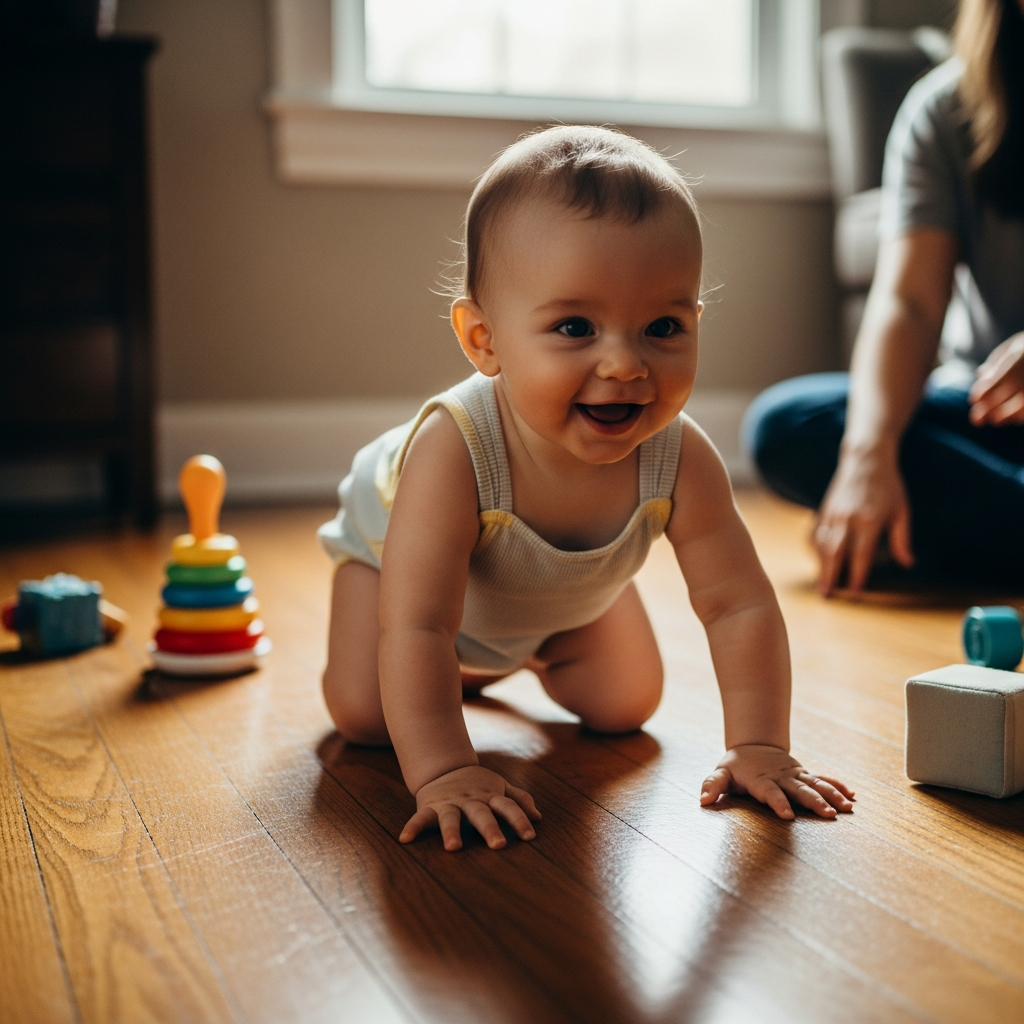
Choosing Baby Sleepwear by Age and Development Stage
Your baby's age and developmental milestones offer the clearest guidance for sleepwear choices. Here is a straightforward breakdown that makes decision-making simple.
Newborn to 3 Months: Comfort and Warmth Priority
Recommendation: Footie rompers preferred
During this stage, temperature regulation and warmth are the primary concerns. Your baby is stationary, so mobility is not a factor. Enclosed feet eliminate any loose items in the sleep space, and the full coverage supports that cozy feeling newborns love. Look for soft fabrics, easy closures, and options with attached mittens for those early weeks.
4 to 8 Months: Transition Period
Recommendation: Mix of both styles
This is when you will want both options in rotation. Some babies start rolling, scooting, or even early crawling during these months. A practical approach is using footie pajamas for nighttime sleep and footless rompers for daytime play. Start introducing barefoot time during waking hours and watch for signs that your baby is ready for more movement freedom.
9 to 12 Months: Mobility Takes Priority
Recommendation: Footless rompers for active time
Crawling is typically in full swing now, and some babies are already pulling to stand. Bare feet support safe exploration and healthy development during this exciting phase. Save those footie pajamas for especially cold nights only, and consider convertible options that offer the best of both worlds.
12 to 24 Months: Independence and Walking
Recommendation: Footless or two-piece pajamas
Walking requires maximum foot awareness and grip. Many toddlers naturally start resisting enclosed feet around this age anyway. The transition to two-piece pajamas often happens during this period as well. Let your child's comfort and the room temperature guide your final choices.
Temperature Guide: Dressing Baby for Safe, Comfortable Sleep
Room temperature plays a crucial role in choosing between footie and footless styles. Getting this right helps your baby sleep more soundly and safely.
Room Temperature Guidelines
| Room Temperature | Recommended Sleepwear |
|---|---|
| Below 64°F / 18°C | Footie romper + sleep sack (higher TOG) |
| 64-68°F / 18-20°C | Footie romper + light sleep sack |
| 68-72°F / 20-22°C | Footie romper alone OR footless + socks |
| 72-75°F / 22-24°C | Footless romper, no socks needed |
| Above 75°F / 24°C | Lightweight footless romper or just diaper + onesie |
The ideal nursery temperature falls between 68-72 degrees Fahrenheit according to most pediatric sleep experts. But every baby is different, so watch for these cues: touch your baby's chest or the back of their neck to check their actual temperature. Signs of overheating include sweating, flushed cheeks, rapid breathing, and damp hair. Signs of being too cold include a cool chest, mottled skin, and unusual fussiness.
Seasonal Sleepwear Strategy
Winter: Footie rompers truly shine during cold months. Layer them with an appropriate TOG-rated sleep sack for extra warmth. Choose thicker fabrics like fleece, heavier cotton, or cozy bamboo blends designed for cooler temperatures.
Spring and Fall: These transitional seasons require flexibility. Keep both footie and footless options readily available. Convertible rompers with fold-over feet prove especially useful during this time. Check on your baby each night as temperatures can fluctuate significantly.
Summer: Footless rompers in lightweight fabrics are your go-to choice. Bamboo and organic cotton offer excellent breathability for warm weather. Some nights may only require a short-sleeve bodysuit. Keep in mind that air conditioning can change the equation, so adjust accordingly based on your actual room temperature.
Fabric and Material Considerations for Baby Rompers
The fabric you choose matters just as much as the style. Different materials serve different purposes, and understanding your options helps you make smarter purchases.
Best Fabrics for Baby Sleepwear
Cotton: The classic choice for good reason. Cotton is soft, durable, and breathable enough for year-round use. Organic cotton avoids chemical residues that can irritate sensitive skin. This fabric works well for everyday use in moderate temperatures.
Bamboo: Exceptionally soft and ideal for babies with sensitive skin or conditions like eczema. Bamboo offers natural temperature regulation, keeping babies cool in summer and warm in winter. Its moisture-wicking properties help with hot sleepers, and it is naturally hypoallergenic and antibacterial.
Cotton-Spandex Blend: The stretch factor makes these comfortable and accommodating. This blend moves with your baby during sleep and the snug fit meets safety standards. Great for active sleepers and growing babies who seem to change sizes overnight.
Fleece: Maximum warmth for the coldest nights, but use with caution. Fleece is not ideal for year-round use and can cause overheating if the room is warm. Reserve this fabric specifically for cold winter nights when extra insulation is genuinely needed.
What to Avoid in Baby Sleepwear
Some features can create safety concerns or comfort issues:
- Loose-fitting sleepwear unless treated for flame resistance
- Fabrics with harsh chemicals or synthetic dyes
- Scratchy materials or rough interior seams
- Decorations that could come loose like buttons, ribbons, or bows
- Sleepwear that is too small and restricts natural movement
Finding the right fabric makes all the difference in sleep quality. Explore quality baby clothes in breathable, baby-friendly materials that feel as good as they look.
Practical Tips for Busy Parents: Making Daily Decisions Easier
Let us talk about the real-world aspects of managing baby sleepwear. These practical strategies will save you time and reduce decision fatigue.
Building a Versatile Baby Sleepwear Wardrobe
Recommended quantities:
- 4-6 footie rompers (essential for newborns and cold weather)
- 3-4 footless rompers (for warm weather and mobile babies)
- 2-3 convertible options if your budget allows
Rotate your stock seasonally to keep sizes current. Buy slightly ahead in sizes because babies grow faster than you expect. Stock up on your preferred style during sales, and always keep one footie and one footless option in the diaper bag for emergencies. Hand-me-downs work wonderfully for sleepwear since they actually soften with washing.
Diaper Changes and Nighttime Convenience
Two-way zippers are an absolute game-changer for those bleary-eyed middle-of-the-night changes. You can access the diaper area without exposing baby's entire body to the cool air. Magnetic closures offer silent, quick access that will not wake a sleeping baby. Both footie and footless styles can be equally convenient when designed thoughtfully. Practice your diaper change routine in daylight first to master the process before you are doing it half-asleep.
Daycare and On-the-Go Considerations
Check your daycare policies first, as some facilities have specific sleepwear requirements. Footless rompers often work better for active daycare settings where babies are crawling and playing throughout the day. Label everything clearly with your baby's name. Pack an extra of whichever style your baby wears to daycare in case of accidents. For travel, bring one of each style to adapt to different environments and varying room temperatures.
Frequently Asked Questions About Baby Footie and Footless Pajamas
Are footie pajamas safe for newborns?
Yes, footie pajamas are safe and often recommended for newborns. The key is choosing snug-fitting sleepwear as required by CPSC guidelines. Footie rompers keep newborns warm without loose blankets or socks in the crib, supporting safe sleep practices. Always ensure the fit is snug but not restrictive, and check that your baby is not overheating by touching their chest or back of neck.
When do babies stop wearing footie pajamas?
Most babies naturally transition away from footie pajamas between 18-24 months, though there is no strict cutoff age. The transition often happens when babies start walking confidently and need better foot grip, or when they begin potty training and need easier bathroom access. Many toddlers continue wearing footie pajamas for sleep well into preschool years if they enjoy the comfort, and that is perfectly fine.
Do footie pajamas affect baby foot development?
No, footie pajamas do not negatively affect foot development when used appropriately. The key is ensuring the footie portion is not too tight and allows toes to move freely inside. For optimal foot development, provide barefoot time during waking hours when your baby is active and exploring. Footless pajamas during crawling and walking phases support sensory development and natural foot movement.
Are footless pajamas better for crawling babies?
Yes, footless pajamas are generally better for crawling babies. Bare feet provide significantly better traction on floors and support proprioception, which is the sensory awareness that helps babies understand where their body is in space. This sensory feedback from their feet is valuable for motor skill development. However, footie pajamas with gripper soles can work well for crawling on particularly slippery surfaces.
Should babies wear socks with footless pajamas?
It depends entirely on the room temperature. If your nursery is 72 degrees Fahrenheit or warmer, socks are usually unnecessary with footless pajamas. In cooler rooms below that threshold, lightweight socks can add helpful warmth. Avoid tight socks that restrict circulation or leave marks. For sleeping babies, footie pajamas are often a simpler solution than managing socks that inevitably come off during the night.
Can babies overheat in footie pajamas?
Yes, babies can definitely overheat in footie pajamas if the room is too warm or the fabric is too heavy for conditions. Signs of overheating include sweating, flushed cheeks, damp hair, and rapid breathing. In warm weather or heated rooms above 74 degrees Fahrenheit, switch to footless pajamas or lighter sleepwear. Always check your baby's chest temperature rather than hands or feet to accurately assess their comfort level.
What is the difference between a romper and a sleeper?
The terms are often used interchangeably in modern parenting, but traditionally there are distinctions. A romper is a one-piece outfit designed for daytime wear, often featuring short sleeves and shorter legs. A sleeper is designed specifically for sleep with typically long sleeves and full leg coverage. Footie rompers and footie sleepers essentially refer to the same thing: one-piece sleepwear with enclosed feet. The terminology varies by brand and region.
How do I know if my baby's footie pajamas are too small?
Several signs indicate footie pajamas have become too small: toes pressed firmly against the foot fabric with no wiggle room, difficulty zipping or snapping the closures, red marks on skin after removal, restricted leg movement when kicking, and the neckline pulling down toward the shoulders. Babies should be able to wiggle their toes freely and kick their legs comfortably. When in doubt, size up. Slightly loose sleepwear is safer and more comfortable than too-tight options.
Making the Right Choice for Your Baby's Comfort and Safety
Choosing between footie rompers vs footless styles does not need to feel overwhelming. Both options serve important purposes in your baby's wardrobe, and the best choice comes down to a simple framework: consider your baby's age, check the room temperature, and think about their current mobility stage.
For newborns and cold nights, footie rompers provide the warmth and security your little one needs. For mobile babies exploring their world through crawling and walking, footless styles support their development and safety. And for those in-between moments? Trust your instincts. You know your baby better than anyone else.
The most important thing is that your baby sleeps safely and comfortably. Whether that happens in footie pajamas, footless rompers, or a mix of both, you are making thoughtful choices that put your child's wellbeing first. That is what being a great parent is all about.
Ready to stock up on sleepwear that grows with your baby? PatPat offers a wonderful collection of comfortable baby rompers and jumpsuits designed for every stage of your little one's development. Sweet dreams await.




