


Is vitamin A safe during pregnancy, or is it dangerous? This question confuses nearly every expectant mother, and for good reason. The answer depends entirely on which type of vitamin A you consume. According to the NIH Office of Dietary Supplements, vitamin A plays essential roles in vision, immune function, and fetal development. Yet excessive intake of certain forms can cause serious birth defects. Understanding this distinction is crucial for every pregnant woman.
If you have been avoiding orange vegetables out of fear, or nervously searching "vitamin A pregnancy safe recipes" after enjoying a bowl of carrot soup, take a deep breath. The confusion stems from one critical fact: there are two completely different forms of vitamin A, and they behave remarkably differently in your body. One form, beta-carotene from plant foods, is entirely safe. The other, retinol from animal sources, requires careful monitoring.
In this comprehensive guide from PatPat, you will discover exactly why beta-carotene is your pregnancy nutrition ally, which foods to embrace and avoid, and twelve delicious recipes that deliver safe vitamin A for you and your growing baby. Whether you are in your first trimester or final weeks, these safe vitamin A foods for pregnancy will help you build colorful, nourishing meals without worry. By the end, you will understand the beta carotene vs retinol pregnant debate completely and feel confident about your dietary choices.
For more comprehensive guidance on pregnancy nutrition, explore our pregnancy nutrition guide.
Why Beta-Carotene Is the Safest Vitamin A Source During Pregnancy
Understanding the fundamental difference between beta-carotene and retinol is the key to eliminating vitamin A confusion during pregnancy. These two forms enter your body through different pathways and behave in remarkably different ways.
Understanding the Two Forms of Vitamin A
Vitamin A exists in two primary forms. Preformed vitamin A (retinol) is found in animal products including liver, eggs, and dairy. Your body absorbs retinol directly and immediately, which means it can accumulate in your tissues and potentially reach harmful levels. Provitamin A (beta-carotene) is found exclusively in plant foods, particularly orange and dark green vegetables. Your body must convert beta-carotene into retinol before using it, and here is the crucial difference: this conversion only happens when your body actually needs more vitamin A.
According to research published in the American Journal of Clinical Nutrition, beta-carotene conversion efficiency decreases significantly as intake increases. This built-in regulatory mechanism means your body has a safety switch that prevents over-conversion. No matter how many carrots or sweet potatoes you eat, you cannot develop vitamin A toxicity from beta-carotene foods.
How Your Body Regulates Beta-Carotene Conversion
The conversion process works through an enzyme called beta-carotene 15,15'-monooxygenase. When your vitamin A stores are adequate, this enzyme activity decreases dramatically. The conversion ratio from beta-carotene to retinol is approximately 12:1 under normal circumstances, meaning you need roughly 12 micrograms of beta-carotene to produce 1 microgram of retinol. However, when your body has sufficient vitamin A, this ratio becomes even less efficient.
What happens to excess beta-carotene your body does not convert? It simply circulates harmlessly in your bloodstream or gets stored in fat tissues. If you consume extremely large quantities of orange vegetables over extended periods, you might develop carotenemia, which causes a harmless yellow-orange tint to your skin. This condition is completely benign and reverses naturally when you reduce intake. Compare this to hypervitaminosis A from excess retinol, which can cause liver damage, bone abnormalities, and during pregnancy, serious birth defects.
This is precisely why the American College of Obstetricians and Gynecologists recommends that pregnant women obtain their vitamin A primarily from beta-carotene rich plant sources rather than animal sources or supplements containing retinol.
How Much Vitamin A Do Pregnant Women Need Daily?
Understanding your daily vitamin A requirements helps you plan balanced meals that meet your needs without exceeding safe limits from retinol sources.
Recommended Daily Intake
The recommended dietary allowance for vitamin A during pregnancy is 770 mcg RAE (retinol activity equivalents) daily for women aged 19-50. This requirement remains constant throughout all three trimesters, though the first trimester represents the most critical period for avoiding excess retinol.
| Category | Amount | Source Type | Safety Notes |
|---|---|---|---|
| Daily RDA (Pregnant Women 19-50) | 770 mcg RAE | All sources combined | Minimum recommended intake |
| Upper Limit (Preformed Retinol Only) | 3,000 mcg | Animal sources and supplements | Do not exceed from retinol |
| Beta-Carotene from Food | No established upper limit | Plant sources | Body self-regulates conversion |
| First Trimester Priority | 770 mcg RAE | Prefer plant sources | Critical development period |
Understanding Measurements
Vitamin A measurements can be confusing because different sources use different units. RAE (retinol activity equivalents) is the current standard measurement. For reference: 1 mcg RAE equals approximately 3.33 IU of retinol or about 20 IU of beta-carotene from food. When reading nutrition labels, note whether vitamin A is listed as retinol or beta-carotene. Remember that the 3,000 mcg upper limit applies only to preformed retinol, not to beta-carotene.
Vitamin A Foods to Avoid During Pregnancy
CRITICAL WARNING: High-Retinol Foods to Avoid During PregnancyThe following foods contain dangerously high levels of preformed vitamin A (retinol) and should be avoided throughout pregnancy:
- Beef liver, chicken liver, and all organ meats - Contains 15,000+ mcg retinol per serving
- Liver pate, liverwurst, and liver sausage
- Cod liver oil and fish liver supplements
- High-dose vitamin A supplements exceeding 3,000 mcg retinol
Even a single serving of liver can exceed the safe upper limit by 3-5 times.
Why Liver Is Dangerous During Pregnancy
Liver poses the greatest vitamin A risk during pregnancy because of its extraordinarily high retinol concentration. A single 3-ounce serving of beef liver contains approximately 6,582 mcg of retinol, more than double the safe upper limit of 3,000 mcg. Chicken liver contains approximately 3,296 mcg per ounce, meaning even a small portion can push you far beyond safe levels.
Why is excess retinol so dangerous during pregnancy? Retinol is classified as teratogenic at high doses, meaning it can cause birth defects when present in excessive amounts during fetal development. Research published in PubMed and reviewed by the National Institutes of Health reports that high vitamin A intake during the first trimester, particularly between weeks 3 and 8 when major organ systems are forming, has been associated with:
- Neural tube defects affecting brain and spinal cord development
- Heart malformations and cardiovascular abnormalities
- Facial abnormalities including cleft palate
- Thymus gland abnormalities affecting immune development
Reassurance for accidental exposure: If you accidentally ate liver before learning this information, try not to panic. The risks are associated with regular, ongoing consumption of high-retinol foods, particularly during early pregnancy. A single accidental exposure is unlikely to cause harm. However, if you have concerns, consult your healthcare provider for personalized guidance.
Supplements and Skincare Products to Avoid
Beyond food sources, be cautious with supplements containing preformed vitamin A. Avoid any supplement providing more than 3,000 mcg of retinol. Most quality prenatal vitamins are formulated with pregnancy safety in mind, using beta-carotene or low-dose retinol. Always check labels and look for vitamin A listed as "beta-carotene" rather than "retinyl palmitate" or "retinyl acetate." Topical retinoid products including tretinoin and adapalene are also advised against during pregnancy, so be sure to review your skincare products with your healthcare provider.
Top 15 Beta-Carotene Rich Foods for a Healthy Pregnancy
Now for the empowering news: you can enjoy abundant, delicious plant foods that provide all the vitamin A you need with zero toxicity risk. These safe vitamin A foods for pregnancy should become colorful staples in your kitchen.
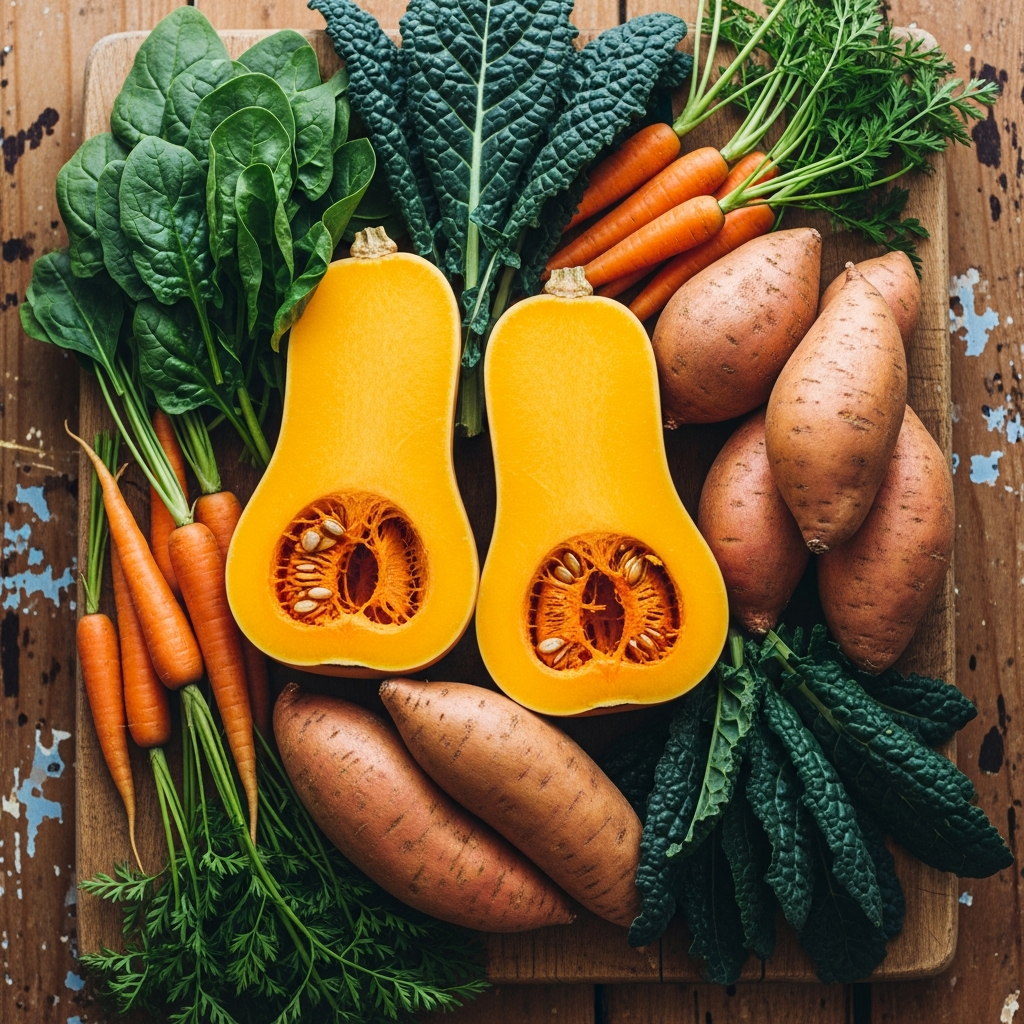
Orange and Yellow Vegetables
- Sweet Potatoes - 1 medium baked = 1,403 mcg RAE. Benefits: Rich in fiber, potassium, and prebiotics.
- Butternut Squash - 1 cup cooked = 1,144 mcg RAE. Benefits: Creamy texture, excellent folate source.
- Carrots - 1 cup raw = 1,069 mcg RAE. Benefits: Satisfying crunch, supports eye health.
- Cantaloupe - 1 cup = 270 mcg RAE. Benefits: Hydrating, contains vitamin C for iron absorption.
- Mangoes - 1 cup = 89 mcg RAE. Benefits: Tropical flavor, digestive enzymes.
Dark Leafy Greens
- Spinach - 1 cup cooked = 943 mcg RAE. Benefits: Iron, folate, calcium trifecta.
- Kale - 1 cup cooked = 885 mcg RAE. Benefits: Vitamin K, fiber, powerful antioxidants.
- Collard Greens - 1 cup cooked = 722 mcg RAE. Benefits: Calcium for bone health.
- Romaine Lettuce - 2 cups = 205 mcg RAE. Benefits: Hydrating, easy to digest.
- Broccoli - 1 cup cooked = 120 mcg RAE. Benefits: Vitamin C, folate, cancer-fighting compounds.
Fruits and Other Sources
- Red Bell Peppers - 1 medium = 187 mcg RAE. Benefits: Exceptional vitamin C content.
- Apricots - 4 fresh = 135 mcg RAE. Benefits: Portable snack, fiber-rich.
- Tomatoes - 1 cup = 76 mcg RAE plus lycopene. Benefits: Antioxidants, hydrating.
- Peas - 1 cup = 64 mcg RAE. Benefits: Plant protein, fiber.
- Asparagus - 1 cup = 60 mcg RAE. Benefits: Excellent folate source.
Learn more about folate-rich foods in our folate recipes for pregnancy guide.
12 Delicious Vitamin A Safe Recipes for Every Meal
These vitamin A pregnancy safe recipes make it easy to incorporate beta-carotene rich foods into every meal. Each recipe uses exclusively plant-based vitamin A sources, ensuring complete safety while maximizing nutrition.
Breakfast Recipes
Recipe 1: Sweet Potato Breakfast Bowl
Beta-carotene content: Approximately 1,400 mcg RAE | Prep time: 10 minutes
Ingredients: 1 medium baked sweet potato halved, 1/2 cup Greek yogurt, 2 tablespoons almond butter, 1/4 teaspoon cinnamon, 2 tablespoons chopped walnuts, 1 tablespoon honey
Instructions: Place warm baked sweet potato in a bowl. Top with Greek yogurt and drizzle with almond butter. Sprinkle with cinnamon and walnuts, then finish with honey. The combination of vitamin A, protein, and healthy fats provides sustained morning energy.
Recipe 2: Carrot Ginger Pregnancy Smoothie
Beta-carotene content: Approximately 1,000+ mcg RAE | Prep time: 5 minutes
Ingredients: 1 cup chopped carrots, 1 banana, 1/2 inch fresh ginger peeled, 3/4 cup orange juice, 1/2 cup Greek yogurt, 1/2 cup ice
Instructions: Combine all ingredients in a blender and blend until smooth. The ginger aids with morning sickness while vitamin C from the orange juice enhances iron absorption.
Recipe 3: Spinach and Sweet Potato Frittata
Beta-carotene content: Approximately 1,500+ mcg RAE | Prep time: 25 minutes
Ingredients: 6 large eggs, 1 cup diced sweet potato, 2 cups fresh spinach, 1/4 cup crumbled feta cheese, 2 tablespoons olive oil
Instructions: Preheat oven to 375°F. Heat olive oil in an oven-safe skillet over medium heat. Add sweet potato cubes and cook 8-10 minutes until tender. Add spinach and cook until wilted. Whisk eggs with feta, then pour over vegetables. Transfer to oven and bake 12-15 minutes until set.
Lunch Recipes

Recipe 4: Creamy Butternut Squash Soup
Beta-carotene content: Approximately 1,100+ mcg RAE per serving | Prep time: 35 minutes
Ingredients: 1 medium butternut squash peeled and cubed, 1 medium onion diced, 3 cups vegetable broth, 1/2 cup coconut milk, 1 teaspoon dried sage, 1/4 teaspoon nutmeg, 2 tablespoons olive oil
Instructions: Heat olive oil in a large pot. Saute onion until translucent. Add butternut squash and vegetable broth. Bring to a boil, then simmer 20 minutes until squash is tender. Blend until smooth using an immersion blender. Stir in coconut milk, sage, and nutmeg. This soup freezes well for meal prep.
Recipe 5: Rainbow Kale and Carrot Salad
Beta-carotene content: Approximately 1,200+ mcg RAE | Prep time: 15 minutes
Ingredients: 4 cups chopped kale stems removed, 1 cup shredded carrots, 1/2 cup shredded red cabbage, 1/4 cup sunflower seeds, tahini-lemon dressing
Instructions: Place kale in a large bowl. Add a pinch of salt and massage leaves firmly for 2-3 minutes until softened. Add carrots, cabbage, and sunflower seeds. Toss with dressing and serve immediately.
Recipe 6: Warm Sweet Potato and Quinoa Bowl
Beta-carotene content: Approximately 1,400+ mcg RAE | Prep time: 30 minutes
Ingredients: 1 large sweet potato cubed, 1 cup cooked quinoa, 1/2 cup black beans drained, 1/2 avocado sliced, lime-cilantro dressing
Instructions: Roast sweet potato cubes at 400°F for 20-25 minutes until tender. Arrange quinoa in bowl, top with roasted sweet potato, black beans, and avocado. Drizzle with dressing. The quinoa and black bean combination provides complete plant protein.
Dinner Recipes
Recipe 7: One-Pan Roasted Chicken with Sweet Potatoes and Carrots
Beta-carotene content: Approximately 2,000+ mcg RAE per serving | Prep time: 45 minutes
Ingredients: 4 bone-in chicken thighs, 2 medium sweet potatoes cut into chunks, 4 whole carrots halved lengthwise, 4 garlic cloves smashed, 2 tablespoons fresh rosemary, 3 tablespoons olive oil
Instructions: Preheat oven to 425°F. Toss sweet potatoes and carrots with olive oil, salt, and pepper. Spread on a sheet pan. Season chicken thighs and nestle among vegetables. Add garlic and rosemary. Roast 35-40 minutes until chicken reaches 165°F. This family-friendly meal provides abundant beta-carotene.
Recipe 8: Vegetable Curry with Spinach and Sweet Potato
Beta-carotene content: Approximately 1,800+ mcg RAE | Prep time: 35 minutes
Ingredients: 1 large sweet potato cubed, 3 cups fresh spinach, 1 can chickpeas drained, 1 can coconut milk, 3 tablespoons curry paste, 1 tablespoon fresh ginger minced
Instructions: Saute ginger in a large pot for 1 minute. Add curry paste and cook 30 seconds. Add sweet potato cubes and coconut milk. Simmer 15-20 minutes until sweet potato is tender. Stir in chickpeas and spinach, cooking until spinach wilts. Serve over rice.
Recipe 9: Stuffed Bell Peppers with Quinoa and Vegetables
Beta-carotene content: Approximately 400+ mcg RAE per pepper | Prep time: 40 minutes
Ingredients: 4 red bell peppers tops removed and seeded, 1 cup cooked quinoa, 1/2 cup black beans, 1/2 cup corn kernels, 1 cup diced tomatoes, 1 teaspoon cumin
Instructions: Preheat oven to 375°F. Mix quinoa, black beans, corn, tomatoes, and cumin. Stuff mixture into bell peppers. Place in baking dish with 1/4 inch water. Cover with foil and bake 30 minutes. Remove foil and bake 10 minutes more until peppers are tender.
Snacks and Smoothies
Recipe 10: Carrot Sticks with White Bean Hummus
Beta-carotene content: Approximately 500+ mcg RAE per serving | Prep time: 10 minutes
Ingredients: 2 cups carrot sticks, 1 can white beans drained, 2 tablespoons tahini, 2 tablespoons lemon juice, 1 garlic clove, 2 tablespoons olive oil
Instructions: Blend white beans with tahini, lemon juice, garlic, and olive oil until smooth. Serve with carrot sticks for a protein-rich, portable snack.
Recipe 11: Mango Coconut Pregnancy Smoothie
Beta-carotene content: Approximately 300+ mcg RAE | Prep time: 5 minutes
Ingredients: 1 cup fresh or frozen mango chunks, 1/2 cup coconut milk, 1 banana, 1/2 cup spinach optional, 1 tablespoon chia seeds
Instructions: Blend all ingredients until smooth. The spinach is undetectable in flavor but boosts beta-carotene content significantly. Perfect for hydration.
Recipe 12: Roasted Butternut Squash Bites
Beta-carotene content: Approximately 800+ mcg RAE per cup | Prep time: 25 minutes
Ingredients: 3 cups butternut squash cubes, 1 tablespoon olive oil, 1 tablespoon maple syrup, 1/2 teaspoon cinnamon
Instructions: Toss squash cubes with olive oil, maple syrup, and cinnamon. Spread on a parchment-lined baking sheet. Roast at 400°F for 20-25 minutes, stirring halfway through. These satisfy sweet cravings naturally while delivering beta-carotene.
For more nutritious snack ideas, check out our healthy pregnancy snacks guide.
Beta-Carotene vs Retinol: Essential Comparison
This comparison table summarizes everything you need to know about the beta carotene vs retinol pregnant debate.
| Factor | Beta-Carotene (Provitamin A) | Retinol (Preformed Vitamin A) |
|---|---|---|
| Food Sources | Plant foods: orange vegetables, dark leafy greens, fruits | Animal products: liver, eggs, dairy, fish |
| Body Processing | Must be converted to vitamin A; conversion regulated by need | Absorbed directly; no conversion needed |
| Toxicity Risk | Impossible from food sources | High risk with excess intake |
| Pregnancy Safety | Completely safe at any dietary amount | Must stay under 3,000 mcg daily |
| Overdose Effects | Carotenemia (harmless yellow skin) | Birth defects, liver damage |
| Expert Recommendation | Encouraged as primary vitamin A source during pregnancy | Limit strictly; avoid high-dose sources |
The Science Behind Beta-Carotene Safety
Beta-carotene requires enzymatic cleavage by beta-carotene oxygenase to become active vitamin A. This enzyme operates under negative feedback control, meaning its activity decreases when your body has sufficient vitamin A stores. There are no reported cases of vitamin A toxicity from beta-carotene food consumption in the medical literature.
Why Retinol Poses Risks During Pregnancy
Retinol is immediately bioavailable upon consumption. Your body absorbs it directly and efficiently, which becomes problematic when intake exceeds your needs. During organogenesis (weeks 3-8), when major organ systems are forming, high retinol concentrations can disrupt the precise genetic signaling required for normal development. The relationship between excess retinol and birth defects is well-documented.
Signs of Vitamin A Deficiency During Pregnancy
While avoiding excess retinol is important, ensuring adequate vitamin A intake is equally crucial for both maternal and fetal health.
Common Deficiency Symptoms
- Night blindness - Difficulty seeing in dim light
- Dry, rough skin - Particularly on arms and legs
- Increased infections - Frequent colds or illness
- Slow wound healing
- Dry eyes - Irritation or inadequate tear production
Who Is at Higher Risk for Deficiency
- Women with malabsorption conditions such as Crohn's disease or celiac disease
- Those following highly restrictive diets with limited vegetable variety
- Women with inadequate dietary diversity or food insecurity
Prevention is straightforward: include 2-3 servings of beta-carotene rich foods daily and choose a quality prenatal vitamin with appropriate vitamin A levels.
Frequently Asked Questions About Vitamin A and Pregnancy
Q1: Is vitamin A safe during pregnancy?
A: Yes, vitamin A is essential during pregnancy, but the source matters critically. Beta-carotene from plant foods is completely safe because your body only converts what it needs. Retinol from animal sources and supplements must be limited to under 3,000 mcg daily.
Q2: Can eating too many carrots cause vitamin A toxicity during pregnancy?
A: No. You cannot develop vitamin A toxicity from eating carrots or other beta-carotene vegetables. Excessive intake might cause harmless carotenemia (yellow-orange skin tint) that reverses when you moderate intake.
Q3: Why is liver dangerous during pregnancy?
A: Liver contains 6,582+ mcg retinol per 3-ounce serving, more than double the safe upper limit. Regular consumption has been linked to birth defects affecting brain, heart, and facial development.
Q4: I accidentally ate liver while pregnant. Should I be worried?
A: A single accidental exposure is unlikely to cause harm. Risks are associated with consistent high-dose exposure over time. Consult your healthcare provider if you have ongoing concerns.
Q5: Is the vitamin A in my prenatal vitamin safe?
A: Most prenatal vitamins use beta-carotene or low-dose retinol well below the upper limit. Check if vitamin A is listed as beta-carotene or contains less than 1,500 mcg retinol.
Q6: What is the difference between beta-carotene and vitamin A?
A: Beta-carotene is provitamin A from plants that converts only when needed. Retinol is preformed vitamin A from animal products that absorbs directly and can accumulate to dangerous levels.
Q7: Can I take cod liver oil while pregnant?
A: No. Cod liver oil contains very high retinol levels that can easily exceed safe limits. Get omega-3s from fatty fish like salmon or fish oil supplements with vitamin A removed.
Q8: How can vegetarians get enough vitamin A during pregnancy?
A: Easily through beta-carotene rich plants: sweet potatoes, carrots, butternut squash, spinach, kale, mangoes, and cantaloupe. Plant-based diets actually have an advantage for pregnancy vitamin A safety.
Conclusion: Embracing Safe Vitamin A for a Healthy Pregnancy
Understanding the critical difference between beta-carotene and retinol transforms vitamin A from a source of confusion into a confident part of your pregnancy nutrition strategy. The key takeaways are simple: plant-based beta-carotene sources are completely safe and should form the foundation of your vitamin A intake, while high-retinol foods like liver and cod liver oil should be avoided throughout pregnancy.
Your body has remarkable built-in safety mechanisms that prevent beta-carotene toxicity, so feel free to enjoy abundant servings of sweet potatoes, carrots, butternut squash, spinach, and other colorful vegetables. These vitamin A pregnancy safe recipes provide not only essential nutrients but also fiber, antioxidants, and countless other compounds supporting maternal and fetal health.
Start incorporating two to three beta-carotene rich foods into your daily meals using the recipes in this guide. Each colorful meal brings you closer to optimal pregnancy nutrition without any risk of vitamin A toxicity. For more pregnancy nutrition guidance, explore our superfoods for fetal brain development guide and the PatPat collection of baby and family products. Consult your healthcare provider for personalized recommendations.
Medical Disclaimer: This article is for informational purposes only and does not constitute medical advice. Always consult your healthcare provider or registered dietitian for personalized nutrition guidance during pregnancy. Individual needs may vary based on health conditions, medications, and pregnancy complications.





