


Did you know your thyroid works up to 50% harder during pregnancy? This tiny gland controls everything from your metabolism to your baby's brain development, and it relies heavily on one often-overlooked mineral: selenium. Yet getting the right amount of selenium during pregnancy requires careful balance. Too little can impair thyroid function, while too much, especially from brazil nuts, can quickly become toxic.
If you have been searching for selenium pregnancy recipes that support your thyroid without the guesswork, you are in the right place. Whether you are managing Hashimoto thyroiditis, hypothyroidism, or simply want to optimize your prenatal nutrition, these selenium-rich recipes will help you meet your daily needs safely. At PatPat, we understand that pregnant mothers need practical, evidence-based guidance they can trust.
In this comprehensive guide, you will discover delicious recipes using pregnancy-safe fish, eggs, and carefully portioned brazil nuts. You will also learn critical safety guidelines, including why eating more than 1-2 brazil nuts daily can be dangerous. Let us explore how to nourish your thyroid and your growing baby with the right selenium foods.
Why Selenium Matters for Thyroid Function During Pregnancy
Selenium is not just another mineral on your prenatal checklist. It plays a starring role in thyroid hormone metabolism through specialized proteins called selenoproteins. Your thyroid produces mainly T4 (thyroxine), which is relatively inactive. Your body must convert T4 into T3 (triiodothyronine), the active form that actually regulates your metabolism, energy, and countless other functions.
Here is where selenium becomes essential: the deiodinase enzymes that convert T4 to T3 are selenoproteins, meaning they require selenium to function properly. Without adequate selenium, this conversion process slows down, leaving you with plenty of inactive T4 but not enough active T3.
How Selenium Supports Thyroid Hormone Conversion
Three types of deiodinase enzymes (DIO1, DIO2, and DIO3) regulate thyroid hormone activity throughout your body:
- DIO1 works primarily in your liver and kidneys, maintaining T3 levels in your bloodstream
- DIO2 operates locally in your brain, skeletal muscles, and brown fat tissue
- DIO3 inactivates excess thyroid hormones when needed
Research confirms that selenium deficiency inhibits the synthesis and activity of these deiodinase enzymes, directly impairing your thyroid function. During pregnancy, when thyroid demands surge, maintaining selenium status becomes even more critical.
Selenium and Autoimmune Thyroid Conditions in Pregnancy
If you have Hashimoto thyroiditis, selenium offers additional benefits. Hashimoto accounts for over 90% of autoimmune thyroid cases, and pregnancy can complicate management significantly.
Multiple studies demonstrate that selenium supplementation appears effective in reducing TPO antibody levels in people with Hashimoto thyroiditis. During pregnancy specifically, research shows that TPO antibody levels continued to decrease in selenium groups while increasing significantly in placebo groups postpartum.
Positive TPO antibodies during pregnancy increase risks for miscarriage, preterm delivery, and postpartum thyroid problems, making selenium optimization particularly valuable for women with autoimmune thyroid conditions.
Daily Selenium Requirements for Pregnant Women
Understanding your selenium targets helps you plan meals effectively without risking deficiency or toxicity. The numbers are straightforward but crucial to remember.
| Life Stage | Recommended Daily Selenium |
|---|---|
| Non-pregnant adults | 55 mcg |
| Pregnant women | 60 mcg |
| Breastfeeding women | 70 mcg |
| Upper safe limit (all adults) | 400 mcg |
The Recommended Daily Allowance (RDA) for selenium during pregnancy is 60 mcg, according to the National Institutes of Health. This modest increase from the standard adult recommendation of 55 mcg supports the additional demands of fetal development and increased maternal metabolism.
Selenium Intake by Trimester
While the official RDA remains constant throughout pregnancy, your approach to selenium intake may shift:
- First trimester: Focus on gentle, nausea-friendly selenium sources like eggs and crackers with cheese
- Second trimester: Expand to fish recipes and more diverse options as morning sickness subsides
- Third trimester: Continue varied intake while monitoring total selenium from all sources
- Postpartum: Increase to 70 mcg daily if breastfeeding
Most women in the United States and Canada consume adequate selenium through regular dietary intake. However, those with restrictive diets, severe morning sickness, or certain digestive conditions may need to pay closer attention to selenium-rich food sources.
Brazil Nut Recipes with Essential Safety Guidelines
CRITICAL SAFETY WARNING: Brazil Nut Limits
Pregnant women should limit consumption to 1-2 Brazil nuts per day maximum. A single Brazil nut contains 68-91 mcg of selenium, which already exceeds your entire daily requirement of 60 mcg. Eating more than 4-5 nuts daily can lead to selenium toxicity (selenosis), causing hair loss, brittle nails, nausea, garlic breath, and potentially nerve damage. The tolerable upper intake level is 400 mcg daily. Always consult your healthcare provider before adding Brazil nuts to your regular diet.
Selenium-Rich Brazil Nut Smoothie Bowl (1 Nut Per Serving)
This creamy smoothie bowl delivers your full daily selenium requirement in one delicious breakfast, plus folate, potassium, and fiber for comprehensive prenatal nutrition.
Ingredients:
- 1 Brazil nut (provides approximately 75 mcg selenium)
- 1 frozen banana
- 1/2 cup frozen mixed berries
- 1 cup fresh spinach
- 1 cup unsweetened almond milk
- 1 tablespoon chia seeds
Toppings:
- 2 tablespoons unsweetened coconut flakes
- 1 tablespoon sunflower seeds
- Fresh berries
Instructions:
- Add the Brazil nut, frozen banana, berries, spinach, and almond milk to a high-speed blender
- Blend until completely smooth and creamy
- Pour into a bowl and add toppings
- Serve immediately
Selenium per serving: Approximately 85-95 mcg (exceeds daily needs, so avoid other high-selenium foods this day)
Brazil Nut Energy Bites for Thyroid Support
These make-ahead bites are perfect for busy pregnant women. The batch uses limited Brazil nuts to keep selenium levels safe.
Ingredients (makes 12 bites):
- 6 Brazil nuts (1 nut per 2 bites)
- 1 cup rolled oats
- 6 Medjool dates, pitted
- 2 tablespoons chia seeds
- 1/4 cup unsweetened shredded coconut
- 1 tablespoon honey
- Pinch of sea salt
Instructions:
- Process Brazil nuts in food processor until finely chopped
- Add remaining ingredients and pulse until mixture sticks together
- Roll into 12 equal-sized balls
- Refrigerate for at least 30 minutes before serving
- Store in refrigerator for up to one week
Selenium per 2 bites: Approximately 75-90 mcg (limit to 2 bites daily)
Pregnancy-Safe Fish Recipes High in Selenium
Fish provides selenium alongside omega-3 fatty acids crucial for your baby's brain development. The key is choosing low-mercury options and following recommended serving guidelines.
| Fish Type | Selenium per 3 oz | Mercury Level | Recommended Frequency |
|---|---|---|---|
| Salmon | 40 mcg | Low | 2-3 times weekly |
| Sardines | 45 mcg | Very Low | 2-3 times weekly |
| Shrimp | 40 mcg | Very Low | 2-3 times weekly |
| Cod | 32 mcg | Low | 2-3 times weekly |
| Canned light tuna | 68 mcg | Moderate | 1 time weekly |
Doctors recommend pregnant women eat up to 12 ounces of low-mercury seafood weekly, making fish an excellent way to meet selenium needs while supporting fetal brain development.
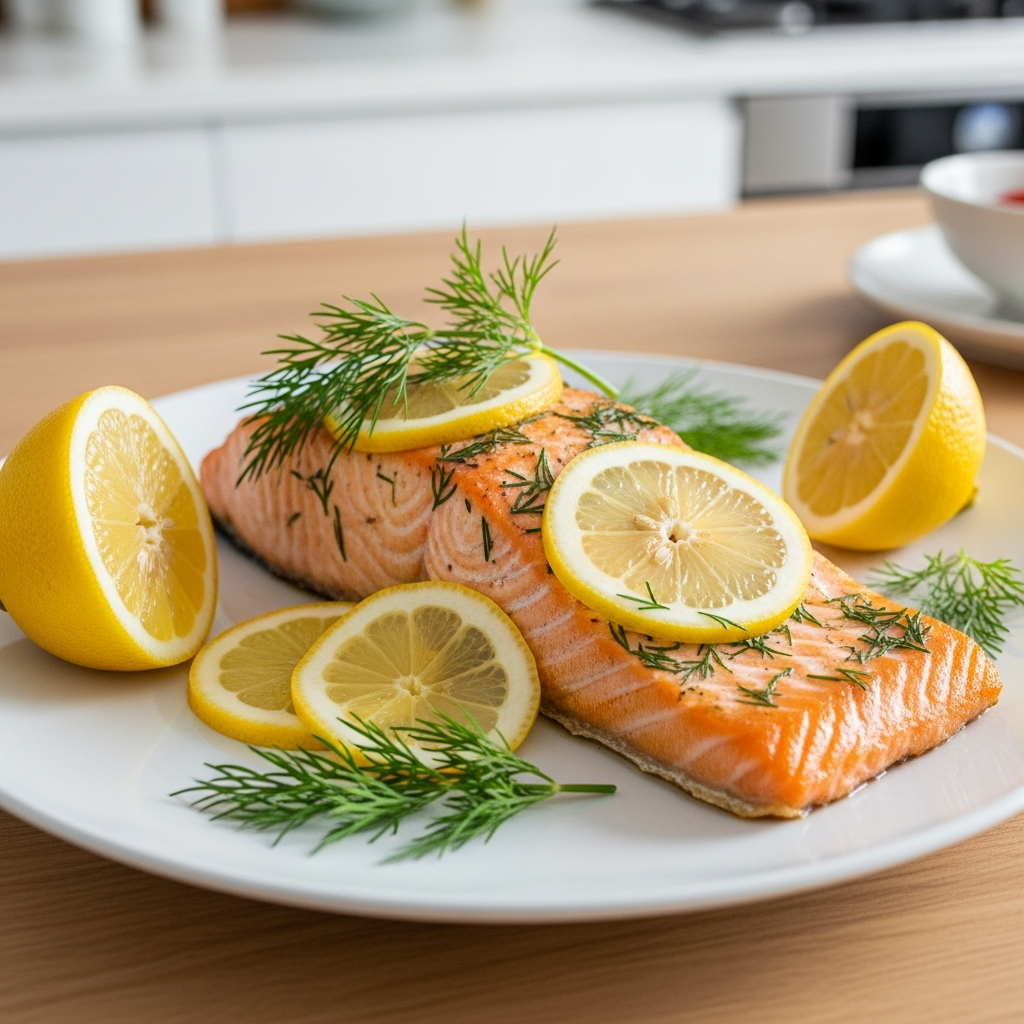
Baked Salmon with Lemon and Herbs for Thyroid Health
This simple recipe preserves selenium content while delivering restaurant-quality flavor.
Ingredients:
- 1 pound wild-caught salmon fillet
- 2 tablespoons olive oil
- 1 lemon, sliced
- 3 cloves garlic, minced
- 2 tablespoons fresh dill, chopped
- Salt and pepper to taste
Instructions:
- Preheat oven to 400 degrees F (200 degrees C)
- Place salmon on parchment-lined baking sheet
- Drizzle with olive oil and rub with garlic
- Season with salt, pepper, and dill
- Arrange lemon slices on top
- Bake 12-15 minutes until internal temperature reaches 145 degrees F
Selenium per 3 oz serving: Approximately 40 mcg (67% of daily pregnancy needs)
Garlic Shrimp Stir-Fry with Selenium-Rich Vegetables
Ready in 20 minutes, this flavorful stir-fry combines multiple selenium sources for comprehensive nutrition.
Ingredients:
- 1 pound large shrimp, peeled and deveined
- 2 cups broccoli florets
- 1 cup sliced mushrooms
- 1 red bell pepper, sliced
- 4 cloves garlic, minced
- 1 tablespoon fresh ginger, grated
- 2 tablespoons low-sodium soy sauce
- 1 tablespoon sesame oil
Instructions:
- Heat sesame oil in large wok or skillet over high heat
- Add shrimp and cook 2-3 minutes until pink; remove and set aside
- Add vegetables and stir-fry 4-5 minutes
- Add garlic and ginger; cook 30 seconds
- Return shrimp to pan with soy sauce
- Toss to combine and serve over brown rice
Selenium per serving: Approximately 55 mcg
Sardine Salad Sandwich for Quick Thyroid Support
Affordable and convenient, this sandwich delivers selenium plus omega-3s for baby's brain development.
Ingredients:
- 1 can (3.75 oz) sardines in olive oil, drained
- 1/4 ripe avocado, mashed
- 1 tablespoon lemon juice
- 1 tablespoon fresh parsley, chopped
- 2 slices whole grain bread
- Lettuce and tomato slices
Instructions:
- Mash sardines with avocado and lemon juice
- Stir in parsley and season to taste
- Spread on toast and top with lettuce and tomato
Selenium per sandwich: Approximately 45-50 mcg
Egg-Based Recipes for Selenium and Thyroid Support
Eggs rank among the most accessible and affordable selenium sources. One large hard-boiled egg provides approximately 15 mcg of selenium, about 25% of your daily pregnancy requirement. Beyond selenium, eggs deliver choline essential for fetal brain development and high-quality protein.

Thyroid-Boosting Vegetable Frittata
This versatile dish works for breakfast, lunch, or dinner and makes excellent leftovers.
Ingredients:
- 6 large eggs
- 2 tablespoons milk
- 1 cup fresh spinach, chopped
- 1/2 cup mushrooms, sliced
- 1/2 red bell pepper, diced
- 1/4 cup feta cheese, crumbled
- 1 tablespoon olive oil
- Salt and pepper to taste
Instructions:
- Preheat broiler
- Whisk eggs with milk, salt, and pepper
- Heat olive oil in oven-safe skillet over medium heat
- Saute vegetables until softened, about 5 minutes
- Pour egg mixture over vegetables and cook until edges set
- Sprinkle with feta and broil 2-3 minutes until golden
- Let cool slightly before slicing into 4 wedges
Selenium per serving: Approximately 25 mcg
Selenium-Rich Breakfast Egg Muffins
Perfect for meal prep, these freezer-friendly muffins provide quick breakfasts throughout the week.
Ingredients (makes 12 muffins):
- 8 large eggs
- 1/4 cup milk
- 1 cup mixed diced vegetables (spinach, tomatoes, onions)
- 1/2 cup shredded cheddar cheese
- Salt and pepper to taste
Instructions:
- Preheat oven to 350 degrees F (175 degrees C)
- Grease a 12-cup muffin tin well
- Divide vegetables and cheese among muffin cups
- Whisk eggs with milk, salt, and pepper
- Pour egg mixture evenly into cups
- Bake 20-25 minutes until set and slightly golden
- Cool before removing from tin
Selenium per 2 muffins: Approximately 20 mcg
Deviled Eggs with Thyroid-Supporting Additions
Ingredients (makes 12 halves):
- 6 hard-boiled eggs, halved
- 3 tablespoons Greek yogurt
- 1 teaspoon Dijon mustard
- 1/4 teaspoon turmeric
- Sunflower seeds for topping
- Paprika for garnish
Instructions:
- Remove yolks and mash with yogurt, mustard, and turmeric
- Pipe or spoon filling into egg white halves
- Top with sunflower seeds and paprika
Selenium per 3 halves: Approximately 20-25 mcg
Signs of Selenium Deficiency During Pregnancy
While selenium deficiency remains uncommon in North America, certain pregnant women face higher risk. Recognizing potential warning signs helps you address issues early.
Common Symptoms to Watch For
According to health experts, the most common selenium deficiency symptoms include fatigue, muscle weakness, mental fog, and hair loss. During pregnancy, these may include:
- Unusual fatigue beyond normal pregnancy tiredness
- Hair loss or thinning beyond typical pregnancy shedding
- Weakened immune function with frequent illness
- Mental fog or difficulty concentrating
- Muscle weakness or aches
- Brittle or discolored nails
- Thyroid dysfunction symptoms
Risk Factors for Selenium Deficiency in Pregnancy
You may be at higher risk if you have:
- Restrictive diets (vegan or vegetarian without careful planning)
- Digestive conditions affecting nutrient absorption
- Severe morning sickness limiting food intake
- History of bariatric surgery
- Living in regions with selenium-poor soil
If you experience multiple symptoms, discuss selenium testing with your healthcare provider.
How to Balance Selenium Intake Safely During Pregnancy
The gap between adequate selenium intake and toxicity is narrower than with most nutrients. Strategic planning prevents both deficiency and excess.
Selenium Supplements vs. Food Sources for Pregnancy
A food-first approach offers several advantages:
- Better bioavailability from natural food matrices
- Additional nutrients (omega-3s from fish, choline from eggs)
- Lower risk of accidental overdose
- More enjoyable and sustainable long-term
Before adding selenium supplements, check your prenatal vitamin label. Many already contain 20-70 mcg of selenium. Combined with a varied diet, supplementation often proves unnecessary and can risk toxicity.
Weekly Meal Planning for Optimal Selenium Balance
Spreading selenium intake throughout the week prevents dangerous spikes while ensuring adequate nutrition:
- Monday: Egg muffins breakfast (15-20 mcg)
- Tuesday: Baked salmon dinner (40 mcg)
- Wednesday: Brazil nut smoothie bowl (75 mcg) - avoid other high-selenium foods
- Thursday: Shrimp stir-fry (40 mcg)
- Friday: Vegetable frittata (25 mcg)
- Weekend: Mix of moderate selenium foods
The key principle: variety prevents both deficiency and toxicity. Never eat Brazil nuts daily, and rotate your protein sources throughout the week.
Quick Selenium Snacks for Pregnant Women
Between meals, these convenient snacks help maintain steady selenium intake without requiring extensive preparation.
Ready-to-Grab Selenium Snack Ideas
- Cottage cheese with sunflower seeds: 20-25 mcg per serving
- Hard-boiled egg: 15 mcg, ready from the refrigerator
- Greek yogurt parfait with seeds: 15-20 mcg
- Tuna salad on whole grain crackers: 25-30 mcg (limit to 1x weekly)
- Cheese and whole grain crackers: 5-10 mcg
- Pre-portioned trail mix with ONE Brazil nut: 75-90 mcg (weekly treat only)
Nausea-Friendly Selenium Snacks for First Trimester
When morning sickness strikes, gentle options still deliver selenium:
- Plain scrambled eggs (avoid strong seasonings)
- Mild cheese with bland crackers
- Cold cottage cheese (easier to tolerate than hot foods)
- Small portions of canned tuna with lemon
Eating small, frequent portions often works better than large meals during the first trimester while still meeting your selenium needs.
Frequently Asked Questions About Selenium and Pregnancy
How many Brazil nuts can you safely eat while pregnant?
Pregnant women should limit Brazil nut consumption to 1-2 nuts per day maximum. A single Brazil nut contains 68-91 mcg of selenium, which already exceeds the daily recommended amount of 60 mcg for pregnant women. Eating more than 4-5 Brazil nuts daily can lead to selenium toxicity with symptoms including hair loss, brittle nails, and nausea.
What foods are highest in selenium for pregnancy?
The top selenium-rich foods safe for pregnancy include Brazil nuts (68-91 mcg per nut, limit intake), sardines (45 mcg per 3 oz), salmon (40 mcg per 3 oz), shrimp (40 mcg per 3 oz), canned light tuna (68 mcg per 3 oz, limit to weekly), and eggs (15 mcg each). Choose low-mercury fish options for regular consumption.
What are the symptoms of selenium toxicity from Brazil nuts?
Selenium toxicity symptoms include garlic-like breath odor, metallic taste, hair loss, brittle or discolored nails, nausea and diarrhea, skin rashes, fatigue, irritability, and in severe cases, nerve damage. Symptoms typically appear when consuming more than 400 mcg daily over extended periods.
Does selenium help with hypothyroidism during pregnancy?
Yes, selenium plays a crucial role in thyroid function by helping convert the inactive thyroid hormone T4 into active T3. Studies show selenium may help reduce thyroid antibodies in women with Hashimoto thyroiditis. However, always work with your healthcare provider before making dietary changes for thyroid conditions during pregnancy.
Can I take selenium supplements while pregnant?
Most pregnant women can meet selenium needs through diet alone without additional supplements. Many prenatal vitamins already contain selenium. Taking extra supplements without medical guidance risks toxicity. Check your prenatal vitamin label and consult your healthcare provider before adding any selenium supplements.
What fish is high in selenium but low in mercury for pregnancy?
The best pregnancy-safe fish options high in selenium and low in mercury include salmon (40 mcg per 3 oz), sardines (45 mcg per 3 oz), shrimp (40 mcg per 3 oz), cod (32 mcg per 3 oz), and pollock (28 mcg per 3 oz). These can be safely consumed 2-3 times per week.
How does selenium support baby development during pregnancy?
Selenium supports fetal development by protecting against oxidative stress, supporting maternal thyroid function essential for baby's brain development, contributing to immune system development, and playing a role in DNA synthesis. Adequate maternal selenium status is associated with healthy birth weight and reduced pregnancy complications.
What is the daily selenium requirement during pregnancy?
The Recommended Daily Allowance (RDA) for selenium during pregnancy is 60 mcg per day. For breastfeeding women, this increases to 70 mcg daily. The upper tolerable intake level is 400 mcg per day. One Brazil nut alone can provide 68-91 mcg, demonstrating why careful portion control is essential.
Supporting Your Thyroid Health with Selenium-Rich Recipes
Nourishing your thyroid during pregnancy does not require complicated meal plans or expensive supplements. By incorporating these selenium pregnancy recipes into your weekly routine, you can confidently support your thyroid function while enjoying delicious, varied meals. Remember the golden rules: limit Brazil nuts to 1-2 per day maximum, choose low-mercury fish 2-3 times weekly, and use eggs as your everyday selenium source.
The connection between selenium and thyroid health is well-established in scientific research. From supporting the deiodinase enzymes that convert T4 to T3, to potentially reducing thyroid antibodies in autoimmune conditions, adequate selenium intake offers meaningful benefits for pregnant women and their developing babies.
At PatPat, we believe every expecting mother deserves access to clear, actionable nutrition guidance. Whether you are managing Hashimoto thyroiditis, optimizing your prenatal diet, or simply looking for selenium-rich foods to support your pregnancy, these recipes provide practical solutions you can start using today.
Always consult your healthcare provider before making significant dietary changes, especially if you have thyroid conditions or other health concerns. They can help you determine whether your current selenium intake is adequate and advise on any adjustments needed for your individual situation.
Medical Disclaimer: This content is for informational purposes only and is not intended as medical advice. Always consult your healthcare provider or registered dietitian before making significant dietary changes during pregnancy, especially if you have thyroid conditions or other health concerns.




