


Your body just delivered a baby through the birth canal -- and now it needs precise nutritional support to heal tears, calm inflammation, and make that dreaded first bowel movement far less frightening. Here is the reality most postpartum advice skips over: up to 9 in 10 first-time mothers who have a vaginal birth experience some degree of tearing. That makes a targeted vaginal birth recovery diet not optional -- it is essential.
Yet most postpartum nutrition guidance is frustratingly generic. You deserve recipes designed for what your body is going through right now: repairing perineal tissue, reducing swelling, restoring bowel comfort, and rebuilding blood volume. This guide from PatPat delivers postpartum recovery recipes organized by healing purpose, so you know what to eat after vaginal delivery and why each food matters. Whether you are navigating your first week home or preparing freezer meals before your due date, these healing foods after giving birth will support every phase of natural birth recovery nutrition.
Foods for Perineal Healing After Birth: Nutrients That Repair Torn Tissue
How Collagen-Building Nutrients Heal Perineal Tears and Episiotomy Wounds
Perineal tissue heals through three overlapping phases: inflammation (days 1-5), proliferation (days 5-21), and remodeling (weeks 3-12). Collagen is the primary structural protein rebuilding that torn tissue, and your body needs specific raw materials to produce it.
Three amino acids -- glycine, proline, and hydroxyproline -- form the collagen triple helix structure. Bone broth and collagen-rich foods deliver these building blocks directly. But amino acids alone are not enough. Vitamin C is essential for tissue regeneration due to its role in collagen formation, meaning without adequate vitamin C, your body cannot convert those amino acids into functional collagen fibers. Zinc accelerates cell division at wound sites, shortening healing time considerably.
Understanding your tear grade helps set realistic expectations. A first-degree tear involves skin only, while a second-degree tear extends into muscle. Third and fourth-degree tears reach the anal sphincter. The deeper the tear, the more protein, vitamin C, and zinc your body demands for repair.
Nutrition for Perineal Stitches Healing: What Your Body Needs by Recovery Week
- Weeks 1-2 (Acute Phase): Focus on soft, easily digestible, protein-rich foods. Bone broth, eggs, and yogurt are ideal. Hydration is critical for delivering nutrients to the wound site.
- Weeks 2-4 (Proliferation Phase): Collagen production peaks here. Increase vitamin C, zinc, and protein intake. Introduce anti-inflammatory omega-3 foods like salmon and flaxseed.
- Weeks 4-6+ (Remodeling Phase): Tissue strengthens and reorganizes. Sustained protein and micronutrient intake improves scar tissue quality.
If you had an episiotomy, the surgical incision typically has cleaner edges than a natural tear and may heal slightly faster, but your nutritional needs remain the same. Aim for daily targets of 80-100g protein, 85-120mg vitamin C, and 12mg zinc during active perineal healing.
Anti-Inflammatory Postpartum Recipes to Reduce Swelling After Vaginal Birth
Swelling around perineal stitches is not just uncomfortable -- it slows healing. Anti-inflammatory foods after vaginal birth target the inflammation pathway directly, helping you reduce swelling after birth with food rather than relying solely on ice packs and sitz baths.
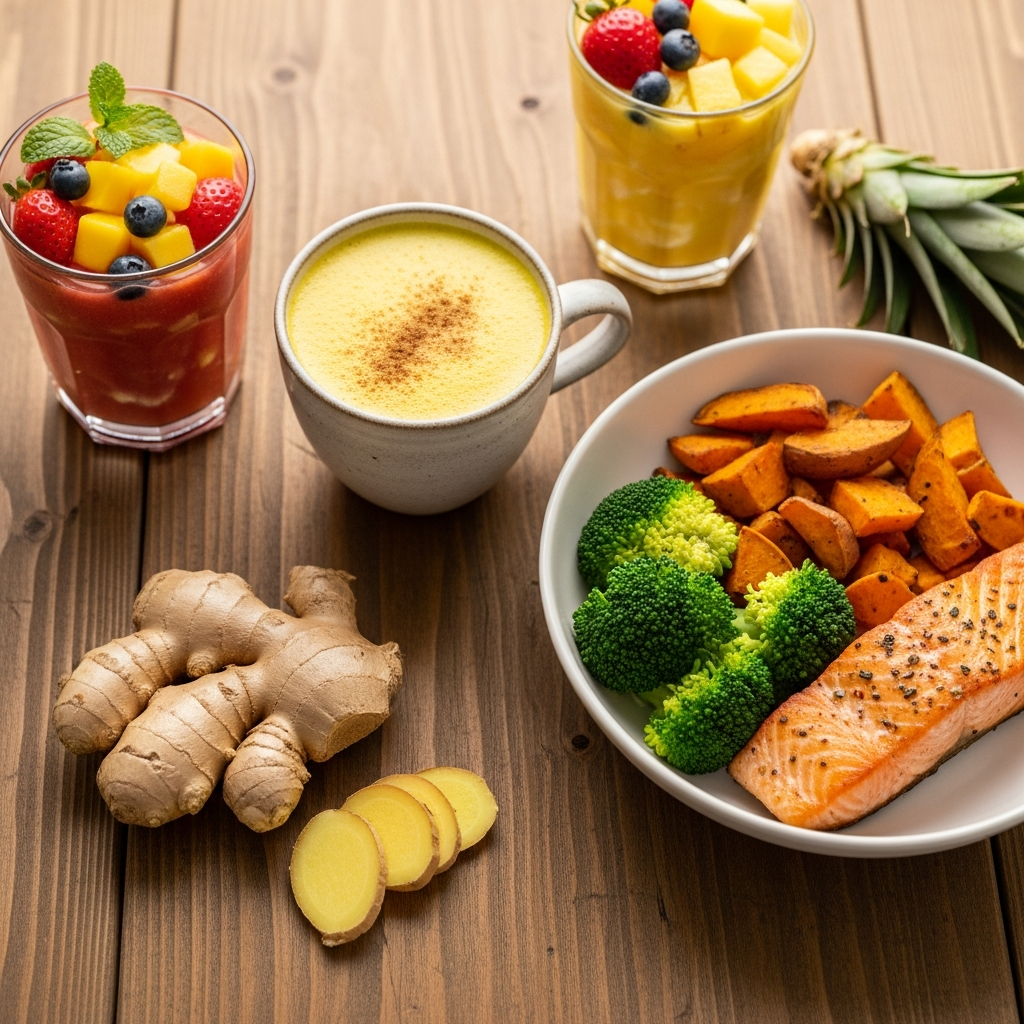
Golden Milk Turmeric Latte for New Moms
Prep Time: 5 minutes | Best For: Week 1+ (gentle, one-handed sipping)
Ingredients:
- 1.5 cups whole milk or oat milk
- 1 teaspoon ground turmeric (or 1 inch fresh, grated)
- 1/2 teaspoon ground ginger
- 1/4 teaspoon ground cinnamon
- 1 teaspoon honey or maple syrup
- Pinch of black pepper (enhances curcumin absorption)
- 1/2 teaspoon coconut oil
Instructions: Warm milk in a saucepan over medium-low heat. Whisk in turmeric, ginger, cinnamon, and black pepper. Simmer gently for 3-4 minutes without boiling. Remove from heat, stir in honey and coconut oil, and sip warm.
Why It Works: Curcumin in turmeric is a potent natural anti-inflammatory. A landmark pharmacokinetics study found that piperine from black pepper increased curcumin bioavailability by 2,000% in humans. That pinch of pepper transforms this latte from a comforting drink into a genuinely therapeutic one. This golden milk recipe for new moms is safe during breastfeeding in culinary amounts.
Ginger Turmeric Postpartum Healing Smoothie
Prep Time: 5 minutes | Best For: Week 1+ (no cooking required)
Ingredients:
- 1 cup frozen pineapple chunks (bromelain reduces swelling)
- 1/2 cup frozen mango
- 1 tablespoon ground flaxseed (omega-3)
- 1/2 teaspoon turmeric powder
- 1/2 inch fresh ginger, peeled
- 1 cup coconut water
- 1/2 cup plain Greek yogurt (protein + probiotics)
- 1 tablespoon hemp seeds
Instructions: Add coconut water and yogurt to blender first. Add remaining ingredients. Blend until smooth, about 60-90 seconds. Drink immediately.
Why It Works: Bromelain from pineapple is a natural enzyme that reduces tissue swelling and bruising. EPA and DHA omega-3 fatty acids are capable of partly inhibiting many aspects of inflammation, including the production of pro-inflammatory prostaglandins. The flaxseed and hemp seeds deliver these omega-3 fats directly.
Anti-Inflammatory Salmon and Sweet Potato Bowl
Prep Time: 30 minutes | Best For: Week 2+ (substantial recovery dinner)
Ingredients:
- 5 oz wild salmon fillet
- 1 medium sweet potato, cubed
- 1 cup steamed broccoli
- 1 tablespoon olive oil
- 1/2 teaspoon turmeric
- Juice of half a lemon
- Salt and pepper to taste
Instructions: Preheat oven to 400°F. Toss sweet potato cubes with half the olive oil and turmeric; roast 20 minutes. Season salmon with lemon, salt, and pepper. Add salmon to baking sheet for the final 12 minutes. Steam broccoli while salmon finishes. Plate together and drizzle with remaining olive oil and lemon.
Why It Works: Wild salmon delivers concentrated EPA and DHA omega-3 fatty acids, which directly reduce prostaglandin-driven inflammation at perineal healing sites. Sweet potato provides beta-carotene, converting to vitamin A for epithelial tissue repair.
Stool Softening Foods After Vaginal Birth: Recipes for Comfortable Bowel Movements
The first postpartum bowel movement is a top concern after vaginal birth -- and for good reason. Research shows that the prevalence of constipation reaches 52% in postpartum women. Straining puts direct pressure on healing perineal tissue and can compromise stitches. Your goal is soft, easy-to-pass stools through strategic fiber intake, hydration, and natural stool-softening compounds. You need both soluble fiber (absorbs water, forms gel) and insoluble fiber (adds bulk, stimulates movement).
High-Fiber Warm Oat Bowl with Stewed Prunes
Prep Time: 10 minutes | Fiber: 12g per serving | Best For: Day 1+
Ingredients:
- 1/2 cup rolled oats (4g fiber)
- 1 cup water + 1/2 cup milk
- 4 dried prunes, chopped (3g fiber + sorbitol)
- 1 tablespoon ground flaxseed (3g fiber)
- 1 tablespoon chia seeds (5g fiber when hydrated)
- 1 teaspoon cinnamon
- 1 tablespoon maple syrup
Instructions: Combine oats, water, milk, and prunes in a saucepan. Cook over medium heat for 5-7 minutes. Remove from heat, stir in flaxseed and chia seeds. Let stand 2 minutes for chia to absorb liquid. Top with cinnamon and maple syrup.
Why It Works: A randomized placebo-controlled trial found that prune intake significantly decreased hard and lumpy stools while increasing normal stool frequency. The sorbitol in prunes is a natural osmotic agent that draws water into the intestine, creating softer stools without straining against perineal stitches.
Stewed Pear and Ginger Compote
Prep Time: 15 minutes | Fiber: 8g per serving | Best For: Day 1-7
Ingredients: 3 ripe pears (peeled and cubed), 1/2 cup water, 1 tablespoon fresh ginger (minced), 1 tablespoon lemon juice, 1 teaspoon honey, pinch of cardamom.
Instructions: Combine pear cubes, water, and ginger in a small pot. Simmer 10-12 minutes until pears are very soft. Lightly mash to desired consistency. Stir in lemon juice, honey, and cardamom. Serve warm as a side, dessert, or yogurt topping.
Why It Works: Pears are one of the highest-sorbitol fruits, making them a gentle natural stool softener. Cooking concentrates their fiber content while making them easier to digest. Ginger supports digestive motility without harsh stimulation -- ideal for the first days postpartum.
Red Lentil and Butternut Squash Soup
Prep Time: 35 minutes | Fiber: 14g | Protein: 18g | Servings: 6 (freezer-friendly)
Ingredients:
- 1 cup dried red lentils
- 2 cups butternut squash, cubed
- 1 onion, diced; 3 cloves garlic, minced
- 4 cups vegetable or chicken broth
- 1 teaspoon cumin, 1/2 teaspoon turmeric
- Juice of 1 lemon; 2 tablespoons olive oil
- Salt and pepper to taste
Instructions: Heat olive oil in a large pot and saute onion and garlic for 3 minutes. Add cumin and turmeric; stir 30 seconds. Add squash, lentils, and broth; bring to a boil. Reduce heat and simmer 25 minutes until lentils dissolve. Use an immersion blender for smooth texture. Stir in lemon juice and season. Freeze extras in single-serving containers.
Why It Works: Red lentils provide both soluble and insoluble fiber plus plant-based iron. The soft texture is easy to eat when sitting is uncomfortable due to perineal stitches -- one of the best high-fiber meals for new moms seeking foods to prevent constipation after birth.
Bone Broth for Postpartum Recovery: Collagen-Rich Recipes for Tissue Repair
Why Postpartum Bone Broth Benefits Perineal Wound Healing
Bone broth is the cornerstone recovery food after vaginal birth. It delivers glycine, proline, and hydroxyproline -- the three amino acids forming the collagen triple helix that rebuilds perineal connective tissue. Gelatin from bone broth also supports gut lining integrity, improving nutrient absorption during recovery.
Warm liquids increase blood flow to healing tissues, delivering nutrients more efficiently. One cup of bone broth provides approximately 10g protein in an easily digestible, hydrating form. Sipping broth throughout the day maintains a steady amino acid supply to wound sites rather than relying solely on meal-based nutrition.
Slow Cooker Bone Broth Recipe for Perineal Healing
Prep Time: 15 minutes active, 24 hours slow cooking | Yield: 8-10 cups | Protein: 10g per cup
Ingredients:
- 3 lbs mixed bones (chicken carcasses, beef marrow bones, or combination)
- 2 tablespoons apple cider vinegar (draws minerals from bones)
- 1 onion (quartered), 3 carrots, 3 celery stalks (roughly chopped)
- 4 cloves garlic (smashed), 1 inch fresh ginger
- 1 tablespoon whole peppercorns, 2 bay leaves
- Water to cover (approximately 12 cups)
Instructions: Place bones in slow cooker with apple cider vinegar; let sit 30 minutes so acid extracts minerals. Add vegetables, garlic, ginger, peppercorns, and bay leaves. Cover with water, leaving 1 inch from the rim. Cook on LOW for 24 hours (chicken) or up to 48 hours (beef). Strain through fine mesh strainer. Cool, refrigerate, and skim solidified fat. Freeze in ice cube trays or single-cup containers.
Storage: Refrigerator 4-5 days; Freezer 3-4 months. Daily goal: 2-3 cups sipped warm throughout the day.
Postpartum Healing Soup: Chicken, Ginger, and Greens in Bone Broth
Prep Time: 25 minutes | Protein: 28g per serving | Servings: 6
Ingredients: 6 cups homemade bone broth, 1 lb chicken breast (diced), 2 cups baby spinach, 1 inch fresh ginger (sliced), 2 cloves garlic, 1 cup cooked rice, 2 green onions, 1 tablespoon soy sauce, squeeze of fresh lime.
Instructions: Bring bone broth to a simmer. Add ginger and garlic; cook 3 minutes. Add chicken; poach gently 8-10 minutes. Stir in spinach and rice; cook 2 more minutes. Season with soy sauce and lime juice. Ladle into bowls and garnish with green onions.
Why It Works: This postpartum soup recipe for healing combines collagen precursors from bone broth with complete protein from chicken, iron from spinach, and immune-supporting compounds from ginger. Warm soups are a traditional postpartum healing food across many cultures -- warmth improves circulation to healing tissues.

Iron-Rich Recipes to Rebuild Blood After Vaginal Delivery
Average blood loss during vaginal delivery ranges from 300-500 mL, and it increases with perineal tearing and episiotomy. Iron-rich foods paired with vitamin C maximize both heme and non-heme iron absorption, supporting oxygen delivery to healing perineal tissue.
Slow Cooker Beef and Dark Leafy Green Stew
Prep Time: 15 minutes active, 6 hours slow cooking | Iron: 6mg per serving (33% DV) | Protein: 30g | Servings: 6 (freezer-friendly)
Ingredients: 1.5 lbs beef chuck (cubed), 3 cups dark leafy greens (kale, spinach, or chard), 1 can diced tomatoes, 2 carrots (sliced), 1 onion, 3 cloves garlic, 3 cups beef broth, 1 tablespoon tomato paste, 1 teaspoon each thyme and rosemary, 1 tablespoon olive oil.
Instructions: Season beef with salt, pepper, thyme, and rosemary. Place in slow cooker with olive oil, onion, garlic, carrots, tomatoes, tomato paste, and broth. Cook on LOW 6 hours until beef is fall-apart tender. Stir in dark leafy greens during the last 15 minutes.
Why It Works: This stew combines heme iron from beef with vitamin C from tomatoes. Heme iron absorbs at 15-35% efficiency, and vitamin C enhances non-heme iron absorption from leafy greens. One serving delivers a third of daily iron needs for postpartum blood restoration.
Quick Spinach and Egg Iron-Boost Scramble
Prep Time: 10 minutes | Iron: 4mg per serving | Protein: 20g
Ingredients: 3 large eggs, 2 cups baby spinach, 1/4 cup diced bell pepper, 1 tablespoon olive oil, squeeze of lemon juice.
Instructions: Heat olive oil in a non-stick pan. Add spinach and bell pepper; saute 2 minutes until wilted. Whisk eggs and pour over vegetables. Scramble gently until just set. Squeeze lemon juice over finished scramble.
Why It Works: This breakfast pairs iron sources (eggs, spinach) with vitamin C (bell pepper, lemon) for maximum absorption. Choline in eggs supports cellular repair at wound sites -- an ideal quick option among iron-rich foods after vaginal birth.
Postpartum Recovery Meal Plan and Freezer Prep for Vaginal Birth
Week 1 Postpartum Meals: Day-by-Day Healing Food Schedule
Days 1-2 (Immediate Recovery -- Soft, Gentle Foods):
| Meal | What to Eat | Why |
|---|---|---|
| Breakfast | Warm oat bowl with stewed prunes | Gentle fiber for first bowel movement |
| Mid-Morning | Bone broth in a mug (1 cup) | Collagen for perineal healing |
| Lunch | Red lentil and butternut squash soup | Soft texture, fiber, plant-based iron |
| Afternoon | Stewed pear compote with yogurt | Sorbitol for stool softening, probiotics |
| Dinner | Chicken, ginger, and greens healing soup | Complete protein, iron, anti-inflammatory |
| Evening | Golden milk turmeric latte | Anti-inflammatory, calming before sleep |
Days 3-5 (Building Strength -- Increase Variety):
| Meal | What to Eat | Why |
|---|---|---|
| Breakfast | Spinach and egg iron-boost scramble | Iron + protein for blood replenishment |
| Mid-Morning | Ginger turmeric healing smoothie | Anti-inflammatory, omega-3, hydration |
| Lunch | Leftover lentil soup + whole grain bread | Sustained fiber and protein |
| Afternoon | Greek yogurt with berries and hemp seeds | Protein, probiotics, vitamin C |
| Dinner | Salmon and sweet potato bowl | Omega-3, vitamin A for tissue repair |
| Evening | Bone broth sipping (1 cup) | Ongoing collagen support |
Postpartum Freezer Meals to Prep Before Your Due Date
| Recipe | Freezer Life | Reheat Method |
|---|---|---|
| Bone broth | 3-4 months | Thaw overnight, warm on stove |
| Red lentil soup | 3 months | Microwave or stovetop |
| Beef and greens stew | 3 months | Thaw overnight, reheat gently |
| Chicken healing soup (without rice) | 3 months | Thaw, reheat, add fresh rice |
| Stewed pear compote | 2 months | Thaw overnight or microwave |
Batch Cooking Strategy (Third Trimester):
- Week 36: Make and freeze bone broth (20+ cups)
- Week 37: Cook and freeze 2-3 soups and stews (18+ portions)
- Week 38: Prepare stewed pear compote and energy bites
- Week 39: Stock fresh staples -- eggs, yogurt, prunes, bananas, leafy greens
One-Handed Snacks and What to Ask Visitors to Cook
When you are breastfeeding with one hand and recovering with your whole body, these one-handed postpartum snacks for healing keep nutrition flowing:
- Bone broth in a thermos (10g protein per cup)
- Pre-peeled hard-boiled eggs (7g protein each)
- Trail mix with pumpkin seeds and dried apricots (zinc + iron + fiber)
- Greek yogurt cups with spoon pre-inserted (15g protein)
- Nut butter on banana halves (protein + potassium)
- Cheese cubes with whole grain crackers (calcium + protein)
For Partners and Visitors: Share the bone broth recipe and request a large batch. Ask each visitor to bring one freezer-friendly meal from this guide. Be specific: "We would love a pot of lentil soup" works far better than "Can I bring anything?"
Traditional Postpartum Healing Foods from Around the World
Long before modern nutrition confirmed the benefits of collagen and anti-inflammatory compounds, cultures worldwide developed postpartum food traditions rooted in centuries of observation. These traditional postpartum recovery foods offer diverse approaches to the same healing goals.
Chinese Postpartum Confinement Food: Sesame Oil Chicken (Zuo Yuezi)
Zuo yuezi -- "sitting the month" -- is a 30-day recovery tradition emphasizing warming foods. Sesame oil chicken (ma you ji) is a cornerstone recipe: bone-in chicken cooked in toasted sesame oil with generous fresh ginger. Ginger warms the body and improves circulation, sesame oil provides healthy fats, and bone-in chicken delivers collagen precursors for tissue repair. Cold foods are avoided, aligning with the understanding that warm liquids improve blood flow to healing tissues.
Korean Seaweed Soup for New Moms (Miyeok-Guk)
Miyeok-guk is the traditional Korean postpartum food, eaten daily for weeks after birth. Dried seaweed (wakame) is rich in iodine for thyroid recovery, calcium to replenish bone stores, iron to address blood loss, and fiber for digestive comfort. The base of beef broth with rehydrated seaweed, garlic, sesame oil, and soy sauce creates a mineral-dense recovery meal that modern nutrition validates. This miyeok-guk seaweed soup recipe is traditionally prepared by the mother-in-law, honoring the recovery process.
Indian Postpartum Healing Traditions: Ajwain Water and Turmeric Milk
The Indian Jappa period (40 days) emphasizes spice-based healing. Ajwain (carom seed) water, steeped warm, eases digestive discomfort. Haldi doodh -- the original golden milk -- combines turmeric, warm milk, and ghee for anti-inflammatory healing. Panjiri, a nutrient-dense mixture of whole wheat flour, ghee, nuts, and seeds, provides concentrated energy. The emphasis on ghee and warm spices supports digestion and tissue repair.
Frequently Asked Questions About Vaginal Birth Recovery Diet
What foods help heal perineal tears after birth?
Foods high in vitamin C (citrus, bell peppers, strawberries), zinc (beef, pumpkin seeds, chickpeas), and collagen-building amino acids (bone broth, chicken, eggs) directly support perineal tear healing. Aim for 80-100 grams of protein daily, and pair with vitamin C to convert amino acids into functional collagen at wound sites.
How do I prevent constipation after vaginal delivery?
Eat stool softening foods like prunes (natural sorbitol), oats, flaxseed, chia seeds, lentils, and stewed pears from day one. Drink 8-10 cups of water daily. Include both soluble and insoluble fiber in every meal. Warm bone broth and stewed fruits promote bowel movement without straining.
Is bone broth good for postpartum recovery after vaginal birth?
Yes. Bone broth provides glycine, proline, and hydroxyproline -- the amino acids forming collagen that rebuilds perineal tissue. It delivers about 10 grams of protein per cup in an easily digestible form. Sip 2-3 cups daily for steady healing nutrient delivery.
What should I eat the first week after vaginal delivery?
Focus on soft, warm foods: bone broth soups, scrambled eggs with spinach, oatmeal with prunes, lentil soup, stewed fruits, golden milk, and Greek yogurt. Prioritize collagen-building protein, high-fiber foods for constipation prevention, and anti-inflammatory foods. Eat small, frequent meals.
What foods should I avoid after vaginal birth with stitches?
Avoid constipation-causing foods: white bread, white rice, processed cheese, unripe bananas, and excessive caffeine. Skip alcohol (dehydrates, impairs healing) and reduce refined sugar (increases inflammation). Gas-producing foods in large quantities may create abdominal pressure that strains stitches.
Does turmeric help with postpartum swelling?
Yes. Curcumin in turmeric is a natural anti-inflammatory that helps reduce perineal swelling. It is safe during breastfeeding in culinary amounts (up to 1 teaspoon daily). Black pepper dramatically increases absorption. Discuss supplemental doses with your healthcare provider.
How long should I follow a recovery diet after vaginal birth?
Target 6-8 weeks of focused nutrition. Weeks 1-3 are most critical as collagen production peaks. After 6 weeks, superficial healing is mostly complete, but tissue remodeling continues 3-6 months. Breastfeeding mothers should maintain elevated protein and iron throughout lactation.
Can I follow a vegan diet while recovering from vaginal birth?
Yes, with planning. Focus on complete plant proteins (quinoa, soy, hemp seeds), supplement vitamin B12, and pair vitamin C-rich foods with plant-based iron sources. Consider a collagen-boosting approach with high vitamin C and glycine-rich plant foods.
Start Your Vaginal Birth Recovery Diet Today
Your vaginal birth recovery diet is not generic postpartum eating -- it requires specific attention to four pillars: collagen-building foods for perineal tissue repair, high-fiber foods for stool softening, anti-inflammatory foods for swelling reduction, and iron-rich foods for blood restoration. Every recipe in this guide serves at least one of those healing purposes.
The most practical step you can take right now? Start with the bone broth. Set your slow cooker tonight, and by tomorrow you will have the foundation for dozens of healing meals. Share the freezer prep list with your partner or family, bookmark this guide, and remember: healing is progressive, and nutrition is one of the most powerful tools within your control.
Your body accomplished the extraordinary work of bringing your baby into the world. Now give it the precise fuel it needs to rebuild, recover, and thrive. PatPat is here to support your family through every stage -- from recovery recipes that nourish you to comfortable baby clothing that makes those early weeks with your newborn a little easier.




