


Here is a fact that might surprise you: vitamin C can increase your body's iron absorption by up to 67%, making it one of the most powerful natural allies against pregnancy anemia. If you have ever felt exhausted, dizzy, or short of breath during your pregnancy, low iron levels might be the culprit. The good news? You can dramatically improve how much iron your body actually uses simply by pairing the right foods together.
During pregnancy, your iron needs nearly double. The recommended dietary allowance jumps from 18mg to 27mg daily to support your expanding blood volume and your growing baby. Yet many expecting mothers struggle to meet these increased demands, leaving them vulnerable to iron deficiency anemia. At PatPat, we understand that nourishing yourself and your little one is a top priority, which is why we have created this comprehensive guide to help you maximize every bite.
In this article, you will discover exactly how vitamin C enhances iron absorption at the cellular level, which foods are safest during pregnancy, and 15 delicious recipes that strategically pair iron-rich ingredients with vitamin C sources. We will also address common concerns like citrus heartburn and provide a practical meal planning framework. Whether you are in your first trimester or approaching your due date, these evidence-based strategies will help you build a stronger, healthier pregnancy.
How Vitamin C Enhances Iron Absorption During Pregnancy
Understanding the science behind vitamin C and iron absorption can help you make smarter food choices throughout your pregnancy. When you eat iron-rich foods, your body does not absorb all of that iron equally. The type of iron and what you eat alongside it makes a significant difference in how much actually enters your bloodstream.
The Science Behind Non-Heme Iron Absorption
Iron exists in two forms in the foods you eat: heme iron and non-heme iron. Heme iron, found in animal products like meat and fish, enjoys a relatively efficient absorption rate of 15% to 35%. Non-heme iron, which comes from plant sources like spinach, lentils, and fortified cereals, has a much lower absorption rate of just 2% to 20%.
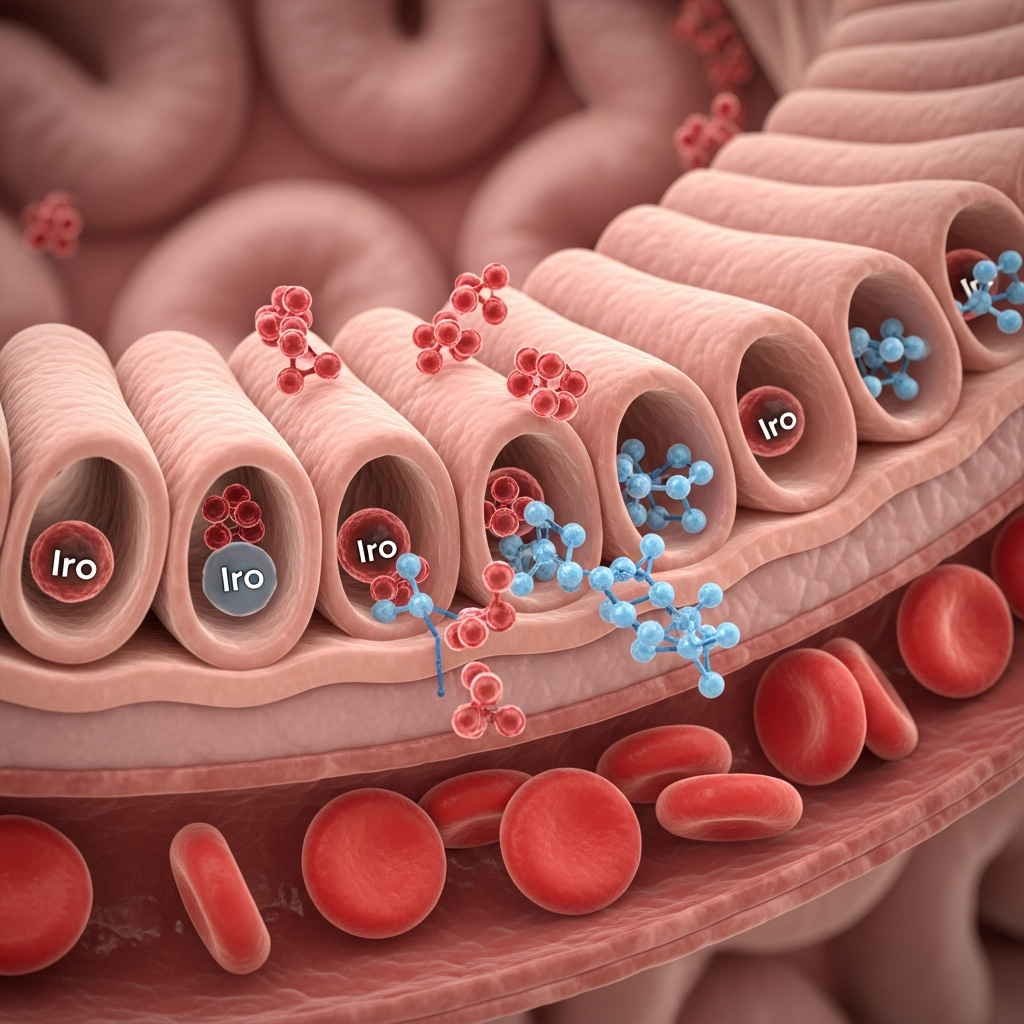
This is where vitamin C becomes your secret weapon. Ascorbic acid, the chemical name for vitamin C, works by converting iron from its ferric form (Fe3+) to the ferrous form (Fe2+). Your intestinal cells can absorb ferrous iron much more efficiently than ferric iron. When you consume vitamin C alongside non-heme iron sources, you essentially unlock more of that iron for your body to use. For optimal results, aim to include 25 to 100 milligrams of vitamin C with each iron-rich meal.
Why Your Iron Needs Increase Each Trimester
Your body's iron demands do not remain constant throughout pregnancy. They escalate dramatically as your baby grows and your blood volume expands. Blood volume increases by approximately 50% during pregnancy, requiring significantly more iron to produce adequate hemoglobin.
- First trimester: Your body absorbs roughly 0.8 milligrams of iron daily
- Second trimester: Absorption needs jump to 4 to 5 milligrams daily
- Third trimester: Your body needs to absorb up to 10 milligrams daily to support rapid fetal growth
This progressive increase connects directly to your baby's development. Iron is essential for oxygen transport to the placenta, brain development, and the formation of healthy red blood cells in your baby.
Best Vitamin C Foods That Are Safe During Pregnancy
Choosing the right vitamin C sources during pregnancy means balancing nutritional benefits with safety considerations. Some options may surprise you with their vitamin C content, while others require a bit of caution depending on your individual circumstances.
High-Vitamin C Vegetables for Expecting Mothers
Vegetables often contain more vitamin C than you might expect, with some surpassing citrus fruits entirely. Red bell peppers lead the pack with an impressive 126 milligrams of vitamin C per 100 grams, making them the highest vitamin C vegetable available. This means just half a red bell pepper provides more vitamin C than an entire orange.
Other excellent vegetable sources include:
- Broccoli: 89mg per 100g, also provides folate and fiber
- Brussels sprouts: 85mg per 100g, rich in additional B vitamins
- Kale: 120mg per 100g, packed with iron as well
- Tomatoes: 23mg per 100g, versatile in countless recipes
- Cauliflower: 48mg per 100g, gentle on sensitive stomachs
To preserve maximum vitamin C content, try steaming vegetables briefly rather than boiling them. Water-soluble vitamins like vitamin C leach into cooking water, so keeping vegetables crisp-tender helps retain more nutrients.
Citrus Fruits and Berries Safe for Pregnancy
Citrus fruits and berries provide excellent vitamin C alongside other pregnancy-supporting nutrients like folate and hydration. Citrus fruits are considered safe and beneficial during pregnancy according to medical experts.
| Fruit | Vitamin C (per 100g) | Special Considerations |
|---|---|---|
| Kiwi | 93mg | Excellent choice, rarely causes heartburn |
| Strawberries | 59mg | Low acid, gentle on stomach |
| Oranges | 53mg | May worsen heartburn in some women |
| Grapefruit | 31mg | Check medication interactions |
| Papaya (ripe) | 62mg | Only ripe papaya is safe; avoid unripe |
One important note: unripe papaya contains latex, which may trigger contractions and should be strictly avoided during pregnancy. Ripe papaya with its orange flesh is perfectly safe and provides excellent vitamin C.
Managing Heartburn While Eating Citrus During Pregnancy
Heartburn affects up to 80% of pregnant women, particularly in the second and third trimesters. If citrus fruits trigger your acid reflux, try eating citrus earlier in the day, pairing it with other foods, or choosing lower-acid options like strawberries and kiwi. You can also opt for bell peppers and broccoli as your primary vitamin C sources, which are gentler on your digestive system.
Iron-Rich Foods to Pair with Vitamin C Sources
Now that you understand which vitamin C foods work best during pregnancy, let us explore the iron-rich ingredients that benefit most from strategic pairing. Whether you follow an omnivore, vegetarian, or vegan diet, plenty of options exist to meet your increased iron needs.
Animal-Based Iron Sources (Heme Iron)
Heme iron from animal sources enjoys superior absorption rates, making it particularly valuable during pregnancy.
- Lean beef: 3.2mg per 3-ounce serving, excellent choice for quick iron boost
- Chicken liver: 11mg per 3-ounce serving (limit to once weekly due to vitamin A content)
- Turkey: 1.1mg per 3-ounce serving, lower fat option
- Salmon: 1.1mg per 3-ounce serving plus omega-3 fatty acids for baby's brain development
- Sardines: 2.5mg per 3-ounce serving, also provides calcium when eaten with bones
Plant-Based Iron Sources for Vegetarian Pregnancies
If you follow a plant-based diet, pairing vitamin C with your iron sources becomes even more critical. Non-heme iron absorption can increase dramatically with the right combinations.
- Lentils: 6.6mg per cup cooked, also excellent protein source
- Chickpeas: 4.7mg per cup, versatile in salads, soups, and hummus
- Spinach: 6.4mg per cup cooked, though oxalates reduce absorption somewhat
- Tofu: 3mg per half cup, check for calcium-set varieties
- Quinoa: 2.8mg per cup cooked, complete protein with all essential amino acids
- Fortified cereals: varies widely (check labels), can provide 18mg or more per serving
Fortified Foods and Iron Supplement Considerations
Sometimes dietary sources alone cannot meet your iron needs. Your healthcare provider might recommend a separate iron supplement if your hemoglobin levels drop below healthy ranges. Take your iron supplement with orange juice or another vitamin C source to enhance absorption, and maintain a two-hour gap between iron and calcium consumption.
15 Easy Vitamin C and Iron Recipes for Pregnancy
These carefully designed recipes maximize iron absorption by strategically pairing iron-rich ingredients with vitamin C sources. Each recipe includes nutritional information and preparation time.
Iron-Boosting Breakfast Recipes with Vitamin C
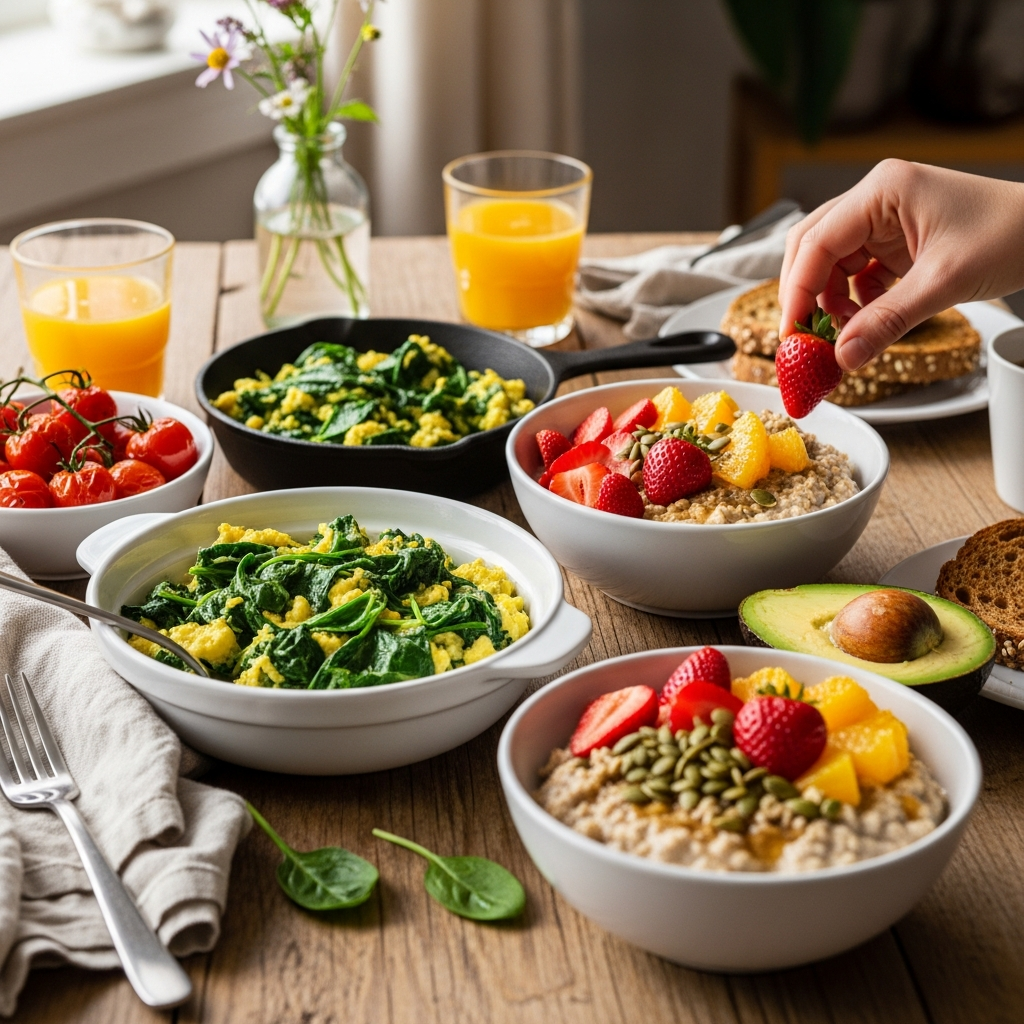
Recipe 1: Spinach and Bell Pepper Egg Scramble
- Ingredients: 2 large eggs, 1 cup fresh spinach, 1/2 red bell pepper (diced), 1 tablespoon olive oil
- Instructions: Saute bell pepper for 2 minutes, add spinach until wilted, pour in beaten eggs and scramble.
- Iron: 3.2mg | Vitamin C: 95mg | Prep: 10 minutes
Recipe 2: Fortified Oatmeal with Strawberry-Orange Topping
- Ingredients: 1 cup fortified oatmeal, 1/2 cup sliced strawberries, 1/2 orange (segmented), honey
- Instructions: Prepare oatmeal, top with fresh fruit and drizzle with honey.
- Iron: 10mg | Vitamin C: 65mg | Prep: 8 minutes
Recipe 3: Lentil and Tomato Breakfast Hash
- Ingredients: 1/2 cup cooked lentils, 1 cup diced tomatoes, onion, cumin and paprika
- Instructions: Saute onion, add lentils, tomatoes, and spices until heated through.
- Iron: 3.3mg | Vitamin C: 15mg | Prep: 15 minutes
Quick Lunch Ideas for Maximum Iron Absorption
Recipe 4: Chickpea and Citrus Quinoa Bowl
- Ingredients: 1 cup cooked quinoa, 1/2 cup chickpeas, orange segments, arugula, lemon-olive oil dressing
- Instructions: Layer quinoa in a bowl, top with chickpeas, arugula, orange segments, and drizzle with dressing.
- Iron: 5.5mg | Vitamin C: 55mg | Prep: 20 minutes
Recipe 5: Spinach Strawberry Pregnancy Power Salad
- Ingredients: 3 cups baby spinach, 1 cup sliced strawberries, walnuts, feta cheese, balsamic vinaigrette
- Instructions: Toss spinach with strawberries and walnuts, top with feta and dressing.
- Iron: 2.7mg | Vitamin C: 50mg | Prep: 10 minutes
Recipe 6: Lentil Soup with Fresh Lemon Squeeze
- Ingredients: 1 cup red lentils, carrots, onion, vegetable broth, fresh lemon juice
- Instructions: Simmer lentils with vegetables in broth for 25 minutes, squeeze fresh lemon before serving.
- Iron: 6.6mg | Vitamin C: 30mg | Prep: 30 minutes
Pregnancy-Safe Dinner Recipes High in Iron
Recipe 7: Lean Beef Stir-Fry with Bell Peppers and Broccoli
- Ingredients: 4oz lean beef strips, mixed bell peppers, broccoli, low-sodium soy sauce, ginger
- Instructions: Stir-fry beef until browned, add vegetables until crisp-tender, season with soy sauce and ginger.
- Iron: 3.2mg | Vitamin C: 150mg | Prep: 25 minutes
Recipe 8: Tofu and Vegetable Curry with Tomato Base
- Ingredients: Firm tofu (cubed), diced tomatoes, spinach, coconut milk, curry powder
- Instructions: Brown tofu, add tomatoes and coconut milk, simmer 10 minutes, stir in spinach.
- Iron: 4.5mg | Vitamin C: 25mg | Prep: 30 minutes
Recipe 9: Grilled Salmon with Mango Salsa
- Ingredients: 4oz salmon fillet, diced mango, red onion, cilantro, lime juice
- Instructions: Grill salmon, mix mango salsa ingredients, top salmon with fresh salsa.
- Iron: 1.1mg + omega-3s | Vitamin C: 45mg | Prep: 20 minutes
Recipe 10: White Bean and Kale Pasta
- Ingredients: Whole grain pasta, white beans, kale, cherry tomatoes, parmesan
- Instructions: Cook pasta, saute kale and tomatoes, add beans, toss with pasta and parmesan.
- Iron: 5mg | Vitamin C: 20mg | Prep: 25 minutes
Iron-Rich Pregnancy Smoothie Recipes
Recipe 11: Spinach-Strawberry-Orange Iron Boost Smoothie
- Ingredients: 1 cup spinach, 1/2 cup strawberries, 1 orange (peeled), banana, almond milk
- Instructions: Blend all ingredients until smooth.
- Iron: 1.5mg | Vitamin C: 85mg | Prep: 5 minutes
Recipe 12: Kale-Mango-Pineapple Tropical Smoothie
- Ingredients: 1 cup kale, frozen mango, frozen pineapple, coconut water
- Instructions: Blend kale with coconut water first, then add frozen fruits.
- Iron: 1.1mg | Vitamin C: 100mg | Prep: 5 minutes
Recipe 13: Beet-Berry Hemoglobin Helper
- Ingredients: 1 small roasted beet, mixed berries, orange juice, Greek yogurt
- Instructions: Blend pre-roasted beet with berries, orange juice, and yogurt.
- Iron: 0.8mg + folate | Vitamin C: 70mg | Prep: 5 minutes
Quick Iron-Boosting Snacks with Vitamin C
Snack 14: Hummus with Bell Pepper Strips
- Ingredients: 1/4 cup hummus, 1 whole bell pepper (sliced into strips)
- Iron: 1.2mg | Vitamin C: 126mg | Prep: 3 minutes
Snack 15: Trail Mix with Dried Apricots and Fresh Kiwi
- Ingredients: Pumpkin seeds, dried apricots, 1 fresh kiwi (sliced)
- Iron: 2.5mg | Vitamin C: 64mg | Prep: 5 minutes
Foods and Drinks That Block Iron Absorption
Just as certain foods enhance iron absorption, others can significantly reduce it. Understanding these iron blockers helps you time your meals strategically.
Calcium-Rich Foods and Iron Timing
Calcium and iron compete for the same absorption pathways. Calcium can inhibit iron absorption by 50% to 60% when consumed together. Separate high-calcium foods from high-iron meals by at least one to two hours. This principle also applies to prenatal vitamins containing both minerals.
Tannins in Tea and Coffee During Pregnancy
Tea and coffee contain tannins that bind to iron and carry it out of your body before absorption can occur. Both caffeinated and decaffeinated versions contain these iron-blocking tannins. Research indicates that tannins can reduce iron absorption by up to 60% when consumed with meals. Drink these beverages between meals rather than with food.
Phytates and Oxalates in High-Fiber Foods
Whole grains, nuts, seeds, and some vegetables contain phytates and oxalates that can bind to iron. Cooking and soaking can reduce phytate content, and vitamin C can partially counteract these iron blockers.
Immune System Benefits of Vitamin C During Pregnancy
Beyond its role in iron absorption, vitamin C offers significant immune system benefits that protect both you and your developing baby throughout pregnancy.
Protecting Both Mother and Baby with Antioxidants
Vitamin C functions as a powerful antioxidant, neutralizing harmful free radicals that can damage cells. During pregnancy, oxidative stress can affect placental health and fetal development. Adequate vitamin C intake helps combat this stress and supports a healthy pregnancy environment.
Building Baby's Immune System Through Nutrition
Your vitamin C intake directly influences your baby's developing immune system. The recommended daily allowance of vitamin C during pregnancy is 85 milligrams for women aged 19 and older. Vitamin C also plays an essential role in collagen production, which is necessary for the formation of your baby's skin, bones, and connective tissues.
Week-by-Week Meal Planning for Optimal Iron Intake
Putting all this information into practice requires a practical meal planning approach. This sample schedule incorporates iron-vitamin C pairings while accounting for common pregnancy challenges.
Sample Weekly Iron-Boosting Meal Schedule
| Day | Breakfast | Lunch | Dinner | Snack |
|---|---|---|---|---|
| Monday | Spinach Scramble | Chickpea Quinoa Bowl | Beef Stir-Fry | Hummus + Peppers |
| Tuesday | Fortified Oatmeal | Spinach Strawberry Salad | Salmon + Mango Salsa | Trail Mix + Kiwi |
| Wednesday | Lentil Hash | Lentil Soup | Tofu Vegetable Curry | Iron Boost Smoothie |
| Thursday | Spinach Scramble | Chickpea Quinoa Bowl | White Bean Kale Pasta | Hummus + Peppers |
| Friday | Fortified Oatmeal | Spinach Strawberry Salad | Beef Stir-Fry | Tropical Smoothie |
| Saturday | Lentil Hash | Lentil Soup | Salmon + Mango Salsa | Trail Mix + Kiwi |
| Sunday | Spinach Scramble | Chickpea Quinoa Bowl | Tofu Vegetable Curry | Beet-Berry Smoothie |
Meal Prep Strategies for Busy Pregnant Moms
- Weekend bean cooking: Prepare a large batch of lentils and chickpeas to use throughout the week
- Pre-cut vegetables: Slice bell peppers, broccoli, and other vitamin C veggies for quick addition to any meal
- Smoothie packs: Portion spinach, frozen fruits, and other smoothie ingredients into freezer bags for grab-and-blend convenience
- Cast iron cooking: Using cast iron cookware adds trace amounts of iron to acidic foods like tomato-based dishes
Frequently Asked Questions
Does vitamin C really help iron absorption during pregnancy?
Yes, vitamin C (ascorbic acid) can increase non-heme iron absorption by 67% to nearly 100%. It works by converting iron from its ferric form to ferrous form, which your body absorbs more easily. For maximum benefit, consume 25 to 100 milligrams of vitamin C with iron-rich meals.
Can I eat citrus fruits safely while pregnant?
Yes, citrus fruits are safe and beneficial during pregnancy. They provide essential vitamin C, folate, and hydration. However, if you experience heartburn, try eating citrus earlier in the day, in smaller portions, or choose lower-acid alternatives like bell peppers or strawberries.
How much iron do I need during pregnancy?
Pregnant women need 27 milligrams of iron daily, nearly double the 18 milligrams recommended for non-pregnant women. Your needs increase progressively each trimester, with the third trimester requiring the most iron to support increased blood volume and fetal development.
What foods should I avoid eating with iron-rich meals?
Avoid calcium-rich foods (dairy), tea, coffee, and high-calcium beverages within one to two hours of iron-rich meals. These substances can reduce iron absorption by 40% to 60%. Phytates in whole grains can also interfere, though vitamin C helps counteract this effect.
What are the best plant-based iron sources for vegetarian pregnancy?
Top plant-based iron sources include lentils (6.6mg per cup), spinach (6.4mg per cup cooked), chickpeas (4.7mg per cup), tofu (3mg per half cup), and fortified cereals (varies widely). Always pair these with vitamin C foods to maximize absorption of non-heme iron.
Can I take iron supplements with orange juice during pregnancy?
Yes, taking iron supplements with orange juice is highly effective. The vitamin C in orange juice enhances iron absorption significantly. However, avoid calcium-fortified orange juice, as calcium competes with iron absorption. Take supplements between meals for best results.
What are signs of iron deficiency during pregnancy?
Common signs include persistent fatigue, weakness, pale skin and nail beds, shortness of breath, dizziness, cold hands and feet, and difficulty concentrating. If you experience these symptoms, consult your healthcare provider for a blood test to check hemoglobin levels.
Does cooking destroy vitamin C in foods?
Yes, cooking reduces vitamin C content, as it is heat-sensitive and water-soluble. To preserve maximum vitamin C: steam vegetables briefly instead of boiling, eat some fruits and vegetables raw, avoid overcooking, and add citrus or lemon juice after cooking rather than during.
Taking the Next Step in Your Pregnancy Nutrition Journey
Understanding how vitamin C enhances iron absorption empowers you to make smarter food choices throughout your pregnancy. By strategically pairing iron-rich foods with vitamin C sources, you can potentially increase your iron absorption by up to 67%, a significant boost that helps prevent pregnancy anemia and supports your baby's healthy development.
Remember these key takeaways: aim for 27 milligrams of iron daily, include 25 to 100 milligrams of vitamin C with iron-rich meals, and time calcium consumption separately from iron sources. The 15 recipes in this guide make these principles practical and delicious, from quick breakfast scrambles to satisfying dinner stir-fries.
Whether you are managing heartburn, following a vegetarian diet, or simply looking for ways to boost your energy levels during pregnancy, these iron-vitamin C pairings offer solutions that work with your lifestyle. At PatPat, we believe that nourishing yourself and your growing baby should be both effective and enjoyable.
Start by incorporating one or two iron-boosting recipes into your weekly meal rotation. For more pregnancy nutrition guidance and supportive resources for expecting mothers, explore our complete collection of prenatal wellness articles. And remember, always consult with your healthcare provider about your specific iron needs, especially if you are experiencing symptoms of deficiency.




