


The iron you build today becomes your baby's first nutrient reserve tomorrow. If you're planning to conceive, your iron levels deserve serious attention right now.
Here's a surprising reality: approximately 14% of American women aged 20-59 have anemia, with iron deficiency being the leading cause. Even more concerning, many women with low iron stores show no obvious symptoms until they're already pregnant and their body's demands skyrocket.
Iron supports oxygen delivery to your developing embryo and helps prevent pregnancy complications. The National Institutes of Health recommends 18 mg of iron daily for women of reproductive age. Yet meeting this goal through diet alone requires strategic planning.
This guide delivers exactly what you need: practical iron rich recipes for fertility featuring red meat, spinach, and beans, complete with vitamin C pairing strategies that maximize absorption. Whether you prefer heme iron from animal sources or plant-based non-heme options, you'll discover how to increase iron levels before pregnancy through delicious, everyday meals. PatPat created this resource to help you build the nutritional foundation your future baby needs.
Why Iron Levels Matter for Conception and Early Pregnancy Success
How Iron Supports Fertility and Fetal Development
Iron does far more than prevent fatigue. This essential mineral enables hemoglobin production, which transports oxygen to your reproductive organs and, eventually, to your developing embryo.
Research reveals a compelling connection between iron and fertility. According to a 2025 study published in Acta Obstetricia et Gynecologica Scandinavica, women with iron deficiency who received iron treatment saw their conception rates increase from 64% to 77%. Prior research has shown that iron-containing supplements positively impact fertility in women with ovulatory infertility risk.
During the first trimester, your baby draws from your stored iron before the placenta fully develops. This makes preconception iron building essential. Iron requirements increase by 50% during pregnancy, jumping from 18 mg to 27 mg daily.
Understanding Your Hemoglobin and Ferritin Levels Before Pregnancy
Before trying to conceive, request an iron panel from your healthcare provider. A standard complete blood count (CBC) doesn't tell the whole story.
| Marker | Optimal Range for TTC | Deficient | Notes |
|---|---|---|---|
| Hemoglobin | 12.0-15.5 g/dL | Below 12.0 g/dL | Measures oxygen-carrying capacity |
| Ferritin | 50-150 ng/mL | Below 30 ng/mL | Measures iron stores; aim for 50+ before TTC |
| Serum Iron | 60-170 mcg/dL | Below 60 mcg/dL | Current iron in blood |
| TIBC | 250-370 mcg/dL | Varies | Total iron-binding capacity |
Ferritin matters more than hemoglobin for women trying to conceive because it reveals your stored iron, not just what's circulating. According to research published in Blood Advances by the American Society of Hematology, a prepregnancy ferritin concentration of greater than 50 μg/L is required to avoid developing iron deficiency during pregnancy.
Signs of Low Iron That May Affect Fertility
- Persistent fatigue and weakness (even mild deficiency causes this)
- Shortness of breath during normal activities
- Pale skin, brittle nails, cold hands and feet
- Heavy menstrual periods (both cause and symptom)
- Difficulty concentrating
- Restless leg syndrome
Many women with low iron are asymptomatic. Testing 3-6 months before actively trying to conceive gives you time to build adequate stores.
Heme Iron vs Non-Heme Iron: Which Foods Boost Absorption Best
Understanding the two types of dietary iron helps you plan iron foods for women trying to conceive more effectively.
Heme Iron Sources: Highest Absorption Rate (15-35% Absorbed)
Heme iron comes exclusively from animal sources. According to the NIH StatPearls resource, 15% to 35% of heme iron is absorbed, making it the most bioavailable form.
| Food | Serving Size | Iron (mg) | Additional Benefits |
|---|---|---|---|
| Oysters | 3 oz | 7.8 mg | Zinc (important for fertility) |
| Beef liver | 3 oz | 5.2 mg | Folate, B12, vitamin A |
| Lean beef sirloin | 3 oz | 2.6 mg | Protein, B12, zinc |
| Sardines | 3 oz | 2.5 mg | Omega-3, calcium, vitamin D |
| Ground beef (90% lean) | 3 oz | 2.3 mg | Protein, versatile cooking |
| Lamb | 3 oz | 2.1 mg | B12, zinc, selenium |
| Chicken thighs | 3 oz | 1.1 mg | More iron than breast meat |
Non-Heme Iron Sources: Plant-Based Options (2-20% Absorbed)
Plant foods contain non-heme iron, which has lower absorption rates but often provides higher amounts per serving.
| Food | Serving Size | Iron (mg) | Absorption Notes |
|---|---|---|---|
| Lentils (cooked) | 1 cup | 6.6 mg | Also high in folate |
| White beans | 1 cup | 6.6 mg | Fiber, protein |
| Spinach (cooked) | 1 cup | 6.4 mg | Pair with vitamin C |
| Kidney beans | 1 cup | 5.2 mg | Folate, potassium |
| Chickpeas | 1 cup | 4.7 mg | Versatile, protein |
| Tofu (firm) | 1/2 cup | 3.4 mg | Complete protein |
| Pumpkin seeds | 1 oz | 2.3 mg | Zinc, magnesium |
The Vitamin C Absorption Multiplier
Vitamin C dramatically enhances non-heme iron absorption. Research shows that 500 mg of ascorbic acid taken with food can increase iron absorption by up to six times.
Top vitamin C sources to pair with iron meals:
- Red bell peppers: 152 mg vitamin C per cup
- Strawberries: 89 mg per cup
- Broccoli: 81 mg per cup
- Oranges: 70 mg per medium orange
- Tomatoes: 24 mg per medium tomato
Foods That Block Iron Absorption
Avoid consuming these with iron-rich meals:
- Coffee and tea (tannins): Wait 1-2 hours after eating
- Dairy products (calcium): Separate from iron-rich foods
- Whole grains (phytates): Soaking reduces inhibitory effects
Red Meat Recipes to Build Iron Stores Before Trying to Conceive
Red meat provides the most bioavailable heme iron. These recipes maximize absorption through strategic vitamin C pairings.
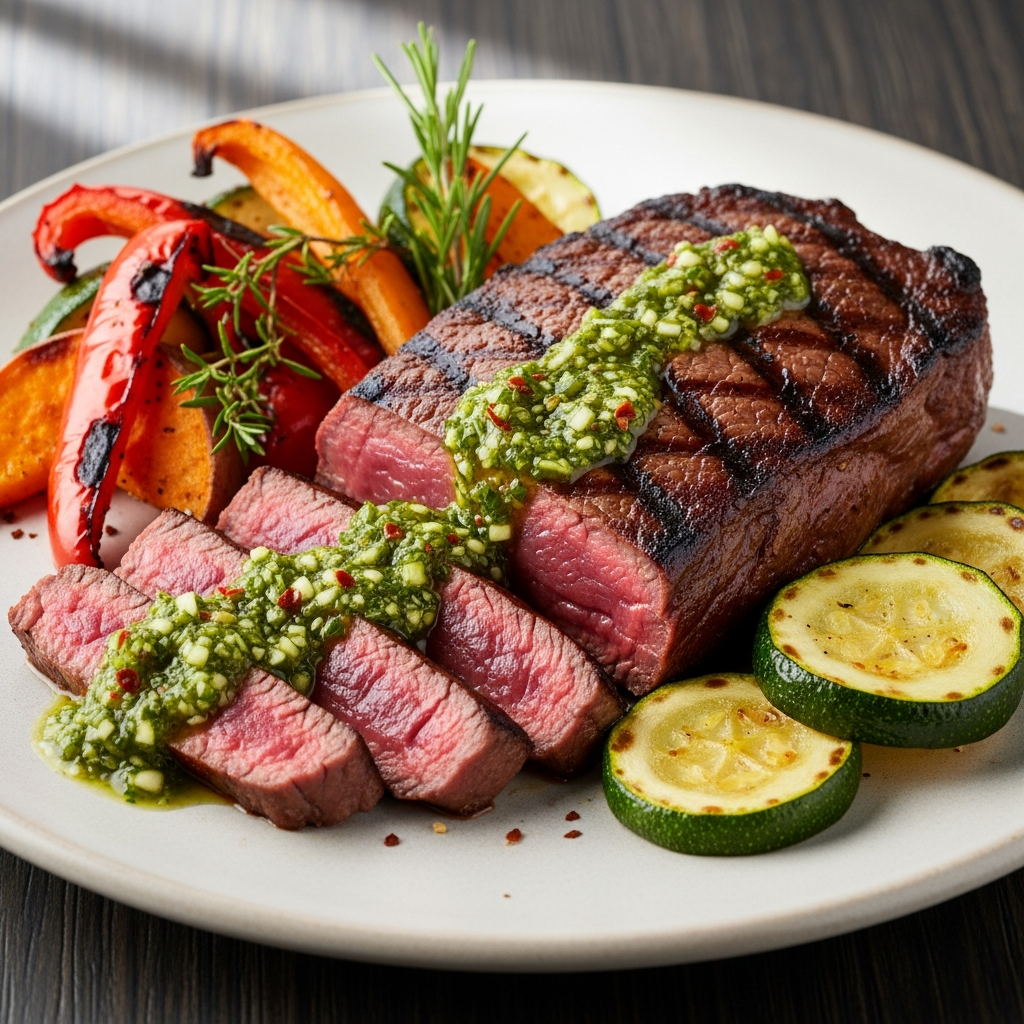
Grilled Beef Sirloin with Citrus Chimichurri
Iron per serving: 4.8 mg (27% DV)Ingredients: 6 oz beef sirloin, fresh parsley, oregano, garlic, olive oil, orange juice, lime juice, red pepper flakes, 1 medium sweet potato
Iron breakdown: Beef (3.9 mg) + Sweet potato (0.9 mg) = 4.8 mg
Vitamin C pairing: Citrus chimichurri provides vitamin C to enhance any residual non-heme iron absorption
Prep time: 15 minutes | Cook time: 20 minutes
Instructions: Season sirloin with salt and pepper. Grill to desired doneness (145°F for medium). Blend parsley, oregano, garlic, olive oil, and citrus juices for chimichurri. Roast cubed sweet potato at 400°F for 20 minutes. Let steak rest 5 minutes before slicing.
Slow Cooker Beef and Bean Chili
Iron per serving: 7.2 mg (40% DV)Ingredients: 1 lb lean ground beef, 1 can kidney beans, 1 can black beans, diced tomatoes, onion, garlic, chili powder, cumin, bell peppers for topping
Iron breakdown: Beef (4.6 mg) + Kidney beans (2.6 mg) = 7.2 mg
Vitamin C boost: Fresh bell peppers and tomatoes enhance bean iron absorption
Prep time: 20 minutes | Slow cook: 6-8 hours
Instructions: Brown beef in skillet. Add to slow cooker with rinsed beans, tomatoes, and spices. Cook on low 6-8 hours. Top with diced bell peppers before serving. Makes 6 servings; freezes well.
Mediterranean Lamb Kofta with Lemon-Tahini Spinach
Iron per serving: 5.4 mg (30% DV)Ingredients: 1 lb ground lamb, cumin, coriander, parsley, garlic, lemon zest, 4 cups spinach, tahini, lemon juice
Iron breakdown: Lamb (2.1 mg) + Spinach (3.2 mg) = 5.3 mg
Vitamin C pairing: Lemon in tahini dressing boosts spinach iron absorption; heme iron from lamb aids overall absorption
Prep time: 25 minutes | Cook time: 12 minutes
Instructions: Mix lamb with spices and form into oval koftas. Grill or pan-fry until cooked through. Wilt spinach and dress with tahini mixed with lemon juice. Serve with warm pita.
Quick Beef Stir-Fry with Broccoli and Orange Glaze
Iron per serving: 4.1 mg (23% DV)Ingredients: 6 oz flank steak, 2 cups broccoli, snap peas, garlic, ginger, orange juice, soy sauce, sesame oil, brown rice
Iron breakdown: Beef (2.6 mg) + Broccoli (1.1 mg) + Rice (0.4 mg) = 4.1 mg
Vitamin C powerhouse: Broccoli (81 mg) and orange juice maximize absorption
Total time: 20 minutes
Instructions: Slice beef thinly against the grain. Stir-fry in hot wok with garlic and ginger. Add broccoli and snap peas. Finish with orange juice and soy sauce glaze. Serve over brown rice.
Spinach and Leafy Green Recipes for Maximum Iron Absorption
Spinach is iron-dense but contains oxalates that reduce absorption. These recipes overcome this barrier through cooking and vitamin C pairing.
Warm Spinach Salad with Strawberries and Almonds
Iron per serving: 4.8 mg (27% DV)Ingredients: 4 cups baby spinach (lightly wilted), 1 cup strawberries, sliced almonds, goat cheese, warm balsamic dressing
Iron breakdown: Spinach (3.2 mg) + Almonds (1.2 mg) + Strawberries (0.4 mg) = 4.8 mg
Vitamin C boost: Strawberries provide 89 mg vitamin C, dramatically increasing spinach iron absorption
Prep time: 10 minutes
Instructions: Lightly wilt spinach in warm balsamic dressing. Top with sliced strawberries, toasted almonds, and crumbled goat cheese. The light wilting breaks down oxalates that inhibit absorption.
Creamy Spinach and White Bean Soup
Iron per serving: 6.9 mg (38% DV)Ingredients: 6 cups spinach, 2 cans white beans, vegetable broth, garlic, onion, lemon juice and zest, olive oil, fresh thyme
Iron breakdown: White beans (3.3 mg) + Spinach (3.2 mg) + Vegetables (0.4 mg) = 6.9 mg
Vitamin C pairing: Fresh lemon juice added at the end provides vitamin C for absorption
Prep time: 15 minutes | Cook time: 25 minutes
Instructions: Saute onion and garlic in olive oil. Add broth and beans; simmer 15 minutes. Stir in spinach until wilted. Blend partially for creamy texture. Finish with fresh lemon juice. Dairy-free for optimal absorption.

Green Goddess Power Bowl
Iron per serving: 5.6 mg (31% DV)Ingredients: 2 cups spinach, 1/2 cup edamame, cooked quinoa, avocado, cucumber, pumpkin seeds, tahini-lemon dressing
Iron breakdown: Spinach (3.2 mg) + Edamame (1.8 mg) + Pumpkin seeds (0.6 mg) = 5.6 mg
Balanced nutrition: Protein from edamame and quinoa; healthy fats from avocado support hormone production
Prep time: 15 minutes
Instructions: Layer spinach, quinoa, edamame, sliced avocado, and cucumber in bowl. Top with pumpkin seeds. Drizzle with tahini mixed with lemon juice. Meal prep friendly: prepare components separately and assemble fresh.
Bean and Legume Recipes Rich in Iron for Preconception Nutrition
Beans and legumes provide substantial non-heme iron plus folate, another critical nutrient for conception and early pregnancy.
Lentil and Roasted Red Pepper Curry
Iron per serving: 7.8 mg (43% DV)Ingredients: 1 cup red or green lentils, coconut milk, curry paste, roasted red peppers, onion, garlic, ginger, lime juice, basmati rice
Iron breakdown: Lentils (6.6 mg) + Red peppers (0.8 mg) + Rice (0.4 mg) = 7.8 mg
Vitamin C boost: Roasted red peppers and lime juice enhance lentil iron absorption
Bonus nutrients: Lentils provide 358 mcg folate per cup
Prep time: 15 minutes | Cook time: 30 minutes
Instructions: Saute onion, garlic, and ginger. Add curry paste, lentils, and coconut milk. Simmer until lentils are tender. Stir in roasted peppers. Finish with lime juice. Serve over rice.
Black Bean Tacos with Mango Salsa
Iron per serving: 4.8 mg (27% DV)Ingredients: 2 cans black beans (seasoned with cumin, chili), corn tortillas, fresh mango, red onion, jalapeno, cilantro, lime juice
Iron breakdown: Black beans (3.6 mg) + Corn tortillas (0.8 mg) + Vegetables (0.4 mg) = 4.8 mg
Vitamin C explosion: Mango provides 60 mg vitamin C; lime significantly boosts bean iron absorption
Total time: 25 minutes
Instructions: Season and warm black beans. Dice mango, onion, jalapeno, and cilantro for fresh salsa; add lime juice. Warm tortillas and fill with beans. Top with mango salsa.
Mediterranean Chickpea Sheet Pan Dinner
Iron per serving: 5.9 mg (33% DV)Ingredients: 2 cans chickpeas, mixed bell peppers, zucchini, red onion, cherry tomatoes, olive oil, za'atar, lemon wedges
Iron breakdown: Chickpeas (4.7 mg) + Bell peppers (0.8 mg) + Vegetables (0.4 mg) = 5.9 mg
Vitamin C from bell peppers and tomatoes: Optimizes chickpea iron absorption
Prep time: 15 minutes | Cook time: 25 minutes
Instructions: Toss drained chickpeas and chopped vegetables with olive oil and za'atar. Spread on sheet pan. Roast at 425°F for 25 minutes. Squeeze fresh lemon before serving. Serve over hummus or couscous.
Three-Bean Minestrone
Iron per serving: 6.2 mg (34% DV)Ingredients: Kidney beans, white beans, chickpeas, diced tomatoes, zucchini, carrots, celery, vegetable broth, small pasta, fresh basil
Iron breakdown: Kidney beans (2.6 mg) + White beans (2.2 mg) + Chickpeas (1.4 mg) = 6.2 mg
Vitamin C: Tomatoes throughout provide continuous vitamin C for absorption
Prep time: 20 minutes | Cook time: 30 minutes
Instructions: Saute carrots, celery, and zucchini. Add broth, tomatoes, and all three beans. Simmer 20 minutes. Add pasta; cook until tender. Garnish with fresh basil. Makes 8 servings; freezes well.
Iron-Boosting Snacks and Smoothies for Women Trying to Conceive
Strategic snacking bridges iron gaps between meals and helps you reach your 18 mg daily goal.
Iron-Fortified Green Smoothie
Iron per serving: 4.2 mg (23% DV)Ingredients: 2 cups spinach, 1 orange (peeled), 1/2 banana, 1 tbsp nut butter, 1 tbsp ground flaxseed, 1 cup almond milk
Iron breakdown: Spinach (3.2 mg) + Nut butter (0.6 mg) + Flaxseed (0.4 mg) = 4.2 mg
Vitamin C: Orange provides 70 mg vitamin C for spinach absorption; banana masks spinach taste completely
Tip: Freeze spinach and fruit portions in bags for quick morning blending
Dark Chocolate and Pumpkin Seed Energy Bites
Iron per serving (2 bites): 2.8 mg (16% DV)Ingredients: 1 cup oats, 1/2 cup dark chocolate chips (70%+), 1/4 cup pumpkin seeds, 1/4 cup almond butter, 2 tbsp honey, 2 tbsp ground flaxseed
Iron breakdown per 2 bites: Dark chocolate (1.7 mg) + Pumpkin seeds (0.8 mg) + Oats (0.3 mg) = 2.8 mg
Instructions: Mix all ingredients. Roll into 20 balls. Refrigerate 30 minutes. Keeps 2 weeks refrigerated.
Quick Iron-Rich Snack Ideas
- Pumpkin seeds: 2.3 mg per ounce (portable bag)
- Dried apricots: 1.4 mg per 5 pieces
- Edamame pods: 3.5 mg per cup
- Hummus with bell pepper strips: 2.4 mg per serving
- Trail mix with dark chocolate and seeds: 2-3 mg per 1/4 cup
- Beef jerky: 1.5 mg per ounce (heme iron on-the-go)
- Fortified cereal (dry): 4.5-18 mg per cup (check labels)
Beverage tips: Avoid coffee and tea with meals (wait 1-2 hours). Pair iron foods with orange juice or citrus water. Prune juice provides 3 mg iron per cup.
7-Day Iron-Rich Meal Plan for Building Pre-Pregnancy Iron Stores
This weekly plan combines heme and non-heme iron sources with vitamin C pairings to meet and exceed your 18 mg daily goal.
Complete Weekly Meal Plan
| Day | Meals | Daily Iron |
|---|---|---|
| Monday | Fortified cereal with strawberries (6 mg) | Warm Spinach Salad (4.8 mg) | Pumpkin seeds and apricots (3.7 mg) | Grilled Beef Sirloin (4.8 mg) | 19.3 mg |
| Tuesday | Spinach egg scramble on toast (4.2 mg) | Lentil Curry (7.8 mg) | Energy Bites (2.8 mg) | Swiss chard with chicken (4.2 mg) | 19.0 mg |
| Wednesday | Green Smoothie (4.2 mg) | Three-Bean Minestrone (6.2 mg) | Hummus with peppers (2.4 mg) | Beef and Bean Chili (7.2 mg) | 20.0 mg |
| Thursday | Fortified oatmeal with seeds (4.0 mg) | Chickpea Sheet Pan (5.9 mg) | Beef jerky and orange (2.2 mg) | Spinach White Bean Soup (6.9 mg) | 19.0 mg |
| Friday | Eggs with spinach and tomatoes (3.8 mg) | Black Bean Tacos (4.8 mg) | Trail mix (2.4 mg) | Lamb Kofta with Spinach (5.4 mg) | 16.4 mg |
| Saturday | Green Goddess Bowl (5.6 mg) | Leftover chili over potato (7.2 mg) | Edamame (3.5 mg) | Beef Stir-Fry (4.1 mg) | 20.4 mg |
| Sunday | Fortified pancakes with berries (4.5 mg) | Spinach salad with chickpeas (5.2 mg) | Prep snacks for week | Mediterranean feast (6.5 mg) | 16.2 mg |
Weekly Meal Prep Strategy
- Sunday prep: Cook lentils and beans for the week; wash and store leafy greens
- Portion snacks: Divide seeds, dried fruit, and energy bites into containers
- Freeze smoothie packs: Pre-measure spinach and fruit into freezer bags
- Batch cook: Make double portions of chili or soup for easy lunches
- Prep dressings: Make citrus-based dressings for the week
Understanding your fertile window helps you time both nutrition optimization and conception attempts. Use a free ovulation calculator to identify your most fertile days while building your iron stores.
Frequently Asked Questions About Iron Foods for Women Trying to Conceive
How much iron do I need daily when trying to conceive?
Women trying to conceive need 18 mg of iron daily from food sources. If you have low ferritin levels (below 50 ng/mL), your healthcare provider may recommend supplementation. Aim to get iron from both heme sources (red meat, poultry) and non-heme sources (beans, spinach, fortified foods) for optimal intake.
What are the best iron-rich foods for fertility?
The best iron-rich foods for fertility include oysters (7.8 mg per 3 oz), beef liver (5.2 mg), lentils (6.6 mg per cup), cooked spinach (6.4 mg per cup), white beans (6.6 mg per cup), and lean beef (2.6 mg per 3 oz). Combining heme iron from meat with non-heme iron from plants maximizes absorption.
How can I increase iron absorption from plant foods?
Increase iron absorption from plant foods by pairing them with vitamin C-rich foods. Eat spinach with strawberries, beans with bell peppers, or lentils with lemon juice. Research shows vitamin C can increase non-heme iron absorption by up to six times. Also avoid drinking coffee or tea with meals, and separate calcium-rich foods from iron-rich meals.
What ferritin level should I have before getting pregnant?
Aim for a ferritin level of at least 50 ng/mL before trying to conceive. Research suggests that without iron supplementation, a prepregnancy ferritin concentration above 50 μg/L is required to avoid developing iron deficiency during pregnancy. Request an iron panel from your healthcare provider 3-6 months before trying to conceive.
Does cooking in cast iron really add iron to food?
Yes, cooking in cast iron can add 1-5 mg of iron per serving, especially when preparing acidic foods like tomato sauce or dishes with citrus. The iron leached from the pan is dietary iron your body can absorb. This supplements but should not replace iron-rich food sources.
Can I get enough iron from vegetarian foods for pregnancy?
Yes, vegetarians can meet iron needs through strategic food combinations. Focus on lentils (6.6 mg per cup), beans (3.6-6.6 mg), fortified cereals (4.5-18 mg), spinach (6.4 mg), and tofu (3.4 mg). Always pair plant iron with vitamin C, avoid iron blockers like tea, and have ferritin levels monitored regularly.
How long does it take to build iron stores before pregnancy?
Building adequate iron stores typically takes 3-6 months of consistent iron-rich eating. If you're starting with low ferritin, it may take longer and require supplementation. Start focusing on iron-rich foods as soon as you begin thinking about pregnancy, ideally 6 months before actively trying.
Should I take iron supplements when trying to get pregnant?
Consult your healthcare provider before taking iron supplements. If your ferritin is below 30 ng/mL, supplementation may be recommended alongside dietary changes. Over-supplementing iron can cause side effects. A prenatal vitamin with iron (27 mg) combined with iron-rich foods is typically sufficient for women with normal levels.
Building Your Iron Foundation for Pregnancy
The path to conception success involves many factors, and adequate iron stores play a significant role. By implementing these iron rich recipes for fertility into your weekly routine, you're giving your body the nutritional foundation it needs.
Key takeaways to remember:
- Aim for 18 mg iron daily through strategic food combinations
- Heme iron (from meat) absorbs at 15-35%; non-heme iron (from plants) absorbs at 2-20%
- Vitamin C dramatically enhances non-heme iron absorption
- Target ferritin levels of 50+ ng/mL and hemoglobin of 12.0-15.5 g/dL before conceiving
- Start building iron stores 3-6 months before trying to conceive
Begin with 2-3 new recipes this week, then expand your iron-rich repertoire over time. Every iron-boosting meal you prepare builds the nutrient foundation your future baby needs.
Ready to optimize your fertility nutrition?
Combine your iron-rich meal plan with PatPat's free ovulation calculator to identify your most fertile days. While building your iron stores through nutrition, tracking your cycle ensures you're ready when the time is right.





