


What if your dinner plate could boost your chances of conception? Research shows that omega-3 supplement use is associated with about twice the probability of conception, with studies showing improved live birth rates among women with higher DHA and EPA intake. If you are trying to conceive, these omega-3 fertility recipes could be the missing ingredient in your preconception journey.
Whether you prefer wild salmon, budget-friendly sardines, or plant-based alternatives like walnuts and flaxseed, this guide provides delicious, science-backed recipes designed for couples on their fertility journey. At PatPat, we understand that nourishing your body is one of the most important steps you can take when preparing for parenthood. From understanding the SMASH fish method for safe mercury-free eating to mastering quick weeknight dinners packed with DHA and EPA, you will discover exactly how to fuel your fertility naturally.
Ready to transform your meals into fertility powerhouses? Let us explore 10 omega-3 rich recipes, safe fish guidelines, vegetarian alternatives, and a complete 7-day meal plan to optimize your reproductive health.
How Omega-3 Fatty Acids Support Fertility and Conception
Omega-3 fatty acids are not just heart-healthy nutrients. They are essential building blocks for reproductive success. Understanding how DHA and EPA support conception can help you make informed dietary choices during your fertility journey.
DHA and EPA: The Essential Fatty Acids for Reproductive Health
Your body needs two primary omega-3 fatty acids for optimal fertility: docosahexaenoic acid (DHA) and eicosapentaenoic acid (EPA). While your body can technically convert plant-based ALA into these forms, the conversion rate is extremely limited at less than 5 to 10 percent for EPA and under 5 percent for DHA.
Health organizations recommend 250-500mg of combined DHA and EPA daily for general health, with some fertility specialists suggesting up to 1,000mg for those actively trying to conceive.
Improving Egg Quality Through Omega-3 Nutrition
Omega-3 fatty acids protect your eggs from oxidative stress by reducing inflammation in the ovaries. Research indicates that long-term omega-3 intake supports healthier ovarian aging and improved egg quality, particularly important for women approaching advanced maternal age.
Since eggs take approximately 90 days to mature before ovulation, consistent omega-3 consumption for at least three months before conception attempts is crucial. This allows the fatty acids to accumulate in reproductive tissues and provide protective benefits during the entire maturation cycle.
Male Fertility Benefits: Sperm Health and Motility
Omega-3 benefits extend to male partners as well. A systematic review found that 14 of 16 studies showed improvement in at least one semen quality marker with omega-3 supplementation or dietary intake.
DHA is particularly important for sperm because it helps build the acrosome, the covering over the sperm head that enables fertilization. Men with higher omega-3 intake consistently show better sperm count, concentration, and motility in clinical studies.
Best Omega-3 Food Sources for Pregnancy Preparation
Choosing the right omega-3 foods for getting pregnant means understanding which sources deliver the most DHA and EPA per serving. Not all omega-3 sources are created equal.
Top Fish Sources Ranked by DHA and EPA Content
Fatty fish remain the most efficient way to obtain preformed DHA and EPA. Here is how common fish compare:
| Fish Type | EPA + DHA Combined | Mercury Level | Best For |
|---|---|---|---|
| Atlantic Salmon | 2,150-2,500mg | Low | Main dishes |
| Anchovies | 2,053mg | Very Low | Pasta, salads |
| Atlantic Mackerel | 1,500-2,500mg | Low | Grilled dishes |
| Herring | 1,500-2,150mg | Low | Smoked, pickled |
| Sardines | 980-1,400mg | Very Low | Toast, salads |
Wild-caught salmon generally contains less fat overall but maintains excellent omega-3 density, while farmed salmon tends to have higher total omega-3 content but also more saturated fat.
Plant-Based Sources: Walnuts, Flaxseed, and Chia Seeds
Plant sources contain alpha-linolenic acid (ALA), which your body must convert to DHA and EPA. While less efficient than fish, these remain valuable for vegetarians:
- Flaxseed: 53g ALA per 100g (must be ground for absorption)
- Chia seeds: 17.8g ALA per 100g
- Walnuts: 9g ALA per 100g
- Hemp seeds: 8.9g ALA per 100g
Combining multiple plant sources and considering algae-based DHA supplements maximizes benefits for those avoiding fish.
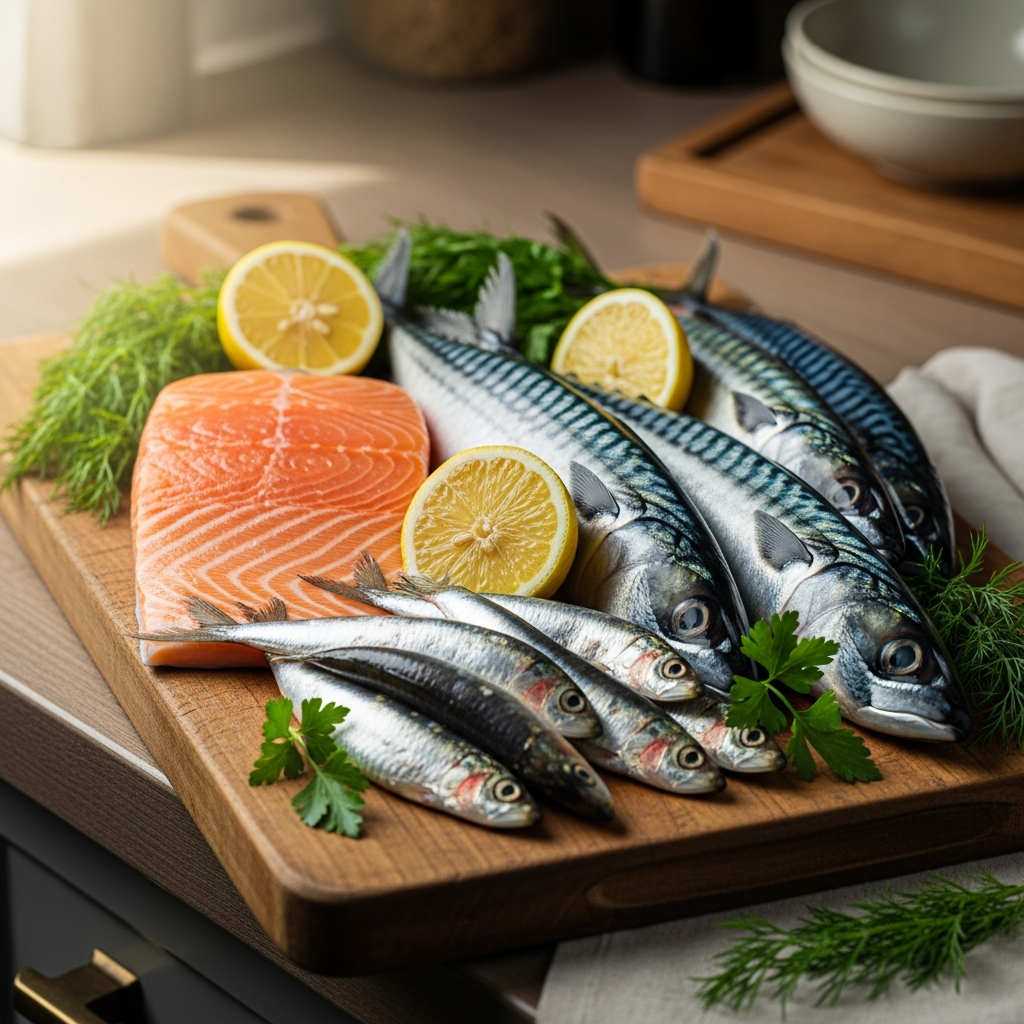
Low-Mercury Fish Guide: The SMASH Method for Safe Conception Nutrition
Mercury concerns should not prevent you from eating fish during preconception. The SMASH method provides a simple framework for choosing low-mercury fish that are safe for conception and packed with fertility-boosting omega-3s.
Understanding Mercury Risk During Preconception
Mercury accumulates in large predatory fish and can affect fetal neurological development. The FDA confirms that eating average amounts of seafood containing low mercury levels during pregnancy has not been shown to cause problems.
The key is choosing the right fish. Mayo Clinic recommends eating a variety of seafood that is low in mercury and high in omega-3 fatty acids, specifically 8-12 ounces (2-3 servings) per week.
The SMASH Acronym: Your Safe Fish Shopping List
SMASH stands for the five safest, most omega-3 dense fish choices:
- S - Salmon: Wild-caught preferred, provides 2,000+ mg omega-3 per serving
- M - Mackerel: Atlantic mackerel only (avoid King mackerel which is high in mercury)
- A - Anchovies: Small fish with very low mercury, excellent in sauces
- S - Sardines: Budget-friendly canned option with bones for calcium
- H - Herring: Versatile fish with strong omega-3 profile
These fish sit low on the food chain, meaning they accumulate minimal mercury while maximizing omega-3 delivery. Aim for 2-3 servings weekly from this list.
Fish to Limit or Avoid When Trying to Conceive
The FDA lists seven fish to avoid during pregnancy and preconception due to high mercury:
- Shark
- Swordfish
- King mackerel
- Tilefish (Gulf of Mexico)
- Orange roughy
- Marlin
- Bigeye tuna
For canned tuna, light tuna contains less mercury than albacore. Limit albacore to 6 ounces per week.
Salmon Recipes for Hormone Balance and Brain Development Support
Salmon delivers one of the highest omega-3 payloads of any food. These three salmon recipes for fertility make it easy to incorporate this superfood into your weekly rotation.
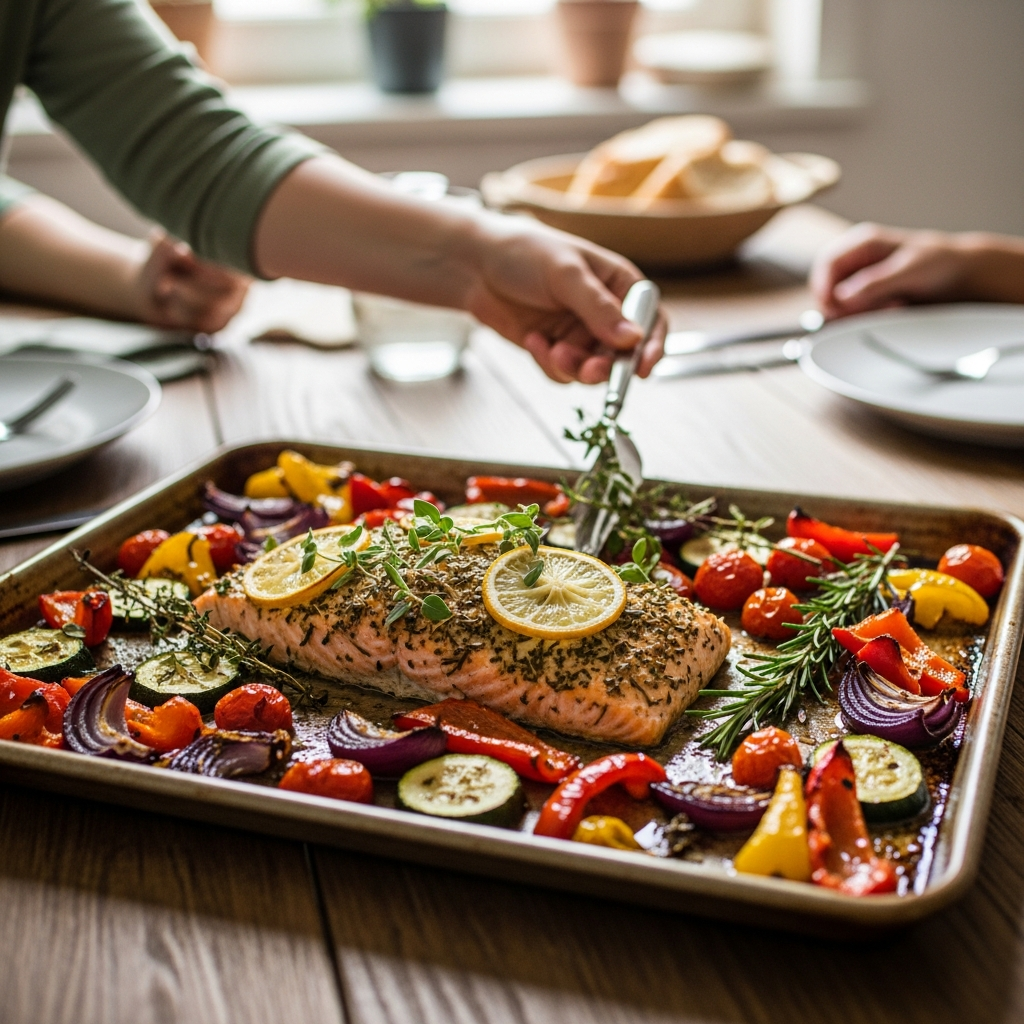
Recipe 1: Mediterranean Herb-Baked Salmon with Vegetables
Prep Time: 10 minutes | Cook Time: 20 minutes | Serves: 2
Nutritional Info: 1,800mg DHA+EPA per serving | 420 calories | 38g protein
Ingredients:
- 2 salmon fillets (6 oz each, wild-caught preferred)
- 2 tablespoons extra virgin olive oil
- 2 cloves garlic, minced
- 1 tablespoon fresh rosemary, chopped
- 1 tablespoon fresh thyme leaves
- 1 lemon, sliced
- 1 cup cherry tomatoes
- 1 medium zucchini, sliced
- Salt and pepper to taste
Instructions:
- Preheat oven to 400 degrees F (200 degrees C).
- Place salmon fillets on a parchment-lined baking sheet.
- Drizzle with olive oil and top with garlic, rosemary, thyme, and lemon slices.
- Arrange vegetables around the salmon and season everything with salt and pepper.
- Bake 18-20 minutes until salmon flakes easily with a fork.
Recipe 2: Quick Pan-Seared Salmon with Lemon-Dill Sauce
Prep Time: 5 minutes | Cook Time: 12 minutes | Serves: 2
Nutritional Info: 1,750mg DHA+EPA per serving | 385 calories | 36g protein
Ingredients:
- 2 salmon fillets (6 oz each)
- 2 tablespoons olive oil
- 3 tablespoons Greek yogurt
- 2 tablespoons fresh dill, chopped
- Juice of 1 lemon
- 1 teaspoon honey
Instructions:
- Heat oil in a skillet over medium-high heat.
- Season salmon and cook skin-side up for 4 minutes.
- Flip and cook another 4-5 minutes.
- Mix yogurt, dill, lemon juice, and honey for sauce.
- Serve salmon topped with lemon-dill sauce.
Recipe 3: Omega-3 Power Bowl with Salmon and Quinoa
Prep Time: 15 minutes | Cook Time: 25 minutes | Serves: 2
Nutritional Info: 1,900mg DHA+EPA per serving | 520 calories | 42g protein
Ingredients:
- 2 salmon fillets (6 oz each)
- 1 cup quinoa, cooked
- 1 avocado, sliced
- 1 cup baby spinach
- 1/2 cup edamame
- 2 tablespoons sesame seeds
- Soy-ginger dressing
Instructions:
- Bake or pan-sear salmon until cooked through.
- Divide quinoa between two bowls.
- Top with flaked salmon, avocado, spinach, and edamame.
- Sprinkle with sesame seeds and drizzle with dressing.
Pro Tips for Selecting Salmon
- Look for bright pink or red flesh with no browning
- Fresh salmon should smell like the ocean, not fishy
- Frozen salmon retains nearly identical omega-3 content to fresh
- King salmon has the highest fat content for maximum omega-3
Quick SMASH Fish Recipes Ready in Under 20 Minutes
Canned fish offers an affordable, convenient way to boost your omega-3 intake. These quick fertility recipes prove that sardines and anchovies can be delicious.
Recipe 4: Gourmet Sardine Toast with Avocado
Prep Time: 10 minutes | Cook Time: 0 minutes | Serves: 2
Nutritional Info: 1,200mg DHA+EPA per serving | 340 calories | 22g protein
Ingredients:
- 1 can sardines in olive oil, drained
- 2 slices sourdough bread, toasted
- 1 ripe avocado, mashed
- 1 tablespoon lemon juice
- Microgreens for topping
- Red pepper flakes (optional)
Instructions:
- Toast bread until golden and crispy.
- Spread mashed avocado on each slice.
- Arrange sardines on top and drizzle with lemon juice.
- Top with microgreens and red pepper flakes if desired.
Recipe 5: Crispy Mackerel Salad with Citrus Vinaigrette
Prep Time: 10 minutes | Cook Time: 8 minutes | Serves: 2
Nutritional Info: 1,650mg DHA+EPA per serving | 380 calories | 28g protein
Ingredients:
- 1 can mackerel or 2 fresh mackerel fillets
- 4 cups mixed greens
- 1 orange, segmented
- 1/4 cup olive oil
- 2 tablespoons fresh orange juice
- 1 tablespoon Dijon mustard
Instructions:
- If using fresh mackerel, pan-sear until crispy on both sides.
- Whisk together olive oil, orange juice, and mustard for vinaigrette.
- Toss greens with dressing and top with flaked mackerel and orange segments.
Recipe 6: Anchovy Pasta with Garlic and Fresh Herbs
Prep Time: 5 minutes | Cook Time: 15 minutes | Serves: 2
Nutritional Info: 850mg DHA+EPA per serving | 445 calories | 18g protein
Ingredients:
- 8 oz whole grain spaghetti
- 6 anchovy fillets
- 4 cloves garlic, sliced
- 1/4 cup olive oil
- 1/2 teaspoon red pepper flakes
- Fresh parsley, chopped
Instructions:
- Cook pasta according to package directions, reserving 1/2 cup pasta water.
- Heat olive oil and gently cook garlic until fragrant.
- Add anchovies and stir until they dissolve into the oil.
- Toss pasta with anchovy sauce and add pasta water if needed.
- Finish with parsley and red pepper flakes.
Budget-Friendly Tip
Canned sardines cost approximately two dollars per can and deliver comparable omega-3 content to fresh salmon costing ten times more. A weekly rotation of canned fish can provide 70 percent of your omega-3 needs at a fraction of the cost.
Vegetarian and Vegan Omega-3 Recipes for Fertility
Plant-based omega-3 sources offer excellent alternatives for those avoiding fish. While ALA requires conversion to DHA and EPA, strategic combinations and supplementation can meet your fertility nutrition needs.
Important Note: Since ALA converts to DHA at less than 5 percent efficiency, vegetarians trying to conceive should consider algae-based DHA supplements providing 250-500mg daily alongside these recipes.
Recipe 7: Walnut-Crusted Tofu with Roasted Vegetables
Prep Time: 15 minutes | Cook Time: 25 minutes | Serves: 2
Nutritional Info: 2,800mg ALA per serving | 420 calories | 24g protein
Ingredients:
- 14 oz extra-firm tofu, pressed and sliced
- 1 cup walnuts, finely chopped
- 2 tablespoons Dijon mustard
- Seasonal vegetables for roasting
- 2 tablespoons olive oil
Instructions:
- Preheat oven to 400 degrees F.
- Brush tofu slices with mustard and press into chopped walnuts.
- Place on baking sheet with vegetables and drizzle with olive oil.
- Bake 25 minutes until walnuts are golden and crispy.
Recipe 8: Flaxseed Power Smoothie for Morning Fertility Boost
Prep Time: 5 minutes | Cook Time: 0 minutes | Serves: 1
Nutritional Info: 3,500mg ALA per serving | 320 calories | 12g protein
Ingredients:
- 2 tablespoons ground flaxseed
- 1 cup frozen mixed berries
- 1 cup spinach
- 1 cup almond milk
- 1 tablespoon almond butter
- 1 teaspoon honey (optional)
Instructions:
- Add all ingredients to a blender.
- Blend until smooth, about 60 seconds.
- Pour and enjoy immediately for maximum nutrient retention.
Recipe 9: Chia Seed Pudding with Antioxidant Berry Compote
Prep Time: 10 minutes | Chill Time: Overnight | Serves: 2
Nutritional Info: 2,400mg ALA per serving | 290 calories | 8g protein
Ingredients:
- 1/4 cup chia seeds
- 1 cup coconut milk
- 1 tablespoon maple syrup
- 1 cup mixed berries
- Walnuts for topping
Instructions:
- Mix chia seeds, coconut milk, and maple syrup in a jar.
- Refrigerate overnight or at least 4 hours.
- Warm berries briefly to create compote.
- Top pudding with berry compote and crushed walnuts.
Recipe 10: Hemp Seed and Walnut Fertility Salad
Prep Time: 15 minutes | Cook Time: 0 minutes | Serves: 2
Nutritional Info: 3,100mg ALA per serving | 380 calories | 14g protein
Ingredients:
- 4 cups mixed leafy greens (for folate)
- 1/4 cup hemp seeds
- 1/4 cup walnuts
- 1/2 avocado, sliced
- Walnut oil dressing
Instructions:
- Arrange greens on plates.
- Top with hemp seeds, walnuts, and avocado.
- Drizzle with walnut oil dressing for additional omega-3.
When to Consider Algae-Based DHA Supplements
Vegetarians and vegans should strongly consider algae-derived DHA supplements, which provide the same omega-3 form found in fish without any animal products. Look for supplements providing at least 250mg DHA daily. Research confirms that algal supplements effectively increase blood levels of EPA and DHA in vegetarians.
7-Day Omega-3 Fertility Meal Plan for Couples
This comprehensive fertility meal plan balances fish and vegetarian omega-3 sources throughout the week. Each day provides optimal DHA and EPA intake for both partners.
| Day | Breakfast | Lunch | Dinner | Daily Omega-3 |
|---|---|---|---|---|
| Monday | Flaxseed Smoothie | Hemp Walnut Salad | Mediterranean Salmon | 2,300mg EPA+DHA |
| Tuesday | Chia Pudding | Sardine Toast | Walnut-Crusted Tofu | 1,800mg EPA+DHA |
| Wednesday | Overnight Oats with Walnuts | Mackerel Salad | Pan-Seared Salmon | 2,500mg EPA+DHA |
| Thursday | Flaxseed Smoothie | Anchovy Pasta | Vegetable Stir-Fry with Hemp | 1,400mg EPA+DHA |
| Friday | Chia Pudding | Hemp Walnut Salad | Salmon Power Bowl | 2,400mg EPA+DHA |
| Saturday | Walnut Banana Pancakes | Sardine Toast | Grilled Mackerel | 2,100mg EPA+DHA |
| Sunday | Eggs with Smoked Salmon | Leftover Salmon Bowl | Walnut-Crusted Tofu | 2,200mg EPA+DHA |
Weekly Meal Prep Tips
- Sunday prep: Make chia pudding base, prepare salad greens, portion smoothie ingredients into freezer bags
- Batch cooking: Bake extra salmon on Wednesday for weekend meals
- Shopping list: 4 salmon fillets, 2 cans sardines, 1 can mackerel, anchovies, walnuts, flaxseed, chia seeds, hemp seeds
Optimizing Omega-3 Absorption: Cooking and Storage Tips
How you prepare and store omega-3 foods directly impacts their nutritional value. These omega-3 absorption tips help you maximize fertility benefits from every meal.
Cooking Methods That Preserve Omega-3 Content
Not all cooking methods treat omega-3s equally:
- Best methods: Baking (up to 400F), poaching, steaming
- Acceptable: Light grilling, pan-searing at medium heat
- Avoid: Deep frying, which degrades fatty acids and adds unhealthy fats
Cook fish to an internal temperature of 145 degrees F (63 degrees C) for food safety while preserving omega-3 integrity.
Storage and Freshness for Maximum Nutritional Value
- Fresh fish: Use within 2 days or freeze immediately
- Frozen fish: Thaw in refrigerator overnight, never at room temperature
- Ground flaxseed: Store in refrigerator for up to 3 months (whole seeds last longer but are harder to digest)
- Walnuts: Keep in freezer to prevent oil rancidity
Pairing Omega-3 Foods for Enhanced Absorption
- Consume omega-3s with healthy fats like olive oil or avocado for better absorption
- Vitamin D supports omega-3 metabolism, so consider sun exposure or supplementation
- Limit excessive omega-6 intake (found in processed vegetable oils), which can interfere with omega-3 benefits
Frequently Asked Questions About Omega-3 and Fertility
How much omega-3 should I eat daily when trying to conceive?
Aim for 250-500mg of combined DHA and EPA daily when trying to conceive. This equals approximately 2-3 servings of fatty fish per week. If following a vegetarian diet, consider an algae-based DHA supplement to meet these recommendations.
Can omega-3 fatty acids improve egg quality?
Yes, omega-3s can support egg quality by reducing oxidative stress and inflammation in the ovaries. Studies show women with higher omega-3 intake have improved oocyte quality. Since eggs mature over 90 days, consistent omega-3 consumption for at least 3 months before conception is recommended.
What does SMASH stand for in fertility nutrition?
SMASH is an acronym for five low-mercury, omega-3 rich fish: Salmon, Mackerel (Atlantic), Anchovies, Sardines, and Herring. These fish are considered the safest choices for women trying to conceive because they provide high DHA and EPA levels with minimal mercury exposure.
Is canned fish as nutritious as fresh fish for fertility?
Yes, canned fish retains most omega-3 content and offers a budget-friendly alternative to fresh fish. Canned salmon, sardines, and mackerel are excellent fertility-friendly options. Choose varieties packed in water or olive oil and check for BPA-free cans when possible.
Can vegetarians get enough omega-3 for fertility without fish?
Vegetarians can obtain omega-3s from walnuts, flaxseed, chia seeds, and hemp seeds, though these contain ALA rather than DHA and EPA. Since ALA converts poorly to DHA (less than 10 percent), vegetarians trying to conceive should consider algae-based DHA supplements for optimal fertility support.
Should my partner also eat omega-3 rich foods for fertility?
Yes, omega-3s benefit male fertility by improving sperm membrane composition, motility, and count. Research shows men with higher omega-3 intake have better sperm quality. Couples eating omega-3 rich meals together can support both partners' reproductive health simultaneously.
How long before conception should I increase omega-3 intake?
Start increasing omega-3 intake at least 3 months before trying to conceive. This timeframe aligns with the 90-day egg maturation cycle and sperm development period. Consistent omega-3 consumption allows fatty acids to accumulate in reproductive tissues for optimal fertility support.
Which cooking methods preserve the most omega-3 in fish?
Baking, poaching, and steaming preserve omega-3 content best by avoiding excessive heat. Cook fish to 145 degrees F (63 degrees C) internal temperature. Avoid deep frying, which can degrade fatty acids and add unhealthy fats that may counteract omega-3 benefits.
Start Your Omega-3 Fertility Journey Today
Incorporating omega-3 fertility recipes into your diet is one of the most delicious ways to support your conception journey. Whether you choose salmon three times weekly, enjoy budget-friendly sardine toasts, or create plant-based power bowls with walnuts and flaxseed, every omega-3 rich meal brings you closer to optimal reproductive health.
Remember the SMASH method for safe fish choices, and do not hesitate to include your partner in this nutritional approach since omega-3s benefit both male and female fertility. Consistency matters more than perfection, so start with one new recipe this week and build from there.
At PatPat, we believe that preparing for parenthood starts with nurturing your body. Download our complete 7-day meal plan with shopping lists, save your favorite recipes, and share your omega-3 cooking adventures with our community. Your fertility journey deserves delicious, nourishing support every step of the way.
Ready to boost your fertility nutrition?
- Save this guide for easy recipe reference
- Subscribe for weekly fertility nutrition tips
- Share your favorite omega-3 recipe with fellow TTC couples




