


There is nothing quite as heartbreaking as watching your baby suffer from red, itchy, inflamed skin. If you have found yourself up at night, gently holding tiny hands to stop the scratching, or desperately searching for answers online at 3 a.m., you are not alone. Baby eczema affects roughly 20% of children, with the majority developing symptoms during their first year of life.
The good news? Soothing baby eczema naturally is absolutely possible, and you have more options than you might think. From time-tested natural remedies like oatmeal baths and coconut oil to a surprisingly effective solution that many parents overlook: the fabric touching your baby's skin every single day. This comprehensive guide will walk you through everything you need to know about managing your little one's sensitive skin, with a special focus on why bamboo clothing has become a game-changer for eczema-prone babies.
At PatPat, we understand the challenges parents face when caring for babies with sensitive skin. That is why we have put together this evidence-based guide combining natural treatment approaches with practical clothing solutions that can make a real difference in your baby's comfort.
By the end of this article, you will understand what causes those frustrating flare-ups, discover natural remedies that actually work, learn why bamboo fabric soothes eczema-prone skin, and have a complete daily care routine you can start tonight.
Understanding Baby Eczema: Symptoms, Causes, and Why Natural Solutions Matter
Before diving into solutions, let us take a moment to understand what you are actually dealing with. Knowledge is power, and understanding eczema helps you become your baby's best advocate.
What Is Baby Eczema (Atopic Dermatitis)?
Baby eczema, medically known as atopic dermatitis, is a chronic inflammatory skin condition that causes dry, itchy, and irritated skin. Unlike a simple rash that comes and goes, eczema involves a fundamental issue with the skin barrier itself. Think of healthy skin as a brick wall protecting your baby from the outside world. In babies with eczema, that wall has gaps and cracks, allowing moisture to escape and irritants to sneak in.
Many babies with eczema have a genetic variation affecting filaggrin protein, which maintains the skin barrier. When this protein malfunctions, skin becomes vulnerable to dryness and irritation.
Common Symptoms to Watch For
Recognizing eczema early helps you take action sooner. Here are the telltale signs:
- Red, dry patches that may appear scaly or rough
- Intense itching that causes your baby to rub against bedding or scratch
- Weeping or crusting when scratched or irritated
- Thickened skin in areas of repeated scratching
Where eczema appears depends on your baby's age. According to the Mayo Clinic, in babies under six months, eczema typically appears on the scalp and face, especially the cheeks. After six months, it often moves to the elbows, knees, and creases of the arms and legs.
What Triggers Eczema Flare-Ups in Babies?
Understanding triggers is half the battle. While every baby is different, common culprits include:
- Environmental factors: Dry air, extreme temperatures, tobacco smoke, dust, and pet dander
- Product irritants: Harsh fabrics, fragranced detergents, fabric softeners, and scented soaps
- Physical triggers: Sweat, drool, excessive scratching, and friction from rough clothing
- Potential allergens: Some babies react to certain foods, though this is not universal
Here is something important to remember: eczema is not contagious. Your baby cannot catch it from another child, and they cannot spread it to siblings.
Why Natural Remedies Deserve Your Attention
Many parents feel uneasy about using steroid creams long-term on their baby's delicate skin. Research supports natural approaches as effective complementary strategies when combined with smart fabric choices and trigger avoidance. The encouraging news? Most children outgrow eczema before starting school.
Proven Natural Remedies for Soothing Baby Eczema at Home
When it comes to natural eczema treatment for infants, several time-tested remedies have earned their place in parents' medicine cabinets. Let us explore what actually works.
Colloidal Oatmeal Baths for Itch Relief
Oatmeal baths have been soothing irritated skin for centuries, and modern science backs up this ancient wisdom. Colloidal oatmeal contains compounds called avenanthramides, which have natural anti-inflammatory and anti-itch properties.
How to prepare an oatmeal bath:
- Use finely ground colloidal oatmeal (available at most pharmacies) or grind regular oats in a blender until powdery
- Fill the tub with lukewarm water (not hot, which can worsen itching)
- Add one to two tablespoons of colloidal oatmeal and swirl to mix
- Soak your baby for 10–15 minutes, gently letting the milky water wash over affected areas
- Pat skin dry gently with a soft towel, never rub
Aim for two to three oatmeal baths per week during flare-ups.
Coconut Oil as a Natural Moisturizer
Virgin coconut oil has earned significant attention as a natural eczema treatment. A 2014 study involving 117 children found that applying virgin coconut oil for eight weeks improved eczema symptoms more effectively than mineral oil.
Tips for using coconut oil:
- Choose virgin, unrefined coconut oil for maximum benefits
- Apply a thin layer to damp skin right after bath time
- Always patch test first by applying a small amount to an unaffected area
- Use at room temperature; warm slightly between your palms if solid
Shea Butter for Deep Hydration
Raw, unrefined shea butter is packed with vitamins A and E, along with natural anti-inflammatory compounds. Look for 100% pure shea butter without added fragrances. Apply sparingly to the driest areas before bedtime.
The Power of Consistent Emollient Therapy
Perhaps the single most important natural approach to managing baby eczema is consistent, thorough moisturizing. The American Academy of Dermatology recommends applying moisturizer at least twice daily, and ideally at every diaper change.
The "soak and seal" method is particularly effective:
- Give your baby a lukewarm bath (5–10 minutes maximum)
- Pat skin until slightly damp, not completely dry
- Apply moisturizer within three minutes while skin is still damp
- The moisturizer "seals in" the water, boosting hydration
Choose thick creams or ointments over thin lotions. Fragrance-free formulas are essential, as fragrances are common irritants for sensitive skin.
Wet Wrap Therapy for Severe Flare-Ups
For particularly stubborn flare-ups, wet wrap therapy can provide significant relief. This technique involves applying moisturizer, then covering the area with a damp layer followed by a dry layer.
How to perform wet wrap therapy:
- Bathe your baby and apply a generous layer of moisturizer
- Dampen soft cotton or bamboo fabric with warm water and wrap around affected areas
- Cover with a dry layer of breathable clothing
- Leave on for several hours or overnight
Bamboo clothing makes an excellent dry outer layer for wet wrap therapy due to its breathability and gentle texture. This brings us to one of the most effective yet underutilized strategies for managing baby eczema: choosing the right fabric.
The Science Behind Bamboo Fabric: Why It Soothes Eczema-Prone Skin
When we talk about natural remedies for baby eczema, most parents think only of what goes on the skin. But what about what touches the skin all day and all night? The fabric your baby wears plays a surprisingly significant role in either soothing or aggravating eczema.
What Makes Bamboo Fabric Unique?
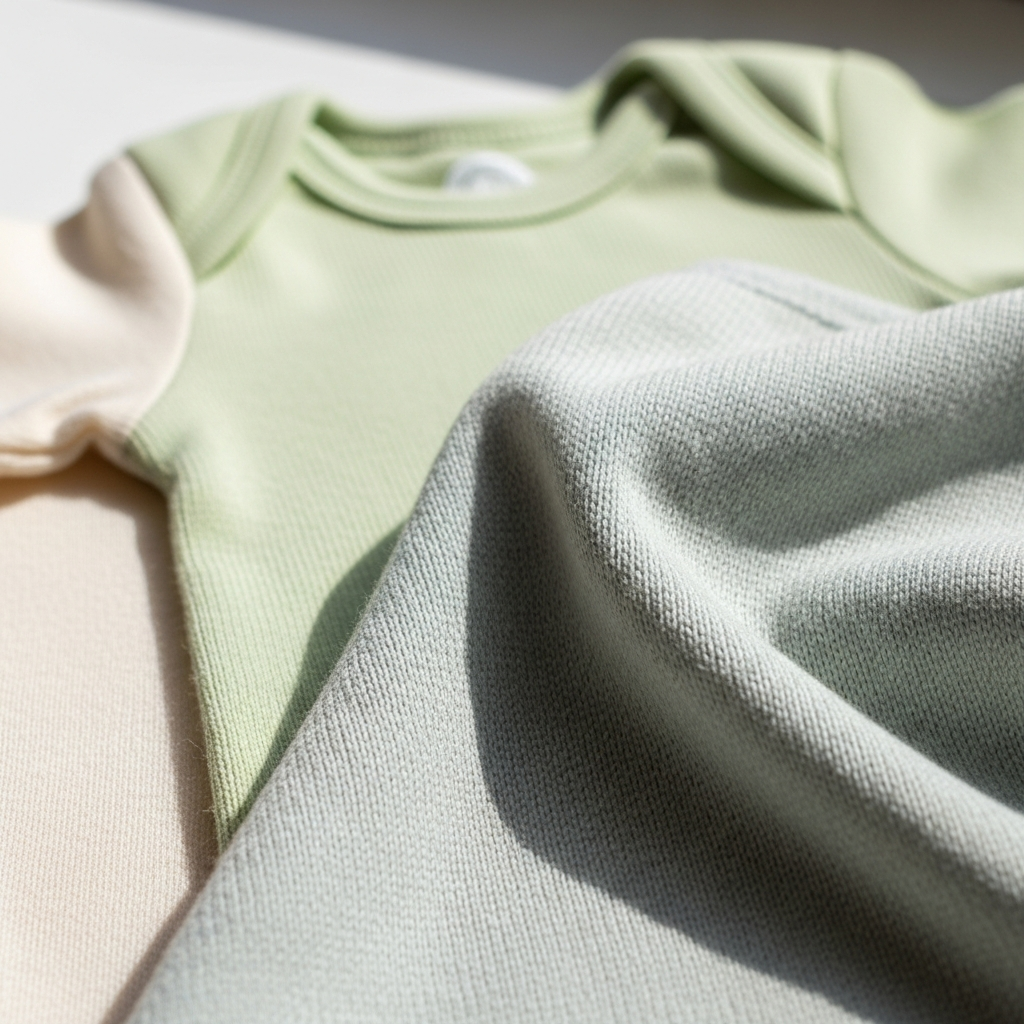
Bamboo fabric, often called "vegetable cashmere" for its remarkable softness, is derived from bamboo pulp processed into a silky textile. High-quality bamboo viscose has a smooth, round fiber structure that glides over skin rather than scratching or irritating it.
When shopping for bamboo baby clothes for sensitive skin, look for certifications like OEKO-TEX Standard 100 or GOTS (Global Organic Textile Standard). These certifications ensure the fabric has been tested for harmful substances and meets strict safety standards.

Superior Moisture-Wicking Properties
One of bamboo's most impressive features is its ability to wick moisture away from skin. Bamboo viscose wicks moisture four times faster than cotton. For eczema-prone babies, this matters enormously because sweat is a common trigger for flare-ups.
Bamboo pulls moisture away from skin and allows it to evaporate quickly, preventing the damp environment where bacteria thrive and eczema flares.
Natural Temperature Regulation
Overheating is another significant eczema trigger. Bamboo fabric has natural thermoregulating properties, staying approximately three degrees cooler than cotton in warm conditions while still providing insulation when cool. This temperature stability helps prevent the heat-induced itching that often wakes babies at night.
Bamboo Kun: Natural Antibacterial Protection
Bamboo contains a unique bio-agent called bamboo kun, which has natural antibacterial and antifungal properties. For babies with eczema, whose scratched skin is more vulnerable to infection, this natural protection offers an extra layer of defense. Studies show these antibacterial properties remain effective even after multiple washes.
Hypoallergenic and Ultra-Soft Texture
Quality bamboo fabric is naturally hypoallergenic, and its soft texture minimizes mechanical irritation. Many dermatologists now recommend bamboo clothing for eczema babies because it addresses multiple triggers simultaneously: wicking sweat, regulating temperature, and fighting bacteria.
When shopping for bamboo baby clothes for sensitive skin, look for certified collections like PatPat's bamboo baby clothes collection that prioritize gentle, eco-friendly fabrics tested for safety and softness.
Bamboo vs Cotton: Which Fabric Is Better for Baby Eczema?
Parents often ask whether bamboo is really better than cotton for eczema babies. Let us break down the comparison.
Head-to-Head Comparison
| Property | Bamboo | Cotton | Better for Eczema |
|---|---|---|---|
| Moisture Wicking | 4x faster than cotton | Standard absorption | Bamboo |
| Temperature | 3 degrees cooler | Standard | Bamboo |
| Softness | Ultra-soft (vegetable cashmere) | Varies by weave | Bamboo |
| Antibacterial | Natural (bamboo kun) | None inherent | Bamboo |
| Breathability | Excellent | Good | Bamboo |
| Hypoallergenic | Yes | Varies | Bamboo |
| Environmental Impact | More sustainable | Higher water use | Bamboo |
When Cotton Might Still Work
Organic, untreated cotton can be acceptable for some babies with mild eczema, particularly if it is GOTS-certified and washed thoroughly before use. However, even the softest cotton cannot match bamboo's moisture-wicking and temperature-regulating capabilities.
The Clear Winner for Eczema-Prone Babies
For babies with eczema, bamboo fabric is generally the better choice. Its superior moisture-wicking properties (four times faster than cotton), natural temperature regulation (stays three degrees cooler), and built-in antibacterial protection from bamboo kun address multiple eczema triggers simultaneously. These properties help reduce common triggers like sweat, overheating, and bacterial irritation that often lead to uncomfortable flare-ups.
How to Choose the Best Bamboo Clothes for Your Baby with Eczema
Not all bamboo clothing is created equal. Here is what to look for when building an eczema-friendly wardrobe for your little one.
Essential Features to Look For
- Flat seams or seamless construction: Raised seams can rub and irritate sensitive skin
- Tagless design: Look for printed labels rather than sewn-in tags
- Loose, non-restrictive fit: Tight clothing creates friction and traps heat
- Full coverage options: Long sleeves and pants protect skin and discourage scratching
- Zipper guards: Covered zippers prevent metal from touching skin

Best Bamboo Clothing Types for Eczema Babies
Bamboo Sleepers and Pajamas: These are perhaps the most important investment. Nighttime is when itching tends to peak, and loose-fitting bamboo pajamas help regulate temperature while providing full coverage to reduce scratching damage.
Bamboo Onesies and Bodysuits: Perfect for layering and everyday wear. They keep moisturizers in place and protect treated skin from environmental irritants.
Bamboo Rompers: Ideal for warmer weather when you want coverage without overheating. The breathable fabric keeps baby cool while still protecting sensitive skin.
Bamboo Sleep Sacks: For younger babies who cannot have loose blankets, bamboo sleep sacks provide warmth without overheating risk.
Certifications That Matter
When shopping for eczema-friendly baby clothes, look for these certifications:
- OEKO-TEX Standard 100: Guarantees the fabric has been tested for harmful substances
- GOTS (Global Organic Textile Standard): Ensures organic fibers and environmentally responsible processing
Building a wardrobe of eczema-friendly basics? Start with essentials from trusted baby clothes collections that offer both quality and variety for sensitive skin needs.
Sizing Tips for Eczema Babies
Consider sizing up for a looser fit that reduces friction and allows air circulation. For a curated selection of gentle options, explore bamboo baby clothes designed with sensitive skin in mind.
Creating a Daily Skincare Routine with Bamboo Clothing
Consistency is everything when managing baby eczema. Let us build a practical daily routine that combines natural remedies with smart clothing choices.

Morning Routine for Eczema Babies
- Gentle wakeup: Avoid sudden temperature changes when getting baby out of bed
- Quick skin check: Look for any new irritation or signs of overnight scratching
- Apply emollient: Massage a gentle moisturizer into all areas, paying extra attention to typically dry spots
- Choose breathable bamboo: Dress in a loose-fitting bamboo outfit for daytime comfort
- Trim nails: Short, smooth nails cause less damage if scratching occurs
Bathing Best Practices
Bath time can either help or hurt eczema. Follow these guidelines for optimal results:
- Use lukewarm water only, never hot (test with your elbow)
- Keep baths short: 5–10 minutes maximum
- Use fragrance-free cleansers sparingly, only where needed
- Consider an oatmeal bath two to three times per week
- Pat skin dry gently with a soft towel, never rub
- Apply moisturizer within three minutes while skin is still slightly damp
The Critical Nighttime Routine
Nighttime is when eczema often causes the most distress. Your baby's body naturally cools during sleep, which triggers itching. Additionally, babies sweat more while sleeping, and non-breathable fabrics can trap that moisture against the skin.
Step-by-step nighttime routine:
- Give a lukewarm bath with gentle, fragrance-free cleanser
- Pat skin dry gently, leaving slightly damp
- Apply a thick layer of emollient all over the body
- Let moisturizer absorb for 5–10 minutes
- Dress in loose bamboo pajamas that cover arms and legs
- Maintain bedroom temperature between 68 and 72 degrees Fahrenheit
- Use a humidifier if the air in your home is dry
Pro tip: Apply moisturizer generously before putting on bamboo pajamas. The breathable fabric allows skin to stay hydrated while preventing the moisture buildup that can trigger flare-ups.
Diaper Area Care for Eczema Babies
The diaper area presents unique challenges. Change diapers frequently, apply barrier cream at every change, and allow diaper-free time when possible to let skin breathe.
How to Wash and Care for Bamboo Baby Clothes
Proper care keeps bamboo clothing soft and eczema-friendly wash after wash. Here is your complete guide.
Washing Instructions for Maximum Softness
- Pre-wash all new items before first use to remove any manufacturing residues
- Turn garments inside out to protect the outer surface and reduce pilling
- Use cold or warm water (never hot, which damages bamboo fibers)
- Choose fragrance-free, dye-free detergent specifically designed for sensitive skin
- Use half the recommended amount of detergent to prevent residue buildup
- Add an extra rinse cycle to ensure all detergent is removed
- Skip fabric softener entirely as it coats fibers and reduces breathability
- Optional: Add half a cup of white vinegar to the rinse cycle for natural softening
Drying Tips to Preserve Bamboo Quality
- Air dry flat when possible for best results and longest fabric life
- Use low heat tumble dry if air drying is not practical
- Remove promptly from the dryer to prevent wrinkles
- Never use high heat as it damages bamboo fibers and reduces softness
Avoiding Common Washing Mistakes
| Mistake | Why It Matters for Eczema | Solution |
|---|---|---|
| Using too much detergent | Leaves residue that irritates sensitive skin | Use half the recommended amount |
| Washing in hot water | Causes shrinkage and damages soft fibers | Stick to cold or warm water |
| Adding fabric softener | Coats fibers, reducing breathability and moisture-wicking | Use white vinegar instead |
| Skipping extra rinse | Detergent residue triggers eczema flare-ups | Always add an extra rinse cycle |
Recommended Detergents for Eczema Babies
Look for detergents labeled fragrance-free (not just unscented), dye-free, and hypoallergenic. Plant-based formulas work well for eco-conscious parents.
Preventing Eczema Flare-Ups: Seasonal Tips and Trigger Management
Prevention is always easier than treatment. Understanding seasonal patterns and common triggers helps you stay one step ahead of flare-ups.

Winter Eczema Prevention
According to the American Academy of Pediatrics, most children with eczema have the hardest time in winter when air is cold and dry. Indoor heating further depletes moisture from the air and skin.
Winter strategies:
- Use a humidifier to maintain indoor humidity between 40 and 50 percent
- Layer bamboo base layers under warmer outer clothing
- Avoid wool, which irritates even though it is natural
- Increase moisturizing frequency during cold months
- Resist the temptation for hot baths despite cold weather
Summer Eczema Prevention
Summer brings different challenges: heat, sweat, chlorine from pools, and sun exposure can all trigger flare-ups.
Summer strategies:
- Keep baby cool to prevent sweat-triggered irritation
- Choose lightweight bamboo rompers for maximum breathability
- Rinse skin immediately after pool exposure to remove chlorine
- Apply eczema-safe sunscreen carefully and patch test first
- Stay in shade during peak sun hours
- Ensure adequate hydration throughout the day
Common Triggers to Eliminate
Fabric triggers to avoid:
- Wool (rough texture irritates even mild eczema)
- Synthetic polyester (traps heat and moisture)
- Rough or stiff cotton (creates friction)
Product triggers to avoid:
- Fragranced laundry detergents
- Fabric softeners and dryer sheets
- Harsh soaps and bubble baths
- Scented lotions and creams
Environmental triggers to minimize:
- Dry indoor air
- Tobacco smoke
- Pet dander
- Dust and dust mites
Creating an Eczema-Safe Home Environment
Keep humidity between 40 and 50 percent and room temperature between 68 and 72 degrees Fahrenheit. Dust regularly using a HEPA filter, use allergen-proof mattress covers, and wash bedding weekly in hot water.
Frequently Asked Questions About Baby Eczema and Bamboo
What is the best fabric for babies with eczema?
Bamboo fabric is widely considered the best choice for babies with eczema. It wicks moisture four times faster than cotton, stays three degrees cooler, contains natural antibacterial properties (bamboo kun), and has an ultra-soft, smooth texture that minimizes skin irritation. Look for OEKO-TEX certified bamboo clothing for the safest option.
Why does my baby's eczema get worse at night?
Nighttime eczema flare-ups occur because your baby's body naturally cools down during sleep, which triggers itching. Additionally, babies sweat more while sleeping, and heat or moisture trapped by non-breathable fabrics can irritate sensitive skin. Dressing your baby in loose, breathable bamboo pajamas helps regulate temperature and wick moisture away to reduce nighttime discomfort.
Is coconut oil safe for baby eczema?
Yes, virgin coconut oil is generally safe for baby eczema and has research support. A 2014 study of 117 children found coconut oil more effective than mineral oil for improving eczema symptoms. Always patch test first by applying a small amount to an unaffected area and waiting 24 hours. Choose virgin, unrefined coconut oil and apply after baths when skin is still slightly damp to lock in moisture.
How often should I moisturize my baby with eczema?
Moisturize your baby with eczema frequently throughout the day — at minimum after every bath, at each diaper change, and before bedtime. Use thick, fragrance-free creams or ointments rather than thin lotions, which evaporate quickly. The "soak and seal" method (applying moisturizer within three minutes of bathing) is most effective for maintaining skin hydration.
Will my baby outgrow eczema?
Most children with eczema do outgrow it. While 60% of eczema cases develop during the first year of life, the majority of children see significant improvement or complete resolution before starting school. However, some children may continue to experience symptoms or develop related conditions like allergies or asthma, so ongoing monitoring is important.
How do I wash bamboo baby clothes for eczema?
Wash bamboo baby clothes in cold or warm water with fragrance-free, dye-free detergent. Use half the recommended detergent amount and add an extra rinse cycle to remove all residue that could irritate sensitive skin. Skip fabric softener entirely, as it coats fibers and reduces breathability. Air dry flat when possible, or use low heat in the dryer. Always pre-wash new items before first use.
Can food allergies cause baby eczema?
Food allergies can trigger or worsen eczema in some babies, though they are not the primary cause of the condition. Common food triggers include cow's milk, eggs, peanuts, and wheat. If you suspect a food connection, consult your pediatrician before starting an elimination diet. Not all babies with eczema have food allergies, and removing foods unnecessarily can lead to nutritional deficiencies.
When should I take my baby to the doctor for eczema?
See a doctor if your baby's eczema shows signs of infection (oozing, crusting, increased redness, fever), is not improving with consistent home treatment, is significantly disrupting sleep, or is spreading rapidly to new areas. Also consult a doctor before starting any new treatment and for a proper diagnosis if you are unsure whether your baby has eczema or another skin condition.
Finding Comfort and Hope: Your Next Steps
Managing baby eczema can feel overwhelming, but you now have a comprehensive toolkit of natural remedies, practical strategies, and evidence-based clothing solutions. Remember: eczema is common, affecting roughly one in five children, and most babies outgrow it before school age. Your consistent care makes an enormous difference in your baby's comfort during this temporary phase.
The key takeaways from this guide are:
- Natural remedies like oatmeal baths, coconut oil, and consistent moisturizing genuinely help
- What touches your baby's skin matters, and bamboo fabric addresses multiple eczema triggers
- A consistent daily routine, especially at bedtime, creates the foundation for healthier skin
- Trigger avoidance and proper fabric care maximize the benefits of your efforts
If you are feeling inspired to make changes, start with one manageable step. For many parents, investing in bamboo pajamas for nighttime wear makes the biggest immediate difference since that is when itching tends to peak. Combine those gentle fabrics with consistent moisturizing, and you will likely see improvement within weeks.
At PatPat, we believe every baby deserves comfortable, gentle clothing that supports healthy skin. Ready to give your baby the soothing relief they deserve? Explore our collection of bamboo baby clothes designed specifically for sensitive skin, and take the first step toward calmer, happier nights for your whole family.





