


You know the feeling: you wake up at 3 a.m. drenched in sweat, your pajamas clinging uncomfortably to your skin, and the rest of the night becomes a battle between being too hot and too cold. Night sweats affect millions of people, from new parents anxiously checking on their babies to adults navigating hormonal changes, postpartum recovery, or simply running warmer than average during sleep.
Night sweats are episodes of excessive sweating during sleep that can soak through bedding and sleepwear, significantly disrupting rest for both babies and adults. The problem is not just discomfort; poor sleep quality affects your mood, energy, immune function, and overall well-being.
Here is a surprising truth: the fabric you wear to bed may be making things worse. Traditional cotton absorbs moisture but holds it against your skin, leaving you feeling damp and clammy. Synthetic fabrics often trap heat, creating a cycle of overheating and sweating that disrupts your sleep. But there is a science-backed solution that is transforming how families sleep, and at PatPat, we have seen firsthand how breathable bamboo sleepwear has helped countless families find relief.
In this guide, you will discover why bamboo fabric is fundamentally different from other materials, how its unique structure keeps you cool and dry, and why it has become the go-to choice for hot sleepers of all ages. Whether you are shopping for your baby or yourself, understanding the science behind bamboo's breathability will help you make informed choices for better sleep.

The unique structure of bamboo fibers creates natural ventilation channels for superior breathability.
The Science Behind Bamboo's Superior Breathability
What makes bamboo fabric so effective at keeping you cool? The answer lies in its remarkable microscopic structure, which nature designed for optimal airflow and moisture management.
Micro-Gap Technology: How Bamboo Fibers Allow Air Flow
Unlike the solid, compact structure of cotton fibers, bamboo fibers contain microscopic gaps that create natural ventilation channels throughout the fabric. These micro-gaps, approximately 200 to 400 nanometers wide, allow air to circulate freely and prevent heat from becoming trapped against your skin.
When you look at a bamboo fiber cross-section under a microscope, you will see countless micro-holes that give the material its exceptional air permeability. This is not a feature that can be replicated through chemical treatments; it is an inherent property of the bamboo plant itself. According to textile research on bamboo fiber structure, the porous cross-section creates a fabric that breathes significantly better than conventional materials.
Hollow Fiber Structure: Nature's Built-In Cooling System
Beyond the micro-gaps, bamboo possesses a unique hollow fiber structure that sets it apart from every other natural textile. Think of each bamboo fiber as a tiny tube rather than a solid strand. This hollow core allows for greater air circulation and more efficient thermal regulation.
The hollow structure also enables something called evaporative cooling. When you perspire, moisture moves into these hollow channels and evaporates more quickly than it would on solid fibers. This rapid evaporation creates a cooling effect on your skin, much like how your body naturally cools itself through sweating, only more efficiently.
Research indicates that bamboo fabric is approximately 20 percent more breathable than cotton due to this combination of micro-gap technology and hollow fiber structure. For anyone dealing with night sweats, this difference is not just measurable; it is noticeable from the very first night.
How Bamboo Fabric Regulates Body Temperature
One of the most impressive qualities of bamboo sleepwear is its thermoregulating properties. Unlike fabrics that simply feel cool or warm, bamboo actively adapts to your body temperature throughout the night.
Here is how it works: bamboo has high thermal conductivity, which means it efficiently transfers heat away from your body when you are warm. When you start to overheat, the fabric pulls excess heat away from your skin and releases it into the air. Conversely, when temperatures drop, bamboo's insulating properties help retain just enough warmth to keep you comfortable.
Your hypothalamus, the part of your brain that regulates body temperature, works hard to maintain your core temperature around 98.6 degrees Fahrenheit. During sleep, your body naturally goes through temperature fluctuations, and wearing the right fabric supports rather than fights this process. Bamboo's hygroscopic nature means it absorbs moisture vapor directly from your skin before it even becomes sweat, helping your body's natural cooling system work more effectively.
This is why bamboo sleepwear feels comfortable year-round. In summer, it keeps you cool and dry. In winter, even when combined with heating systems that can cause night sweats, it helps moderate those temperature spikes that wake you up uncomfortable and damp.
Understanding Bamboo's Moisture-Wicking Properties
Temperature regulation is only half the equation. The ability to manage moisture is equally critical for anyone dealing with night sweats, and this is where bamboo truly excels.
Moisture-wicking refers to a fabric's ability to move sweat from the skin surface to the outer fabric layer, where it can evaporate. According to textile science research, bamboo absorbs significantly more moisture than cotton and releases it faster through evaporation. This is not a minor difference; it dramatically affects how dry and comfortable you feel throughout the night.
The science behind this involves capillary action, a process where moisture is drawn through the tiny channels in bamboo fibers. Unlike cotton, which absorbs moisture and holds it close to your body, bamboo pulls the moisture away and spreads it across a larger surface area, allowing it to evaporate faster.
What makes bamboo particularly effective compared to synthetic moisture-wicking fabrics? While polyester and other performance fabrics also move moisture, they often trap heat against the body. You end up dry but still overheated. Bamboo does both: it wicks moisture away while simultaneously allowing heat to escape. This dual action makes it uniquely suited for sleepwear, especially for hot sleepers.
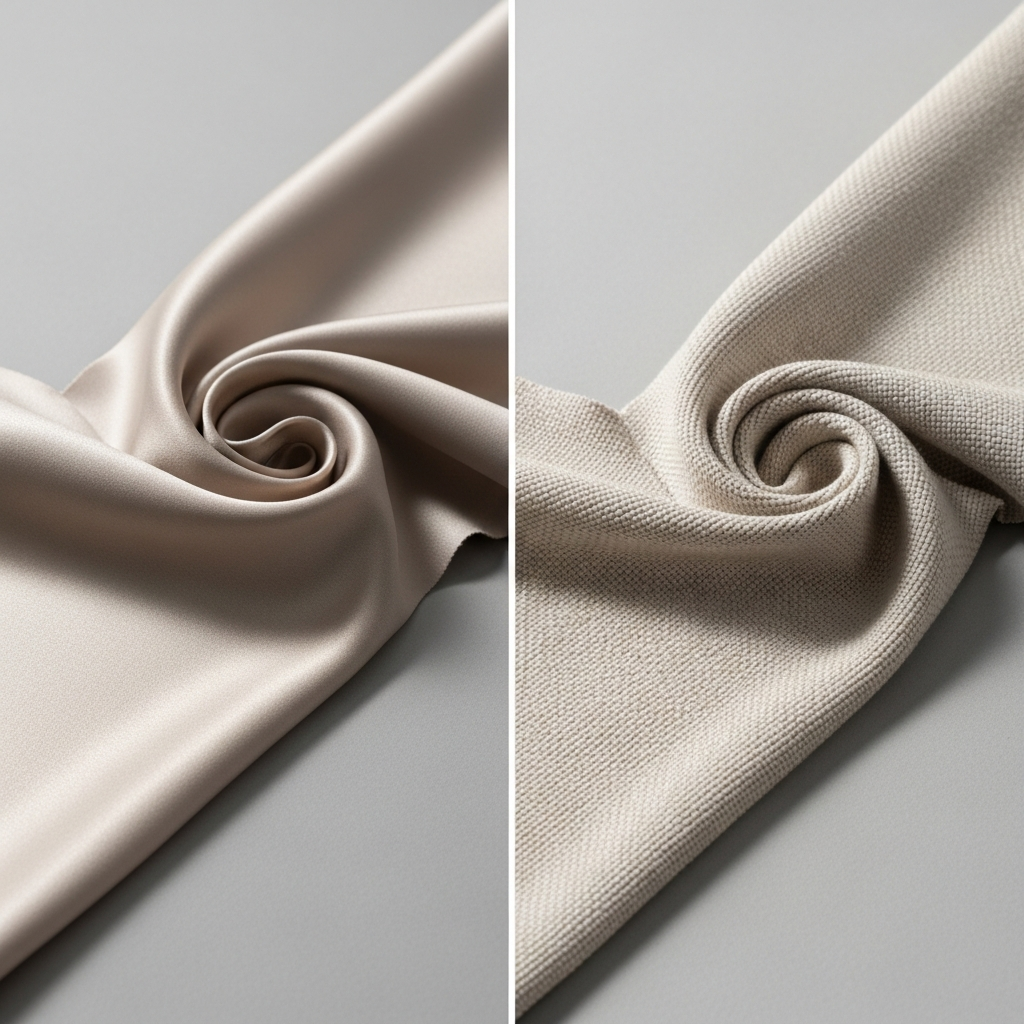
Bamboo's moisture-wicking mechanism compared to cotton and polyester fabrics.
Bamboo vs. Cotton vs. Synthetic Fabrics: The Breathability Comparison
Understanding how bamboo compares to other common sleepwear fabrics can help you make the best choice for your needs. Here is a detailed breakdown:
| Property | Bamboo | Cotton | Polyester |
|---|---|---|---|
| Breathability | Excellent (20% better than cotton) | Good | Poor |
| Moisture Absorption | Up to 40% more than cotton | Moderate | Minimal |
| Drying Speed | Fast | Slow | Fast |
| Temperature Regulation | Thermoregulating | Neutral | Heat-trapping |
| Softness | Ultra-soft | Varies by weave | Can feel synthetic |
| Antibacterial | Natural (bamboo kun) | None | Often chemically treated |
| Sustainability | Highly sustainable | Moderate (water-intensive) | Not sustainable (petroleum-based) |
| Best For | Night sweats, sensitive skin | Everyday wear | Short-term athletic wear |
Why cotton falls short for night sweats: While cotton is comfortable for daytime wear, it absorbs moisture and holds it close to your skin. This means if you sweat during the night, your cotton pajamas become damp and stay that way, leaving you feeling clammy and cold as temperatures fluctuate.
Why polyester is problematic for sleep: Despite being marketed as "moisture-wicking," synthetic fabrics trap heat against your body. The plastic-based fibers cannot match the natural ventilation of plant-based materials. Many people find that performance athletic wear, while great for workouts, makes them even hotter when trying to sleep.
For those ready to make the switch from cotton to bamboo, exploring temperature-regulating bamboo pajamas can be a meaningful change for your sleep quality.
Bamboo Sleepwear Benefits for Babies: Safe Sleep and Temperature Control
For parents, few things cause more worry than baby sleep safety. The good news is that bamboo sleepwear addresses several key concerns that keep parents up at night.
Preventing Overheating: A Critical SIDS Risk Factor
The American Academy of Pediatrics identifies overheating as a risk factor for Sudden Infant Death Syndrome (SIDS). Unlike adults, babies cannot regulate their body temperature as effectively. They cannot kick off blankets or adjust their clothing when they get too warm.
Signs of baby overheating include:
- Sweaty head or damp hair
- Flushed or red cheeks
- Rapid breathing
- Restless sleep
- Heat rash on chest or back
Bamboo's breathability helps maintain a safe sleep temperature by allowing excess heat to escape rather than building up around your baby. This makes it an excellent choice for parents who want to reduce overheating risks while keeping their little ones comfortable.
Why Bamboo Is Ideal for Baby Sensitive Skin
Bamboo is naturally hypoallergenic, making it gentle on babies with eczema-prone or sensitive skin. The ultra-soft texture causes less friction against delicate skin than cotton or synthetic fabrics. Additionally, bamboo contains a natural antibacterial agent called "bamboo kun" that helps reduce odor-causing bacteria without chemical treatments.
For families concerned about chemicals in baby clothing, looking for OEKO-TEX Standard 100 certified bamboo products ensures the fabric has been tested for harmful substances.
Dressing Your Baby in Bamboo for Every Season
A common question from parents is how to dress baby appropriately in bamboo throughout the year:
- Summer: Lightweight bamboo rompers or short-sleeve sleepers
- Spring/Fall: Long-sleeve bamboo pajamas or footie sleepers
- Winter: Layered bamboo with appropriate TOG-rated sleep sacks
The general rule is to dress your baby in one more layer than you would wear. To check if your baby is the right temperature, feel their chest or back rather than their hands or feet, which are often naturally cooler.
Parents looking for breathable sleepwear that keeps babies comfortable and safe can explore bamboo newborn essentials designed specifically for delicate infant skin. For older babies and toddlers, the bamboo baby clothing collection offers a range of sizes and styles that grow with your child.
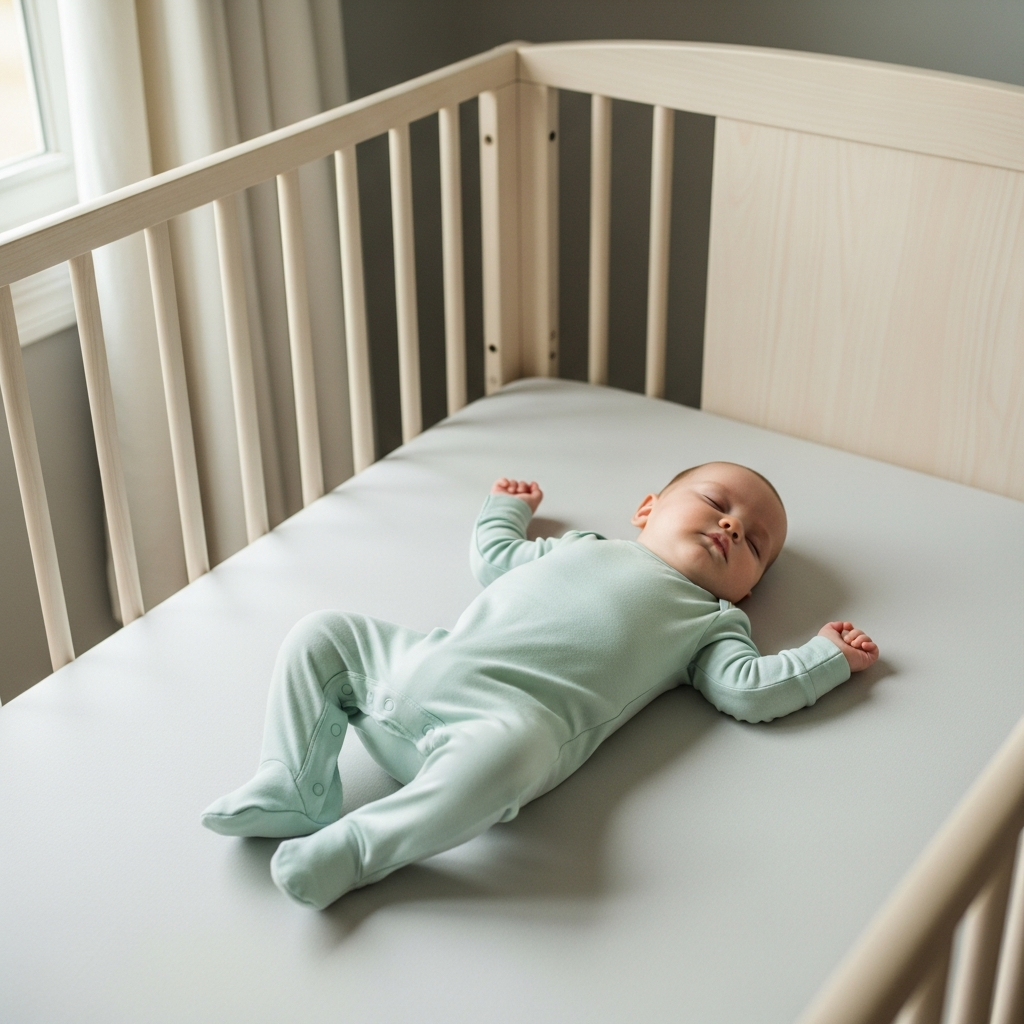
Bamboo sleepwear helps maintain safe sleep temperatures for infants.
Bamboo Benefits for Adults: From Menopause to Postpartum Recovery
Night sweats are not just a baby concern. Adults experience excessive nighttime sweating for various reasons, and bamboo sleepwear offers relief across these different situations.
Managing Menopause and Hot Flashes with Bamboo Sleepwear
According to medical research, approximately 75 to 80 percent of people going through menopause experience hot flashes and night sweats. These sudden temperature spikes can make sleep nearly impossible, leaving you exhausted during the day.
Bamboo's thermoregulating properties help moderate these temperature surges. While no fabric can prevent hot flashes entirely, bamboo responds to your body's changing temperature more quickly than cotton, wicking away moisture and releasing heat as soon as you start to overheat. Many women also appreciate the psychological confidence of knowing their sleepwear is designed to help manage symptoms.
Postpartum Night Sweats: Finding Comfort During Recovery
New mothers often experience intense night sweats in the weeks following childbirth. According to the Sleep Foundation, postpartum night sweats typically last two to six weeks as hormones rebalance, though breastfeeding can extend this period.
During this already exhausting time, comfortable, breathable sleepwear becomes essential. Bamboo nursing pajamas offer both easy breastfeeding access and the temperature regulation new mothers need. The softness of bamboo is also soothing during a time when your body is recovering and extra comfort makes a real difference.
Solutions for Anyone Who Simply Sleeps Hot
Some people naturally run warmer during sleep, regardless of hormonal factors. Anxiety and stress can trigger night sweats. Certain medications list night sweats as a side effect. Whatever the underlying cause, bamboo provides relief by working with your body rather than against it.
If you have ever woken up soaked in sweat even in a cool bedroom, you understand how frustrating it can be. The right sleepwear will not solve every sleep issue, but it can eliminate one significant barrier to restful nights.
Whether you are navigating menopause, recovering postpartum, or simply prefer cooler sleep, comfortable bamboo sleepwear can make a meaningful difference in your nightly rest.
How to Choose Quality Bamboo Sleepwear
Not all bamboo products are created equal. Here is what to look for when shopping for bamboo sleepwear that will actually deliver on breathability promises.
What to Look for in Premium Bamboo Products
- High bamboo content: Look for 95 percent or higher bamboo viscose or rayon content. Blends with high polyester percentages negate many breathability benefits.
- Bamboo lyocell: For the most eco-friendly option, bamboo lyocell uses a closed-loop manufacturing process with less chemical processing.
- Appropriate weight: Lighter weights for summer, slightly heavier for year-round use. Quality bamboo should feel substantial but not heavy.
- Smooth seams: For babies especially, flat seams reduce irritation and increase comfort.
Certifications That Matter
- OEKO-TEX Standard 100: Tests fabric for harmful substances, especially important for baby products
- GOTS (Global Organic Textile Standard): For organic bamboo options
- FSC certification: Ensures sustainably sourced bamboo
Care Tips for Bamboo Fabric Longevity
Proper care ensures your bamboo sleepwear maintains its breathability and softness:
- Wash in cold or warm water, not hot
- Use gentle, eco-friendly detergent
- Avoid bleach and fabric softeners, which can coat fibers
- Tumble dry on low or air dry
- Know that bamboo actually becomes softer with each wash
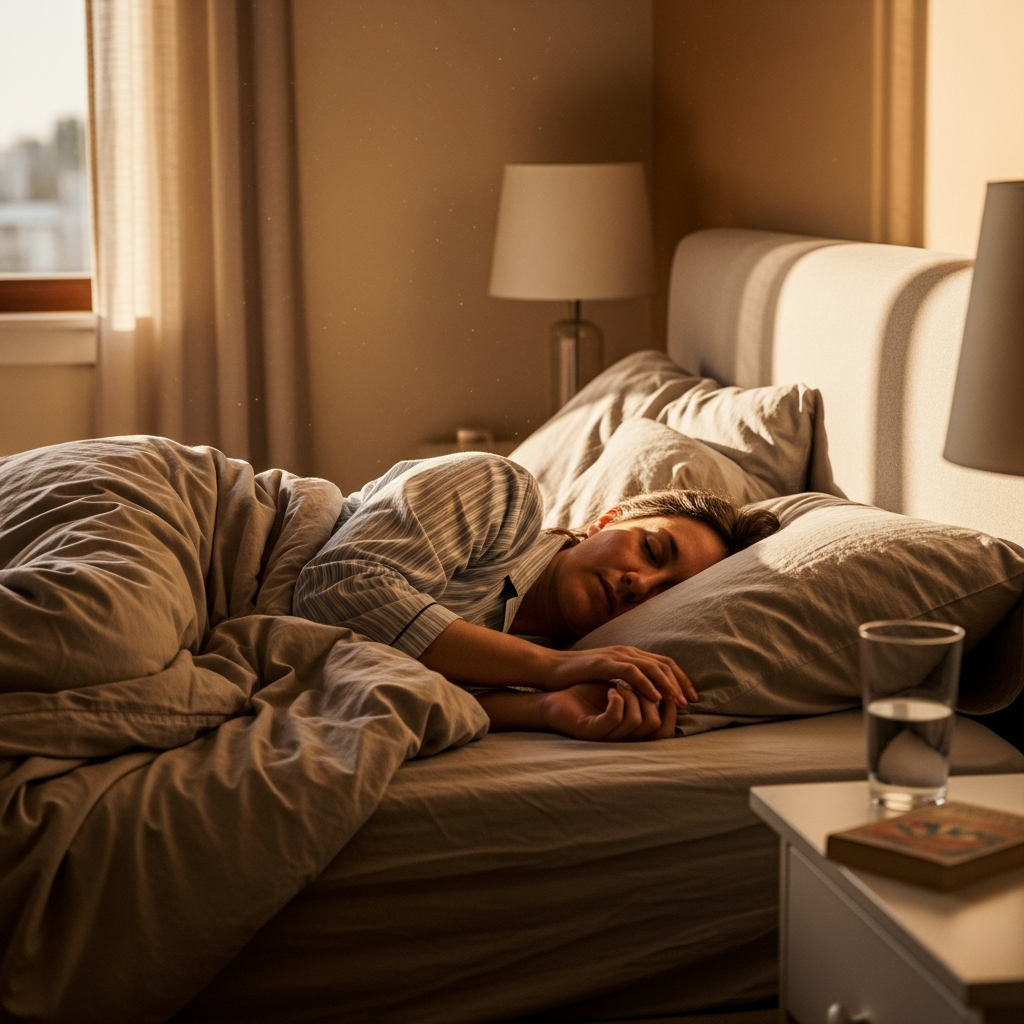
High-quality bamboo pajamas maintain their softness and breathability with proper care.
The Environmental Advantage: Why Eco-Conscious Families Choose Bamboo
Beyond personal comfort, bamboo offers significant environmental benefits that appeal to families committed to sustainable living.
Bamboo is one of the fastest-growing plants on Earth, with some species growing up to three feet per day. Unlike cotton, which requires significant water and often pesticides, bamboo:
- Requires no pesticides or fertilizers
- Uses approximately one-third the water of cotton
- Naturally regenerates from its root system without replanting
- Is biodegradable at end of life
- Acts as a carbon sink, absorbing more CO2 than equivalent stands of trees
Choosing bamboo sleepwear is a small but meaningful step toward reducing your family's environmental footprint. When you invest in durable, high-quality bamboo products that last longer than fast-fashion alternatives, you also reduce the overall consumption cycle.
For families committed to sustainable living, the eco-friendly bamboo collection offers comfortable sleepwear options that align with your values while delivering exceptional breathability.
Embrace Better Sleep with Bamboo
The science is clear: bamboo's unique micro-gap structure, hollow fiber core, and thermoregulating properties make it the superior choice for anyone dealing with night sweats. Whether you are a parent worried about your baby overheating, someone navigating menopause or postpartum recovery, or simply a hot sleeper seeking relief, bamboo sleepwear offers a practical, science-backed solution.
Unlike cotton that holds moisture or synthetics that trap heat, bamboo works with your body's natural temperature regulation systems. It wicks moisture away, releases heat efficiently, and keeps you dry and comfortable throughout the night. And as a bonus, you are making an environmentally responsible choice for your family.
We know how frustrating disrupted sleep can be. At PatPat, we have heard from countless parents and adults who finally found relief after switching to breathable bamboo sleepwear. Sometimes the simplest changes make the biggest difference.
Ready to experience the difference breathable bamboo can make? Start with one piece, perhaps a pair of bamboo pajamas for yourself or bamboo sleepers for your little one, and feel the difference that science-backed sleepwear can make in your nightly rest.

Breathable bamboo sleepwear benefits the whole family.
Frequently Asked Questions About Bamboo Sleepwear and Night Sweats
Is bamboo fabric really more breathable than cotton?
Yes, bamboo fabric is approximately 20 percent more breathable than cotton. This is due to bamboo's unique micro-gap structure and hollow fiber core, which create natural ventilation channels that allow air to circulate freely and heat to escape from the body.
How does bamboo help with night sweats?
Bamboo helps with night sweats through three mechanisms: its micro-gaps allow air circulation to cool the skin, its hollow fibers wick moisture away from the body, and its thermoregulating properties adapt to your body temperature, preventing the overheating that triggers excessive sweating.
Is bamboo sleepwear safe for babies?
Yes, bamboo sleepwear is safe and often recommended for babies. Its breathability helps prevent overheating, a SIDS risk factor. Bamboo is naturally hypoallergenic for sensitive skin, and OEKO-TEX certified bamboo products are tested to be free from harmful chemicals.
Do bamboo pajamas really keep you cooler than cotton?
Yes, bamboo pajamas keep you cooler than cotton because bamboo absorbs up to 40 percent more moisture and releases it faster through evaporation. Bamboo also has higher thermal conductivity, meaning it transfers heat away from your body more efficiently than cotton.
Can bamboo help with menopause night sweats?
Yes, many women experiencing menopause find relief with bamboo sleepwear. Bamboo's thermoregulating properties help moderate the sudden temperature spikes of hot flashes, while its moisture-wicking ability keeps you drier and more comfortable during night sweat episodes.
How long do postpartum night sweats last?
Postpartum night sweats typically last two to six weeks as hormones rebalance after childbirth. Breastfeeding can extend this period. During this time, breathable bamboo sleepwear can help manage symptoms by wicking away moisture and regulating body temperature.
What is the best fabric for someone who sleeps hot?
Bamboo is widely considered the best fabric for hot sleepers. Its combination of breathability, moisture-wicking, and thermoregulation outperforms cotton, linen, and synthetic fabrics. Unlike polyester athletic wear, bamboo manages moisture without trapping heat against the body.
How should I care for bamboo sleepwear to maintain its breathability?
Wash bamboo sleepwear in cold or warm water with gentle detergent. Avoid bleach and fabric softeners, which can coat fibers and reduce breathability. Tumble dry on low or air dry. Bamboo actually becomes softer with each wash while maintaining its moisture-wicking properties.
Additional Resources
For more information about sleep health and fabric choices, these resources may be helpful:
- Sleep Foundation - Research-based sleep health information
- American Academy of Pediatrics Safe Sleep - Guidelines for infant sleep safety
- OEKO-TEX - Information about textile safety certifications




