


As a parent, you want nothing but the softest, safest fabrics touching your baby's delicate skin. Bamboo fabric has become a beloved choice for baby clothes, praised for its silky softness, breathability, and gentle feel. But here is a reality many parents discover too late: not all bamboo fabric is created equal.
You have probably noticed that bamboo baby clothes come at wildly different price points. Some pajamas cost $15 while others run $45 or more. The labels all claim "soft bamboo" and "gentle on skin." So what gives? The answer lies in quality, and the difference between high-quality bamboo fabric and low-quality alternatives can mean the difference between clothes that stay butter-soft wash after wash and those that pill, shrink, or lose their softness after just a few wears.
For babies with sensitive skin or conditions like eczema, this distinction matters even more. At PatPat, we understand how important fabric quality is for your little one's comfort. In this comprehensive guide, we will walk you through exactly how to identify quality bamboo fabric, including the touch tests, certifications to look for, and red flags to avoid. By the end, you will shop with confidence for your baby's bamboo wardrobe.
Why Bamboo Fabric Quality Matters for Your Baby's Comfort and Safety
The Benefits of High-Quality Bamboo for Delicate Skin
High-quality bamboo fabric offers remarkable benefits that make it ideal for baby clothing. The fabric is naturally hypoallergenic, making it a gentle choice for babies prone to skin irritation. Research confirms that bamboo fabric has excellent moisture-wicking properties, with studies showing bamboo can absorb 60% more moisture than cotton and holds three times its weight in water.
Temperature regulation is another standout feature. The hollow bamboo fibers trap air close to the skin, helping regulate body temperature. This means your baby stays cooler in summer and warmer in winter, resulting in more comfortable sleep.
What Happens When You Choose Low-Quality Bamboo
Low-quality bamboo fabric creates problems that affect both comfort and durability:
- Fabric pills quickly, creating uncomfortable textures against baby's skin
- Loses its signature softness after just a few washes
- May contain chemical residues from poor processing
- Less effective moisture-wicking and temperature regulation
- Potential skin irritation for sensitive babies
This matters significantly when you consider that up to 1 in 4 children have eczema, a condition that makes fabric choice critically important. Investing in quality bamboo means fewer replacements and better value over time.
How to Identify High-Quality Bamboo Fabric by Touch and Appearance
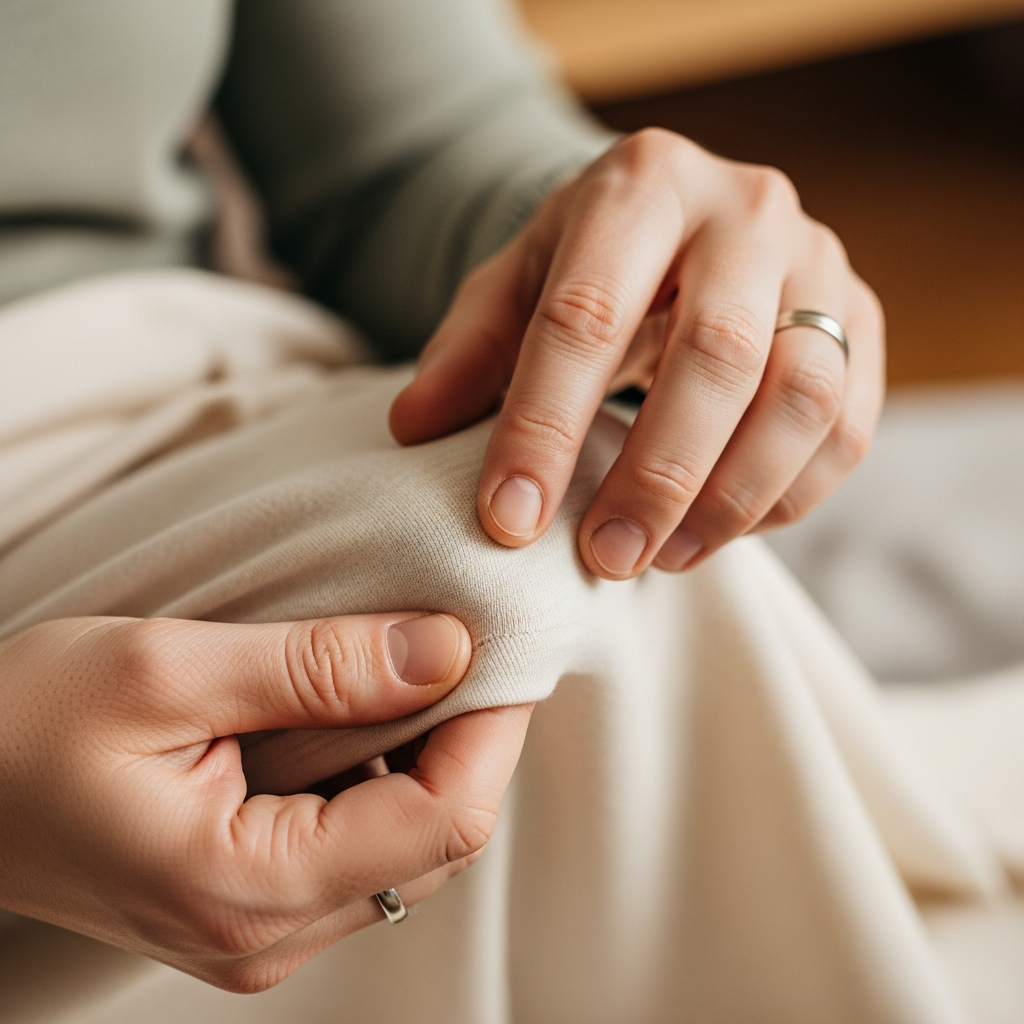
The Touch Test Every Parent Should Know
Your hands are your best quality assessment tool. High-quality bamboo fabric has a distinctive feel that sets it apart:
- Silky smooth texture: Quality bamboo feels like silk or cashmere, not cotton
- Fluid drape: The fabric should drape smoothly without stiffness
- Consistent feel: No rough patches or inconsistent textures
- Natural sheen: A slight luster indicates quality processing
Run your fingers across both sides of the fabric. Quality bamboo should feel equally soft inside and out. If the inside feels noticeably rougher, that is a warning sign.
Examining Fabric Weight and Thickness (GSM)
GSM stands for "grams per square meter" and measures fabric weight. Understanding GSM helps you choose appropriate bamboo clothing for different purposes.
| GSM Range | Best Use | Characteristics |
|---|---|---|
| 140-180 GSM | Summer clothing | Lightweight, highly breathable |
| 200-260 GSM | Year-round sleepwear | Ideal balance of softness and durability |
| 260-300 GSM | Cooler weather | More substantial warmth |
According to fabric weight guidelines for baby clothing, medium-weight fabrics between 180 and 300 GSM work well for spring and fall layering. For bamboo baby pajamas, the 200-260 GSM range typically offers the best combination of softness and longevity.
Visual Cues That Reveal Quality
Beyond touch, look for these visual indicators:
- Consistent color saturation without blotches or uneven dye
- Clean, tight weave with no loose threads visible
- Quality stitching with even spacing
- Flat or covered seams for comfort against skin
Understanding Bamboo Fabric Types: Viscose, Lyocell, and Blends
Bamboo Viscose (Rayon): The Most Common Type
Most bamboo baby clothes on the market are made from bamboo viscose, also called bamboo rayon. These terms mean the same thing. The bamboo pulp is processed using chemicals to create soft, wearable fabric.
Bamboo viscose offers excellent softness at accessible price points. However, quality varies significantly depending on the manufacturing process and raw materials used. When shopping for bamboo viscose baby clothes, certifications become especially important to ensure safe processing.
Bamboo Lyocell: The Premium Eco-Friendly Option
Bamboo lyocell represents the premium choice in bamboo fabrics. The key difference is the manufacturing process. Bamboo lyocell uses a closed-loop system where 99% of the solvent is recycled and reused, making it significantly more environmentally friendly.
Lyocell bamboo typically costs more but offers superior durability. If you find bamboo baby clothes labeled as lyocell or TENCEL, you are looking at a premium product.
Bamboo Blends: What to Look For
Many baby clothes combine bamboo with other fibers. Here is what to consider:
- Bamboo + Cotton: Adds durability while maintaining softness
- Bamboo + Spandex (3-5%): Provides stretch for comfortable fit
- Minimum bamboo percentage: Look for at least 70% bamboo to maintain the fabric's beneficial properties
Avoid blends with high synthetic content, which can reduce breathability and moisture-wicking capabilities.
Certifications That Guarantee Safe, Quality Bamboo Baby Clothes

OEKO-TEX Standard 100: The Gold Standard for Baby Safety
When it comes to baby clothing safety, OEKO-TEX Standard 100 is the certification that matters most. This independent testing system screens for harmful substances in textiles.
For baby products specifically, look for Class 1 certification, which has the strictest requirements. According to OEKO-TEX guidelines, Class 1 covers products for babies and children up to 3 years and features the most stringent limit values for harmful substances.
What does OEKO-TEX Class 1 test for?
- Formaldehyde (prohibited for baby products)
- Banned azo dyes and carcinogenic colorants
- Heavy metals including lead and cadmium
- Pesticide residues
- Phthalates and other softeners
- Color fastness against saliva and perspiration
Other Certifications Worth Knowing
GOTS (Global Organic Textile Standard): Verifies organic fiber content and environmental processing standards. If a product claims "organic bamboo," GOTS certification backs that claim.
FSC Certification: Ensures the bamboo was sourced from responsibly managed forests. This addresses sustainability concerns about bamboo harvesting.
How to Verify Certifications Are Legitimate
To verify an OEKO-TEX certification, look for the certification number on the label and check it using the OEKO-TEX label check tool. Quality brands proudly display and document their certifications.
Red Flags That Signal Low-Quality Bamboo Fabric
Warning Signs Before You Buy
Learn to spot potential quality issues before purchasing:
- Suspiciously low prices: If bamboo pajamas cost $8 when comparable products run $25-45, question the quality
- Vague fabric descriptions: Missing specific composition details (exact percentages)
- No verifiable certifications: Claims without certification numbers
- Rough or plastic-like feel: Quality bamboo should feel silky, never stiff
- "100% Natural Bamboo" claims: This is misleading since bamboo fabric requires processing
Problems That Appear After Washing
Low-quality bamboo reveals itself over time:
- Excessive pilling after first few washes
- Significant shrinkage beyond the normal 3-5%
- Color fading or bleeding onto other clothes
- Fabric becomes rough or stiff instead of softer
- Loss of temperature-regulating properties
Misleading Marketing Claims to Watch For
"Natural bamboo" without processing disclosure often misleads consumers. All bamboo fabric undergoes processing since raw bamboo cannot become wearable fabric without it. The question is how it was processed and with what standards.
Similarly, "antibacterial" claims for heavily processed viscose may not hold up. While bamboo does have natural properties, these can be diminished through poor manufacturing.
Shopping Guide: What to Look for in Quality Bamboo Baby Clothes
Essential Features in Quality Bamboo Sleepwear
When shopping for bamboo pajamas, prioritize these construction details:
- Flat or covered seams: Prevents irritation against baby's skin
- Quality hardware: Look for YKK or similar quality zippers and sturdy snaps
- Tagless labels: Printed tags or easily removable labels
- Reinforced stress points: Extra stitching at neck, snaps, and zipper areas
- Appropriate GSM: 200-260 GSM for comfortable year-round sleepwear
Quality bamboo pajamas feature these thoughtful design elements that keep baby comfortable through the night.
Evaluating Bamboo Onesies and Everyday Wear
For daily use, look for:
- Envelope necklines for easy dressing
- Nickel-free snaps for babies with metal sensitivities
- Fabric that maintains stretch without losing shape
- Rich, consistent colors that indicate quality dye processes
Well-made bamboo onesies combine the softness babies love with the durability parents need for everyday wear and repeated washing.
Building a Quality Bamboo Baby Wardrobe
You do not need to buy everything at once. Start strategically:
- Begin with sleep essentials: This is where quality matters most since babies spend the majority of their time sleeping
- Add bamboo basics: Onesies and bodysuits that work across seasons
- Layer thoughtfully: Mix premium pieces with everyday options
Building a bamboo wardrobe gradually allows you to assess quality from trusted bamboo baby clothes collections before committing to larger purchases.
Caring for Bamboo Baby Clothes to Maintain Quality
Washing Best Practices for Bamboo Fabric
Proper care dramatically extends the life of your bamboo baby clothes:
- Water temperature: Cold to warm water; avoid hot
- Cycle setting: Gentle or delicate cycle
- Detergent: Mild, fragrance-free options work best
- Preparation: Turn garments inside out to protect the surface
- Avoid: Bleach and harsh stain removers
Drying Tips to Prevent Damage
- Tumble dry on low heat or air dry
- Remove promptly to prevent wrinkles
- Avoid high heat, which damages bamboo fibers
- Line drying preserves softness longest
Preventing Pilling and Extending Garment Life
Additional care tips:
- Use mesh laundry bags for delicate items
- Skip fabric softeners, which can leave residue and reduce moisture-wicking
- Store folded rather than hung to prevent stretching
Making the Best Choice for Your Baby: Quality Over Quantity
The True Cost of Quality vs. Cheap Alternatives
Consider the long-term value: quality bamboo clothes often last 2-3 times longer than budget alternatives. When you calculate cost-per-wear, premium bamboo frequently offers better value despite the higher upfront price.
Quality bamboo also holds resale value. Many parents successfully sell gently used premium bamboo baby clothes, recovering a portion of their investment while extending the garment's useful life.
Where Quality Matters Most
Prioritize quality bamboo for:
- Sleepwear and pajamas: Babies spend most of their time sleeping
- Items touching sensitive areas directly: Bodysuits and underwear
- Babies with eczema or skin sensitivities: Quality fabric makes a noticeable difference
For building a complete baby wardrobe, explore baby clothes options that balance quality with everyday value.
Frequently Asked Questions About Bamboo Fabric Quality
How can I tell if bamboo fabric is high quality?
High-quality bamboo fabric feels silky smooth and drapes softly without stiffness. Look for OEKO-TEX Class 1 certification, GSM between 200-260 for sleepwear, consistent color, and quality construction with flat seams. The fabric should maintain its softness after washing rather than becoming rough or pilling.
Is bamboo viscose safe for newborn babies?
Yes, bamboo viscose is safe for newborns when properly processed and certified. Look for OEKO-TEX Standard 100 Class 1 certification, which tests for harmful substances and is specifically designed for baby products. Quality bamboo viscose is hypoallergenic and gentle on delicate newborn skin.
Why do some bamboo baby clothes cost more than others?
Price differences reflect fabric quality, processing methods, certifications, and construction. Higher-priced bamboo clothes typically use better raw materials, eco-friendly processing like lyocell, carry legitimate certifications, and feature superior stitching and hardware. Cheaper options often compromise on these elements.
What is the difference between bamboo viscose and bamboo lyocell?
Both are made from bamboo but use different processing methods. Bamboo viscose uses a chemical process while bamboo lyocell uses a closed-loop system that recycles 99% of solvents, making it more environmentally friendly. Lyocell typically produces stronger, more durable fabric and is considered the premium option.
How do I prevent bamboo baby clothes from pilling?
Wash bamboo clothes inside out on a gentle cycle with cold water. Use mesh laundry bags, avoid washing with rough fabrics like denim, skip fabric softener, and tumble dry on low. High-quality bamboo naturally resists pilling better than lower-quality alternatives.
Are bamboo baby clothes better than organic cotton for sensitive skin?
Both are excellent choices for sensitive skin. Bamboo offers superior moisture-wicking and temperature regulation, making it ideal for sweaty sleepers and babies prone to heat rashes. Organic cotton is breathable and durable. Many parents find bamboo softer against skin affected by eczema.
What certifications should I look for in bamboo baby clothes?
OEKO-TEX Standard 100 Class 1 is the most important certification for baby safety, testing for harmful chemicals and substances. GOTS certification indicates organic standards, and FSC certification ensures sustainable bamboo sourcing. Always verify certifications using official checker tools.
Can bamboo baby clothes go in the dryer?
Yes, quality bamboo clothes can be tumble dried on low heat. However, air drying preserves softness and extends garment life. Remove promptly from the dryer to prevent wrinkles. Avoid high heat settings, which can damage bamboo fibers and cause shrinkage over time.
Shop with Confidence for Quality Bamboo Baby Clothes
Choosing high-quality bamboo fabric for your baby does not have to be overwhelming. Now you know what to look for: that distinctive silky feel, proper certifications like OEKO-TEX Class 1, appropriate GSM weight, quality construction, and transparent brand practices. You also know the red flags to avoid: suspiciously low prices, missing certifications, and vague fabric claims.
Remember, quality bamboo is an investment in your baby's comfort. Well-made bamboo sleepwear keeps your little one comfortable through the night, and durable everyday pieces can last through multiple children or find new life through resale. The best approach? Start with quality where it matters most, like sleepwear and items for sensitive skin, and build your baby's bamboo wardrobe thoughtfully over time.
Ready to shop for quality bamboo baby clothes?
At PatPat, we offer soft, certified bamboo pieces designed with your baby's comfort in mind. From cozy pajamas to everyday essentials, find options that meet the quality standards every parent deserves.
Shop Bamboo Baby Clothes Explore Bamboo Pajamas




