


It is 2 AM. Your baby is awake again, scratching at red, inflamed patches of skin while you sit there feeling helpless. You have tried the creams. You have adjusted the thermostat. You have read every forum thread and asked every pediatrician you know. And yet the flare-ups keep coming back.
If this sounds painfully familiar, you are far from alone. According to the National Eczema Association, over 31 million Americans have some form of eczema, and it commonly begins in infancy. In fact, the American Academy of Pediatrics reports that roughly 60% of children with atopic dermatitis develop symptoms within their first year of life. Most parents cycle through countless lotions, prescription creams, and dietary changes before ever considering one of the biggest factors touching their baby's skin every single day: clothing.
That is where bamboo baby clothes for eczema enter the picture. Bamboo fabric has quietly emerged as a dermatologist-backed solution that addresses the root causes of clothing-related flare-ups. In this guide from PatPat, we will walk through the science, the practical tips, and the honest answers you need to make informed choices for your baby's sensitive, eczema-prone skin.
Understanding Baby Eczema and the Hidden Role of Clothing
What Causes Baby Eczema and Why Clothing Is an Overlooked Trigger
Baby eczema, clinically known as atopic dermatitis, is an inflammatory skin condition where the skin barrier does not function as it should. Think of healthy skin as a brick wall — with skin cells as the bricks and natural oils as the mortar. In babies with eczema, that mortar is weak. Moisture escapes (a process called transepidermal water loss), and irritants get in. The result is dry, itchy, inflamed skin that can crack and even bleed.
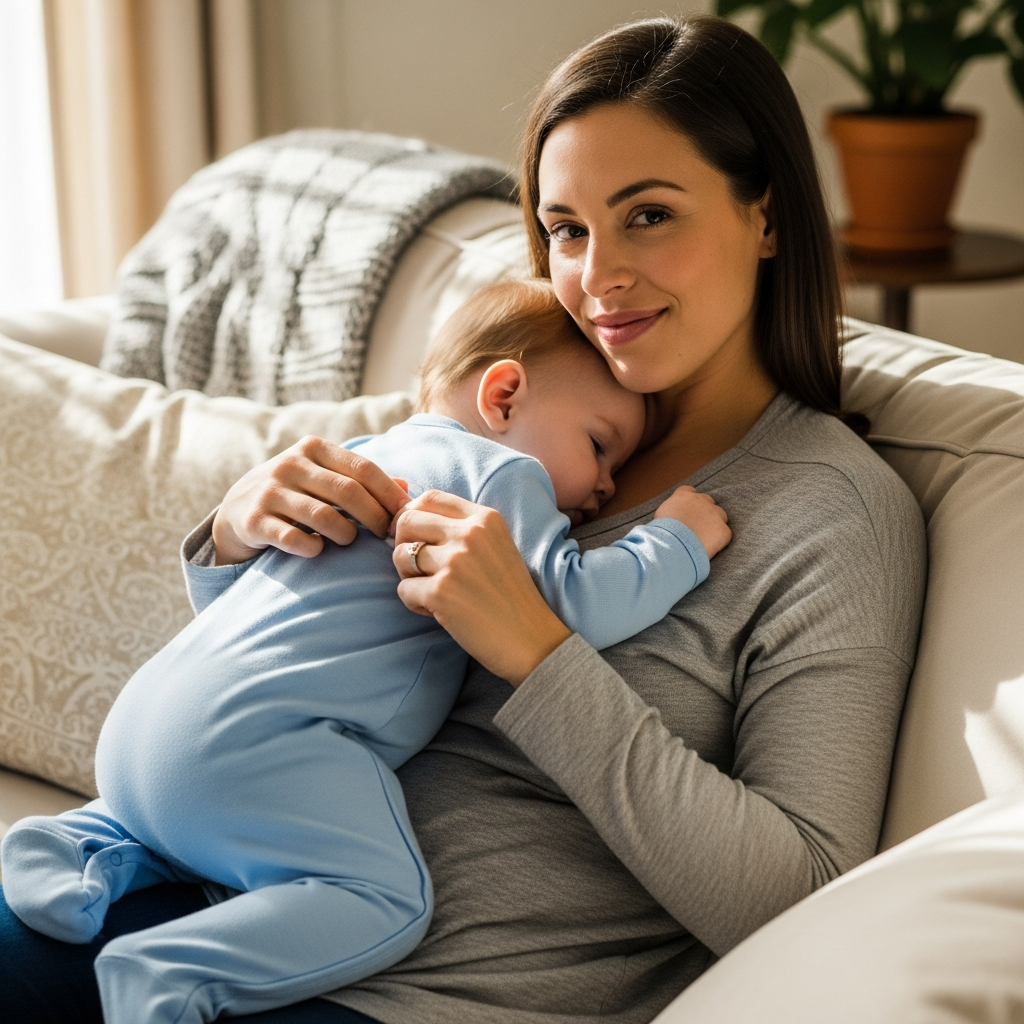
Now consider this: clothing is the single most constant environmental factor touching your baby's skin. For 20 or more hours each day, fabric sits directly against that compromised skin barrier. The National Eczema Society confirms that wool and synthetic materials cause overheating, sweating, and irritation that trigger eczema flare-ups. Rough seams, fibers, and fastenings make things worse. Yet many parents focus exclusively on topical treatments while overlooking what their baby is actually wearing.
Fabrics That Make Eczema Worse: What to Avoid
Not all fabrics are created equal, and some are especially harmful for eczema-prone babies. Here is what to steer clear of:
- Polyester and synthetics — trap heat, generate static, and create micro-friction against the skin
- Wool — natural but often scratchy at the fiber level, disrupting the skin barrier
- Nylon and acrylic — poor breathability, tendency to retain chemical dyes
- Heavily treated fabrics — "wrinkle-free" or "stain-resistant" finishes often contain formaldehyde resins that irritate sensitive skin
- Tight or restrictive clothing — friction drives the itch-scratch cycle, where scratching damages the barrier further and triggers more itching
Fabric touches your baby's skin more than anything else in their world. If eczema is a door that lets irritants in, the wrong fabric is the one holding it open. For a deeper look at how different materials interact with your baby's skin, read our guide on how fabric choice affects your baby's skin.
The Science Behind Bamboo: Why It Outperforms Every Other Fabric for Eczema
Plenty of articles list the benefits of bamboo in generic terms. But what makes this fabric genuinely different for eczema-prone babies is how each property directly counters a specific eczema mechanism. Let us break it down.
Hypoallergenic Fibers That Protect the Skin Barrier
Under a microscope, bamboo fibers have a naturally smooth, round cross-section. Cotton fibers, by contrast, have a more irregular, twisted shape with rougher edges. This difference matters enormously for a baby whose skin barrier is already compromised. The smooth fiber surface of bamboo creates near-zero friction against inflamed skin. No chemical treatments are needed to achieve this softness — the gentleness is built into the fiber itself. This hypoallergenic quality means fewer contact dermatitis reactions and less irritation during daily wear.
Moisture Wicking That Breaks the Eczema Cycle
Sweat sitting on skin is one of the fastest routes to an eczema flare-up. Bamboo addresses this directly. Scientific studies on bamboo and cotton fabrics confirm that bamboo's hollow fiber structure creates natural capillary action, pulling moisture away from the skin and spreading it across the fabric surface for faster evaporation. Bamboo has a moisture regain rate of approximately 12-13%, compared to cotton's 6-9%, which means it absorbs and releases moisture significantly faster — keeping the skin's microclimate stable and reducing the sweat-triggered flare-ups that plague so many eczema babies.
Temperature Regulation That Prevents Overheating Flares
Overheating is arguably the number one clothing-related eczema trigger. Bamboo's cross-sectional micro-gaps allow continuous air circulation, creating a natural thermoregulation system. This means the fabric helps keep your baby cooler in warm conditions and provides gentle insulation when it is cold. This matters especially at night, when your baby's body temperature naturally rises during deep sleep — exactly the time when many eczema flare-ups peak.
Natural Antibacterial Properties That Support Healing Skin
Eczema-damaged skin is especially vulnerable to bacterial colonization, particularly by Staphylococcus aureus, which can worsen flare-ups and lead to infection. Bamboo contains a natural bio-agent called bamboo kun, which provides antimicrobial properties to the fabric. Research published in PMC has investigated the antibacterial characteristics of bamboo, finding that compounds within bamboo fiber demonstrate antimicrobial activity. This natural protection helps support the compromised skin microbiome, and unlike chemically treated antibacterial fabrics, these properties are inherent to the fiber.
Once you understand why bamboo is uniquely suited to eczema-prone skin, the next step is finding pieces that put this science to work. You can explore bamboo baby clothes designed for sensitive skin that incorporate all these properties.
Bamboo vs Cotton for Baby Eczema: An Honest Head-to-Head Comparison
This is the question every parent asks: is bamboo really better than cotton for baby eczema, or is it just marketing hype? Let us be fair and honest. Organic cotton is a solid fabric choice — miles better than synthetics. But when you compare the two specifically through the lens of eczema management, bamboo has clear advantages.
| Property | Bamboo | Organic Cotton | Why It Matters for Eczema |
|---|---|---|---|
| Softness | Silky, cashmere-like | Soft but textured | Less friction on inflamed skin |
| Moisture Wicking | Higher moisture regain (12-13%) | Moderate absorption (6-9%) | Prevents sweat-triggered flares |
| Breathability | Excellent (micro-gap fiber) | Good | Reduces overheating |
| Antibacterial | Natural bamboo kun agent | None (unless treated) | Protects broken skin from infection |
| Thermoregulation | Adapts to body temperature | Limited regulation | Prevents temperature-triggered flares |
| Durability | Maintains softness 50+ washes | Can harden over time | Long-term eczema comfort |
| Eco-Friendly | Rapid-growth, low water crop | Chemical-free (organic) | No chemical residue irritants |
The bottom line? If your baby is already comfortable in organic cotton, bamboo is the natural next step — not a completely different direction, but an upgrade where it counts most. Cotton retains moisture against the skin longer, and its fibers have a rougher microscopic texture that can create micro-friction on broken skin. For eczema-specific needs, bamboo is what dermatologist recommended baby clothes for eczema look like in practice.
Not All Bamboo Is Created Equal: Choosing the Right Fabric Type and Certifications
Bamboo Viscose, Bamboo Rayon, and Bamboo Lyocell: What Parents Need to Know
If you have started shopping for bamboo baby clothes, you have probably noticed different terms on labels: bamboo viscose, bamboo rayon, bamboo lyocell. It can be confusing, so here is the simple breakdown:
- Bamboo viscose / bamboo rayon — the most common form. These terms are functionally interchangeable. The fabric is soft, breathable, and excellent for eczema. It is made by dissolving bamboo cellulose fiber and regenerating it into fabric.
- Bamboo lyocell — uses a closed-loop manufacturing process that is slightly more eco-friendly. Equally soft and equally suitable for eczema-prone skin.
The key takeaway: all three types work well for eczema. The real differentiator is not the processing method — it is the safety certification.
Decoding Safety Labels: OEKO-TEX Standard 100 and GOTS Certification
This is where your purchasing decisions matter most for eczema-prone babies. OEKO-TEX Standard 100 is the gold standard for baby textile safety. Class I is the strictest testing level, specifically designed for items that touch infant skin. It tests for harmful substances including carcinogenic dyes, formaldehyde, heavy metals, pesticides, and phthalates. GOTS (Global Organic Textile Standard) certifies organic fiber content and responsible processing.
Why does this matter for eczema? Uncertified bamboo viscose baby clothes may contain residual processing chemicals that act as contact irritants on already-compromised skin. Always look for the certification number on tags or check the brand's website directly.
For a full breakdown of which fabrics pass the dermatologist test for eczema, see our dermatologist-advised fabric checklist.
Dressing Your Eczema Baby Through Every Season in Bamboo
One of the biggest gaps in eczema clothing advice is the lack of seasonal guidance. Your baby's dressing needs shift dramatically between January and July, and bamboo adapts to every scenario.
Winter Layering: Bamboo as Your Baby's First-Skin-Contact Base Layer
Winter is peak eczema season. Cold outdoor air strips moisture from the skin, while dry indoor heating accelerates transepidermal water loss. The American Academy of Dermatology winter eczema care guidelines confirm this double threat. Here is your layering strategy:
- Base layer (against skin): Always bamboo — this is non-negotiable for eczema babies
- Mid-layer: Fleece or soft knit for warmth
- Outer layer: Weather-appropriate outerwear
The critical rule: never let wool or synthetics sit directly against eczema-prone skin, even if a bamboo layer goes over the top. And keep indoor layers minimal to prevent overheating in heated homes — overheating triggers flare-ups just as quickly as cold air.
Summer Cooling: Preventing Sweat and Heat Flares
Summer brings its own eczema triggers: sweat, heat, sunscreen chemicals, and chlorine. This is where bamboo's breathability and moisture wicking shine brightest. Opt for single-layer bamboo rompers or short-sleeve onesies. After swimming, rinse your baby, apply moisturizer, and dress in clean bamboo immediately. Bamboo also provides some natural UV resistance, offering an additional layer of sun protection for delicate skin.
Spring and Fall Transitions: Adaptable Dressing for Unpredictable Weather
Temperature swings are the enemy of eczema management. Bamboo's natural thermoregulation handles this beautifully. Dress in removable bamboo layers your baby can shed as the day warms up. A bamboo sleep sack is the transition-season nighttime hero — breathable enough for mild evenings, insulating enough for cool nights.
Whether you are building a winter base-layer wardrobe or stocking up on breathable summer essentials, having the right bamboo pieces makes eczema management significantly easier. Find breathable bamboo options for every season.
From Newborn to Toddler: Bamboo Clothing for Every Eczema Stage
Newborns (0-3 Months): When First-Skin-Contact Matters Most
Newborn skin is dramatically thinner than adult skin. Research published in PMC on neonatal skin physiology confirms that infant skin has a thinner stratum corneum and reduced natural moisturizing factor, making it significantly more sensitive to irritation and inflammation. Fabric choice at this stage has an outsized impact.
For newborns with eczema or sensitive skin, look for:
- Kimono-style wraps that avoid pulling over irritated face and scalp
- Fold-over mittens to prevent scratching
- Tagless construction and flat seams
- Bamboo swaddles for gentle, breathable wrapping
For parents bringing home a newborn with eczema — or hoping to get ahead of it — starting with bamboo from the very first outfit matters. Explore the bamboo newborn collection for pieces designed with the gentlest needs in mind.
Infants (3-12 Months): Breathable Comfort for Active Explorers
Once your baby starts crawling and rolling, new friction points emerge at the knees, elbows, and belly. Full-coverage bamboo bodysuits protect these high-friction zones while keeping skin cool. Look for two-way zippers that allow easy diaper changes without full undressing — less skin disruption means fewer opportunities to trigger a flare. This is also the stage to transition from swaddles to bamboo sleep sacks for safe, breathable sleep.
Toddlers (1-3 Years): Durability That Keeps Up with Active Skin
Toddlers need clothes that survive rough play while remaining eczema-friendly. Here is where bamboo's durability shines: it maintains its silky softness through 50 or more washes, unlike cotton which can stiffen and roughen over time. Two-piece bamboo sets allow you to target layering where your toddler needs it most — because eczema rarely flares uniformly. Some days the legs are the problem; other days it is the arms. Separates give you flexibility that one-piece outfits cannot.
The Complete Eczema Bedtime Routine with Bamboo Sleepwear
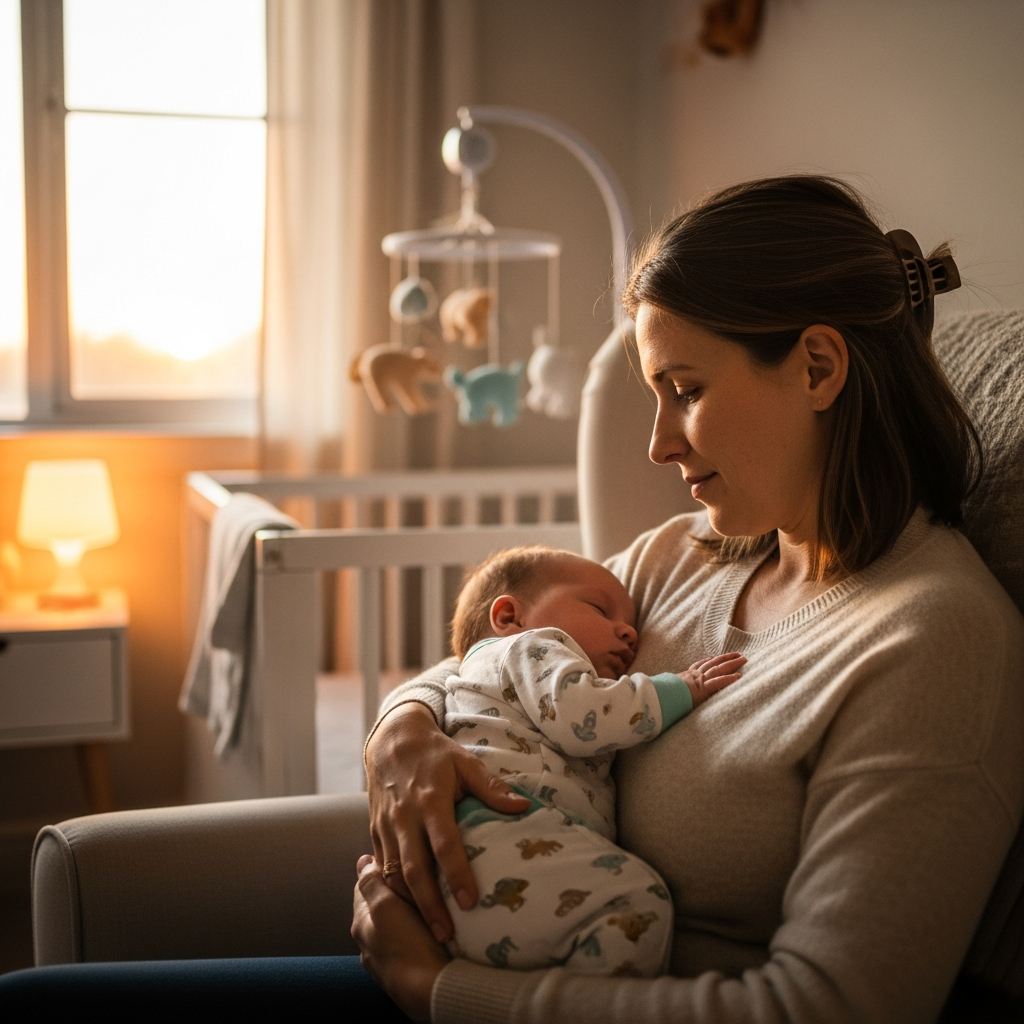
Nighttime is when eczema often hits hardest. Body temperature rises during deep sleep, scratching happens unconsciously, and hours of continuous skin-to-fabric contact can make or break the night. Here is a step-by-step bedtime routine that combines skincare with bamboo sleepwear for the best results.
Step 1: Gentle Bath with Lukewarm Water (5-10 Minutes)
Keep baths short and lukewarm — never hot. Hot water strips natural skin oils and accelerates moisture loss. Use a fragrance-free, soap-free cleanser only on visibly dirty areas. When the bath is done, pat dry gently. Never rub.
Step 2: Apply Emollient While Skin Is Still Damp
This is the "soak and seal" method, and timing is everything. The American Academy of Dermatology recommends applying moisturizer within minutes of bathing to lock moisture in before it evaporates. Thick ointments or creams work better than thin lotions. If your pediatrician has prescribed medication, apply that first, then layer the emollient on top.
Step 3: Dress in Bamboo Sleepwear with Protective Features
Now is the moment bamboo baby pajamas for eczema flare-ups at night make their biggest difference. Look for:
- Fold-over mittens to prevent unconscious nighttime scratching
- Tagless, flat-seam construction that eliminates friction points during sleep
- A comfortable, non-restrictive fit that allows emollient to absorb without being wiped off by tight fabric
For severe nighttime flares, some parents use wet wrapping — a damp bamboo layer under a dry bamboo layer — as a targeted relief technique. Browse bamboo sleepwear designed for newborns with features built for eczema-prone skin. For more on choosing the right sleepwear, read our complete guide to choosing baby sleepers for eczema and our guide to bamboo pajamas for sensitive baby skin.
Step 4: Optimize the Sleep Environment
- Room temperature: 68-72 degrees F (20-22 degrees C)
- Humidity: 40-50% — use a humidifier in winter, dehumidifier in humid climates
- Bedding: Hypoallergenic mattress cover and sheets
- Atmosphere: Dark and quiet to promote uninterrupted sleep, which reduces unconscious scratching
Caring for Bamboo Baby Clothes: The Eczema-Safe Laundry Guide
Bamboo's eczema-fighting properties only last if you care for the fabric correctly. Here is the complete protocol.
Always Pre-Wash Before First Wear
New clothes — even bamboo — can carry residual manufacturing chemicals, sizing agents, or warehouse dust. Pre-washing with a fragrance-free detergent and an extra rinse cycle removes these invisible irritants before they contact eczema-prone skin. This single step prevents many first-wear flare-ups that parents sometimes mistakenly blame on the fabric itself.
Choosing a Detergent That Protects Eczema-Prone Skin
Stick to fragrance-free, dye-free, hypoallergenic formulas. Avoid optical brighteners, which leave chemical residue on fabric. Skip fabric softener entirely — it coats bamboo fibers and reduces both breathability and moisture wicking, defeating the very properties that make bamboo work for eczema. Dryer sheets cause the same problem. Running an extra rinse cycle is a simple way to ensure all detergent residue is fully removed.
Washing and Drying to Preserve Eczema-Soothing Properties
| Care Step | Recommendation | Why It Matters for Eczema |
|---|---|---|
| Pre-Wash | Always before first wear | Removes manufacturing residue |
| Water Temperature | Cold or warm (never hot) | Preserves fiber softness |
| Detergent | Fragrance-free, dye-free | No chemical residue on skin |
| Fabric Softener | Never use | Coats fibers, blocks breathability |
| Drying | Low heat or line dry | Prevents fiber roughening |
| Bleach | Never use | Degrades fiber structure |
| Extra Step | Turn garments inside out | Protects the skin-contact surface |
Frequently Asked Questions About Bamboo Baby Clothes and Eczema
Is bamboo clothing good for babies with eczema?
Yes, bamboo clothing is excellent for babies with eczema. Bamboo fabric is naturally hypoallergenic, moisture-wicking, and has antibacterial properties — three qualities that directly address the core triggers of eczema flare-ups. Its smooth fiber surface creates minimal friction against inflamed skin, and its thermoregulating ability prevents overheating, which is the most common clothing-related eczema trigger.
What is the best fabric for a baby with eczema?
The best fabrics for babies with eczema, ranked by suitability:
- Bamboo viscose — hypoallergenic, antibacterial, superior moisture wicking
- Organic cotton (GOTS-certified) — gentle, breathable, chemical-free
- TENCEL lyocell — silky smooth, excellent moisture management
- Silk — low friction, natural temperature regulation
Avoid polyester, wool, nylon, fleece, and heavily dyed or treated fabrics.
Is bamboo better than cotton for baby eczema?
For eczema specifically, bamboo outperforms cotton in every category that matters. Bamboo wicks moisture significantly faster, has natural antibacterial properties cotton lacks, and regulates temperature more effectively. While organic cotton is a good choice, bamboo's smoother fiber surface creates less micro-friction on broken skin — a critical advantage for babies with active eczema flare-ups.
What should a baby with eczema wear to sleep?
Follow these four steps: (1) Give a lukewarm bath. (2) Apply emollient while skin is still damp. (3) Dress in a soft bamboo or organic cotton sleeper with fold-over mittens, flat seams, and tagless design. (4) Keep the room at 68-72 degrees F. Avoid overdressing, which causes sweating and worsens flare-ups overnight.
Is bamboo viscose safe for newborns?
Bamboo viscose is safe for newborns when it carries an OEKO-TEX Standard 100 Class I certification. This is the strictest testing level, specifically designed for items that touch infant skin. It verifies the fabric has been tested for harmful substances including formaldehyde, heavy metals, and pesticides. Always check the product label or the brand's website for this certification before purchasing.
Can bamboo clothes cure baby eczema?
No, bamboo clothes do not cure eczema. However, they can significantly reduce the frequency and severity of flare-ups by eliminating common clothing-related triggers such as overheating, friction, and bacterial irritation. Think of bamboo clothing as one important piece of a holistic eczema management plan that includes skincare, environmental controls, and — when needed — medical treatment guided by your pediatrician or pediatric dermatologist.
How often should I wash bamboo baby clothes for an eczema baby?
Wash bamboo baby clothes after every wear for eczema-prone babies. Emollient residue, skin cells, sweat, and environmental allergens accumulate on fabric and can trigger flare-ups if worn again without washing. Use cold or warm water with a fragrance-free, dye-free detergent and skip the fabric softener entirely.
Are bamboo baby clothes worth the higher price for eczema?
For babies with eczema, bamboo clothes are typically worth the investment. The cost-per-wear drops significantly because bamboo maintains its softness through 50 or more washes, unlike cotton which can roughen over time. Many parents also report reduced spending on eczema creams and fewer doctor visits after switching to bamboo, making the upfront cost a net savings over time. If you are ready to try, browse the full bamboo baby clothes collection to find pieces that match your baby's specific needs.
You Are Already Doing the Hard Part
If you have read this far, here is what I want you to know: the fact that you are researching, questioning, and seeking better solutions for your baby means you are already doing an incredible job. Eczema is a journey, not a quick fix. Some days will be harder than others. Some nights will still be long.
But clothing is one of the most impactful changes you can make — and the science backs it up. Moisture wicking, thermoregulation, antibacterial protection, and hypoallergenic softness all work together to remove the triggers that keep the itch-scratch cycle spinning. Every baby is different, so pay attention to how your child's skin responds and adjust accordingly.
You now have the knowledge to choose the best baby clothes for eczema at every age and in every season. Whether you are preparing for a newborn or upgrading your toddler's wardrobe, bamboo baby clothes for eczema-prone skin offer comfort that you and your baby can feel from the very first wear.
Ready to see what bamboo can do for your baby's skin? PatPat offers pieces designed from the ground up for the most sensitive skin. Start your baby's bamboo journey from day one, or explore the full bamboo baby clothes collection to find the right fit for every age and every season.




