


It was 2 a.m. on a Tuesday when I found myself standing over my baby's crib, staring at angry red patches blooming across her chest. The cute floral onesie we had dressed her in was trapping heat against her skin like a tiny oven. I peeled it off and held her against my bare chest until she stopped crying.
That night I started questioning everything I thought I knew about baby clothes for sensitive skin. Months of trial and error later, I found bamboo baby clothes -- and I never looked back. Now, as a PatPat reader and a parent who has been through the frustration, I want to share the full, honest story, including the parts that surprised me and the few things I wish someone had warned me about.
Whether you are dealing with baby skin irritation from clothes, fighting nightly wake-ups, or just wondering if bamboo is worth the hype, this is my unfiltered experience.
The Baby Clothing Struggle That Started It All
Skin Reactions We Could Not Explain
For the first few months of my daughter's life, we played a frustrating guessing game. Some days her skin was perfectly smooth. Other days, her arms and thighs were covered in rough, red patches. We switched detergents, changed diapers, eliminated foods from my diet. Nothing worked consistently.
The pediatrician said everything "looked normal" -- maddening words when your baby is clearly uncomfortable. What I kept noticing was a pattern. Certain outfits triggered flare-ups. She would scratch at seams and tug at collars. One polyester-blend sleeper made her break out every single time.
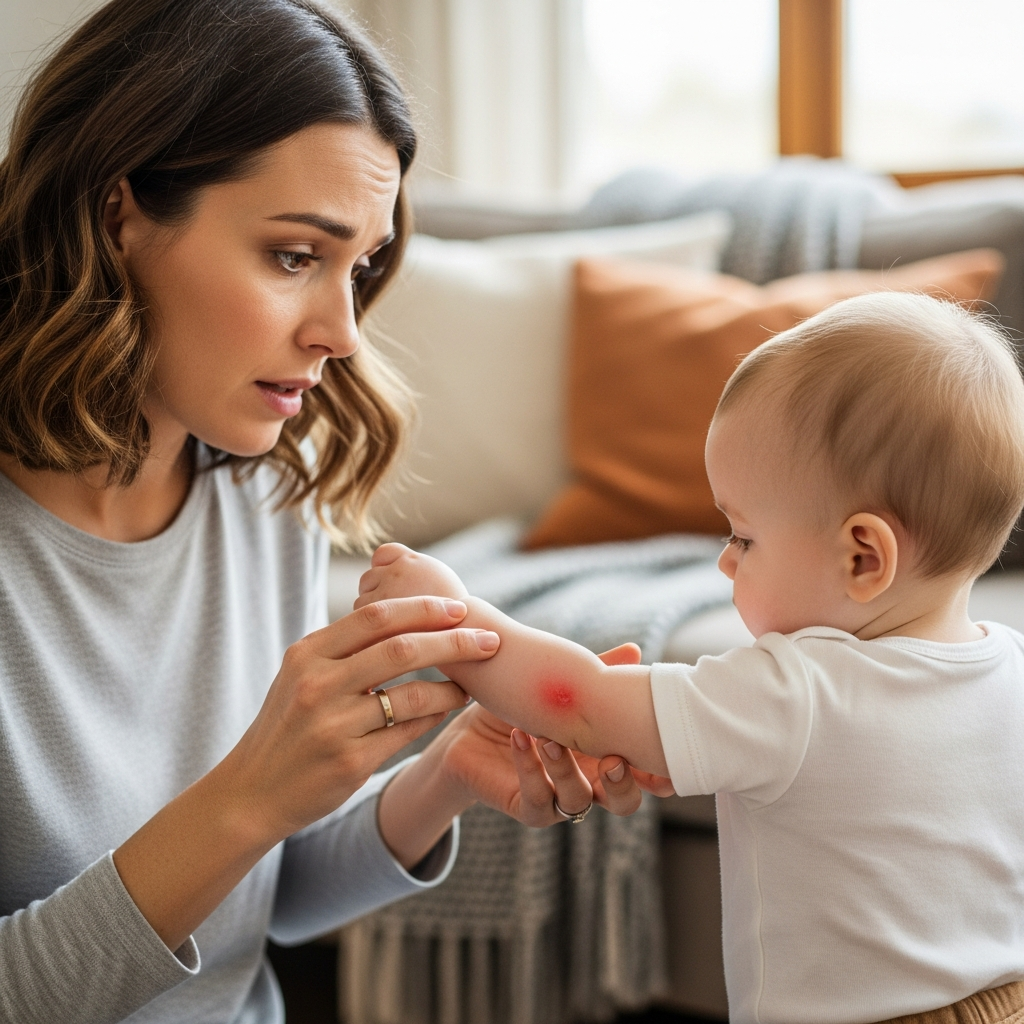
This is not unusual. Eczema affects up to 13 percent of all children in the United States, and fabric irritation is one of the most common environmental triggers. I just did not know that yet.
The Cotton Myth I Believed for Too Long
Like most parents, I assumed cotton was the gold standard. Natural fiber, soft, breathable -- what could go wrong? But conventional cotton is often treated with formaldehyde finishes, azo dyes, and heavy metals during processing. When I started reading labels more carefully, I discovered polyester blends hiding in half the onesies in our drawer.
I had spent hours browsing baby clothing options online, not realizing that fabric mattered just as much as design.
How I Stumbled onto Bamboo Baby Clothes
The Recommendation That Changed Everything
The breakthrough came from a Reddit thread at 3 a.m. -- because where else do desperate parents find answers? Someone had posted about switching to bamboo baby clothes for their baby's eczema, and the comments were overwhelmingly positive. I was skeptical. It sounded like another trendy parenting thing.
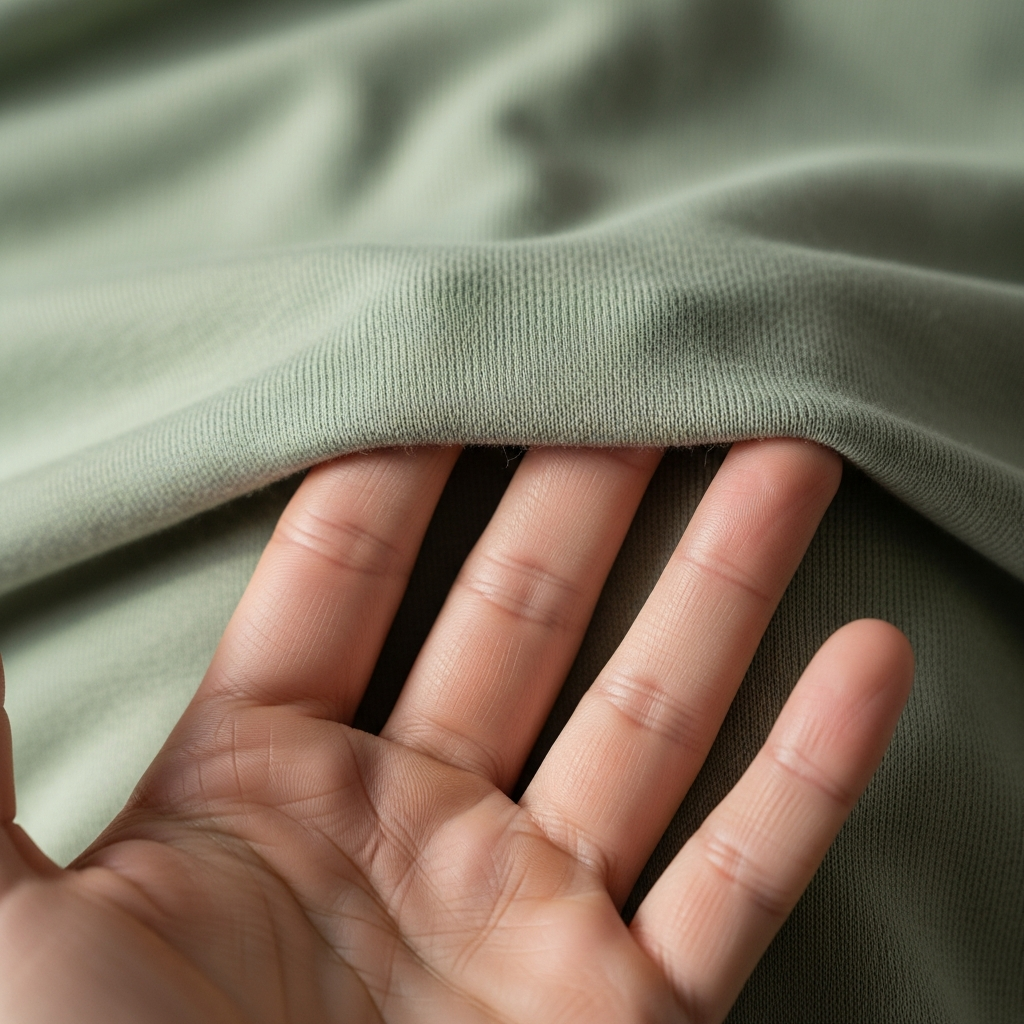
But desperation is a powerful motivator. After one more night of rashes, I ordered a two-pack of bamboo onesies. When they arrived, I pulled one out and immediately understood why people were raving. The fabric felt like nothing I had ever touched -- silky, almost liquid-smooth. "If this feels this good to me," I thought, "imagine what it feels like against newborn skin."
What Makes Bamboo Fabric Different for Babies
Most bamboo clothing for babies is made from bamboo viscose -- a fiber produced from bamboo pulp. What makes it special is the structure: bamboo fibers are naturally hollow, featuring microscopic gaps and holes, creating ventilation at the fabric level. Moisture wicking, breathability, and thermoregulation are built into the fiber itself.
Bamboo fabric is also hypoallergenic, far less likely to trigger reactions on sensitive baby skin. When certified to OEKO-TEX Standard 100 -- which tests every component of the product for harmful substances -- you know they are free from chemical irritants. I did not know any of this when I started. I just knew the fabric felt different.
What Actually Changed When We Switched to Bamboo
The Softness Difference You Can Actually Feel
The best way I can describe the difference: cotton feels like a towel, bamboo feels like a cloud. What surprised me most was my daughter's reaction. She stopped fussing during dressing. She stopped pulling at collars. These tiny behavioral changes told me more than any product label ever could. And bamboo gets softer with each wash -- the opposite of cotton, which stiffens over time.
Our Baby's Skin Cleared Up Within Weeks
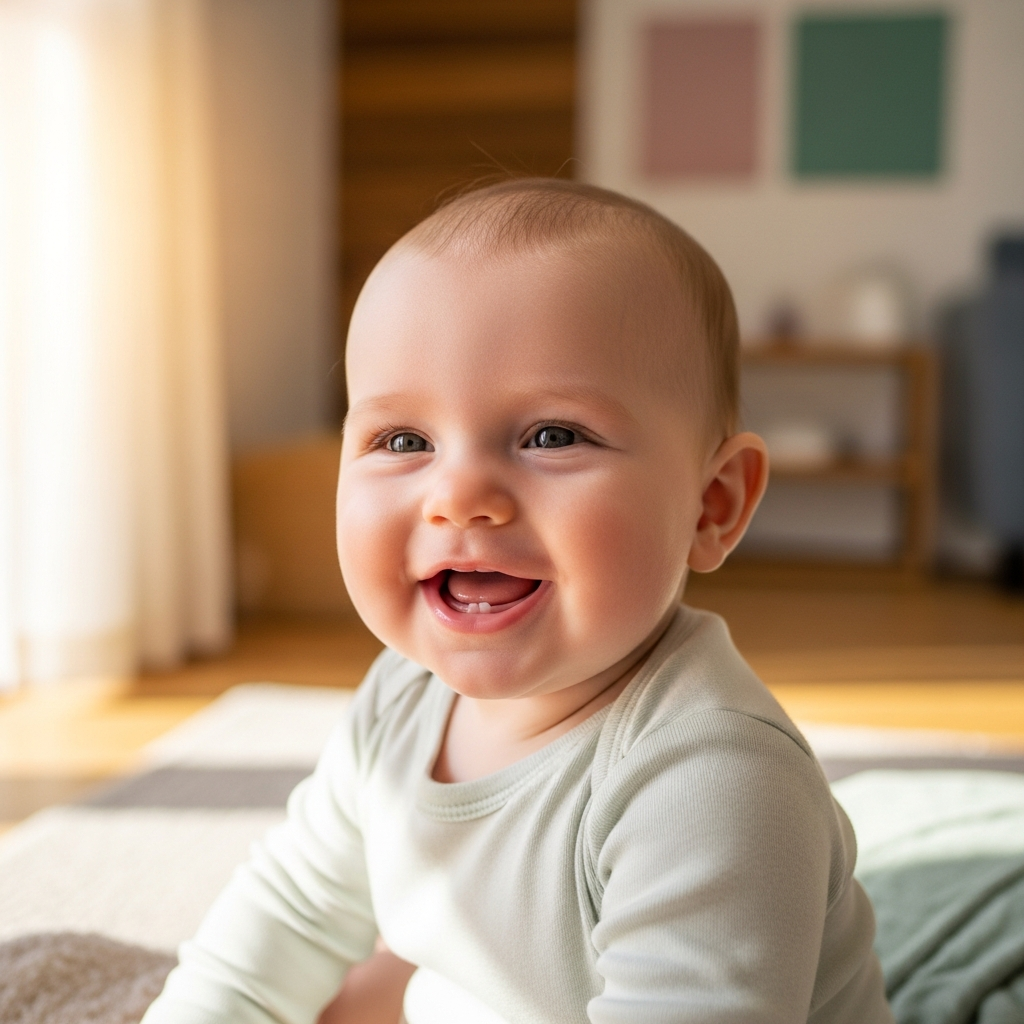
I am not a doctor, and every baby is different. But by day three of wearing bamboo exclusively, the redness around her collar area was fading. By week two, the chronic rash on her thighs was gone. Bamboo was not the only thing we changed -- we were already using fragrance-free detergent -- but it was clearly the variable that tipped the scale.
For families dealing with eczema, this matters. An estimated 60 percent of people with eczema develop it during their first year of life, which means fabric choice during infancy is more important than most parents realize. If you are dealing with similar struggles, I recommend starting with a bamboo baby clothes collection and seeing if it makes a difference.
Temperature Regulation That Actually Works
The bamboo vs cotton comparison became especially clear across seasons. In summer, my daughter stopped sweating through her clothes. In winter, bamboo worked as a breathable base layer -- warm without overheating. One road trip, the car temperature swung wildly and her bamboo outfit adapted to both extremes. No sweat marks, no goosebumps. Research confirms temperature regulation is critical for infant safety, and bamboo fabrics are specifically designed to prevent the overheating that puts babies at risk.
The Night Our Baby Finally Slept Through
How Overheating Was Sabotaging Our Baby's Sleep
What your baby wears to bed matters as much as room temperature. We had our nursery set to the recommended 68 to 72 degrees Fahrenheit, but our daughter still woke up sweaty every 90 minutes. The problem? We had switched her daywear to bamboo, but her pajamas were still cotton.
She was overheating from the inside out, and that is not just uncomfortable -- it is a safety concern. Research shows that thermal stress can alter cardiovascular and respiratory functions in infants, making overheating a recognized risk factor for sleep-related infant deaths.
Why Bamboo Onesies Became Our Bedtime Secret
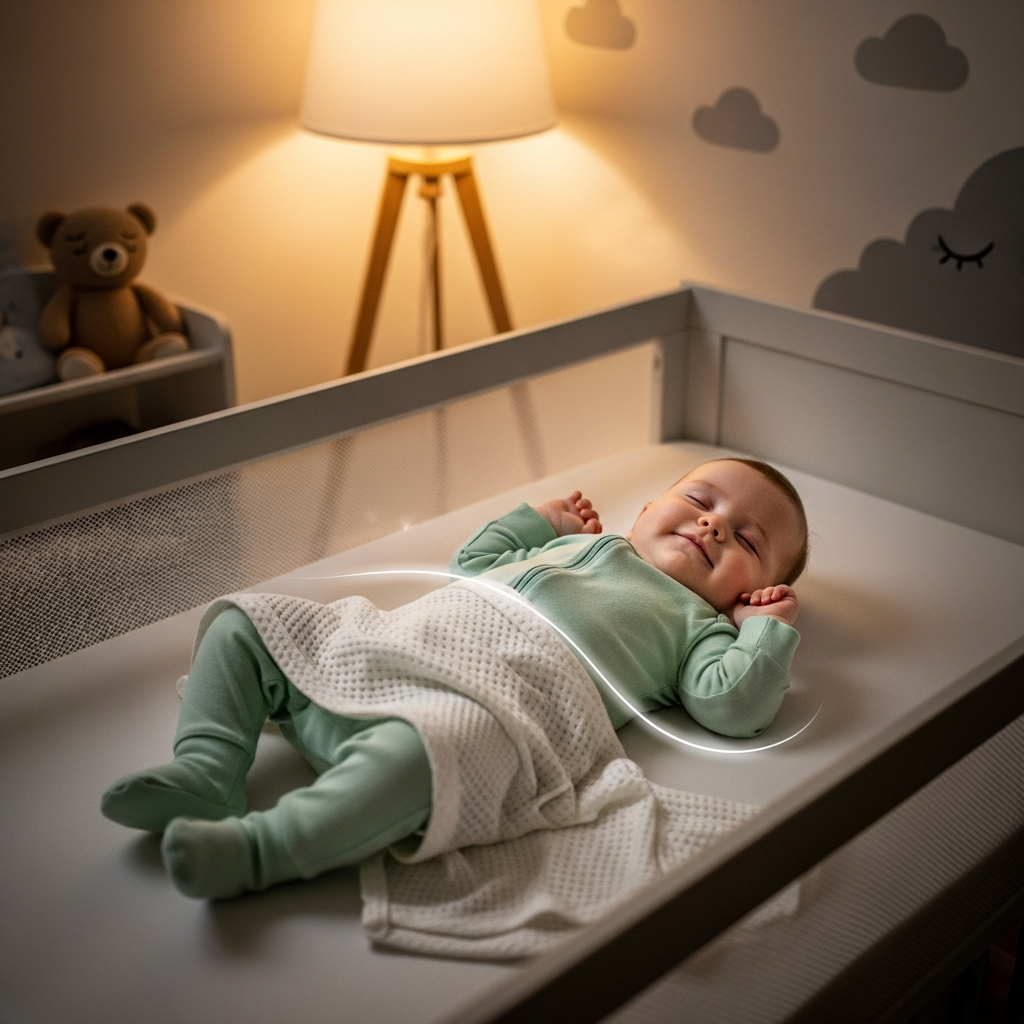
The first night in a bamboo onesie, something remarkable happened. She did not wake up. For six straight hours. I actually woke up before her and panicked, rushing to the crib -- only to find her sleeping peacefully. No sweat, no flushed cheeks.
Over the following week, a pattern emerged. Bamboo pajamas plus an appropriate-TOG sleep sack equaled consistently better nights. Night sweats practically disappeared. The bamboo onesies we switched to felt like a completely different category of sleepwear. I keep buying the same ones as she grows. Better baby sleep meant better sleep for us, more patience during the day, and less anxiety at bedtime.
The Honest Downsides No One Talks About
The Pilling Issue and How I Manage It
Let me give you the honest pros and cons. After about 15 to 20 washes, some pieces started pilling. Lower-quality bamboo pills faster; higher-quality ones hold up much better.
My solution: wash inside out, cold water, gentle cycle, skip the dryer when possible. Pilling dropped dramatically. And here is my perspective: pilling is cosmetic. The fabric underneath stays soft. Cotton, on the other hand, fades, stiffens, and shrinks -- problems that actually affect comfort.
What I Wish Brands Were More Transparent About
Bamboo is not a zero-impact fabric. Turning bamboo into viscose uses chemicals like sodium hydroxide -- a fact some brands conveniently omit. Some brands overstate "organic" claims, edging into greenwashing territory. My advice: look for OEKO-TEX certification rather than vague marketing language. That is the label I trust.
There is also a pattern limitation. Bamboo trails behind cotton in prints and color options, though this gap is closing fast as more brands enter the eco-friendly baby clothes space.
Are Bamboo Baby Clothes Worth the Price? My Cost Breakdown
What I Actually Spent: Bamboo vs Cotton Side by Side
The first time I priced bamboo clothing for my baby, I did a double take. But over a year of buying both, I tracked my spending:
| Item | Cotton Average | Bamboo Average | Bamboo Cost-Per-Wear |
|---|---|---|---|
| Onesie (3-pack) | $18-24 | $30-42 | $0.50-0.60 |
| Pajama/Sleeper | $10-15 | $18-28 | $0.45-0.55 |
| Romper | $12-18 | $20-32 | $0.50-0.65 |
| Sleep Sack | $15-25 | $28-45 | $0.35-0.50 |
The Cost-Per-Wear Calculation That Changed My Mind
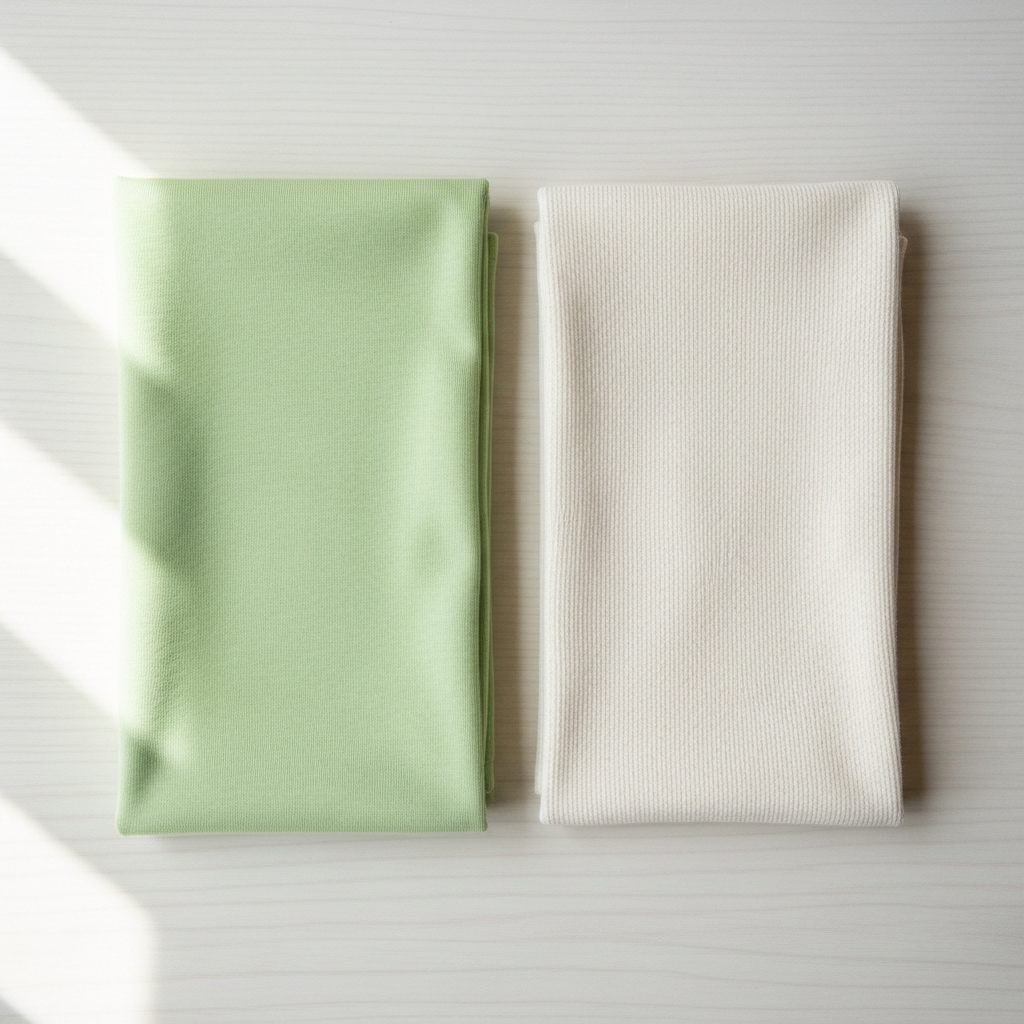
A $22 bamboo onesie worn 40 times costs $0.55 per wear. A $10 cotton onesie lasting 20 wears costs $0.50 per wear. Nearly identical. Now factor in "hidden costs" -- the extra diaper cream, pediatrician visits for skin issues, specialty detergent experiments. Those expenses disappeared after switching.
Our bamboo pieces from our first child are now being worn by her younger brother, still soft, still holding their shape. That hand-me-down quality turns the cost equation decisively in bamboo's favor.
Where to Find Affordable Bamboo Baby Clothes
Not every bamboo brand charges luxury prices. The bamboo apparel market continues growing rapidly, which means more affordable options are entering the market every year.
My strategy: start with a capsule wardrobe of 8 to 10 bamboo staples -- onesies, pajamas, and a couple of rompers. Skip the fancy printed pieces at first and focus on neutral colors you will actually use daily. One of the things that made the switch realistic for us was finding a bamboo baby clothing collection that did not require a second mortgage. Affordable options exist -- you just have to know where to look.
How I Care for Our Bamboo Baby Wardrobe
Washing Tips I Learned the Hard Way
My first bamboo sleeper went into a load of jeans on hot wash. It came out shrunken and sad. Here is what I do now:
- Cold or lukewarm water only -- hot water breaks down bamboo fibers.
- Gentle or delicate cycle -- bamboo does not need aggressive agitation.
- Turn inside out to protect the surface from pilling.
- Skip fabric softener -- bamboo is naturally soft, and softener reduces breathability.
- Air dry when possible or tumble on low heat only.
- Use a mesh laundry bag for snapped onesies to prevent snagging.
Does bamboo fabric shrink in the wash? Minimally -- about 2 to 3 percent with proper cold washing. Follow these steps and your bamboo pieces will keep getting softer with every wash. For babies with sensitive skin, that increasing softness is a real benefit over time.
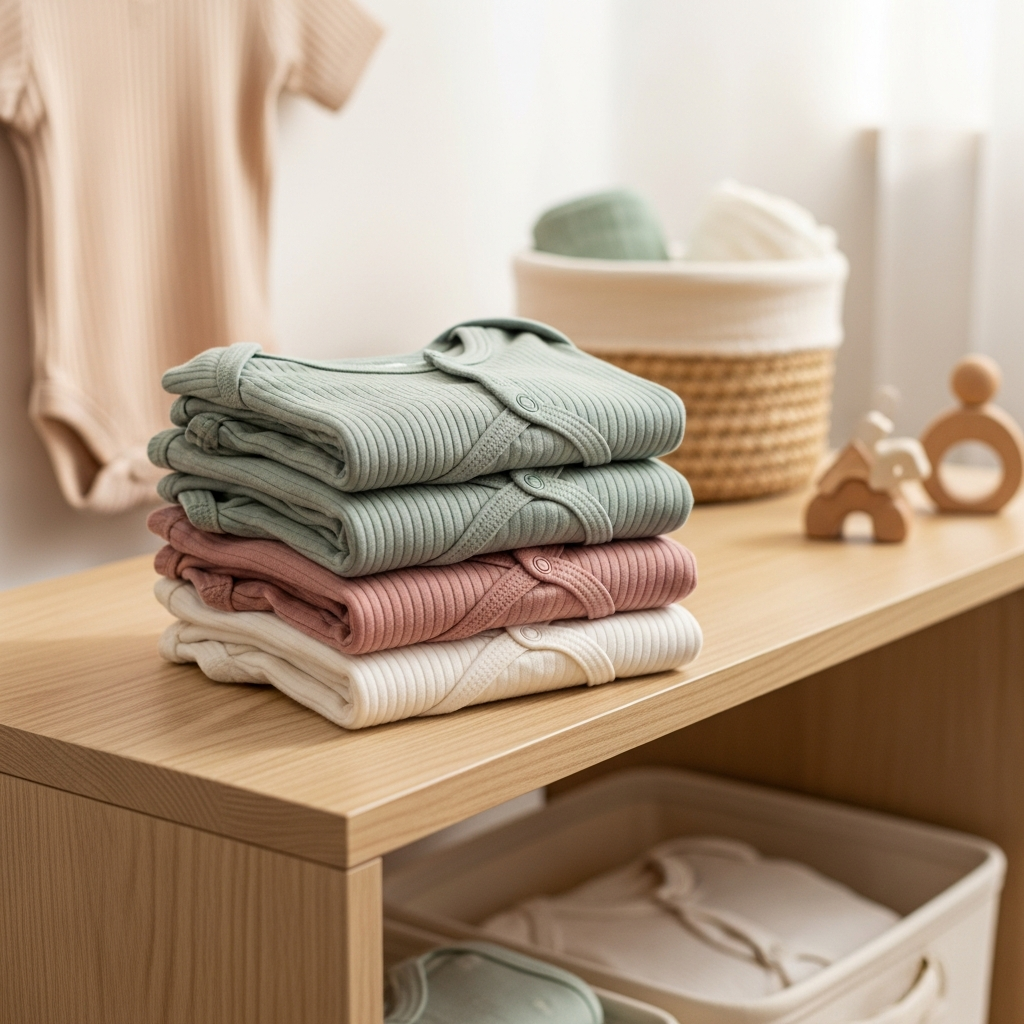
Store bamboo folded (not hung) in a cool, dry place away from direct sunlight. Treat stains quickly with cold water -- bamboo responds well to prompt treatment, making sweet potato blowouts less permanent than you would expect.
| Do | Do Not |
|---|---|
| Wash in cold water | Use hot water |
| Gentle cycle | Aggressive spin cycle |
| Turn inside out | Use fabric softener |
| Air dry or low tumble | High heat dry |
| Use mesh laundry bag | Bleach or harsh chemicals |
| Treat stains immediately | Let stains set |
FAQ: Your Bamboo Baby Clothes Questions Answered
Are bamboo baby clothes worth it?
Yes. They last through 50-plus washes while staying soft, work as hand-me-downs, and reduce skin irritation. The cost-per-wear ends up nearly identical to cotton when you factor in longevity.
Is bamboo better than cotton for babies?
Bamboo outperforms cotton in softness, temperature regulation, and moisture wicking. High-quality organic cotton is solid too, but for babies prone to overheating, eczema, or skin sensitivity, bamboo has advantages cotton cannot match.
Are bamboo clothes safe for newborns?
Yes, especially when OEKO-TEX Standard 100 certified. This tests for over 1,000 harmful substances, with the strictest standards applied to baby products.
Do bamboo clothes help babies sleep better?
They can. Bamboo's thermoregulation prevents overheating, a leading cause of night waking. Our baby went from waking three to four times nightly to six-hour stretches within a week of switching to bamboo sleepwear.
Is bamboo good for babies with eczema?
Many parents report improvement after switching. Bamboo is hypoallergenic and free from common chemical irritants. It is not a medical treatment, but it reduces fabric-related triggers that worsen eczema flare-ups.
Why are bamboo baby clothes more expensive?
Bamboo processing is more complex than cotton manufacturing. However, the price gap is narrowing as more brands enter the market, and durability means you buy less frequently.
Do bamboo baby clothes shrink in the wash?
Minimally -- about 2 to 3 percent with cold water and gentle cycle. Hot water and high heat cause more shrinkage. Buy true to size and follow care instructions.
Where can I find affordable bamboo baby clothes?
The market has expanded significantly. Look for multipacks and seasonal sales. I have had great results with this bamboo onesie collection -- quality fabric at a reasonable price point.
Why I Will Never Go Back
I think back to that 2 a.m. Tuesday night -- the red patches, the crying, the helplessness -- and I barely recognize that version of parenthood. Today, bedtime is calm. My daughter's skin is clear. Her wardrobe fits in a single drawer because we keep it simple with bamboo staples that work for every season.
Every baby is different, and I am not here to promise bamboo will solve every problem. But if fabric has been the invisible variable causing your baby discomfort, switching to bamboo baby clothes might be the change you did not know you needed. I started with just two onesies. That is all it took to convince me.
If our story resonated with you, here is where I would start: explore the bamboo baby clothes collection on PatPat for everyday essentials, or go straight to the bamboo onesies that made the biggest difference for us. And if you are still browsing and comparing, the full baby clothes selection is worth a look too.
If I could go back and tell my exhausted, worried self one thing, it would be this: try the bamboo. Just try it. You have nothing to lose except sleepless nights and unexplained rashes -- and everything to gain.




