


Few things are more heartbreaking than watching your baby scratch at irritated, inflamed skin. The constant cycle of itching, scratching, and discomfort can leave both you and your little one exhausted. If you have spent sleepless nights trying to comfort your baby through eczema flare-ups, applying cream after cream with little improvement, you are certainly not alone. According to Cleveland Clinic, up to 20% of infants develop eczema, making it one of the most common skin conditions in babies.
The good news? What touches your baby's skin matters enormously, and making the right fabric choices can significantly reduce discomfort. Many parents overlook this crucial factor, focusing solely on creams and medications while their baby sleeps in synthetic pajamas that trap heat and moisture. This comprehensive guide explores how bamboo baby clothes for eczema offer natural relief, along with proven home remedies and expert strategies to soothe baby eczema naturally. At PatPat, we understand that every parent wants the gentlest care for their little one's sensitive skin.
Whether you are newly navigating your baby's eczema diagnosis or looking for additional natural approaches, this guide combines dermatologist-backed information with practical advice that real parents have found helpful. Let us work together to bring your baby some much-needed comfort.
Medical Disclaimer: This guide provides general information and should not replace professional medical advice. Always consult your pediatrician or dermatologist for your baby's specific needs.
Understanding Baby Eczema: Causes, Triggers, and What Parents Need to Know
Before exploring solutions, understanding what causes infant eczema helps you make informed decisions about your baby's care. Atopic dermatitis in infants typically appears as dry, red, itchy patches on the cheeks, scalp, arms, or legs.
What Causes Infant Eczema and Atopic Dermatitis
Baby eczema results from a combination of genetic and environmental factors. The American Academy of Dermatology explains that eczema happens because a child's skin barrier does not work as effectively as it should. This dysfunction allows moisture to escape while letting irritants in.
Key factors include:
- Genetics: If you or your partner has eczema, asthma, or allergies, your baby has a higher likelihood of developing atopic dermatitis
- Skin barrier dysfunction: The outermost skin layer struggles to retain moisture and protect against irritants
- Immune system response: An overactive immune response triggers inflammation
- Environmental factors: Dry air, pollutants, and climate changes can worsen symptoms
Importantly, eczema is not contagious. Your baby cannot catch it from another child or spread it to siblings through contact. This is a common misconception that causes unnecessary worry for many parents.
Common Eczema Triggers Every Parent Should Recognize
Identifying your baby's specific triggers is crucial for prevention. Common culprits include:
Contact Triggers:
- Synthetic fabrics like polyester and nylon
- Rough textures and scratchy materials
- Clothing tags and bulky seams
- Wool fibers that irritate sensitive skin
Environmental Triggers:
- Dry air from heating systems
- Excessive heat or humidity
- Sudden temperature changes
- Dust mites and pet dander
Product Triggers:
- Fragranced detergents and fabric softeners
- Scented lotions and baby products
- Harsh soaps and bubble baths

Why Bamboo Is the Best Fabric for Baby Eczema
When researching what fabric is best for baby with sensitive skin, bamboo consistently emerges as a top recommendation from dermatologists and pediatric experts. Understanding the science behind bamboo's eczema-soothing properties helps explain why so many parents have found remarkable relief through this natural fiber. Unlike synthetic materials that can aggravate sensitive skin, bamboo works with your baby's body to maintain comfort.
The Science Behind Bamboo's Eczema-Soothing Properties
Bamboo viscose offers several unique characteristics that make it ideal for eczema-prone babies:
- Exceptional softness: Bamboo fibers have a naturally round, smooth structure that creates minimal friction against sensitive skin. Research indicates bamboo is 2–3 times softer than cotton
- Natural thermoregulation: Bamboo adjusts to your baby's body temperature, keeping them cool when warm and warm when cool
- Superior moisture-wicking: The fabric pulls moisture away from skin, keeping eczema-prone areas dry
- Antibacterial properties: Bamboo contains natural antimicrobial agents that help reduce bacteria on the skin surface
- Breathability: The fiber structure allows excellent air circulation, preventing overheating
Bamboo vs Cotton for Baby Eczema: A Direct Comparison
Many parents wonder about bamboo vs cotton for baby eczema. This is one of the most common questions we hear from concerned caregivers looking for the best options. While organic cotton remains a decent choice and certainly outperforms synthetic fabrics, bamboo offers distinct advantages that make a meaningful difference for eczema-prone skin:
| Property | Bamboo Viscose | Cotton |
|---|---|---|
| Softness | 2–3x softer | Standard softness |
| Moisture-Wicking | Excellent | Moderate |
| Temperature Regulation | Superior | Average |
| Breathability | High | Moderate |
| Hypoallergenic | Naturally hypoallergenic | Varies by processing |

What Certifications to Look for in Eczema-Safe Baby Clothes
When shopping for hypoallergenic baby clothes for eczema, look for these certifications:
- OEKO-TEX Standard 100: Guarantees the fabric has been tested for harmful substances
- GOTS Organic Certification: Ensures organic fiber content and ethical production
- Dermatologist-tested labels: Indicates the product has undergone skin sensitivity testing
Additionally, seek eczema-friendly baby clothing with tagless designs, flat seams, and covered elastic to minimize irritation points. These construction details matter significantly because even the softest fabric can cause problems if a scratchy tag rubs against sensitive skin all day.
When shopping for bamboo clothing for your eczema-prone baby, look for pieces made from bamboo viscose with smooth seams and no irritating tags. You can browse quality bamboo baby clothes designed with sensitive skin in mind.
Natural Remedies to Soothe Baby Eczema at Home
Beyond fabric choices, several natural ways to treat infant eczema at home can complement your baby's care routine. These gentle approaches work alongside eczema-friendly clothing to provide comprehensive relief. Remember that managing eczema effectively requires addressing multiple factors, and natural remedies can play a valuable supporting role in your overall strategy.
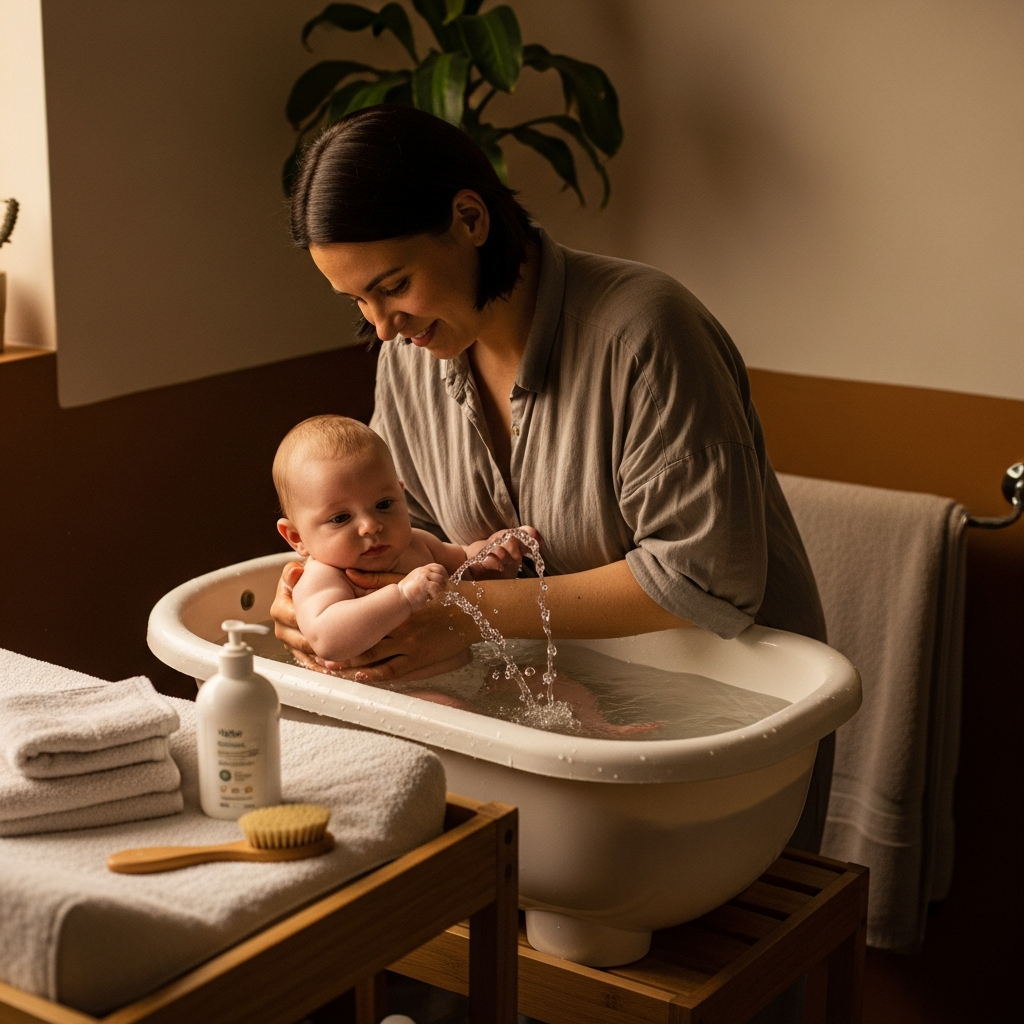
Gentle Skincare Routine for Eczema-Prone Babies
Establishing a consistent skincare routine is essential. Here is what dermatologists recommend:
- Lukewarm baths: Keep water temperature comfortable (not hot) and limit baths to 5–10 minutes
- Fragrance-free cleanser: Use gentle, soap-free cleansers specifically designed for sensitive baby skin
- Pat-dry technique: Never rub your baby's skin. Gently pat with a soft towel, leaving skin slightly damp
- Immediate moisturizing: Apply moisturizer within 3 minutes of bathing to lock in hydration
- Daily moisturizing: Reapply moisturizer 2–3 times daily, especially after diaper changes
Safe Natural Moisturizers and Topical Remedies
Several natural ingredients can help soothe baby eczema:
- Coconut oil: Virgin coconut oil has anti-inflammatory and antibacterial properties that may help mild eczema. Apply a thin layer after bathing
- Colloidal oatmeal: Added to baths, colloidal oatmeal helps soothe itching and restore the skin barrier
- Sunflower seed oil: Research suggests it may help improve the skin's protective barrier
- Shea butter: Provides deep moisturization for dry, irritated patches
Note: Always patch-test new products on a small area of skin first and wait 24 hours to check for any reaction. Consult your pediatrician before trying new treatments, especially if your baby has severe eczema or other health conditions.
Creating the Ideal Environment for Sensitive Baby Skin
Your home environment significantly impacts eczema management:
- Temperature: Maintain room temperature between 68–72 degrees Fahrenheit
- Humidity: Keep humidity levels at 40–60% using a humidifier if needed
- Air quality: Consider an air purifier to reduce allergens and irritants
- Fragrance-free home: Switch to unscented cleaning products, air fresheners, and laundry supplies
- Dust mite prevention: Wash bedding weekly in hot water and use allergen-proof mattress covers
How to Dress a Baby with Eczema: Complete Clothing Guide
Knowing what clothes babies with eczema should wear makes daily dressing easier and more comfortable for your little one. The right clothing choices can transform your baby's day from one of constant irritation to genuine comfort. Here is how to approach dressing your eczema baby for different situations.
Choosing the Right Bamboo Pajamas and Sleepwear for Eczema Relief
Nighttime often proves most challenging for eczema babies. As the body relaxes and external distractions fade, itching sensations intensify, and the temptation to scratch increases dramatically. Many parents notice their baby's eczema worsens at night, leading to disrupted sleep for the entire family. Bamboo pajamas for eczema baby sleep offer several advantages that specifically address these nighttime challenges:
- Temperature regulation: Prevents overheating that triggers nighttime flare-ups
- Moisture management: Keeps skin dry even if your baby sweats
- Reduced friction: Soft fabric does not irritate as babies move during sleep
- Scratch prevention: Footie styles with enclosed hands can minimize scratching
When choosing breathable baby sleepers for eczema-prone skin, consider both footie pajamas for cooler nights and two-piece sets for warmer weather. Layering allows you to adjust for temperature changes throughout the night.

Bamboo sleepers with enclosed feet help prevent scratching while keeping your baby comfortable throughout the night. For parents building an eczema-friendly wardrobe, explore gentle baby clothing options that prioritize soft fabrics and thoughtful construction.
Daytime Clothing Strategies for Eczema-Prone Skin
- Choose loose-fitting clothes: Tight clothing increases friction and traps heat
- Layer wisely: Use thin bamboo base layers under warmer outerwear
- Prefer rompers and onesies: Single-piece outfits reduce areas where fabric bunches
- Avoid overdressing: Overheating is a common trigger, so dress your baby slightly cooler than you think necessary
Fabrics and Materials to Avoid
- Synthetic polyester and nylon: Trap heat and do not breathe, causing sweating
- Wool: While natural, wool fibers can be scratchy and irritating
- Rough cotton: Stiff or low-quality cotton lacks the softness eczema skin needs
- Clothing with internal tags: These create friction points that irritate sensitive areas
- Elastic touching skin directly: Choose clothes where elastic is covered or lined
Seasonal Eczema Care: Winter and Summer Strategies
Baby eczema often follows seasonal patterns, requiring adjusted care approaches throughout the year. Understanding how different weather conditions affect your baby's skin helps you stay one step ahead of flare-ups and maintain consistent comfort regardless of the season.
Winter Eczema Management for Babies
Medical experts note that winter weather can be especially challenging for eczema sufferers. Dry indoor air from heating systems strips moisture from delicate baby skin.
Winter strategies include:
- Running a cool-mist humidifier in your baby's room
- Layering bamboo clothing under warmer outerwear rather than using heavy, scratchy fabrics directly on skin
- Increasing moisturizing frequency during cold months
- Avoiding overheating indoors, which triggers sweating and flare-ups
- Using thicker barrier creams to protect against wind and cold
Summer Eczema Care and Heat Management
Summer brings different but equally challenging conditions for eczema management. Sweat is a major eczema trigger because the salt and minerals in perspiration can irritate already-sensitive skin. This makes temperature-regulating fabric essential during warm months when babies are more prone to overheating.
Summer strategies include:
- Choosing lightweight bamboo for superior breathability
- Dressing your baby in loose, single-layer outfits
- Keeping air conditioning at moderate levels to avoid extreme temperature shifts
- Rinsing your baby after swimming to remove chlorine and applying moisturizer immediately
- Using mineral-based sunscreens formulated for sensitive skin
- Changing clothes promptly if your baby becomes sweaty

Essential Tips for Washing Eczema-Friendly Baby Clothes
How you launder your baby's clothes matters as much as what you buy. Many parents invest in high-quality bamboo clothing only to inadvertently trigger flare-ups through improper washing practices. Residue from detergents and fabric softeners can accumulate in fabric fibers and irritate sensitive skin even when using the gentlest materials.
Best Laundry Practices for Sensitive Baby Skin
- Choose the right detergent: Use fragrance-free, dye-free detergent specifically designed for sensitive skin
- Run a double-rinse cycle: This removes any detergent residue that might irritate skin
- Skip fabric softeners and dryer sheets: These leave chemical residue on fabrics
- Wash before first wear: New clothes often contain processing chemicals that can trigger eczema
- Separate baby laundry: Wash your baby's clothes separately from adult laundry to prevent cross-contamination with harsher products
How to Care for Bamboo Baby Clothes
Proper bamboo care maintains the fabric's eczema-soothing properties wash after wash:
- Water temperature: Use cold or warm water. Hot water can damage bamboo fibers
- Cycle setting: Select the gentle or delicate cycle
- Drying method: Air dry when possible, or use low heat tumble dry
- Avoid bleach: Chlorine bleach breaks down bamboo fibers and irritates sensitive skin
- No fabric softener needed: Bamboo naturally maintains its softness without additives
Following these practices helps bamboo fabric retain its exceptional softness and moisture-wicking abilities for longer, providing continued eczema relief.

Building a Complete Bamboo Baby Wardrobe for Eczema Relief
Creating an eczema-friendly wardrobe does not mean replacing everything in your baby's closet at once. A strategic, thoughtful approach saves money while prioritizing your baby's comfort where it matters most. Focus your initial investment on items with the most direct skin contact, then gradually expand as your budget allows.
Essential Bamboo Pieces for Your Eczema Baby's Closet
Start with items that have the most skin contact:
- Sleepwear (4–6 pieces): Prioritize these since babies spend significant time sleeping
- Bodysuits and onesies (5–7 pieces): Base layers worn against the skin daily
- Rompers (3–4 pieces): Single-piece options for easy daytime dressing
- Layering pieces (2–3 pieces): Lightweight cardigans or zip-ups for temperature adjustments
- Scratch mittens: Essential for preventing nighttime scratching during flare-ups
Budget-Friendly Strategies for Eczema Wardrobes
Quality matters more than quantity when managing infant skin sensitivity. Consider these approaches:
- Prioritize sleepwear first: Since babies sleep 14–17 hours daily, this investment has maximum impact
- Mix bamboo staples with gentle cotton basics: Use bamboo for base layers and consider organic cotton for outer layers
- Shop seasonal sales: Stock up on larger sizes during sales for future growth spurts
- Focus on versatile pieces: Choose neutral colors that mix and match easily
- Proper care extends life: Following washing guidelines keeps garments in excellent condition longer
Building an eczema-friendly wardrobe does not require replacing every item at once. Start with essentials that touch your baby's skin most. You can find affordable bamboo baby clothes that combine quality construction with skin-friendly fabrics, making it easier to build a complete wardrobe over time.
When to Seek Professional Help for Baby Eczema
While natural approaches and proper clothing help many babies manage their eczema effectively, sometimes professional intervention becomes necessary. Recognizing when home care is not enough and knowing when to escalate to medical treatment protects your baby's health and prevents complications like skin infections.
Consult a pediatric dermatologist if you notice:
- Eczema spreading rapidly or covering large body areas
- Signs of infection: oozing, crusting, pus, increased redness, or warmth
- Fever accompanying a flare-up
- Sleep significantly disrupted despite home interventions
- No improvement after consistent home care for 2–3 weeks
- Your baby appears in significant discomfort or distress
What to expect from professional treatment:
- Prescription-strength moisturizers and barrier creams
- Topical corticosteroids for inflammation control
- Non-steroid immunomodulators for sensitive areas
- Allergy testing if food triggers are suspected
- Personalized care plans tailored to your baby's specific triggers
Working collaboratively with your healthcare team while maintaining proper fabric choices and consistent skincare routines gives your baby the best chance at comfortable, healthy skin. Medical treatments and natural approaches are not mutually exclusive. In fact, they often work better together than either approach alone.
Frequently Asked Questions About Baby Eczema and Bamboo Clothing
Is bamboo clothing safe for newborns with eczema?
Yes, bamboo viscose is completely safe for newborns with eczema. Look for OEKO-TEX certified bamboo products, which guarantee the fabric has been tested for harmful substances. Bamboo's natural hypoallergenic properties make it suitable from birth, and its gentle texture will not irritate delicate newborn skin.
Does bamboo clothing actually help baby eczema?
Bamboo clothing helps manage eczema symptoms through its moisture-wicking, thermoregulating, and ultra-soft properties. While it is not a cure, many parents report reduced scratching and fewer flare-ups when switching to bamboo. It works best as part of a comprehensive approach including proper skincare and trigger avoidance.
What is the best fabric for baby eczema?
Bamboo viscose is widely considered the best fabric for baby eczema due to its exceptional softness, natural hypoallergenic properties, and superior moisture management. Other good options include organic cotton, silk, and TENCEL lyocell. The key is choosing smooth, breathable, chemical-free fabrics that minimize friction and regulate temperature.
How often should I change my eczema baby's clothes?
Change your eczema baby's clothes whenever they become damp from sweat, drool, or spit-up. At minimum, plan for 1–2 outfit changes daily. Fresh, dry clothing prevents moisture buildup that can trigger flare-ups. Always change into clean pajamas before bed.
Are bamboo pajamas better than cotton for nighttime eczema?
Yes, bamboo pajamas offer significant advantages for nighttime eczema. They regulate temperature better than cotton, preventing the overheating that triggers nighttime itching. Bamboo also wicks moisture more effectively, keeping skin dry throughout sleep. The superior softness reduces friction as babies move during rest.
Why is bamboo better than cotton for baby eczema?
Bamboo surpasses cotton for eczema in several ways: it is 2–3 times softer, naturally hypoallergenic, more breathable, and significantly better at moisture management. While quality organic cotton works for some babies, bamboo's fiber structure creates less friction and adapts better to temperature changes.
How do I wash bamboo baby clothes to maintain their eczema benefits?
Wash bamboo in cold or warm water on a gentle cycle using fragrance-free detergent. Avoid fabric softeners and bleach. Air dry when possible, or use low heat tumble dry. Run an extra rinse cycle to remove all detergent residue. Following these steps maintains bamboo's softness and moisture-wicking properties.
How long does it take to see improvement in baby eczema with bamboo clothing?
Many parents notice reduced scratching within the first few days of switching to bamboo clothing. Visible skin improvement typically appears within 1–2 weeks when combined with proper skincare routines. However, every baby responds differently, and results depend on addressing other triggers alongside fabric changes.
Taking the Next Step Toward Comfortable, Happy Skin
Managing your baby's eczema naturally requires patience, consistency, and the right tools. Bamboo baby clothes for eczema offer a gentle foundation, working alongside proper skincare routines and environmental adjustments to soothe baby eczema naturally.
Remember that eczema management is a journey, not an overnight fix. Every baby responds differently, and finding your little one's specific triggers takes time. Celebrate small victories, like a night with less scratching or a day without new flare-ups.
Ready to see if bamboo can help your little one? Start with a single bamboo sleeper and observe how your baby's skin responds. Many parents notice reduced scratching and improved sleep within the first week. At PatPat, we offer a range of gentle, thoughtfully designed options to support your family's comfort.
You are doing an incredible job advocating for your baby's comfort. With the right natural remedies, eczema-friendly fabrics, and consistent care, calmer, happier skin is within reach.




