


Here is a statistic that keeps new parents up at night: approximately 3,700 infants die from sudden unexpected infant deaths each year in the United States. The heartbreaking truth? Many of these deaths are preventable through proper safe sleep practices.
If you are a new or expecting parent feeling overwhelmed by conflicting advice about where and how your baby should sleep, you are not alone. Between well-meaning relatives, social media trends, and countless baby products promising better sleep, it can feel impossible to know what is actually safe.
This comprehensive guide cuts through the noise. At PatPat, we believe every parent deserves clear, evidence-based information to protect their little ones. We have compiled the latest guidelines from the American Academy of Pediatrics (AAP) and leading medical organizations to give you everything you need to create the safest possible sleep environment for your newborn.
By the end of this article, you will understand exactly what safe sleep looks like, why these guidelines matter, and how to implement them confidently in your home.
The ABCs of Safe Sleep: Your Foundation for Newborn Sleep Safety
Safe sleep does not have to be complicated. The ABCs provide a simple framework that covers the essentials every parent needs to remember.
A is for Alone
Your baby should sleep alone in their own safe sleep space. This means no siblings, no pets, no stuffed animals, and no parents in the same bed. The AAP recommends room sharing (not bed sharing), which can decrease SIDS risk by as much as 50%.
Room sharing means placing your baby's crib or bassinet in your bedroom, within arm's reach of your bed. This setup allows you to easily feed and comfort your baby while keeping them in their own safe space.
B is for Back
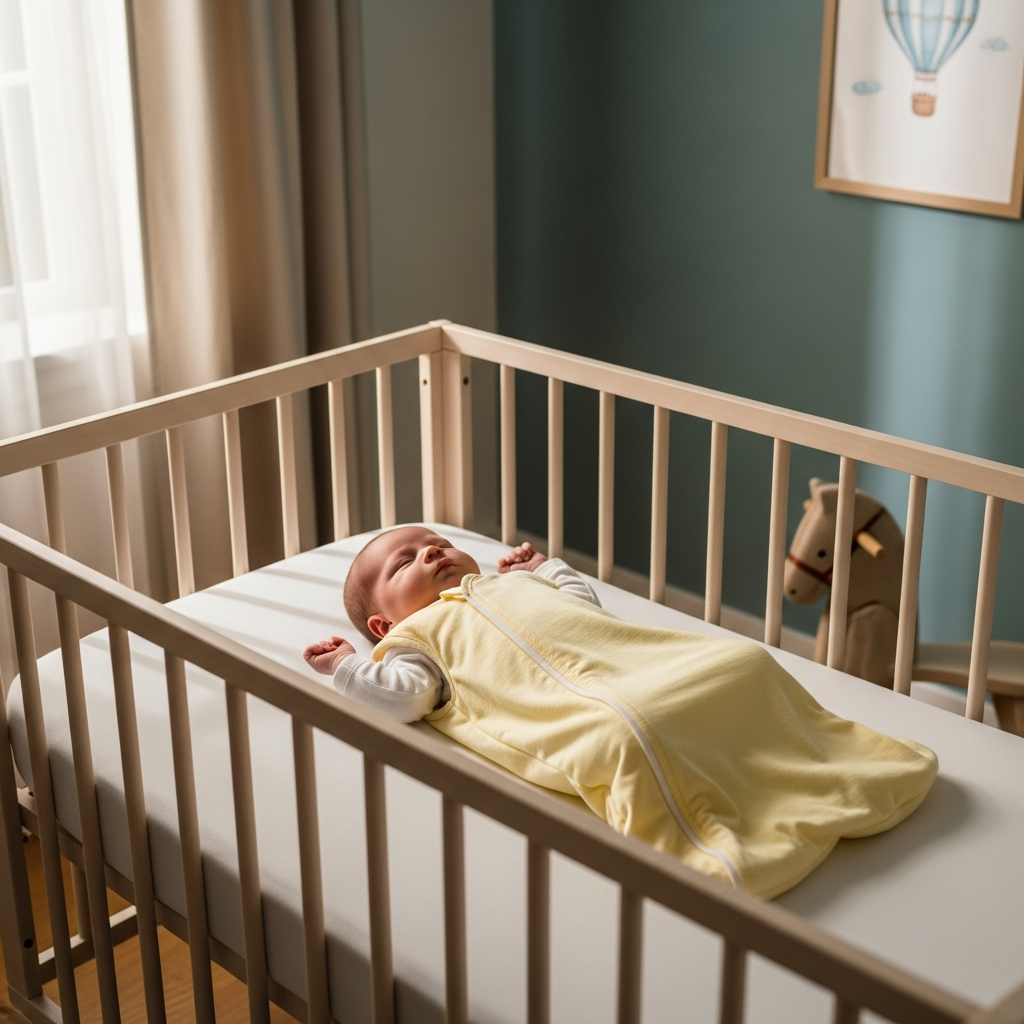
Always place your baby on their back for every sleep, including naps. This single practice has been one of the most effective interventions in reducing sleep-related deaths. Since the Back to Sleep campaign began, SIDS rates have fallen by 78% from 1980 to 2019.
Some parents worry about choking, especially if their baby spits up. However, babies have natural reflexes that protect their airway. The back position is safest even for babies with reflux.
C is for Crib
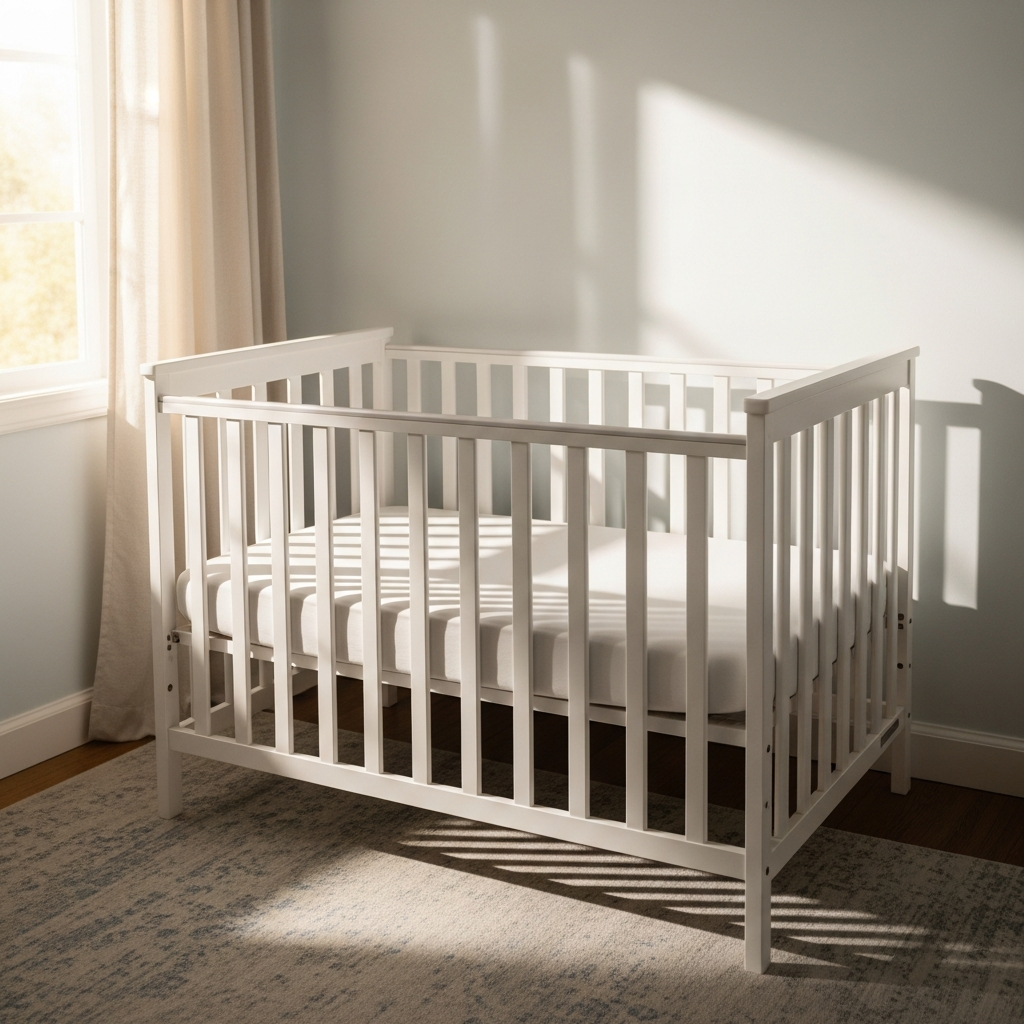
Use a safety-approved crib, bassinet, or play yard with a firm, flat mattress. The sleep surface should meet Consumer Product Safety Commission (CPSC) standards. Avoid any surface that inclines more than 10 degrees.
The crib should contain only a tightly fitted sheet on a firm mattress. No blankets, pillows, bumpers, or toys until your baby is at least 12 months old.
Creating a Safe Sleep Environment: Room Setup and Temperature
Beyond the basics, your baby's sleep environment plays a crucial role in their safety and comfort.
Ideal Room Temperature
Keep the nursery between 68-72 degrees Fahrenheit (20-22 degrees Celsius). Overheating is a known risk factor for SIDS, so it is better to keep the room slightly cool rather than too warm.
Checking Your Baby's Temperature
Do not rely on your baby's hands or feet to gauge temperature. Instead, feel the back of their neck or chest. Signs of overheating include sweating, flushed skin, or feeling hot to the touch.
Room Setup Essentials
- Firm, flat mattress: Should fit snugly in the crib with no gaps
- Fitted sheet only: No loose bedding of any kind
- Clear sleep space: Nothing else in the crib
- Fan for circulation: Studies show fans can help reduce overheating risk
- No head coverings: Babies regulate temperature through their heads
What to Keep Out of the Crib
| Item | Why It Is Unsafe |
|---|---|
| Blankets | Suffocation and strangulation risk |
| Pillows | Suffocation risk |
| Crib bumpers | Suffocation and entrapment risk |
| Stuffed animals | Suffocation risk |
| Weighted blankets | Restricts breathing and movement |
| Sleeping positioners | Not proven safe; suffocation risk |
Choosing Safe Sleepwear: TOG Ratings and Fabric Guidelines
Since blankets are off-limits, the right sleepwear becomes essential for keeping your baby comfortable and safe.
Understanding TOG Ratings
TOG stands for Thermal Overall Grade and measures how warm a garment will keep your baby. The higher the TOG rating, the warmer the sleepwear.
TOG Temperature Guide
| Room Temperature | TOG Rating | What to Wear Underneath |
|---|---|---|
| 75-80°F (24-27°C) | 0.5 TOG | Short-sleeve bodysuit or diaper only |
| 70-75°F (21-24°C) | 1.0 TOG | Long-sleeve bodysuit |
| 65-69°F (18-20°C) | 2.5 TOG | Long-sleeve bodysuit |
| Below 65°F (18°C) | 3.5 TOG | Long-sleeve pajamas |
Choosing Safe Fabrics
Breathable fabrics help regulate your baby's temperature and reduce overheating risk. Look for natural, breathable materials like bamboo fabrics that naturally wick moisture and allow air circulation.
For parents concerned about what touches their baby's sensitive skin, organic cotton options provide chemical-free comfort without synthetic materials that can trap heat.
Swaddling Safety
Swaddling can help newborns feel secure, but follow these safety rules:
- Always place swaddled babies on their back
- Stop swaddling when baby shows signs of rolling (usually around 2 months)
- Keep the swaddle loose around the hips to allow leg movement
- Never use weighted swaddles or sleep sacks
- Transition to a sleep sack with arms free once rolling begins
SIDS Prevention Strategies: Evidence-Based Protection
While safe sleep positioning and environment are foundational, several additional practices can further reduce your baby's risk.
Breastfeeding Protection
Research shows breastfeeding for at least two months reduces SIDS risk by almost half. The protective effect increases with duration, and any amount of breastfeeding provides benefit compared to none.
Breast milk contains antibodies that protect against infections, and breastfed babies are more easily aroused from sleep, which may be protective.
Pacifier Use
Offering a pacifier at nap time and bedtime is recommended by the AAP. Studies show pacifier use is associated with significantly reduced SIDS risk, even if the pacifier falls out during sleep.
Tips for pacifier use:
- Wait until breastfeeding is established (usually 3-4 weeks) before introducing
- Do not force the pacifier if your baby refuses it
- Do not reinsert after baby falls asleep
- Never attach pacifiers to strings or clips during sleep
Additional Protective Factors
- Immunizations: Keep your baby up to date on routine vaccines
- Smoke-free environment: Never smoke around your baby or allow others to
- Prenatal care: Early and regular prenatal care reduces risk
- Avoid alcohol and drugs: These impair parent awareness and judgment
Products to Avoid
The AAP advises against purchasing devices marketed to reduce SIDS risk. This includes:
- Cardiorespiratory monitors (unless medically prescribed)
- Mattress sensors
- Special mattresses claiming SIDS prevention
- Wedges and positioners
These products have not been proven effective and may create a false sense of security.
Common Safe Sleep Mistakes Parents Make (And How to Avoid Them)
Even well-intentioned parents can unknowingly compromise their baby's sleep safety. Here are the most common mistakes to watch out for.
Mistake 1: Using Soft Bedding
It is natural to want your baby to be cozy, but soft items like blankets, pillows, and stuffed animals significantly increase suffocation risk. Instead of loose bedding, use properly fitted sleepwear and sleep sacks to keep your baby warm.
Mistake 2: Letting Baby Sleep in Car Seats or Swings
When babies sleep in car seats outside the car, their heads can fall forward and restrict breathing. The AAP emphasizes that car seats should only be used for travel in vehicles, not as routine sleep spaces.
Transfer your baby to a firm, flat surface as soon as possible after they fall asleep in a car seat.
Mistake 3: Bed Sharing
While room sharing is protective, bed sharing increases risk. Adult beds are not designed with infant safety in mind, and there are risks of suffocation from soft bedding, entrapment, and overlay.
Co-sleeping on couches or armchairs is even more dangerous due to the risk of the baby slipping between cushions.
Mistake 4: Overdressing Baby
Parents often worry about their baby being cold, but overdressing poses a greater risk than underdressing. Remember the rule: dress your baby in one more layer than you would wear comfortably.
Mistake 5: Using Crib Bumpers
Despite being widely sold, crib bumpers pose suffocation and strangulation risks. They have been banned in some states. A bare crib with only a fitted sheet is safest.
Mistake 6: Not Transitioning from Swaddle
Swaddling becomes dangerous once your baby starts attempting to roll. Watch for early signs of rolling and transition to a sleep sack with arms free before they can flip over.
Special Situations: Preemies, Reflux, and Travel
Some circumstances require additional considerations while still maintaining safe sleep principles.
Premature Babies
Preemies have a higher risk of SIDS than full-term babies due to underdeveloped respiratory systems and head control. While your baby may have slept on their stomach with monitoring in the NICU, at home they should always sleep on their back.
Special considerations for preemies:
- Use corrected age for developmental expectations
- Be extra vigilant about temperature regulation
- Be in layers for easy adjustment
- Continue strict safe sleep practices until corrected age of 12 months
Babies with Reflux
The AAP confirms that even babies with gastroesophageal reflux should sleep on their backs. Contrary to popular belief, inclined surfaces actually make reflux worse and create suffocation risks.
Babies have natural protective reflexes that prevent choking. The anatomy of the airway means that when a baby is on their back, the esophagus is below the trachea, making aspiration less likely.
Most reflux improves significantly by 6 months as babies learn to sit up and their digestive systems mature.
Travel Sleep Safety
Maintaining safe sleep practices while traveling can be challenging but is essential:
- Pack a portable crib or play yard: These provide a familiar, safe sleep space
- Avoid hotel bed sharing: Request a crib from the hotel or bring your own
- Car seat awareness: Car seats are for travel only. Once you reach your destination, move your baby to a safe sleep surface
- Airplane bassinets: These are generally safe for supervised sleep during flights
Twins and Multiples
Each baby should have their own separate sleep space. The AAP does not recommend bed sharing under any circumstances, including twins sleeping together.
Safe Sleep Timeline: When Guidelines Can Be Relaxed
Safe sleep guidelines are strict during the first year for good reason, but some restrictions naturally ease as your baby grows.
Birth to 2 Months
- Strictest safe sleep period
- Back sleeping always
- Swaddling is appropriate
- Room sharing recommended
2 to 4 Months
- Watch for rolling signs
- Begin transitioning from swaddle when rolling attempts start
- Continue back sleeping
4 to 6 Months
- Most babies can roll both ways
- Can allow baby to find their own position after being placed on back
- Sleep sacks remain important
6 to 12 Months
- Room sharing optional after 6 months (recommended through 12 months)
- Continue using sleep sacks instead of blankets
- Crib should remain bare
After 12 Months
- Lightweight blankets may be introduced after 12 months
- Many experts recommend waiting until 18 months for extra safety
- Pillows should wait until 18-24 months
- Continue avoiding soft toys during sleep until toddlerhood
Frequently Asked Questions About Newborn Safe Sleep
When can my baby start sleeping on their stomach?
Once your baby can roll both ways independently (usually around 4-6 months), you can place them on their back and allow them to find their own sleep position. Always start on the back, but if they roll to their stomach on their own, you do not need to reposition them.
Is it safe for my baby with reflux to sleep flat on their back?
Yes. The AAP confirms that babies with reflux should still sleep on their backs on a flat surface. Healthy babies have natural reflexes that protect them from choking, and inclined surfaces actually make reflux worse while creating suffocation risks.
Can I use a blanket if I tuck it in tightly?
No. No blankets should be used in the crib before 12 months, regardless of how they are positioned. Babies can wiggle and move blankets even when they seem secure. Use a wearable blanket or sleep sack instead to keep your baby warm safely.
When can my baby sleep with a pillow or blanket?
The AAP recommends waiting until at least 12 months for lightweight blankets and 18-24 months for pillows. Many experts suggest waiting until 18 months for blankets as an extra precaution. Small, firm toddler pillows can be introduced around 18-24 months.
Is room sharing the same as bed sharing?
No, these are very different practices. Room sharing means your baby sleeps in their own safe sleep space (crib or bassinet) in your room. Bed sharing means your baby sleeps in your bed with you. Room sharing is recommended and can reduce SIDS risk by up to 50%. Bed sharing is not considered safe by the AAP.
Do I need a special mattress or products to prevent SIDS?
No special products are needed or recommended. The AAP advises against purchasing devices marketed to reduce SIDS risk, including special mattresses, monitors, wedges, or positioners. A firm, flat mattress that fits snugly in an approved crib or bassinet is all you need.
What should my baby wear to sleep in different temperatures?
Use TOG ratings as a guide: 0.5-1.0 TOG for warm rooms (70-75F), 1.0-2.5 TOG for moderate temperatures (61-72F), and 2.5-3.5 TOG for cooler rooms below 65F. The general rule is to dress your baby in one more layer than you would wear comfortably.
Is it okay if my baby falls asleep in the car seat?
Car seats are safe for travel but not for unsupervised sleep. If your baby falls asleep in the car seat during a drive, that is normal. However, once you arrive at your destination, transfer them to a firm, flat sleep surface as soon as possible. Never leave a sleeping baby in a car seat outside of the car or clicked into a stroller.
Your Safe Sleep Action Plan
Safe sleep guidelines for newborns can feel overwhelming at first, but they boil down to a few key principles: back to sleep, bare crib, and room sharing without bed sharing. These evidence-based practices have dramatically reduced infant sleep deaths and continue to save lives.
Remember the ABCs: Alone, Back, Crib. These three words capture the essence of safe sleep and should guide every sleep decision you make for your baby in their first year.
Quick Reference Checklist
- Place baby on back for every sleep
- Use a firm, flat mattress with fitted sheet only
- Keep the crib bare, no soft items
- Room share for at least 6 months
- Keep room temperature 68-72 degrees Fahrenheit
- Use appropriate TOG-rated sleepwear
- Offer a pacifier at sleep times
- Breastfeed if possible
- Keep baby's environment smoke-free
- Stay up to date on immunizations
At PatPat, we understand that parenting comes with countless worries, and sleep safety is often at the top of that list. Trust in these guidelines, and know that by following them, you are giving your baby the safest possible start. While no amount of preparation eliminates all risk, these practices significantly reduce it and allow you to rest a little easier yourself.
Your baby's safety is worth every adjustment you make to your sleep routine. Sweet dreams to you and your little one.


