


It is 3 AM, and you are wide awake again. Your baby, who was finally sleeping in longer stretches, has suddenly started waking every two hours. You have done everything right. You have read the books, followed the routines, and celebrated those precious nights of uninterrupted sleep. Now, it feels like you are back to square one. Sound familiar?
If you have spent any time in parenting groups or scrolling through late-night Google searches, you have probably encountered the term newborn sleep regression. It is discussed so frequently that many parents accept it as an inevitable rite of passage. But here is a question worth asking: is baby sleep regression actually real, or is there something else going on?
The answer might surprise you. In this comprehensive guide from PatPat, we will dig into the science behind infant sleep changes, separate myth from fact, and give you practical strategies to help your little one (and you) get better rest. Whether you are a new parent trying to understand why your baby suddenly will not sleep, or an expecting parent preparing for what lies ahead, you will find evidence-based answers delivered with the warmth and understanding you deserve.
Let us explore what is really happening when your baby's sleep patterns change and discover why these shifts might actually be a sign of healthy development.
What Is Sleep Regression in Babies? Understanding the Basics
Sleep Regression Definition and Common Misconceptions
Sleep regression refers to a period when a baby who has been sleeping relatively well suddenly begins waking more frequently, fighting sleep, or taking shorter naps. For exhausted parents, it can feel like their child has "forgotten" how to sleep.
The term has become so common in parenting circles that many assume it is a medical diagnosis. However, here is what most parents do not realize: sleep pattern changes are a normal part of development, not a setback. The word "regression" implies going backward, but your baby's brain is actually moving forward.
Think of it this way: when your baby learns to roll over, there might be a few tumbles before they master the skill. Sleep works similarly. As your baby's brain develops more sophisticated sleep architecture, there is naturally a period of adjustment.
Normal Newborn Sleep Patterns vs. Sleep Regression
Before we can discuss sleep regression, we need to establish what "normal" newborn sleep actually looks like. Here is something crucial many new parents miss: newborns sleep approximately 16 to 17 hours per day, but this sleep is naturally fragmented into short bursts throughout day and night.
This irregular sleep is completely normal and not a regression. Babies under 3 months old have not yet developed a true "regression" pattern because their sleep was never consolidated in the first place. Their circadian rhythm, the internal clock that tells us when to sleep and wake, does not begin developing until around 2-3 months of age.
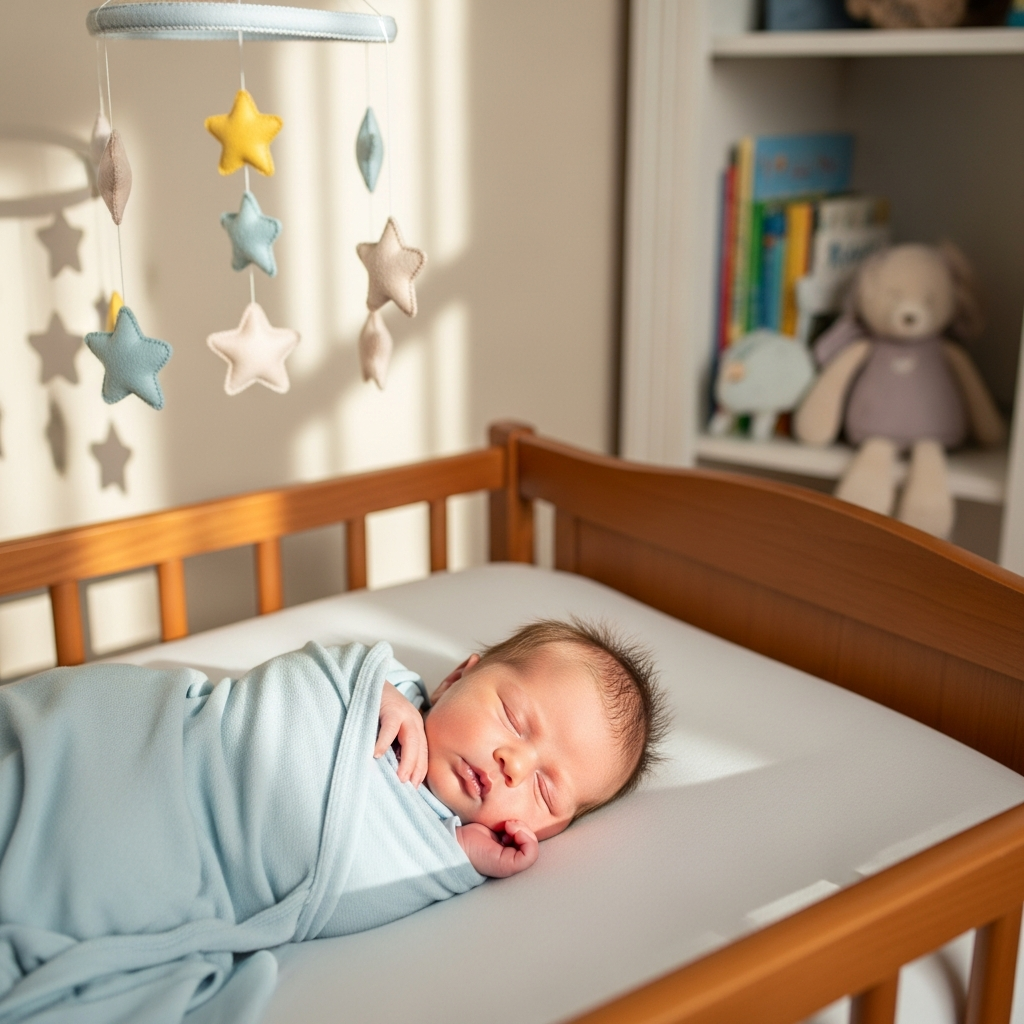
If your newborn is waking frequently, take heart. This is exactly what their developing brain needs right now. True sleep pattern changes typically emerge around 3-4 months when their sleep architecture begins to mature.
Is Sleep Regression Real? The Science Behind Myth vs. Fact
What Pediatric Research Actually Says About Sleep Regressions
Let us address the big question directly: is newborn sleep regression a myth? The answer is nuanced. While the sleep changes parents observe are absolutely real, the term "regression" may not be the most accurate way to describe what is happening.
Here is what the science tells us: sleep regression is not a formal medical diagnosis. You will not find it listed in pediatric textbooks as a condition to be treated. Instead, what parents experience as "regression" is typically their baby's brain undergoing significant developmental changes.
According to research published in pediatric sleep journals, sleep architecture undergoes dramatic changes during the first two years of life, with increases in NREM sleep and decreases in REM sleep. These changes are signs of healthy brain maturation, not problems to be fixed.
MYTH: Sleep regressions are random setbacks in your baby's development.
FACT: Sleep pattern changes typically coincide with positive developmental leaps and brain maturation.
Why "Sleep Progression" May Be a Better Term
Many pediatric sleep experts now prefer the term "sleep progression" because it more accurately reflects what is happening. Your baby is not going backward; they are moving through a necessary developmental transition.
During these periods, your baby's brain is developing more sophisticated sleep cycles similar to adults. Babies who begin sleeping for longer periods early on may start waking again later, and this is part of normal development rather than something going wrong.
This reframing is not just semantics. When parents understand that sleep changes reflect progress, it becomes easier to cope with the temporary challenges. You are not failing. Your baby is not broken. Their brain is simply doing exactly what it is supposed to do.
Sleep Regression Ages: When Do Sleep Changes Actually Happen?
The 4-Month Sleep Regression Explained
The 4-month sleep regression is the most discussed and researched sleep change in infancy. But what is actually happening during this period?
Around 3-4 months old, your baby's sleep undergoes a permanent transformation. Sleep patterns start to mature from newborn patterns (which have only 2 sleep stages) to more adult-like patterns (which cycle through 4 stages of light and deep sleep).
Before this transition, your baby could drift off easily and stay asleep through transitions between sleep stages. After the 4-month mark, they now experience distinct cycles of light and deep sleep, just like you do. The challenge? They have not yet learned how to navigate these transitions smoothly.
Some parents notice changes as early as 3 months, while others see shifts closer to 5 months. Individual variation is completely normal. What matters is understanding that this change is permanent and marks an important milestone in your baby's development.
Understanding the 8-Month and 12-Month Sleep Changes
While the 4-month regression involves permanent changes to sleep architecture, later sleep disruptions are typically tied to specific developmental milestones:
- 8-month changes: Often coincide with separation anxiety developing, increased mobility (sitting, crawling), and greater cognitive awareness
- 12-month changes: Frequently linked to walking, language development, and object permanence
- 18-month changes: Associated with language explosions, growing independence, and big emotional development

Do All Babies Have Sleep Regressions?
Here is reassuring news: not every baby experiences dramatic sleep disruptions at these ages. Some babies sail through developmental transitions with minimal changes to their sleep patterns.
Factors that may influence your baby's experience include their individual temperament, consistency of sleep environment and routines, and how they have learned to fall asleep initially. If your baby breezes through without noticeable disruption, consider yourself fortunate. It does not indicate any developmental concerns.
| Age | What is Happening Developmentally | Typical Duration |
|---|---|---|
| 4 months | Sleep cycle maturation, permanent change | 2-4 weeks |
| 8 months | Separation anxiety, mobility milestones | 3-6 weeks |
| 12 months | Walking, object permanence, first words | 2-4 weeks |
| 18 months | Language explosion, independence | 2-6 weeks |
Signs Your Baby May Be Going Through a Sleep Regression
Common Sleep Regression Symptoms Parents Notice
How do you know if your baby is experiencing a sleep regression versus another issue? Look for these common signs:
- Previously good sleeper now waking frequently (sometimes every 1-2 hours)
- Fighting sleep at bedtime when they used to settle easily
- Shorter naps or skipping naps entirely
- Increased fussiness, especially around sleep times
- Wanting to be held more during sleep
- Earlier morning wake-ups
- Difficulty falling back asleep after waking
The key indicator is that these changes appear suddenly in a baby who was previously sleeping better, and they coincide with your baby's age and developmental stage.
Sleep Regression vs. Other Causes of Night Waking
Before assuming sleep regression, consider whether other factors might be at play:
- Teething: Look for drooling, swollen gums, and chewing on objects
- Hunger or growth spurts: May resolve within 2-3 days with extra feedings
- Illness: Check for fever, unusual crying, or changes in feeding
- Environmental factors: Temperature, noise, or light changes in the sleep space
- Overtiredness: Sometimes babies who are kept awake too long actually sleep worse
Quick Check: Is It Sleep Regression?
- Baby is around 4, 8, 12, or 18 months old
- Sleep disruption started suddenly
- Baby was previously sleeping better
- You notice new developmental skills emerging
- Baby is otherwise healthy and feeding well
What Causes Sleep Regression? The Developmental Connection
Brain Development and Sleep Cycle Changes
Understanding the "why" behind sleep regression can help you cope with the "how long" question that haunts every tired parent.
Your newborn's brain creates sleep architecture through distinct stages. In the early weeks, babies cycle through only two sleep stages: active sleep (similar to REM) and quiet sleep (similar to NREM). During the first three months, sleep cycles last only about 20 to 50 minutes.
As babies mature, their sleep develops into the four-stage pattern adults experience. This transition means more opportunities for partial awakening between cycles. Until your baby learns to navigate these transitions smoothly, they may call out for you more frequently.
Motor Milestones and Cognitive Leaps
Have you noticed your baby "practicing" new skills at inconvenient times, like 2 AM? This is completely normal. When babies are mastering significant milestones, their brains often process and practice these skills during lighter sleep stages.
According to CDC developmental milestone guidelines, 4-month-olds are learning to hold their heads steady, bring hands to mouth, and push up during tummy time. Later milestones like rolling (around 6 months), sitting, and crawling all coincide with potential sleep disruptions.
Object permanence, the understanding that things continue to exist even when out of sight, develops around 8-9 months. This cognitive leap can intensify separation anxiety and make your baby more aware of your absence at night.
Environmental and Routine Factors
Sometimes what appears to be sleep regression has environmental causes worth investigating:
- Changes in routine or sleep environment
- Travel, time zone changes, or holiday disruptions
- Starting daycare or experiencing new caregivers
- Growth spurts increasing hunger and caloric needs
How Long Does Sleep Regression Last? Setting Realistic Expectations
When you are in the thick of sleepless nights, you need to know: how long will this last? Here is what the research and clinical experience tell us:
How Long Does Sleep Regression Last?
Most sleep regressions last between 2-6 weeks. The 4-month sleep regression typically resolves within 2-4 weeks, while the 8-month and 12-month changes may take 3-6 weeks. If sleep disruptions persist beyond 6 weeks, consult your pediatrician to rule out other causes.
Several factors influence duration:
- Consistency: Maintaining regular routines often helps babies adjust more quickly
- Sleep associations: Babies who have learned to fall asleep independently may navigate regressions faster
- Temperament: Some babies are simply more sensitive to developmental changes
- Environment: Optimal sleep conditions support better transitions
Signs that the regression is resolving include longer stretches of sleep returning, easier settling at bedtime, and your baby seeming more rested during the day.
This phase is temporary, even when it feels endless. You will get through it.
How to Help Your Baby Through Sleep Regression: Expert-Backed Strategies
Maintain Consistent Bedtime Routines
During sleep regressions, routine becomes your anchor. When everything feels chaotic, predictable bedtime rituals help signal to your baby's brain that sleep is coming.
A simple, calming routine might include:
- Warm bath (optional)
- Gentle massage with lotion
- Fresh diaper and comfortable sleepwear
- Quiet feeding in dim lighting
- One or two short books or songs
- Into the crib drowsy but awake (when possible)
The key is consistency, not perfection. Avoid introducing new sleep associations out of desperation (like suddenly starting to rock to sleep every time). These can create longer-term challenges once the regression passes.
Create the Optimal Sleep Environment for Your Baby
Your baby's sleep space plays a significant role in how well they rest. Here are evidence-based recommendations:
- Temperature: Keep the room between 68-72 degrees Fahrenheit (20-22 degrees Celsius)
- Darkness: Use blackout curtains to signal nighttime
- White noise: Consistent sound can help mask disruptions and promote deeper sleep
- Safe sleep surface: Follow AAP guidelines for a firm, flat surface with nothing else in the crib
One often-overlooked factor in baby sleep is clothing comfort. Babies who are too warm or wearing scratchy fabrics may wake more frequently. Consider breathable options like bamboo baby clothes or organic cotton sleepwear that help regulate temperature and keep sensitive skin comfortable throughout the night.
Support Daytime Development to Improve Nighttime Sleep
What happens during the day directly affects nighttime sleep. Help your baby through regressions by:
- Practicing new skills during the day: Give plenty of floor time for rolling, crawling, or walking practice so your baby gets it out of their system before bed
- Following appropriate wake windows: Overtired babies often sleep worse, not better
- Ensuring adequate daytime calories: Well-fed babies may sleep longer stretches
- Getting natural light exposure: Morning sunlight helps regulate circadian rhythm
Self-Care for Parents: You Cannot Pour from an Empty Cup
Sleep deprivation is no joke. Research shows it affects cognitive function, emotional regulation, and physical health. While caring for your baby, you must also care for yourself.
Practical strategies include:
- Tag-team night duties with your partner when possible
- Accept help from family and friends without guilt
- Lower expectations for non-essential tasks
- Take turns sleeping in on weekends
- Watch for signs of postpartum depression or anxiety, which can worsen with sleep deprivation
Remember: taking care of yourself is not selfish. It is necessary for taking care of your baby.
When to Talk to Your Pediatrician About Baby Sleep Issues
While most sleep regressions are normal developmental phases, some situations warrant professional guidance.
Contact your pediatrician if you notice:
- Sleep issues lasting more than 6 weeks
- Signs of illness (fever, unusual crying, significant feeding changes)
- Breathing concerns during sleep (snoring, gasping, pauses)
- Significant weight loss or failure to thrive
- Your baby's overall development seems off track
- You are concerned about your own mental health due to sleep deprivation
It is likely just normal regression if:
- Your baby is otherwise healthy and thriving
- Developmental milestones are on track
- Disruption coincides with typical regression ages
- You notice new skills emerging alongside sleep changes
Before your appointment, keep a brief sleep log noting when your baby sleeps, wakes, and any patterns you observe. Document developmental changes you have noticed and write down your specific questions.
Remember: You know your baby best. If something feels off, trust your instincts and reach out to your healthcare provider. It is always better to ask than to worry.
Frequently Asked Questions About Newborn Sleep Regression
Is newborn sleep regression a real medical condition?
Sleep regression is not a formal medical diagnosis but rather a term used to describe temporary periods when a baby who previously slept well begins waking more frequently. These sleep changes are typically tied to normal developmental milestones. Pediatric experts suggest that "sleep progression" may be a more accurate term, as these changes often reflect positive brain development rather than backward movement.
At what age does the first sleep regression typically occur?
The first commonly recognized sleep regression occurs around 4 months of age. At this stage, your baby's sleep cycles are maturing from newborn patterns to more adult-like patterns. Some parents notice changes as early as 3 months. Importantly, newborns under 3 months do not experience true "regressions" because their irregular sleep is a normal part of early development.
How long do sleep regressions usually last?
Most sleep regressions last between 2-6 weeks. The 4-month regression typically resolves within 2-4 weeks as your baby adjusts to new sleep patterns. However, duration varies based on your baby's temperament, sleep environment, and whether consistent routines are maintained during this period. If sleep disruptions persist beyond 6 weeks, consult your pediatrician.
Why is my baby suddenly waking up every hour at night?
Frequent night waking often occurs when babies transition between sleep cycles and have not yet learned to self-soothe back to sleep. During developmental leaps, increased brain activity can cause more transitions between sleep stages. Other causes include teething, hunger during growth spurts, illness, or environmental discomfort. If your baby is around 4, 8, or 12 months, a sleep regression may be the cause.
Should I sleep train during a sleep regression?
Most sleep experts recommend waiting until a sleep regression passes before starting formal sleep training. During developmental transitions, your baby needs extra comfort and may not respond well to new methods. However, maintaining consistent routines and encouraging healthy sleep habits is appropriate. Once the regression resolves (typically 2-6 weeks), you can consider gentle sleep training approaches if desired.
What is the difference between sleep regression and a growth spurt?
Growth spurts typically cause increased hunger and more frequent feeding, including at night, but babies often return to normal sleep quickly once the growth spurt passes (usually 2-3 days). Growth spurts last longer (2-6 weeks) and are tied to developmental milestones rather than physical growth. Sleep regressions often coincide with new skills like rolling, crawling, or increased cognitive awareness.
Do all babies experience sleep regressions?
Not all babies experience noticeable sleep regressions. Some babies transition through developmental stages with minimal sleep disruption, while others are more sensitive to changes. Factors like temperament, sleep environment, and consistent routines can influence how significantly your baby's sleep is affected. If your baby sails through without disruption, consider yourself fortunate. It does not indicate any developmental concerns.
How can I tell if it is sleep regression or teething?
Teething typically includes additional symptoms beyond sleep disruption: increased drooling, swollen gums, chewing on objects, and possible low-grade fever. Sleep regression usually coincides with new developmental milestones (rolling, sitting, crawling) and occurs around predictable ages (4, 8, 12, 18 months). Both can happen simultaneously, so check your baby's gums and observe for other teething signs to help distinguish the cause.
Finding Peace Through the Sleepless Nights
So, is newborn sleep regression a myth or reality? The truth lies somewhere in between. The sleep changes you are experiencing are absolutely real. Your exhaustion is valid. But understanding that these disruptions represent developmental progress rather than regression can shift your perspective from defeat to determination.
Here is what we have learned: your baby is not broken, and neither are you. Sleep pattern changes around 4, 8, 12, and 18 months are tied to incredible brain development, not random setbacks. Most regressions resolve within 2-6 weeks. Consistency, a supportive sleep environment, and self-compassion are your best tools for getting through.
As you navigate this challenging but temporary phase, focus on what you can control: maintaining predictable routines, creating a comfortable sleep environment with appropriate sleepwear, and taking care of yourself. Browse the PatPat collection of baby clothes designed with both comfort and convenience in mind.
Every baby is different, and your journey through infant sleep will be unique to your family. Trust your instincts, reach out for support when you need it, and remember that you are doing an incredible job during one of the most demanding phases of early parenthood.
The sleepless nights will not last forever. And on the other side, you will have a baby who is growing, developing, and reaching amazing milestones, one interrupted night at a time.
Sweet dreams to you and your little one.


