


You have done everything right. You have followed the bedtime routine, dimmed the lights, and tucked your little one in for the night. Yet here you are at 2 AM, listening to your baby fuss and watching them scratch at red, irritated patches on their skin. If this sounds painfully familiar, you are not alone.
Finding the right baby pajamas for sensitive skin can feel overwhelming when your child struggles with eczema, rashes, or skin irritation. The wrong sleepwear can disrupt sleep and worsen skin conditions, turning nights into stressful ordeals for the whole family. According to JAMA Dermatology research, eczema prevalence in US children rose from 7.9% in 1997 to 12.6% by 2018, meaning more families than ever are searching for solutions.
Here is the good news: choosing eczema-friendly baby pajamas does not have to be complicated. In this guide, you will learn exactly what fabrics, features, and certifications to look for when shopping for sensitive skin baby sleepwear. Whether you are dealing with mild sensitivity or moderate eczema flare-ups, PatPat offers helpful resources for parents seeking gentle options, including collections of bamboo baby clothes that provide natural comfort for delicate skin.
Why Babies with Sensitive Skin Need Special Pajamas
Before diving into fabric choices and shopping tips, it helps to understand why your baby's skin reacts so strongly to certain materials. This knowledge will empower you to make better decisions when browsing those endless product options.
How Fabric Contact Affects Delicate Baby Skin
Your baby's skin is not just smaller than yours; it is structurally different. Research published by the National Center for Biotechnology Information confirms that infant stratum corneum (the outermost skin layer) is approximately 30% thinner than adult skin. This means chemicals and irritants penetrate more easily, and moisture escapes faster.
Consider how long your baby spends in their pajamas. Infants aged 4 to 12 months need 12 to 16 hours of sleep per day according to the American Academy of Sleep Medicine. That means their sleepwear is in contact with their skin for most of the day, not just overnight. Extended exposure to irritating fabrics, residual chemicals, or poorly designed seams creates ongoing stress on already vulnerable skin.
Common Signs Your Baby Needs Gentler Sleepwear
How do you know if your current pajamas might be part of the problem? Watch for these warning signs:
- Red patches or rashes appearing specifically after sleep
- Excessive scratching or rubbing during the night
- Restless sleep with frequent waking
- Visible irritation marks from seams, tags, or closures
- Eczema flare-ups that seem worse in the morning
- Damp pajamas from overnight sweating
Babies with eczema or sensitive skin lose moisture through their skin faster than other babies, making breathable, moisture-wicking fabrics essential for nighttime comfort. If you are seeing these signs, it is time to evaluate what your baby is wearing to bed.
Best Fabrics for Hypoallergenic Baby Pajamas
Fabric choice is the foundation of comfortable, non-irritating baby sleepwear. Not all natural materials are created equal, and some synthetic options can actually worsen skin conditions. Here is what the research tells us about the best options for sensitive skin.
Bamboo Viscose: The Gold Standard for Eczema-Prone Skin
When parents ask me about the single best fabric for babies with moderate to severe eczema, bamboo viscose consistently tops the list. This material offers a unique combination of properties that make it ideal for reactive skin.
Bamboo fabric demonstrates natural antibacterial properties due to the presence of phenolic compounds. Research from the Biomedical Journal of Scientific and Technical Research confirms that bamboo shows antibacterial activities against both Gram-positive and Gram-negative bacteria. For babies prone to skin infections associated with eczema, this natural protection can be valuable.
Beyond antibacterial benefits, bamboo excels at moisture management. The fiber's micro-gaps and micro-holes contribute to excellent wicking ability, drawing moisture away from your baby's skin and allowing it to evaporate quickly. Bamboo is also thermoregulating, keeping babies cool in summer and warm in winter, which helps prevent the overheating that often triggers eczema flares.
The texture matters too. Bamboo fabric has a silky-smooth feel comparable to cashmere, creating minimal friction against irritated skin. For parents seeking the gentlest options, bamboo baby clothes combine breathability with hypoallergenic benefits.
Organic Cotton: A Trusted Natural Alternative
Organic cotton remains a popular choice for sensitive skin, and for good reason. When certified by organizations like GOTS, organic cotton is grown without synthetic pesticides, insecticides, or herbicides, reducing the chemical load that could irritate your baby's skin.
This fabric offers good breathability, durability, and a soft hand feel. It is generally more affordable than bamboo and widely available. Organic cotton works particularly well for babies with mild sensitivity or during stable skin phases when eczema is under control.
TENCEL Lyocell: The Moisture Management Expert
If your baby sweats heavily at night, TENCEL Lyocell deserves consideration. Made from sustainably harvested eucalyptus wood pulp, this fabric offers exceptional moisture-wicking properties and a smooth fiber surface that is gentle on irritated skin. It is biodegradable, sustainably produced, and naturally breathable.
Fabrics to Avoid for Sensitive Baby Skin
Knowing what to avoid is just as important as knowing what to choose:
- Polyester and synthetic blends: Trap heat and moisture, creating conditions for irritation
- Wool: Despite natural properties, can cause itching on sensitive skin
- Conventional cotton: Often treated with chemicals during processing
- Fleece: Retains heat and can cause overheating

| Fabric | Breathability | Softness | Moisture-Wicking | Best For |
|---|---|---|---|---|
| Bamboo Viscose | Excellent | Superior | Excellent | Moderate-severe eczema |
| Organic Cotton | Good | Very Good | Good | Mild sensitivity |
| TENCEL Lyocell | Excellent | Excellent | Superior | Heavy sweaters |
| Polyester | Poor | Average | Poor | Avoid for sensitive skin |
Essential Features to Look For in Sensitive Skin Baby Sleepwear
Great fabric is just the starting point. Design features and construction quality can make or break comfort for babies with reactive skin. Here are the details that matter most.
Tagless Design: Eliminating a Hidden Irritant
Those little tags inside clothing seem harmless, but for sensitive babies, they can cause significant friction and scratching throughout the night. Look for pajamas with printed labels or heat-transfer tags instead of sewn-in fabric tags. Check inside all seams for hidden care tags that manufacturers sometimes tuck away.
Flat Seams and Covered Stitching
Standard raised seams create pressure points that can dig into tender skin overnight. The solution? Flat-lock seams that lie smooth against the body. Some manufacturers use inside-out stitching, keeping threads and seam ridges on the exterior rather than against your baby's skin.
Closure Types: Zipper vs Snaps for Eczema Babies
The closure debate matters more than you might think:
- Two-way zippers: Allow fast diaper changes with minimal skin exposure and disruption
- Covered zippers: Feature fabric guards that prevent metal from touching skin
- Magnetic closures: Gentle on skin with easy one-hand operation
- Snaps: More contact points for potential irritation, but familiar to many parents
For most babies with eczema, covered two-way zippers offer the best combination of convenience and comfort.
Fold-Over Mittens and Enclosed Feet
Built-in fold-over mittens serve a crucial purpose for eczema babies: preventing nighttime scratching that can damage skin and cause infections. Enclosed feet reduce the need for separate socks, eliminating extra elastic bands around ankles. Convertible cuffs offer flexibility as your baby grows and skin conditions change.
- Tagless design with printed labels
- Flat-lock or covered seams
- Two-way covered zipper
- Fold-over mittens for scratch prevention
- Snug but stretchy fit
Understanding Safety Certifications for Baby Sleepwear
Certifications provide third-party verification that sleepwear meets specific safety and quality standards. Not all labels mean what they seem, so understanding the key certifications helps you shop with confidence.
OEKO-TEX Standard 100: The Chemical Safety Benchmark
The OEKO-TEX Standard 100 certification is the gold standard for textile safety testing. Products bearing this label have been independently tested for over 1,000 harmful substances, including banned azo dyes, carcinogenic colorants, pesticides, heavy metals, and formaldehyde.
For baby products, look specifically for Class I certification, which applies to textiles for babies and toddlers up to three years. Because infant skin is highly absorbent and vulnerable to irritation, Class I maintains the strictest allowable limits for harmful substances. Baby textiles are additionally tested using synthetic saliva and perspiration solutions to simulate sucking and nibbling behaviors.
Each OEKO-TEX certificate remains valid for 12 months and requires annual renewal through re-testing, ensuring ongoing compliance.
GOTS Certification: Organic Fiber Assurance
The Global Organic Textile Standard (GOTS) is the world's leading processing standard for organic fibers. A product labeled GOTS certified must contain a minimum of 70% certified organic fibers, while items labeled "organic" require at least 95% organic content.
GOTS covers the entire supply chain from farm to finished product, prohibiting toxic dyes and chemical finishes while requiring that only low-impact GOTS-approved chemical inputs are used in processing. The certification also includes fair labor standards.
Red Flags: Marketing Terms That Mean Little
Be wary of unverified marketing claims:
- "Natural": No regulated definition in textiles
- "Eco-friendly": Often unverified claims
- "Gentle": Subjective without standardized testing
- "Chemical-free": Technically impossible; look for "harmful chemical-free" instead
Bamboo vs Cotton Pajamas: Which is Better for Baby Eczema?
This is one of the most common questions parents ask. Both bamboo and organic cotton are excellent choices for sensitive skin, but they excel in different areas. Here is an honest comparison to help you decide.
Head-to-Head Performance Comparison
Temperature Regulation: Bamboo offers superior thermoregulation, actively adapting to your baby's body temperature. Organic cotton provides good breathability but is less responsive to temperature fluctuations throughout the night.
Moisture Management: Bamboo is approximately 40% more absorbent than cotton and wicks moisture away from skin efficiently. Cotton absorbs moisture well but can feel damp against skin when saturated.
Softness and Skin Feel: Bamboo has a silky, smooth texture that many compare to cashmere. Cotton is soft but can feel slightly rougher, especially after repeated washing.
Durability and Care: Bamboo maintains its softness longer and resists pilling. Cotton is more robust for frequent hot-water washing and is more widely available in stores.
The Verdict: Matching Fabric to Your Baby's Needs
Choose Bamboo When:
- Your baby has moderate to severe eczema or very reactive skin
- Overheating is a concern during sleep
- You want maximum softness for already irritated skin
- Budget allows for slightly higher investment
Choose Organic Cotton When:
- Your baby has mild skin sensitivity
- You need durable pajamas for frequent washing
- Budget is a primary consideration
- You prefer widely available options
Many parents find success with a mixed approach, keeping bamboo pajamas for flare-up periods while using organic cotton during stable phases. Explore baby pajamas in both bamboo and cotton options to find what works best for your little one.
How to Care for Sensitive Skin Baby Pajamas
Proper care preserves the hypoallergenic properties you paid for and extends the life of quality sleepwear. These practices make a real difference in keeping pajamas gentle on your baby's skin.
Pre-Washing New Pajamas Before First Use
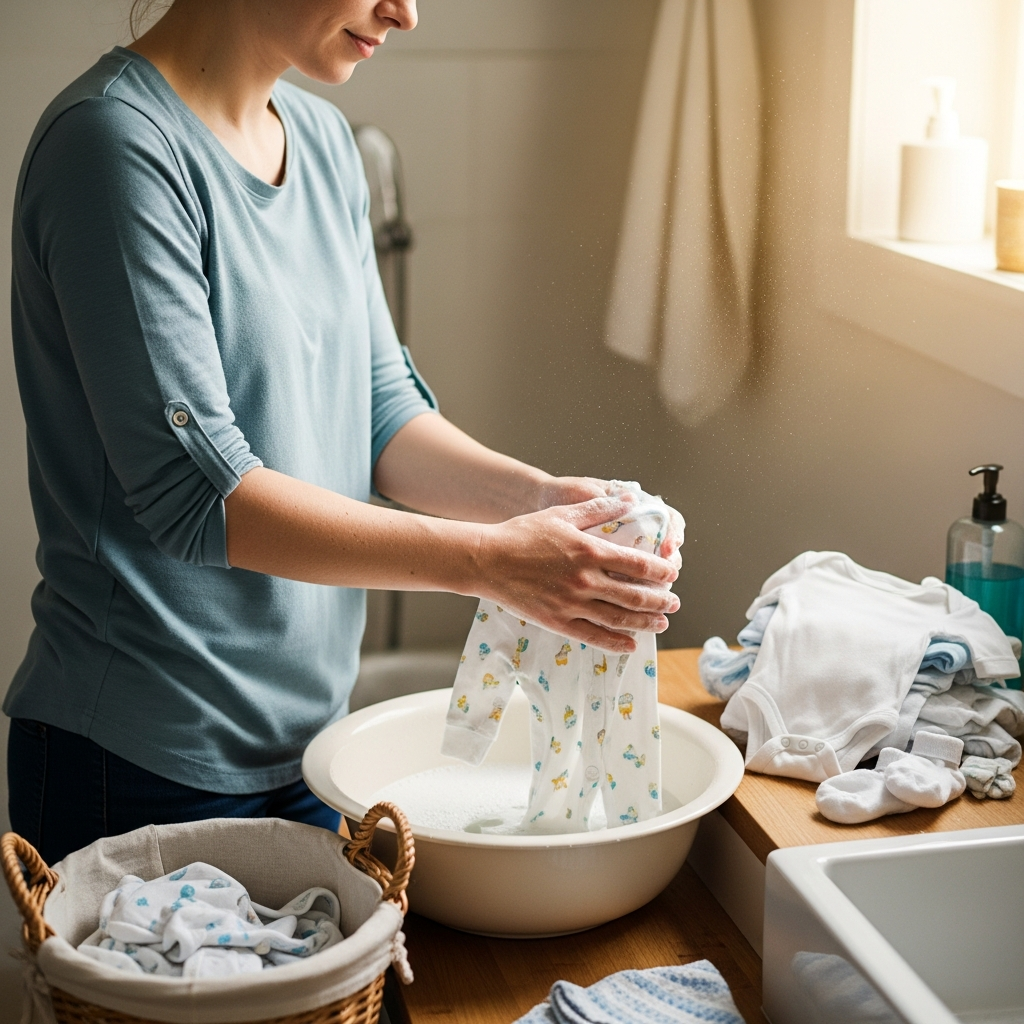
Always wash new garments before your baby wears them. Manufacturing processes can leave residues that irritate sensitive skin. Use fragrance-free, dye-free detergent and consider running an extra rinse cycle to remove any remaining residue. Air drying the first wash is ideal when possible.
Choosing the Right Detergent for Eczema Babies
Your detergent choice matters as much as your fabric choice. Look for "free and clear" formulas without optical brighteners or enzymes. Hypoallergenic liquid detergents rinse cleaner than powders, leaving less residue in fabric fibers. Use half the recommended detergent amount for even less residue.
Washing Temperature and Cycle Guidelines
- Bamboo: Cool to warm water (30-40C / 86-104F), gentle cycle
- Organic Cotton: Warm water acceptable, can handle regular cycle
- Turn pajamas inside out to protect the outer surface
- Avoid hot water, which can set stains and damage fibers
Drying and Storage Best Practices
Air drying preserves softness longest, especially for bamboo. If machine drying, use the low heat setting and remove promptly. Store in clean, dry drawers away from strong scents. Most importantly, skip fabric softeners entirely. They coat fibers and reduce breathability, undermining the hypoallergenic properties you are trying to maintain.
- Pre-wash new pajamas before first use
- Use fragrance-free, dye-free detergent
- Wash in cool to warm water on gentle cycle
- Skip fabric softener and dryer sheets
- Air dry or tumble dry on low heat
Practical Buying Tips for Parents of Sensitive Skin Babies
Now that you understand fabrics, features, and care, let us talk about the practical side of building a sleepwear wardrobe that works for your eczema baby.
How Many Pajamas Does a Baby with Eczema Need?
Plan for more pajamas than you think you need. The minimum recommendation is 7-10 pairs for daily rotation, allowing time for proper washing and drying. During flare-ups, you may need to change pajamas more frequently due to emollient applications or nighttime sweating. Buy across 2-3 size ranges to account for rapid growth, and consider different weights for summer and winter.
Getting the Right Size for Maximum Comfort
Sizing requires attention to safety and comfort. Consumer product safety guidelines require snug-fit for non-flame-retardant sleepwear, but snug should not mean constrictive. Check brand-specific sizing charts since sizes vary significantly between manufacturers. When between sizes, size up for sleepwear. Account for potential shrinkage with cotton options; bamboo tends to maintain its size better through washing.
Budget Considerations: Investment vs Value
Quality sensitive-skin pajamas often cost more upfront, but consider the cost-per-wear. Bamboo pajamas typically last longer with proper care, maintaining softness even after dozens of washes. Start with 2-3 high-quality pairs to test your baby's response before investing in a full wardrobe. Look for multi-packs for better value, and remember that well-maintained premium brands often have good resale value.
Where to Shop for Hypoallergenic Baby Sleepwear
Online shopping allows filtering by certifications like OEKO-TEX and GOTS, making it easier to find verified options. Read parent reviews specifically mentioning eczema or sensitive skin; these real-world experiences offer valuable insights. Check return policies for sensitivity-related returns since some brands accommodate exchanges if pajamas cause reactions.
Browse a wide selection of baby clothes including sensitive-skin-friendly options, explore bamboo baby clothes for premium hypoallergenic choices, and shop quality baby pajamas in various styles and sizes.
Frequently Asked Questions About Baby Pajamas for Sensitive Skin
What fabric is best for babies with sensitive skin?
Bamboo viscose is widely considered the best fabric for babies with sensitive skin due to its natural hypoallergenic properties, exceptional softness, and temperature-regulating abilities. Organic cotton certified GOTS is an excellent alternative, especially for mild sensitivity. Both fabrics are free from harsh chemicals when properly certified.
Are bamboo pajamas good for babies with eczema?
Yes, bamboo pajamas are excellent for babies with eczema. Bamboo fabric is naturally antibacterial, moisture-wicking, and thermoregulating, which helps prevent overheating, a common eczema trigger. The silky-smooth texture creates minimal friction against irritated skin, reducing scratching and discomfort during sleep.
What certifications should baby pajamas have for sensitive skin?
Look for OEKO-TEX Standard 100 Class I certification, which tests for over 1,000 harmful substances at baby-safe levels. GOTS (Global Organic Textile Standard) certification ensures organic fiber content and chemical-free processing. These certifications guarantee the pajamas are free from formaldehyde, allergenic dyes, and other skin irritants.
Can baby pajamas cause skin rashes?
Yes, baby pajamas can cause skin rashes if made from irritating fabrics, treated with harsh chemicals, or poorly designed with rough seams and tags. Synthetic fabrics like polyester trap heat and moisture, creating conditions for rashes. To prevent reactions, choose certified hypoallergenic pajamas with tagless designs, flat seams, and natural fibers.
How should I wash baby pajamas for sensitive skin?
Wash sensitive skin baby pajamas in cool to warm water (30-40C) using fragrance-free, dye-free detergent. Use half the recommended detergent amount to minimize residue. Skip fabric softeners and dryer sheets. Air dry when possible, or tumble dry on low heat. Always pre-wash new pajamas before first use.
Is bamboo or cotton better for baby eczema?
Bamboo is generally better for baby eczema due to superior moisture-wicking, antibacterial properties, and silkier texture that minimizes friction. Bamboo is approximately 40% more absorbent than cotton and regulates temperature better. However, GOTS-certified organic cotton is a good budget-friendly option for mild eczema when bamboo is not available.
Should baby pajamas have zippers or snaps for eczema?
Zippers, particularly two-way covered zippers, are generally better for babies with eczema. They minimize skin exposure during diaper changes and have fewer contact points than multiple snaps. Look for fabric-covered zippers that prevent metal from touching skin. Magnetic closures are another gentle option gaining popularity.
How do I stop my baby from scratching eczema at night?
To prevent nighttime scratching, choose pajamas with built-in fold-over mittens that cover hands securely. Select smooth fabrics like bamboo that reduce itching sensations. Keep the room cool (68-72F) to prevent overheating, which triggers itching. Apply prescribed emollients before dressing for bed, and ensure pajamas are freshly washed without fabric softener residue.
Conclusion: Better Sleep Starts with Better Pajamas
Choosing the right baby pajamas for sensitive skin really can transform your family's nights. By prioritizing natural fabrics like bamboo or organic cotton, looking for certifications such as OEKO-TEX Standard 100 and GOTS, and selecting thoughtful design features like tagless construction and flat seams, you are giving your baby the best chance at comfortable, restorative sleep.
Remember that proper care matters too. Pre-washing new garments, using gentle detergents, and skipping fabric softeners preserves the hypoallergenic properties you invested in. Start with a few quality pieces to test your baby's response, then build from there based on what works.
Every baby's skin is different, so some trial and adjustment is normal. Pay attention to how your little one responds to different fabrics and styles. The effort you put into finding the right sleepwear pays off in better sleep for your baby and more peaceful nights for you.
Ready to find the perfect pajamas for your sensitive-skinned baby? PatPat offers a thoughtful collection of bamboo baby clothes and baby pajamas designed with delicate skin in mind. Sweet dreams start with the right sleepwear.





