


Did you know that nearly 82% of pregnant women worldwide may not be getting adequate zinc? This essential mineral plays a starring role in both your immune health and your baby's development, yet it often gets overlooked in prenatal nutrition discussions.
Here's the reality: pregnancy increases your zinc requirements by 38%, jumping from 8mg to 11mg daily. Your body is working overtime to build new cells, support your immune system, and nurture a growing baby. Without enough zinc, you might find yourself catching every cold that passes by, feeling constantly fatigued, or worrying about your baby's development.
The good news? You can meet your zinc needs deliciously through food. At PatPat, we believe that nourishing yourself during pregnancy should be enjoyable, not stressful. That's why we've compiled 11 zinc-rich recipes using four powerhouse ingredients: beef, oysters, pumpkin seeds, and chickpeas. Each recipe includes exact zinc content per serving, so you can track your intake with confidence.
Whether you're a meat-lover, seafood enthusiast, or vegetarian, these immune-boosting pregnancy meals will help you reach your 11mg daily goal while satisfying your taste buds.
Why Zinc Is Essential for Pregnancy Immune Health
Zinc is one of those quiet heroes of prenatal nutrition. While iron and folic acid often steal the spotlight, zinc works behind the scenes to keep both you and your baby healthy throughout all three trimesters.
How Zinc Supports Your Immune System During Pregnancy
Your immune system faces a unique challenge during pregnancy. It must protect you from illness while simultaneously accepting your growing baby as a welcomed guest rather than a foreign invader. This delicate balance naturally suppresses some immune functions, making adequate zinc intake even more critical.
According to the NIH Office of Dietary Supplements, zinc activates T-lymphocytes (T-cells) that orchestrate your body's immune response. It also supports the production and function of white blood cells, your front-line defenders against infection.
Beyond cellular immunity, zinc acts as a powerful antioxidant, reducing oxidative stress that can damage cells. It also helps maintain the integrity of your skin and mucosal membranes, which serve as physical barriers against pathogens.
Zinc's Role in Fetal Development and Cell Growth
While you're focused on staying healthy, zinc is busy supporting your baby's rapid development. This mineral is essential for:
- DNA synthesis and cell division - the foundation of all fetal growth
- Protein synthesis and tissue formation - building your baby's organs and muscles
- Developing your baby's immune system - preparing them for life outside the womb
- Healthy placental function - ensuring nutrient delivery to your baby
Research published in PMC has linked zinc deficiency to adverse pregnancy outcomes including preterm birth and low birth weight. Getting enough zinc through zinc-rich foods for pregnant women is a simple yet powerful way to support a healthy pregnancy.
Understanding Your Zinc Needs: The 11mg Daily Requirement
Your Daily Zinc Goal During Pregnancy
Zinc RDA Breakdown for Pregnant Women
The National Institutes of Health recommends the following daily zinc intake:
| Life Stage | Daily Zinc RDA |
|---|---|
| Non-pregnant adult women | 8mg |
| Pregnant women | 11mg |
| Lactating women | 12mg |
| Upper Limit (do not exceed) | 40mg |
One important note: zinc absorption varies significantly by source. Animal-based zinc (heme zinc) absorbs at 20-40%, while plant-based zinc absorbs at 15-25%. This means vegetarians may need to consume more zinc-rich foods to meet their daily requirement.
Signs You May Not Be Getting Enough Zinc
Watch for these potential indicators of inadequate zinc intake:
- Frequent infections or unusually slow wound healing
- Loss of appetite or changes in taste perception
- Hair thinning or persistent skin issues
- Unexplained fatigue and low energy
Navigating Zinc and Iron Absorption Competition
Here's something your prenatal class probably didn't mention: zinc and iron can actually compete for absorption in your body. Understanding this interaction is crucial for maximizing your nutrient intake during pregnancy.
Why Zinc and Iron Compete for Absorption
Both minerals use similar transport pathways in your intestinal wall. According to research published in PMC, when taken together in supplement form, high-dose iron (greater than 25mg) can reduce zinc absorption by up to 50%.
This is particularly relevant since many pregnant women take iron supplements. A ratio of 2:1 or higher of iron to zinc can negatively impact your zinc status over time.
Smart Strategies to Maximize Both Nutrients
Don't worry. You can absolutely get enough of both minerals with these practical approaches:
- Space your supplements: Take iron and zinc supplements 2-3 hours apart when possible
- Take supplements with food: This moderates the absorption competition
- Prioritize food sources: Whole foods contain naturally balanced mineral ratios
- Pair zinc with protein: Protein enhances zinc absorption
- Be mindful of calcium timing: High-calcium meals also compete with zinc
- Consider meal timing: Enjoy zinc-rich foods at lunch, take iron supplements with dinner
Zinc-Rich Beef Recipes for Pregnancy
Beef delivers some of the most bioavailable zinc you can eat. A 3oz serving of lean beef provides approximately 7mg of zinc, covering 64% of your daily needs. Always cook beef to an internal temperature of 160F during pregnancy for safety.
Slow-Cooker Beef and Vegetable Stew
Ingredients:
- 1.5 lbs beef chuck, cubed
- 4 carrots, chopped
- 3 potatoes, cubed
- 1 can diced tomatoes
- 4 cloves garlic, minced
- 2 cups beef broth
- 1 tsp each: thyme, rosemary, salt
Instructions: Place beef in slow cooker. Add vegetables, tomatoes, garlic, and broth. Season with herbs. Cook on low 6-8 hours until beef is tender. Check internal temperature reaches 160F.
Why it works: Slow cooking makes beef incredibly tender and easy to digest. The vegetables contribute additional zinc (1.5mg combined) plus fiber and vitamins.
Quick Beef Stir-Fry with Broccoli
Ingredients:
- 1 lb lean beef strips
- 3 cups broccoli florets
- 1 red bell pepper, sliced
- 2 tbsp low-sodium soy sauce
- 1 tbsp fresh ginger, minced
- 2 cloves garlic, minced
Instructions: Heat oil in wok over high heat. Stir-fry beef 3-4 minutes until browned. Add vegetables and cook 4-5 minutes until crisp-tender. Add soy sauce, ginger, and garlic. Ensure beef reaches 160F internal temperature.
Why it works: Perfect for busy weeknights. Vitamin C in broccoli and peppers may enhance overall mineral absorption.
Hearty Beef and Bean Chili
Ingredients:
- 1.5 lbs ground beef
- 1 can kidney beans, drained
- 1 can black beans, drained
- 1 can crushed tomatoes
- 1 onion, diced
- 2 tbsp chili powder, 1 tsp cumin
Instructions: Brown beef in large pot, breaking apart. Add onion and cook until soft. Add beans, tomatoes, and spices. Simmer 45 minutes, stirring occasionally. Season to taste.
Why it works: Combines animal and plant zinc sources for maximum impact. Makes excellent meal prep and freezes beautifully.

Pregnancy-Safe Oyster Recipes with Maximum Zinc
When properly cooked, oysters are the ultimate zinc powerhouse. According to USDA FoodData Central, 3oz of cooked oysters provides approximately 74mg zinc, representing 673% of your daily value.
Baked Oysters Rockefeller
Ingredients:
- 24 fresh oysters on half shell
- 2 cups fresh spinach, chopped
- 1/2 cup breadcrumbs
- 1/4 cup parmesan, grated
- 3 tbsp butter
- 2 cloves garlic, minced
Instructions: Preheat oven to 450F. Saute spinach and garlic in butter until wilted. Top each oyster with spinach mixture, breadcrumbs, and parmesan. Bake 12-15 minutes until internal temperature reaches 145F and edges curl.
Creamy Oyster Stew
Ingredients:
- 1 pint shucked oysters with liquor
- 2 cups whole milk
- 3 tbsp butter
- 2 stalks celery, diced
- 2 small potatoes, cubed
- Salt, pepper, parsley to taste
Instructions: Cook potatoes and celery in butter until tender. Add milk and heat gently. Add oysters with liquor and cook until oysters are plump and edges curl, about 5 minutes. Stew should reach 165F. Season and serve immediately.
Plant-Based Zinc: Pumpkin Seed Recipes
For vegetarians or anyone seeking variety, pumpkin seeds (pepitas) offer excellent plant-based zinc. One ounce provides 2.2mg zinc (20% daily value) along with magnesium, iron, and healthy fats.
Maple-Cinnamon Roasted Pumpkin Seeds
Ingredients:
- 2 cups raw pumpkin seeds
- 2 tbsp maple syrup
- 1 tsp cinnamon
- 1/4 tsp sea salt
Instructions: Preheat oven to 325F. Toss seeds with maple syrup, cinnamon, and salt. Spread on baking sheet. Roast 20 minutes, stirring halfway. Cool completely for crunchiest results.
Why it works: The sweet flavor can help settle nausea during early pregnancy. Perfect grab-and-go snack.
Pumpkin Seed Butter on Whole Grain Toast
Ingredients:
- 2 tbsp pumpkin seed butter (homemade or store-bought)
- 1 slice whole grain bread, toasted
- 1 tsp honey (optional)
- Pinch of sea salt
Instructions: Toast bread to desired darkness. Spread pumpkin seed butter evenly. Drizzle with honey and sprinkle with salt if desired.
Why it works: Quick breakfast that delivers zinc plus B vitamins from whole grains.
Green Smoothie with Pumpkin Seed Boost
Ingredients:
- 1 cup fresh spinach
- 1 banana, frozen
- 1/2 cup Greek yogurt
- 2 tbsp pumpkin seeds
- 1 cup almond milk
Instructions: Blend all ingredients until smooth. Add more milk if needed for desired consistency. Enjoy immediately.
Why it works: Disguises seeds for those who dislike their texture. Greek yogurt adds protein and additional zinc.
Chickpea Recipes for Vegetarian Zinc Intake
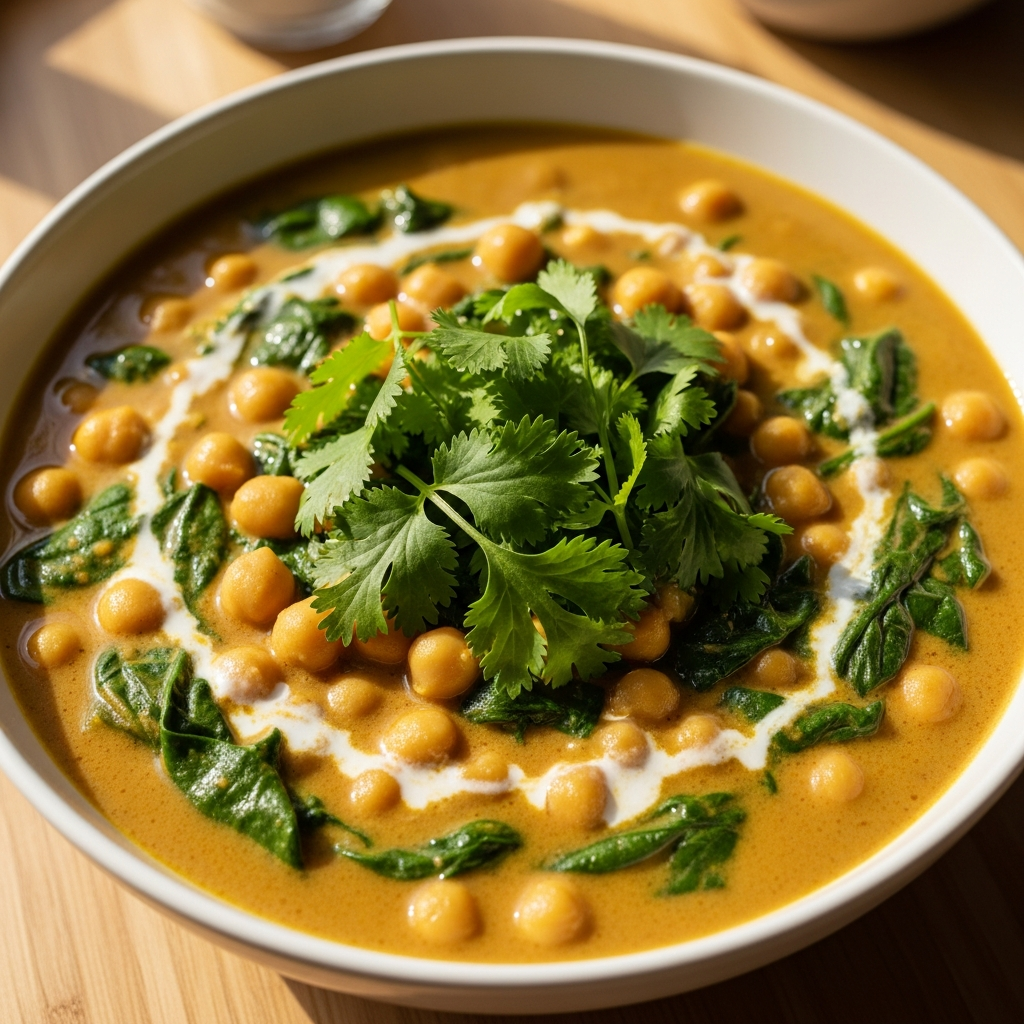
Chickpeas are a vegetarian staple that delivers 1.3mg zinc per half cup, along with 7g protein and 6g fiber. Soaking and cooking helps reduce phytates that can inhibit zinc absorption.
Creamy Chickpea and Spinach Curry
Ingredients:
- 2 cans chickpeas, drained
- 1 can coconut milk
- 3 cups fresh spinach
- 1 can diced tomatoes
- 2 tbsp curry powder
- 1 onion, diced
- 3 cloves garlic, minced
Instructions: Saute onion and garlic until fragrant. Add curry powder and cook 1 minute. Add tomatoes, coconut milk, and chickpeas. Simmer 20 minutes. Stir in spinach until wilted. Serve over rice.
Why it works: Warming comfort food that may help with pregnancy digestion. Spices like ginger and turmeric in curry can ease nausea.
Crispy Roasted Chickpea Snacks
Ingredients:
- 2 cans chickpeas, drained and patted dry
- 2 tbsp olive oil
- 1 tsp paprika
- 1/2 tsp garlic powder
- Salt to taste
Instructions: Preheat oven to 400F. Toss dry chickpeas with oil and seasonings. Spread on baking sheet in single layer. Roast 30-40 minutes, shaking pan occasionally, until crispy throughout.
Why it works: Crunchy alternative to chips that satisfies salty pregnancy cravings without empty calories.
Mediterranean Chickpea Bowl with Tahini
Ingredients:
- 1 can chickpeas, drained
- 1 cup cooked quinoa
- 1 cucumber, diced
- 1 cup cherry tomatoes, halved
- 1/4 cup feta cheese
- 2 tbsp tahini, 1 tbsp lemon juice, water to thin
Instructions: Divide quinoa between two bowls. Top with chickpeas, cucumber, tomatoes, and feta. Whisk tahini with lemon juice and enough water to create drizzling consistency. Drizzle over bowls.
Why it works: No-cook option perfect for hot days or when you're too tired to cook. Balanced protein from multiple plant sources.
Quick Zinc Reference: Food Sources Compared
| Food Source | Serving Size | Zinc Content | % Daily Value |
|---|---|---|---|
| Cooked Oysters | 3 oz | 74mg | 673% |
| Lean Beef | 3 oz | 7mg | 64% |
| Pumpkin Seeds | 1 oz | 2.2mg | 20% |
| Chickpeas | 1/2 cup | 1.3mg | 12% |
Frequently Asked Questions About Zinc During Pregnancy
Start Boosting Your Zinc Intake Today
Meeting your 11mg daily zinc requirement during pregnancy doesn't have to feel like a chore. With these 11 delicious recipes featuring beef, cooked oysters, pumpkin seeds, and chickpeas, you have plenty of options to support your immune system and your baby's healthy development.
Remember these key takeaways:
- Pregnant women need 11mg of zinc daily for optimal immune health and fetal development
- Zinc supports T-cell function, DNA synthesis, and healthy cell growth
- Top food sources include cooked oysters, beef, pumpkin seeds, and chickpeas
- Be mindful of zinc-iron absorption competition when taking supplements
- A food-first approach provides balanced, bioavailable nutrition
Try adding one new zinc-rich recipe to your weekly rotation. Small dietary changes can make a meaningful difference in your immune resilience and your baby's growth. And don't forget to discuss your zinc status with your healthcare provider at your next prenatal visit.
Dress Your Growing Bump in Comfort
At PatPat, we understand that nourishing your body and feeling comfortable go hand in hand during pregnancy. Explore our collection of soft, stretchy maternity and baby essentials designed for every stage of your journey.
Shop PatPat Maternity





