


Did you know that pregnant and lactating women are at heightened risk of iodine deficiency, even in developed countries? Your body needs 50% more iodine during pregnancy than usual, yet many prenatal vitamins fall short of providing adequate amounts. This silent nutrient gap can affect your baby's brain development and thyroid function in ways you might never suspect.
The good news? Meeting your iodine needs during pregnancy is absolutely achievable with the right recipes and food choices. Whether you love seafood, prefer dairy-based meals, or follow a vegetarian diet, this guide from Saiyan Studio provides delicious iodine pregnancy recipes that support both your thyroid health and your baby's development.
You will discover exactly how much iodine you need (hint: it is 220mcg daily), which foods deliver the most iodine per serving, and critical safety information about seaweed that many other guides overlook. Plus, every recipe includes precise iodine content so you can track your intake with confidence.
Why Iodine Is Essential for Fetal Thyroid Development
Iodine plays a foundational role in your pregnancy that extends far beyond simple nutrition. This trace mineral is the building block your body uses to produce thyroid hormones, specifically T3 and T4. These hormones regulate everything from metabolism to neurological development, making adequate iodine intake during pregnancy non-negotiable.
How Iodine Supports Your Baby's Brain Development
During the first trimester, your baby depends entirely on your thyroid hormones for brain development. Research confirms that thyroid hormone is essential for normal neurodevelopment, particularly during the early weeks when your baby's brain is forming rapidly. Your baby's own thyroid gland does not begin producing hormones until around 18 to 20 weeks of pregnancy.
This timeline means your iodine intake directly influences your baby's cognitive development during the most critical period. Studies have linked adequate maternal iodine levels to improved IQ scores in children, while deficiency has been associated with developmental delays.
The Connection Between Maternal Thyroid Function and Pregnancy Outcomes
Your thyroid works significantly harder during pregnancy. Maternal thyroid function affects:
- Fetal brain structure development
- Nervous system formation
- Metabolic programming
- Overall pregnancy outcomes including birth weight
When iodine intake falls short, your thyroid struggles to meet both your needs and your growing baby's demands. This can lead to subclinical hypothyroidism, a condition that often goes undetected but can impact fetal development.
How Much Iodine Do Pregnant Women Need Daily?
Understanding your daily iodine requirements is the first step toward meeting them. The numbers are specific, and knowing them helps you plan meals that deliver adequate nutrition without going overboard.
220mcg Iodine RDA: Meeting Your Pregnancy Requirements
According to the National Institutes of Health, pregnant women need 220mcg of iodine daily. This represents a 47% increase from the 150mcg recommended for non-pregnant adults. Breastfeeding mothers need even more, requiring 290mcg daily to support their infant's continued development.
| Life Stage | Daily Iodine RDA | Upper Intake Limit |
|---|---|---|
| Non-pregnant adults | 150mcg | 1,100mcg |
| Pregnant women | 220mcg | 1,100mcg |
| Breastfeeding women | 290mcg | 1,100mcg |
The tolerable upper intake level of 1,100mcg daily provides a safety buffer, but exceeding this amount can actually harm thyroid function. This is why understanding iodine content in foods matters, especially with high-iodine options like certain seaweeds.
Understanding Iodine Content in Prenatal Vitamins
Here is something many expecting mothers do not realize: not all prenatal vitamins contain iodine, and those that do typically provide only 150mcg. The American Thyroid Association recommends that prenatal vitamins contain 150mcg of potassium iodide.
This means dietary sources should provide the remaining 70mcg or more. Checking your prenatal vitamin label for iodine content and its form (potassium iodide is preferred) helps you understand how much you need from food sources.
Best Iodine-Rich Seafood Recipes for Pregnant Women
Seafood offers some of the most bioavailable iodine sources available. These iodine rich seafood recipes are pregnancy safe when cooked to proper temperatures and provide significant amounts of this essential mineral per serving.

Baked Cod with Lemon Herb Butter
Iodine per serving: 116mcg (53% daily value for pregnancy)
Prep time: 10 minutes | Cook time: 15 minutes | Serves: 4
Cod ranks among the highest iodine foods for pregnant women, delivering over half your daily requirement in a single serving. This simple recipe brings out the fish's mild flavor while ensuring safe internal temperatures.
Ingredients:
- 4 cod fillets (3oz each)
- 2 tablespoons butter, softened
- 1 lemon, juiced and zested
- 2 tablespoons fresh parsley, chopped
- 1 teaspoon fresh dill
- 2 cloves garlic, minced
- 1/4 teaspoon iodized salt
- Black pepper to taste
Instructions:
- Preheat oven to 400 degrees Fahrenheit.
- Mix softened butter with lemon zest, parsley, dill, garlic, iodized salt, and pepper.
- Place cod fillets on a parchment-lined baking sheet.
- Spread herb butter evenly over each fillet.
- Bake 12 to 15 minutes until fish reaches 145 degrees Fahrenheit internal temperature.
- Squeeze fresh lemon juice over fillets before serving.
Garlic Shrimp Stir-Fry with Vegetables
Iodine per serving: 35mcg (16% daily value for pregnancy)
Prep time: 15 minutes | Cook time: 10 minutes | Serves: 4
This quick weeknight dinner combines the iodine benefits of shrimp with nutrient-dense vegetables. Shrimp provides a moderate iodine boost alongside high-quality protein.
Ingredients:
- 1 pound large shrimp, peeled and deveined
- 2 cups broccoli florets
- 1 red bell pepper, sliced
- 4 cloves garlic, minced
- 2 tablespoons olive oil
- 2 tablespoons low-sodium soy sauce
- 1/4 teaspoon iodized salt
- Cooked rice for serving
Instructions:
- Heat olive oil in a large skillet over medium-high heat.
- Add broccoli and bell pepper, cook 3 to 4 minutes until slightly tender.
- Add garlic and shrimp, cooking until shrimp turn pink, about 4 minutes.
- Stir in soy sauce and iodized salt.
- Ensure shrimp reach 145 degrees Fahrenheit internal temperature.
- Serve immediately over cooked rice.
Oven-Roasted Salmon with Dill
Iodine per serving: 11mcg (5% daily value for pregnancy)
Prep time: 5 minutes | Cook time: 12 minutes | Serves: 4
While salmon contains less iodine than cod, it offers exceptional omega-3 fatty acids that complement your thyroid diet pregnancy needs. Combined with other iodine sources throughout the day, salmon makes a valuable addition to your meal rotation.
Ingredients:
- 4 salmon fillets (4oz each)
- 2 tablespoons fresh dill, chopped
- 1 tablespoon olive oil
- 1/4 teaspoon iodized salt
- Lemon wedges for serving
Instructions:
- Preheat oven to 425 degrees Fahrenheit.
- Brush salmon with olive oil and season with iodized salt.
- Top with fresh dill.
- Roast 10 to 12 minutes until fish flakes easily and reaches 145 degrees Fahrenheit.
- Serve with lemon wedges.
Important safety note: All seafood should reach 145 degrees Fahrenheit internal temperature. The FDA recommends limiting fish consumption to 2 to 3 servings of low-mercury options weekly.
Dairy-Based Iodine Recipes for Thyroid Health
Dairy products provide consistent, accessible iodine that easily fits into daily meals. The dairy iodine content during pregnancy can vary based on farming practices and geographic region, but these foods remain reliable sources for meeting your requirements.
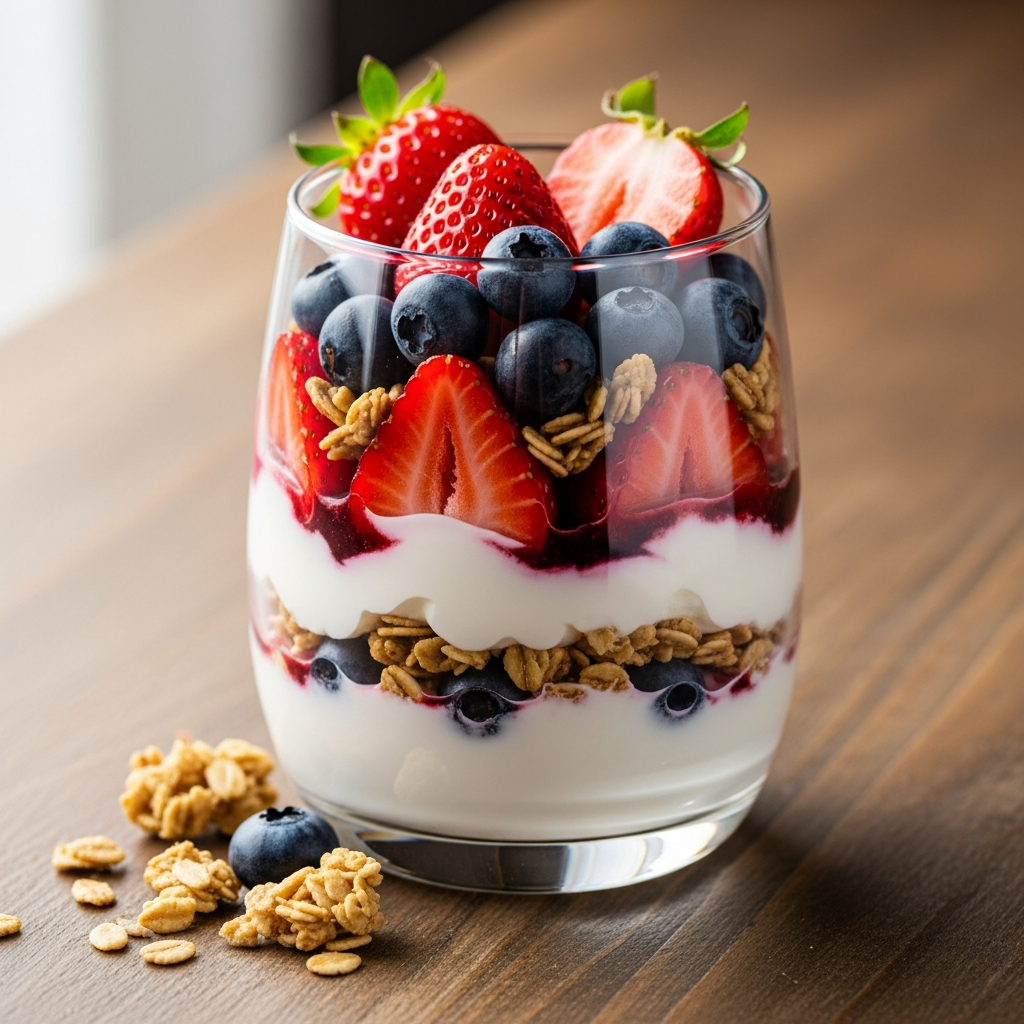
Greek Yogurt Parfait with Berries
Iodine per serving: 75mcg (34% daily value for pregnancy)
Prep time: 5 minutes | Serves: 1
This iodine rich breakfast idea for pregnancy takes just minutes to prepare and delivers over one-third of your daily iodine needs. Greek yogurt contains more iodine than regular yogurt due to its concentrated form.
Ingredients:
- 1 cup plain Greek yogurt
- 1/2 cup mixed berries
- 2 tablespoons granola
- 1 tablespoon honey
Instructions:
- Layer half the yogurt in a glass or bowl.
- Add half the berries and half the granola.
- Repeat layers with remaining ingredients.
- Drizzle with honey and serve immediately.
Cottage Cheese Power Bowl
Iodine per serving: 65mcg (30% daily value for pregnancy)
Prep time: 5 minutes | Serves: 1
Cottage cheese offers substantial iodine alongside protein that supports your pregnancy nutrition needs. This versatile base works for breakfast, lunch, or snacks.
Ingredients:
- 1 cup cottage cheese
- 1/4 cup sliced almonds
- 1/2 cup pineapple chunks
- 1 tablespoon chia seeds
Instructions:
- Place cottage cheese in a bowl.
- Top with almonds, pineapple, and chia seeds.
- Mix gently or enjoy layered.
Iodine Content in Common Dairy Products
| Dairy Product | Serving Size | Iodine Content | % Daily Value (Pregnancy) |
|---|---|---|---|
| Greek yogurt | 1 cup (245g) | 75mcg | 34% |
| Cottage cheese | 1 cup (226g) | 65mcg | 30% |
| Milk (cow's) | 1 cup (244ml) | 56mcg | 25% |
| Cheddar cheese | 1 oz (28g) | 12mcg | 5% |
Seaweed Recipes with Pregnancy Safety Limits
Seaweed can be an excellent iodine source during pregnancy, but it requires careful attention to types and quantities. Understanding which seaweed is safe during pregnancy and how much you can safely consume protects both you and your baby from excessive iodine intake.
Critical Seaweed Safety Information
Not all seaweed is created equal when it comes to pregnancy safety. Some varieties contain extremely high iodine levels that can exceed the safe upper limit in a single serving.
| Seaweed Type | Iodine per Gram | Pregnancy Safety | Weekly Limit |
|---|---|---|---|
| Nori | 16-43mcg | Generally Safe | 2-3 servings |
| Wakame | 66mcg | Use Caution | 1 serving maximum |
| Kombu | 1,350-2,660mcg | High Caution | Avoid or tiny amounts |
| Kelp | 1,500-2,500mcg | High Caution | Avoid or tiny amounts |
| Hijiki | Varies | AVOID COMPLETELY | None (arsenic risk) |
Important warnings:
- Avoid hijiki seaweed entirely during pregnancy due to arsenic content
- Avoid kelp supplements as their iodine content is unpredictable and often extremely high
- Brown seaweeds like kelp, kombu, and wakame should be limited to once weekly maximum
Nori Sushi Roll Wraps: A Pregnancy-Safe Seaweed Option
Iodine per wrap: 16-43mcg (depends on nori sheet size)
Prep time: 20 minutes | Serves: 4
Nori is generally the safest seaweed option for pregnant women. These vegetable-filled wraps provide iodine without the concerns associated with brown seaweeds.
Ingredients:
- 4 nori sheets
- 2 cups cooked sushi rice
- 1 cucumber, julienned
- 1 avocado, sliced
- 1 carrot, julienned
- Cooked shrimp or crab (optional, for additional iodine)
Instructions:
- Place nori sheet shiny side down on a bamboo mat.
- Spread 1/2 cup rice evenly over nori, leaving 1 inch at the top.
- Arrange vegetables and optional cooked seafood in a line across the center.
- Roll tightly using the bamboo mat.
- Slice into 6 to 8 pieces with a wet knife.
Miso Soup with Wakame: Weekly Iodine Boost
Iodine per serving: approximately 40-50mcg
Prep time: 5 minutes | Cook time: 10 minutes | Serves: 4
Limit this recipe to once per week due to wakame's high iodine content.
Ingredients:
- 4 cups water
- 3 tablespoons miso paste
- 1 tablespoon dried wakame (small amount)
- 4oz firm tofu, cubed
- 2 green onions, sliced
Instructions:
- Bring water to a simmer (not boiling).
- Add wakame and let rehydrate for 2 minutes.
- Add tofu cubes and heat through.
- Remove from heat and whisk in miso paste.
- Garnish with green onions and serve immediately.
Cooking with Iodized Salt: Tips for Pregnant Women
Iodized salt remains one of the most reliable and accessible iodine sources available. Understanding how to use it effectively helps ensure you meet your pregnancy thyroid health needs without excessive sodium intake.
Iodized Salt vs Sea Salt vs Himalayan Salt: What Pregnant Women Should Know
A common misconception is that all salt provides iodine. This is incorrect and can lead to unintentional iodine deficiency.
- Iodized table salt: Contains approximately 71mcg of iodine per 1/4 teaspoon, making it a reliable source
- Sea salt: Contains negligible amounts of iodine despite its ocean origin
- Pink Himalayan salt: Contains only trace amounts of iodine, not sufficient to meet pregnancy needs
If you prefer the taste of sea salt or Himalayan salt, consider using iodized salt specifically when cooking meals where flavor differences are minimal, such as in baking or when seasoning cooking water for pasta or rice.
How to Use Iodized Salt Without Exceeding Sodium Limits
The recommended sodium intake during pregnancy is less than 2,300mg daily. One quarter teaspoon of iodized salt contains approximately 575mg sodium alongside 71mcg iodine.
Practical tips for maximizing iodine while managing sodium:
- Use iodized salt in cooking rather than adding it at the table
- Store iodized salt in an airtight container away from heat and humidity to preserve iodine content
- Combine modest salt use with other iodine sources like dairy and seafood
- Season with herbs and citrus to enhance flavor while reducing total salt needed
Vegetarian and Vegan Iodine Sources for Pregnancy
Meeting iodine requirements becomes more challenging without seafood and potentially dairy. However, with careful planning, vegetarian and vegan iodine sources can support pregnancy thyroid health.
Plant-Based Iodine Rich Foods for Pregnant Vegetarians
Plant foods generally contain less iodine than animal products because soil iodine content varies significantly by region. This makes strategic food choices essential.
| Plant-Based Source | Serving Size | Iodine Content | Notes |
|---|---|---|---|
| Nori seaweed | 1 sheet | 16-43mcg | Best plant source; limit 2-3 weekly |
| Prunes | 5 pieces | 13mcg | Also high in fiber |
| Lima beans | 1/2 cup cooked | 8mcg | Good protein source |
| Fortified plant milk | 1 cup | 45-80mcg | Check labels; varies by brand |
| Iodized salt | 1/4 teaspoon | 71mcg | Most reliable vegan source |
When Iodine Supplements Become Necessary
Vegan pregnancies carry a higher risk of iodine deficiency because many primary iodine sources are animal-derived. The American Thyroid Association recommends that women following plant-based diets take a prenatal vitamin containing 150mcg of potassium iodide.
Consult your healthcare provider if:
- Your prenatal vitamin does not contain iodine
- You avoid all animal products
- You do not consume iodized salt regularly
- You experience symptoms of iodine deficiency
Important: Avoid kelp-based iodine supplements entirely. Their iodine content is unpredictable and often dangerously high for pregnancy.
Signs of Iodine Deficiency During Pregnancy
Recognizing iodine deficiency pregnancy symptoms allows you to take action before complications develop. While blood tests are the definitive diagnostic tool, certain signs warrant discussion with your healthcare provider.
Common Symptoms of Low Iodine in Pregnancy
Many iodine deficiency symptoms overlap with normal pregnancy experiences, which can make identification challenging. Pay attention to:
- Unexplained fatigue beyond typical pregnancy tiredness
- Feeling cold when others around you are comfortable
- Dry skin and brittle hair that worsens despite adequate hydration
- Weight gain despite maintaining healthy eating habits
- Difficulty concentrating or persistent brain fog
- Muscle weakness not explained by physical demands
- Visible neck swelling (goiter) in more severe cases
How Iodine Deficiency Affects Your Baby
The stakes of iodine deficiency extend beyond your own health. According to World Health Organization guidelines, iodine deficiency during pregnancy has adverse effects on the fetus, including:
- Congenital hypothyroidism
- Impaired cognitive development
- Increased risk of pregnancy loss
- Low birth weight
- Developmental delays that may persist into childhood
If you experience concerning symptoms or suspect inadequate iodine intake, request urinary iodine concentration testing from your healthcare provider. This simple test can determine whether dietary adjustments or supplementation is needed.
Frequently Asked Questions About Iodine and Pregnancy
How much iodine do I need during pregnancy?
Pregnant women need 220mcg of iodine daily, according to the NIH. This is 50% more than the 150mcg recommended for non-pregnant adults. Breastfeeding mothers need even more at 290mcg daily. Most prenatal vitamins contain 150mcg, so dietary sources should provide the remaining 70mcg or more.
What foods are highest in iodine for pregnant women?
The foods highest in iodine for pregnancy include cod (116mcg per 3oz), seaweed/nori (16-43mcg per sheet), Greek yogurt (75mcg per cup), milk (56mcg per cup), shrimp (35mcg per 3oz), and eggs (24mcg per large egg). Iodized salt provides 71mcg per 1/4 teaspoon.
Is seaweed safe to eat during pregnancy?
Nori seaweed is generally safe during pregnancy, limited to 2-3 servings per week. Brown seaweeds like kelp, kombu, and wakame should be limited to once weekly due to very high iodine content. Hijiki seaweed should be avoided entirely during pregnancy due to arsenic content.
Can too much iodine harm my baby?
Yes, excessive iodine intake above 1,100mcg daily can potentially harm fetal thyroid development. This is why kelp supplements should be avoided during pregnancy, as their iodine content is unpredictable and often extremely high. Stick to food sources where iodine content is more consistent and predictable.
Is pink Himalayan salt a good source of iodine?
No, pink Himalayan salt is NOT a reliable iodine source. Unlike iodized table salt, pink Himalayan salt contains negligible amounts of iodine. Sea salt also lacks significant iodine. Pregnant women should specifically choose iodized salt to help meet their daily iodine requirements.
Should I take an iodine supplement while pregnant?
Most pregnant women benefit from a prenatal vitamin containing 150mcg of potassium iodide. Whether additional supplementation is needed depends on your diet and thyroid health. Consult your healthcare provider before taking extra iodine supplements, and avoid kelp-based supplements entirely due to unpredictable iodine levels.
Can I eat sushi rolls with seaweed while pregnant?
The nori seaweed wrapper on sushi rolls is safe during pregnancy. However, avoid sushi containing raw fish. Vegetable rolls, cooked shrimp, or cooked crab sushi are pregnancy-safe options that provide iodine from both the nori wrapper and any seafood filling.
What are the symptoms of iodine deficiency during pregnancy?
Symptoms of iodine deficiency during pregnancy include unexplained fatigue, feeling unusually cold, dry skin, brittle hair, weight gain despite healthy eating, difficulty concentrating, and neck swelling (goiter). Contact your healthcare provider if you experience these symptoms for evaluation and testing.
Your Thyroid-Healthy Pregnancy Starts Today
Meeting your iodine needs during pregnancy does not require complicated meal planning or expensive supplements. With the iodine pregnancy recipes and guidance in this article, you now have practical tools to support your baby's thyroid and brain development.
Key takeaways to remember:
- Aim for 220mcg of iodine daily during pregnancy, 290mcg while breastfeeding
- Cod, dairy products, and eggs provide consistent, bioavailable iodine
- Nori seaweed is safe 2-3 times weekly; limit brown seaweeds to once weekly
- Always avoid hijiki seaweed and kelp supplements during pregnancy
- Choose iodized salt over sea salt and Himalayan salt for reliable iodine content
- Check your prenatal vitamin for 150mcg potassium iodide
- Consult your healthcare provider if you suspect iodine deficiency
Start incorporating one new iodine-rich recipe this week. Whether you choose the baked cod for dinner or the Greek yogurt parfait for breakfast, each meal brings you closer to optimal iodine intake for you and your developing baby.
At Saiyan Studio, we understand that pregnancy nutrition can feel overwhelming. That is why we create practical, evidence-based guides that help you make confident choices for your growing family. Your baby's health starts with the foods on your plate, and you are already taking the right steps by learning about iodine-rich options.
Disclaimer: This article provides general nutritional information and is not intended as medical advice. Always consult your healthcare provider about your specific nutritional needs during pregnancy, especially if you have thyroid conditions or dietary restrictions.


