


If you are taking a prenatal vitamin and assuming your baby's brain development nutrients are covered, there is something crucial you need to know. According to research from the National Institutes of Health, approximately 90 to 95 percent of pregnant women do not consume enough choline, a nutrient as critical to fetal brain development as folate. Here is the shocking reality: most prenatal vitamins contain little to no choline, leaving a significant nutritional gap during the most important developmental window of your baby's life.
Choline plays an essential role in neural tube closure, brain cell membrane formation, and the development of your baby's memory center. Yet unlike folate, which has been added to prenatal vitamins for decades, choline remains largely absent from these supplements. The solution? Turning to choline-rich foods and delicious pregnancy recipes that can help you reach your 450mg daily goal naturally.
In this comprehensive guide, you will discover exactly why your baby's brain needs choline, which foods provide the highest amounts, and most importantly, eight complete recipes designed specifically for pregnant women. At PatPat, we understand that nourishing your growing baby starts long before they arrive in your arms. These choline pregnancy recipes will help you confidently fill the prenatal vitamin gap while enjoying meals your whole family will love.
What Is Choline and Why Your Baby's Brain Needs It During Pregnancy
Choline is an essential nutrient that your body cannot produce in sufficient quantities, meaning you must obtain it through your diet. Think of choline as the building material for your baby's brain wiring. It serves as a precursor to acetylcholine, a neurotransmitter crucial for memory and muscle control. During pregnancy, choline becomes even more vital because it directly influences how your baby's brain and nervous system develop.
How Choline Supports Neural Tube Development and Brain Formation
The neural tube, which eventually becomes your baby's brain and spinal cord, begins forming remarkably early. By day 28 of pregnancy, neural tube closure should be complete. Choline works alongside folate during this critical period to ensure proper closure and reduce the risk of neural tube defects. Research published in authoritative medical journals shows that women with the lowest choline intake had significantly higher risk of neural tube defects.
Beyond neural tube closure, choline contributes to building cell membranes throughout your baby's rapidly developing brain. The fetal brain grows at an astonishing rate, creating approximately 250,000 neurons per minute during peak development periods. Each of these neurons requires choline-containing phospholipids for proper membrane structure. Without adequate choline, this foundational architecture cannot form optimally.
Third Trimester Brain Development and Peak Choline Demands
While choline matters throughout pregnancy, the third trimester represents a period of exceptionally high demand. During these final months, your baby's hippocampus, the memory and learning center of the brain, undergoes rapid development. This is when myelination accelerates, wrapping nerve fibers in protective sheaths that allow faster signal transmission.
Groundbreaking research from leading nutritional research institutions demonstrated that when mothers consumed approximately 930mg of choline daily during the third trimester, their infants showed faster information processing speeds. This research suggests that higher maternal choline intake may enhance cognitive development with effects lasting into childhood. The benefits extend to attention span, memory formation, and overall cognitive function in the developing fetus.
How Much Choline Do Pregnant Women Need Daily: The 450mg Goal
The National Institutes of Health has established the Adequate Intake for choline during pregnancy at 450mg per day. This represents an increase from the 425mg recommended for non-pregnant women, reflecting the additional demands of supporting fetal development. For breastfeeding mothers, the recommendation increases further to 550mg daily.
The 450mg Daily Target: Pregnant women need 450mg of choline daily according to national health guidelines. Most women consume only 300 to 350mg through their regular diet, creating a significant gap that prenatal vitamins rarely fill.
Understanding Your 450mg Daily Choline Requirement
Meeting this 450mg target might seem challenging at first, but understanding choline content in common foods makes it surprisingly achievable. Just three large eggs provide approximately 441mg of choline, nearly your entire daily requirement before lunch. The upper limit for choline is set at 3,500mg daily, so overconsumption through food alone is virtually impossible. This means you can focus on including choline-rich foods without worrying about getting too much.
Why Most Prenatal Vitamins Fall Short on Choline
Here is a reality that surprises many expecting mothers: only about 42 percent of prenatal vitamins contain any choline at all. Among those that do include it, most provide only 25 to 55mg per dose, covering barely 5 to 12 percent of your daily requirement. Why this significant gap?
Two primary factors explain this shortage. First, choline is relatively expensive to include in supplement formulations. Second, choline molecules are bulky, meaning adequate doses would require much larger pills that many women would find difficult to swallow. This is precisely why nutrition experts emphasize obtaining choline through food sources rather than relying solely on supplements.
Top Choline-Rich Foods for Pregnancy: Complete Ranking by Content

While supplements can help bridge nutritional gaps, food-based choline offers superior bioavailability and comes packaged with complementary nutrients that support overall prenatal health. Understanding which foods provide the most choline per serving empowers you to make strategic choices throughout your day.
High-Choline Animal Protein Sources
Animal proteins consistently rank among the highest choline sources available. The following table provides a comprehensive reference for planning your pregnancy meals.
| Food Source | Serving Size | Choline Content | Additional Benefits |
|---|---|---|---|
| Beef liver | 3 oz cooked | 356mg | Iron, B12, folate |
| Whole egg | 1 large | 147mg | Protein, vitamin D |
| Beef (lean) | 3 oz cooked | 117mg | Protein, iron, zinc |
| Pork loin | 3 oz cooked | 94mg | B vitamins |
| Salmon | 3 oz cooked | 75mg | Omega-3, DHA |
| Chicken breast | 3 oz cooked | 72mg | Lean protein |
Eggs deserve special recognition as the most accessible, affordable, and versatile high-choline food available. With 147mg per egg concentrated primarily in the yolk, incorporating eggs into your daily routine offers a straightforward path toward meeting your choline goals.
Plant-Based and Vegetarian Choline Sources
Vegetarians and those seeking to diversify their choline sources can turn to numerous plant-based options. While individual amounts are lower than animal sources, strategic combining throughout the day makes adequate intake achievable.
| Food Source | Serving Size | Choline Content | Additional Benefits |
|---|---|---|---|
| Soybeans (roasted) | 1/2 cup | 107mg | Protein, fiber |
| Broccoli (cooked) | 1 cup | 63mg | Folate, vitamin C |
| Brussels sprouts | 1 cup | 63mg | Fiber, vitamin K |
| Shiitake mushrooms | 1 cup | 58mg | Vitamin D |
| Kidney beans | 1 cup | 54mg | Protein, fiber |
| Cauliflower | 1 cup | 47mg | Vitamin C, fiber |
| Quinoa (cooked) | 1 cup | 43mg | Complete protein |
Cruciferous vegetables like broccoli, Brussels sprouts, and cauliflower stand out as excellent plant-based choline sources while providing fiber and additional pregnancy-supporting nutrients.
Egg-Based Breakfast Recipes to Start Your Day with Choline
Breakfast presents the perfect opportunity to boost your choline intake. Starting your morning with eggs can provide 147 to 441mg of choline before noon, setting you up for nutritional success. The following recipes are designed specifically for pregnant women, addressing common concerns like food safety and morning sickness.
Recipe 1: Pregnancy Power Scramble with Spinach and Cheese
320mg Choline per Serving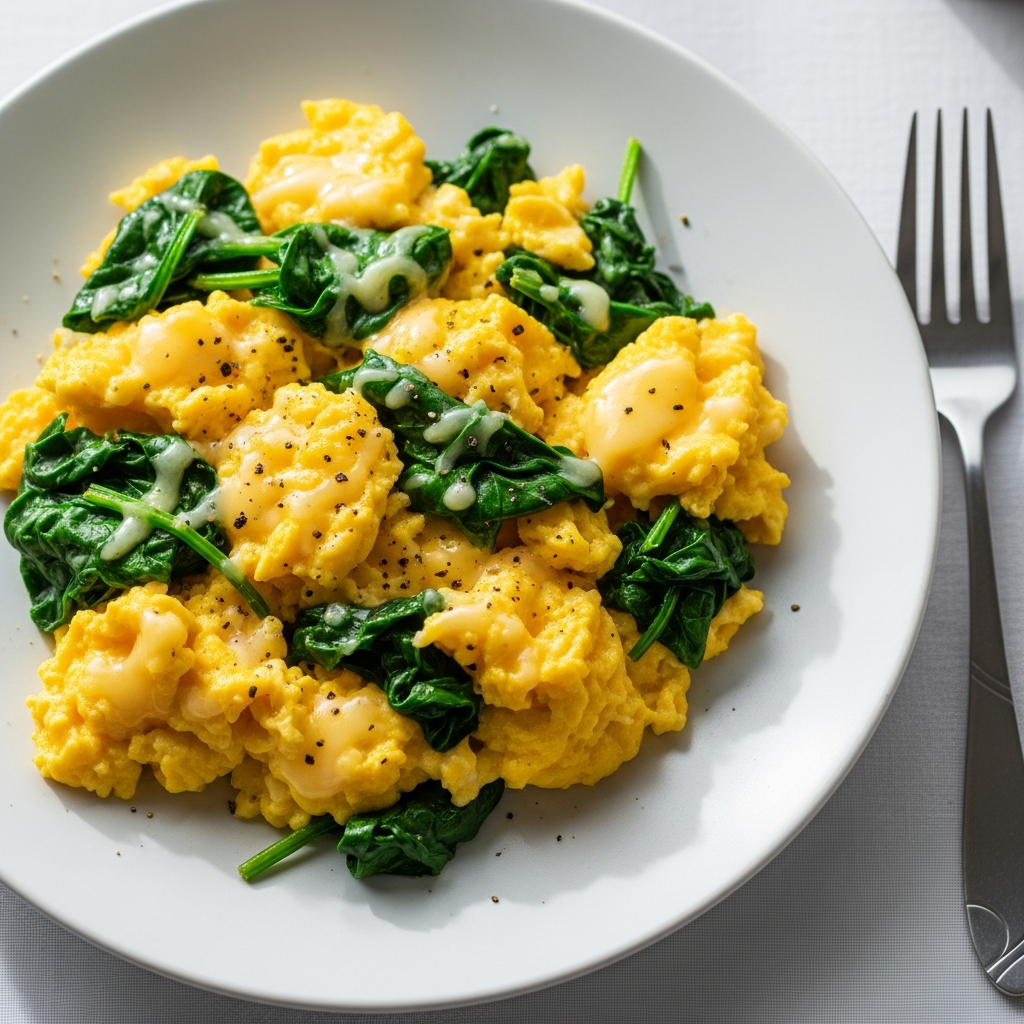
Ingredients:
- 2 large eggs (294mg choline)
- 1 cup fresh spinach (18mg choline)
- 1/4 cup shredded cheddar cheese (8mg choline)
- 1 tablespoon butter or olive oil
- Salt and pepper to taste
- Optional: 1/4 avocado for healthy fats
Instructions:
- Whisk eggs in a bowl until well combined. Season with salt and pepper.
- Heat butter or olive oil in a non-stick skillet over medium-low heat.
- Add spinach and saute for 1 to 2 minutes until wilted.
- Pour in whisked eggs and gently stir with a spatula, allowing curds to form.
- When eggs are almost set, sprinkle cheese over the top.
- Fold gently and serve immediately. Top with avocado if desired.
Recipe 2: Veggie-Loaded Choline Boost Frittata (Make-Ahead Friendly)
390mg Choline per Serving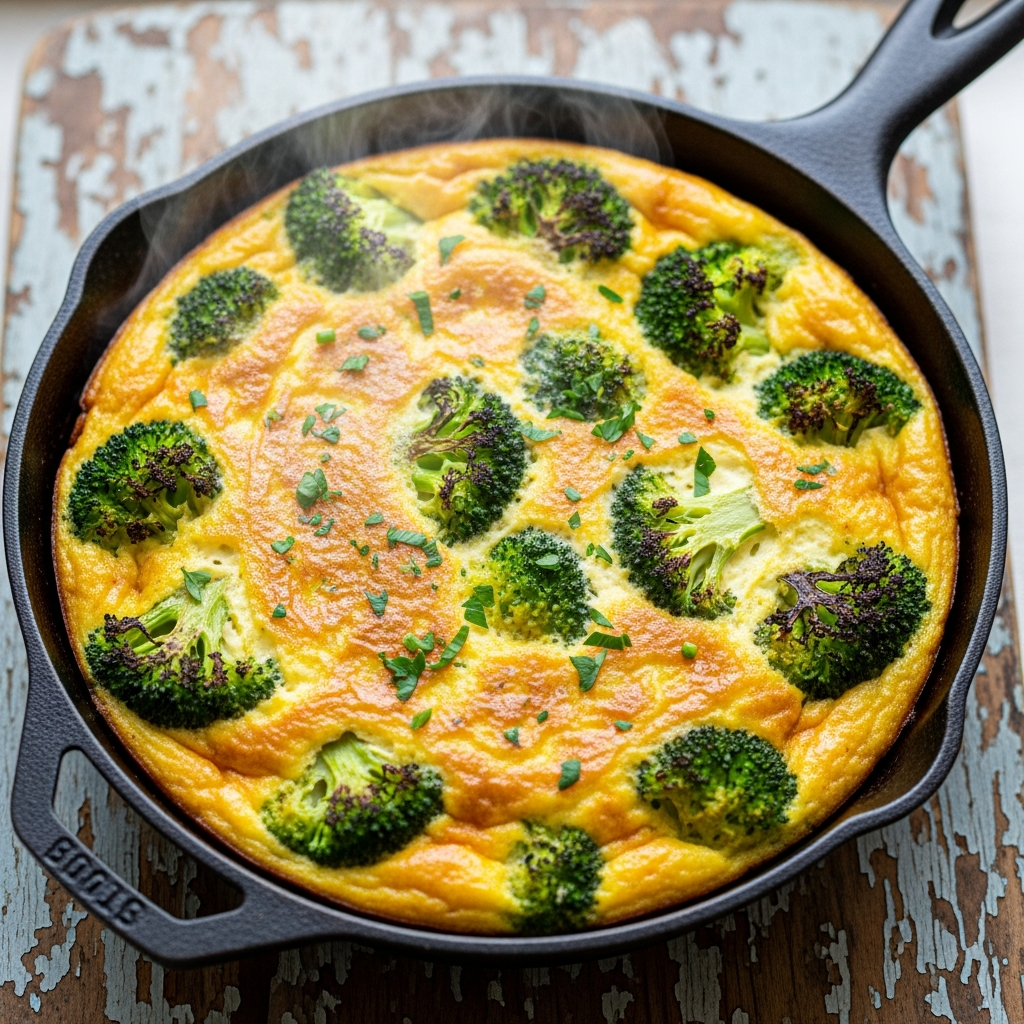
Ingredients:
- 6 large eggs (882mg choline total)
- 1/2 cup milk
- 1 cup broccoli florets, chopped (63mg choline)
- 1/2 cup mushrooms, sliced (29mg choline)
- 1/2 cup bell peppers, diced
- 1/4 cup onion, diced
- 1/2 cup feta or goat cheese
- 2 tablespoons olive oil
- Salt, pepper, and Italian herbs to taste
Instructions:
- Preheat oven to 375 degrees Fahrenheit.
- Heat olive oil in an oven-safe skillet over medium heat.
- Saute onions and peppers for 3 minutes until softened.
- Add broccoli and mushrooms, cooking 3 to 4 minutes more.
- Whisk eggs with milk, salt, pepper, and herbs.
- Pour egg mixture over vegetables, ensuring even distribution.
- Sprinkle cheese on top.
- Transfer skillet to oven and bake 15 to 18 minutes until set.
- Let cool 5 minutes before slicing into quarters.
Nutritional Highlights: One serving provides 87 percent of your daily choline requirement. This frittata stores refrigerated for 3 to 4 days, making it perfect for meal prep. Reheat slices for quick weekday breakfasts.
Recipe 3: Creamy Avocado Egg Toast for Fetal Brain Development
175mg Choline per ServingIngredients:
- 1 large egg (147mg choline)
- 1/2 ripe avocado (10mg choline)
- 1 slice whole grain bread (18mg choline)
- Everything bagel seasoning or salt and pepper
- Optional: cherry tomatoes, microgreens
Instructions:
- Toast bread to desired crispness.
- Mash avocado and spread on toast. Season with salt and pepper.
- Cook egg until fully set for pregnancy safety.
- Place egg on top of avocado toast.
- Sprinkle with everything bagel seasoning.
This quick breakfast provides 39 percent of your daily choline while delivering healthy monounsaturated fats from avocado that enhance nutrient absorption.
Nutrient-Dense Lunch and Dinner Recipes with High Choline Content
After a choline-rich breakfast, your lunch and dinner meals provide additional opportunities to meet or exceed your 450mg daily goal. These main dish recipes combine multiple choline sources for maximum nutritional impact.
Recipe 4: Beef and Broccoli Stir-Fry for Pregnancy Nutrition
195mg Choline per Serving
Ingredients:
- 1 lb lean beef sirloin, sliced thin (468mg choline total)
- 4 cups broccoli florets (252mg choline total)
- 3 tablespoons low-sodium soy sauce
- 2 tablespoons oyster sauce
- 1 tablespoon sesame oil
- 3 cloves garlic, minced
- 1 tablespoon fresh ginger, grated
- 2 tablespoons vegetable oil
- 1 tablespoon cornstarch mixed with 1/4 cup beef broth
Instructions:
- Slice beef against the grain into thin strips. Toss with 1 tablespoon soy sauce.
- Steam or blanch broccoli for 2 minutes until bright green. Set aside.
- Mix remaining soy sauce, oyster sauce, cornstarch, and broth for sauce.
- Heat vegetable oil in a wok over high heat.
- Stir-fry beef in batches until browned, about 2 minutes per batch. Remove and set aside.
- Add sesame oil to pan. Saute garlic and ginger for 30 seconds.
- Add broccoli and stir-fry 2 minutes.
- Return beef to pan, add sauce, and toss until thickened.
- Serve over brown rice or quinoa for additional choline.
Nutritional Highlights: This dish combines two excellent choline sources while providing iron to prevent pregnancy anemia. Fresh ginger may also help ease nausea symptoms.
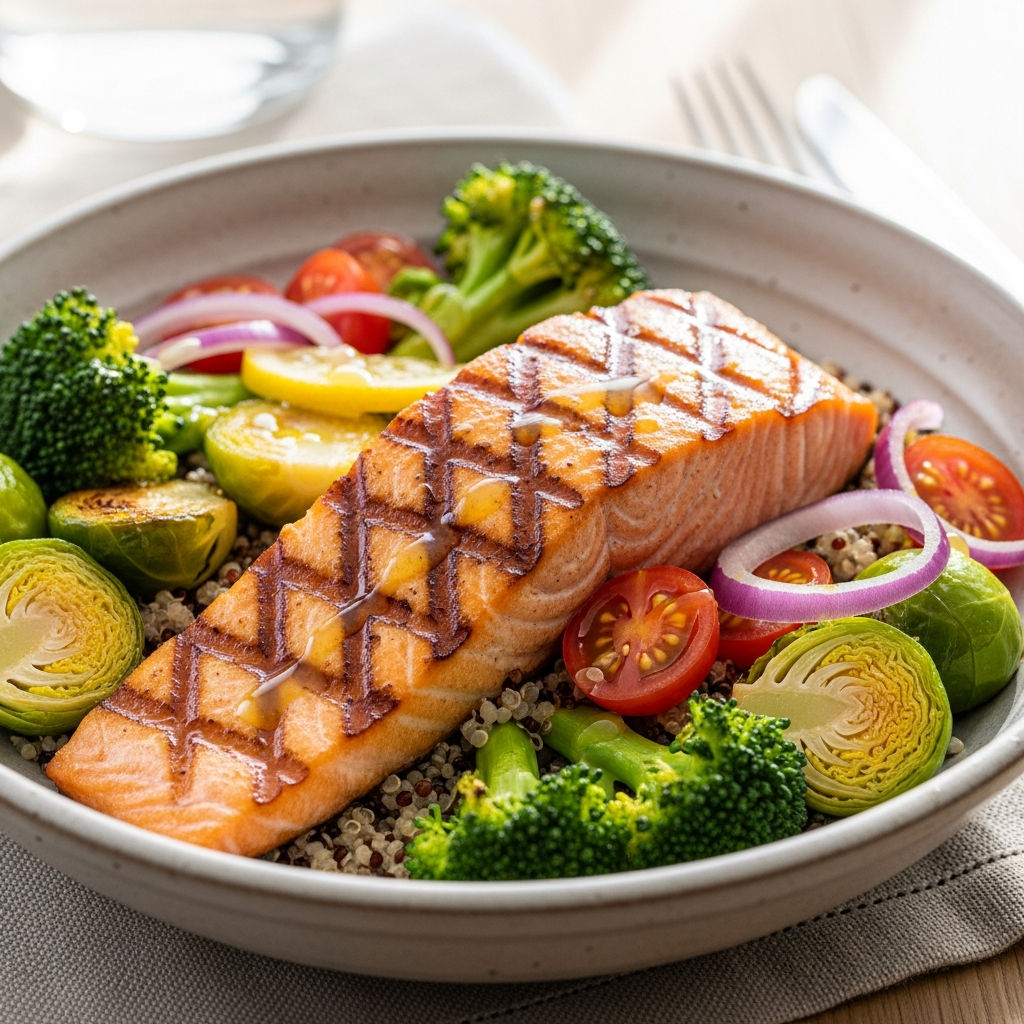
Recipe 5: Quinoa Salmon Bowl with Cruciferous Vegetables
185mg Choline per ServingIngredients:
- 2 salmon fillets, 4 oz each (150mg choline total)
- 1 cup quinoa, cooked (43mg choline)
- 2 cups Brussels sprouts, halved (126mg choline)
- 1 cup cauliflower florets (47mg choline)
- 2 tablespoons olive oil
- 1 lemon, juiced
- 2 tablespoons tahini
- Salt, pepper, and dill to taste
Instructions:
- Preheat oven to 400 degrees Fahrenheit.
- Toss Brussels sprouts and cauliflower with 1 tablespoon olive oil and seasonings.
- Spread vegetables on a baking sheet and roast for 15 minutes.
- Season salmon with salt, pepper, and dill.
- Add salmon to baking sheet and roast 10 to 12 minutes until fish flakes easily.
- Divide cooked quinoa between bowls. Top with vegetables and salmon.
- Drizzle with remaining olive oil, lemon juice, and tahini.
Salmon provides essential DHA omega-3 fatty acids that work synergistically with choline to support fetal brain development. This bowl delivers 41 percent of your daily choline needs.
Recipe 6: Slow Cooker Chicken and Vegetable Soup
145mg Choline per ServingIngredients:
- 1.5 lbs chicken thighs, bone-in (432mg choline total)
- 2 cups cauliflower florets (94mg choline)
- 2 cups broccoli florets (126mg choline)
- 3 carrots, sliced
- 3 celery stalks, sliced
- 1 onion, diced
- 6 cups low-sodium chicken broth
- 3 cloves garlic, minced
- 2 teaspoons Italian seasoning
Instructions:
- Place chicken thighs at the bottom of your slow cooker.
- Add carrots, celery, onion, and garlic around chicken.
- Pour chicken broth over everything. Add Italian seasoning.
- Cook on low for 6 to 8 hours or high for 3 to 4 hours.
- Remove chicken, shred meat, and discard bones.
- Add cauliflower and broccoli to soup. Cook 30 minutes more on high.
- Return shredded chicken to soup and serve.
This nourishing soup freezes beautifully for future meals and often appeals to those experiencing pregnancy nausea due to its mild, comforting flavors.
Recipe 7: Pan-Seared Liver with Caramelized Onions
356mg Choline per ServingIngredients:
- 12 oz beef liver, sliced 1/2 inch thick (1,068mg choline total)
- 2 large onions, thinly sliced
- 3 tablespoons butter, divided
- 2 tablespoons olive oil
- 1/4 cup flour for dredging
- Salt, pepper, and fresh thyme
- 1/4 cup beef broth
Instructions:
- Soak liver slices in milk for 30 minutes to mellow the flavor.
- Heat 1 tablespoon butter and olive oil over medium heat.
- Add onions with a pinch of salt. Cook 15 to 20 minutes until caramelized, stirring occasionally.
- Remove onions and set aside.
- Pat liver dry and season with salt and pepper. Dredge lightly in flour.
- Add remaining butter and oil to pan over medium-high heat.
- Cook liver 2 to 3 minutes per side until browned.
- Add broth to pan and scrape up browned bits.
- Return onions to pan and toss to combine. Serve with fresh thyme.
Liver provides the highest choline content of any food at 79 percent of daily requirements per serving, along with exceptional iron and B12 for pregnancy health.
Recipe 8: Vegetarian Shiitake Mushroom and Edamame Rice Bowl
165mg Choline per ServingIngredients:
- 2 cups shiitake mushrooms, sliced (116mg choline)
- 1 cup edamame, shelled (87mg choline)
- 1 cup brown rice, cooked (19mg choline)
- 1 cup bok choy, chopped (28mg choline)
- 2 tablespoons sesame oil
- 2 tablespoons low-sodium soy sauce
- 1 tablespoon rice vinegar
- 1 teaspoon honey
- Sesame seeds and green onions for garnish
Instructions:
- Cook brown rice according to package directions.
- Heat sesame oil in a large skillet over medium-high heat.
- Add shiitake mushrooms and cook 5 to 6 minutes until golden.
- Add bok choy and edamame. Stir-fry 3 to 4 minutes.
- Mix soy sauce, rice vinegar, and honey. Pour over vegetables.
- Divide rice between bowls and top with vegetable mixture.
- Garnish with sesame seeds and green onions.
Nutritional Highlights: This excellent plant-based option provides 37 percent of daily choline requirements. Add a fried egg on top to boost choline content to 312mg per serving.
Weekly Meal Planning Tips to Reach Your 450mg Choline Goal

Consistency matters when meeting nutritional targets during pregnancy. Strategic meal planning ensures you reach your 450mg choline goal daily without stress or complicated tracking systems.
Sample High-Choline Day Achieving 450mg and Beyond
The following sample day demonstrates how easily you can exceed choline requirements through intentional food choices.
| Meal | Food Choices | Choline Content |
|---|---|---|
| Breakfast | 2-egg scramble with spinach | 312mg |
| Morning Snack | 1/4 cup almonds | 18mg |
| Lunch | Quinoa salmon bowl | 185mg |
| Afternoon Snack | 1/2 cup edamame | 44mg |
| Dinner | Beef and broccoli stir-fry | 195mg |
| Daily Total | 754mg |
Practical Strategies for Daily Success
- Front-load choline at breakfast: Eggs make this strategy effortless and delicious.
- Include cruciferous vegetables at two meals: Broccoli, cauliflower, and Brussels sprouts add up quickly.
- Keep hard-boiled eggs ready: They make a perfect 147mg choline snack anytime.
- Use the "egg baseline" approach: Two eggs provide 294mg, leaving only 156mg to find from other sources.
- Batch cook on weekends: Prepare chicken thighs, beef, or frittatas for the week ahead.
Frequently Asked Questions About Choline During Pregnancy
How much choline should a pregnant woman consume daily?
Pregnant women should aim for 450mg of choline daily according to the National Institutes of Health. This represents an increase from the 425mg recommended for non-pregnant women. During breastfeeding, the recommendation rises to 550mg daily. Most women consume only 300 to 350mg through their regular diet, making intentional food choices essential for meeting this important target.
Why do most prenatal vitamins lack adequate choline?
Most prenatal vitamins contain little to no choline for two primary reasons: cost and molecular size. Choline is relatively expensive to include in supplement formulations. Additionally, choline molecules are bulky, meaning adequate doses would require significantly larger pills that many women would find difficult to swallow. Only 42 percent of prenatal vitamins contain any choline, and those that do typically provide only 25 to 55mg, far short of the 450mg daily requirement.
What are the best food sources of choline during pregnancy?
The top choline-rich foods for pregnancy include beef liver at 356mg per 3 oz serving, whole eggs at 147mg each, beef at 117mg per 3 oz, salmon at 75mg per 3 oz, soybeans at 107mg per half cup, and cruciferous vegetables like broccoli and Brussels sprouts at 63mg per cup. Eggs remain the most accessible and versatile option, with just three eggs providing nearly the full daily requirement.
Is it safe to eat liver during pregnancy for choline?
Liver can be safely consumed during pregnancy in moderation. While liver provides the most concentrated choline source at 356mg per serving, it also contains very high levels of vitamin A, which can be harmful in excess during pregnancy. Limit liver intake to 1 to 2 servings per week and consult your healthcare provider. Many women prefer to rely primarily on eggs, beef, and vegetables as their main choline sources.
Can vegetarians get enough choline during pregnancy without eating meat?
Vegetarians who eat eggs can easily meet choline requirements since three eggs provide approximately 441mg. Vegans face more challenges but can achieve adequate intake by combining multiple plant sources: soybeans at 107mg per half cup, quinoa at 43mg per cup, cruciferous vegetables at 47 to 63mg per cup, shiitake mushrooms at 58mg per cup, and kidney beans at 54mg per cup. A choline supplement may be advisable for vegans, so consulting your healthcare provider is recommended.
What happens if I do not get enough choline during pregnancy?
Inadequate choline intake during pregnancy has been associated with increased risk of neural tube defects and potential impacts on fetal brain development, including memory and cognitive function. Research suggests that 90 to 95 percent of pregnant women do not meet choline requirements. While severe deficiency is rare, optimizing intake through strategic food choices supports the best possible outcomes for your baby's brain development.
When is choline most important during pregnancy?
Choline matters throughout pregnancy, but demands reach their peak during the third trimester when the fetal brain undergoes rapid development. The hippocampus, which controls memory and learning, develops significantly during these final months. However, choline also plays a critical role in early pregnancy for neural tube closure, which occurs around day 28. Consistent intake throughout all trimesters is recommended for optimal fetal development.
Can I take a choline supplement instead of eating choline-rich foods?
Choline supplements can help bridge nutritional gaps, but food-based choline is generally preferred because it offers superior bioavailability and comes packaged with other beneficial pregnancy nutrients. Common supplement forms include choline bitartrate, phosphatidylcholine, and alpha-GPC. If considering supplementation, consult your healthcare provider to determine the appropriate type and dosage based on your dietary intake and individual needs.
Supporting Your Baby's Brain Development Through Nutrition
The prenatal vitamin choline gap is real, but the solution is both delicious and accessible. By incorporating the choline-rich foods and recipes in this guide, you can confidently provide your baby's developing brain with this essential nutrient. Remember that eggs offer the most practical path to meeting your 450mg daily goal, with just two to three eggs covering the majority of your requirement before you even consider other food sources.
Every meal you prepare using these choline-rich recipes represents an investment in your baby's cognitive foundation. Small, consistent choices add up throughout each day, whether that means enjoying a vegetable-loaded frittata for breakfast, choosing salmon for dinner, or snacking on hard-boiled eggs between meals. You are already doing remarkable work nurturing your growing baby, and now you have the knowledge to fill one of the most overlooked nutritional gaps in prenatal care.
Start Tomorrow Morning
Begin your journey toward optimal choline intake with one of our egg-based breakfast recipes. At PatPat, we believe every expecting mother deserves to feel confident about the nutrition she provides her growing baby. Explore our collection of comfortable maternity essentials and newborn clothing designed with the same care you put into every meal.
Have questions about choline or pregnancy nutrition? Share your thoughts in the comments below, and remember to discuss any dietary changes with your healthcare provider for personalized guidance tailored to your unique pregnancy journey.




