


What if the secret to boosting your fertility was sitting in your pantry right now? For millions of women trying to conceive, the connection between blood sugar stability and reproductive health remains one of the most overlooked pieces of the fertility puzzle. Research from the landmark Nurses' Health Study at Harvard reveals that women who consumed primarily low-glycemic, fiber-rich carbohydrates experienced significantly lower rates of ovulatory infertility compared to those eating refined grains.
Whole grain recipes for pregnancy prep are not just about filling your plate with fiber. These complex carbohydrates work behind the scenes, helping to regulate insulin levels, support hormone balance, and create the optimal internal environment for conception. Whether you are managing PCOS, preparing for IVF, or simply want to give your body the best nutritional foundation before pregnancy, the recipes in this guide will transform how you think about fertility nutrition.
At PatPat, we understand that preparing for pregnancy involves nurturing your body with intention. In this comprehensive guide, you will discover the science behind low glycemic recipes for fertility, explore 15 delicious whole grain meals featuring quinoa, oatmeal, and brown rice, and receive a complete 7-day meal plan designed specifically for preconception nutrition. Let us help you build a fertility-focused kitchen that supports your journey to motherhood.
How Whole Grains Support Fertility and Hormone Balance
The Blood Sugar-Fertility Connection
Your blood sugar levels and reproductive hormones are more connected than you might realize. When you eat refined carbohydrates, rapid glucose spikes trigger insulin surges that disrupt estrogen and progesterone balance. According to NIH research, women consuming primarily simple carbohydrates were at greater risk of ovulatory infertility.
Complex carbohydrates digest slowly, providing steady energy and supporting regular ovulation. Research in Frontiers in Endocrinology explains that hyperinsulinemia affects ovarian cells directly, causing anovulation.
Why Low Glycemic Foods Matter for Conception
The glycemic index measures how quickly foods raise blood sugar on a scale of 0 to 100. Foods scoring 55 or below cause a gradual rise in blood glucose. When insulin stays elevated, it can push your ovaries to produce excess testosterone, disrupting the hormonal balance necessary for releasing healthy eggs.
Low glycemic recipes for fertility focus on whole grains that keep insulin stable, supporting egg quality and uterine lining health. The Mediterranean diet pattern shows the strongest research support for improved fertility outcomes.
Best Whole Grains for Pregnancy Preparation: A Nutrient Guide
Quinoa - The Complete Protein Grain
Quinoa contains all nine essential amino acids, making it a complete protein source according to Harvard's Nutrition Source. With a glycemic index of 53, one cup delivers 8 grams of protein and 5 grams of fiber, plus folate, iron, magnesium, and zinc.
Quinoa's zinc supports ovulation and healthy progesterone levels, while magnesium improves insulin sensitivity, making it excellent for complex carbs for hormone balance.
Oats and Oatmeal for Blood Sugar Stability
Steel-cut oats have the lowest glycemic index at 42, followed by rolled oats at 55, while instant oatmeal spikes blood sugar nearly as much as white bread. The more intact the grain, the slower the digestion.
Oats contain beta-glucan, a fiber that decreases blood glucose and cholesterol. Oats also provide B vitamins for hormone synthesis and selenium for thyroid health.
Brown Rice and Its Insulin-Friendly Benefits
Brown rice has a glycemic index of 50, significantly lower than white rice at 73. Its magnesium supports progesterone production and insulin efficiency, while fiber aids estrogen metabolism. Rinse brown rice thoroughly before cooking to reduce arsenic content, and vary your grain choices weekly.
Ancient Grains Worth Exploring
Barley has an exceptionally low glycemic index of 28, while farro provides B vitamins and zinc. Millet is rich in magnesium. Rotating these ancient grains keeps meals interesting while diversifying nutrient intake.
| Grain | Glycemic Index | Key Fertility Nutrients |
|---|---|---|
| Barley | 28 (Low) | Beta-glucan, Selenium, B Vitamins |
| Steel-Cut Oats | 42 (Low) | Beta-glucan, Iron, B Vitamins |
| Brown Rice | 50 (Low) | Magnesium, Fiber, Manganese |
| Quinoa | 53 (Low) | Complete Protein, Folate, Zinc |
| White Rice | 73 (High) | Limited - Avoid for fertility |

PCOS-Friendly Whole Grain Recipes for Insulin Resistance
Polycystic ovary syndrome affects approximately 10-13% of reproductive-aged women globally according to the WHO, making it one of the most common causes of infertility. The connection between PCOS and insulin resistance is well-established. A systematic review in Heliyon found that fertility was significantly higher in women following low glycemic diets compared to control groups. These PCOS-friendly whole grain recipes are designed specifically to support insulin sensitivity.
PCOS Breakfast Options with Low Glycemic Impact
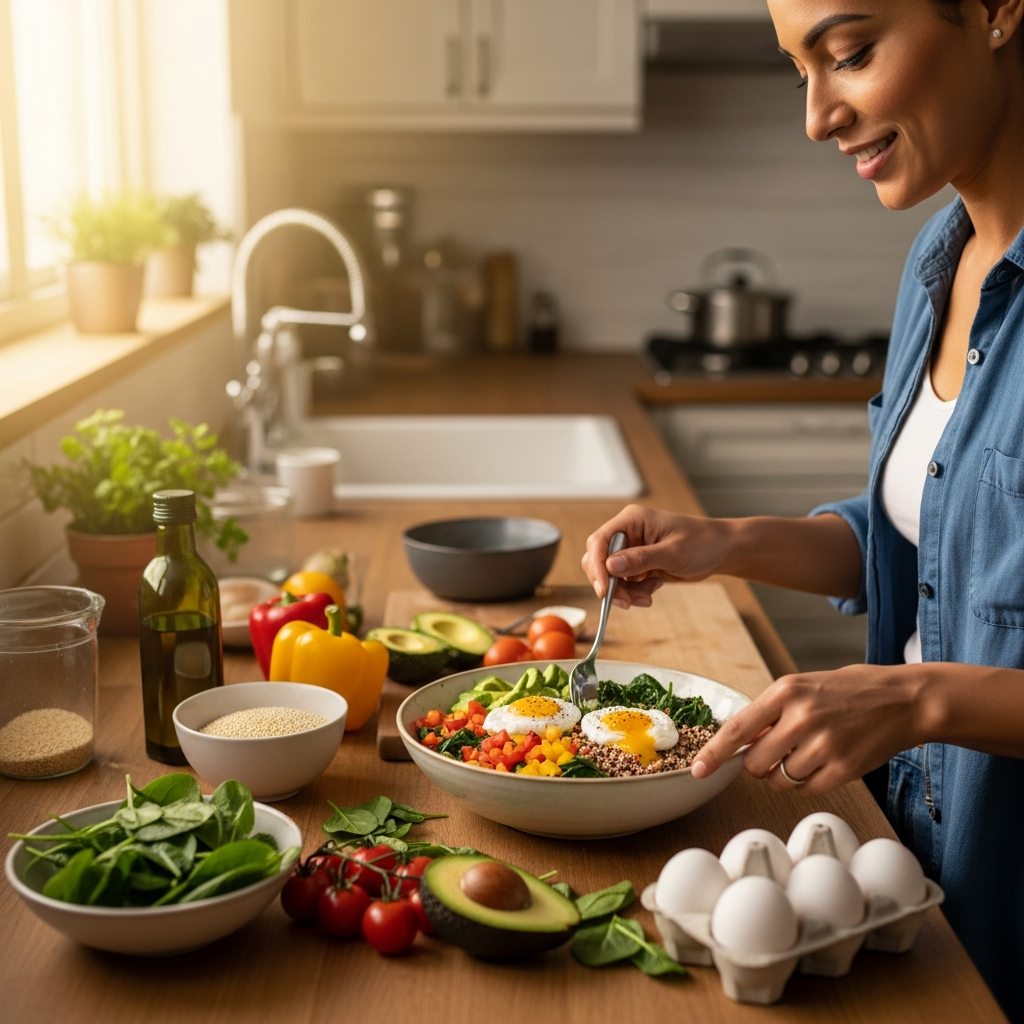
Recipe 1: Savory Quinoa Breakfast Bowl with Vegetables and Eggs
Prep Time: 20 minutes | GI Rating: Low (45) | Servings: 2
Ingredients:
- 1 cup cooked quinoa
- 2 cups fresh spinach
- 1 cup cherry tomatoes, halved
- 2 eggs, poached or soft-boiled
- 1 tablespoon olive oil
- Salt, pepper, and red pepper flakes to taste
Instructions: Heat olive oil in a skillet, add spinach until wilted, then cherry tomatoes for one minute. Divide quinoa between bowls, top with vegetables and eggs. Season to taste.
Recipe 2: Steel-Cut Oatmeal with Cinnamon, Walnuts, and Berries
Prep Time: 25 minutes | GI Rating: Low (42) | Servings: 2
Ingredients:
- 1 cup steel-cut oats
- 3 cups water
- 1 teaspoon cinnamon
- 1/4 cup walnuts, chopped
- 1 cup mixed berries
- 1 tablespoon maple syrup (optional)
Instructions: Bring water to boil, add oats and simmer 20-25 minutes. Stir in cinnamon during final minutes. Top with walnuts and berries. Cinnamon supports insulin sensitivity while walnuts provide healthy fats.
PCOS-Adapted Lunch and Dinner Recipes
Recipe 3: Mediterranean Brown Rice Salad with Chickpeas
Prep Time: 30 minutes | GI Rating: Low-Medium (48) | Servings: 4
Ingredients:
- 2 cups cooked brown rice, cooled
- 1 can chickpeas, drained and rinsed
- 1 cucumber, diced
- 1 cup cherry tomatoes, halved
- 1/2 cup kalamata olives
- 1/4 cup feta cheese, crumbled
- 3 tablespoons olive oil, 2 tablespoons lemon juice, 1 teaspoon dried oregano for dressing
Instructions: Combine all salad ingredients. Whisk dressing ingredients and toss with salad. Refrigerate 30 minutes before serving.
Recipe 4: Cauliflower and Quinoa Stuffed Bell Peppers
Prep Time: 45 minutes | GI Rating: Low (40) | Servings: 4
Ingredients:
- 4 bell peppers, tops removed and seeded
- 1 cup cooked quinoa
- 1 cup cauliflower rice
- 8 oz lean ground turkey
- 1 can diced tomatoes
- 1 teaspoon cumin, salt and pepper to taste
Instructions: Preheat oven to 375 degrees F. Brown turkey, add cauliflower rice and cook 3 minutes. Stir in quinoa, tomatoes, and seasonings. Fill peppers, place in baking dish with water, cover and bake 35 minutes.
Quinoa Recipes for Hormone Balance and Fertility
Recipe 5: Lemon Herb Quinoa with Roasted Vegetables
Prep Time: 35 minutes | GI Rating: Low (50) | Servings: 4
Ingredients:
- 1.5 cups quinoa, rinsed
- 2 zucchini, cubed
- 2 bell peppers, cubed
- 3 tablespoons olive oil, divided
- Juice of 2 lemons
- 1/4 cup fresh parsley and basil, chopped
Instructions: Roast vegetables with 2 tablespoons olive oil at 400 degrees F for 25 minutes. Cook quinoa per package directions. Toss with remaining oil, lemon juice, and herbs.
Recipe 6: Quinoa Porridge with Pumpkin Seeds and Maple
Prep Time: 15 minutes | GI Rating: Low (48) | Servings: 2
Ingredients:
- 1 cup quinoa
- 1 cup coconut milk
- 1 cup water
- 2 tablespoons pumpkin seeds
- 1 tablespoon maple syrup
- Pinch of cinnamon
Instructions: Combine quinoa, coconut milk, and water. Bring to boil, reduce heat, simmer 15 minutes until creamy. Top with pumpkin seeds and maple syrup.
Recipe 7: Black Bean and Quinoa Buddha Bowl
Prep Time: 25 minutes | GI Rating: Low (45) | Servings: 2
Ingredients:
- 1 cup cooked quinoa
- 1 can black beans, rinsed
- 1 avocado, sliced
- 1/2 cup corn kernels
- 1/4 cup cilantro, chopped
- Lime-cilantro dressing: 2 tablespoons olive oil, juice of 1 lime, salt to taste
Instructions: Arrange quinoa in bowls. Top with black beans, avocado, and corn. Drizzle with dressing and garnish with cilantro.
Brown Rice Dishes for Stable Energy and Blood Sugar Control
Recipe 8: Ginger Garlic Brown Rice Stir-Fry with Tofu
Prep Time: 30 minutes | GI Rating: Medium (55) | Servings: 4
Ingredients:
- 2 cups cooked brown rice
- 14 oz firm tofu, pressed and cubed
- 2 cups broccoli florets
- 2 tablespoons ginger, minced
- 3 cloves garlic, minced
- 3 tablespoons low-sodium soy sauce
- 1 tablespoon sesame oil
Instructions: Crisp tofu in hot skillet with sesame oil, 5 minutes per side. Remove. Saute ginger and garlic 30 seconds, add broccoli and cook 4 minutes. Return tofu, add rice and soy sauce, toss until heated.
Recipe 9: Wild and Brown Rice Pilaf with Mushrooms
Prep Time: 40 minutes | GI Rating: Low-Medium (50) | Servings: 6
Ingredients:
- 1 cup wild rice blend
- 2 cups mixed mushrooms, sliced
- 1 shallot, diced
- 2 tablespoons butter
- 2 cups low-sodium vegetable broth
- Fresh thyme sprigs
Instructions: Saute shallot and mushrooms in butter until golden. Add rice and toast 2 minutes. Pour in broth, add thyme, cover and simmer 35-40 minutes until tender.
Recipe 10: Brown Rice Bowl with Salmon and Avocado
Prep Time: 25 minutes | GI Rating: Low (48) | Servings: 2
Ingredients:
- 1.5 cups cooked brown rice
- 8 oz salmon fillet
- 1 avocado, sliced
- 1/2 cup edamame, shelled
- 2 tablespoons sesame seeds
- Sesame-ginger dressing
Instructions: Season salmon and bake at 400 degrees F for 12-15 minutes. Divide rice between bowls, top with flaked salmon, avocado, and edamame. Drizzle with dressing and sprinkle with sesame seeds.
Oatmeal Breakfast Ideas for Preconception Nutrition
Recipe 11: Overnight Oats with Chia Seeds and Greek Yogurt
Prep Time: 5 minutes plus overnight | GI Rating: Low (40) | Servings: 1
Ingredients:
- 1/2 cup rolled oats
- 1/2 cup Greek yogurt
- 1/2 cup milk of choice
- 1 tablespoon chia seeds
- 1/2 cup fresh fruit
- 1 teaspoon honey (optional)
Instructions: Combine oats, yogurt, milk, and chia seeds in a jar. Refrigerate overnight. Top with fresh fruit before eating.
Recipe 12: Savory Oatmeal with Spinach and Soft-Boiled Egg
Prep Time: 15 minutes | GI Rating: Low (42) | Servings: 1
Ingredients:
- 1/2 cup rolled oats
- 1 cup water or broth
- 1 cup fresh spinach
- 1 soft-boiled egg
- 1 tablespoon nutritional yeast
- Salt, pepper, and hot sauce to taste
Instructions: Cook oats in water or broth until creamy. Stir in spinach until wilted. Top with egg, nutritional yeast, and seasonings.
Recipe 13: Baked Oatmeal Cups with Blueberries and Almonds
Prep Time: 30 minutes | GI Rating: Low-Medium (45) | Makes: 12 cups
Ingredients:
- 2 cups rolled oats
- 1 cup milk of choice
- 1 egg
- 1/4 cup maple syrup
- 1 cup blueberries
- 1/4 cup sliced almonds
- 1 teaspoon baking powder
Instructions: Preheat oven to 350 degrees F. Mix all ingredients except blueberries and almonds. Fold in blueberries. Divide among greased muffin tin, top with almonds. Bake 22-25 minutes.
7-Day Whole Grain Fertility Meal Plan
This meal plan incorporates 3 or more servings of whole grains daily, the amount research suggests supports optimal fertility. Feel free to swap recipes based on your preferences, keeping similar glycemic profiles in mind.
| Day | Breakfast | Lunch | Dinner |
|---|---|---|---|
| Monday | Steel-Cut Oatmeal with Cinnamon | Black Bean Quinoa Buddha Bowl | Ginger Garlic Brown Rice Stir-Fry |
| Tuesday | Quinoa Porridge with Pumpkin Seeds | Mediterranean Brown Rice Salad | Wild Rice Pilaf with Grilled Chicken |
| Wednesday | Overnight Oats with Chia Seeds | Lemon Herb Quinoa with Vegetables | Brown Rice Bowl with Salmon |
| Thursday | Savory Quinoa Breakfast Bowl | Leftover Brown Rice Stir-Fry | Quinoa Stuffed Bell Peppers |
| Friday | Baked Oatmeal Cups | Black Bean Quinoa Buddha Bowl | Farro Risotto with Asparagus |
| Saturday | Savory Spinach Oatmeal | Mediterranean Brown Rice Salad | Barley Vegetable Soup |
| Sunday | Quinoa Porridge with Berries | Meal Prep Day | Salmon with Brown Rice |
Batch Cooking and Meal Prep Tips
Sunday is your power day for prepping the week ahead. Batch cooking grains saves significant time and ensures you always have fertility-friendly options ready.
- Cook grains in bulk: Prepare 2-3 cups each of quinoa, brown rice, and steel-cut oats
- Storage guidelines: Refrigerate cooked grains for up to 5 days; freeze portions for up to 3 months
- Portion control: Divide grains into individual containers for grab-and-go convenience
- Prep vegetables: Wash, chop, and store vegetables in airtight containers for quick cooking
- Make dressings ahead: Prepare 2-3 dressings to add variety throughout the week
Expert Tips for Maximizing Whole Grain Benefits
Optimal Serving Sizes and Daily Recommendations
For fertility support, aim for 3 or more servings of whole grains daily. One serving equals approximately 1/2 cup cooked grain, 1 slice whole grain bread, or 1/2 cup cooked oatmeal. Distribute your servings throughout the day rather than consuming all at once, which helps maintain stable blood sugar levels and prevents insulin spikes.
How to Read Labels and Avoid Hidden Refined Grains
Marketing terms can be misleading. Look for "100% whole grain" as the first ingredient. Avoid products labeled simply "multigrain" or "wheat flour" without the word "whole," as these often contain refined grains. Check that fiber content is at least 3 grams per serving, a good indicator of whole grain content.
Pairing Whole Grains with Protein and Healthy Fats
Combining macronutrients optimizes your blood sugar response. Every whole grain meal should include a protein source such as eggs, Greek yogurt, legumes, or fish, plus healthy fats from avocado, olive oil, nuts, or seeds. This combination slows digestion and provides sustained energy for reproductive processes.
Bonus Recipes: Ancient Grain Dishes
Recipe 14: Farro Risotto with Asparagus
Prep Time: 35 minutes | GI Rating: Low (45) | Servings: 4
Ingredients:
- 1.5 cups farro
- 1 bunch asparagus, trimmed and cut
- 4 cups vegetable broth, warmed
- 1/2 cup white wine
- 1/4 cup parmesan cheese
- 2 tablespoons butter
Instructions: Toast farro in butter for 2 minutes. Add wine and stir until absorbed. Add broth one ladle at a time, stirring frequently. Add asparagus during final 5 minutes. Stir in parmesan before serving.
Recipe 15: Barley Vegetable Soup
Prep Time: 45 minutes | GI Rating: Low (28) | Servings: 6
Ingredients:
- 1 cup pearl barley
- 6 cups vegetable broth
- 2 carrots, diced
- 2 celery stalks, diced
- 1 can diced tomatoes
- 2 cups kale, chopped
- Italian herbs to taste
Instructions: Saute carrots and celery until softened. Add broth, tomatoes, barley, and herbs. Simmer 30 minutes. Add kale during final 5 minutes.
Frequently Asked Questions
What whole grains are best for fertility and trying to conceive?
The best whole grains for fertility include quinoa (complete protein with folate and zinc), steel-cut oats (low glycemic index with B vitamins), brown rice (magnesium for progesterone support), and barley (high fiber for hormone balance). Research from the Nurses' Health Study found that women consuming low-glycemic, fiber-rich carbohydrates had lower rates of ovulatory infertility. Aim for 3 or more servings of these grains daily during preconception.
How do complex carbs affect fertility hormones?
Complex carbohydrates from whole grains digest slowly, preventing insulin spikes that can disrupt reproductive hormones. Stable insulin levels support regular ovulation by maintaining proper estrogen and progesterone balance. Studies show that low glycemic diets improve menstrual regularity and may enhance egg quality, making complex carbs essential for hormone health during preconception.
Can whole grains help with PCOS fertility?
Yes, whole grains significantly benefit PCOS fertility by improving insulin resistance. Research shows that fertility was significantly higher in women following low glycemic diets compared to control groups. Choose steel-cut oats (GI 42), quinoa (GI 53), and brown rice (GI 50) over refined grains. Pair whole grains with protein and healthy fats to further minimize blood sugar impact.
How many servings of whole grains should I eat when preparing for pregnancy?
Aim for 3 or more servings of whole grains daily during pregnancy preparation. One serving equals approximately 1/2 cup cooked grain, 1 slice whole grain bread, or 1/2 cup cooked oatmeal. Distribute servings throughout the day rather than consuming all at once to maintain stable blood sugar levels and optimize hormone balance.
What is the best whole grain breakfast for fertility?
Steel-cut oatmeal or quinoa porridge topped with protein-rich additions (Greek yogurt, eggs, or nut butter) makes the best fertility breakfast. These options have low glycemic indexes (42-53), provide sustained energy, and contain B vitamins essential for hormone synthesis. Add fertility-boosting toppings like pumpkin seeds (zinc), berries (antioxidants), and cinnamon (insulin support).
Should I avoid any grains when trying to conceive?
Avoid refined and processed grains including white bread, white rice, instant oatmeal, and products made with white flour. These high glycemic foods cause rapid blood sugar spikes that can disrupt ovulation and hormone balance. Also limit heavily processed grain products with added sugars. Focus on intact, minimally processed whole grains for optimal fertility nutrition.
How do whole grains compare to other fertility foods in importance?
Whole grains are one component of a comprehensive fertility diet alongside leafy greens, fatty fish, legumes, and healthy fats. They provide unique benefits: sustained energy, fiber for estrogen metabolism, and B vitamins for hormone production. The Mediterranean diet pattern, which emphasizes whole grains with vegetables, olive oil, and fish, shows the strongest research support for improved fertility outcomes.
Can my partner benefit from eating whole grains for fertility too?
Yes, whole grains support male fertility as well. The zinc in quinoa and selenium in oats contribute to healthy sperm production and motility. Stable blood sugar from complex carbs also supports testosterone balance. Couples eating a fertility-focused diet together often achieve better outcomes and find meal planning easier when sharing the same nutritious meals.
Start Your Whole Grain Fertility Journey Today
Building a fertility-friendly kitchen does not require a complete dietary overhaul. Start by swapping one refined grain serving per day with a whole grain alternative, whether that is choosing steel-cut oats over instant oatmeal or brown rice instead of white. These small changes accumulate into significant benefits for your hormone balance, blood sugar stability, and overall reproductive health.
The 15 whole grain recipes in this guide give you practical, delicious options for every meal. From quick overnight oats to satisfying quinoa bowls, you now have the tools to support your body during this important time. Remember that consistency matters more than perfection. Aim for progress, not an overnight transformation.
At PatPat, we are here to support your journey from preconception through every stage of parenthood. Bookmark this guide, try a new recipe this week, and take the first step toward nourishing your fertility with the power of whole grains. Your body will thank you, and these healthy habits will serve you well throughout pregnancy and beyond.
Ready to explore more fertility nutrition? Check out our complete collection of pregnancy preparation recipes and nutrition guides to build the healthiest foundation for your growing family.





