


Welcome to the golden trimester, that magical period between weeks 13 and 27 when morning sickness fades and your energy begins to return. If you spent your first trimester surviving on crackers and ginger ale, you are probably ready to embrace real food again. This is your chance to nourish your body and growing baby with optimal nutrition.
During the second trimester, your body needs approximately 340 extra calories daily to support your baby's rapid growth phase. But those calories should come from nutrient-dense sources, not empty carbs that leave you crashing by mid-afternoon.
In this comprehensive guide, you will discover 15 energy-boosting second trimester recipes designed to maximize your nutrient intake while keeping your energy levels steady throughout the day. Whether you are looking for quick pregnancy breakfast ideas, iron-rich dinner recipes, or healthy pregnancy snacks to keep at your desk, we have you covered. At PatPat, we understand that expecting mothers deserve practical, delicious solutions that fit into busy lives.
Why the Second Trimester Is Your Best Opportunity for Energy-Focused Nutrition
Many pregnant women wonder why they suddenly feel so much better around week 13 or 14. Understanding the science behind this shift can help you make the most of this precious window for establishing healthy eating patterns that will carry you through the rest of your pregnancy and into breastfeeding.
The Science Behind Your Returning Energy Levels
Your second trimester energy boost is not just in your imagination. Several significant hormonal shifts occur around weeks 12 to 14 that explain why you finally feel like yourself again.
First, HCG levels plateau after surging dramatically in the first trimester. This hormone, responsible for much of your early pregnancy nausea and fatigue, stabilizes as the placenta takes over hormone production. Your body has adapted to the pregnancy, and the intense work of those first twelve weeks begins to pay off.
However, your nutritional needs actually increase during this time. Your blood volume increases by 30 to 50 percent during pregnancy, requiring more iron to support oxygen delivery to both you and your baby. Meanwhile, your baby grows from about 3 inches to 14 inches during the second trimester, demanding a steady supply of nutrients for this rapid development phase.
Capitalizing on Increased Appetite for Optimal Nutrition
With food aversions diminishing and your appetite returning, the second trimester presents the perfect opportunity to establish eating patterns that prioritize quality over quantity. Your body is signaling its need for more nutrients, and you can finally respond without feeling nauseated.
This is also the time to think strategically about your diet. The habits you establish now will set the foundation for your third trimester, when cooking may feel more challenging, and for breastfeeding, when your nutrient needs remain elevated. Think of this period as building your nutritional reserves.
Essential Nutrients That Power Second Trimester Energy
Before diving into recipes, understanding which nutrients matter most for pregnancy energy foods will help you make smarter choices at every meal. Three key nutrient categories work together to keep your energy levels stable and support your baby's development.
Iron-Rich Foods to Prevent Pregnancy Fatigue
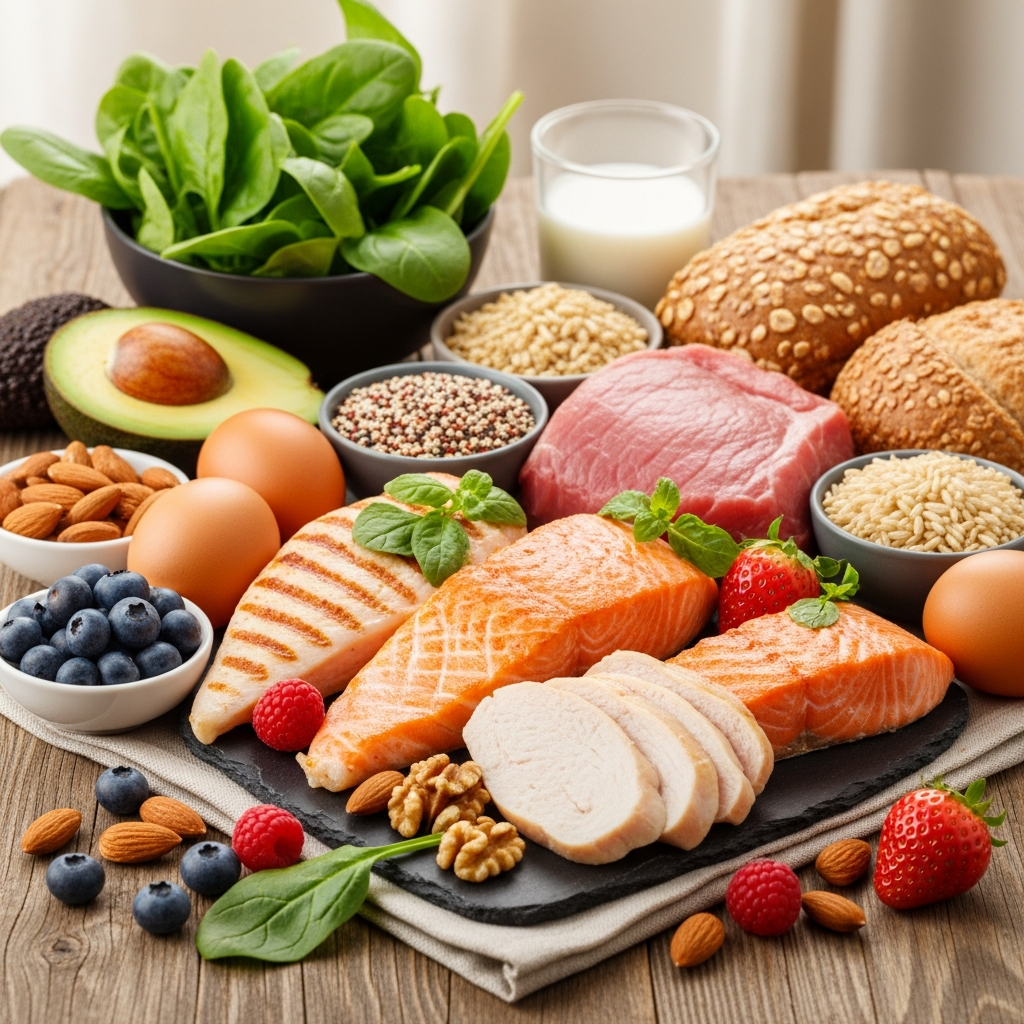
Iron is arguably the most critical nutrient for maintaining energy during pregnancy. It supports oxygen delivery to you and your growing baby, and iron deficiency is the leading cause of pregnancy fatigue.
During pregnancy, you need 27 milligrams of iron daily, nearly double the non-pregnant recommendation. This increased requirement explains why so many women feel exhausted when they are not getting enough.
Iron comes in two forms. Heme iron from animal sources is more easily absorbed, while non-heme iron from plants requires a little help. Pairing non-heme iron with vitamin C dramatically increases absorption, which is why many of our recipes combine iron-rich foods with citrus or bell peppers.
Best iron sources for pregnancy include:
- Lean beef: approximately 2.6 milligrams per 3-ounce serving
- Cooked spinach: approximately 6.4 milligrams per cup
- Lentils: approximately 6.6 milligrams per cup
- Chicken dark meat: approximately 1.1 milligrams per 3-ounce serving
- Fortified cereals: check labels for amounts up to 18 milligrams per serving
Complex Carbohydrates for Sustained Energy Release
Not all carbohydrates are created equal, especially during pregnancy. Complex carbs provide slow-release energy that prevents the blood sugar spikes and crashes that leave you reaching for sugary snacks by mid-afternoon.
Unlike simple carbs from white bread or sugary foods that cause rapid blood sugar fluctuations, complex carbohydrates break down slowly, providing steady fuel for hours. This stable energy release is particularly important during pregnancy when your body is already working overtime.
Top complex carbohydrate sources:
- Quinoa: a complete protein with all essential amino acids plus fiber
- Sweet potatoes: excellent source of beta-carotene for your baby's development
- Oatmeal: fiber-rich with steady energy release
- Brown rice: B vitamins support energy metabolism
- Whole grain bread and pasta: look for options with at least 3 grams of fiber per serving
High-Quality Proteins for Fetal Development and Maternal Strength
Protein needs increase significantly during pregnancy to approximately 71 grams daily. This nutrient supports placenta growth, tissue repair, blood cell production, and your baby's rapid development.
Best protein sources for pregnancy:
- Eggs: 6 grams protein plus choline for baby's brain development
- Greek yogurt: 15 to 20 grams per serving with probiotics
- Salmon: omega-3 DHA bonus with low mercury content
- Legumes: protein plus fiber for digestive health
- Lean poultry and beef: complete proteins with iron
Quick Energy-Boosting Breakfast Ideas for Busy Pregnant Moms
Mornings set the tone for your entire day, and starting with the right nutrients can make the difference between sustained energy and an afternoon slump. These healthy pregnancy breakfast ideas take 15 minutes or less and provide the iron, protein, and complex carbs you need.
Protein-Packed Egg Recipes That Take Under 15 Minutes
Recipe 1: Sweet Potato and Spinach Breakfast Hash
This nutrient-dense breakfast combines complex carbs from sweet potato with iron-rich spinach and protein from eggs, creating the perfect energy foundation for your day.
Prep Time: 5 minutes | Cook Time: 10 minutes | Serves: 2
Ingredients:
- 1 medium sweet potato, diced small
- 2 cups fresh spinach
- 2 large eggs
- 1 tablespoon olive oil
- 2 cloves garlic, minced
- Salt and pepper to taste
Instructions:
- Heat olive oil in a large skillet over medium-high heat.
- Add diced sweet potato and cook for 6 to 8 minutes, stirring occasionally, until tender.
- Add garlic and spinach, cooking until spinach wilts, about 1 minute.
- Create two wells in the hash and crack eggs into them.
- Cover and cook until eggs reach desired doneness, about 3 minutes for runny yolks.
Energy Nutrients: Complex carbs from sweet potato for sustained energy, iron from spinach, protein from eggs, and the combination supports maximum iron absorption.
Recipe 2: Mediterranean Veggie Egg Muffins
These portable egg muffins are perfect for meal prep and busy mornings when you need a grab-and-go option that still delivers serious nutrition.
Prep Time: 10 minutes | Cook Time: 20 minutes | Makes: 12 muffins
Ingredients:
- 8 large eggs
- 1 red bell pepper, diced
- 1 cup cherry tomatoes, quartered
- 2 cups fresh spinach, chopped
- 1/2 cup crumbled feta cheese
- Salt, pepper, and Italian herbs to taste
Instructions:
- Preheat oven to 350 degrees Fahrenheit and grease a 12-cup muffin tin.
- Whisk eggs with salt, pepper, and herbs in a large bowl.
- Divide vegetables and feta among muffin cups.
- Pour egg mixture evenly into each cup.
- Bake for 20 minutes until set and slightly golden.
- Store in refrigerator for up to 5 days.
Energy Nutrients: Protein and B vitamins from eggs, vitamin C from bell peppers and tomatoes for enhanced iron absorption, calcium from feta.
Overnight Oats and Smoothie Bowls for Grab-and-Go Mornings
Recipe 3: Iron-Boosting Overnight Oats with Blackstrap Molasses
Blackstrap molasses is a pregnancy superfood containing approximately 7.2 milligrams of iron per 2 tablespoons. Combined with fiber-rich oats and vitamin C from berries, this breakfast maximizes iron absorption while you sleep.
Prep Time: 5 minutes | Refrigerate: Overnight | Serves: 1
Ingredients:
- 1/2 cup rolled oats
- 1 tablespoon blackstrap molasses
- 2 tablespoons pumpkin seeds
- 1/2 cup mixed berries
- 3/4 cup milk of choice
- 1 tablespoon chia seeds
Instructions:
- Combine oats, molasses, chia seeds, and milk in a jar or container.
- Stir well to distribute molasses evenly.
- Refrigerate overnight or at least 6 hours.
- Top with pumpkin seeds and berries before eating.
Energy Nutrients: Complex carbs from oats, significant iron from molasses, omega-3s and fiber from chia seeds, additional iron from pumpkin seeds.
Recipe 4: Green Energy Smoothie Bowl for Second Trimester
This vibrant smoothie bowl disguises iron-rich spinach in tropical fruit flavors while delivering protein from Greek yogurt and omega-3s from chia seeds.
Prep Time: 10 minutes | Serves: 1
Ingredients:
- 2 cups fresh spinach
- 1 frozen banana
- 1/2 cup frozen mango chunks
- 1/2 cup Greek yogurt
- 1/4 cup orange juice
- Toppings: 1 tablespoon chia seeds, sliced fruit, granola
Instructions:
- Blend spinach, banana, mango, yogurt, and orange juice until smooth and thick.
- Pour into a bowl and arrange toppings artfully.
- Eat immediately with a spoon.
Energy Nutrients: Iron from spinach, vitamin C from orange juice and mango triples iron absorption, protein from yogurt and chia seeds, natural energy from fruit.
Iron-Rich Lunch and Dinner Recipes for Sustained All-Day Energy
Main meals provide the largest opportunity to pack in nutrients. These iron-rich pregnancy dinner recipes and lunch options deliver substantial protein, complex carbs, and the vitamins needed to support both your energy and your baby's development.
Lean Protein Mains with Maximum Iron Absorption
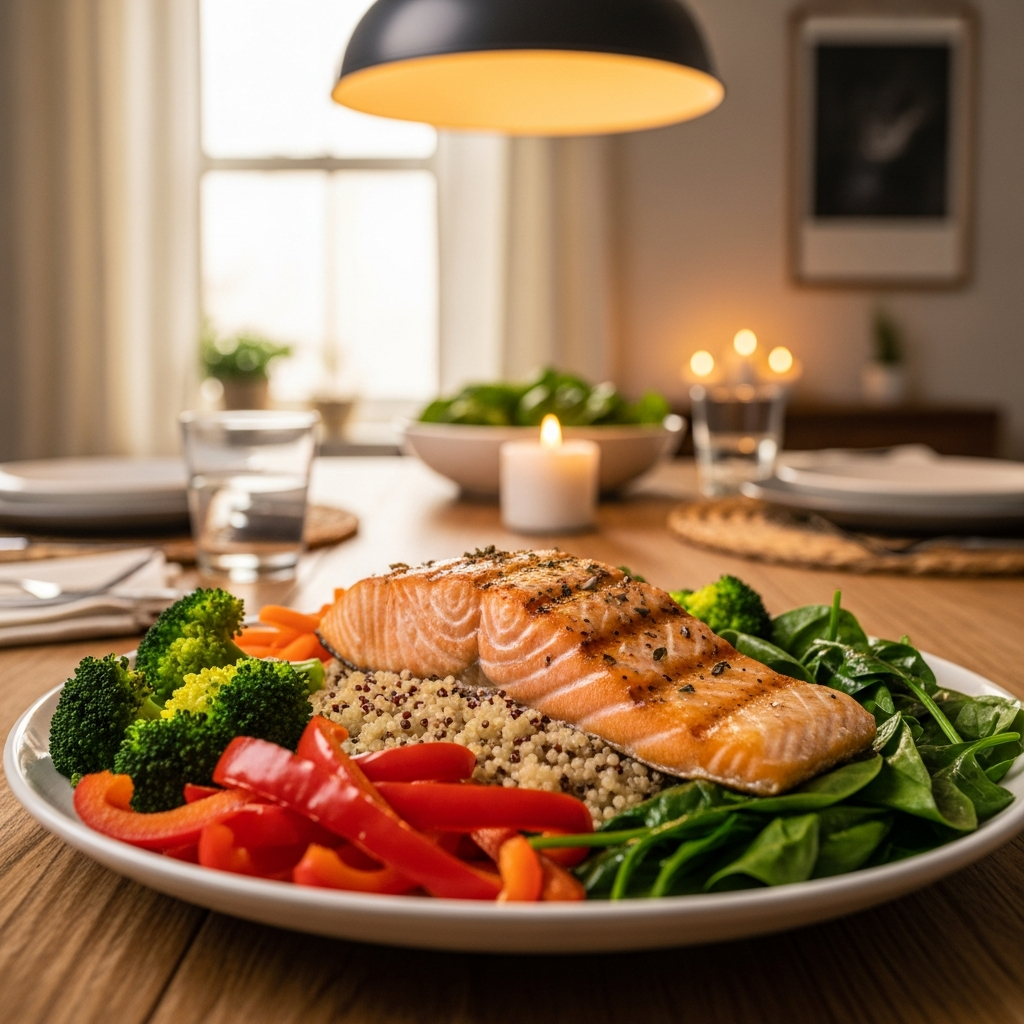
Recipe 5: Lemon Herb Grilled Chicken with Quinoa and Roasted Vegetables
This balanced meal provides complete protein from both chicken and quinoa, while the lemon and bell peppers boost absorption of iron from the leafy greens.
Prep Time: 10 minutes | Cook Time: 25 minutes | Serves: 4
Ingredients:
- 4 chicken breasts
- 1 cup quinoa
- 2 cups broccoli florets
- 2 bell peppers, sliced
- 2 lemons, juiced and zested
- Fresh rosemary and thyme
- 3 tablespoons olive oil
Instructions:
- Marinate chicken in lemon juice, zest, herbs, and 1 tablespoon olive oil for at least 15 minutes.
- Cook quinoa according to package directions.
- Toss vegetables with remaining olive oil and roast at 400 degrees for 20 minutes.
- Grill or pan-sear chicken for 6 to 7 minutes per side until internal temperature reaches 165 degrees.
- Serve chicken sliced over quinoa with roasted vegetables.
Energy Nutrients: 25 grams protein per serving, B vitamins from quinoa, vitamin C from lemon and peppers for iron absorption.
Recipe 6: Slow-Cooker Beef and Bean Stew
This hands-off recipe combines heme iron from beef with non-heme iron from beans, while tomatoes provide the vitamin C needed for maximum absorption. Perfect for batch cooking.
Prep Time: 20 minutes | Cook Time: 6 to 8 hours | Serves: 6
Ingredients:
- 1.5 pounds lean beef stew meat
- 1 can kidney beans, drained
- 1 can diced tomatoes
- 2 sweet potatoes, cubed
- 3 cups fresh spinach
- 4 cups beef broth
- Garlic, onion, and herbs to taste
Instructions:
- Brown beef in a skillet and transfer to slow cooker.
- Add beans, tomatoes, sweet potatoes, broth, and seasonings.
- Cook on low for 6 to 8 hours or high for 4 hours.
- Stir in spinach during the last 15 minutes of cooking.
- Portion and freeze leftovers for easy future meals.
Energy Nutrients: Over 5 milligrams iron per serving from beef and beans, 30 grams protein, complex carbs from sweet potatoes, vitamin C from tomatoes enhances absorption.
Recipe 7: Citrus Glazed Salmon with Brown Rice and Asparagus
Salmon provides omega-3 DHA crucial for your baby's brain development, while brown rice delivers steady energy and B vitamins for metabolism support.
Prep Time: 10 minutes | Cook Time: 20 minutes | Serves: 4
Ingredients:
- 4 salmon fillets (about 6 ounces each)
- 1 cup brown rice
- 1 bunch asparagus, trimmed
- 1 orange, juiced and zested
- 2 tablespoons honey
- 2 cloves garlic, minced
Instructions:
- Cook brown rice according to package directions.
- Whisk together orange juice, zest, honey, and garlic for glaze.
- Place salmon and asparagus on a sheet pan, drizzle with glaze.
- Bake at 400 degrees for 12 to 15 minutes until salmon flakes easily.
- Serve salmon and asparagus over brown rice, spooning extra glaze on top.
Energy Nutrients: Omega-3 DHA for baby's brain, B12 for energy metabolism, complete protein, complex carbs from brown rice.
Vegetarian Power Bowls Packed with Plant-Based Iron
Recipe 8: Lentil and Sweet Potato Buddha Bowl
Lentils are nutritional powerhouses for pregnancy, providing both protein and iron. This colorful bowl combines them with vitamin C rich toppings for optimal absorption.
Prep Time: 15 minutes | Cook Time: 25 minutes | Serves: 2
Ingredients:
- 1 cup red lentils
- 1 large sweet potato, cubed
- 3 cups chopped kale
- 2 tablespoons tahini
- 1 lemon, juiced
- Olive oil, salt, and cumin to taste
Instructions:
- Cook lentils in salted water for 15 to 20 minutes until tender.
- Roast sweet potato cubes at 400 degrees for 20 minutes.
- Massage kale with a drizzle of olive oil and lemon juice.
- Whisk tahini with remaining lemon juice and water to make dressing.
- Assemble bowls with lentils, sweet potato, and kale, then drizzle with tahini dressing.
Energy Nutrients: 6.6 milligrams iron from lentils, beta-carotene from sweet potato, vitamin C from lemon enhances iron absorption, plant protein.
Recipe 9: Black Bean and Quinoa Stuffed Bell Peppers
Bell peppers serve double duty here as both vessel and vitamin C source, dramatically increasing absorption of iron from the black bean and quinoa filling.
Prep Time: 15 minutes | Cook Time: 30 minutes | Serves: 4
Ingredients:
- 4 large bell peppers, any color
- 1 can black beans, drained
- 1 cup cooked quinoa
- 1 cup corn kernels
- 1 cup diced tomatoes
- 1 cup shredded cheese
- Cumin, chili powder, and lime to taste
Instructions:
- Cut tops off peppers and remove seeds and membranes.
- Mix beans, quinoa, corn, tomatoes, half the cheese, and spices.
- Stuff peppers with filling and place in a baking dish.
- Cover and bake at 375 degrees for 25 minutes.
- Uncover, top with remaining cheese, and bake 5 more minutes.
Energy Nutrients: Plant protein from beans and quinoa, iron, complex carbs, vitamin C from peppers and tomatoes for enhanced absorption.
Recipe 10: Chickpea and Spinach Coconut Curry
This warming curry satisfies cravings while delivering substantial plant-based iron and protein. The tomato base provides vitamin C for iron absorption.
Prep Time: 10 minutes | Cook Time: 20 minutes | Serves: 4
Ingredients:
- 2 cans chickpeas, drained
- 4 cups fresh spinach
- 1 can coconut milk
- 1 can diced tomatoes
- 2 tablespoons curry powder
- Ginger and garlic to taste
- Cooked brown rice for serving
Instructions:
- Saute ginger and garlic in a large pot until fragrant.
- Add curry powder and toast for 30 seconds.
- Add tomatoes, coconut milk, and chickpeas, simmering for 15 minutes.
- Stir in spinach until wilted.
- Serve over brown rice.
Energy Nutrients: Plant protein from chickpeas, iron from spinach and chickpeas, anti-inflammatory spices, vitamin C from tomatoes.
Healthy Pregnancy Snacks to Maintain Steady Energy Between Meals
Eating every 2 to 3 hours helps maintain stable blood sugar levels and prevents the energy dips that leave you reaching for less nutritious options. These healthy pregnancy snacks are designed for portability and sustained energy release.
Portable Protein Snacks for Work and On-the-Go
Keep these options at your desk, in your bag, or prepped in the refrigerator for easy access throughout the day:
- Hard-boiled eggs: Prep a weekly batch for quick protein
- Greek yogurt cups with granola: Protein, probiotics, and fiber
- Cheese and whole grain crackers: Protein, calcium, and complex carbs
- Apple slices with nut butter: Natural sugars, healthy fats, protein
- Homemade trail mix: Nuts, seeds, and dried fruit provide iron and energy
- Hummus cups with vegetable sticks: Plant protein, fiber, and vitamins
Recipe 11: Energy-Boosting Date and Nut Balls
These no-bake energy balls satisfy sweet cravings while delivering iron, fiber, and healthy fats. Make a batch on Sunday for the entire week.
Prep Time: 15 minutes | Makes: 12 balls
Ingredients:
- 1 cup Medjool dates, pitted
- 1 cup raw almonds
- 1/2 cup rolled oats
- 2 tablespoons cocoa powder
- 2 tablespoons shredded coconut
- Pinch of salt
Instructions:
- Process almonds in a food processor until finely ground.
- Add dates and pulse until mixture comes together.
- Add oats, cocoa, and salt, pulsing to combine.
- Roll into 12 balls and coat with coconut.
- Refrigerate for at least 30 minutes before eating. Store for up to 2 weeks.
Energy Nutrients: Natural sugars from dates, healthy fats and protein from almonds, fiber from oats, iron from cocoa.
Homemade Snacks That Combat Afternoon Energy Slumps
The afternoon slump is real, especially during pregnancy when your body is working overtime. Combat it with snacks that balance protein, healthy fats, and complex carbs.
Recipe 12: Pumpkin Seed and Oat Energy Bars
Pumpkin seeds are excellent sources of plant-based iron, making these bars ideal for vegetarian pregnant women or anyone looking to boost their iron intake.
Prep Time: 15 minutes | Setting Time: 2 hours | Makes: 12 bars
Ingredients:
- 2 cups rolled oats
- 1/2 cup pumpkin seeds
- 1/2 cup almond butter
- 1/3 cup honey
- 1/2 cup dried apricots, chopped
- 1/4 teaspoon cinnamon
Instructions:
- Warm almond butter and honey together until easily mixable.
- Combine oats, pumpkin seeds, apricots, and cinnamon in a large bowl.
- Pour almond butter mixture over dry ingredients and stir until fully coated.
- Press firmly into a lined 8x8 pan.
- Refrigerate at least 2 hours before cutting into bars.
Energy Nutrients: Iron from pumpkin seeds and apricots, complex carbs from oats, protein and healthy fats from almond butter.
Energy-Boosting Pregnancy Smoothie Recipes for Quick Nutrition
When you need nutrition fast, pregnancy smoothie recipes deliver. These blends pack multiple servings of nutrients into a single glass and are perfect for mornings when time is short or afternoons when you need a pick-me-up.
Iron-Rich Green Smoothies That Actually Taste Great
Recipe 13: Tropical Iron Booster Smoothie
The tropical fruits completely mask the spinach flavor while their vitamin C content triples iron absorption from the greens.
Prep Time: 5 minutes | Serves: 1
Ingredients:
- 2 cups fresh spinach
- 1 cup frozen mango chunks
- 1/2 cup pineapple chunks
- 1/2 cup orange juice
- 1/2 cup Greek yogurt
Instructions:
- Add spinach and orange juice to blender first, blending until smooth.
- Add remaining ingredients and blend until creamy.
- Add water if needed for desired consistency.
Energy Nutrients: Iron from spinach, vitamin C from all three fruits maximizes absorption, protein from yogurt.
Recipe 14: Chocolate Peanut Butter Protein Smoothie
This smoothie tastes indulgent but delivers serious nutrition, with hidden spinach adding iron without affecting the rich chocolate flavor.
Prep Time: 5 minutes | Serves: 1
Ingredients:
- 1 frozen banana
- 2 tablespoons peanut butter
- 1 tablespoon cocoa powder
- 1 cup milk of choice
- 1 cup fresh spinach
- 2 tablespoons rolled oats
Instructions:
- Blend all ingredients until completely smooth.
- Add ice if desired for thicker consistency.
Energy Nutrients: Protein from peanut butter and oats, complex carbs, iron from spinach and cocoa, magnesium for energy metabolism.
Smoothie Add-Ins That Supercharge Your Second Trimester Energy
Transform any smoothie into an energy powerhouse with these nutrient-dense additions:
- Chia seeds: Omega-3s, fiber, and protein in one tiny package
- Hemp hearts: Complete protein with all essential amino acids plus iron
- Blackstrap molasses: 7.2 milligrams iron per 2 tablespoons
- Flaxseed: Omega-3s and fiber for digestive health
- Nut butters: Healthy fats and protein for sustained energy
Recipe 15: Berry Beet Energy Blast Smoothie
Beets contain natural nitrates that support blood flow and oxygen delivery, making this smoothie perfect for combating pregnancy fatigue.
Prep Time: 5 minutes | Serves: 1
Ingredients:
- 1/2 cup cooked beets, chilled
- 1 cup mixed berries
- 1 banana
- 1 tablespoon almond butter
- 1 cup oat milk
Instructions:
- Blend all ingredients until smooth and creamy.
- The beet color creates a beautiful pink smoothie.
Energy Nutrients: Nitrates from beets support circulation, antioxidants from berries, natural sugars for quick energy, protein from almond butter.
Weekly Meal Prep Strategies for Energy-Sustaining Second Trimester Eating
Meal prep during the second trimester sets you up for success now and prepares you for the third trimester when cooking may feel more challenging. A few hours of weekend preparation can save you time and energy all week long.
Batch Cooking Tips for Busy Expecting Mothers
Strategic meal prep reduces decision fatigue, ensures consistent nutrient intake, and saves energy for when you need it most. Here is a practical approach:
Sunday Prep Session (2 hours):
- Cook a large batch of quinoa or brown rice for the week
- Roast a sheet pan of mixed vegetables
- Prepare overnight oats for 3 to 4 days
- Make egg muffins for quick breakfasts
- Portion out snacks into grab-and-go containers
Midweek Refresh (30 minutes):
- Prepare fresh protein portions
- Restock cut vegetables
- Make a new batch of energy balls if needed
Batch-friendly recipes from this guide:
- Mediterranean egg muffins: refrigerate up to 5 days
- Overnight oats: prep 3 to 4 days at once
- Energy date balls: refrigerate up to 2 weeks
- Slow-cooker beef stew: freeze in portions for up to 3 months
Sample 7-Day Second Trimester Energy Meal Plan
Use this meal plan as a template, adjusting portions and recipes based on your preferences and schedule:
| Day | Breakfast | Snack | Lunch | Snack | Dinner |
|---|---|---|---|---|---|
| Monday | Overnight oats with berries | Greek yogurt + almonds | Lentil buddha bowl | Apple + peanut butter | Citrus salmon with rice |
| Tuesday | Egg muffins (2) | Cheese + crackers | Leftover salmon bowl | Energy date balls (2) | Slow cooker beef stew |
| Wednesday | Green smoothie bowl | Hummus + veggies | Leftover beef stew | Trail mix | Stuffed bell peppers |
| Thursday | Sweet potato hash | Hard-boiled eggs (2) | Leftover stuffed peppers | Oat energy bar | Chickpea spinach curry |
| Friday | Overnight oats | Greek yogurt + granola | Leftover curry | Apple + almond butter | Grilled chicken + quinoa |
| Weekend | Egg muffins or fresh breakfast | Your choice | Flexible | Your choice | Batch cook for next week |
Foods to Limit That Can Drain Your Second Trimester Energy
While focusing on what to eat is important, understanding what to limit helps you avoid energy-draining patterns. This is not about restriction but rather making choices that support sustained energy rather than quick spikes and crashes.
Sugar and Refined Carbs That Cause Energy Crashes
When you eat simple sugars or refined carbohydrates, your blood sugar spikes rapidly. Your body responds with insulin, causing blood sugar to drop just as quickly. The result is fatigue, irritability, and cravings for more sugar, creating a difficult cycle to break.
Foods to limit:
- Sugary drinks and sodas
- White bread, pastries, and refined baked goods
- Candy and sweets
- Sweetened breakfast cereals
- Fruit juices (eat whole fruit instead for fiber)
Smart swaps for sustained energy:
- White rice to brown rice or quinoa
- White bread to whole grain options
- Fruit juice to whole fruit
- Sugary snacks to fruit with nut butter
- Sweetened cereal to oatmeal with fresh berries
Caffeine Guidelines for Maintaining Natural Energy
Current guidelines recommend keeping caffeine under 200 milligrams daily during pregnancy, roughly equivalent to one 12-ounce cup of coffee. While small amounts are considered safe, relying on caffeine for energy can backfire.
Excessive caffeine disrupts sleep quality, can cause jitters and anxiety, and has a dehydrating effect that compounds fatigue. Rather than reaching for that second cup, try natural energy alternatives:
- Herbal tea such as ginger or peppermint
- Water with fresh lemon
- A quick 10-minute walk
- One of the green smoothies from this guide
- A protein-rich snack
Caffeine reference guide:
- 12-ounce brewed coffee: 95 to 200 milligrams
- 12-ounce black tea: 25 to 50 milligrams
- 12-ounce cola: 35 milligrams
- 1-ounce dark chocolate: 12 milligrams
Frequently Asked Questions: Second Trimester Nutrition and Energy
Why do I have more energy in the second trimester?
The second trimester energy boost occurs because your body adapts to pregnancy hormones. HCG levels plateau, the placenta takes over hormone production around weeks 12 to 14, and progesterone stabilizes. Your body has adjusted to the increased blood volume, and for most women, nausea subsides, allowing better nutrition and hydration. This is why weeks 13 to 27 are often called the golden trimester.
How many extra calories do I need during the second trimester?
Most pregnant women need approximately 340 extra calories daily during the second trimester. Focus on nutrient-dense foods rather than empty calories. This increase supports your baby's rapid growth phase and your expanding blood volume, which increases by 30 to 50 percent. Quality matters more than quantity when it comes to those additional calories.
What are the best foods for energy during pregnancy 4-6 months?
The best energy foods pregnancy months 4 through 6 include complex carbohydrates like quinoa, sweet potatoes, oatmeal, and brown rice. Iron-rich foods such as lean beef, spinach, and lentils prevent fatigue-causing anemia. High-quality proteins including eggs, Greek yogurt, and salmon support energy and fetal development. Pair iron-rich foods with vitamin C sources like citrus or bell peppers to maximize absorption.
How can I boost energy during pregnancy naturally without caffeine?
Natural energy boosters during pregnancy include eating small, frequent meals every 2 to 3 hours to maintain blood sugar, staying well-hydrated with 8 to 10 glasses of water daily, including protein with every meal and snack, taking short walks or doing gentle prenatal exercise, getting adequate sleep of 7 to 9 hours, eating iron-rich foods to prevent anemia-related fatigue, and choosing complex carbohydrates for sustained energy release.
What nutrients are most important in the second trimester?
Key second trimester nutrients include iron at 27 milligrams daily to support increased blood volume and prevent fatigue, protein at 71 grams daily for baby's growth and placenta development, calcium at 1000 milligrams daily for baby's bone development, DHA and omega-3s for baby's brain and eye development, folate at 600 micrograms daily for neural development, and choline at 450 milligrams daily for brain development support.
Are energy smoothies safe during pregnancy?
Yes, homemade smoothies are an excellent way to boost nutrition during pregnancy. They allow you to combine multiple nutrients efficiently in one serving. Safe smoothie ingredients include pasteurized dairy or plant milks, thoroughly washed fruits and vegetables, nut butters, seeds, and cooked oats. Avoid unpasteurized juices and consult your healthcare provider before adding supplements.
How much protein do I need during the second trimester?
Pregnant women need approximately 71 grams of protein daily, which is about 25 grams more than non-pregnant recommendations. Protein supports your baby's rapid growth, placenta development, and your increased blood volume. Good sources include eggs, lean meats, low-mercury fish, dairy, legumes, and nuts. Aim to include protein with every meal and snack throughout the day.
Can I prevent pregnancy fatigue with diet alone?
Diet plays a significant role in preventing pregnancy fatigue, but it works best combined with adequate sleep, gentle exercise, and proper hydration. Focus on iron-rich foods since anemia causes most pregnancy fatigue cases, balanced meals with protein and complex carbs, and avoiding blood sugar spikes from refined sugars. However, persistent fatigue should always be discussed with your healthcare provider to rule out conditions like anemia or thyroid issues.
Final Thoughts: Fueling Your Golden Trimester
The second trimester offers a precious window to establish the eating patterns that will carry you through the rest of your pregnancy and beyond. With these 15 second trimester recipes, you have everything you need to keep your energy levels steady while nourishing your growing baby.
Remember that perfection is not the goal. Some days you will make the lentil buddha bowl from scratch, and other days you will rely on the egg muffins you prepped on Sunday. Both approaches count as wins. The key is having nutritious options ready when you need them.
Start with one or two recipes that appeal to you and gradually add more to your rotation. Before you know it, you will have a collection of go-to meals that make healthy eating during pregnancy feel effortless. At PatPat, we believe every expecting mother deserves practical support for this incredible journey. Your body is doing remarkable work, and these energy-boosting recipes are one way to show it the care it deserves.
What energy-boosting meal will you try first? Whether it is the iron-rich overnight oats for tomorrow morning or the slow-cooker beef stew for a hands-off dinner, your second trimester self will thank you for the nourishment.





