


What if the meals you eat today could shape your baby's brain development for a lifetime? Welcome to the second trimester, often called the "golden period" of pregnancy. Your morning sickness is fading, your energy is returning, and something incredible is happening inside you. During weeks 13-27, your baby transforms from a three-inch being into a nearly 14-inch infant with functioning organs, a developing brain, and bones beginning to harden.
The second trimester nutrition choices you make directly fuel this remarkable transformation. Your baby's brain is growing at an astonishing rate of approximately 250,000 neurons per minute, while their skeleton begins forming the framework they will carry throughout life. This is not the time for guesswork when it comes to your pregnancy diet.
In this comprehensive guide, you will discover exactly what to eat in the second trimester to support your baby's growth. We will explore the essential nutrient trio of protein, calcium, and DHA, providing you with practical meal ideas, science-backed recommendations, and week-by-week guidance. Whether you are looking for high-protein breakfast ideas, calcium-rich foods for pregnant women, or safe fish options packed with DHA, this guide covers everything you need. At PatPat, we understand that nourishing your growing baby begins long before they arrive, and we are here to support you through every step of this beautiful journey.
Essential Nutrients for Second Trimester Fetal Development
Understanding why certain nutrients matter helps you make informed choices about your baby growth pregnancy diet. The second trimester marks a period of accelerated development where specific nutritional building blocks become critical for your baby's organs, bones, and brain.
Why Protein Matters for Tissue and Organ Growth
Protein is the foundation of fetal development. During the second trimester, your body needs significantly more protein to support the rapid cell multiplication happening inside you. According to the American College of Obstetricians and Gynecologists, pregnant women require approximately 71 grams of protein daily, which represents about 25 grams more than pre-pregnancy needs.
This protein provides amino acids that build your baby's tissues, muscles, and developing organs. It also supports placental growth and amniotic fluid production. Some research suggests that protein requirements during pregnancy may actually be higher than official recommendations, with some experts suggesting 75-100 grams daily for optimal fetal growth.
Calcium Requirements for Skeletal Formation
Your baby's skeleton begins transitioning from soft cartilage to hardened bone during the second trimester. This process requires substantial calcium. The American Pregnancy Association recommends 1,000 mg of calcium daily for pregnant adults, with teenagers needing 1,300 mg.
Here is a critical point many expectant mothers miss: if your calcium intake falls short, your baby will draw calcium from your bones. This can weaken your skeletal structure and affect your long-term bone health. Pairing calcium with vitamin D is essential for optimal absorption.
DHA and Omega-3 Fatty Acids for Neural Development
DHA (docosahexaenoic acid) comprises approximately 40% of polyunsaturated fatty acids in the brain. During the second trimester, your baby's brain development reaches a critical phase. As noted by the National Institutes of Health, pregnant women should aim for at least 200-500 mg of DHA daily.
DHA also supports your baby's eye development and has been linked to healthier birth outcomes. Getting adequate DHA foods during pregnancy is one of the most impactful nutritional choices you can make for your baby's cognitive future.
| Nutrient | Daily Requirement | Primary Function |
|---|---|---|
| Protein | 71-100g | Tissue, muscle, organ development |
| Calcium | 1,000mg | Bone and teeth formation |
| DHA | 200-500mg | Brain and eye development |
| Iron | 27mg | Blood volume support |
High-Protein Meals That Support Rapid Baby Growth
Now that you understand why protein matters, let us translate that knowledge into delicious, practical meals. These high protein foods for pregnancy second trimester will help you meet your increased nutritional needs while keeping your taste buds happy.
Protein-Rich Breakfast Ideas for Expecting Mothers
Starting your day with adequate protein sets the tone for meeting your daily goals. Here are pregnancy breakfast ideas second trimester that pack serious nutritional punch:
Greek Yogurt Power Bowl
- 1 cup Greek yogurt (20g protein)
- 2 tbsp chia seeds (4g protein)
- 1/4 cup walnuts (4g protein)
- Fresh berries for antioxidants
- Total: approximately 28g protein
Veggie-Loaded Egg Scramble
- 3 eggs (18g protein)
- Spinach, bell peppers, mushrooms
- 1 oz cheese (7g protein)
- Whole grain toast
- Total: approximately 25g protein
Protein Smoothie
- 1 cup milk (8g protein)
- 1 scoop protein powder (20g protein)
- Banana and peanut butter (4g protein)
- Total: approximately 32g protein
Lunch and Dinner Options Packed with Complete Proteins
These protein packed pregnancy meals provide complete amino acid profiles essential for fetal development:
Grilled Salmon with Quinoa - This meal delivers a double benefit: 4 oz salmon provides 25g protein plus brain-boosting DHA, while 1 cup cooked quinoa adds 8g protein. Serve with steamed broccoli for added folate. Total: approximately 33g protein.
Lentil and Vegetable Curry - Perfect for vegetarian moms, 1.5 cups of lentils deliver 27g protein. Served over brown rice (5g protein), this warming meal provides complete plant-based nutrition. Total: approximately 32g protein.
Lean Beef Stir-Fry - Four ounces of lean beef provides 28g protein plus highly absorbable heme iron. Pair with colorful vegetables and brown rice noodles for a satisfying dinner. Total: approximately 30g protein.
Quick Protein Snacks for Busy Second Trimester Days
Between meals, these quick healthy meals for pregnant women keep your protein intake steady:
- Hard-boiled eggs (6g each) - prepare a batch weekly
- Cottage cheese with fruit (14g per 1/2 cup)
- Edamame pods (17g per cup) - great warm or cold
- Nut butter on whole grain crackers
- Turkey and cheese roll-ups

Calcium-Rich Foods for Baby Bone Development During Pregnancy
Your baby's skeleton is forming right now, and the calcium you consume directly influences this critical process. Understanding both dairy and non-dairy calcium sources ensures you meet your needs regardless of dietary preferences.
Dairy Sources of Calcium for Stronger Fetal Bones
Dairy products remain the most efficient calcium delivery system. Here is how various dairy foods contribute to your daily 1,000mg goal:
| Food | Serving Size | Calcium (mg) |
|---|---|---|
| Plain yogurt | 1 cup | 415 |
| Mozzarella cheese | 1.5 oz | 333 |
| Cheddar cheese | 1.5 oz | 303 |
| Milk (any fat level) | 1 cup | 300 |
| Greek yogurt | 1 cup | 200 |
| Cottage cheese | 1 cup | 138 |
Plant-Based Calcium Alternatives for Dairy-Free Diets
If dairy does not work for you, these non-dairy calcium sources pregnancy options deliver substantial amounts:
| Food | Serving Size | Calcium (mg) |
|---|---|---|
| Fortified almond milk | 1 cup | 449 |
| Fortified orange juice | 1 cup | 349 |
| Sardines with bones | 3 oz | 325 |
| Collard greens (cooked) | 1 cup | 266 |
| Calcium-set tofu | 1/2 cup | 253 |
| Kale (cooked) | 1 cup | 177 |
Tips for Maximizing Calcium Absorption:
- Pair calcium-rich foods with vitamin D sources for better uptake
- Spread intake throughout the day since your body absorbs only about 500mg at once
- Avoid taking calcium supplements with iron supplements as they compete for absorption
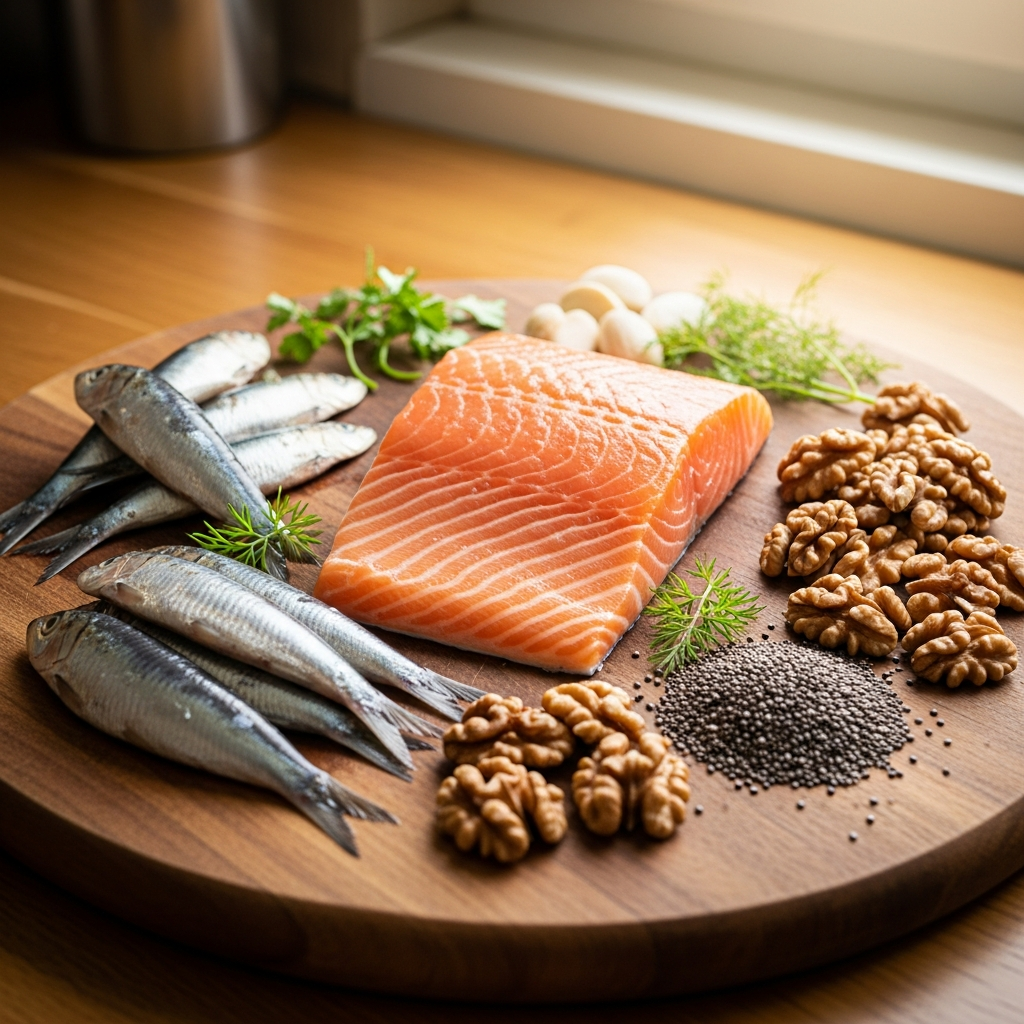
DHA and Omega-3 Foods for Fetal Brain Growth
Your baby's brain is the most complex organ developing during pregnancy, and DHA serves as its primary building block. Understanding which fish are safe and how to get omega-3s from various sources empowers you to make brain-boosting choices daily.
Low-Mercury Fish Options Safe During Pregnancy
The FDA recommends pregnant women consume 8-12 ounces of low-mercury fish weekly to obtain optimal DHA without mercury risk. Here are your best choices:
| Fish | DHA per 3 oz | Mercury Level | Weekly Limit |
|---|---|---|---|
| Wild Salmon | 1,200+ mg | Very Low | 12 oz |
| Sardines | 1,000 mg | Very Low | 12 oz |
| Herring | 950 mg | Very Low | 12 oz |
| Anchovies | 900 mg | Very Low | 12 oz |
| Trout | 600 mg | Low | 12 oz |
High-Mercury Fish to Avoid: Shark, swordfish, king mackerel, tilefish, and bigeye tuna should be completely avoided during pregnancy due to dangerous mercury levels.
Plant-Based Omega-3 Sources and Supplementation
For those who prefer plant-based options, these foods provide ALA omega-3s, though conversion to DHA is limited (approximately 5-10%):
- Chia seeds: 5,000mg ALA per ounce
- Flaxseeds: 6,400mg ALA per ounce
- Walnuts: 2,500mg ALA per ounce
- Hemp seeds: 2,600mg ALA per ounce
Because ALA conversion to DHA is inefficient, plant-based eaters may benefit from algae-based DHA supplements, which provide 200-500mg DHA per serving and are completely vegan-friendly. Always discuss supplementation with your healthcare provider.
Week-by-Week Second Trimester Meal Planning Guide
What makes this pregnancy meal planning week by week approach unique is connecting your nutrition directly to your baby's developmental milestones. When you understand what is happening inside, you can eat with intention.
Weeks 13-16: Supporting Rapid Organ Development
Fetal Milestones:
- Kidneys begin producing urine
- Liver starts making bile
- Limbs becoming proportional
- Baby can make facial expressions
Nutritional Focus: Iron becomes particularly important now as your blood volume begins increasing. The Mayo Clinic recommends 27mg of iron daily during pregnancy. Continue folate for ongoing neural development and emphasize protein for organ tissue building.
Sample Daily Menu:
- Breakfast: Fortified oatmeal with berries and almonds
- Lunch: Spinach salad with grilled chicken and white beans
- Dinner: Lean beef with iron-rich vegetables
- Snacks: Dried apricots, pumpkin seeds
Weeks 17-22: Fueling the Anatomy Scan Period
Fetal Milestones:
- Hearing develops (baby can hear your voice)
- Vernix caseosa forms on skin
- Baby's movements become noticeable (quickening)
- Anatomy scan typically at week 20
Nutritional Focus: DHA becomes paramount as brain growth accelerates dramatically. Calcium requirements intensify as the skeleton develops. The ACOG notes you need approximately 340 extra calories daily during the second trimester.
Sample Daily Menu:
- Breakfast: Greek yogurt parfait with chia seeds
- Lunch: Salmon salad with leafy greens
- Dinner: Calcium-fortified tofu stir-fry
- Snacks: Cheese and whole grain crackers, carrot sticks
Weeks 23-27: Preparing for Third Trimester Growth Surge
Fetal Milestones:
- Brain development accelerates significantly
- Lungs developing surfactant
- Baby's sleep patterns emerge
- Viability milestone reached (week 24)
Nutritional Focus: Maintain high protein intake while ensuring consistent DHA for peak brain development. Iron continues supporting blood volume expansion. Your second trimester meal plan should now provide steady, balanced nutrition.
Sample Daily Menu:
- Breakfast: Protein smoothie with spinach and banana
- Lunch: Lentil soup with whole grain bread
- Dinner: Grilled salmon with quinoa and roasted vegetables
- Snacks: Hard-boiled eggs, trail mix with walnuts
Managing Common Second Trimester Nutrition Challenges
Even with the best intentions, pregnancy brings unique obstacles to healthy eating. Understanding how to navigate food aversions and blood sugar fluctuations keeps your nutrition on track.
Overcoming Food Aversions While Meeting Nutrient Needs
If certain healthy foods make you cringe, these second trimester food aversions healthy alternatives can help:
| Aversion | Alternative Food Sources |
|---|---|
| Fish smell | Mild white fish, canned salmon, fish oil supplements |
| Meat texture | Greek yogurt, eggs, legumes, tofu |
| Dairy | Fortified plant milks, calcium-set tofu, leafy greens |
| Leafy greens | Green smoothies, spinach hidden in sauces |
Helpful Tips:
- Try foods at different temperatures (cold fish versus hot)
- Experiment with various preparation methods
- Focus on tolerated protein sources first
- Consider nutrient-dense smoothies where textures blend together
Balancing Blood Sugar for Steady Energy and Baby Growth
Maintaining stable blood sugar supports both your energy levels and your baby's consistent nutrient supply:
- Pair carbohydrates with protein or healthy fats
- Choose complex carbohydrates (whole grains, legumes) over simple sugars
- Eat smaller, more frequent meals (5-6 times daily)
- Include fiber with each meal
Blood Sugar-Balanced Pregnancy Snacks Second Trimester:
- Apple slices with almond butter
- Whole grain crackers with cheese
- Vegetables with hummus
- Greek yogurt with berries
Preparing for Your Growing Baby: Nutrition and Nesting
As your body works hard to nourish your growing baby through nutrient-rich meals, many expectant mothers also begin preparing their homes for the new arrival. The second trimester often brings renewed energy and the instinct to nest, making it an ideal time to think about baby essentials.
Setting Up a Nurturing Environment
Just as you carefully select foods that support your baby's development, choosing soft, comfortable clothing for your newborn is another way to prepare for their wellbeing. Babies have delicate skin that benefits from gentle, breathable fabrics.
When building your newborn wardrobe, consider starting with versatile essentials. Baby clothes made from soft, natural materials help keep newborns comfortable during their first months. For babies with sensitive skin or those prone to temperature fluctuations, bamboo baby clothes offer hypoallergenic, moisture-wicking properties that complement your nutritional efforts to give your baby the best start.
Practical pieces like baby bodysuits make frequent diaper changes easier, while cozy baby rompers are perfect for everyday wear. These wardrobe staples will serve your little one well throughout their first year.
Frequently Asked Questions About Second Trimester Nutrition
What should I eat in the second trimester for baby growth?
Focus on protein-rich foods (lean meats, eggs, legumes, Greek yogurt), calcium sources (dairy, fortified plant milks, leafy greens), and DHA omega-3 foods (salmon, sardines, walnuts). Aim for 71-100g protein daily, 1,000mg calcium, and 200-500mg DHA. Include iron-rich foods like lean beef and spinach to support increased blood volume. A balanced second trimester diet should incorporate all food groups with emphasis on nutrient-dense whole foods.
How many extra calories do I need in the second trimester?
During the second trimester, you need approximately 340 extra calories per day compared to your pre-pregnancy intake. This supports your baby's rapid growth and your body's increased blood volume, breast tissue development, and placental growth. Quality matters more than quantity. Focus on nutrient-dense calories from whole grains, lean proteins, fruits, vegetables, and healthy fats rather than empty calories from processed foods.
What foods help baby grow in the womb during the second trimester?
Foods that support fetal growth include protein sources like salmon (also provides DHA for brain development), eggs (rich in choline), lean beef (iron and zinc), and legumes (plant protein and fiber). Calcium-rich foods including yogurt, cheese, and fortified plant milks support bone development. Colorful vegetables provide essential vitamins and antioxidants. Healthy fats from avocados, nuts, and olive oil support nutrient absorption and brain formation.
How much protein do I need in the second trimester?
The recommended protein intake during the second trimester is 71 grams daily, approximately 25 grams more than pre-pregnancy needs. Some experts recommend 75-100 grams for optimal fetal growth. Good sources include lean meats (22-28g per 3 oz), Greek yogurt (20g per cup), eggs (6g each), and legumes (15-18g per cup cooked). Distribute protein intake across all meals for steady amino acid availability.
Why is DHA important for fetal brain development in the second trimester?
DHA (docosahexaenoic acid) is crucial during the second trimester because this period sees rapid neuron multiplication, with approximately 250,000 new neurons forming per minute. DHA makes up 40% of polyunsaturated fatty acids in the brain and is essential for neural cell membrane formation. Research links adequate maternal DHA intake to improved cognitive outcomes and visual acuity in children. Aim for 200-500mg DHA daily from low-mercury fish or algae supplements.
What are the best calcium-rich foods for pregnancy?
Top calcium sources for pregnancy include dairy products like yogurt (415mg per cup), milk (300mg per cup), and cheese (303mg per 1.5 oz). Non-dairy options include fortified plant milks (300-450mg per cup), calcium-set tofu (253mg per half cup), sardines with bones (325mg per 3 oz), and collard greens (266mg per cooked cup). The daily recommendation is 1,000mg, ideally spread throughout the day since the body absorbs about 500mg at a time.
Can I get enough nutrients from a vegetarian diet during the second trimester?
Yes, a well-planned vegetarian diet can meet second trimester nutritional needs. Key considerations include combining plant proteins (beans with rice, tofu with quinoa) for complete amino acids, including fortified foods for B12 and vitamin D, and eating iron-rich plants (lentils, spinach) with vitamin C for better absorption. Consider algae-based DHA supplements since plant ALA converts poorly to DHA. Calcium-set tofu, fortified plant milks, and leafy greens provide calcium. Consult your healthcare provider about appropriate supplementation.
What week-by-week nutrition changes should I make in the second trimester?
Weeks 13-16: Focus on iron (blood volume increases significantly) and continued folate. Weeks 17-22: Emphasize DHA and calcium as brain development accelerates and bones begin hardening. This is also when baby starts hearing. Weeks 23-27: Increase overall caloric intake (340 extra calories) and maintain high protein for the growth surge preparing for the third trimester. Throughout, aim for consistent protein, calcium, DHA, and iron intake while adjusting portions to meet increasing energy demands.
Nourishing Your Baby's Remarkable Second Trimester Growth
The second trimester marks an extraordinary period of fetal development. From weeks 13 to 27, your baby transforms from a three-inch being into a nearly 14-inch infant with functioning organs, a developing brain, and a skeleton beginning to harden. The protein, calcium, and DHA-rich meals you choose directly fuel these remarkable changes.
Key Takeaways:
- Protein (71-100g daily): Builds fetal tissues, muscles, and organs
- Calcium (1,000mg daily): Supports skeletal development and prevents maternal bone loss
- DHA (200-500mg daily): Fuels rapid brain growth and neural connections
- Iron (27mg daily): Supports blood volume increase
- Extra calories (340 daily): Provides energy for accelerated growth
Your Action Plan:
- Start each day with a protein-rich breakfast (aim for 20+ grams)
- Include a calcium source at every meal
- Eat low-mercury fish 2-3 times weekly for DHA
- Plan weekly meals around fetal development milestones
- Keep nutrient-dense snacks accessible for busy days
Remember, every salmon dinner supports brain cell formation, every yogurt parfait strengthens developing bones, and every egg provides choline for your baby's memory center. Your dedication to nourishing meals during these crucial weeks creates a foundation for your child's lifelong health.
At PatPat, we celebrate the incredible journey of growing your family. Just as you are nurturing your baby with every carefully chosen meal, we are here to help you prepare for their arrival with comfortable, gentle clothing designed for their delicate skin. Your second trimester nutrition efforts today are building the healthy, thriving baby you will soon hold in your arms.





