


The moment you step into the kitchen, it hits you. That wave of nausea triggered by the faintest cooking smell. Whether it is simmering garlic, brewing coffee, or even toast in the toaster, your once-favorite aromas have become unbearable enemies during early pregnancy.
You are not imagining it. According to research published in Frontiers in Psychology, approximately 85% of pregnant women report heightened sensitivity to at least one odor during pregnancy. When combined with the fact that up to 70% of pregnant women experience morning sickness, you have a recipe for food aversion disaster.
The solution? First trimester cold food recipes that require zero cooking and produce minimal odors. These cold foods for pregnancy nausea allow you to nourish yourself and your growing baby without triggering that dreaded gag reflex. At PatPat, we understand that caring for yourself during pregnancy means finding practical solutions that actually work. This collection of 20 smell-free, no-cook recipes will help you maintain proper nutrition when cooking feels impossible.
Why Cold Foods Help When You Have First Trimester Nausea
Understanding why cold foods work so well during early pregnancy can help you make smarter food choices throughout your first trimester. The science behind smell sensitivity and temperature reveals fascinating connections between your changing body and food tolerance.
The Science Behind Smell Sensitivity in Early Pregnancy
Your heightened sense of smell during pregnancy is not just in your head. It is a documented phenomenon called hyperosmia. Research shows that nearly two-thirds of pregnant women rate their olfactory sensitivity as enhanced during pregnancy.
The primary culprit? Human chorionic gonadotropin (hCG), the pregnancy hormone. According to medical research, hCG levels rise exponentially, doubling every 48 to 72 hours and peaking around weeks 8 to 11. This timeline coincides precisely with when morning sickness symptoms typically peak.
Some researchers believe this sensitivity served an evolutionary purpose, helping ancestral pregnant women avoid potentially harmful substances. Today, it simply means cooking smells can become overwhelming triggers.
How Temperature Reduces Food Odors and Nausea Triggers
Here is where cold foods become your ally. Food science research demonstrates that storage temperature significantly affects volatile marker compounds in food products. The warmer food gets, the more aromatic molecules it releases into the air.
Cold and refrigerated foods simply emit fewer of these volatile compounds. When you eat chilled foods, your nose encounters far fewer odor molecules, reducing the likelihood of triggering nausea. This is why that cold yogurt parfait stays down when a warm bowl of oatmeal sends you running.

Essential Nutrients You Need in First Trimester From Cold Food Sources
Just because you cannot stomach cooking does not mean nutrition has to suffer. Cold foods can absolutely deliver the essential vitamins and minerals your developing baby needs.
Folate-Rich Cold Foods for Neural Tube Development
Folate stands as one of the most critical nutrients during early pregnancy. The CDC recommends all women capable of becoming pregnant get 400 micrograms of folic acid daily to help prevent neural tube defects.
Excellent cold sources include:
- Fresh spinach salads (131 mcg per cup)
- Sliced avocado (121 mcg per avocado)
- Fresh oranges and orange juice
- Fortified cold cereals
- Chickpeas in cold salads
Vitamin B6 Foods That Naturally Fight Pregnancy Nausea
Vitamin B6 has clinical backing for nausea relief. A randomized, double-blind placebo-controlled study found that vitamin B6 significantly reduced nausea and vomiting of pregnancy.
Cold B6-rich foods include bananas, chickpeas, fortified cereals, and cold potato salad. Several recipes in this collection specifically incorporate these ingredients.
Cold Protein Sources for First Trimester Energy
Protein requirements increase during pregnancy. The American College of Obstetricians and Gynecologists recommends about 71 grams of protein daily during pregnancy.
When meat aversion strikes, turn to:
- Greek yogurt (20g protein per cup)
- Cottage cheese (28g per cup)
- Hard-boiled eggs (6g each)
- Nut butters (8g per 2 tablespoons)
- Hummus and chickpeas
Iron and Calcium Without the Cooking Smells
Iron and calcium remain essential, but many traditional sources require cooking. Cold alternatives include fortified cereals, fresh spinach, yogurt, cheese, milk, and fortified orange juice. Pair iron-rich foods with vitamin C sources like citrus for better absorption.
Smoothies for Pregnancy Nausea: 5 No-Smell Blender Recipes
Smoothies represent the ultimate first trimester food. They are cold, customizable, nutrient-dense, and quick to prepare with minimal odor. These five recipes target specific pregnancy needs while remaining gentle on sensitive stomachs.
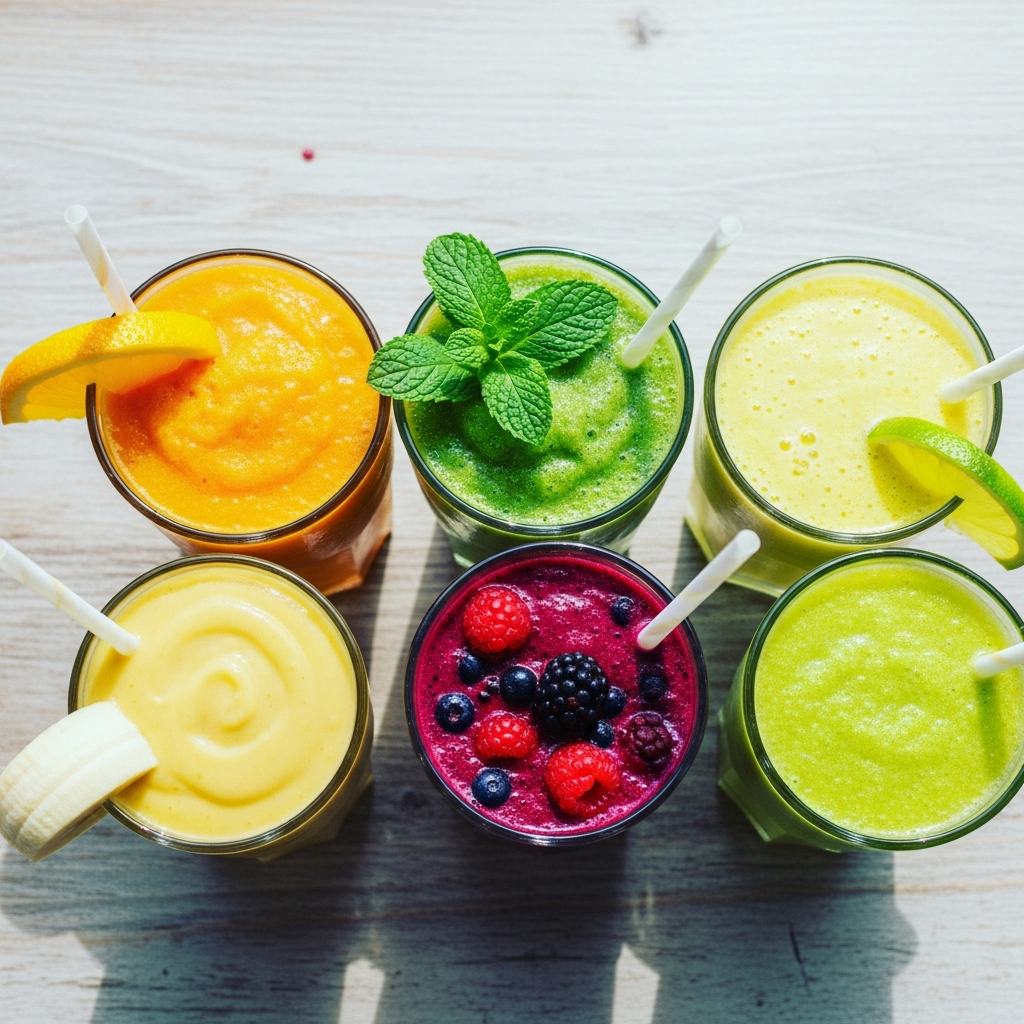
Recipe 1: Ginger Banana Nausea Relief Smoothie
This smoothie combines two clinically-studied nausea fighters. Research confirms that ginger significantly improved symptoms of nausea when compared to placebo.
Ingredients:
- 1 ripe banana, frozen
- 1/2 inch fresh ginger, peeled
- 1 cup plain Greek yogurt
- 1/2 cup almond milk
- 1 tablespoon honey
- 1/4 teaspoon vanilla extract
Instructions:
- Add all ingredients to blender
- Blend on high for 60 seconds until smooth
- Pour into chilled glass and serve immediately
- Best consumed cold with ingredients refrigerated beforehand
Why It Works: Ginger provides proven anti-nausea benefits while banana delivers vitamin B6. Greek yogurt adds 15g protein for sustained energy.
Nutritional Info: 285 calories, 18g protein, 45g carbs, 3g fat, 180mcg folate
Recipe 2: Tropical Vitamin B6 Power Smoothie
Ingredients:
- 1/2 cup frozen mango chunks
- 1/2 cup frozen pineapple
- 1 banana
- 1 cup coconut water
- 2 tablespoons hemp seeds
- Juice of 1/2 lime
Instructions:
- Combine frozen fruits in blender
- Add coconut water and hemp seeds
- Squeeze in fresh lime juice
- Blend until completely smooth
- Serve immediately in a chilled glass
Why It Works: Triple B6 source from banana, mango, and pineapple. Coconut water provides essential electrolytes for hydration when keeping fluids down feels challenging.
Nutritional Info: 310 calories, 8g protein, 58g carbs, 7g fat, 95mcg folate
Recipe 3: Mint Watermelon Hydration Smoothie
Ingredients:
- 2 cups seedless watermelon chunks, chilled
- 1/2 cup frozen strawberries
- 8-10 fresh mint leaves
- 1/2 cup cold water
- 1 tablespoon fresh lime juice
- Optional: 1 tablespoon chia seeds
Instructions:
- Add watermelon and strawberries to blender
- Tear mint leaves and add
- Pour in water and lime juice
- Blend until smooth
- Add chia seeds and pulse briefly if using
- Pour over ice if desired
Why It Works: Watermelon is 92% water, making this ideal for hydration. Mint naturally soothes the stomach and provides a refreshing taste when heavier foods feel impossible.
Nutritional Info: 125 calories, 3g protein, 28g carbs, 2g fat, 45mcg folate
Recipe 4: Berry Protein Power Smoothie
Ingredients:
- 1 cup mixed frozen berries
- 1/2 cup cottage cheese, low-fat
- 1/2 cup milk of choice
- 1 tablespoon almond butter
- 1 teaspoon honey
- 1/4 teaspoon cinnamon
Instructions:
- Add cottage cheese and milk first
- Add frozen berries on top
- Add almond butter, honey, and cinnamon
- Blend starting on low, increasing to high
- Blend 90 seconds until creamy
- Serve cold immediately
Why It Works: Delivers 22g protein from cottage cheese and almond butter combined. Berries provide antioxidants and natural sweetness without overwhelming flavor.
Nutritional Info: 295 calories, 22g protein, 32g carbs, 10g fat, 35mcg folate
Recipe 5: Citrus Ginger Immunity Smoothie
Ingredients:
- 1 orange, peeled and segmented
- 1/2 cup frozen peach slices
- 1/2 inch fresh ginger
- 1/2 cup plain kefir
- 1/4 cup carrot juice, cold
- 1 teaspoon turmeric powder
Instructions:
- Peel and segment orange, removing seeds
- Add orange and frozen peaches to blender
- Grate or slice ginger and add
- Pour in kefir and carrot juice
- Add turmeric and blend until smooth
- Strain if desired for smoother texture
Why It Works: Citrus provides vitamin C for better iron absorption. Ginger doubles as nausea relief while kefir adds probiotics for digestive support.
Nutritional Info: 195 calories, 7g protein, 38g carbs, 3g fat, 85mcg folate
Cold Salads Safe During Pregnancy: 5 No-Cook Protein Meals
Cold salads offer substantial meals without any cooking required. These recipes use pregnancy-safe ingredients and provide complete nutrition with proteins, complex carbs, and essential vitamins.
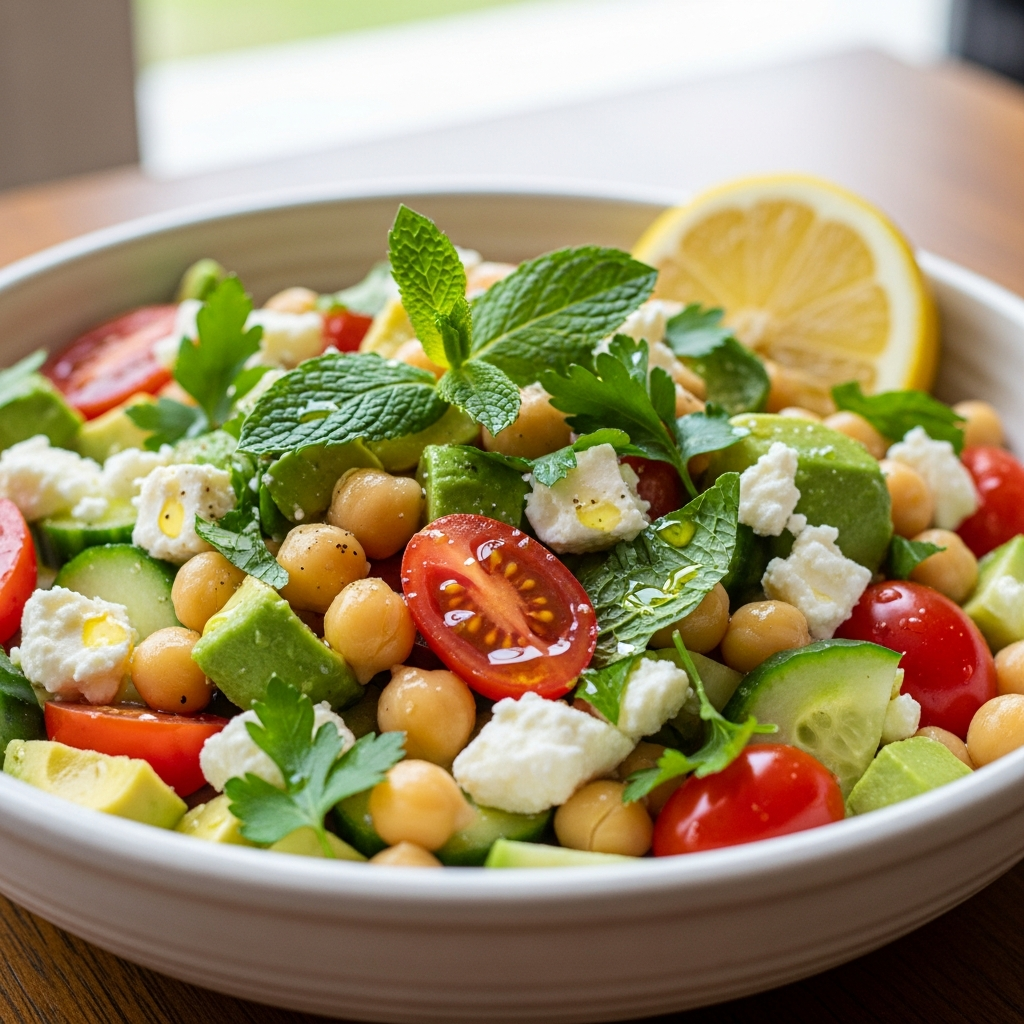
Recipe 6: Mediterranean Chickpea and Avocado Salad
Ingredients:
- 1 can (15 oz) chickpeas, drained and rinsed
- 1 ripe avocado, diced
- 1 cup cherry tomatoes, halved
- 1/2 cucumber, diced
- 1/4 red onion, finely minced
- 1/4 cup fresh parsley, chopped
- 2 tablespoons olive oil
- 2 tablespoons lemon juice
- Salt and pepper to taste
Instructions:
- Combine chickpeas, avocado, tomatoes, and cucumber in large bowl
- Add minced red onion and parsley
- Whisk olive oil and lemon juice together
- Drizzle dressing over salad
- Gently toss to combine
- Refrigerate 30 minutes before serving for best flavor
Why It Works: Plant-based protein from chickpeas delivers 14g per cup. Avocado provides folate and healthy fats essential for fetal development.
Nutritional Info: 385 calories, 12g protein, 42g carbs, 21g fat, 165mcg folate | Serves 2
Recipe 7: Cold Chicken and Grape Protein Salad
Ingredients:
- 2 cups pre-cooked rotisserie chicken, shredded and chilled
- 1 cup red grapes, halved
- 1/2 cup celery, diced
- 1/4 cup walnuts, chopped
- 3 tablespoons Greek yogurt
- 1 tablespoon mayonnaise
- 1 teaspoon Dijon mustard
- Salt and pepper to taste
Instructions:
- Use cold rotisserie chicken purchased pre-cooked
- Shred chicken into bite-sized pieces
- Combine chicken, grapes, celery, and walnuts
- Mix Greek yogurt, mayonnaise, and mustard
- Fold dressing into chicken mixture
- Chill for 1 hour before serving
Pregnancy Safety Note: Use freshly purchased rotisserie chicken within 2 days. Store at 40 degrees F or below.
Why It Works: High protein content (35g) with naturally sweet grapes that appeal to pregnancy taste preferences.
Nutritional Info: 425 calories, 35g protein, 22g carbs, 24g fat, 25mcg folate | Serves 2
Recipe 8: Refreshing Quinoa Cucumber Mint Salad
Ingredients:
- 1 cup quinoa, cooked and chilled
- 1 large cucumber, diced
- 1/4 cup fresh mint, chopped
- 1/4 cup fresh parsley, chopped
- 1/4 cup crumbled feta cheese
- 2 tablespoons olive oil
- 3 tablespoons lemon juice
- 1/4 teaspoon garlic powder
Instructions:
- Cook quinoa according to package directions in advance
- Spread quinoa on sheet pan to cool quickly
- Once cold, transfer to mixing bowl
- Add cucumber, mint, parsley, and feta
- Whisk oil, lemon juice, and garlic powder
- Dress salad and toss gently
Why It Works: Complete plant protein from quinoa with cooling cucumber and mint that naturally soothe digestive discomfort.
Nutritional Info: 295 calories, 10g protein, 32g carbs, 15g fat, 95mcg folate | Serves 2
Recipe 9: Asian-Inspired Cold Sesame Noodle Salad
Ingredients:
- 8 oz rice noodles or soba noodles, cooked and chilled
- 1 cup shredded purple cabbage
- 1 carrot, julienned
- 1/2 cup edamame, shelled
- 2 green onions, sliced
- 2 tablespoons sesame oil
- 2 tablespoons low-sodium soy sauce
- 1 tablespoon rice vinegar
- 1 teaspoon honey
- 1 tablespoon sesame seeds
Instructions:
- Cook noodles according to package, drain and rinse with cold water
- Toss noodles with 1 tablespoon sesame oil to prevent sticking
- Combine cabbage, carrot, edamame, and green onions
- Whisk remaining sesame oil, soy sauce, vinegar, and honey
- Combine noodles with vegetables
- Dress and top with sesame seeds
Why It Works: Edamame provides 17g plant protein per cup. Cold noodles are gentle on the stomach with minimal odor.
Nutritional Info: 380 calories, 14g protein, 52g carbs, 14g fat, 145mcg folate | Serves 2
Recipe 10: Simple Black Bean and Corn Fiesta Salad
Ingredients:
- 1 can (15 oz) black beans, drained and rinsed
- 1 cup corn kernels, canned or thawed frozen
- 1 red bell pepper, diced
- 1/4 cup red onion, finely diced
- 1/4 cup cilantro, chopped (optional)
- 1 avocado, diced
- Juice of 2 limes
- 2 tablespoons olive oil
- 1/2 teaspoon cumin
- Salt to taste
Instructions:
- Combine beans, corn, bell pepper, and onion in bowl
- Add cilantro if using (skip if smell is off-putting)
- Gently fold in diced avocado
- Whisk lime juice, olive oil, cumin, and salt
- Dress salad and toss carefully
- Best served immediately or within 4 hours
Why It Works: Fiber-rich beans support digestion while lime adds brightness that appeals to citrus-craving pregnant women.
Nutritional Info: 345 calories, 12g protein, 48g carbs, 14g fat, 255mcg folate | Serves 3
No-Cook Protein Options When You Cannot Stomach Meat
Meat aversion ranks among the most common food aversions during first trimester. The smell of cooking meat can trigger intense nausea, yet protein remains essential for fetal development. These cold, smell-free protein options provide 15-25g of protein per serving without any cooking required.

Recipe 11: Greek Yogurt Parfait with Honey and Granola
Ingredients:
- 1 cup plain Greek yogurt, 2% or full-fat
- 1/4 cup low-sugar granola
- 1/2 cup mixed berries
- 1 tablespoon honey
- 1 tablespoon sliced almonds
Assembly Instructions:
- Spoon half the yogurt into glass or bowl
- Add half the granola and half the berries
- Layer remaining yogurt on top
- Top with remaining granola and berries
- Drizzle with honey
- Sprinkle almonds on top
Make-Ahead Tip: Prepare without granola the night before. Add granola just before eating to maintain crunch.
Why It Works: Delivers 20g protein from Greek yogurt alone. Probiotics support gut health during pregnancy.
Nutritional Info: 365 calories, 22g protein, 48g carbs, 11g fat, 35mcg folate
Recipe 12: Cottage Cheese and Fruit Bowl with Seeds
Ingredients:
- 1 cup low-fat cottage cheese
- 1/2 cup fresh pineapple chunks
- 1/4 cup blueberries
- 1 tablespoon pumpkin seeds
- 1 tablespoon sunflower seeds
- Drizzle of honey or maple syrup
Assembly Instructions:
- Place cottage cheese in bowl
- Arrange pineapple and blueberries on top
- Sprinkle with pumpkin and sunflower seeds
- Add honey drizzle if desired
- Serve immediately while cold
Why It Works: Cottage cheese delivers 28g protein per cup. Pineapple contains bromelain which may ease digestion.
Nutritional Info: 295 calories, 26g protein, 32g carbs, 8g fat, 40mcg folate
Recipe 13: Nut Butter Banana Roll-Ups
Ingredients:
- 1 large whole wheat tortilla
- 2 tablespoons natural almond or peanut butter
- 1 medium banana
- 1 tablespoon honey
- 1/4 teaspoon cinnamon
Assembly Instructions:
- Spread nut butter evenly across tortilla
- Drizzle honey over nut butter
- Sprinkle with cinnamon
- Place whole banana at edge of tortilla
- Roll tortilla tightly around banana
- Slice into 1-inch rounds for easy eating
Why It Works: Banana provides vitamin B6 for nausea relief while nut butter adds 8g protein and healthy fats for sustained energy.
Nutritional Info: 385 calories, 12g protein, 52g carbs, 17g fat, 45mcg folate
Recipe 14: Cold Hard-Boiled Egg Protein Plate
Ingredients:
- 2 hard-boiled eggs, chilled and peeled
- 1/4 avocado, sliced
- 4-6 whole grain crackers
- 1 tablespoon hummus
- 5-6 cherry tomatoes
- Salt and pepper to taste
Assembly Instructions:
- Prepare hard-boiled eggs in advance, can batch cook weekly
- Slice eggs in half
- Arrange on plate with avocado slices
- Add crackers with hummus
- Include cherry tomatoes for freshness
- Season eggs with salt and pepper
Meal Prep Tip: Hard-boil 6-12 eggs on Sunday for grab-and-go protein all week.
Why It Works: Two eggs provide 12g complete protein plus choline, essential for fetal brain development.
Nutritional Info: 345 calories, 18g protein, 22g carbs, 21g fat, 115mcg folate
Recipe 15: Hummus and Vegetable Protein Snack Plate
Ingredients:
- 1/2 cup hummus
- 1 cup baby carrots
- 1 cup cucumber slices
- 1/2 cup cherry tomatoes
- 1/4 cup snap peas
- 2 tablespoons feta cheese crumbles
- 1 small whole grain pita, cut into triangles
Assembly Instructions:
- Place hummus in center of plate or in small bowl
- Arrange vegetables around hummus
- Sprinkle feta over vegetables
- Add pita triangles on side
- Serve immediately or pack for on-the-go
Why It Works: Chickpea-based hummus provides plant protein while variety of vegetables ensures nutrient diversity without cooking.
Nutritional Info: 385 calories, 14g protein, 48g carbs, 16g fat, 175mcg folate
Chilled Snacks and Frozen Treats for All-Day Nausea Relief
When full meals feel impossible, small cold snacks can provide essential nutrition and keep blood sugar stable. These quick options require zero cooking and can be grabbed from the refrigerator or freezer instantly.
Recipe 16: Frozen Fruit Popsicles (Homemade)
Ingredients:
- 2 cups mixed fruit (berries, mango, peach)
- 1 cup Greek yogurt
- 1/2 cup orange juice
- 2 tablespoons honey
Instructions:
- Blend all ingredients until smooth
- Pour into popsicle molds
- Insert sticks and freeze 4-6 hours
- Run warm water over mold to release
Variations:
- Ginger Peach: Add 1/2 inch fresh ginger
- Mint Watermelon: Use watermelon and fresh mint
- Citrus Burst: Orange, lemon, and lime blend
Why It Works: Frozen texture numbs taste buds slightly, reducing nausea sensation. Hydrating and cooling on difficult days.
Nutritional Info per popsicle: 85 calories, 4g protein, 16g carbs, 1g fat | Makes 6 popsicles
Recipe 17: Yogurt Bark with Berries
Ingredients:
- 2 cups Greek yogurt
- 2 tablespoons honey
- 1/2 cup mixed berries
- 2 tablespoons dark chocolate chips
- 2 tablespoons sliced almonds
Instructions:
- Line baking sheet with parchment paper
- Mix yogurt with honey
- Spread yogurt evenly on parchment, about 1/4 inch thick
- Press berries into surface
- Sprinkle chocolate chips and almonds
- Freeze for 3-4 hours until solid
- Break into irregular pieces
- Store in freezer bag
Why It Works: Satisfies sweet cravings with protein-rich base. Frozen texture is soothing on queasy stomachs.
Nutritional Info per serving: 145 calories, 8g protein, 18g carbs, 5g fat | Serves 6
Recipe 18: Cold Cheese and Fruit Plate
Ingredients:
- 1 oz cheddar cheese, cubed
- 1 oz mozzarella string cheese
- 10 grapes
- 5 strawberries
- 8 whole grain crackers
Assembly: Arrange cheese, fruit, and crackers on plate for easy snacking throughout the day.
Why It Works: Cheese provides protein and calcium. Grapes are hydrating and naturally sweet without strong odor.
Nutritional Info: 285 calories, 12g protein, 32g carbs, 12g fat, 25mcg folate
Recipe 19: Frozen Banana Nice Cream
Ingredients:
- 2 ripe bananas, frozen and sliced
- 2 tablespoons peanut butter
- 1/4 cup milk of choice
- 1/4 teaspoon vanilla extract
Instructions:
- Slice ripe bananas and freeze overnight
- Add frozen banana slices to food processor
- Process for 1-2 minutes, scraping sides
- Add peanut butter, milk, and vanilla
- Continue processing until creamy
- Serve immediately as soft-serve texture
- Or freeze 1 hour for firmer consistency
Why It Works: Naturally sweet without added sugar. Banana provides potassium and B6 for nausea relief.
Nutritional Info: 245 calories, 7g protein, 38g carbs, 9g fat, 35mcg folate | Serves 2
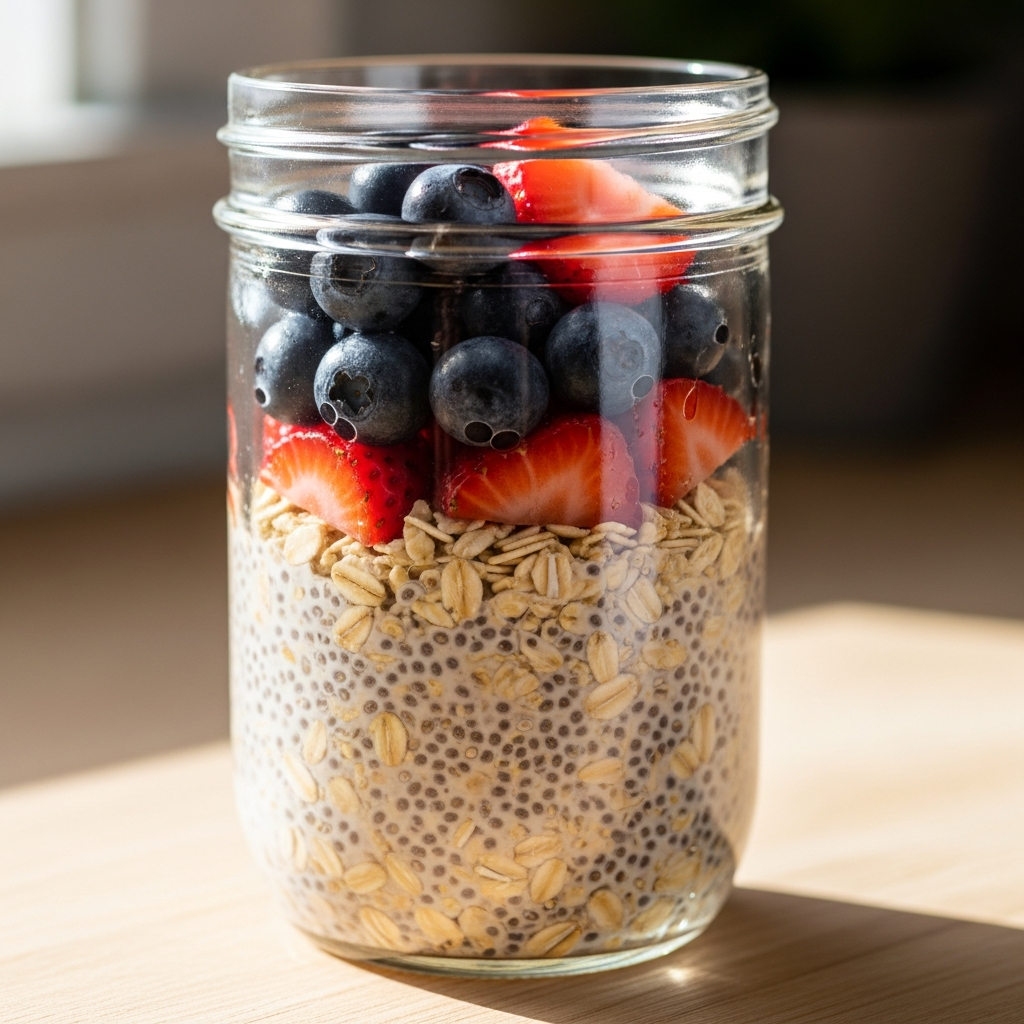
Recipe 20: Overnight Oats with Chia Seeds
Ingredients:
- 1/2 cup rolled oats
- 1/2 cup milk of choice
- 1/4 cup Greek yogurt
- 1 tablespoon chia seeds
- 1 tablespoon maple syrup
- 1/4 cup fresh berries
Instructions:
- Combine oats, milk, yogurt, and chia seeds in jar
- Add maple syrup and stir well
- Cover and refrigerate overnight, minimum 4 hours
- Top with fresh berries before eating
- Eat cold directly from refrigerator
Why It Works: Prepared the night before when nausea may be less severe. Ready to grab in the morning without any cooking smells.
Nutritional Info: 295 calories, 12g protein, 45g carbs, 8g fat, 65mcg folate
First Trimester Meal Prep Tips for Smell-Free Cooking
Strategic meal preparation can help you stay nourished even on your worst nausea days. These practical strategies minimize cooking exposure while maximizing nutrition.
Batch Preparing Cold Meals When Nausea Subsides
Key Strategies:
- Identify your "good hours," often late morning or evening
- Prep large batches of grains and proteins during low-nausea windows
- Cook quinoa, pasta, and rice when a partner is home to help
- Hard-boil eggs in batches of 6-12 for the week
- Purchase pre-cooked proteins: rotisserie chicken, canned beans, canned tuna
- Wash and cut vegetables in advance
- Store prepped ingredients in clear containers for easy access
Refrigerator Organization Tips:
- Keep pregnancy-safe snacks at eye level
- Pre-portion smoothie ingredients in freezer bags
- Label containers with dates
- Maintain a "grab and go" zone for worst nausea days
How Partners and Family Members Can Help Prepare Meals
Communication Strategies:
- Create a list of "safe" foods that do not trigger nausea
- Identify "forbidden" smells that must be avoided
- Establish cooking times when pregnant person can leave the area
- Set up ventilation: open windows, use fans, cook outside when possible
Partner Preparation Tips:
- Cook in batches during work hours or when partner is out
- Use slow cooker outdoors or in garage if safe
- Prepare proteins in advance and refrigerate
- Stock freezer with pre-made soups that can be reheated elsewhere
- Keep raw ingredient handling minimal by focusing on pre-cooked options
Cold Foods to Avoid During Pregnancy: Safety Guidelines
While cold foods offer relief from nausea, certain items pose food safety risks during pregnancy. Understanding what to avoid protects both you and your baby.
Pregnancy-Unsafe Cold Foods and Why to Avoid Them
The CDC recommends pregnant women avoid deli meats and luncheon meats unless reheated until steaming hot due to Listeria contamination risk.
| Food | Risk | Safe Alternative |
|---|---|---|
| Deli meats (cold) | Listeria contamination | Heat to 165 degrees F or avoid |
| Soft cheeses (imported) | Listeria risk | Pasteurized versions only |
| Raw fish (sushi, sashimi) | Parasites, bacteria | Cooked fish or vegetarian rolls |
| Raw sprouts | E. coli, Salmonella | Cooked sprouts or skip entirely |
| Unpasteurized juice | Bacterial contamination | Pasteurized only |
| Raw eggs (Caesar dressing) | Salmonella | Commercial dressings with pasteurized eggs |
| Pre-made store salads | Listeria risk | Make fresh at home |
Safe Food Storage and Handling Practices
Storage Guidelines:
- Refrigerator temperature: 40 degrees F (4 degrees C) or below
- Consume prepared salads within 3-4 days
- Keep hard-boiled eggs maximum 7 days refrigerated
- Store rotisserie chicken maximum 3-4 days
- Thaw frozen fruit in refrigerator, not on counter
- Wash all produce thoroughly before preparing
- Use separate cutting boards for raw and ready-to-eat foods
FAQ: First Trimester Cold Foods and Pregnancy Nausea
What foods help with first trimester nausea?
Cold, bland foods with minimal odor help most with first trimester nausea. The best options include cold fruits like watermelon, grapes, and citrus, along with plain crackers, yogurt, smoothies, and room-temperature proteins like hard-boiled eggs. Foods containing vitamin B6 such as bananas and chickpeas, plus ginger, are clinically proven to reduce pregnancy nausea symptoms.
Why do cold foods help with morning sickness?
Cold foods help with morning sickness because they emit fewer volatile aromatic compounds than hot foods. During pregnancy, heightened smell sensitivity makes strong food odors trigger nausea. Refrigerated and frozen foods have significantly reduced odor, making them easier to tolerate when cooking smells become overwhelming.
Are smoothies safe during first trimester?
Yes, smoothies are safe and beneficial during first trimester when made with pregnancy-safe ingredients. Use pasteurized dairy or plant milk, washed fruits, and avoid raw eggs or unpasteurized juice. Smoothies provide essential nutrients, hydration, and are easier to consume when solid foods trigger nausea.
What can I eat when everything makes me sick during pregnancy?
When severe nausea strikes, focus on small amounts of cold, bland foods: plain crackers, cold cereal with milk, frozen fruit, ice chips, popsicles, cold watermelon, plain yogurt, or room-temperature toast. Eat small portions every 2 hours rather than large meals and stay hydrated with cold water or diluted juice.
How do I get protein when I cannot stomach meat while pregnant?
Non-meat protein sources that are easier to tolerate during pregnancy include Greek yogurt with 20g protein per cup, cottage cheese, hard-boiled eggs when cold, nut butters, hummus, cheese, beans, and edamame. These cold protein options have less odor than cooked meat and provide essential amino acids.
What foods have no smell for pregnancy?
Foods with minimal smell include cold fruits like grapes, melon, and berries, plus plain crackers, bread, cold cereals, cheese, yogurt, hard-boiled eggs when chilled, cold pasta, rice, and nut butters. Refrigerating foods before eating further reduces their odor compared to room temperature or heated options.
Does eating cold food affect the baby during pregnancy?
No, eating cold food does not negatively affect the baby during pregnancy. Food temperature does not impact nutrient absorption or fetal development. The key concern is food safety, ensuring cold foods are properly stored and pregnancy-safe ingredients are used, not the temperature at which food is consumed.
When should I worry about not being able to eat during first trimester?
Contact your healthcare provider if you cannot keep any food or water down for 24 hours, lose more than 5% of pre-pregnancy weight, show signs of dehydration like dark urine or dizziness, or experience severe nausea beyond week 20. These may indicate hyperemesis gravidarum requiring medical treatment.
Nourishing Yourself Through First Trimester Nausea
First trimester nausea can feel overwhelming, but these 20 cold food recipes prove that proper nutrition remains achievable even when cooking seems impossible. By focusing on cold foods for pregnancy nausea, you can minimize smell triggers while still providing your body and growing baby with essential nutrients.
Remember that this challenging phase typically improves by weeks 12-14 for most women. Until then, experiment with these first trimester cold food recipes to discover which combinations work best for your changing preferences. Some days a simple smoothie will be all you can manage. Other days you might enjoy a full cold salad meal. Both are victories.
Keep your refrigerator stocked with the ingredients from these recipes, and do not hesitate to ask partners and family members for help with meal preparation. Most importantly, listen to your body and eat what you can tolerate without guilt.
At PatPat, we are here to support you through every stage of your pregnancy journey. Save this collection for easy reference, and explore our other pregnancy nutrition resources to continue building healthy habits for you and your baby.
Additional Resources:





