


You just finished folding the last basket of laundry, feeling accomplished, when you spot it: a stubborn formula stain on your baby's favorite bamboo sleeper that somehow survived the wash. Sound familiar? If you have invested in quality bamboo baby clothes for your little one, you already know why these pieces are worth protecting. Bamboo fabric is incredibly soft against delicate skin, naturally breathable, and gentle for babies prone to sensitivities.
But here is the challenge many parents face: how do you remove stains from bamboo fabric without using harsh chemicals that could damage those precious fibers or irritate your baby's skin? Traditional bleach and strong detergents might seem like quick fixes, but they can actually break down bamboo fibers, cause yellowing, and leave residues that are anything but baby-friendly.
The good news? Natural stain removal methods work beautifully on bamboo fabric, and you probably have most of the ingredients in your kitchen right now. This comprehensive bamboo fabric care guide walks you through gentle, effective solutions for every type of mess your baby can create. From formula spills to diaper blowouts, you will learn exactly how to tackle each stain while preserving the softness and quality that made you choose bamboo in the first place.
Why Bamboo Fabric Requires Gentle, Chemical-Free Care
Before diving into stain removal techniques, understanding why bamboo fabric needs special attention helps you make better care decisions. This is not about being overly cautious; it is about protecting an investment in your baby's comfort.
Understanding Bamboo Fabric Properties
Bamboo fabric typically comes in three forms: bamboo viscose, bamboo rayon, and bamboo lyocell. Each undergoes processing that transforms raw bamboo into soft, wearable fibers. According to federal textile fiber labeling regulations, most bamboo clothing is technically rayon made from bamboo, which explains its unique care requirements.
What makes bamboo wonderful for babies also makes it require thoughtful care:
- The smooth fiber structure creates exceptional softness but can trap certain stains differently than cotton
- Natural antibacterial properties help garments stay fresher longer between washes
- Excellent moisture-wicking keeps babies comfortable but means the fabric absorbs spills quickly
- Delicate fibers are naturally more sensitive to harsh treatments than sturdy cotton weaves
Why Harsh Chemicals Damage Bamboo Fibers
Understanding what to avoid is just as important as knowing what to use. Chlorine bleach is particularly harmful to bamboo, causing irreversible yellowing and weakening the fiber structure. Fabric softeners coat the fibers with a waxy residue that reduces bamboo's natural softness and breathability, which is counterproductive when you chose bamboo specifically for those qualities.
Hot water causes bamboo to shrink and can permanently set protein stains like milk and formula. Strong detergents strip away the natural properties that make bamboo so gentle against sensitive skin. By choosing natural stain removal methods, you preserve everything that makes bamboo special while still achieving clean, fresh results.
Essential Natural Stain Removal Ingredients Every Parent Should Have
Stock your laundry area with these bamboo-safe, baby-safe cleaning agents. The best part? They are inexpensive, effective, and you can use them around your little one without worry about chemical residue.
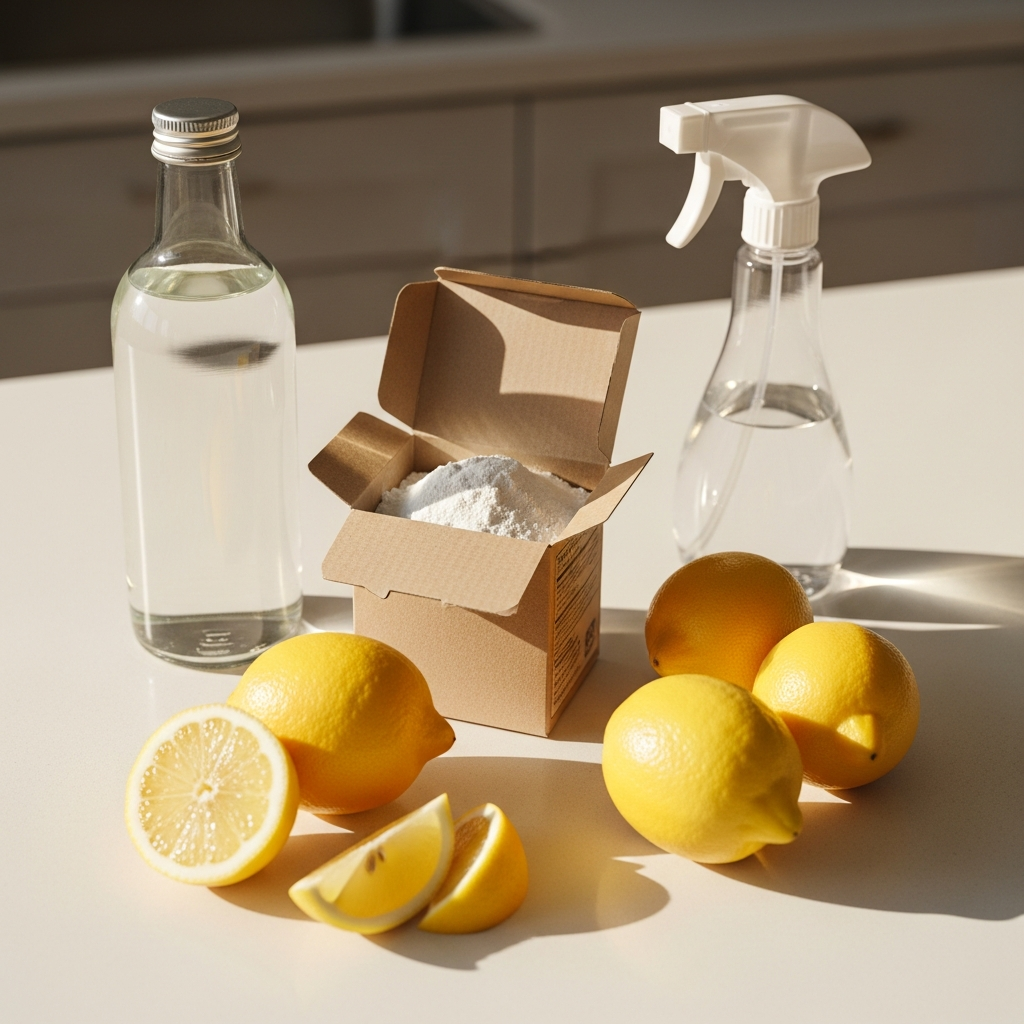
White Vinegar: Your Bamboo-Safe All-Purpose Solution
White vinegar is perhaps the most versatile natural cleaner for bamboo fabric. Its mild acidity breaks down organic stains without damaging delicate fibers. The EPA's Safer Choice program recognizes vinegar as an environmentally preferable cleaning ingredient.
Safe dilution ratio: 1 part white vinegar to 4 parts cold water
Vinegar excels at removing milk, formula, and spit-up stains. As a bonus, it acts as a natural fabric softener in the rinse cycle, leaving bamboo feeling silky without coating the fibers.
Baking Soda: Gentle Abrasion and Odor Elimination
Baking soda creates a gentle paste perfect for spot treatment on bamboo fabric. It provides mild abrasion that lifts stains without scratching or damaging fibers.
Paste ratio: 3 parts baking soda to 1 part water
This powerhouse ingredient absorbs oils, neutralizes odors, and works safely on both colored and white bamboo fabrics. Keep a box in your laundry area for quick access during diaper changes and feeding mishaps.
Additional Natural Powerhouses
| Ingredient | Best For | Usage Notes |
|---|---|---|
| Lemon Juice | Natural brightening | Use with caution on colored fabrics |
| Hydrogen Peroxide (3%) | White bamboo items only | Test in hidden area first |
| Enzyme Cleaners | Protein stains (milk, formula) | Choose plant-based formulas |
| Mild Dish Soap | Grease and oil stains | Use fragrance-free varieties |
| Sunlight | Natural whitening and disinfecting | Free and highly effective |
These eco-friendly cleaning agents are not only effective but completely safe around babies. No chemical residue, no harsh fumes, no worries about what touches your little one's skin.
Step-by-Step Natural Stain Removal Method for Bamboo Fabric
This general process works for most stains on bamboo fabric. Think of it as your foundation method that you will adapt based on specific stain types covered in the next section.
Step 1: Act Quickly and Blot (Never Rub)
Time matters when treating stains on bamboo. Fresh stains lift out far more easily than set-in ones. When a spill happens:
- Grab a clean, white cloth immediately
- Blot gently to absorb excess liquid without spreading
- For solid messes, scrape gently with a spoon edge
- Never rub, as this pushes stains deeper into fibers and can cause pilling
Step 2: Pre-Treat with Your Natural Solution
Choose your pre-treatment based on the stain type (see stain-specific guide below). Apply directly to the stain, working from the outside edges inward to prevent spreading. Let the solution sit for 15-30 minutes, adjusting time based on stain severity.
Important: Always test your chosen solution on an inconspicuous area first, especially on colored bamboo items.
Step 3: Cold Water Soak Method
Cold water is essential for bamboo fabric care. Hot water sets protein stains permanently and can cause shrinkage. Fill a basin with cold water and add 1/2 cup white vinegar per gallon. Submerge the stained item and let it soak for 30 minutes to 2 hours, depending on stain severity. Gently agitate the water periodically to help loosen the stain.
Step 4: Gentle Wash Cycle or Hand Wash
After soaking, wash using these guidelines:
- Machine wash on delicate or gentle cycle only
- Use a bamboo-safe, fragrance-free detergent
- Keep water temperature at 30C (86F) or cooler
- Turn items inside out to protect the surface
- Consider using a mesh laundry bag for extra protection
Step 5: Air Dry for Best Results
Resist the temptation to tumble dry bamboo items. Lay flat on a clean towel or hang in the shade to air dry. Direct sunlight can help naturally whiten white items but may fade colors over time. Never wring bamboo fabric, as this damages the delicate fibers and causes permanent creasing.
Caring for your baby's clothes this way is not just about stain removal. It is a small act of love, preserving those soft sleepers and cozy outfits that cradle your little one through countless snuggles and milestones.
Stain-Specific Solutions for Common Baby Messes
Now for the practical solutions you have been waiting for. Here is how to tackle every mess babies create, from midnight feedings to enthusiastic first foods. Whether you are caring for everyday rompers or special bamboo pajamas for bedtime, these targeted methods ensure even the messiest days do not mean permanent damage.

Formula and Breast Milk Stain Removal
Milk stains are protein-based, meaning hot water is your enemy. The American Academy of Pediatrics notes that breast milk contains proteins and fats that can leave residue on fabrics if not treated properly.
Method:
- Rinse immediately with cold water
- Soak in enzyme cleaner solution for 30 minutes
- Apply vinegar pre-soak (1:4 ratio) for stubborn spots
- Wash in cold water on gentle cycle
- For set-in stains, apply baking soda paste overnight before washing
Spit-Up and Drool Stain Removal
Teething babies produce acidic drool that can leave marks on bamboo fabric. Spit-up contains stomach acids that require neutralization before washing.
Method:
- Blot excess immediately
- Apply baking soda paste to affected area
- Let sit for 20 minutes to neutralize acids
- Rinse with cold water
- Follow with vinegar soak if marks remain
Diaper Blowout and Poop Stain Removal
Every parent's least favorite stain, but completely manageable with the right approach. Quick action is especially important here.
Method:
- Scrape off solids outdoors if possible
- Rinse with cold water immediately (hot sets these stains permanently)
- Soak in enzyme cleaner solution for 1-2 hours
- Wash in cold water
- Place in direct sunlight to fade any remaining yellowing
Sunlight is remarkably effective for these stains. Even overcast days provide enough UV exposure to help fade yellow marks.
Baby Food and Puree Stain Removal
Once babies start solids, a whole new world of stains begins. Different foods require different approaches:
- Orange foods (carrots, sweet potato): Sunlight exposure works wonders. Treat with cold water, then lay in sun for several hours
- Berry stains: Rinse immediately with cold water, then apply lemon juice. Wash promptly
- Oily purees: Pre-treat with a drop of mild dish soap to cut through grease
Yellow Staining and Discoloration
Yellow stains on bamboo often result from body oils, improper storage, or residue buildup rather than specific spills. According to textile care research, oxidation occurs when fabrics are stored in non-breathable containers or exposed to heat.
Method:
- Create a baking soda paste and apply to yellowed areas
- Let sit for 30 minutes
- Rinse and lay in direct sunlight for 4-6 hours
- For white bamboo only, diluted hydrogen peroxide (3%) can help
- Repeat treatment as needed
What to Avoid When Cleaning Bamboo Baby Clothes
Knowing what not to do is just as valuable as knowing the right methods. These guidelines protect your investment and keep bamboo garments looking beautiful longer.
Products and Methods That Damage Bamboo
- Chlorine bleach: Causes yellowing, fiber breakdown, and permanent damage
- Fabric softener: Coats fibers with residue, reducing natural softness and breathability
- Hot water washing: Causes shrinkage and sets protein stains permanently
- High heat drying: Damages fibers and causes significant shrinkage
- Harsh scrubbing: Creates pilling and weakens fabric structure
- Optical brighteners: Can irritate sensitive baby skin
Temperature Guidelines to Remember
| Action | Recommended Temperature |
|---|---|
| Washing | Cold to lukewarm (30C/86F maximum) |
| Protein stain treatment | Cold water only |
| Drying | Air dry or lowest heat setting |
| Ironing (if necessary) | Low setting with cloth barrier |
Preventive Care Tips to Minimize Future Stains
An ounce of prevention truly is worth a pound of cure when it comes to bamboo fabric care. Quality bamboo clothes are an investment in your child's comfort. With proper preventive care, these pieces can last through multiple children or become cherished keepsakes.
Smart Dressing Strategies for Messy Times
- Use bibs during feeding, even with older babies who seem neat
- Dress in darker bamboo colors for messy activities like painting or outdoor play
- Keep a backup outfit handy for outings
- Remove soiled clothes promptly rather than letting stains set
Proper Storage to Prevent Yellowing
How you store bamboo matters as much as how you wash it:
- Always wash items before storing, even if they look clean
- Store in breathable containers or cotton bags (not plastic)
- Use acid-free tissue paper for long-term storage of special pieces
- Keep in a cool, dry, dark location
- Avoid cardboard boxes directly touching fabric, as acid can yellow bamboo over time
Regular Maintenance Washing Routine
- Treat stains within 24 hours whenever possible
- Wash bamboo items together or with similar delicates
- Use mesh laundry bags for extra protection during machine washing
- Always inspect items before drying and re-treat any remaining stains
Troubleshooting Persistent Stains and Common Problems
Sometimes stains fight back. Here is what to do when standard methods need reinforcement.
When Stains Persist After Washing
First, never put stained items in the dryer. Heat sets stains permanently. Instead:
- Try an overnight enzyme soak for stubborn protein stains
- Apply sunlight treatment for 4-6 hours (remarkably effective)
- Repeat your treatment up to 3 times before giving up
- Accept that very old stains may not fully remove but can fade significantly
Addressing Odor Issues in Bamboo
If bamboo items develop musty or sour smells:
- Soak in baking soda solution (1/2 cup per gallon of water) for several hours
- Add vinegar to the final rinse cycle
- Ensure items dry completely to prevent mildew
- Utilize sunlight's natural deodorizing properties
Dealing with Pilling and Texture Changes
- Use mesh laundry bags to reduce friction during washing
- Always wash items inside out
- A fabric shaver can gently remove existing pills
- Consistent cold water washing prevents ongoing fiber damage
Persistence pays off with bamboo stain removal. Many parents give up too quickly on items that could be saved with repeated gentle treatment.
Frequently Asked Questions About Bamboo Fabric Stain Removal
Can you use vinegar on bamboo fabric?
Yes, white vinegar is one of the safest and most effective natural cleaners for bamboo fabric. Dilute it at a 1:4 ratio with cold water for pre-soaking stains. Vinegar helps break down protein stains like milk and formula while acting as a natural fabric softener. It will not damage bamboo fibers when used properly and rinses out completely, leaving no residue that could irritate baby's skin.
Will baking soda damage bamboo clothes?
No, baking soda is gentle enough for bamboo fabric when used correctly. Create a paste with 3 parts baking soda to 1 part water and apply directly to stains. Let it sit for 20-30 minutes before rinsing with cold water. Baking soda provides mild abrasion that lifts stains without damaging delicate bamboo fibers, and it effectively neutralizes odors.
How do you get formula stains out of bamboo sleepers?
For formula stains on bamboo sleepers, act quickly and use cold water only, as hot water sets protein stains permanently. Rinse immediately with cold water, then soak in a solution of 1 part white vinegar to 4 parts cold water for 30 minutes. For stubborn stains, apply an enzyme-based cleaner and let sit for 1-2 hours before washing on a gentle cycle with cold water.
Why do bamboo clothes turn yellow and how do you fix it?
Bamboo fabric can yellow from body oils, improper storage, exposure to heat, or residue from products. To fix yellowing, create a paste of baking soda and water, apply to affected areas, and expose to direct sunlight for 4-6 hours. For white bamboo items, a diluted hydrogen peroxide (3%) soak can help. For white bamboo items, a diluted hydrogen peroxide (3%) soak can help. Always store bamboo clean and dry in breathable containers to prevent future yellowing.
Is hydrogen peroxide safe for bamboo baby clothes?
Hydrogen peroxide (3% solution) is generally safe for white bamboo items only. Test on an inconspicuous area first, as it can lighten colored fabrics. Apply directly to stains, let sit for 10-15 minutes, then rinse thoroughly with cold water before washing. Do not mix with vinegar, and avoid using on colored or printed bamboo garments.
What temperature should you wash bamboo baby clothes?
Always wash bamboo baby clothes in cold to lukewarm water, with a maximum temperature of 30C (86F). Cold water is essential for treating protein stains like milk and formula, as hot water sets these stains permanently. Cold water also prevents shrinkage and protects delicate bamboo fibers, keeping clothes soft and maintaining their shape over time.
Can bamboo fabric shrink if washed incorrectly?
Yes, bamboo fabric can shrink if exposed to hot water or high-heat drying. Always wash in cold water and either air dry or use the lowest heat setting on your dryer. Bamboo viscose and rayon are particularly susceptible to heat damage. Following proper care guidelines ensures your bamboo pieces maintain their original size and softness.
How often should you wash bamboo baby clothes?
Wash bamboo baby clothes after each wear if soiled, or every 2-3 wears for items like pajamas worn over a clean diaper and undershirt. Bamboo's natural antibacterial properties help it stay fresher longer than cotton. However, treating stains promptly is more important than washing frequency. Address spills and messes within 24 hours for best results.
Keeping Your Baby's Bamboo Wardrobe Beautiful
Natural stain removal for bamboo fabric is not complicated once you understand the basics. Cold water, gentle natural cleaners like vinegar and baking soda, patience, and proper drying techniques will handle virtually any mess your baby creates. The methods in this guide protect both the delicate bamboo fibers and your little one's sensitive skin, creating a chemical-free laundry approach that aligns with why you chose bamboo in the first place.
Remember these key principles: act quickly, always use cold water for protein stains, never put stained items in the dryer, and harness the free whitening power of sunlight. With these natural methods in your parenting toolkit, you can confidently tackle any mess while keeping your baby's bamboo wardrobe soft, safe, and looking its best.
PatPat understands that parents want the best for their children, from the softest fabrics to the gentlest care methods. We hope this guide empowers you to maintain your bamboo baby clothes beautifully for all the adventures, milestones, and sweet moments ahead. Bookmark this page for quick reference the next time a stain strikes, because with babies, there is always a next time.





