


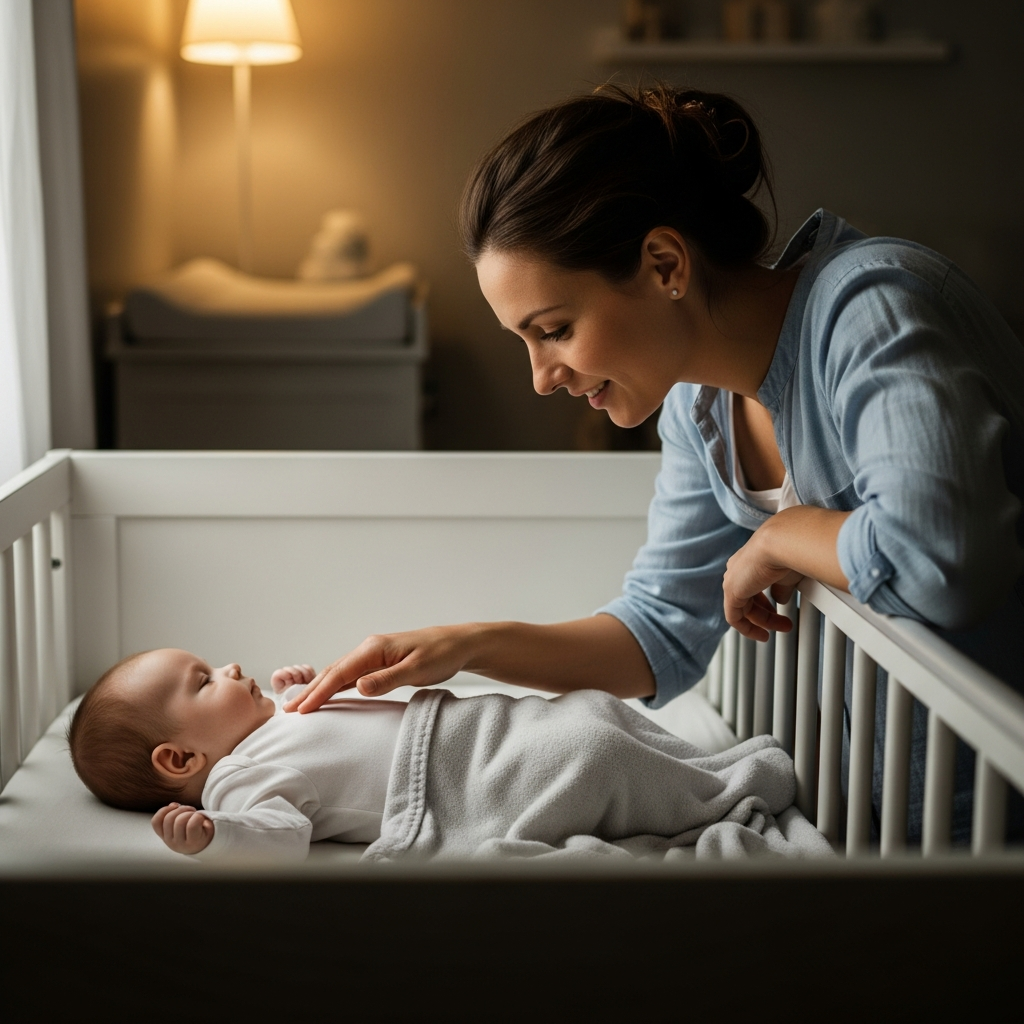
You tiptoe into the nursery for the third time tonight, gently placing your hand on your baby's chest to make sure they are not too hot or too cold. Sound familiar? You are not alone. Approximately 3,500 infants die annually in the United States from sleep-related deaths, according to national health data, making sleepwear choices one of the most important decisions you will make for your little one.
The connection between what your baby wears to bed and their safety might surprise you. Breathable baby sleepers play a crucial role in preventing overheating, which research has identified as a significant risk factor for Sudden Infant Death Syndrome (SIDS). Understanding how to dress your baby for safe sleep is not just about comfort but about creating the safest possible sleep environment.
In this comprehensive guide, you will learn everything about breathable sleepwear for babies, from the science behind infant temperature regulation to practical tips on choosing the right fabrics and TOG ratings. At PatPat, we believe every parent deserves access to evidence-based information that helps keep their little ones safe and comfortable throughout the night.
How Baby Temperature Regulation Affects Safe Sleep
Before diving into fabric choices and product features, it helps to understand why breathable sleepwear matters so much for your baby's safety. The science behind infant thermoregulation reveals why their sleepwear needs are fundamentally different from adults.
Why Babies Cannot Regulate Body Temperature Like Adults
Your newborn came into this world with an immature thermoregulation system that takes time to develop fully. Newborns and especially preterm neonates are born with an immature thermoregulatory mechanism, according to research published by the National Institutes of Health. This limitation means babies rely heavily on their environment and clothing to maintain a safe body temperature.
Several factors make babies particularly vulnerable to temperature fluctuations:
- Higher surface area to body weight ratio: Babies lose and gain heat much faster than adults because their skin surface is proportionally larger compared to their body mass.
- Underdeveloped sweat glands: Your baby's ability to cool down through sweating is limited, making breathable fabric essential for releasing excess heat.
- Immature nervous system: The brain mechanisms that control temperature take months to fully develop.
- Limited ability to communicate: Unlike older children, babies cannot tell you when they feel too warm.
The Critical Link Between Overheating and SIDS Risk
Research has consistently shown that overheating increases the risk of SIDS. Health experts specifically advise parents not to let their baby overheat during sleep as part of safe sleep guidelines. When babies get too warm, their ability to arouse from deep sleep may be compromised, creating a dangerous situation.
Here is a counterintuitive truth many new parents need to hear: the instinct to bundle your baby warmly at night can actually work against their safety. Many well-meaning caregivers overdress infants, especially in cooler months, not realizing that a warm home combined with heavy sleepwear can push baby temperatures into unsafe territory.
The key is maintaining a comfortable room temperature between 68-72 degrees Fahrenheit and choosing breathable sleepwear that allows excess heat to escape naturally.
Best Breathable Fabrics for Baby Sleepwear
Not all fabrics are created equal when it comes to keeping your baby comfortable and safe during sleep. The material you choose directly affects how well heat and moisture can escape from your baby's body. Let us explore your best options.
Bamboo Viscose - The Premium Breathable Choice
Bamboo viscose has earned its reputation as the gold standard for breathable baby sleepwear, and the science backs up the hype. This remarkable fabric naturally regulates temperature, keeping babies approximately 3-4 degrees cooler than cotton in warm conditions while providing warmth when temperatures drop.
What makes bamboo particularly special for baby sleep?
- Superior moisture-wicking: Bamboo pulls sweat away from your baby's skin up to four times faster than cotton, making them dry and comfortable.
- Natural temperature regulation: Micro-gaps in the fiber structure allow for excellent air circulation.
- Hypoallergenic properties: Perfect for babies with sensitive skin or conditions like eczema.
- Silky soft texture: Gentle against delicate newborn skin without causing irritation.
- Antibacterial qualities: Naturally resistant to odor-causing bacteria.
For high-quality bamboo sleepwear options, explore our bamboo baby clothes collection featuring soft, breathable designs perfect for safe sleep.
Organic Cotton - The Classic Breathable Option
Organic cotton remains a trusted choice for baby sleepwear and offers several advantages for safe sleep. This natural fiber allows air to circulate freely while being gentle on sensitive skin.
Benefits of organic cotton sleepwear include:
- Chemical-free processing: Grown without pesticides or synthetic fertilizers that could irritate baby's skin.
- GOTS certification available: Global Organic Textile Standard ensures both organic content and ethical production.
- Versatile for all seasons: Available in various weights suitable for year-round use.
- More affordable: Generally costs less than bamboo while still offering excellent breathability.
- Easy care: Holds up well to frequent washing at higher temperatures.
What Fabrics to Avoid for Baby Sleepwear
Just as important as knowing what to choose is understanding what to avoid. Certain fabrics can trap heat and create unsafe sleeping conditions.
- Polyester and synthetic blends: These materials trap heat against your baby's body and do not allow moisture to escape effectively.
- Heavy fleece: While cozy, fleece can cause rapid overheating, especially in heated homes.
- Fabrics with chemical flame retardants: Look for tight-fitting alternatives that meet safety standards without added chemicals.
- Thick, quilted materials: These provide excessive insulation that most babies do not need.
Understanding TOG Ratings for Baby Sleep Sacks
If you have shopped for baby sleep sacks, you have probably encountered TOG ratings. Understanding this measurement system helps you make the safest choice for your baby's sleepwear based on your specific sleep environment.
What Is a TOG Rating and Why It Matters
TOG stands for Thermal Overall Grade, a standardized measurement of fabric insulation. Originally developed for adult bedding in the textile industry, TOG ratings now help parents choose appropriately warm sleepwear for their babies.
The rating indicates how much heat a fabric retains:
- Lower TOG (0.2-1.0): Minimal insulation, ideal for warm environments or summer months.
- Medium TOG (1.0-2.5): Moderate warmth for typical room temperatures.
- Higher TOG (2.5-3.5): Maximum insulation for cold rooms or winter climates.
The beauty of standardized TOG ratings is that they remove guesswork from dressing your baby for sleep. Instead of wondering if a sleep sack is warm enough, you can match the rating to your room temperature for optimal safety.
TOG Rating Chart by Room Temperature
Use this comprehensive guide to dress your baby appropriately based on your nursery temperature:
| Room Temperature | Recommended TOG | Clothing Under Sleep Sack | Season |
|---|---|---|---|
| 75°F+ (24°C+) | 0.2-0.5 TOG | Diaper only or short-sleeve onesie | Summer/Hot climates |
| 72-75°F (22-24°C) | 0.5-1.0 TOG | Short-sleeve bodysuit | Late spring/Early fall |
| 68-72°F (20-22°C) | 1.0 TOG | Long-sleeve bodysuit | Spring/Fall |
| 64-68°F (18-20°C) | 1.5-2.5 TOG | Long-sleeve pajamas | Cool weather |
| 61-64°F (16-18°C) | 2.5 TOG | Footie pajamas | Winter |
| Below 61°F (16°C) | 3.5 TOG | Layered sleepwear | Cold climates |
Signs Your Baby May Be Overheating While Sleeping
Even with the right sleepwear choices, monitoring your baby for signs of overheating remains essential. Learning to recognize warning signs helps you respond quickly and keep your little one safe.
Physical Warning Signs to Watch For
Your baby cannot tell you when they are too warm, so watch for these physical indicators:
- Sweaty or damp hair, neck, or back: This is often the first sign that your baby is overheating.
- Flushed or red cheeks and skin: Visible color changes indicate elevated body temperature.
- Rapid breathing or increased heart rate: The body works harder to cool down.
- Hot to the touch on chest, back, or tummy: These core areas indicate true body temperature.
- Heat rash: Small red bumps, especially in skin folds, signal overheating.
- Restless sleep or frequent night waking: Discomfort from heat disrupts sleep patterns.
- Unusual lethargy or difficulty waking: This requires immediate attention and potentially medical evaluation.
How to Check Your Baby's Temperature Correctly
Many parents make the mistake of checking their baby's hands or feet to gauge temperature. However, these extremities are unreliable indicators because babies naturally have cooler hands and feet due to immature circulation.
The correct way to check your baby's temperature:
- Place your hand on your baby's chest, tummy, or the back of their neck.
- Feel for warmth that seems excessive, not just normal body heat.
- Check for any dampness from sweating.
- If baby feels hot and sweaty, remove a layer or adjust the room temperature.
- If baby's chest feels comfortable and dry, their temperature is likely appropriate.
The ideal scenario is skin that feels warm but not hot, with no signs of sweating. When in doubt, it is safer for your baby to be slightly cool rather than too warm.
AAP Safe Sleep Guidelines for Baby Sleepwear
The American Academy of Pediatrics provides evidence-based guidelines that every parent should understand. These recommendations form the foundation of safe sleep practices, including sleepwear choices.
The ABCs of Safe Sleep and Sleepwear
The AAP's safe sleep recommendations can be remembered through a simple framework:
- A - Alone: Baby should sleep alone in their own sleep space, not sharing a bed with adults or siblings.
- B - Back: Always place baby on their back to sleep, for every sleep.
- C - Crib: Use a safety-approved crib or bassinet with a firm, flat mattress.
Breathable wearable blankets and sleep sacks support these guidelines perfectly. The Consumer Product Safety Commission emphasizes creating a safe sleep area that includes appropriate sleepwear as an alternative to loose blankets, which pose suffocation risks.
CPSC Sleepwear Safety Standards Explained
The Consumer Product Safety Commission regulates baby sleepwear to protect infants from fire hazards. Understanding these standards helps you choose compliant products.
Key CPSC requirements include:
- Tight-fitting requirement: Sleepwear from size 9 months to size 14 must be either tight-fitting or flame-resistant. Tight-fitting breathable sleepwear is preferred by many parents who want to avoid chemical flame retardants.
- Labeling standards: All children's sleepwear must include appropriate safety labels and care instructions.
- Size specifications: Sleepwear for infants under 9 months is exempt from flame-resistance requirements because these sizes present a lower fire risk.
Browse safety-compliant baby pajamas designed to meet CPSC guidelines while keeping your little one comfortable all night long.
How to Choose Safe and Breathable Baby Sleepwear
Armed with knowledge about fabrics, TOG ratings, and safety guidelines, you are ready to shop for breathable sleepwear. Here is what to look for and what certifications matter most.
Safety Certifications Worth Looking For
Product certifications provide third-party verification that sleepwear meets specific safety and quality standards.
| Certification | What It Tests For | Best For |
|---|---|---|
| OEKO-TEX Standard 100 | Harmful chemicals, dyes, heavy metals | Parents concerned about chemical exposure |
| GOTS Certified | Organic content and ethical production | Eco-conscious families |
| CPSC Compliant | Flame safety standards | All baby sleepwear |
The CDC recommends creating a safe sleep area that includes appropriate, safe sleepwear as part of comprehensive infant protection.
Essential Features in Breathable Baby Sleepers
Beyond fabric and certifications, practical design features make sleepwear safer and more convenient for nighttime diaper changes.
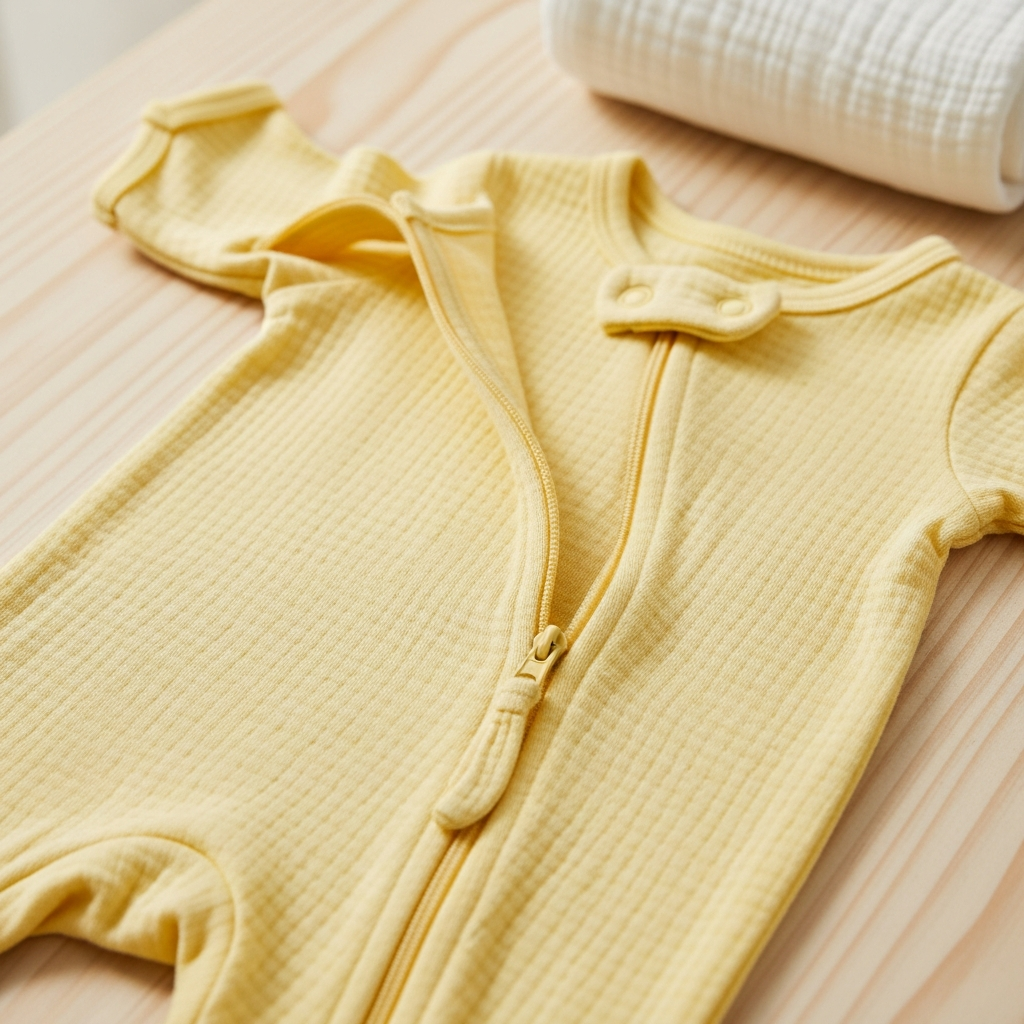
- Two-way zippers: Allow quick access for diaper changes without fully undressing your baby.
- Shoulder snaps or envelope necklines: Make dressing and undressing easier and safer.
- Tagless designs: Prevent skin irritation that could disrupt sleep.
- Reinforced seams: Ensure durability through frequent washing.
- Appropriate fit: Not so loose that fabric bunches around the face, not so tight that it restricts movement.
- Covered or fold-over mittens: Prevent scratching for newborns without adding bulk.
Discover our complete baby clothes collection featuring comfortable, breathable sleepers with thoughtful design details parents love.
Dressing Baby for Sleep by Season and Climate
Your approach to baby sleepwear should adapt throughout the year. What works perfectly in July may leave your baby too cold in December, and vice versa.
Summer and Warm Weather Sleep Solutions
Warm weather presents unique challenges for safe sleep. Air conditioning can make room temperatures variable, and hot nights can quickly lead to overheating.
Summer sleepwear strategies include:
- Choose lightweight 0.5 TOG or lower sleep sacks: These provide coverage without excessive warmth.
- Consider diaper-only sleep: When room temperatures exceed 75°F, a diaper alone may be appropriate under a light muslin sleep sack.
- Use a room thermometer: Air conditioning can create temperature variations throughout the night.
- Opt for bamboo: Its natural cooling properties make it ideal for hot weather.
- Keep a light layer available: Temperatures can drop significantly in air-conditioned rooms overnight.
Winter Sleep Without Overheating
The winter overheating trap catches many well-intentioned parents. Modern heated homes can actually make overdressing more dangerous in cold months than in summer.
Winter sleepwear guidelines:
- Check your nursery temperature: Most heated homes maintain 68-72°F, requiring only moderate TOG ratings.
- Avoid the bundle instinct: Adding extra blankets or multiple layers is not safer and increases overheating risk.
- Layer strategically: Start with a breathable base layer and add a sleep sack rather than heavy pajamas.
- Adjust for your heating system: Forced air can create temperature fluctuations; radiant heat tends to be more consistent.
- Remember that babies generate heat: Their metabolic activity produces warmth, so they need less insulation than you might expect.
Frequently Asked Questions About Breathable Baby Sleepers
Are breathable baby sleepers safer for sleep?
Yes, breathable baby sleepers are safer because they help prevent overheating, which is a known risk factor for SIDS. Breathable fabrics like bamboo and organic cotton allow heat and moisture to escape from your baby's body, maintaining a safe sleep temperature. The AAP recommends breathable wearable blankets as a safer alternative to loose bedding.
What is the safest fabric for baby sleepwear?
The safest fabrics for baby sleepwear are natural, breathable materials like organic cotton, bamboo viscose, and muslin. These fabrics are naturally temperature-regulating, hypoallergenic, and free from harmful chemicals when certified by OEKO-TEX or GOTS standards. Avoid synthetic fabrics like polyester that can trap heat.
Can a baby overheat in a sleep sack?
Yes, babies can overheat in a sleep sack if the TOG rating is too high for the room temperature or if they are overdressed underneath. Always match the TOG rating to your room temperature and dress baby in appropriate layers. Check your baby's chest or back regularly to ensure they are not too warm.
What TOG rating should I use for my baby's sleep sack?
The appropriate TOG rating depends on room temperature. For rooms at 75°F or above, use 0.2-0.5 TOG. For comfortable room temperatures around 68-72°F, use 1.0 TOG. For cooler rooms below 68°F, use 2.5 TOG or higher. Always feel your baby's chest to confirm they are comfortable.
Is bamboo or cotton better for baby sleepwear?
Both bamboo and cotton are excellent breathable choices. Bamboo is naturally 3-4 degrees cooler than cotton and has superior moisture-wicking properties, making it ideal for babies who run warm or for summer use. Organic cotton is more affordable and equally safe when properly certified. Choose based on your climate and budget.
What are signs my baby is too hot while sleeping?
Signs your baby is too hot include sweaty hair or neck, flushed red cheeks, rapid breathing, feeling hot on the chest or back, heat rash, and restless sleep. Check your baby's chest rather than hands or feet, as extremities are not reliable indicators of core temperature.
When can babies start wearing sleep sacks?
Babies can start wearing sleep sacks from birth, though many parents begin after transitioning from swaddling around 2-4 months when baby shows signs of rolling. Some sleep sacks are designed specifically for newborns with swaddle-transition features. Always choose age-appropriate sizing for safety.
How many sleep sacks do I need for my baby?
Most parents find 2-3 sleep sacks sufficient for regular use and laundry rotation. Consider having different TOG ratings for seasonal changes, one lightweight option for warmer months and one warmer option for cooler temperatures. Having a backup is helpful for nighttime accidents or laundry days.
Creating a Complete Safe Sleep Environment
Choosing breathable baby sleepers is just one piece of the safe sleep puzzle, but it is an important one. When you combine appropriate sleepwear with other evidence-based practices, you create the safest possible environment for your little one to rest.
Key takeaways to remember:
- Breathable sleepwear prevents overheating: This directly supports safe sleep by reducing a known SIDS risk factor.
- Natural fabrics are your best choice: Bamboo and organic cotton offer superior breathability and safety.
- TOG ratings remove the guesswork: Match the rating to your room temperature for optimal comfort.
- Know the warning signs: Learning to recognize overheating helps you respond quickly.
- Follow AAP guidelines: Alone, on their back, in a crib with breathable sleepwear creates the complete safe sleep picture.
The peace of mind that comes from knowing your baby is dressed safely for sleep is priceless. By choosing breathable sleepwear, monitoring room temperature, and recognizing signs of overheating, you are taking meaningful steps to protect your precious little one every single night.
Ready to prioritize your baby's safe sleep? At PatPat, we offer a wide selection of breathable, comfortable sleepwear designed with safety in mind. Explore our baby clothes collection, bamboo baby clothes, and baby pajamas to find the perfect breathable sleepers for your little one.





