


You are staring at your baby registry, completely torn between "Newborn" and "0-3 Months" sleepers. Everyone has an opinion. Your mom insists you buy newborn size. Your best friend says skip it entirely. And you just want a straight answer about newborn sleeper sizes that actually makes sense.
Here is the truth: the first month is the trickiest time for baby sleeper sizing because babies grow at an astonishing rate. According to Nemours KidsHealth, newborns typically gain about 2 pounds in their first month alone. That rapid growth makes size predictions feel nearly impossible.
But do not worry. At PatPat, we have helped thousands of parents navigate this exact decision. By the end of this guide, you will know precisely what size pajamas to buy for your newborn, how many sleepers you actually need, and exactly when to transition between sizes. We are breaking down first month baby clothes sizes with practical, weight-based recommendations you can trust.
Understanding Newborn Sleeper Sizes by Weight (Not Age)
Here is something most parents discover too late: the age labels on baby clothes are wildly misleading. A "Newborn" label does not mean every newborn will fit. Instead, weight is your most reliable indicator for first-month sizing.
Consider this: babies are born at vastly different sizes. Some arrive at 5 pounds, others at 10 pounds or more. Expecting a single "Newborn" label to fit both is simply unrealistic. That is why understanding the baby sleeper size chart by weight changes everything.
The First-Month Baby Sleeper Size Chart
| Baby's Weight | Recommended Size | Typical Duration |
|---|---|---|
| Under 5 lbs | Preemie | Until 5-6 lbs |
| 5-8 lbs | Newborn (NB) | 1-4 weeks |
| 8-12 lbs | 0-3 Months | 1-3 months |
| 12-17 lbs | 3-6 Months | 3-6 months |
Quick reality check: most average-weight babies (7-8 lbs at birth) only wear newborn size sleepers for about 2-3 weeks. Height matters too, especially for longer babies who may outgrow length before weight.
Newborn vs 0-3 Months: Which Size Should You Buy?
This is the most common sizing dilemma, so let us settle it directly. Newborn size is designed for babies weighing 5-8 pounds and offers a snug, cozy fit. The 0-3 months size fits babies 8-12 pounds and provides roomier wear with more longevity.
Here is your decision framework based on expected birth weight:
- Expecting under 7 lbs: Stock up on newborn size sleepers
- Expecting 7-8 lbs: Have both sizes ready in equal amounts
- Expecting over 8 lbs: Lean heavily toward 0-3 months
Real-world insight that saves parents money: many babies born at 8 pounds or more never wear newborn size at all. If ultrasound estimates suggest a bigger baby, you might skip newborn size entirely except for one or two backup pieces.
How Many Sleepers Does a Newborn Actually Need?
Beyond sizing, the second biggest question parents ask is quantity. How many sleepers does a newborn need? The answer depends on three factors: your laundry frequency, your baby's spit-up tendencies, and those inevitable diaper blowouts.
The Newborn Sleeper Quantity Guide
For Newborn Size (if baby is under 8 lbs at birth):
- Minimum: 4 sleepers
- Comfortable: 6 sleepers
- Generous: 8 sleepers
For 0-3 Months Size (all babies will eventually need this):
- Minimum: 5 sleepers
- Comfortable: 7 sleepers
- Generous: 9-10 sleepers
Why do you need more than you might expect? Newborns can have 1-3 diaper blowouts daily during those early weeks. Add spit-up incidents and those 3 AM changes when laundry simply is not happening, and you will understand why having extras matters.
The 30/70 Split Strategy for Pre-Birth Shopping
If you do not know your baby's birth weight yet, use the 30/70 rule:
- 30% of sleepers in newborn size (approximately 4-5 pieces)
- 70% in 0-3 months size (approximately 8-10 pieces)
Keep some sleepers with tags on for potential returns or exchanges. This strategy works for most families because it hedges your bets while preparing for rapid growth. When building your sleeper collection, prioritize soft, breathable fabrics that are gentle on newborn skin. Many parents find that quality baby pajamas with two-way zippers make those frequent middle-of-night changes much easier.
Week-by-Week Sizing Through Baby's First Month
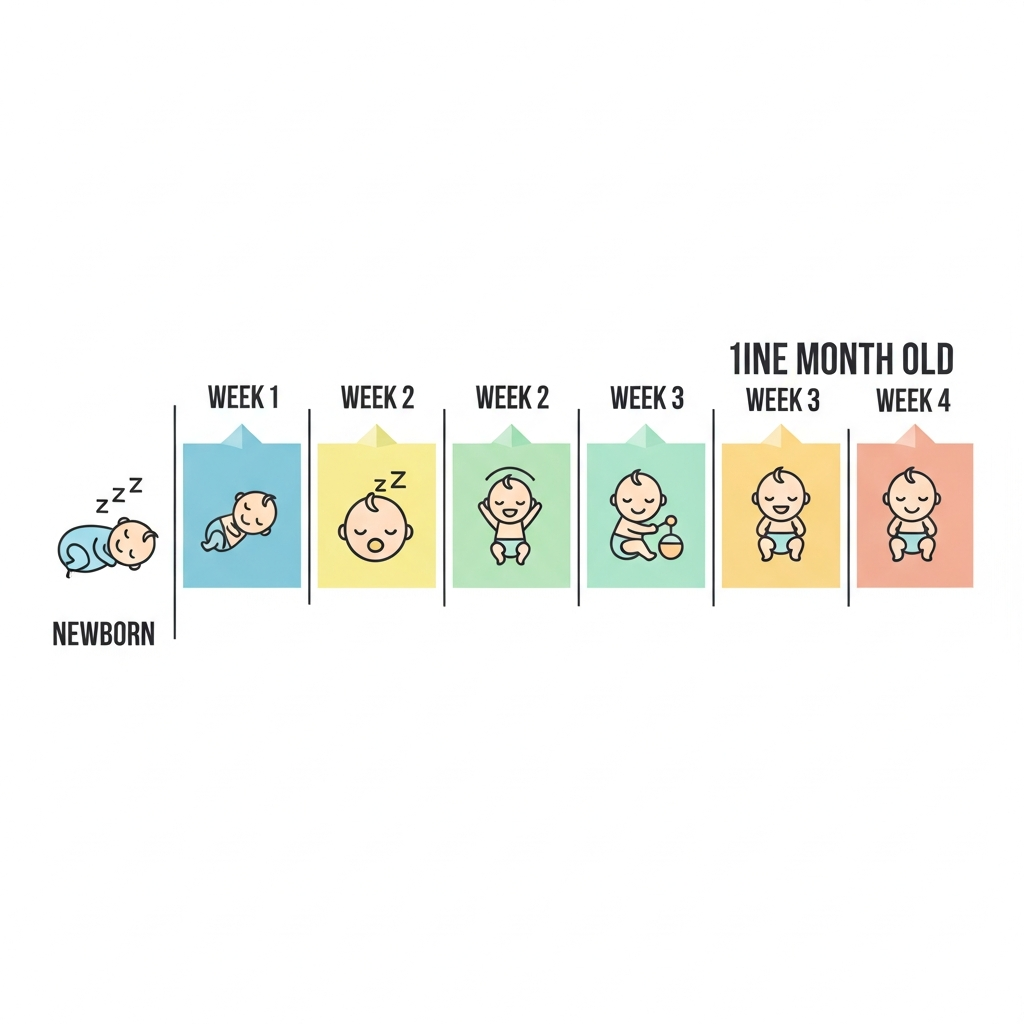
The first month is the most dynamic period for growth, and understanding the typical timeline helps with planning. Every baby is different, but predictable patterns exist.
Week 1-2: The Hospital and Homecoming Phase
Most babies lose 5-10% of their birth weight in the first few days. According to Stanford Medicine, a 7-10% weight loss is considered normal for breastfed newborns in the first week.
For your hospital bag, bring 2-3 sleepers in both newborn AND 0-3 month sizes. Newborn size usually fits best during this phase if your baby weighs under 8 pounds. Focus on easy-access sleepers that allow for frequent diaper checks during those first days.
Week 2-3: The Feeding Frenzy and Weight Regain
Babies typically regain their birth weight by days 10-14. Growth spurts begin, and feeding frequency increases dramatically. According to Nemours KidsHealth, most newborns gain weight at approximately 1 ounce (30 grams) per day during their first month.
Watch for signs that sleepers are getting tight:
- Snaps become difficult to close
- Baby's legs pull up to fit inside
- Red marks appear on skin after wearing
This is when many babies begin transitioning out of newborn size.
Week 3-4: The Growth Spurt Transition
A major growth spurt often occurs around week three. With average weekly weight gain of 5-7 ounces, many babies move into 0-3 month size by the end of month one. However, smaller babies may continue wearing newborn size through week six. Watch your baby's cues rather than following a strict calendar.

Choosing the Right Sleeper Type for Newborns
Not all sleeper styles are created equal for newborn needs. Your first-month priorities should be easy diaper access, safe fit, and maximum comfort.
Best Sleeper Styles for the First Month
Zip-up sleepers (highly recommended): Two-way zippers are ideal for diaper changes because they are significantly faster than snaps at 2 AM. When sizing, the zipper should glide smoothly without pulling tight across the fabric.
Sleep gowns (excellent for newborns): The open bottom provides instant diaper access. Sleep gowns are also more forgiving on sizing since there are no feet to outgrow. They work best for the first 2-3 weeks.
Snap-front sleepers: These are a classic option but more time-consuming. Save them for daytime when you are less sleep-deprived. When checking fit, snaps should close easily without gaps.
Footie vs. Footless Sleepers for Newborns
Footed sleepers keep baby warm without requiring socks, but you should size up if toes touch the end. Footless sleepers offer more forgiving length and can be paired with socks when needed. For tall babies, footless options provide extended wear time.
For babies with sensitive skin or those prone to overheating, bamboo baby clothes offer exceptional breathability and a silky-soft feel that many parents prefer for nighttime comfort.
Safety and Fit Guidelines for Newborn Sleepwear
Proper sleeper fit is not just about comfort. It is fundamentally about safety. Understanding fit guidelines and TOG ratings gives you peace of mind during those first precious weeks.
How Snug Should Newborn Sleepers Be?
According to CPSC guidelines, children's sleepwear must be either flame-resistant or snug-fitting. "Snug" means close to the body but not restrictive.
Use the two-finger test: you should be able to fit two fingers comfortably under the neckline and armholes. Too loose is actually a hazard because excess fabric can ride up over baby's face. Too tight shows clear signs: red marks on skin, difficulty zipping, and restricted movement.
Safety Alert
Tight-fitting sleepwear garments must bear a label stating "WEAR SNUG-FITTING, NOT FLAME RESISTANT." This is because snug-fitting clothing has less surface area in contact with oxygen, making it less likely to catch fire if exposed to a flame.
Understanding TOG Ratings for Safe Sleep
TOG measures thermal resistance, essentially indicating how warm a garment will keep your baby. According to Newton Baby, TOG ratings for baby clothing typically range from 0.2 to 3.5, with higher numbers indicating warmer garments.
| Room Temperature | Recommended TOG | What to Dress Baby In |
|---|---|---|
| 75-81°F (24-27°C) | 0.5 TOG | Lightweight cotton sleeper only |
| 68-75°F (20-24°C) | 1.0 TOG | Onesie + light sleep sack |
| 61-68°F (16-20°C) | 2.5 TOG | Long-sleeve onesie + warmer sleep sack |
Important sizing note: thicker sleepers with higher TOG ratings may require sizing up for comfortable fit. To check if baby is too warm, feel their chest rather than hands or feet, which are often cooler.
Common First-Month Sizing Mistakes to Avoid
First-time parents often make predictable sizing mistakes. Learning what NOT to do is just as valuable as knowing what to do.
The Most Common Newborn Sizing Mistakes
Mistake 1: Buying only newborn size. The reality is that many babies outgrow newborn in just 1-2 weeks. Always have 0-3 month options ready from day one.
Mistake 2: Washing and removing all tags before birth. The problem? You cannot return items if they are the wrong size. The solution: wash only 3-4 pieces of each size initially and keep the rest with tags intact.
Mistake 3: Ignoring expected birth weight. Parents expecting 9+ pound babies often do not need newborn size at all. Check your ultrasound estimates and add a 10-15% margin for accuracy.
Mistake 4: Assuming all brands size the same. Brand sizing varies significantly. Always check specific brand size charts rather than assuming consistency.
Signs You Bought the Wrong Size (And What to Do)
- Sleeper will not zip closed: Too small. Size up immediately.
- Swimming in fabric, neck slipping off shoulder: Too big. Wait or exchange.
- Legs bunched up, toes compressed: Too small for footed sleepers.
Good news: most stores accept returns and exchanges within 30-90 days. Do not hesitate to swap sizes when needed.
Seasonal Considerations for First-Month Sleepwear
The season your baby arrives significantly influences which sleepers you need. Your layering strategy directly affects sizing decisions.
Summer and Spring Newborn Sleeper Guide
Lightweight, breathable fabrics become your priority in warm months. You may not need fleece or heavy cotton at all. Single-layer bamboo or cotton sleepers work beautifully for warm-weather babies.
Use 0.5-1.0 TOG sleep sacks for summer months. Sizing tip: lighter fabrics typically fit true to size without needing adjustments. One warning: air conditioning can make indoor temperatures surprisingly cool, so have a warmer option available.
Fall and Winter Newborn Sleeper Guide
Warmer fabrics like fleece, double-layer cotton, and thermal materials become essential. Consider your layering strategy: if using a onesie under the sleeper, you may need to size up for comfort.
Use 2.0-2.5 TOG sleep sacks for cold months. However, avoid overdressing. According to the American Academy of Pediatrics, overheating is associated with increased SIDS risk. The ideal room temperature for baby sleep is 68-72°F.
Your First-Month Sleeper Shopping Checklist
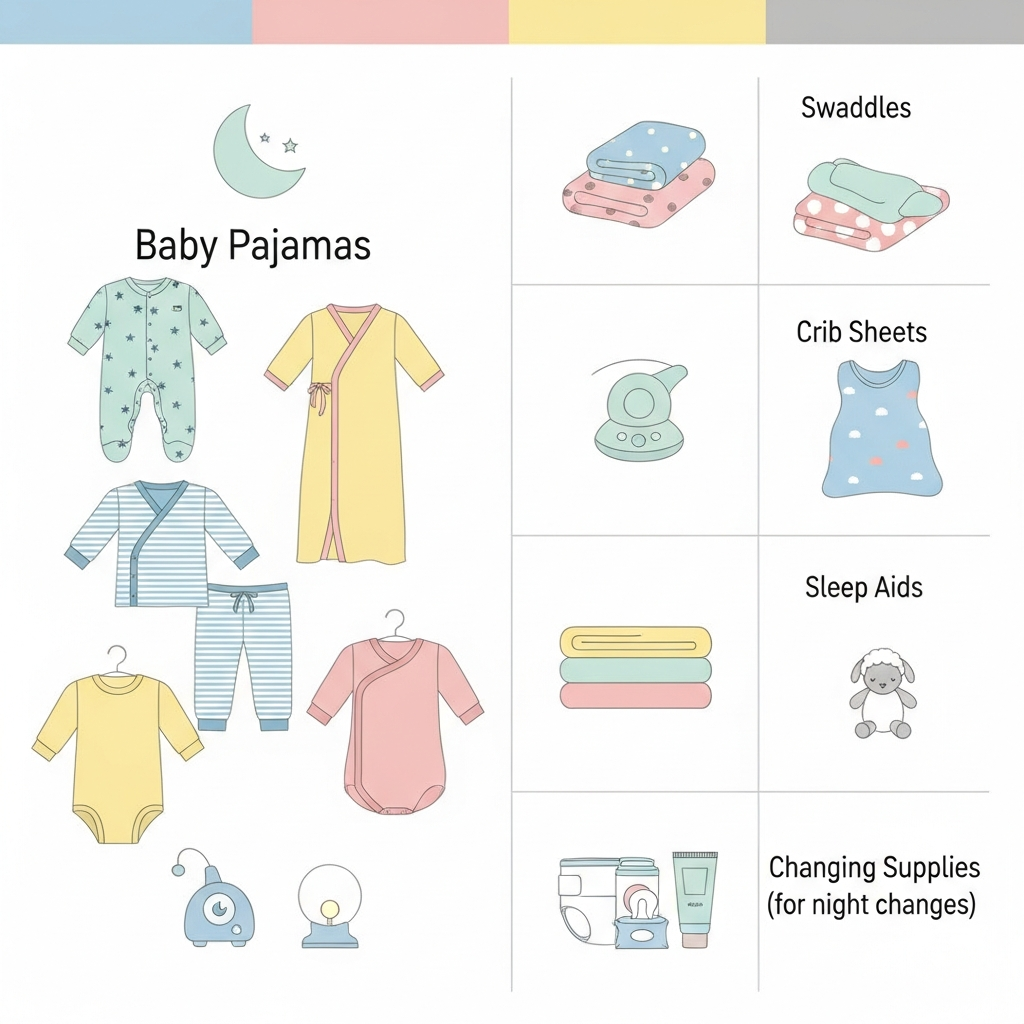
Let us consolidate everything into actionable checklists based on your expected baby size. Print these out or save them for your shopping trips.
For Babies Expected Under 7 lbs:
- 6-8 newborn size sleepers
- 5-6 0-3 month sleepers (for later in month one)
- 2-3 sleep gowns in newborn size
For Babies Expected 7-8 lbs (Average):
- 4-5 newborn size sleepers
- 6-8 0-3 month sleepers
- 1-2 sleep gowns in newborn size
For Babies Expected Over 8 lbs:
- 2-3 newborn size sleepers (or skip entirely)
- 8-10 0-3 month sleepers
- Consider going straight to 0-3M sleep sacks
Building your baby's first wardrobe is an exciting milestone. Explore quality baby clothes that combine soft fabrics with practical designs, making those first weeks a little easier on tired parents.
Frequently Asked Questions About Newborn Sleeper Sizes
What size sleeper should I bring to the hospital?
Bring 2-3 sleepers in both Newborn and 0-3 month sizes. Most average-weight babies (7-8 lbs) fit newborn size, but larger babies often need 0-3 months from day one. Having both sizes ensures you are prepared regardless of your baby's actual birth weight.
How long do babies actually wear newborn size?
Most babies wear newborn size for 2-4 weeks, though this varies significantly. Smaller babies (under 7 lbs) may wear newborn size for 4-6 weeks. Larger babies (8+ lbs) often skip newborn size entirely. Watch your baby's weight gain and transition to 0-3 months when they approach 8 pounds.
Should I buy newborn or 0-3 months before baby arrives?
Buy both sizes using the 30/70 rule: 30% newborn size and 70% 0-3 months. Keep tags on several items for easy returns. If your ultrasound suggests a larger baby (8+ lbs), shift to 20/80 or skip newborn entirely except for a few backup pieces.
What size sleeper for an 8-pound baby?
An 8-pound baby is right at the transition point between sizes. They may fit snugly in newborn size briefly, but 0-3 month sleepers will be more comfortable and last longer. Start with 0-3 months and keep 1-2 newborn size options available if baby loses typical post-birth weight.
Do I really need sleep gowns or just sleepers?
Sleep gowns are optional but highly recommended for the first 2-3 weeks. The open bottom makes frequent diaper changes faster and easier, especially during nighttime. Many parents use gowns for weeks 1-2, then transition to footed sleepers as baby grows.
How do I know when my newborn has outgrown their sleeper?
Signs it is time to size up include: snaps or zippers that will not close easily, red marks on skin after wearing, toes touching the end of footed sleepers, legs that cannot straighten fully, and sleeves riding up past wrists. When you notice these signs, move to the next size immediately for safety and comfort.
Are baby sleeper sizes the same across all brands?
No, sizing varies considerably between brands. Some brands run small while others run large. Always check the specific brand's size chart and prioritize weight and height measurements over age labels. When trying a new brand, order one sleeper first to test the fit before buying more.
What is the safest sleeper fit for a newborn?
The safest fit is snug but not tight. You should be able to fit two fingers under the neckline and armholes. Sleepers should not have excess fabric that could cover baby's face, but they also should not leave red marks or restrict movement. When in doubt, size up rather than down.
Conclusion: Confidence in Your Newborn Sleeper Decisions
Navigating newborn sleeper sizes does not have to be overwhelming. Remember these key takeaways: use weight rather than age as your primary sizing guide, apply the 30/70 rule when shopping before birth, keep tags on some items until you know baby's actual size, and be prepared to transition sizes quickly during that dynamic first month. When in doubt, always size up for safety and comfort.
You now have the knowledge to make confident decisions about your baby's first wardrobe. And here is some reassurance: babies are remarkably resilient. A slightly imperfect size choice will not cause harm. What matters most is that your little one is comfortable, safe, and loved.
Ready to build your baby's sleeper collection? Start with quality pieces from PatPat that prioritize comfort, and remember this first month goes faster than you can imagine. Before you know it, you will be an expert at eyeballing exactly which size your growing baby needs next.





