


It's 2 PM on a sweltering summer afternoon, and your baby won't stop fussing. You check their diaper—dry. They just ate. But when you feel the back of their neck, it's damp with sweat, and their cheeks are flushed pink. Sound familiar? If you've ever struggled to keep your little one comfortable when temperatures climb, you're not alone. Choosing the right breathable baby clothes can feel overwhelming, but it doesn't have to be.
The fabric touching your baby's delicate skin matters more than you might think. Beyond comfort, the wrong clothing choices can lead to overheating, heat rash, and restless nights for everyone. But here's the good news: once you understand which fabrics work best for summer, dressing your baby becomes simple.
In this guide, you'll discover exactly which fabrics keep babies coolest, how to compare options like bamboo, cotton, and muslin, and practical tips for everything from sleepwear to beach outings. Whether you're preparing for your first summer with a newborn or looking to upgrade your toddler's wardrobe, PatPat has put together everything you need to make confident choices. Let's help your baby stay cool, comfortable, and happy all season long.
Why Breathable Fabrics Are Essential for Baby Summer Clothes
Understanding why fabric choice matters starts with understanding your baby's unique biology. Unlike adults, babies haven't fully developed their ability to regulate body temperature. This makes them particularly vulnerable to overheating—and the clothes they wear play a crucial role in keeping them safe.
How Baby Skin Differs from Adult Skin
Your baby's skin isn't just smaller—it's fundamentally different from yours. Research published in the National Institutes of Health shows that infant skin is approximately 20-30% thinner than adult skin, which means it absorbs substances more readily and loses moisture faster. This heightened sensitivity makes fabric selection especially important.
Because baby skin is more permeable, any chemicals in fabric—from dyes to finishing agents—can be absorbed more easily. And with less developed sweat glands, babies struggle to cool themselves efficiently when heat builds up against their skin.
The Hidden Dangers of Non-Breathable Baby Clothes
When babies overheat, the consequences extend beyond simple discomfort. The American Academy of Pediatrics has identified overheating as a factor linked to increased SIDS risk. While the mechanisms aren't fully understood, pediatricians consistently recommend keeping babies comfortable—not hot—especially during sleep.
Non-breathable fabrics trap heat against baby's body, creating a warm, moist environment where heat rash thrives. Synthetic materials like polyester and nylon don't allow air to circulate, essentially wrapping your baby in a warm cocoon when what they need is airflow. The best fabric for baby clothes allows moisture to escape while letting cool air in—a balance that natural fibers achieve far better than synthetics.
Top 5 Best Breathable Fabrics for Baby Summer Clothes Ranked
Not all natural fibers are created equal when it comes to keeping your baby cool. Here's a detailed breakdown of the best options for summer, ranked by overall breathability and comfort.
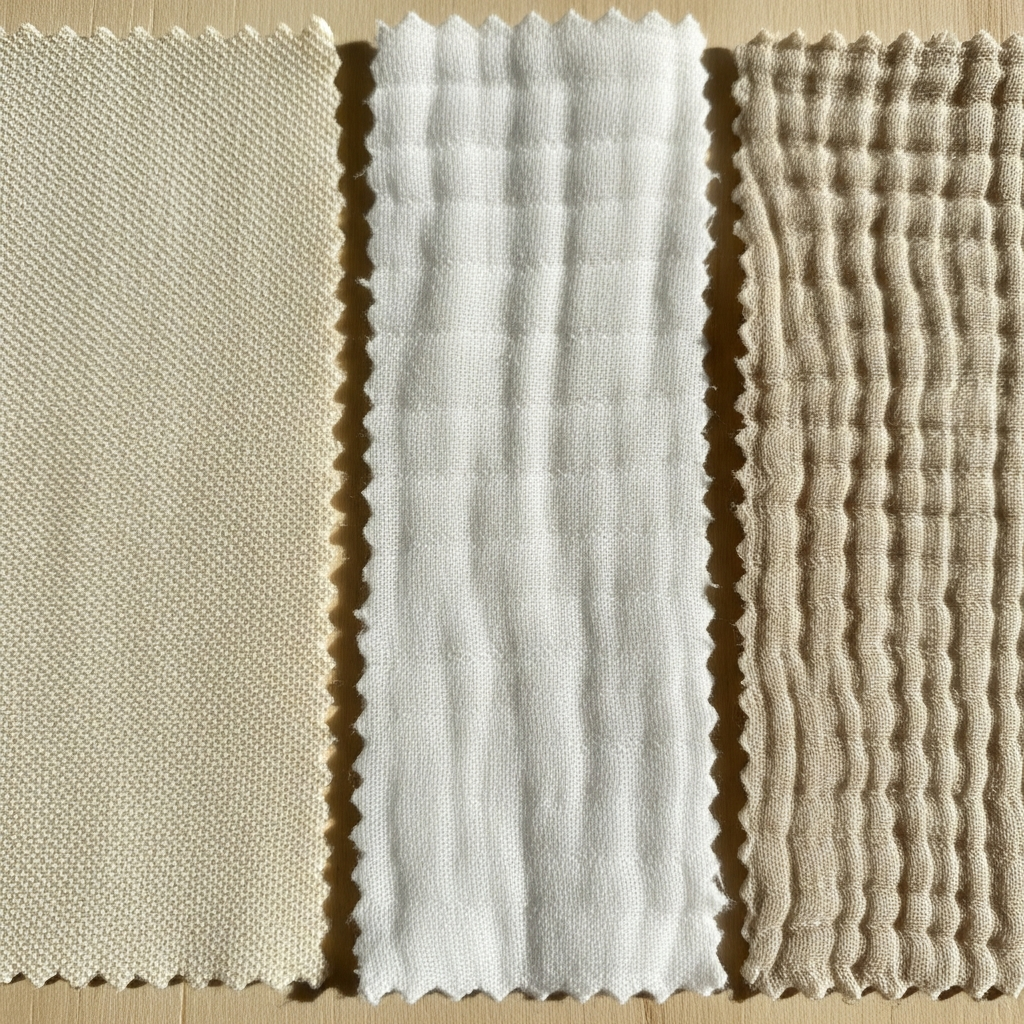
Bamboo Fabric - The Superior Choice for Summer Babies
Bamboo has earned its reputation as a summer superstar for good reason. This remarkable fabric offers approximately 20% better breathability than cotton, thanks to its unique micro-structure that creates natural ventilation channels. But breathability is just the beginning.
What makes bamboo exceptional for babies:
- Temperature regulation: Bamboo fabric naturally stays 2-3 degrees cooler against skin than cotton
- Moisture-wicking: Pulls sweat away from skin rather than absorbing and holding it
- Hypoallergenic properties: Naturally resistant to dust mites and bacteria
- UV protection: Offers natural UPF 50+ sun protection without chemical treatments
- Silky softness: Gentler on sensitive skin than most other fabrics
Bamboo is ideal for babies with sensitive skin, eczema, or those who tend to sleep hot. For high-quality options designed specifically for summer comfort, you can explore bamboo baby clothes collections that prioritize both breathability and durability.
Organic Cotton - The Classic Breathable Option
Organic cotton remains a trusted choice for parents who want proven performance. Unlike conventional cotton, organic varieties are grown without synthetic pesticides or fertilizers, meaning no chemical residues against your baby's skin.
Look for GOTS (Global Organic Textile Standard) certification, which ensures the fabric meets strict environmental and social criteria throughout production. Organic cotton is soft, durable, and widely available—making it perfect for everyday wear and budget-conscious families.
Muslin - Lightweight and Airy for Extreme Heat
Muslin's open weave structure makes it exceptionally breathable—air flows right through the fabric. Originally used for swaddling, muslin has expanded into everyday baby clothing and remains one of the coolest options for very hot climates.
An added bonus: muslin gets softer with every wash. Those slightly stiff new pieces will become buttery-soft favorites after a few laundry cycles. Best for layering over other garments or as standalone pieces during heat waves.
Linen - The Underrated Natural Fiber
Linen absorbs up to 20% of its weight in moisture before feeling damp, making it remarkably effective at keeping babies dry. It's also naturally antimicrobial and gets softer with age. While linen wrinkles easily (a tradeoff for its breathability), many parents appreciate its natural, relaxed aesthetic for special occasions.
Modal and TENCEL - Eco-Friendly Alternatives
These cellulose-based fabrics are made from sustainably sourced wood pulp and offer silky-soft texture with excellent breathability. Modal and TENCEL are particularly good choices for eczema-prone skin and environmentally conscious families who want premium comfort without compromising on sustainability.
Bamboo vs Cotton vs Muslin - Which Fabric Keeps Babies Coolest?
With so many options, how do you choose? This head-to-head comparison breaks down the key differences to help you make the right decision for your family.
| Feature | Bamboo | Organic Cotton | Muslin |
|---|---|---|---|
| Breathability | Excellent (20% better than cotton) | Good | Excellent |
| Moisture Wicking | Superior | Moderate | Good |
| Temperature Regulation | Stays 2-3 degrees cooler | Neutral | Cooling effect |
| Softness | Silky soft | Soft | Soft (improves with washing) |
| Durability | High | Very High | Moderate |
| Hypoallergenic | Yes | Yes (organic) | Yes |
| UV Protection | Natural UPF 50+ | Minimal | Minimal |
| Best Season Use | All-season, excellent summer | All-season | Hot weather only |
When to Choose Bamboo Over Cotton
Consider bamboo baby clothes when your little one has sensitive or eczema-prone skin, tends to sweat heavily at night, or when you live in a humid climate where moisture management is essential. Bamboo also makes sense for parents prioritizing eco-friendly options, since bamboo grows rapidly without pesticides.
When Cotton Is the Better Choice
Organic cotton shines when budget is a primary concern or when you need maximum durability for active toddlers who are tough on clothes. Cotton's widespread availability also means more style options and easier replacement. For everyday play clothes that will see heavy use, cotton delivers excellent value.
The Best Use Cases for Muslin Baby Clothes
Choose muslin for extreme heat situations—think 90-degree days, beach vacations, or outdoor summer events. Muslin works beautifully as a layering piece over onesies or as a lightweight cover-up. Just note that its delicate weave means it's better suited for lounging than active play.
How to Dress Your Baby for Summer Sleep Without Overheating
Nighttime brings unique challenges during summer months. You want your baby warm enough to sleep soundly but not so warm they wake up sweaty and uncomfortable. The key is matching clothing to room temperature.
Summer Sleepwear Guide by Room Temperature
Room temperature should guide your sleepwear decisions. Here's what pediatric sleep guidelines recommend:
- 68-72 degrees F: Short-sleeve bodysuit plus light sleep sack (0.5-1.0 TOG)
- 72-75 degrees F: Short-sleeve bodysuit only or light pajamas
- 75-78 degrees F: Sleeveless bodysuit or single onesie
- Above 78 degrees F: Diaper only with light blanket nearby (for 12+ months)
Signs Your Baby Is Too Hot at Night
Learning to recognize overheating signs helps you adjust quickly:
- Sweaty neck, back, or chest
- Flushed cheeks or red ears
- Damp hair, especially around the hairline
- Rapid breathing or restlessness
- Hot to touch on tummy (note: cool hands and feet are normal)
Best Fabric Choices for Summer Sleep
For nighttime, moisture-wicking fabrics earn their keep. Bamboo pajamas excel at temperature regulation, keeping babies comfortable whether the room warms up or cools down overnight. Avoid fleece and heavy cotton—even if nights feel cool, babies generate significant body heat while sleeping.
TOG Rating Quick Reference
| Room Temperature | Recommended TOG | What to Wear |
|---|---|---|
| Below 65 degrees F | 2.5 TOG | Long-sleeve + sleep sack |
| 65-68 degrees F | 1.0-2.5 TOG | Short-sleeve + sleep sack |
| 68-72 degrees F | 0.5-1.0 TOG | Bodysuit + light sleep sack |
| 72-77 degrees F | 0.5 TOG or less | Bodysuit only |
| Above 77 degrees F | None | Diaper or onesie only |
Browse lightweight baby summer sleepwear designed for warm-weather comfort.
Preventing Heat Rash and Skin Irritation with the Right Summer Fabrics
Heat rash—those tiny red bumps that appear when sweat glands become blocked—is one of summer's most common baby skin concerns. The good news? Fabric choice plays a significant role in prevention.
Understanding Baby Heat Rash and Fabric Connection
Heat rash develops when sweat can't evaporate properly, usually because clothing traps moisture against skin. According to the Mayo Clinic, heat rash develops when blocked pores trap perspiration under the skin. Tight, non-breathable fabrics accelerate this process by preventing airflow and holding moisture close to the body.
Best Fabrics for Babies with Sensitive Skin or Eczema
If your baby has sensitive skin or eczema, fabric selection becomes even more critical:
- Bamboo: Naturally hypoallergenic with antibacterial properties that help prevent irritation
- Certified organic cotton: Free from chemical irritants that can trigger flare-ups
- Avoid: Polyester, nylon, rough textures, and synthetic dyes
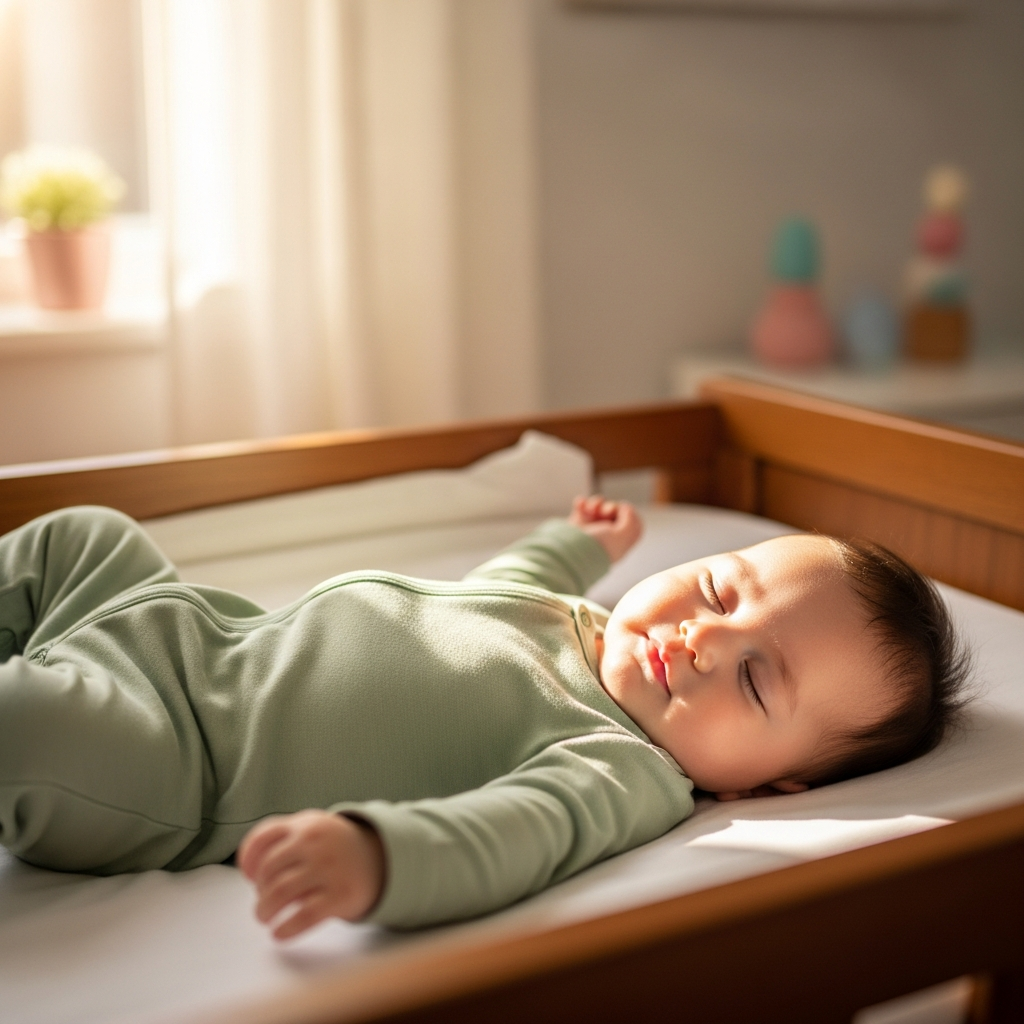
Quick Cooling Tips When Baby Overheats
If you notice overheating signs, act quickly:
- Remove layers immediately
- Move to a cooler environment
- Apply a cool (not cold) compress to neck or forehead
- Offer extra fluids (breast milk, formula, or water for babies 6+ months)
- Dress in a single layer of breathable fabric once cooled
Fabric Selection Checklist for Sensitive Skin
- Check for OEKO-TEX or GOTS certification
- Choose bamboo or organic cotton
- Avoid synthetic fabrics and blends
- Look for tagless designs
- Select loose-fitting styles
- Wash new clothes before first wear
- Use fragrance-free, gentle detergent
Best Breathable Baby Clothes for Beach, Travel, and Outdoor Adventures
Summer means adventures—and each activity calls for slightly different clothing strategies. Here's how to dress your baby for whatever fun you have planned.
Beach Day Essentials: Sun-Safe and Breathable Picks
The beach combines intense sun, sand, and water—a trifecta that demands thoughtful clothing choices. UPF-rated clothing provides crucial sun protection, while quick-dry fabrics mean baby won't stay damp and uncomfortable after splash play.
Beach day must-haves:
- Lightweight rashguard with UPF 50+ protection
- Wide-brim sun hat in breathable material
- Quick-dry cover-up for shade breaks
- Swim diaper and backup clothing
Travel-Friendly Summer Baby Clothes That Pack Light
Vacation packing challenges every parent. The secret? Choose versatile pieces that work for multiple situations:
- Multi-purpose pieces: Rompers that transition from daytime play to casual dinners
- Wrinkle-resistant fabrics: Bamboo and cotton blends that look fresh after unpacking
- Easy-wash options: Quick-dry fabrics you can rinse in the hotel sink
Outdoor Activity Clothing for Active Babies
Crawlers and early walkers need freedom of movement alongside breathability. Lightweight rompers allow unrestricted motion while keeping skin covered and protected. Look for moisture-wicking fabrics that can handle playground adventures without leaving baby soaked in sweat.
Summer Outing Packing List
| Activity | Essential Items | Fabric Recommendations |
|---|---|---|
| Beach Day | UPF rashguard, sun hat, cover-up | Quick-dry bamboo or nylon blend |
| Road Trip | 2-3 onesies, lightweight pajama, layers | Organic cotton, bamboo |
| Park/Playground | Romper, sun hat, extra change | Breathable cotton, moisture-wicking |
| Family BBQ | Cute outfit + backup, light cardigan | Cotton-bamboo blend |
Signs Your Baby Needs More Breathable Summer Clothes
Sometimes the clothes in your baby's closet just aren't cutting it for summer weather. Here's how to recognize when it's time for an upgrade.
Physical Signs Your Baby Is Uncomfortable in Their Clothes
Babies can't tell you their clothes are too hot, but their bodies communicate clearly:
- Excessive sweating, especially on head, neck, and back
- Red, blotchy skin or recurring heat rash
- Unusual fussiness during warm weather that resolves when undressed
- Pulling at clothes or trying to remove them
- Difficulty settling for sleep or frequent wake-ups
Fabric Red Flags to Watch For
Your baby's clothing might be the culprit if you notice:
- Clothes that feel damp after just short periods of wear
- Visible moisture marks on fabric
- Baby smelling sweaty quickly after dressing
- Fabric that doesn't dry fast when baby sweats
- Static cling or uncomfortable texture
When It's Time to Replace Summer Wardrobe Basics
Consider replacing pieces when:
- Growth spurts make clothes fit too tightly (tight clothes trap heat)
- Worn-out fabrics have lost their breathability
- Hand-me-downs don't meet current safety standards
- You discover that "cotton blend" actually means mostly polyester
Quick Self-Assessment for Parents
- Does your baby wake sweaty from naps?
- Do you see heat rash frequently?
- Is your baby fussy when dressed but calm when undressed?
- Are current clothes mostly synthetic or blends?
- Have you checked fabric labels recently?
If you answered yes to two or more questions, consider upgrading to more breathable options.
Smart Shopping Guide: Finding Quality Breathable Baby Clothes on Any Budget
Quality breathable baby clothes don't have to break the bank. With strategic shopping, you can build a summer wardrobe that keeps your baby comfortable without emptying your wallet.
What to Look for on Labels When Shopping
Reading labels carefully saves you from disappointing purchases:
- Fabric composition: Aim for 95%+ natural fibers; beware of "cotton blend" that's mostly synthetic
- Certifications: Look for GOTS (organic), OEKO-TEX (safety tested), or Fair Trade labels
- Care instructions: Quality natural fabrics can handle regular washing; avoid dry-clean-only baby clothes
Budget-Friendly Ways to Build a Breathable Summer Wardrobe
Smart strategies for every budget:
- Quality over quantity: 5-7 excellent onesies outperform 15 cheap ones that trap heat
- Strategic splurging: Invest in sleepwear (used nightly) and save on play clothes
- Shop end-of-season: Buy next summer's sizes during fall clearances
- Consider secondhand: Quality bamboo and organic cotton hold up well through multiple owners
Investment Pieces Worth the Splurge
Some items justify higher spending:
- Bamboo sleepwear: Used every night, quality matters most here
- UPF-rated swim and sun protection: Sun safety isn't the place to cut corners
- Organic cotton base layers: The onesies worn daily against baby's skin
Budget Breakdown - Building a Summer Capsule Wardrobe
| Category | Quantity | Budget | Mid-Range | Premium |
|---|---|---|---|---|
| Onesies/Bodysuits | 5-7 | $3-5 each | $8-12 each | $15-25 each |
| Rompers | 3-4 | $8-12 each | $15-20 each | $25-40 each |
| Sleepwear | 2-3 | $10-15 each | $18-25 each | $30-50 each |
| Sun Protection | 2 | $12-18 each | $20-30 each | $35-50 each |
| Total Budget | 12-16 pieces | $80-150 | $150-280 | $300-500 |
Frequently Asked Questions About Baby Summer Clothes and Fabrics
What is the most breathable fabric for babies?
Bamboo fabric is the most breathable option for babies, offering approximately 20% better breathability than cotton. It naturally wicks moisture away from skin, stays 2-3 degrees cooler, and provides hypoallergenic protection. Muslin and organic cotton are also excellent breathable choices for summer baby clothes.
Is bamboo fabric safe for babies?
Yes, bamboo fabric is completely safe for babies. It is naturally hypoallergenic, antibacterial, and free from harmful chemicals when certified OEKO-TEX or GOTS. Bamboo is gentler on sensitive skin than conventional cotton and is recommended by many pediatric dermatologists for babies with eczema or allergies.
What should a newborn wear in 80-degree weather?
In 80-degree weather, dress your newborn in a single layer of lightweight, breathable fabric like a short-sleeved onesie or sleeveless bodysuit in bamboo or organic cotton. Avoid hats indoors, keep them in shade outdoors, and skip socks unless in air conditioning. Monitor for overheating signs.
How do I know if my baby is too hot in their clothes?
Check your baby's chest, back of neck, or tummy—these should feel warm but not sweaty or hot. Warning signs include flushed cheeks, damp hair, rapid breathing, fussiness, and sweating. Hands and feet being cool is normal and not a reliable temperature indicator.
Is cotton or bamboo better for baby summer clothes?
Bamboo is generally better for summer because it is 20% more breathable than cotton, wicks moisture more effectively, and stays cooler against skin. However, organic cotton is more affordable, widely available, and very durable. Choose bamboo for sleepwear and sensitive skin; cotton works well for everyday play clothes.
Can babies overheat in cotton clothing?
Yes, babies can overheat in cotton if the fabric is too thick, layered excessively, or worn in very hot conditions. While cotton is breathable, it absorbs moisture rather than wicking it away, which can leave fabric damp against skin. Lightweight, single-layer cotton is safe; heavy cotton in heat is not.
What fabrics should babies avoid in summer?
Avoid polyester, nylon, acrylic, and synthetic blends that trap heat and don't breathe. Fleece, heavy flannel, and thick knits are also unsuitable for summer. Synthetic fabrics can cause overheating, excessive sweating, heat rash, and skin irritation. Always check labels and choose natural fibers for warm weather.
How many layers should a baby wear in summer?
In summer, babies typically need just one layer of lightweight, breathable clothing. Use the "plus one" rule as a starting point: dress baby in one more layer than you are comfortable wearing, then adjust based on their cues. In extreme heat, a single onesie or just a diaper may be sufficient.
Keeping Your Baby Cool and Comfortable All Summer Long
Choosing the right fabric for your baby's summer clothes doesn't have to feel overwhelming. Remember the key takeaways: bamboo offers superior breathability and moisture-wicking for sensitive skin and hot sleepers, organic cotton provides reliable everyday performance at accessible prices, and muslin excels during extreme heat.
Watch for signs of overheating—sweaty necks, flushed cheeks, and restlessness tell you when adjustments are needed. And when building your summer wardrobe, prioritize quality over quantity. A handful of well-made, breathable pieces will serve your baby better than a closet full of heat-trapping synthetics.
You've got this. With the right fabrics and a little attention to your baby's cues, keeping them comfortable through summer is absolutely achievable. Here's to cool naps, happy outings, and a season of comfortable adventures together.
Ready to upgrade your baby's summer wardrobe? Browse the complete baby clothes collection at PatPat to find breathable summer essentials, or explore bamboo baby clothes for the ultimate in summer comfort.





