


Every parent has faced that familiar moment of doubt standing in front of the closet: Is my baby warm enough? Will these layers be too hot once we get inside? Dressing your little one sounds simple until you realize babies cannot regulate their body temperature the way adults can. What works in the morning might leave them overheated by afternoon, and getting it wrong means a fussy, uncomfortable baby.
Here is the good news: mastering long sleeve baby onesies as the foundation of your baby layering clothes strategy changes everything. These versatile garments serve as the perfect base layer, providing consistent coverage while giving you flexibility to add or remove outer pieces throughout the day. Whether you are navigating a chilly winter morning or dealing with aggressive air conditioning in summer, the right onesie makes temperature management surprisingly straightforward.
In this guide, you will learn exactly how to choose baby bodysuits that work across seasons, which fabrics keep sensitive skin happy, and how to build a layering system that grows with your baby. From understanding TOG ratings to knowing when to size up, we cover the practical details that make daily dressing less stressful. Looking for versatile onesies that work in every season? Explore PatPat's collection of ultra-soft baby bodysuits designed specifically for layering.
Why Long Sleeve Onesies Are Essential for Baby Layering
Before you can dress your baby with confidence, understanding why certain garments work better than others helps you make smarter choices. Long sleeve onesies are not just another item in the drawer; they form the backbone of any effective layering system.
Understanding the Base Layer Concept for Infant Clothing
A base layer is the garment worn closest to your baby's skin. Its job involves managing moisture and providing that first line of temperature regulation. For babies, this matters more than you might expect. According to pediatric research, newborns cannot shiver to generate heat and have less body fat for insulation, making them vulnerable to temperature swings that adults barely notice.
The American Academy of Pediatrics suggests babies need one additional layer compared to adults in the same environment. Long sleeve onesies cover more skin surface area, providing consistent warmth without bulk. The key is finding that sweet spot where the garment fits snug enough to trap warm air effectively but not so tight that it restricts movement or circulation.
Benefits of Long Sleeve Over Short Sleeve Onesies for Layering
While short sleeve onesies have their place, long sleeve versions offer distinct advantages for layering:
- Extended coverage protects arms from temperature fluctuations when moving between environments
- Better versatility across seasons since sleeves can roll up in warmth but cannot magically extend when temperatures drop
- Eliminates cold air gaps that occur between short sleeves and outer garment sleeves
- Sun protection for sensitive baby skin during outdoor activities
- Smoother layering with cardigans and jackets since full sleeves prevent bunching
Think about it practically: when you layer a cardigan over a short sleeve onesie, cold air can creep in at the sleeve openings every time baby moves their arms. Long sleeve onesies solve this problem entirely.
Best Fabrics for Long Sleeve Baby Onesies
Not all onesies are created equal, and fabric choice dramatically affects how well a garment performs as a base layer. Understanding material properties helps you match the right onesie to your baby's needs and your climate.
Organic Cotton Baby Onesies: Natural Comfort and Durability
Organic cotton remains the most popular choice for baby bodysuits, and for good reason. Grown without harmful pesticides or synthetic fertilizers, this fabric offers:
- Natural breathability that allows air circulation
- Excellent moisture absorption to keep skin dry
- Soft texture that actually improves with each wash
- Durability that withstands frequent laundering
Cotton works beautifully for everyday wear and performs well in temperature-controlled indoor environments. However, pure cotton can retain moisture longer than some blended fabrics, making it best suited for moderate climates or situations where overheating is less of a concern.
Bamboo Baby Bodysuits: Temperature Regulation for Sensitive Skin
Bamboo viscose has emerged as a favorite among parents with babies who have eczema, sensitive skin, or who tend to run hot. The fabric offers impressive natural properties:
- Superior moisture-wicking that pulls sweat away from skin faster than cotton
- Natural thermoregulation keeping baby cool in summer and warm in winter
- Hypoallergenic and antibacterial properties that reduce irritation
- Silky-soft texture gentle enough for the most sensitive skin
For parents seeking the natural benefits of bamboo, our Holiday Truck Bamboo Bodysuits offer the ultimate blend of buttery softness and seasonal charm. This two-piece set features one solid deep forest green romper and one festive print featuring vintage red and green trucks hauling Christmas trees.
Modal and Blended Fabrics: Versatility for All Seasons
Sometimes the best choice combines multiple materials. Modal, derived from beech trees, offers silk-like softness while cotton-modal blends provide durability with a luxury feel. Bamboo-cotton blends balance moisture-wicking with breathability. These blended fabrics often hold their shape better through multiple washes, making them economical choices for high-rotation items.
What GOTS and OEKO-TEX Certifications Mean for Baby Safety
When shopping for baby clothing, you will encounter certification labels that indicate safety standards. GOTS (Global Organic Textile Standard) ensures organic fibers and ethical production throughout the supply chain. OEKO-TEX Standard 100 tests for harmful substances that could irritate skin or cause health issues. Look for these certifications when prioritizing chemical-free clothing, especially for base layers that touch baby's skin directly all day long.

How to Layer Baby Clothes by Season and Temperature
Understanding temperature ranges and layering combinations takes the guesswork out of dressing your baby. Here is your practical guide for every season.
Winter Layering Strategies to Keep Baby Warm Without Overheating
Temperature Range: Below 60 degrees Fahrenheit (16 degrees Celsius)
Winter layering follows a three-layer system:
- Base Layer: Long sleeve onesie in bamboo or cotton
- Mid Layer: Fleece or cotton pants paired with cardigan or sweater
- Outer Layer: Warm jacket or bunting for outdoor trips
Important winter considerations include avoiding bulky layers that restrict movement or compromise car seat safety. According to AAP car seat safety guidelines, bulky coats should be removed before strapping baby in. Check your baby's chest or back of neck rather than hands or feet to accurately gauge temperature. Remove outer layers when transitioning indoors to prevent overheating.
Fall and Spring Transition: Flexible Layering for Unpredictable Weather
Temperature Range: 60-72 degrees Fahrenheit (16-22 degrees Celsius)
Transition seasons demand flexibility. Start the day with more layers when mornings run cool, then remove pieces as temperatures climb. Your layering system might include:
- Base Layer: Long sleeve onesie
- Optional Mid Layer: Light cotton pants with vest or light cardigan
- Outer Layer: Light jacket for outdoor activities
Long sleeve onesies shine during these seasons because they provide enough coverage for cool mornings while remaining comfortable if you cannot remove layers immediately when temperatures rise.
Summer Base Layers: When Long Sleeves Still Make Sense
Temperature Range: 72-80 degrees Fahrenheit (22-27 degrees Celsius)
Counterintuitively, long sleeve onesies work in summer too. Lightweight bamboo or cotton provides sun protection during outdoor activities while keeping baby comfortable in air-conditioned spaces. Indoor environments often require more coverage than parents expect, and long sleeves also prevent babies from scratching themselves.
Understanding TOG Ratings for Baby Sleep and Layering
TOG (Thermal Overall Grade) measures thermal resistance in sleep products. Pairing your base layer onesie with the right TOG-rated sleep sack ensures safe, comfortable sleep. According to sleep safety guidelines, matching room temperature to appropriate TOG prevents overheating risks.
| Room Temperature | Base Layer | Sleep Sack TOG |
|---|---|---|
| 61-64 degrees F (16-18 degrees C) | Long sleeve onesie + footed pants | 2.5 TOG |
| 64-68 degrees F (18-20 degrees C) | Long sleeve onesie | 2.5 TOG |
| 68-72 degrees F (20-22 degrees C) | Long sleeve onesie | 1.0 TOG |
| 72-77 degrees F (22-25 degrees C) | Short sleeve onesie | 0.5-1.0 TOG |
| Above 77 degrees F (25 degrees C) | Diaper only or light onesie | 0.5 TOG or none |
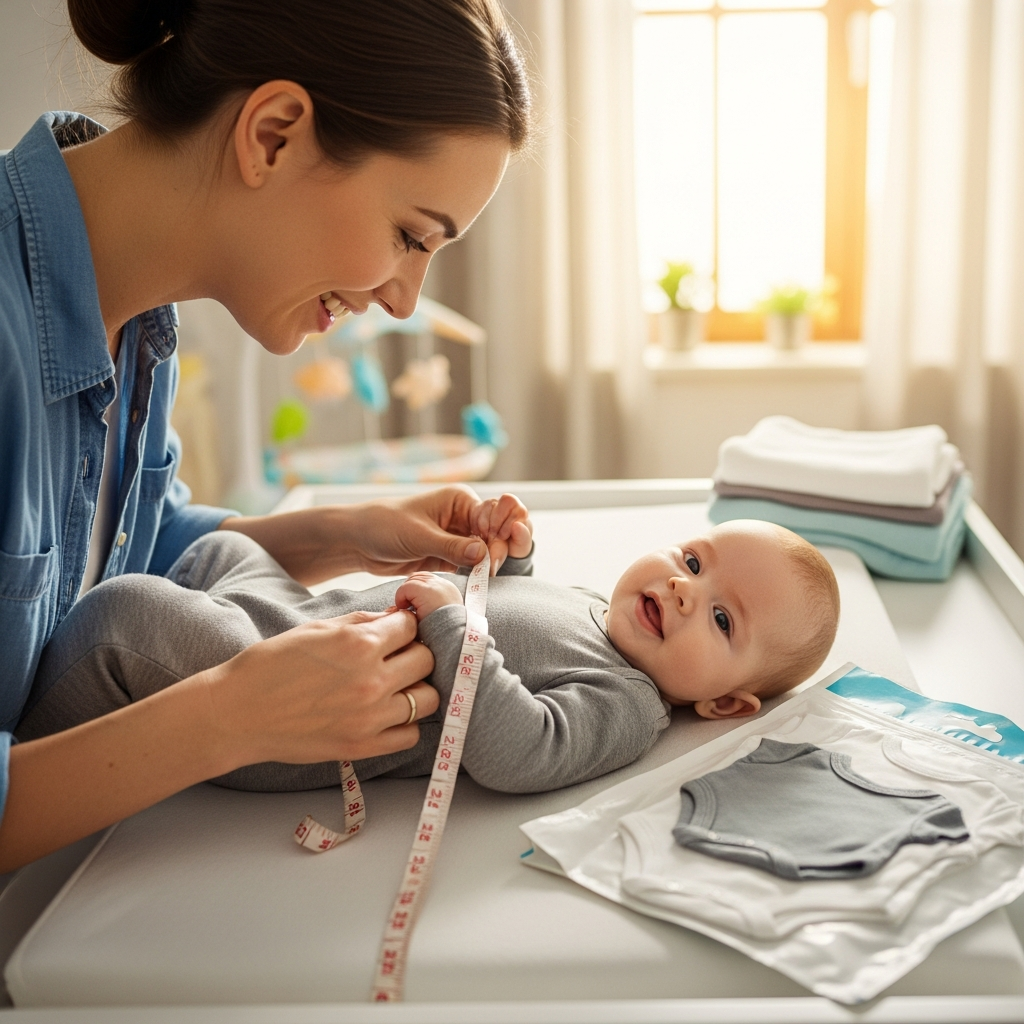
Choosing the Right Baby Onesie Size for Effective Layering
Proper sizing ensures your layering system works smoothly. Too tight and layers restrict movement; too loose and gaps let cold air in.
Baby Onesie Size Chart by Age and Weight
Weight provides more accurate sizing guidance than age since babies grow at dramatically different rates.
| Size Label | Age Range | Weight Range | Length |
|---|---|---|---|
| Preemie | Up to 1 month | Up to 6 lbs | Up to 17 inches |
| Newborn | 0-3 months | 6-9 lbs | 17-21.5 inches |
| 0-3 Months | 0-3 months | 9-12.5 lbs | 21.5-24 inches |
| 3-6 Months | 3-6 months | 12.5-17 lbs | 24-26.5 inches |
| 6-9 Months | 6-9 months | 17-21 lbs | 26.5-28.5 inches |
| 9-12 Months | 9-12 months | 21-25 lbs | 28.5-30.5 inches |
When and Why to Size Up for Layering
If your baby falls between sizes, sizing up usually works better for layering purposes. Snug base layers work well, but mid-layers need ease of movement. For winter layering specifically, consider going up one size in outer layers while keeping base layers fitted. However, avoid excessively loose base layers that bunch uncomfortably under clothing.
How Many Long Sleeve Onesies Do You Really Need?
Planning your wardrobe inventory prevents both over-buying and last-minute laundry emergencies.
| Size | Minimum Needed | Recommended | Heavy Rotation |
|---|---|---|---|
| Newborn | 4-5 | 6-8 | 10-12 |
| 0-3 Months | 5-6 | 8-10 | 12-14 |
| 3-6 Months | 5-6 | 7-9 | 10-12 |
| 6-12 Months | 4-5 | 6-8 | 8-10 |
Factor in laundry frequency when planning. Newborns typically need two to three outfit changes per day due to spit-up and diaper incidents. Long sleeve onesies prove more versatile than short sleeve versions for year-round use, making them a smarter investment. Multi-packs offer value; mix solid colors with patterns for variety.
Features That Make Long Sleeve Onesies Practical for Daily Use
Beyond fabric and size, specific design features dramatically affect how practical a onesie is for everyday life.
Snap vs. Zipper Closures: Which Works Better for Your Family?
Snap Closures:
- Pros: Easy to replace if one breaks, allows partial opening for diaper checks, wider availability
- Cons: Takes longer to fasten, can frustrate with squirmy babies, requires alignment
Zipper Closures:
- Pros: Fast one-handed operation, ideal for middle-of-the-night changes, less fidgeting required
- Cons: Can pinch skin if not covered, harder to repair if damaged, may limit layering options
The Tom and Jerry Baby Boy Character Print Long-sleeve Bodysuit features traditional snap closures at the diaper area, making it easy to layer under pants while providing quick diaper access. The playful character print adds personality to any layered outfit.
For base layers, snap closures at the crotch generally offer more flexibility since they allow the onesie to stay in place while you add pants or leggings. Consider two-way zippers specifically for sleepwear where full-body coverage is needed.
Envelope Necklines and Expandable Shoulders for Easy Dressing
Envelope necklines allow the onesie to stretch over baby's head without pulling or forcing. Even better, in case of diaper blowouts, envelope necks let you pull the onesie down over the body instead of up over the face and hair, containing the mess. Expandable shoulders accommodate different head sizes and reduce dressing struggles with newborns who dislike items pulled over their heads.
Two-Way Zippers and Other Convenience Features
Premium onesies often include thoughtful extras:
- Two-way zippers that open from top or bottom for versatile access
- Fold-over mittens on sleeves that prevent scratching (common in newborn sizes)
- Tagless labels that reduce skin irritation
- Reinforced snaps that resist pulling and twisting
Top Long Sleeve Baby Onesie Recommendations for Layering
With so many options available, knowing where to focus your search saves time and money.
Budget-Friendly Long Sleeve Onesies That Deliver Quality
Budget options work perfectly for high-rotation everyday wear. Look for:
- Multi-pack options offering five to seven onesies per set
- Cotton or cotton blend fabrics
- Basic snap closures
- Solid neutral colors that coordinate with any outer layer
- Machine washable and dryer safe materials
Expect to pay around eight to fifteen dollars for multi-packs, working out to approximately two to three dollars per onesie. Stock up on neutral colors that coordinate with your outer layer collection for maximum mix-and-match potential.
For quality basics at accessible prices, PatPat's baby bodysuits collection offers multi-packs featuring ultra-soft cotton and modal fabrics in a variety of prints and solid colors.
Best Long Sleeve Onesies for Babies with Sensitive Skin or Eczema
For babies prone to skin irritation, prioritize:
- 100% bamboo or bamboo-cotton blends (naturally hypoallergenic)
- OEKO-TEX or GOTS certified fabrics
- Flat seams that minimize irritation
- Tagless designs
- Dye-free or natural dye options when available
Avoid synthetic materials that trap heat and cause irritation. Bamboo's natural antibacterial properties help prevent flare-ups. Always pre-wash new onesies before first wear to remove any manufacturing residues that could irritate sensitive skin.
Common Baby Layering Mistakes and How to Avoid Them
Even experienced parents sometimes misjudge layering. Knowing the warning signs helps you adjust quickly.
Signs Your Baby Is Too Hot or Too Cold While Layering
Signs of Overheating:
- Flushed or red cheeks
- Sweating (especially on back of neck or chest)
- Damp hair
- Rapid breathing
- Fussiness or restlessness
- Warm to touch on chest or stomach
Signs of Being Too Cold:
- Cool chest or stomach (not hands or feet, which are often cool naturally)
- Pale skin
- Fussiness or unusual stillness
The reliable temperature check method: place two fingers on baby's chest, back, or tummy. Skin should feel warm but not hot or sweaty. Adjust layers based on this check rather than hand or foot temperature, which naturally runs cooler.
The One-More-Layer Rule Explained (And When to Break It)
The standard guideline suggests dressing baby in one more layer than you would wear comfortably in the same environment. However, this rule requires adjustment based on circumstances:
- Active, crawling babies may need fewer layers than sedentary newborns
- Indoor heating varies significantly; adjust based on actual room temperature
- Sleeping babies need different consideration than awake babies
- Car seats require removing bulky outer layers for safety
Think of the one-layer rule as a starting point rather than an absolute. Every baby's temperature regulation is unique. Trust your instincts after checking baby's core temperature.
Caring for Baby Onesies to Maintain Softness and Longevity
Proper care extends the life of your baby's wardrobe investment and keeps fabrics gentle against sensitive skin.
Washing Guidelines:
- Wash before first wear to remove any manufacturing residues
- Use fragrance-free, hypoallergenic detergent
- Wash in cold or warm water (not hot) to prevent shrinking
- Turn onesies inside out to protect prints and snaps
Drying Tips:
- Tumble dry on low heat or air dry to maintain fabric softness
- Remove promptly to minimize wrinkles
- Avoid high heat which can damage snap closures and elastic
Bamboo Fabric Special Care:
- Bamboo becomes softer with each wash
- Avoid fabric softeners which coat fibers and reduce moisture-wicking ability
- Air drying is ideal for bamboo to maintain temperature-regulating properties
Frequently Asked Questions About Long Sleeve Baby Onesies and Layering
How many long sleeve onesies do I need for a newborn?
Plan for eight to ten long sleeve onesies in newborn size, allowing for multiple daily changes and regular laundry. Newborns typically need two to three outfit changes per day due to spit-up and diaper leaks. Having enough onesies prevents laundry emergencies during those exhausting first weeks.
Should babies wear long sleeve onesies under sleepers?
Yes, a long sleeve onesie under a sleeper adds warmth in cooler temperatures. Match the combination to room temperature: use a lightweight onesie under a fleece sleeper for cold rooms, or skip the onesie under heavy sleepers if your baby runs warm.
Is bamboo or cotton better for baby onesies?
Both are excellent choices. Bamboo excels at temperature regulation and moisture-wicking, making it ideal for babies with sensitive skin or who run hot. Cotton is durable, breathable, and budget-friendly. For layering, bamboo works better in fluctuating temperatures while cotton suits mild, stable climates.
When should I use short sleeve instead of long sleeve onesies?
Use short sleeve onesies when room temperatures consistently exceed 75 degrees Fahrenheit or when layering under long-sleeved outer garments in warm weather. Long sleeve onesies remain versatile year-round since sleeves can be pushed up but never extended.
Can baby onesies be worn alone or do they need pants?
Onesies can be worn alone in warm weather above 72 degrees Fahrenheit or indoors with controlled heating. Add pants, leggings, or shorts when temperatures drop below 70 degrees, for sun protection outdoors, or when extra layers are needed for warmth.
How do I know if my baby is too hot in layered clothing?
Check your baby's chest or back of neck rather than hands or feet. If skin feels hot, sweaty, or clammy, baby is too warm. Other signs include flushed cheeks, rapid breathing, and fussiness. Remove a layer and recheck after a few minutes.
What is the best fabric for baby onesies in winter?
For winter base layers, choose 100% cotton or bamboo-cotton blends. These fabrics provide warmth while remaining breathable to prevent overheating indoors. Avoid synthetic fabrics that trap moisture. Layer these under fleece or knit mid-layers for optimal cold-weather comfort.
Do long sleeve onesies work for summer layering?
Absolutely. Lightweight long sleeve onesies in breathable bamboo or cotton protect against air conditioning, sun exposure, and evening temperature drops. They work as a single layer in temperatures up to 80 degrees Fahrenheit and prevent babies from scratching themselves.
Building Your Baby's Perfect Layering Wardrobe
Mastering baby layering does not require a perfect system from day one. Start with quality long sleeve onesies as your foundation, choose fabrics that match your baby's skin sensitivity and your climate, and learn to read your baby's temperature cues. The rest follows naturally.
Remember that every baby is different. What keeps one child perfectly comfortable might run hot or cold on another. Pay attention to your baby's signals, check their core temperature rather than extremities, and adjust layers accordingly. With practice, dressing your little one becomes second nature rather than a daily guessing game.
Features like snap closures and envelope necklines make your life easier during those countless diaper changes, while proper sizing ensures comfortable movement under layers. Invest in quality basics that can withstand frequent washing, and you will find that a relatively small wardrobe of versatile pieces serves you well across seasons.
Ready to build your baby's perfect layering wardrobe? Explore PatPat's baby bodysuits collection for ultra-soft onesies in cotton, modal, and bamboo, with fun character prints and multi-pack value that makes stocking up simple and affordable.





