


Picture this: It is 3 AM, your newborn is crying, and you are fumbling in the dark trying to unsnap what feels like seventeen buttons on those adorable footed pajamas. Sound familiar? According to the American Academy of Pediatrics, newborns need 8 to 12 diaper changes per day. That is a lot of late-night fumbling with complicated baby clothes.
Here is the good news: baby sleeper gowns exist, and they are about to become your new best friend. These clever garments feature open or knotted bottoms that make diaper changes as simple as lift-and-go. No snaps, no zippers, no struggling to get tiny feet back into footie pajamas while your baby kicks with the energy of a tiny soccer star.
In this comprehensive guide, you will discover everything about choosing the perfect newborn sleeper gowns for your little one. We will compare fabrics like bamboo and organic cotton, explore different closure types, and share expert sizing tips. At PatPat, we understand that those early months are a beautiful blur of feedings, cuddles, and yes, countless diaper changes. Let us help you make at least one part of new parenthood a little easier.
Ready to transform your nighttime routine? Browse our complete baby pajamas collection to see what makes infant sleepwear truly parent-friendly.
What Are Baby Sleeper Gowns and Why Parents Love Them
The Design That Makes Newborn Life Easier
Baby sleeper gowns look like little nightgowns or long t-shirts for infants, but their genius lies in the bottom hem. Unlike traditional pajamas that cover each leg separately, infant gowns feature either a completely open bottom or an adjustable knotted design. This seemingly simple difference revolutionizes how quickly you can change a diaper.
Most quality newborn sleeper gowns include these thoughtful features:
- Open or knotted bottom: Simply push the fabric up for instant diaper access
- Fold-over mitten cuffs: Prevent baby from scratching their face
- Envelope necklines: Make dressing easier and accommodate larger heads
- Soft, stretchy fabric: Moves with your baby for comfortable sleep
Discover our adorable infant gowns collection to see these features in action.
Who Benefits Most from Baby Sleep Gowns
While any parent can appreciate the convenience of baby nightgowns, certain families find them particularly valuable:
- Parents of newborns (0-3 months): When diaper changes happen every 2-3 hours, speed matters
- Night shift caregivers: Grandparents, partners, or nannies managing feeds and changes
- Hospital staff: Many hospitals dress newborns in gowns for this exact reason
- Families with sensitive-skin babies: Less wrestling means less skin irritation
Research shows that up to 1 in 4 children have eczema or sensitive skin conditions. For these babies, minimizing fabric manipulation during nighttime changes can help reduce flare-ups.
Best Fabrics for Baby Sleeper Gowns: Bamboo vs Cotton Compared
The fabric you choose for your baby's sleepwear matters more than you might think. Let us compare the two most popular options.
Why Bamboo Viscose Is the Gold Standard for Infant Sleepwear
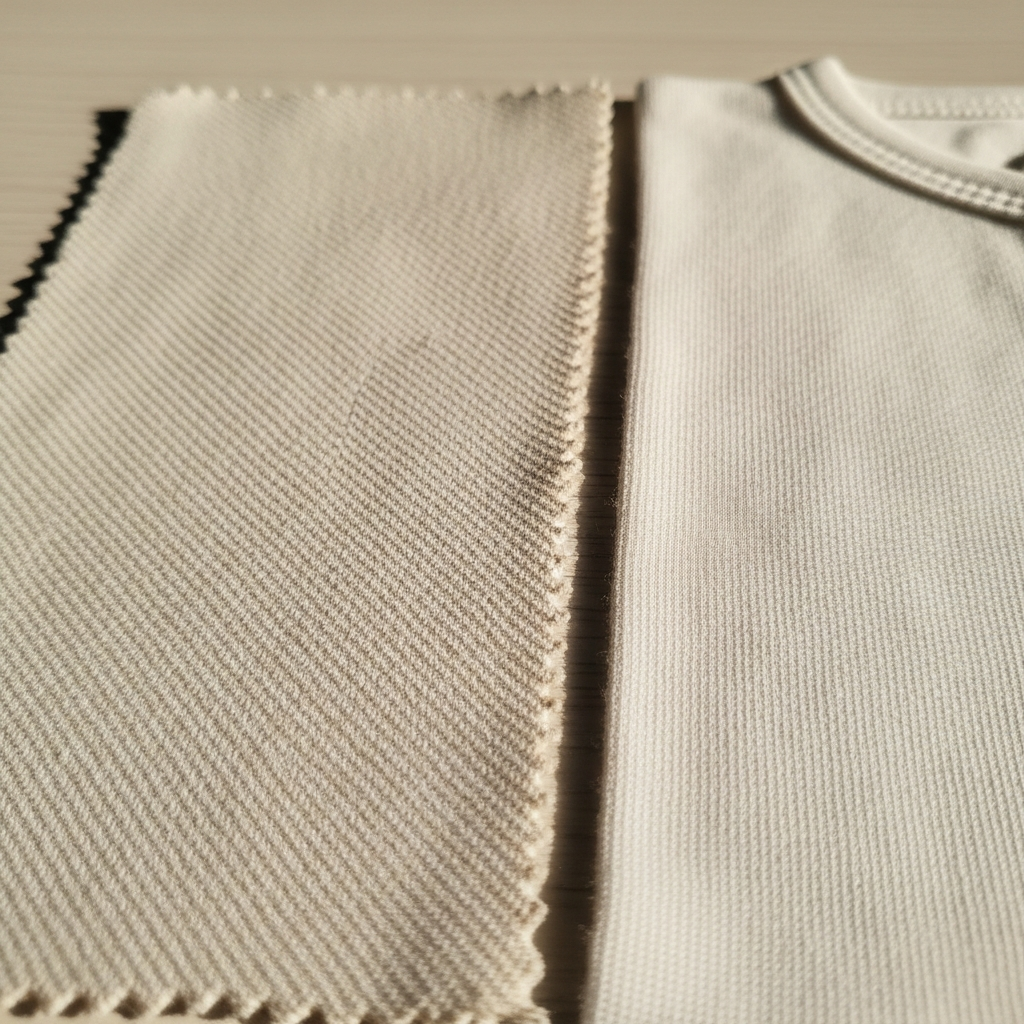
Bamboo viscose has earned its reputation as a premium fabric for baby clothes, and the science backs it up. According to textile research, bamboo viscose reduces skin surface temperature 2-3 degrees Celsius faster than cotton under identical conditions.
Here is why parents love bamboo baby sleeper gowns:
- Temperature-regulating: Keeps baby cool in summer, warm in winter
- Hypoallergenic: Ideal for sensitive or eczema-prone skin
- Moisture-wicking: Bamboo absorbs approximately 40% more moisture than cotton
- Naturally antibacterial: Resists odor-causing bacteria
- Eco-friendly: Sustainably grown without pesticides
Explore our bamboo baby clothes collection to experience this silky-soft fabric yourself.
Organic Cotton Baby Sleeper Gowns: A Classic Choice
Organic cotton remains a trusted option for baby sleepwear, especially for parents seeking GOTS-certified products. This fabric offers reliable softness that actually improves with each wash.
Benefits of organic cotton sleeper gowns include:
- Soft, breathable texture
- Excellent durability for frequent washing
- Better for cooler climates where warmth retention helps
- Budget-friendly options available
- Chemical-free when GOTS certified
Bamboo vs Cotton: Which Should You Choose?
| Feature | Bamboo Viscose | Organic Cotton |
|---|---|---|
| Temperature Regulation | Excellent | Good |
| Moisture Wicking | Superior | Moderate |
| Softness | Silky smooth | Soft, improves with washing |
| Hypoallergenic | Yes | Yes (if organic) |
| Best Climate | All seasons | Cooler weather |
| Price Range | Mid to premium | Budget to mid |
| Durability | High | High |
Types of Closure Systems: Knotted Gowns vs Zipper Sleepers for Easy Access
Not all baby sleeper gowns work the same way. Understanding closure options helps you choose the perfect style for your needs.
Knotted Baby Gowns: The Classic Open-Bottom Design
The knotted baby gown is perhaps the most traditional sleeper gown style. The bottom features an adjustable knot that keeps tiny feet tucked in while allowing instant diaper access.
Benefits of knotted gowns:
- Grows with your baby as you adjust the knot
- Absolute fastest diaper access possible
- No hardware that could irritate skin
- Simple and intuitive to use
Best for: Newborns 0-3 months during the peak diaper-change phase
Featured: Baby Girl Bamboo Sleeping Bag with Headband
This stunning color-block bamboo infant gown combines style and function beautifully. The luxurious bamboo fabric keeps baby comfortable in any season, while the coordinated headband makes for picture-perfect moments. Perfect for coming-home outfits or everyday wear.
Magnetic Closure Baby Sleeper Gowns: One-Handed Convenience
Magnetic closures represent the newest innovation in baby sleepwear. Interior-facing magnets snap together automatically, allowing truly one-handed diaper changes.
Benefits of magnetic sleepers:
- Fastest closure mechanism available
- Ideal for exhausted parents
- Works in complete darkness
- Safety-tested with enclosed magnets
Best for: Parents seeking maximum convenience, those with limited mobility
Zipper and Snap Alternatives
Traditional closures still have their place in the nursery. Two-way zippers provide diaper access from the bottom while keeping baby's chest covered. Snap closures offer adjustable fits.
When to choose these styles:
- For older babies who kick off open-bottom gowns
- When full coverage matters more than speed
- For babies transitioning to regular pajamas
Closure Type Comparison
| Closure Type | Diaper Access Speed | Ease of Use | Best Age Range |
|---|---|---|---|
| Knotted Bottom | Instant | Very Easy | 0-3 months |
| Magnetic | Very Fast | Easiest | 0-9 months |
| Two-Way Zipper | Fast | Easy | 0-12 months |
| Snaps | Moderate | Easy | 0-6 months |
How to Choose the Right Baby Sleeper Gown for Your Newborn
Selecting the perfect sleeper gown involves more than picking a cute pattern. Here is what actually matters.
Baby Sleeper Gown Sizing Guide: Getting the Perfect Fit
The right fit ensures safety and comfort. Too tight restricts movement; too loose becomes a tangle hazard. Use this guide as your starting point.
| Size | Weight Range | Length Range | Recommended Age |
|---|---|---|---|
| Preemie | Up to 6 lbs | Up to 17" | Premature |
| Newborn | 5-8 lbs | 17-21" | 0-4 weeks |
| 0-3 Months | 8-12 lbs | 21-24" | 1-3 months |
| 3-6 Months | 12-16 lbs | 24-27" | 3-6 months |
TOG Ratings and Seasonal Sleepwear Selection
TOG (Thermal Overall Grade) measures fabric warmth. Understanding this rating helps you dress baby appropriately for your nursery temperature.
| Room Temperature | Recommended TOG | What to Wear Underneath |
|---|---|---|
| 75F+ (24C+) | 0.5-1.0 | Diaper only |
| 70-75F (21-24C) | 1.0 | Short-sleeve onesie |
| 65-70F (18-21C) | 1.5-2.0 | Long-sleeve onesie |
| Below 65F (18C) | 2.5+ | Long-sleeve onesie + socks |
Essential Safety Features Every Parent Should Check
The American Academy of Pediatrics recommends dressing babies in one layer more than adults would wear in the same environment. Beyond this, look for:
- Snug fit or flame-resistant fabric: Required by US safety standards
- No loose ribbons, buttons, or decorations: Potential choking hazards
- Covered or interior-facing hardware: Prevents skin irritation
- Certified non-toxic dyes: Safe for sensitive skin
- CPSC compliance: Meets Consumer Product Safety Commission standards
Top Baby Sleeper Gown Picks for Easy Nighttime Diaper Changes
After researching countless options, we have selected these standout infant gowns based on fabric quality, ease of use, and real parent feedback.
Best Bamboo Baby Sleeper Gowns for Sensitive Skin
Bamboo Baby Sleeping Bag Infant Gown with Hat - Pink
This ultra-soft bamboo infant gown is a parent favorite for good reason. The premium bamboo viscose fabric naturally regulates temperature, making it perfect for babies who tend to overheat. The coordinated hat completes the set, and the easy open-bottom design means diaper changes take seconds, not minutes.
Best for: Babies with eczema, sensitive skin, or those who run warm
Best Budget-Friendly Infant Gowns for Everyday Use
Solid Color Baby Sleeping Bag Infant Gown with Hat - Light Blue
Not every gown needs to be fancy. This classic solid-color infant gown offers excellent value for building a sleepwear rotation. The gender-neutral light blue works for any baby, the matching hat adds style, and the comfortable fabric stands up to frequent washing.
Best for: Everyday use, building a sleepwear wardrobe on budget
Best Cozy Infant Gowns for Cooler Weather
Baby Girl Wool Sleeping Bag Infant Gown with Headband - Pink
When temperatures drop, this cozy wool-blend infant gown provides extra warmth without sacrificing diaper-change convenience. The soft interior lining protects delicate skin, while the elegant design with coordinated headband keeps baby looking precious.
Best for: Fall and winter months, air-conditioned nurseries
Ready to Simplify Your Nighttime Routine?
Explore our complete collection of infant gowns designed for easy diaper changes and maximum baby comfort.
Sleeper Gowns vs Footed Pajamas: Which Is Better for Diaper Changes?
This is one of the most common questions new parents ask. Let us settle the debate with a practical comparison.
The Diaper Change Speed Test: Real-World Comparison
Consider what happens during a 3 AM diaper change:
With a sleeper gown: Lift the fabric, change diaper, lower fabric. Total time to access: 5-10 seconds.
With footed pajamas: Unzip, remove both legs, change diaper, wrestle feet back in, rezip. Total time: 30-60 seconds or more with a wiggly baby.
Those extra seconds add up. With newborns needing 16-17 hours of sleep per day, minimizing disruption during necessary nighttime changes helps everyone rest better.
Comprehensive Comparison
| Factor | Sleeper Gowns | Footed Pajamas |
|---|---|---|
| Diaper Access Speed | Instant | Slow |
| Full Coverage | Partial (legs exposed) | Complete |
| Best Age | 0-3 months | 3+ months |
| Active Babies | May ride up | Stays in place |
| Temperature Control | Excellent | Good |
| Nighttime Disruption | Minimal | Moderate |
When to Choose Sleeper Gowns Over Footies
- First 0-3 months when diaper changes happen most frequently
- Newborns who startle easily and need minimal manipulation
- Warm climates where leg coverage is unnecessary
- Babies with healing umbilical cords who need gentle care
When Footed Pajamas Make More Sense
- Active babies who kick off blankets and gowns
- Crawling babies who need mobility and protection
- Cooler climates requiring full coverage
- After 3-4 months when diaper changes become less frequent
When to Stop Using Baby Sleeper Gowns and What Comes Next
Sleeper gowns are not forever. Understanding when to transition keeps your growing baby safe and comfortable.
Age and Developmental Signs It Is Time to Transition
Watch for these cues that indicate your baby is ready for different sleepwear:
- Rolling over independently: The open bottom becomes a potential safety concern
- Pulling at the gown: Getting tangled or bunched up during sleep
- Starting to crawl: Need for leg mobility increases
- Typical age range: 3-6 months, though individual variation is normal
The AAP notes that swaddling should stop when babies show signs of rolling, typically around 3-4 months. The same logic applies to sleeper gowns with open bottoms.
Best Sleepwear Options After Sleeper Gowns
When your little one graduates from infant gowns, consider these alternatives:
- Two-way zipper footed pajamas: Maintain some diaper-change convenience
- Sleep sacks with leg openings: Safe alternative to loose blankets
- Wearable blankets: Keep baby warm without entanglement risk
- Two-piece pajama sets: For older babies approaching toddlerhood
Sleepwear Transition Timeline
| Age | Sleepwear Recommendation |
|---|---|
| 0-3 months | Sleeper gowns (ideal) |
| 3-6 months | Sleeper gowns or transition to sleep sacks |
| 6-12 months | Sleep sacks, footed pajamas |
| 12+ months | Footed pajamas, two-piece sets |
Find the perfect next-stage sleepwear in our baby pajamas collection.
Frequently Asked Questions About Baby Sleeper Gowns
Are sleep gowns safe for newborns?
Yes, sleep gowns are safe for newborns when they fit properly and meet safety standards. Choose snug-fitting gowns without loose ribbons or decorations. The American Academy of Pediatrics approves well-fitted sleepwear, and many hospitals use gowns for newborns. Stop using gowns once baby starts rolling over independently, typically around 3-4 months.
What is the best baby sleeper for diaper changes?
Baby sleeper gowns with open or knotted bottoms are the best option for easy diaper changes. They eliminate the need to unsnap or unzip full pajamas during those frequent nighttime changes. Bamboo sleeper gowns are particularly popular because they combine quick diaper access with temperature-regulating comfort that helps baby sleep better.
Do you put a onesie under a baby gown?
It depends on room temperature. In warm rooms (above 72F), a diaper alone under the gown is perfectly fine. In cooler rooms (65-72F), a short or long-sleeve onesie provides appropriate extra warmth. Always check your baby's chest and back rather than hands or feet to accurately gauge temperature, and avoid overdressing.
How many sleeper gowns does a newborn need?
Most parents find 5-7 sleeper gowns create a comfortable rotation. This allows for daily changes and accounts for spit-up incidents and laundry schedules. Include a mix of lightweight bamboo options for warmer weather and cozier fabrics for cooler temperatures to handle any nursery climate.
Are knotted gowns better than footie pajamas?
For newborns 0-3 months, knotted gowns are better for nighttime convenience. They offer instant diaper access without disturbing baby or requiring complex maneuvering. Footie pajamas become more practical once babies start rolling and crawling, typically after 3-4 months when diaper changes also become less frequent.
What fabric is best for baby sleepwear?
Bamboo viscose and organic cotton are the best fabrics for baby sleepwear. Bamboo excels at temperature regulation and moisture-wicking, making it ideal for babies who run warm or have sensitive skin. Organic cotton is soft, durable, and budget-friendly. Both are hypoallergenic and gentle on delicate baby skin.
When should baby stop wearing sleep gowns?
Most babies transition out of sleeper gowns between 3-6 months, once they begin rolling over independently. At this point, the open bottom can become a safety concern as fabric may ride up. Watch for developmental milestones rather than relying solely on age, as every baby develops at their own pace.
Are magnetic closures safe for babies?
Yes, magnetic closures are safe when the magnets are enclosed within the fabric and meet safety certifications. Quality magnetic sleepwear uses interior-facing magnets that cannot be accessed or swallowed by curious little hands. Always look for CPSC-compliant products from reputable brands to ensure proper safety testing.
Making Nighttime Easier, One Diaper Change at a Time
Those early months with a newborn are precious but exhausting. Between feeding every few hours and changing 8-12 diapers daily, any time-saving solution feels like a small miracle. Baby sleeper gowns deliver exactly that kind of practical relief.
To recap what you have learned:
- Sleeper gowns with knotted or open bottoms provide the fastest diaper access available
- Bamboo viscose fabric offers superior temperature regulation and moisture-wicking for all-season comfort
- Proper sizing and TOG ratings ensure safe, comfortable sleep
- The 0-3 month window is when sleeper gowns shine brightest
- Transition to footed pajamas once baby starts rolling independently
At PatPat, we believe parenting should not be harder than it needs to be. Our infant gowns and bamboo baby clothes are designed with real-life nursery moments in mind. Because when your baby sleeps better and diaper changes go smoother, everyone in the family benefits.
Find Your Perfect Baby Sleeper Gown Today
Explore our complete collections of infant gowns and bamboo baby clothes designed to make your parenting journey a little easier, one diaper change at a time.





