


How Baby Pajamas Directly Affect Sleep Quality
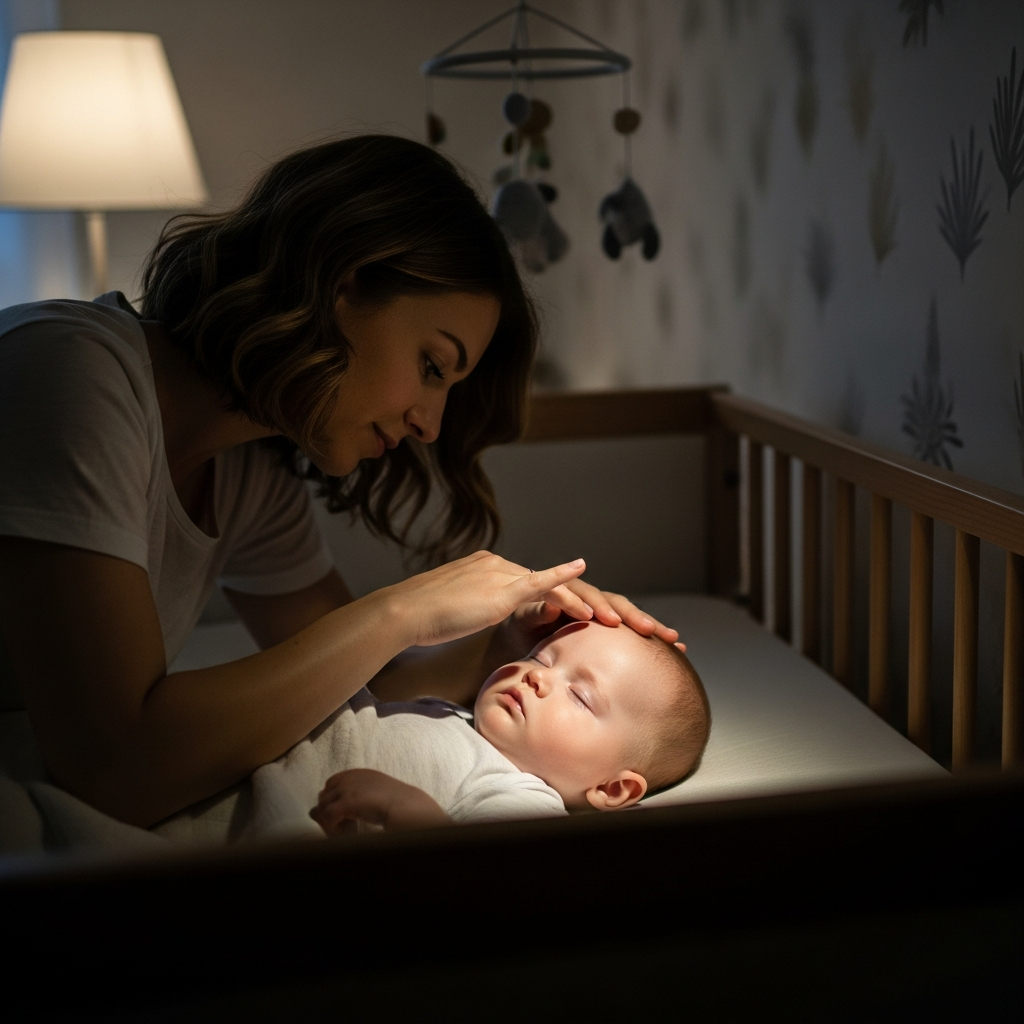
Understanding why pajamas matter starts with recognizing a fundamental truth: babies cannot regulate their body temperature as efficiently as adults. This simple fact has profound implications for sleep quality, and it explains why what your baby wears to bed matters so much more than what you might assume.
Understanding Baby Temperature Regulation During Sleep
Your baby's ability to maintain a stable body temperature is still developing during the first year of life. Unlike adults, infants have a higher surface-area-to-body-weight ratio, which means they lose heat more quickly and are more susceptible to temperature fluctuations. When the room is too warm or their clothing traps excess heat, babies struggle to cool down effectively. When temperatures drop, they cannot generate warmth as efficiently as older children or adults.
This is where sleepwear becomes critically important. The right pajamas act as a temperature buffer, helping your baby stay within that comfortable range that promotes deep, restorative sleep. The American Academy of Pediatrics recommends dressing babies in clothing that is appropriate for ambient temperatures, emphasizing that proper sleepwear is essential for safe, comfortable rest.
The Melatonin-Temperature Connection
Here is where the science gets fascinating. The Sleep Foundation explains that the drop in body temperature starts about two hours before you go to sleep, coinciding with the release of the sleep hormone melatonin. This natural cooling process signals the brain that it is time for rest.
When babies are overdressed or wearing non-breathable fabrics, this natural temperature drop can be disrupted. The body continues trying to release heat, but trapped warmth prevents effective cooling. The result? Difficulty falling asleep, more frequent night wakings, and shorter sleep cycles overall. Babies dressed appropriately in breathable sleepwear can complete this temperature regulation process naturally, leading to faster sleep onset and longer stretches of uninterrupted rest.
Best Fabrics for Baby Pajamas That Promote Restful Sleep
Not all fabrics are created equal when it comes to helping your baby sleep better. The material against your baby's skin can mean the difference between a peaceful night and one filled with restless stirring. Understanding the properties of different fabrics empowers you to make informed choices that support quality sleep.
Bamboo Fabric for Temperature-Regulating Sleepwear
Bamboo has emerged as a standout choice for baby sleepwear, and the reasons are rooted in science. Bamboo fibers are naturally hollow, featuring microscopic gaps and holes that allow for excellent ventilation, enabling bamboo fabrics to effectively wick away moisture and release excess heat.
What makes bamboo particularly remarkable is its dual-action capability. Research indicates that bamboo keeps wearers almost two degrees cooler in warm weather and at least this much warmer in cold weather when the bamboo fibers contract to help retain body heat. This means bamboo pajamas work year-round, adapting to your baby's needs regardless of the season.
Additionally, bamboo is naturally hypoallergenic and antibacterial, making it an excellent choice for babies with sensitive skin or those prone to eczema flare-ups. Parents looking for temperature-regulating sleepwear can explore breathable bamboo baby clothing that helps prevent both overheating and chilling.
Organic Cotton Versus Conventional Cotton
Cotton remains a popular choice for baby sleepwear, but not all cotton performs equally. Organic cotton, grown without synthetic pesticides or fertilizers, tends to be softer and gentler on delicate skin. The absence of chemical residues reduces the risk of irritation that might disturb sleep.
Conventional cotton works well for babies who tend to run cold, as it provides warmth without the same cooling effect as bamboo. When choosing cotton sleepwear, look for tightly woven, high-quality options that will maintain their softness wash after wash. Thread count matters less than fabric quality and construction.
Fabrics to Avoid for Baby Sleepwear
Some materials can actively work against your baby's comfort and sleep quality:
- Polyester and synthetic blends - These trap heat and moisture, creating an uncomfortable microclimate
- Heavily dyed or chemically treated fabrics - May cause skin irritation and contain substances that off-gas
- Rough textures or stiff materials - Can scratch or irritate sensitive skin, causing discomfort
- Thick fleece for warm environments - While cozy, fleece can quickly lead to overheating

Choosing the Right Pajama Fit for Safe and Comfortable Sleep
Finding the perfect pajama fit involves balancing two essential factors: safety requirements and comfort. Understanding federal guidelines alongside practical comfort considerations will help you make the best choices for your baby.
Snug Fit Safety Guidelines for Infant Sleepwear
According to the Consumer Product Safety Commission, all children's sleepwear garments sold in sizes larger than nine months must be flame resistant or tight-fitting. This regulation exists because snug-fitting sleepwear is less likely to come into contact with flames and does not ignite as easily, since there is little air under the garment to fuel a fire.
Snug-fitting does not mean uncomfortably tight. It means the fabric should fit close to the body without excessive loose material that could bunch, twist, or present safety concerns. Quality sleepwear uses stretchy, comfortable fabrics that conform to your baby's body while still allowing full range of movement.
When Pajamas Are Too Tight or Too Loose
Finding the right balance requires paying attention to several signs:
Signs pajamas are too tight:
- Red marks on wrists, ankles, or waist when pajamas are removed
- Difficulty getting limbs through openings
- Restricted movement during diaper checks
- Baby seems unable to stretch or move freely
Signs pajamas are too loose:
- Fabric bunches around the torso or limbs
- Sleeves or pant legs ride up excessively
- Neck opening gaps significantly
- Baby gets tangled in excess fabric
Finding the right balance means selecting well-designed baby pajamas that offer both safety and comfort without compromising either.
Sleepwear Styles by Age and Development Stage
| Age Range | Recommended Styles | Key Features |
|---|---|---|
| Newborn (0-3 months) | Sleep gowns, zip-up sleepers, sleep sacks | Easy diaper access, no leg restriction for frequent changes |
| Infant (3-12 months) | Footie pajamas, convertible sleepers | Full coverage, snug fit, covered feet for warmth |
| Toddler (12+ months) | Two-piece sets, footless pajamas | Allows for growing independence, easy for potty training transition |

Why Bamboo Baby Pajamas Help Babies Sleep Through the Night
Among all sleepwear options, bamboo has earned a special reputation among parents seeking solutions for better baby sleep. Understanding exactly why bamboo works so effectively can help you decide if it is the right choice for your family.
Natural Temperature Regulation Properties
The secret to bamboo's effectiveness lies in its unique fiber structure. Those microscopic gaps and holes we mentioned earlier do not just allow air circulation; they actively work to move moisture away from the skin. Bamboo wicks moisture away from the body three times faster than cotton, transforming sweat into vapor that disperses into the air.
This rapid moisture management prevents the clammy, uncomfortable sensation that wakes babies during the night. When your baby's skin stays dry, temperature remains stable, and sleep cycles continue uninterrupted. The result is longer stretches of quality sleep for everyone in the household.
Bamboo for Babies with Sensitive Skin and Eczema
For families managing eczema or sensitive skin conditions, fabric choice becomes even more critical. Rough fabrics, chemical residues, and trapped moisture can all trigger flare-ups that make sleep nearly impossible. Bamboo addresses all three concerns simultaneously.
The naturally smooth bamboo fibers create less friction against skin than cotton or synthetic alternatives. Combined with bamboo's natural antibacterial properties and exceptional breathability, this makes it a gentle choice for babies whose skin requires extra care. For families managing eczema or sensitive skin, bamboo baby clothes offer a gentle, irritation-free option that promotes uninterrupted sleep.
Caring for Bamboo Sleepwear
To maintain bamboo's beneficial properties over time, follow these care guidelines:
- Wash in cold or warm water to preserve fiber integrity
- Use gentle, fragrance-free detergent
- Avoid fabric softeners, which can coat fibers and reduce breathability
- Tumble dry on low or line dry to prevent shrinkage
- Remove promptly from dryer to maintain softness
With proper care, bamboo sleepwear maintains its temperature-regulating properties and silky softness for years, making it a worthwhile investment in your baby's sleep quality.

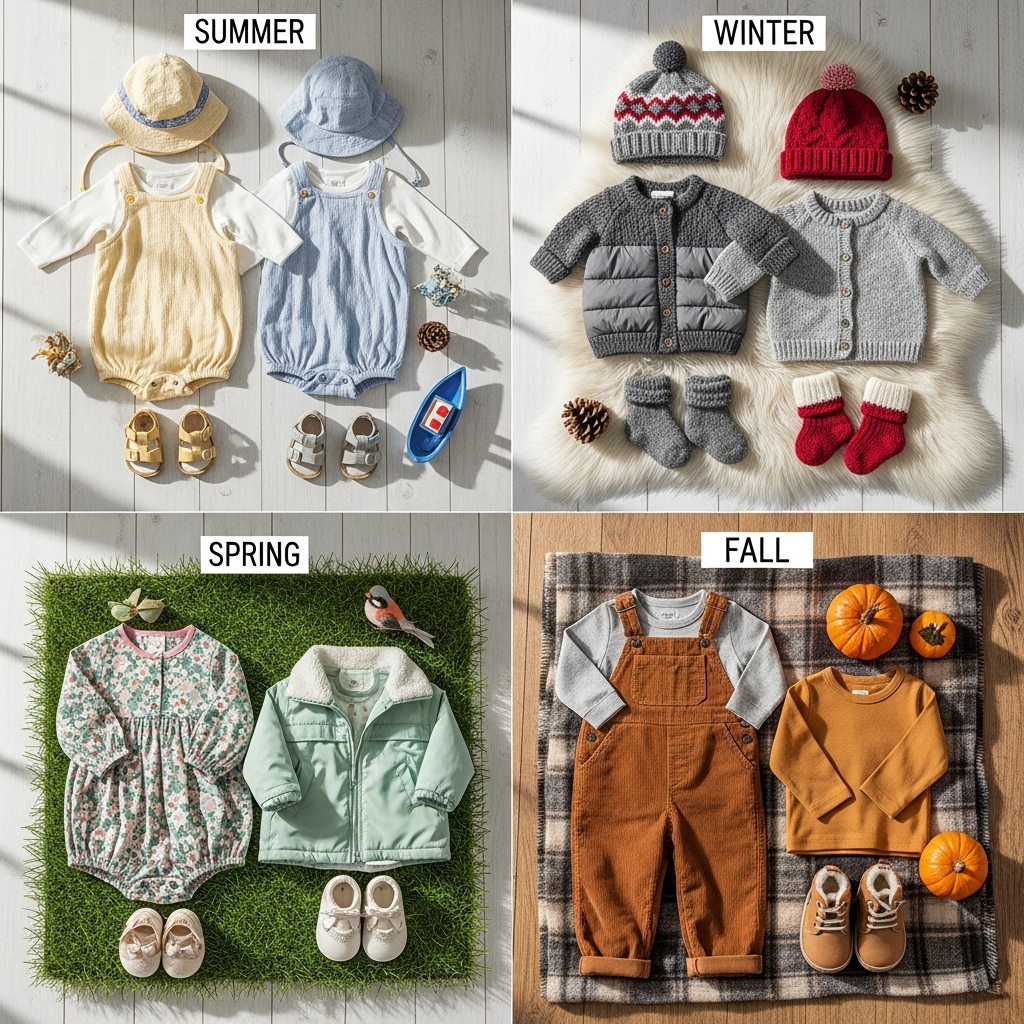
Seasonal Baby Sleepwear Guide for Year-Round Better Sleep
Temperature needs change with the seasons, and your baby's sleepwear should adapt accordingly. Understanding how to dress your baby appropriately throughout the year prevents both overheating and chilling, two common culprits behind disrupted sleep.
Summer Sleepwear for Hot Nights
During warm months, the priority shifts to preventing overheating. Even with air conditioning, summer nights can present challenges for baby sleep. Here is how to approach warm weather dressing:
- Choose lightweight, single-layer options in breathable fabrics
- A onesie alone may be sufficient in very warm rooms
- Short-sleeve or sleeveless options provide maximum cooling
- Skip footie pajamas in favor of bare feet for heat release
Watch for signs of overheating: damp hair, sweating, red cheeks, or rapid breathing indicate your baby needs lighter sleepwear or a cooler room temperature.
Winter Sleepwear for Cozy, Safe Sleep
Cold weather brings its own challenges. The temptation to bundle up can lead to overdressing, which poses its own risks. The Sleep Foundation notes that overheating, whether from a warm bedroom temperature or too many layers of pajamas, can increase risk.
For winter sleep safety and comfort:
- Use a wearable blanket or sleep sack instead of loose blankets
- Layer thoughtfully with an undershirt beneath pajamas if needed
- Footie pajamas provide warmth without loose bedding risks
- Check baby's chest temperature to assess comfort level
Spring and Fall Transition Strategies
Transitional seasons require flexibility. Temperatures can vary significantly from one night to the next. Building a versatile sleepwear wardrobe with quality baby clothing ensures you are prepared for any temperature.
Layering becomes your best tool during these months. Start with a light base layer and add or remove pieces based on nightly temperatures. Convertible sleepwear that can transform from footie to footless provides added versatility.
Room Temperature to Sleepwear Guide
| Room Temperature | Recommended Sleepwear | TOG Rating |
|---|---|---|
| Above 75F (24C) | Short-sleeve onesie or diaper only | 0.5 or less |
| 72-75F (22-24C) | Light cotton pajamas or sleep sack | 0.5-1.0 |
| 68-72F (20-22C) | Standard cotton pajamas with feet | 1.0-2.0 |
| 64-68F (18-20C) | Warmer pajamas or layered sleepwear | 2.0-2.5 |
| Below 64F (18C) | Warm pajamas plus sleep sack | 2.5-3.5 |
Troubleshooting Common Sleep Problems Related to Pajamas
When sleep problems persist, the culprit is often hiding in plain sight. Many common baby sleep issues trace directly back to sleepwear choices. Here is how to identify and solve the most frequent problems.
Baby Wakes Up Sweating at Night
If you find your baby with damp hair, sweaty skin, or flushed cheeks, overheating is likely the issue. This is one of the most common sleep disruptors, and it is usually an easy fix.
Immediate steps:
- Remove one layer of clothing or switch to lighter fabric
- Check room temperature and adjust thermostat if above 72F
- Switch from synthetic to natural, breathable fabrics
- Consider a fan for air circulation (not blowing directly on baby)
Long-term solutions:
- Invest in moisture-wicking bamboo sleepwear
- Choose sleepwear with fewer layers built in
- Avoid fleece and heavy cotton for warm sleepers
Baby Seems Cold and Restless
A baby who is too cold may have cool skin, seem restless, or have difficulty settling. Since blankets pose safety risks for infants, addressing coldness requires smart sleepwear choices.
Safe warming strategies:
- Add a layer underneath pajamas rather than on top
- Use a higher TOG sleep sack for extra warmth
- Choose footie pajamas to keep feet warm
- Ensure pajamas fit snugly to trap body heat effectively
Eczema Flare-Ups Disrupting Sleep
For babies with eczema, nighttime can be especially challenging. Irritated skin leads to scratching, which leads to more irritation, creating a cycle that destroys sleep quality.
Fabric-based solutions:
- Choose only natural, breathable fabrics like bamboo or organic cotton
- Avoid synthetic materials that trap heat and moisture
- Look for tagless pajamas with flat seams
- Wash all sleepwear in fragrance-free, hypoallergenic detergent
Baby Uncomfortable and Fighting Bedtime
Sometimes babies resist sleep not because they are not tired, but because something about their sleepwear causes discomfort. Common culprits include scratchy tags, rough seams, tight elastic, or fabric that feels wrong against their skin.
Switching to soft, tagless baby pajamas designed with sensitive skin in mind can eliminate common sources of bedtime discomfort. Look for flat-lock seams, gentle elastic, and soft, natural fabrics.
Expert Tips for Dressing Your Baby for the Best Sleep
Pediatric sleep experts and organizations like the American Academy of Pediatrics have developed clear guidelines for dressing babies for sleep. Here are the essential principles every parent should know.
The One-Layer Rule Explained
The most widely recommended guideline is simple: dress your baby in one more layer than you would wear to be comfortable. If you sleep comfortably in a t-shirt and light blanket, your baby might be comfortable in pajamas and a light sleep sack.
This rule adapts to any temperature because it uses your own comfort as a baseline. In summer, that might mean a single layer of breathable pajamas. In winter, it could mean pajamas plus a medium-weight wearable blanket.
Quick Pre-Sleep Comfort Check
Before putting your baby down for the night, perform a quick comfort check:
- Touch test: Feel your baby's chest or the back of their neck. It should feel warm but not sweaty or clammy.
- Visual cues: Check for red cheeks, fussiness, or signs of discomfort.
- Hands and feet: Slightly cool hands and feet are normal and not a sign that baby needs more layers.
Practical Checklist: Before Putting Baby to Bed
- Room temperature is between 68-72F (20-22C)
- Sleepwear is appropriate for the current temperature
- No loose blankets, pillows, or soft bedding in sleep space
- Pajamas fit snugly but allow free movement
- Fabric is breathable and soft against skin
- No irritating tags, rough seams, or tight elastic
- Baby seems relaxed and comfortable
Frequently Asked Questions About Baby Pajamas and Sleep
What should a baby wear to sleep for better rest?
Babies sleep best in snug-fitting, breathable pajamas appropriate for room temperature. For rooms at 68-72F, a standard cotton or bamboo footie pajama works well. Avoid overdressing; babies need only one more layer than an adult would find comfortable. Focus on natural, temperature-regulating fabrics that allow for good air circulation.
How do I know if my baby is too hot while sleeping?
Check for sweating (especially on the head and neck), flushed or red cheeks, damp hair, rapid breathing, or heat rash. A quick test is touching your baby's chest or back of neck, which should feel warm but not sweaty or clammy. Cool hands and feet are normal and do not indicate cold.
Are bamboo pajamas better than cotton for baby sleep?
Bamboo pajamas offer superior temperature regulation, staying approximately two degrees cooler than cotton while also providing warmth when needed. They are also more moisture-wicking, hypoallergenic, and softer, making them ideal for babies who overheat or have sensitive skin. Cotton remains a good choice for babies who run cold.
Do babies sleep better in footie pajamas or sleep sacks?
Both can promote good sleep when used appropriately. Footie pajamas work well for babies who move frequently and need full-body coverage. Sleep sacks are excellent for preventing blanket risks in younger infants and providing a cozy, womb-like feeling. Many parents use sleep sacks over pajamas for added warmth and security.
What is a TOG rating and why does it matter?
TOG (Thermal Overall Grade) measures fabric warmth on a standardized scale. Higher TOG ratings mean warmer sleepwear. For baby sleep, match TOG to room temperature: use 0.5-1.0 TOG for rooms above 72F, 1.0-2.0 TOG for 68-72F, and 2.5+ TOG for rooms below 64F. Understanding TOG helps you dress baby appropriately.
Can the wrong pajamas cause my baby to wake up at night?
Yes, inappropriate sleepwear is a common cause of night waking. Babies who are too hot, too cold, or physically uncomfortable due to fabric irritation or poor fit may wake more frequently. Temperature discomfort can interrupt sleep cycles and prevent babies from achieving deep, restorative sleep stages.
Should newborns sleep in footie pajamas?
Newborns can safely sleep in footie pajamas, especially zip-up styles that make diaper changes easier. However, many parents prefer sleep sacks or gowns for the first few months due to convenience during frequent nighttime changes. Ensure any sleepwear fits appropriately and suits room temperature.
How often should I change my baby's pajamas?
Change baby pajamas every one to two nights under normal conditions, or immediately if soiled. Babies who sweat heavily, have reflux, or drool excessively may need fresh pajamas nightly. Always ensure pajamas are clean and soft to prevent skin irritation that could disrupt sleep quality.
Conclusion: Better Sleep Starts with Better Pajamas
The connection between baby pajamas and better sleep is clear: what your baby wears to bed directly impacts their ability to regulate temperature, stay comfortable, and sleep through the night. By choosing breathable, natural fabrics like bamboo, ensuring proper fit for both safety and comfort, and adjusting sleepwear seasonally, you can eliminate many common sleep disruptions before they start.
Remember the key principles: temperature regulation is the foundation of good sleep, natural fabrics outperform synthetics, snug fit balances safety with comfort, and seasonal adjustments keep your baby comfortable year-round. Small changes to bedtime attire can lead to significant improvements in sleep quality for both your baby and your entire family.
Ready to help your baby sleep better? Start by evaluating their current sleepwear against the guidelines in this article. Consider upgrading to quality baby clothing designed for comfort, paying special attention to fabric choice and fit. At PatPat, we understand that well-rested babies make for happier families, and the right sleepwear is an important piece of that puzzle. With the knowledge you have gained today, you are well-equipped to make pajama choices that support the best possible sleep for your little one.





