


Your body needs just 15mg of vitamin E daily during pregnancy to protect your growing baby's cells and maintain healthy, elastic skin. Yet most expecting mothers have no idea how simple and delicious meeting this requirement can be. If you have been searching for vitamin E pregnancy recipes that actually taste amazing while supporting your nutritional needs, you are in the right place.
During pregnancy, your body works overtime to protect and nourish your developing baby. Vitamin E serves as a powerful fat-soluble antioxidant that shields cell membranes from damage caused by free radicals. This protection extends to your own skin cells too, helping maintain the elasticity you need as your belly grows.
In this guide, you will discover antioxidant recipes for pregnant women featuring three powerhouse ingredients: almonds, sunflower seeds, and olive oil. Each recipe includes exact vitamin E content so you can easily track your daily intake. Whether you are concerned about cell protection, skin health, or stretch mark prevention, these recipes make meeting your nutritional goals both achievable and enjoyable.
At PatPat, we understand that nourishing yourself during pregnancy involves both the food you eat and the comfortable clothes you wear. Just as soft bamboo fabrics support your sensitive skin, nutrient-rich foods support your body from within.
Why Vitamin E Is Essential for Pregnancy Cell Protection and Skin Health
This fat-soluble nutrient plays several critical roles in supporting both you and your developing baby.
How Vitamin E Protects Cells During Pregnancy
Vitamin E, particularly in its alpha-tocopherol form, works as your body's primary fat-soluble antioxidant. It neutralizes harmful free radicals that would otherwise damage cell membranes throughout your body. During pregnancy, this protection becomes especially important for your developing baby's rapidly dividing cells and your placenta's ability to transfer nutrients efficiently.
Vitamin E and Pregnancy Skin Elasticity for Stretch Mark Prevention
While genetics play a significant role in stretch marks, vitamin E supports your skin from within by maintaining cell membrane integrity and supporting collagen production. As your belly expands, vitamin E's antioxidant properties help protect skin cells from oxidative stress. Research from the Cochrane Database of Systematic Reviews suggests that maintaining adequate nutrition supports overall skin health during pregnancy.
Meeting Your 15mg Daily Vitamin E Requirement Safely
The recommended daily allowance of 15mg for pregnant women represents the amount needed to support healthy cell function. Food sources remain the preferred way to meet this requirement because they provide vitamin E in its most bioavailable natural form alongside complementary nutrients.
According to the World Health Organization, routine vitamin E supplementation is not recommended during pregnancy for women eating a balanced diet. The upper limit for vitamin E is 1,000mg per day, but reaching this through food alone would be nearly impossible. Your prenatal vitamin combined with vitamin E-rich foods provides a safe, effective approach.
Best Vitamin E Foods for Pregnant Women: Almonds, Sunflower Seeds, and Olive Oil
Three foods stand out as exceptional sources of vitamin E that are completely safe throughout pregnancy. Learning their nutritional profiles helps you make informed choices about building vitamin E-rich meals.

Almonds: The Perfect Pregnancy Snack with 7.3mg Vitamin E per Ounce
Almonds rank among the highest vitamin E foods available, providing approximately 7.3mg of vitamin E per one-ounce serving (about 23 almonds). This single serving delivers nearly half your daily requirement in a convenient, portable package.
Beyond vitamin E, almonds provide protein, fiber, calcium, and magnesium. Enjoy them raw, roasted, as almond butter, or through fortified almond milk. No restrictions exist on almond consumption during pregnancy unless you have a tree nut allergy.
| Almond Form | Serving Size | Vitamin E Content |
|---|---|---|
| Whole raw almonds | 1 oz (23 nuts) | 7.3mg (49% DV) |
| Almond butter | 2 tablespoons | 4.0mg (27% DV) |
| Almond milk (fortified) | 1 cup | 7.5mg (50% DV) |
Sunflower Seeds: Nutrient-Dense Powerhouse with 7.4mg per Ounce
Sunflower seeds slightly edge out almonds with 7.4mg of vitamin E per ounce. This makes them one of the most concentrated natural sources available. They also provide folate, selenium, zinc, and healthy fats that support pregnancy.
Sunflower seeds offer incredible versatility. Sprinkle them on salads, blend them into sunflower seed butter, add them to trail mix, or incorporate them into baking.
| Sunflower Seed Form | Serving Size | Vitamin E Content |
|---|---|---|
| Dry roasted kernels | 1 oz | 7.4mg (49% DV) |
| Sunflower seed butter | 2 tablespoons | 5.6mg (37% DV) |
| Raw kernels | 1 oz | 7.4mg (49% DV) |
Extra Virgin Olive Oil: Healthy Fat for You and Baby
While not as concentrated as nuts and seeds, extra virgin olive oil provides 1.9mg of vitamin E per tablespoon. More importantly, olive oil serves as a carrier that helps your body absorb fat-soluble vitamin E from other foods.
The Mediterranean diet, rich in olive oil, associates with improved pregnancy outcomes. Beyond vitamin E, olive oil provides monounsaturated fats and anti-inflammatory polyphenols.
Quick Reference: Combining Foods to Reach 15mg Daily
Meeting your daily vitamin E requirement becomes simple when you combine these foods strategically:
- Option 1: 1 oz almonds (7.3mg) + 1 oz sunflower seeds (7.4mg) = 14.7mg (98% RDA)
- Option 2: 1 oz almonds (7.3mg) + 2 tbsp olive oil (3.8mg) + other dietary sources = 15mg+
- Option 3: 2 tbsp almond butter (4.0mg) + 2 tbsp sunflower seeds (3.7mg) + 1 tbsp olive oil (1.9mg) + varied diet = 15mg+
Easy Vitamin E Breakfast Recipes to Start Your Pregnancy Day Right
Starting your day with a vitamin E-rich breakfast establishes a strong foundation for meeting your 15mg daily requirement. These morning recipes combine our three star ingredients with other pregnancy-friendly foods for optimal nutrition and energy.
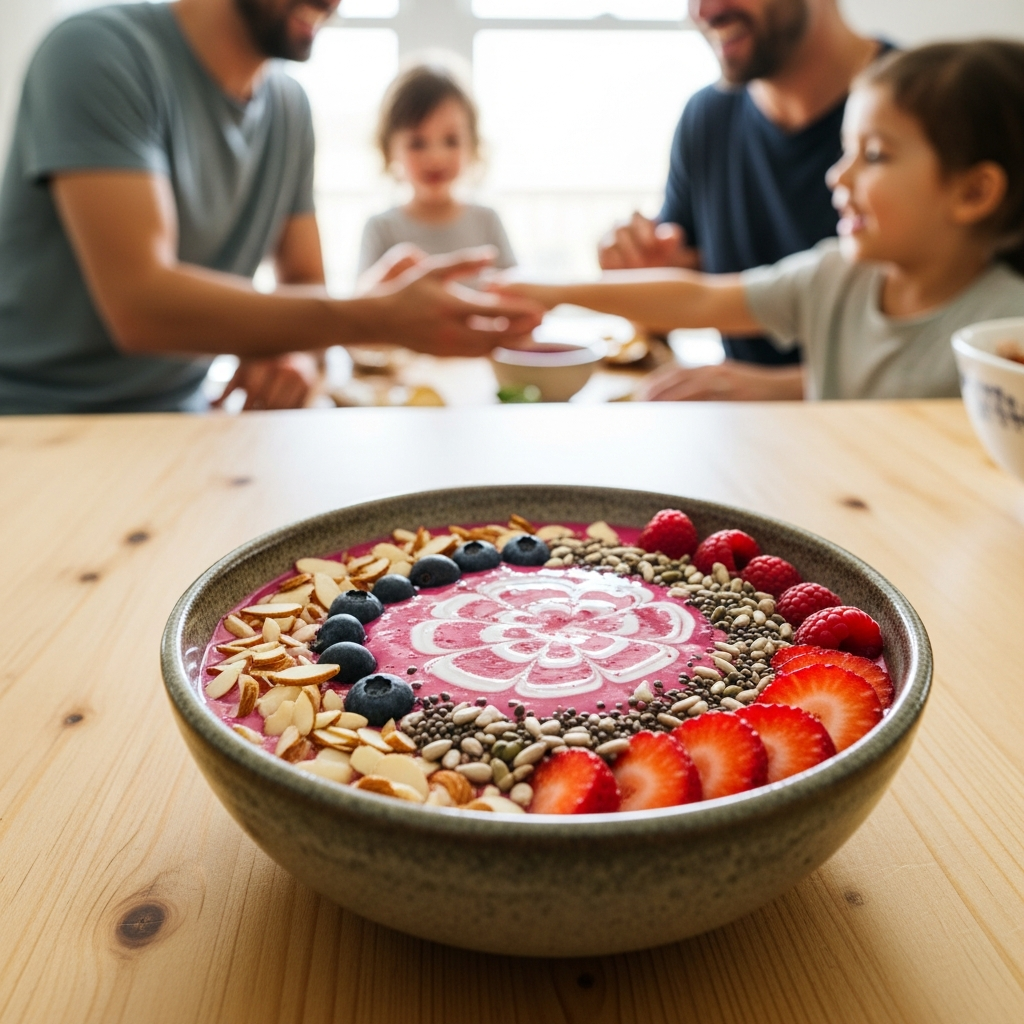
Recipe 1: Almond Butter Banana Smoothie Bowl for Pregnancy
Prep Time: 10 minutes | Vitamin E Content: 8.2mg per serving (55% DV)
Ingredients:
- 1 frozen banana
- 2 tablespoons almond butter (4.0mg vitamin E)
- 1 cup unsweetened almond milk (7.5mg vitamin E, varies by brand)
- 1 tablespoon honey or maple syrup
- 1/2 cup frozen blueberries
- 1 tablespoon chia seeds
Toppings:
- 1 tablespoon sunflower seeds (2.5mg vitamin E)
- Fresh berries
- Sliced banana
Instructions:
- Blend frozen banana, almond butter, almond milk, honey, and blueberries until thick and creamy.
- Pour into a bowl. Consistency should be thicker than a regular smoothie.
- Arrange toppings artfully on the surface.
- Serve immediately for best texture.
Pregnancy Benefits: High in fiber for digestive health, antioxidants from berries, healthy fats supporting fetal brain development.
Recipe 2: Sunflower Seed Overnight Oats with Olive Oil Drizzle
Prep Time: 5 minutes (plus overnight) | Vitamin E Content: 9.5mg per serving (63% DV)
Ingredients:
- 1/2 cup rolled oats
- 1 cup milk of choice
- 2 tablespoons sunflower seed butter (5.6mg vitamin E)
- 1 tablespoon chia seeds
- 1 teaspoon vanilla extract
- 1 tablespoon maple syrup
Toppings:
- 2 tablespoons sunflower seeds (3.7mg vitamin E)
- Fresh fruit (berries, sliced peaches)
- 1/2 tablespoon extra virgin olive oil (0.95mg vitamin E)
Instructions:
- Combine oats, milk, sunflower seed butter, chia seeds, vanilla, and maple syrup in a jar.
- Stir well, cover, and refrigerate overnight (at least 6 hours).
- In the morning, stir and add a splash of milk if too thick.
- Top with sunflower seeds, fresh fruit, and a drizzle of olive oil.
Pregnancy Benefits: Slow-release energy throughout the morning, fiber for regularity, excellent plant-based protein content.
Recipe 3: Mediterranean Scrambled Eggs with Olive Oil and Almonds
Prep Time: 15 minutes | Vitamin E Content: 6.8mg per serving (45% DV)
Ingredients:
- 2 eggs
- 1 tablespoon extra virgin olive oil (1.9mg vitamin E)
- 1/4 cup cherry tomatoes, halved
- Handful of spinach
- 2 tablespoons crumbled feta cheese (pasteurized)
- 1 oz sliced almonds (7.3mg vitamin E)
- Salt, pepper, and fresh herbs to taste
Instructions:
- Heat olive oil in a non-stick pan over medium heat.
- Add tomatoes and spinach, saute for 2 minutes until spinach wilts.
- Whisk eggs and pour into pan.
- Gently scramble until just set but still creamy.
- Top with feta, sliced almonds, and fresh herbs.
Pregnancy Benefits: Complete protein from eggs, iron from spinach, healthy fats for brain development.
Antioxidant-Rich Lunch and Dinner Recipes for Pregnant Women
Main meals provide the perfect opportunity to incorporate vitamin E-rich ingredients into satisfying dishes. These lunch and dinner recipes feature almonds, sunflower seeds, and olive oil in creative combinations that support your 15mg daily goal while keeping meals interesting.
Recipe 4: Almond-Crusted Baked Salmon with Olive Oil Vegetables
Prep Time: 15 minutes | Cook Time: 20 minutes | Vitamin E Content: 10.2mg per serving (68% DV)
Ingredients:
- 6 oz salmon fillet
- 1/4 cup crushed almonds (3.65mg vitamin E)
- 1 tablespoon Dijon mustard
- 2 tablespoons extra virgin olive oil (3.8mg vitamin E)
- 1 cup broccoli florets
- 1 cup bell peppers, sliced
- 2 cloves garlic, minced
- Salt, pepper, and lemon juice
Instructions:
- Preheat oven to 400F (200C).
- Place salmon on a lined baking sheet and brush with Dijon mustard.
- Press crushed almonds onto the top of the salmon.
- Toss vegetables with 1 tablespoon olive oil, garlic, salt, and pepper.
- Arrange vegetables around salmon on the baking sheet.
- Bake for 18-20 minutes until salmon flakes easily and almonds are golden.
- Drizzle remaining olive oil over vegetables before serving.
Pregnancy Benefits: Omega-3 fatty acids for fetal brain development, complete protein, multiple antioxidants from colorful vegetables.
Recipe 5: Sunflower Seed Pesto Pasta (Pregnancy-Safe Alternative)
Prep Time: 10 minutes | Cook Time: 12 minutes | Vitamin E Content: 11.8mg per serving (79% DV)
For Sunflower Seed Pesto:
- 1/2 cup raw sunflower seeds (makes 4 servings)
- 2 cups fresh basil leaves
- 2 cloves garlic
- 1/4 cup extra virgin olive oil (3.8mg vitamin E)
- 1/4 cup grated Parmesan cheese (pasteurized)
- Juice of 1/2 lemon
- Salt to taste
For Serving:
- 8 oz whole wheat pasta
- Cherry tomatoes
- Additional Parmesan for garnish
Instructions:
- Toast sunflower seeds lightly in a dry pan for deeper flavor (optional).
- Combine sunflower seeds, basil, and garlic in food processor. Pulse until chopped.
- With processor running, drizzle in olive oil until smooth paste forms.
- Stir in Parmesan and lemon juice. Season with salt.
- Cook pasta according to package directions. Reserve 1/2 cup pasta water.
- Toss hot pasta with pesto, adding pasta water as needed for consistency.
- Serve with halved cherry tomatoes and extra Parmesan.
Pregnancy Benefits: Nut-free pesto alternative using seeds, folate from basil, complex carbohydrates for sustained energy.
Recipe 6: Mediterranean Quinoa Salad with Triple Vitamin E Boost
Prep Time: 15 minutes | Cook Time: 15 minutes | Vitamin E Content: 9.7mg per serving (65% DV)
Ingredients:
- 1 cup cooked quinoa
- 1/4 cup sliced almonds (3.65mg vitamin E)
- 2 tablespoons sunflower seeds (3.7mg vitamin E)
- 3 tablespoons extra virgin olive oil (5.7mg vitamin E)
- 1 cucumber, diced
- 1 cup cherry tomatoes, halved
- 1/4 cup red onion, finely diced
- 1/4 cup kalamata olives
- 1/4 cup feta cheese (pasteurized)
- 2 tablespoons fresh lemon juice
- Fresh parsley and mint
Instructions:
- Cook quinoa according to package directions and let cool slightly.
- Whisk together olive oil and lemon juice for dressing.
- Combine quinoa with cucumber, tomatoes, onion, olives, almonds, and sunflower seeds.
- Drizzle with dressing and toss gently.
- Top with feta and fresh herbs.
- Serve at room temperature or chilled.
Pregnancy Benefits: Complete plant protein from quinoa, fiber, Mediterranean diet pattern linked to healthy pregnancy outcomes.
Quick Vitamin E Snacks and On-the-Go Options for Busy Expecting Mothers
Between meals, satisfying snacks can help you steadily reach your 15mg vitamin E goal. These portable options work perfectly for work, appointments, or whenever pregnancy hunger strikes unexpectedly.
Recipe 7: Pregnancy Power Trail Mix with Maximum Vitamin E
Prep Time: 5 minutes | Makes: 8 servings | Vitamin E Content: 7.5mg per 1/4 cup serving (50% DV)
Ingredients:
- 1 cup raw almonds
- 1 cup sunflower seeds
- 1/2 cup dried cranberries (unsweetened preferred)
- 1/4 cup dark chocolate chips
- 1/4 cup pumpkin seeds
Instructions:
- Combine all ingredients in a large bowl.
- Mix well and portion into 1/4 cup servings.
- Store in airtight containers or individual snack bags.
- Keep at room temperature for up to 2 weeks.
Pregnancy Benefits: Portable, no refrigeration needed, combines multiple nutrients, satisfies both sweet and savory cravings.
Recipe 8: Almond Butter Apple Slices with Sunflower Seed Sprinkle
Prep Time: 5 minutes | Vitamin E Content: 6.2mg per serving (41% DV)
Ingredients:
- 1 medium apple, cored and sliced
- 2 tablespoons almond butter (4.0mg vitamin E)
- 1 tablespoon sunflower seeds (2.5mg vitamin E)
- Drizzle of honey (optional)
- Sprinkle of cinnamon
Instructions:
- Arrange apple slices on a plate.
- Dollop almond butter onto slices or serve in center for dipping.
- Sprinkle with sunflower seeds and cinnamon.
- Drizzle with honey if desired.
Pregnancy Benefits: Fiber from apple, natural sweetness, satisfying crunch, quick energy boost between meals.
Recipe 9: Olive Oil Hummus with Vegetable Crudites
Prep Time: 10 minutes | Vitamin E Content: 5.1mg per serving (34% DV)
Ingredients:
- 1 can (15 oz) chickpeas, drained and rinsed
- 3 tablespoons extra virgin olive oil (5.7mg vitamin E)
- 2 tablespoons tahini
- 2 cloves garlic
- Juice of 1 lemon
- Salt and cumin to taste
- Paprika for garnish
For Serving: Carrot sticks, bell pepper strips, cucumber slices
Instructions:
- Blend chickpeas, 2 tablespoons olive oil, tahini, garlic, lemon juice, salt, and cumin until smooth.
- Add water as needed for desired consistency.
- Transfer to serving bowl and drizzle remaining olive oil on top.
- Sprinkle with paprika.
- Serve with fresh vegetables.
Pregnancy Benefits: Plant-based protein, fiber, iron from chickpeas, refreshing raw vegetables.
Quick Snack Reference Table
| Snack | Vitamin E Content | Prep Time |
|---|---|---|
| 1 oz almonds (23 nuts) | 7.3mg (49% DV) | 0 min |
| 1 oz sunflower seeds | 7.4mg (49% DV) | 0 min |
| 2 tbsp almond butter on toast | 4.0mg (27% DV) | 2 min |
| Trail mix (1/4 cup) | 7.5mg (50% DV) | 0 min |
| Almond milk smoothie | 7.5mg (50% DV) | 5 min |
Trimester-Specific Vitamin E Meal Planning and Daily Intake Guide
Your nutritional needs and appetite change throughout pregnancy. Adapting your vitamin E strategy for each trimester helps ensure consistent intake even when challenges arise.
First Trimester Vitamin E Foods for Nausea-Friendly Nutrition
Morning sickness can make eating challenging during early pregnancy. Focus on bland, easily tolerated vitamin E sources like almond butter on toast or small portions of trail mix nibbled throughout the day. Smoothies made with almond milk tend to be better tolerated than solid foods and deliver significant vitamin E.
Second Trimester Vitamin E Recipes for Growing Nutrient Needs
Most women find their appetite returns during the second trimester, making this the ideal time to fully explore vitamin E-rich recipes. Heartier meals like almond-crusted salmon and Mediterranean quinoa salad provide both satisfaction and nutrition.
Sample Second Trimester Day:
- Breakfast: Almond butter smoothie bowl (8.2mg)
- Lunch: Mediterranean quinoa salad (9.7mg)
- Snack: Apple with sunflower seeds (6.2mg)
- Total: Well above 15mg goal with varied, delicious meals
Third Trimester Skin Health Focus for Stretch Mark Prevention Support
Your skin stretches most rapidly during the third trimester. While no nutrient guarantees stretch mark prevention, supporting your skin with adequate vitamin E gives it the best chance to adapt gracefully.
Sample Third Trimester Skin-Support Day:
- Breakfast: Overnight oats with sunflower seed butter (9.5mg)
- Snack: Trail mix (7.5mg)
- Dinner: Olive oil-roasted vegetables with almonds (6.8mg)
- Total: Over 23mg with emphasis on skin-supporting meals
Remember that consistency matters more than perfection. Keep vitamin E-rich snacks accessible and pair these foods with healthy fats for optimal absorption.
Safety Guidelines and Important Considerations for Vitamin E During Pregnancy
These guidelines help you make informed decisions about vitamin E intake during pregnancy.
Recommended Daily Allowance vs. Upper Limits
The RDA of 15mg per day represents the amount needed for healthy cell function during pregnancy. The upper limit stands at 1,000mg per day, but reaching excessive levels through food alone would be nearly impossible. The MotherToBaby organization confirms that taking vitamin E at the RDA is not expected to increase the chance of birth defects.
Food Sources vs. Vitamin E Supplements During Pregnancy
Food sources remain preferred because natural vitamin E comes in its most bioavailable form alongside complementary nutrients. The natural form (d-alpha-tocopherol) absorbs more efficiently than synthetic versions. Unless your healthcare provider recommends additional supplementation, meeting your needs through food combined with your prenatal vitamin provides optimal support.
Allergen Awareness for Almonds and Seeds
If you have a tree nut allergy, focus on sunflower seeds and olive oil. Alternative vitamin E sources include wheat germ, spinach, avocado, and butternut squash if you need to avoid nuts and seeds entirely.
Frequently Asked Questions About Vitamin E Foods and Pregnancy
How much vitamin E do I need during pregnancy?
Pregnant women need 15mg (22.4 IU) of vitamin E daily, according to the National Institutes of Health. This requirement remains consistent throughout all trimesters. Meeting this amount through food sources like almonds, sunflower seeds, and olive oil is considered safe and effective for most expecting mothers. Your prenatal vitamin may also contribute to this daily goal.
What foods are highest in vitamin E for pregnancy?
The highest vitamin E foods safe for pregnancy include sunflower seeds (7.4mg per ounce), almonds (7.3mg per ounce), and almond butter (4.0mg per 2 tablespoons). Other excellent sources include wheat germ, spinach, avocado, and extra virgin olive oil. Combining these foods in meals makes reaching your 15mg daily requirement simple and delicious.
Can vitamin E help prevent stretch marks during pregnancy?
While no single nutrient guarantees stretch mark prevention, vitamin E supports skin elasticity and cell membrane integrity from within. Adequate vitamin E intake helps maintain healthy skin cells as your belly grows. Combined with proper hydration and gradual weight gain, dietary vitamin E may support skin health during pregnancy, though genetics also play a significant role.
Are almonds safe to eat every day when pregnant?
Yes, almonds are safe and beneficial to eat daily during pregnancy. One ounce (about 23 almonds) provides 7.3mg of vitamin E, nearly half your daily requirement. Almonds also offer protein, fiber, calcium, and magnesium. There are no restrictions on almond consumption during pregnancy unless you have a tree nut allergy.
Can I eat sunflower seeds in all trimesters?
Absolutely. Sunflower seeds are safe and nutritious throughout all three trimesters of pregnancy. They provide 7.4mg of vitamin E per ounce, along with folate, selenium, and healthy fats. Whether eaten as a snack, added to salads, or used as sunflower seed butter, they offer consistent nutritional benefits from conception through delivery.
Is olive oil safe during pregnancy?
Extra virgin olive oil is completely safe during pregnancy and offers multiple benefits. It provides 1.9mg of vitamin E per tablespoon, healthy monounsaturated fats, and anti-inflammatory polyphenols. Olive oil also helps your body absorb fat-soluble vitamins including vitamin E. Use it for cooking, salad dressings, and drizzling on finished dishes.
Do I need vitamin E supplements when pregnant?
Most pregnant women can meet their 15mg daily vitamin E requirement through food sources alone. Standard prenatal vitamins typically contain appropriate vitamin E amounts. High-dose vitamin E supplements are not recommended during pregnancy, as excessive intake may increase bleeding risk. Consult your healthcare provider before adding any supplements beyond your prenatal vitamin.
What is the best time to eat vitamin E rich foods when pregnant?
There is no specific best time to consume vitamin E foods during pregnancy. Spreading intake throughout the day through meals and snacks ensures steady absorption. Since vitamin E is fat-soluble, pairing vitamin E foods with healthy fats (which almonds, seeds, and olive oil naturally contain) enhances absorption. Consistency in daily intake matters more than timing.
Final Thoughts: Simple Steps to Meet Your Vitamin E Needs During Pregnancy
Meeting your vitamin E needs during pregnancy does not require complicated meal plans or expensive supplements. By incorporating almonds, sunflower seeds, and olive oil into your daily meals and snacks, you naturally support your body's antioxidant defenses while nurturing healthy, elastic skin.
The 15mg daily requirement becomes achievable with simple choices. A handful of almonds here, a drizzle of olive oil there, some sunflower seeds sprinkled on your morning oats. These small additions accumulate into significant nutritional benefits for you and your growing baby.
Start with one recipe from this guide today. Whether it is a simple trail mix, a creamy smoothie bowl, or an elegant Mediterranean salad, build from there. Your body and your growing baby will benefit from every vitamin E-rich bite you enjoy.
At PatPat, we believe in supporting mothers through every aspect of pregnancy, from nutritious recipes that nourish from within to soft, comfortable clothing that cares for your changing body. When you feel good inside and out, you can focus on what matters most: preparing for your new arrival.
Additional Resources:





