


Did you know that taking the right amount of folate before and during early pregnancy can prevent 7 out of 10 cases of neural tube defects? Yet many women struggle to get enough of this essential nutrient during the most critical weeks of pregnancy.
If you are pregnant or planning to become pregnant, finding delicious folate recipes for pregnancy is one of the most important steps you can take for your baby's healthy development. The challenge? The neural tube, which becomes your baby's brain and spine, closes remarkably early, often before you even know you are expecting.
This comprehensive guide provides you with high folate meals for pregnant women that are not only nutritious but genuinely enjoyable to eat. At PatPat, we understand that first trimester nutrition can feel overwhelming, especially when morning sickness makes eating difficult. That is why we have created these recipes with exact folate content per serving, so you can confidently track your intake while enjoying satisfying meals.
Whether you are looking for natural folate foods pregnancy first trimester options, quick breakfast ideas, or hearty dinners, you will find practical recipes ranging from 180 to 394 mcg of folate per serving. Let us help you nourish both yourself and your growing baby with meals that make healthy eating simple.
Understanding Folate and Neural Tube Development in Pregnancy
Before diving into recipes, understanding why folate matters so much during pregnancy helps you appreciate the importance of every serving. This knowledge empowers you to make informed choices about your nutrition.
How Folate Supports Fetal Brain and Spine Formation
Folate, also known as vitamin B9, plays a starring role in forming your baby's brain and spinal cord. This essential nutrient supports DNA synthesis and cell division during early pregnancy.
The neural tube eventually becomes the central nervous system. According to the National Center for Biotechnology Information, neural tube defects occur 21 to 28 days after conception when neural folds fail to fuse properly. This narrow window means the neural tube closes before many women realize they are pregnant, which is why the CDC emphasizes daily folic acid intake for all women capable of becoming pregnant.
CDC Neural Tube Defect Prevention Statistics
The numbers tell a compelling story about folate's protective power. According to CDC data, spina bifida affects about 1,300 babies each year in the United States, while anencephaly affects about 700 babies annually.
The encouraging news? Research published by the CDC shows that approximately 1,326 neural tube defects are prevented annually in the United States through folic acid fortification programs. Since mandatory fortification began in 1998, CDC studies have documented a 36% decrease in neural tube defect prevalence.
[IMAGE_PLACEHOLDER_2: Infographic showing neural tube development timeline from conception to week 4]
Daily Folate Requirements: Folate vs Folic Acid Explained
Understanding how much folate you need and the difference between natural folate and synthetic folic acid helps you make smarter food and supplement choices.
Recommended Daily Intake by Life Stage
The CDC provides clear guidelines for folate intake based on your life stage:
- Women of childbearing age: 400 micrograms (mcg) daily
- Pregnant women: 600 mcg daily
- Women with previous NTD pregnancy: 4,000 mcg daily under medical supervision
One mcg of folic acid from supplements equals 1.7 mcg dietary folate equivalent (DFE) due to higher bioavailability.
Natural Folate vs Synthetic Folic Acid
You will encounter both terms when researching pregnancy nutrition, and knowing the difference matters:
| Feature | Natural Folate | Folic Acid |
|---|---|---|
| Source | Leafy greens, legumes, fruits | Supplements, fortified foods |
| Absorption Rate | 50-60% | 85% or higher |
| Processing | None required | Body must convert to active form |
| Best For | Dietary foundation | Ensuring adequate daily intake |
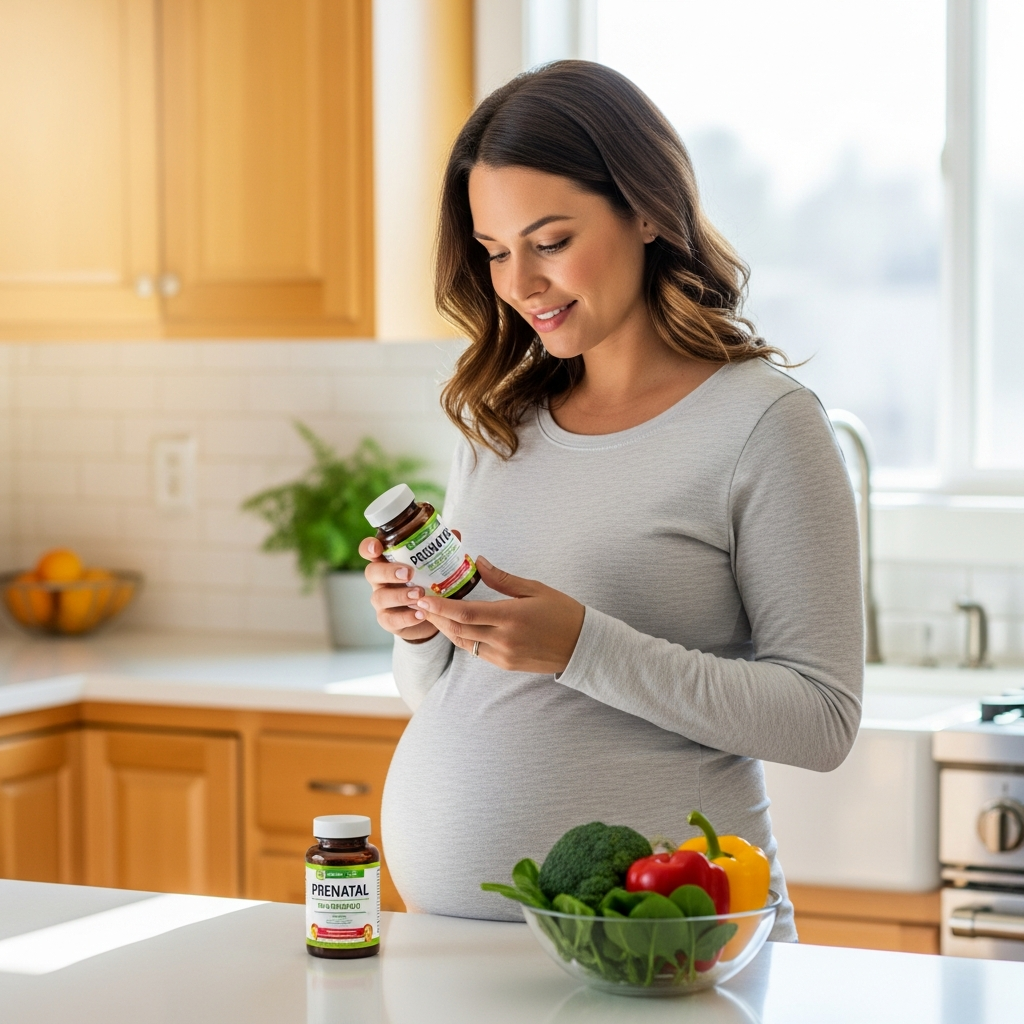
The CDC notes that folic acid is the only form of folate proven to help prevent NTDs. This is why healthcare providers recommend combining folate-rich foods with a prenatal vitamin containing folic acid for optimal protection.
Top Natural Folate Foods with MCG Values for Pregnancy
Now let us explore the best natural sources of folate. These foods form the foundation of the high folate meals for pregnant women featured later in this guide.
Leafy Greens and Spinach Folate Content
Dark leafy greens are folate powerhouses. According to the NIH Office of Dietary Supplements, cooked spinach provides 131 mcg per half cup (33% daily value). Raw spinach offers 58 mcg per cup for salads and smoothies. Collard greens deliver 177 mcg per cooked cup, while romaine provides 64 mcg per cup.
Legumes: Your Folate Superstars
If you want to maximize your folate intake efficiently, legumes are your best friends. They offer the highest natural folate concentrations:
- Cooked lentils: 358 mcg per cup (90% daily value)
- Edamame: 482 mcg per cup
- Chickpeas: 282 mcg per cooked cup (71% daily value)
- Black beans: 256 mcg per cooked cup
Asparagus, Broccoli, and Cruciferous Vegetables
The NIH reports that asparagus provides 89 mcg per four spears (22% daily value), with a full cup delivering 262 mcg. Broccoli offers 104 mcg per cooked cup, while Brussels sprouts contribute 94 mcg.
[IMAGE_PLACEHOLDER_3: Colorful arrangement of folate-rich vegetables including asparagus, broccoli, and spinach]
Comprehensive Folate Food Chart
| Food | Serving Size | Folate (mcg) | % Daily Value |
|---|---|---|---|
| Edamame | 1 cup | 482 | 120% |
| Cooked lentils | 1 cup | 358 | 90% |
| Chickpeas | 1 cup cooked | 282 | 71% |
| Asparagus | 1 cup cooked | 262 | 66% |
| Black beans | 1 cup cooked | 256 | 64% |
| Cooked spinach | 1/2 cup | 131 | 33% |
| Broccoli | 1 cup cooked | 104 | 26% |
| Fortified cereal | 1 cup | 100-400 | 25-100% |
| Avocado | 1/2 fruit | 82 | 21% |
| Orange | 1 large | 55 | 14% |
Folate-Rich Breakfast Recipes for First Trimester
Starting your day with folate sets a positive tone for meeting your nutritional goals. These breakfast recipes address common first trimester challenges while delivering substantial folate.
Green Power Smoothie Bowl
Ingredients:
- 2 cups fresh spinach (116 mcg)
- 1/2 avocado (82 mcg)
- 1 ripe banana
- 1/2 cup fortified orange juice (30 mcg)
- 1/4 cup plain Greek yogurt
- Toppings: mixed berries, granola, chia seeds (39 mcg combined)
Instructions:
- Add spinach, avocado, banana, orange juice, and yogurt to a blender.
- Blend until completely smooth, about 60 seconds.
- Pour into a bowl and arrange toppings artfully.
- Serve immediately for maximum nutrient retention.
Why It Works: Cold smoothies agree with sensitive stomachs during the first trimester.
[IMAGE_PLACEHOLDER_4: Green smoothie bowl topped with berries, granola, and chia seeds]
Fortified Cereal Parfait with Citrus
Ingredients:
- 1 cup fortified whole grain cereal (100-300 mcg depending on brand)
- 1/2 cup milk or fortified plant milk
- 1 orange, segmented (55 mcg)
- 1/2 cup fresh strawberries (25 mcg)
- 2 tablespoons sliced almonds
Instructions:
- Layer cereal in a tall glass or bowl.
- Add milk and let sit for one minute to slightly soften.
- Top with orange segments and strawberries.
- Sprinkle with almonds for added crunch and nutrition.
Why It Works: Fortified cereals provide 100 mcg per serving at 25% daily value. Check labels for higher fortification.
Spinach and Egg Breakfast Wrap
Ingredients:
- 1 whole wheat tortilla, enriched (40 mcg)
- 2 large eggs, scrambled (44 mcg)
- 1 cup fresh spinach, wilted (58 mcg)
- 1/4 avocado, sliced (41 mcg)
- 2 tablespoons mild salsa
- Salt and pepper to taste
Instructions:
- Heat a non-stick pan over medium heat and scramble eggs until just set.
- Add spinach to the pan and stir until wilted, about 30 seconds.
- Warm the tortilla briefly in a dry pan or microwave.
- Layer eggs, spinach, avocado, and salsa on the tortilla.
- Fold and serve warm.
Why It Works: Protein from eggs and healthy fats from avocado provide sustained energy with nearly a third of daily folate.

High Folate Lunch and Dinner Recipes for Pregnant Women
These satisfying main meals deliver the highest folate content in our collection, making it easier to meet your daily goals with just one or two servings.
Hearty Lentil and Vegetable Soup
Ingredients:
- 1.5 cups dried brown or green lentils
- 2 cups fresh spinach
- 1 cup diced carrots
- 1 cup diced celery
- 1 medium onion, chopped
- 3 cloves garlic, minced
- 6 cups low-sodium vegetable broth
- 1 can (14 oz) diced tomatoes
- 1 teaspoon cumin
- Salt, pepper, and fresh herbs to taste
Instructions:
- In a large pot, saute onion, carrots, and celery in olive oil until softened, about 5 minutes.
- Add garlic and cumin, cooking for 30 seconds until fragrant.
- Add lentils, broth, and tomatoes. Bring to a boil.
- Reduce heat, cover, and simmer for 25-30 minutes until lentils are tender.
- Remove from heat and stir in fresh spinach until wilted.
- Season to taste and serve warm.
Why It Works: The highest folate recipe in our collection. Adding spinach at the end preserves nutrients. Freezes well for meal prep.
[IMAGE_PLACEHOLDER_5: Bowl of hearty lentil soup with visible spinach and vegetables]
Roasted Asparagus and Salmon Plate
Ingredients:
- 12 asparagus spears (267 mcg for the portion)
- 2 salmon fillets, 4 oz each
- 1/2 cup quinoa, uncooked (makes about 1.5 cups cooked, 78 mcg total)
- 2 tablespoons olive oil
- Lemon zest and juice from one lemon
- Fresh dill
- 2 cloves garlic, minced
Instructions:
- Preheat oven to 400F. Cook quinoa according to package directions.
- Toss asparagus with 1 tablespoon olive oil and arrange on a baking sheet.
- Season salmon with remaining oil, garlic, lemon zest, and dill.
- Add salmon to the baking sheet with asparagus.
- Roast for 15-18 minutes until salmon reaches 145F internal temperature.
- Serve over quinoa with fresh lemon juice.
Why It Works: Half your daily folate plus omega-3s from salmon for fetal brain development.
Chickpea and Spinach Curry
Ingredients:
- 2 cans (15 oz each) chickpeas, drained
- 4 cups fresh spinach
- 1 can (13.5 oz) coconut milk
- 1 can (14 oz) diced tomatoes
- 2 tablespoons curry powder
- 1 onion, diced
- 3 cloves garlic, minced
- 1 inch fresh ginger, grated
- Fresh cilantro for garnish
Instructions:
- Saute onion in oil until translucent, about 4 minutes.
- Add garlic, ginger, and curry powder. Cook for 1 minute.
- Add tomatoes, coconut milk, and chickpeas. Simmer for 15 minutes.
- Stir in spinach just before serving until wilted.
- Garnish with cilantro and serve over brown rice.
Why It Works: Fully customizable; reduce curry powder and ginger for a milder version if needed.
Mediterranean Quinoa Salad with Avocado
Ingredients:
- 2 cups cooked quinoa (156 mcg)
- 1 cup canned chickpeas, drained
- 1 avocado, diced (164 mcg)
- 1 cup cherry tomatoes, halved
- 1/2 cucumber, diced
- 1/4 cup fresh parsley, chopped (48 mcg)
- 2 oz feta cheese, crumbled (optional)
- 3 tablespoons olive oil
- 2 tablespoons lemon juice
Instructions:
- Combine cooled quinoa, chickpeas, tomatoes, and cucumber in a large bowl.
- Whisk olive oil and lemon juice for dressing.
- Toss salad with dressing.
- Add avocado and parsley just before serving.
- Top with feta if desired.
Why It Works: Perfect when hot foods trigger morning sickness. Keeps in refrigerator for three days without avocado.
[IMAGE_PLACEHOLDER_6: Mediterranean quinoa salad with colorful vegetables and avocado chunks]
Morning Sickness-Friendly Folate Foods and Gentle Options
First trimester nausea affects up to 80% of pregnant women. When cooking smells make you queasy and appetite disappears, these gentle options help you maintain folate intake.
Cold and Room Temperature High-Folate Options
Many women find cold foods more tolerable during morning sickness. Try these easy options:
- Chilled smoothies with spinach and banana - The cold temperature and sweet fruit mask the greens
- Avocado toast on fortified bread - Approximately 180 mcg per serving
- Hummus with whole grain crackers - 95 mcg per quarter cup of hummus
- Fresh orange segments and berries - Light, refreshing, and folate-rich
- Overnight oats with fortified milk - Prepare the night before, eat cold
- Chilled edamame - Lightly salted, protein-packed, and gentle on the stomach
Bland But Nutrient-Dense Choices
When your stomach protests bold flavors, these mild options deliver folate without triggering nausea:
- Plain fortified cereal with minimal cold milk
- Whole grain crackers with mashed avocado
- Baked potato topped with black beans (mild preparation)
- Plain pasta with olive oil and steamed broccoli
- Rice with gentle lentils and a squeeze of lemon
Practical Tips for Difficult Days:
- Eat small portions every 2-3 hours rather than large meals
- Keep fortified crackers by your bedside for early morning
- Citrus can help ease nausea while providing folate
- Ginger added to smoothies offers additional nausea relief
- Choose cold foods when cooking smells trigger symptoms
Vegetarian and Vegan Folate Sources for Pregnancy
Plant-based diets can absolutely meet pregnancy folate requirements. In fact, many of the highest folate foods are naturally vegan.
Complete Plant-Based Folate Guide
Meeting 600 mcg daily on a plant-based diet is achievable with thoughtful planning. Here is a sample day:
| Meal | Foods | Folate (mcg) |
|---|---|---|
| Breakfast | Fortified cereal with soy milk | 250 |
| Lunch | Lentil soup with spinach | 394 |
| Snack | Orange and handful of peanuts | 75 |
| Dinner | Chickpea curry with brown rice | 348 |
| Total | 1,067 |
Iron and Folate Pairing for Better Absorption
Iron and folate work together for red blood cell formation. Pair folate-rich foods with vitamin C for enhanced iron absorption:
- Spinach with lemon juice - Vitamin C enhances iron absorption
- Lentils with bell peppers - Colorful and nutritious combination
- Fortified cereal with orange juice - A classic pairing
- Black beans with tomato salsa - Flavorful and functional
If you follow a vegan diet, remember to discuss vitamin B12 supplementation with your healthcare provider, as this nutrient is not found in plant foods.
[IMAGE_PLACEHOLDER_7: Colorful Buddha bowl with quinoa, edamame, avocado, and leafy greens]
Cooking Tips to Maximize Folate Retention
How you prepare food matters. Folate is water-soluble and heat-sensitive, so cooking methods significantly affect content.
Best Preparation Methods to Preserve Folate
Studies show that cooking methods dramatically affect folate retention:
- Raw preparation preserves 95-100% of folate (ideal for smoothies and salads)
- Steaming briefly retains 75-90% (excellent for asparagus and broccoli)
- Microwaving with minimal water keeps 70-85%
- Quick sauteing maintains 65-80%
- Boiling retains only 50-60% (folate leaches into cooking water)
| Cooking Method | Folate Retention | Best For |
|---|---|---|
| Raw (smoothies, salads) | 95-100% | Spinach, leafy greens |
| Steaming (brief) | 75-90% | Asparagus, broccoli |
| Microwaving | 70-85% | Vegetables with minimal water |
| Sauteing (quick) | 65-80% | Spinach, greens |
| Boiling | 50-60% | Avoid for folate preservation |
Storage Tips for Maximum Nutrition
Fresh vegetables lose folate over time, so proper storage matters:
- Store leafy greens in airtight containers in the refrigerator
- Use fresh produce within 3-5 days of purchase
- Frozen vegetables often retain nutrients well since they are frozen at peak freshness
- Avoid pre-cut vegetables that have been sitting for extended periods
- Add leafy greens to dishes at the very end of cooking
Pro Tip: If you boil vegetables, save the cooking water for soups or sauces. This recaptures some of the folate that leached into the liquid during cooking.
Frequently Asked Questions About Folate and Pregnancy
What foods are highest in folate for pregnancy?
Legumes and leafy greens top the list. Cooked lentils provide 358 mcg per cup, edamame offers 482 mcg per cup, and cooked spinach contains 131 mcg per half cup. Fortified cereals provide 100-400 mcg per serving.
How much folate do pregnant women need daily?
Pregnant women need 600 mcg daily. Women of childbearing age should consume 400 mcg daily. Those with a previous NTD pregnancy may need 4,000 mcg under medical supervision.
What is the difference between folate and folic acid?
Folate is naturally occurring vitamin B9 in foods. Folic acid is the synthetic form in supplements and fortified foods with higher bioavailability (85% vs 50-60%).
Can I get enough folic acid from food alone?
While possible, most healthcare providers recommend prenatal vitamins with 400-800 mcg folic acid plus folate-rich foods, since the neural tube closes before many women know they are pregnant.
When is folate most important during pregnancy?
Folate is most critical during the first 28 days after conception when the neural tube closes. This is why the CDC recommends all women of childbearing age consume 400 mcg daily.
Does cooking destroy folate in vegetables?
Cooking can reduce folate by 40-50%. Preserve more by eating vegetables raw, steaming instead of boiling, cooking quickly, and adding greens at the end of cooking.
What are signs of folate deficiency?
Signs include fatigue, weakness, irritability, shortness of breath, pale skin, and mouth sores. Severe deficiency increases risk of neural tube defects and premature birth.
Are fortified cereals safe during pregnancy?
Yes, when chosen wisely. Select whole grain options with 100-400 mcg folic acid and lower sugar. Especially helpful during morning sickness when other foods are difficult.
Nourishing Your Pregnancy Journey
Getting adequate folate during pregnancy, especially in the first trimester, stands as one of the most important nutritional steps you can take for your baby's healthy development. The recipes in this guide provide between 180 and 394 mcg of folate per serving, making it genuinely achievable to meet your daily needs through delicious, satisfying meals.
Remember that combining natural folate foods with a prenatal vitamin offers the best protection against neural tube defects. Start with simple recipes like the Green Power Smoothie or Fortified Cereal Parfait, then expand to more complex meals like the Hearty Lentil Soup as you grow comfortable with these ingredients.
At PatPat, we believe that supporting your pregnancy journey includes helping you make informed nutritional choices. Bookmark this guide for easy reference, and consider printing the folate food chart to keep on your refrigerator. Most importantly, discuss your individual folate needs with your healthcare provider, as recommendations may vary based on your health history.
Your dedication to nutrition today helps build the foundation for your baby's lifelong health. Each folate-rich meal you prepare is an act of love for the little one growing inside you.





