


You have spent months preparing the nursery, washing tiny clothes, and dreaming about the moment you finally bring your baby home. But here is a question that catches many expecting parents off guard: what should your newborn actually wear for that important first journey from hospital to home?
The baby coming home outfit is more than just clothes. It is the first outfit your child wears outside the hospital walls, the one captured in countless photos, and often the piece tucked away in keepsake boxes for decades. Yet beyond sentiment, this outfit needs to serve practical purposes: keeping your newborn comfortable, safe in the car seat, and protected from the elements.
If you are feeling overwhelmed by the choices, you are not alone. First-time parents often spend hours debating between adorable options without knowing the critical safety considerations that should guide their decision. Whether you are shopping for your own little one or selecting a thoughtful baby shower gift, this guide covers everything you need to know about choosing a baby coming home outfit that balances comfort, safety, and those picture-perfect moments.
At PatPat, we understand this milestone matters to families. Let us walk through the essential factors together, from sizing strategies to car seat safety, seasonal layering to fabric choices, so you can make a confident decision for your newborn's big debut.
What Is a Baby Coming Home Outfit and Why Does It Matter?
The Tradition Behind the Coming Home Outfit
The tradition of a special coming home outfit dates back generations, when families would dress newborns in their finest for the journey home. Today, this baby going home outfit serves as a meaningful milestone marker, often becoming a cherished keepsake that parents preserve alongside hospital bracelets and footprint cards.
Many families frame or shadow-box the outfit, pass it down to younger siblings, or simply store it as a tangible memory of those precious first days. The emotional weight of this tiny garment often surprises parents who did not expect to feel so attached to a piece of clothing.
Practical Purpose Beyond Sentiment
Beyond its sentimental value, the coming home outfit serves critical practical functions. This is your baby's first car ride, their first exposure to outdoor temperatures, and their first experience outside the climate-controlled hospital environment. The outfit must accommodate car seat harnesses safely, provide appropriate warmth without overheating, and remain comfortable during what can be a stressful transition.
Additionally, most parents snap photos during hospital discharge, meaning this outfit often appears in birth announcements and social media posts for years to come. Choosing wisely means balancing function with those memorable first images.

What Size Coming Home Outfit Should You Choose for Your Newborn?
One of the trickiest parts of selecting a newborn coming home outfit is not knowing your baby's exact size until birth. Here is how to navigate this uncertainty.
Understanding Newborn Sizing: Newborn vs 0-3 Months
Baby clothing sizes vary by brand, but general guidelines can help you prepare. According to industry sizing standards, newborn sizes typically fit babies weighing 5-8 pounds and measuring up to 21.5 inches. The 0-3 month size accommodates babies from 8-12 pounds and 21.5-24 inches.
However, these are approximations. Babies born after their due date often arrive larger, sometimes skipping newborn sizes entirely. Premature babies may need preemie sizing designed for those under 5-6 pounds. The unpredictability makes planning challenging, but not impossible.
The Two-Size Strategy: Why Smart Parents Pack Both
Experienced parents and hospital nurses consistently recommend the same approach: pack two sizes. Bring your chosen outfit in both newborn and 0-3 month sizes to the hospital. This strategy eliminates the disappointment of an outfit that does not fit and ensures you have options regardless of your baby's arrival weight.
Hospital staff can help assess which size works best once your baby arrives. Many parents report being surprised by their baby's size, whether larger or smaller than expected. Having both sizes means you are prepared either way, and you can always save the unused size for a younger sibling or as a keepsake.
Quick Sizing Reference Chart
| Baby Weight | Recommended Size | Notes |
|---|---|---|
| Under 5 lbs | Preemie | Check specific brand sizing; some preemie ranges vary |
| 5-8 lbs | Newborn | Most common for full-term babies |
| 8-10 lbs | 0-3 Months | For larger newborns; increasingly common |
| 10+ lbs | 0-3 or 3-6 Months | Rare but happens; size up for comfort |
When building your hospital bag, consider packing options in multiple sizes from a newborn clothing collection that offers easy returns or exchanges.
Car Seat Safety: The Non-Negotiable Factor in Choosing Baby's Outfit
This section contains the most critical information in this entire guide. Car seat safety must influence your outfit choice, yet many parents remain unaware of the dangers certain clothing poses.
Why Puffy Clothing Is Dangerous in Car Seats
According to the National Highway Traffic Safety Administration (NHTSA), bulky coats can create extra room in the harness, causing a loose fit that puts children at risk for injury during a crash. The American Academy of Pediatrics similarly emphasizes that bulky clothing, including winter coats and snowsuits, should not be worn underneath the harness. The problem is compression: during impact, thick padding compresses rapidly, leaving harness straps too loose to restrain your child properly.
This applies to puffy winter jackets, thick snowsuits, bunting bags worn under straps, and any heavily padded clothing. The same outfit that looks cozy can become a safety hazard in the car seat.
Safe Outfit Choices for the Car Ride Home
The solution is straightforward: dress your baby in thin, fitted layers that allow the harness to sit snugly against their body. Ideal choices include:
- Lightweight footed sleepers or footie pajamas
- Thin cotton bodysuits with soft pants
- One-piece rompers without excessive padding
- Fleece sleepers (thin fleece, not thick or quilted)
Avoid snowsuits, puffy jackets, thick bunting, quilted outfits, or anything that creates bulk between your baby and the harness straps.
Keeping Baby Warm Without Compromising Safety
How do you keep a winter baby warm without bulky clothing? The American Academy of Pediatrics recommends placing blankets over the buckled harness, never underneath it. This approach maintains harness integrity while providing warmth.
Additional safe warming strategies include:
- Pre-warming the car before placing baby inside
- Using car seat covers designed to fit over the seat (not under straps)
- Layering thin clothing rather than one bulky item
- Bringing warm blankets to tuck around the already-buckled baby
Seasonal Guide: Dressing Your Newborn for Every Weather
Your due date determines much about your coming home outfit choice. Here is how to dress your newborn appropriately for each season while maintaining car seat safety.
Winter Coming Home Outfits (December-February)
Winter babies need warmth without bulk. The ideal layering system starts with a soft bodysuit as a base layer, adds a footed cotton or thin fleece sleeper, includes a lightweight hat, and finishes with a blanket placed over the buckled harness.
Remember: hospitals are warm, and you will be moving quickly from building to car. Your baby does not need to be dressed for an extended outdoor excursion. Pre-warm the car, dress in layers that fit under the harness, and add warmth with blankets once secured.
Summer Coming Home Outfits (June-August)
Summer presents the opposite challenge: preventing overheating. Newborns cannot regulate their body temperature effectively, and overheating poses real risks. For summer babies, a single lightweight layer is often sufficient, especially if the car has air conditioning.
Good summer options include short-sleeve bodysuits, lightweight cotton rompers, thin muslin outfits, or breathable footie sleepers in light fabrics. Pack a light blanket anyway, as hospital discharge waiting areas and over-air-conditioned cars can feel chilly.
Spring and Fall Coming Home Outfits (March-May, September-November)
Transitional seasons require flexibility. Weather can shift dramatically, so check the forecast on your discharge day and prepare layers that can be added or removed. A long-sleeve bodysuit under a light sleeper works well, with a blanket available for extra warmth if needed.
Temperature-Based Layering Chart
| Temperature | Recommended Layers |
|---|---|
| Below 32F (0C) | Bodysuit + fleece sleeper + hat + blanket over straps |
| 32-50F (0-10C) | Bodysuit + cotton sleeper + light blanket |
| 50-68F (10-20C) | Long-sleeve bodysuit or light sleeper |
| 68-77F (20-25C) | Short-sleeve bodysuit or light romper |
| Above 77F (25C+) | Single light layer in breathable fabric |
Browse seasonally appropriate options in our baby clothes collection to find the perfect weight and style for your due date.
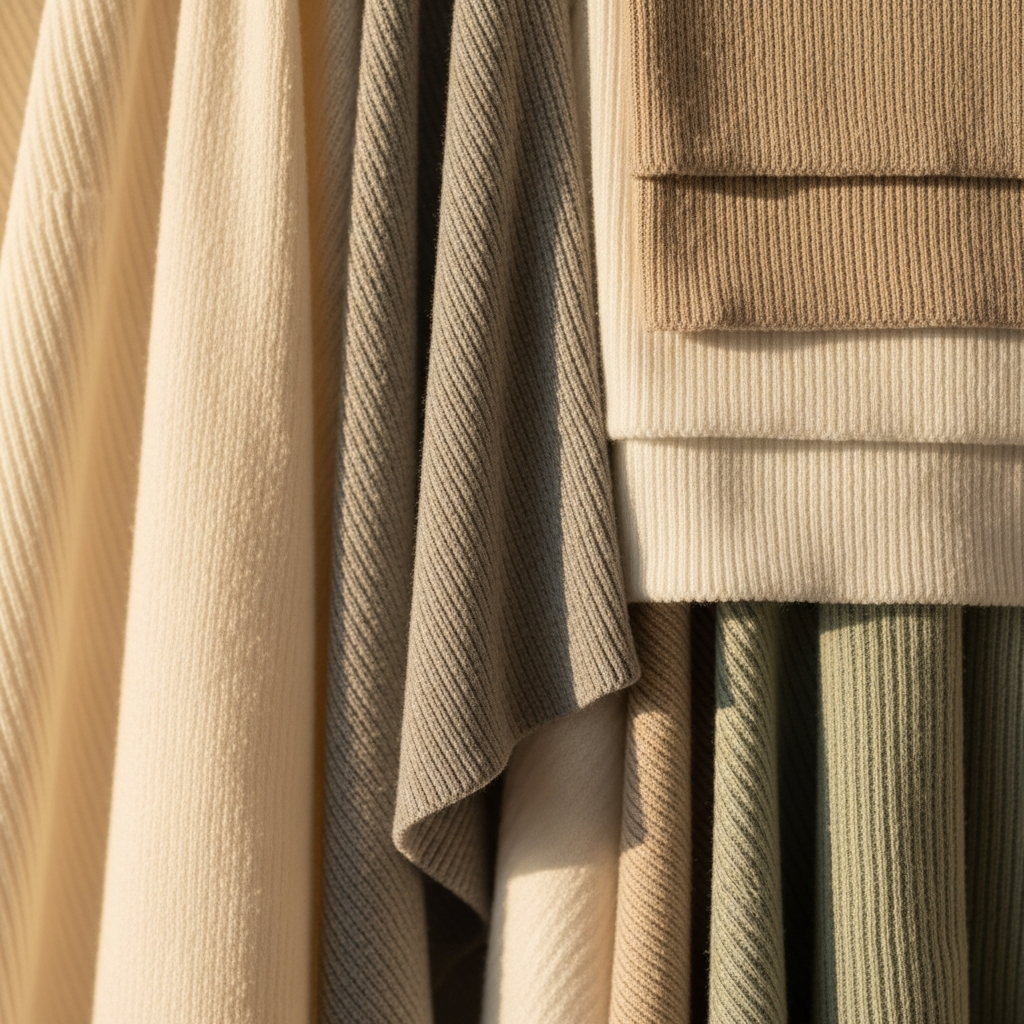
Best Fabrics and Materials for Newborn Comfort and Sensitive Skin
Your baby's skin is remarkably delicate. According to peer-reviewed dermatological research, newborn skin is up to 30% thinner than adult skin, making it more susceptible to irritation from synthetic dyes, pesticides, and chemical finishes in conventional fabrics. Choosing the right material matters more than many parents realize.
Organic Cotton: The Gold Standard for Newborns
Organic cotton consistently ranks as the top choice for newborn clothing. When GOTS (Global Organic Textile Standard) certified, organic cotton must contain a minimum of 95% certified organic fibers and meet strict environmental standards throughout production.
Benefits of organic cotton include excellent breathability, natural softness without chemical softeners, hypoallergenic properties ideal for sensitive skin, temperature-regulating capabilities, and durability that withstands frequent washing.
Bamboo Fabric: A Sustainable Soft Alternative
Bamboo fabric has gained popularity for baby clothing due to its exceptional softness, often described as silkier than cotton. It offers natural antibacterial properties, excellent moisture-wicking that keeps skin dry, breathability for temperature regulation, and eco-friendly production from a rapidly renewable resource.
Bamboo works particularly well for babies prone to eczema or heat rash, as its moisture-wicking properties help prevent the dampness that aggravates skin conditions.
What to Avoid in Newborn Fabrics
- 100% polyester: Traps heat and moisture against skin
- Heavily dyed fabrics: May contain irritating chemicals
- Stiff or scratchy materials: Can cause friction irritation
- Fabrics with chemical treatments: Flame retardants and wrinkle-resistance treatments may irritate sensitive skin
Fabric Comparison at a Glance
| Fabric | Breathability | Softness | Best For |
|---|---|---|---|
| Organic Cotton | Excellent | Very Soft | All seasons, sensitive skin |
| Bamboo | Excellent | Ultra-Soft | Sensitive skin, eczema-prone babies |
| Cotton Blends | Good | Soft | Budget-friendly everyday wear |
| Thin Fleece | Moderate | Soft | Light winter layer (not for direct skin contact) |
Style Options: From Classic to Personalized Coming Home Outfits
Once you have addressed safety and comfort, you can focus on style. The coming home outfit appears in photos you will treasure forever, so choosing something visually appealing matters too.
Classic Style Options That Photograph Beautifully
Timeless choices never go out of style. White and cream outfits photograph beautifully against any backdrop, while simple knit sets offer elegant texture without overwhelming a tiny newborn. Classic styles also tend to work well as hand-me-downs or keepsakes.
Gender-Neutral Choices for Modern Families
Gender-neutral baby clothing continues growing in popularity. These versatile pieces can be used for future siblings regardless of gender, and they often feature sophisticated color palettes that photograph well. Popular neutral tones include sage green, cream, mustard yellow, soft gray, and earthy terracotta. Animal prints, nature themes, and geometric patterns work beautifully across genders.
Personalized and Monogrammed Outfits
Custom embroidered or monogrammed outfits add a special touch to coming home photos. If considering personalization, order early to account for production time. Most custom orders require two to four weeks, so place orders before your third trimester if possible. Keep in mind that personalized items typically cannot be exchanged if sizing does not work out.
Balancing Style with Practicality
The most photogenic outfit means nothing if it frustrates you during diaper changes or makes your baby uncomfortable. Look for styles that combine visual appeal with practical features. Avoid outfits with excessive buttons that slow down changes, bows or embellishments that could irritate skin, complicated designs requiring multiple pieces, or anything that prioritizes appearance over comfort.
Practical Features That Make Outfit Changes Easier
In those first days, you will change your newborn's diaper eight to twelve times daily. Choosing an outfit with practical features saves time and reduces stress.
Zipper vs Snap Closures: The Great Debate
Two-way zippers have become increasingly popular for good reason. They allow you to unzip from the bottom for diaper changes without fully undressing your baby. Snaps remain the traditional choice but require more dexterity and patience, especially during nighttime changes. Magnetic closures represent a newer innovation that combines the ease of zippers with the traditional appearance of snaps.
Best Outfit Styles for New Parents
- Footed sleepers: All-in-one convenience keeps feet warm and eliminates the need for socks
- Baby gowns: Open bottom allows fastest diaper access; ideal for frequent changes
- Rompers: Versatile and photo-friendly; look for snap or zipper crotch access
- Onesie and pants sets: Cute but require managing multiple pieces
Accessories Worth Including
A soft hat helps with temperature regulation, as newborns lose significant body heat through their heads. Scratch mittens remain optional but helpful if your baby has sharp nails. Soft booties or socks are necessary only if the outfit is not footed. A coordinating blanket ties the look together for photos while serving the practical purpose of post-car-seat warmth.
Common Mistakes to Avoid When Choosing a Coming Home Outfit
Learning from other parents' experiences helps you sidestep common pitfalls. Here are the mistakes we see most frequently.
Mistake #1: Buying Only One Size
The solution is simple: pack both newborn and 0-3 month sizes. You cannot predict your baby's exact weight, and having options prevents disappointment.
Mistake #2: Choosing Style Over Function
That elaborate dress with forty tiny buttons looks adorable on the hanger but becomes a nightmare during diaper changes. Prioritize comfortable, easy-to-change designs that happen to look cute.
Mistake #3: Overdressing for the Weather
New parents often overdress babies out of fear they will be cold. However, overheating poses real risks for newborns. Follow the temperature layering chart and remember that you will move quickly from heated hospital to heated car.
Mistake #4: Ignoring Car Seat Safety
This mistake carries the most serious consequences. No outfit, however adorable, is worth compromising your baby's safety. Choose thin layers and add warmth with blankets over buckled straps.
Mistake #5: Waiting Until the Last Minute
Babies arrive on their own schedule, sometimes weeks early. Have your coming home outfit packed in your hospital bag by 36 weeks, or roughly 3-4 weeks before your due date. For a complete hospital bag checklist, the American Pregnancy Association provides comprehensive guidance on what to bring for both baby and parents.
Mistake #6: Forgetting to Pre-Wash
New clothing contains manufacturing residues that can irritate newborn skin. Wash the outfit with gentle, fragrance-free detergent before packing it in your hospital bag.
Frequently Asked Questions About Baby Coming Home Outfits
What should a newborn wear home from the hospital?
A newborn should wear a comfortable, weather-appropriate outfit that allows for safe car seat buckling. For most climates, a soft cotton bodysuit with a footed sleeper works well. Avoid bulky clothing that interferes with car seat harness straps. Add a blanket over the buckled baby for extra warmth rather than dressing in thick layers that go under the straps.
What size coming home outfit should I buy for my newborn?
Most full-term babies weighing 5-8 pounds fit newborn size, but you should pack both newborn and 0-3 month sizes. Babies born over 8 pounds often need 0-3 months immediately. Since you cannot know your baby's exact size until birth, having both options ensures a proper fit for those first photos and the ride home.
How many outfits should I pack for baby in my hospital bag?
Pack 2-3 complete outfits in your hospital bag: your chosen coming home outfit in two sizes, plus one backup outfit in case of diaper blowouts or spit-up. Include a hat and socks or booties. This ensures you are prepared for any situation during your hospital stay.
Can babies wear puffy jackets in car seats?
No, babies should never wear puffy jackets, thick snowsuits, or bulky clothing in car seats. These garments compress during a crash, creating slack in the harness straps that can allow the baby to be ejected. Instead, dress your baby in thin layers and place warm blankets over the buckled harness for warmth.
Should I wash baby's coming home outfit before wearing?
Yes, always pre-wash your baby's coming home outfit before packing it in your hospital bag. Use a gentle, fragrance-free detergent to remove any manufacturing residues, dust, or potential irritants. This step is especially important for newborns with sensitive skin.
What is the best fabric for a newborn coming home outfit?
Organic cotton and bamboo are the best fabrics for newborn coming home outfits. Both are naturally soft, breathable, and hypoallergenic, making them ideal for sensitive newborn skin. Look for GOTS-certified organic cotton or OEKO-TEX certified fabrics to ensure they are free from harmful chemicals.
Do babies need to wear hats home from the hospital?
A soft, lightweight hat is recommended for newborns leaving the hospital, especially in cooler weather. Newborns lose heat quickly through their heads since they cannot regulate body temperature well on their own. Choose a breathable cotton or bamboo hat that fits snugly without being too tight.
When should I pack the baby's coming home outfit?
Pack your baby's coming home outfit in your hospital bag by 36 weeks of pregnancy, or about 3-4 weeks before your due date. This ensures you are prepared if baby arrives early. Include the outfit pre-washed and ready to wear, along with backup sizes and extra accessories like hats and socks.
Making the Choice: Your Newborn's Perfect Coming Home Outfit
Choosing your baby's coming home outfit does not need to be stressful. By focusing on the essentials, you can find an option that checks every box: the right size (or two sizes, just in case), car seat-safe construction without bulky padding, weather-appropriate layers, gentle fabrics for sensitive skin, and practical features that make those frequent changes easier.
Remember that this outfit will become a treasured keepsake, but it also needs to serve immediate practical purposes. The best baby coming home outfit balances sentiment with safety, style with function. Whether you choose a classic white sleeper or a personalized monogrammed set, prioritize your baby's comfort and safety first.
Ready to find the perfect outfit for your little one's big debut? PatPat offers a curated collection of baby coming home outfits designed with comfort, safety, and those precious first photos in mind. Start shopping early, pack both sizes, and enjoy this exciting milestone knowing you have made a thoughtful, informed choice for your newborn.
For ongoing guidance on newborn care essentials, the American Academy of Pediatrics provides evidence-based resources to support you through those precious early weeks and beyond.
Congratulations on your growing family. The journey home is just the beginning.




