


Is your 2 month old baby developing normally? If you find yourself watching every coo, stretch, and tiny yawn wondering what it all means, you are not alone. The second month brings remarkable changes that can feel both exciting and overwhelming for new parents.
Your little one has already transformed so much since birth. Those random arm jerks are becoming smoother movements. The blank stares are turning into moments of real eye contact. And the most magical milestone of all? That first genuine smile that melts your heart and makes every sleepless night worth it.
Understanding 2 month old baby development helps you support your infant's growth while easing the natural worries that come with parenthood. We know these early weeks are precious yet challenging. This comprehensive guide covers everything you need to know about what your 8 week old baby should be doing, from developmental milestones and sleep schedules to feeding amounts and engaging activities.
Whether your baby is hitting milestones early, right on time, or taking a little longer, remember that every child develops at their own pace. According to the CDC's milestone guidelines, the benchmarks represent what approximately 75% of babies can do by a certain age. Your pediatrician is always your best resource for personalized guidance about your unique baby.
What Can a 2 Month Old Baby Do? Key Milestones Overview
At two months, your baby is rapidly developing new abilities across multiple areas. Understanding what should a 2 month old be doing helps you celebrate achievements and know when to discuss concerns with your doctor.
Quick Milestone Checklist
Physical Milestones:
- Briefly lifts head during tummy time (about 45 degrees)
- Smoother, less jerky arm and leg movements
- Opens hands briefly instead of keeping them fisted
- Brings hands to mouth
- Moves both arms and both legs equally
Social and Emotional Milestones:
- First social smile (responding to you, not reflexive)
- Calms when spoken to or picked up
- Looks at your face intentionally
- Seems happy to see you when you approach
Communication Milestones:
- Makes cooing sounds (vowel sounds like "ooh" and "aah")
- Reacts to loud sounds
- Different cries for different needs
Cognitive Milestones:
- Watches you as you move
- Looks at a toy for several seconds
- Tracks moving objects with eyes
- Shows boredom if activity does not change
These 2 month old milestones are guidelines, not requirements. If your baby has not checked every box, that is typically normal. However, if your infant is not meeting several milestones or has lost skills they previously had, the CDC recommends discussing concerns with your pediatrician.
Physical Development and Motor Skills at 2 Months
Your baby's physical development at 2 months involves exciting changes in strength, coordination, and reflexes. These motor skill improvements lay the foundation for future milestones like rolling over and sitting up.
Head and Neck Control Progress
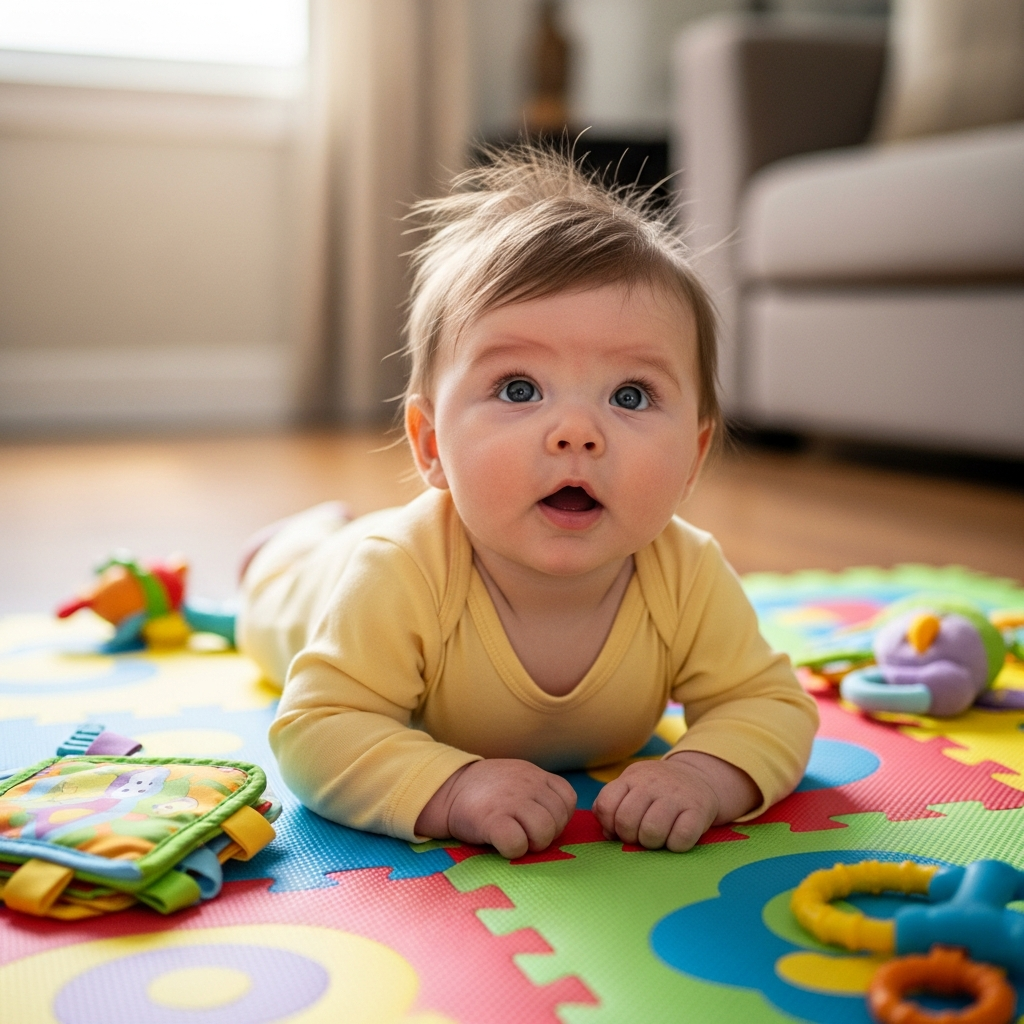
One of the most noticeable 2 month old physical milestones is improved head control. During tummy time, your baby can now briefly lift their head at about a 45-degree angle. Their neck still needs support when you hold them upright, but you will notice less wobbling than just a few weeks ago.
This progress happens gradually. Some babies lift their heads higher and longer than others at this age. What matters is that you see improvement over time, not perfection right now.
Arm and Leg Movement Changes
Remember those jerky, startled movements your newborn made? By two months, those motions become smoother and more controlled. The startle reflex (Moro reflex) begins fading, which means fewer sudden arm throws when your baby hears a noise.
You will also notice your baby's arms and legs moving more symmetrically. Their kicking becomes more purposeful during diaper changes and bath time. These gross motor skills are developing exactly as they should.
Hand Development and Reflexes
Your 2 month old's hands are fascinating to watch. Instead of staying tightly fisted like a newborn, their hands now open more frequently. They bring their hands together and explore them, often putting them in their mouth.
While the grasp reflex is still present, your baby may begin batting at objects hanging above them. They are not quite ready to grab and hold toys yet, but this hand-eye coordination is building important neural pathways.
Tips for Supporting Physical Development:
- Offer supervised tummy time several times daily
- Allow free movement during awake time without restrictive swaddles
- Gently move baby's arms and legs during diaper changes
- Hold baby upright against your shoulder to encourage head lifting
Cognitive Development and Sensory Milestones
Your baby's brain is developing at an astonishing rate during these early months. Understanding 2 month old brain development helps you provide the right stimulation without overwhelming your little one.
Vision Development at 8 Weeks
How far can a 2 month old see? Your baby's vision is improving significantly. They can now see clearly at about 8 to 15 inches, with faces visible up to 18 inches away. This is the perfect distance when you hold them during feeding or cuddle time.
Color vision is developing too. Your baby begins distinguishing colors, especially red and green, though they still prefer high-contrast patterns like black and white. Eye coordination improves, and you may notice less crossing than during the newborn stage.
The most exciting visual milestone? Your baby now tracks moving objects with their eyes, following a toy or your face as it moves slowly across their field of vision.
Hearing and Sound Recognition
Your baby's hearing was fully developed at birth, but now they are showing clear responses. They turn their head toward familiar voices and may quiet down when they hear music or your soothing words.
Your 2 month old recognizes your voice distinctly from others. They may become alert when you speak or show excitement when they hear your voice approaching. This recognition strengthens the parent-child bond beautifully.
Early Cognitive Skills Emerging
Even at 8 weeks, your baby is learning cause and effect. When they bat at a hanging toy and it moves, they are beginning to understand their actions create results. Their attention span is increasing too. They can now focus on something interesting for one to two minutes before needing a change.
Watch for signs of boredom. When your baby fusses or looks away, they may need new stimulation. This shows cognitive growth because they are recognizing when something is no longer engaging.
2 Month Old Sleep Schedule: Patterns, Wake Windows, and Tips
Sleep remains one of the biggest concerns for parents of 2 month olds. Understanding normal sleep patterns helps you set realistic expectations and support your baby's rest.
How Much Sleep Does a 2 Month Old Need?
According to the National Sleep Foundation guidelines cited by Nemours KidsHealth, infants aged 1 to 3 months need 14 to 17 hours of sleep over a 24-hour period. This typically breaks down as:
- Nighttime sleep: 8 to 10 hours (with multiple wakings for feeds)
- Daytime sleep: 4 to 5 hours spread across 4 to 5 naps
- Longest uninterrupted stretch: Usually 4 to 6 hours
Sample 2 Month Old Sleep Schedule
| Time | Activity |
|---|---|
| 7:00 AM | Wake, feed |
| 8:15 AM | Nap 1 (45-90 minutes) |
| 10:30 AM | Feed, play |
| 11:30 AM | Nap 2 (45-90 minutes) |
| 1:30 PM | Feed, play |
| 2:30 PM | Nap 3 (45-90 minutes) |
| 4:30 PM | Feed, play |
| 5:30 PM | Nap 4 (30-45 minutes) |
| 6:30 PM | Feed, bath |
| 7:30 PM | Bedtime routine, feed |
| 8:00 PM | Bedtime |
| Night | 1-3 feeds as needed |
Note: This is a sample schedule. Flexibility is essential at 2 months since babies this age do not follow strict routines.
Understanding Wake Windows for 2 Month Olds
A 2 month old's wake window is typically 45 to 90 minutes. Most babies can only stay happily awake for about an hour before needing sleep again. Watch for tired cues like yawning, eye rubbing, fussiness, and looking away from stimulation.
Catching these cues before your baby becomes overtired makes falling asleep much easier. An overtired baby often fights sleep and sleeps less soundly, creating a frustrating cycle.
Navigating the 8 Week Sleep Regression
Many parents notice their baby's sleep worsens around 8 weeks. This 8 week sleep regression can include more frequent night wakings, shorter naps, and increased fussiness around sleep times.
Here is the surprising truth: this regression is actually a sign of healthy brain development. Your baby's sleep cycles are maturing, and their increased awareness of the world makes settling down harder. This phase typically lasts 2 to 4 weeks, so maintain consistent routines and respond to your baby's needs during this temporary disruption.
Safe Sleep Practices
The American Academy of Pediatrics recommends placing babies on their back to sleep on a firm, flat surface with no loose bedding, pillows, or toys. Room sharing without bed sharing decreases SIDS risk by as much as 50%, making it an important practice during these first months.
Feeding Your 2 Month Old: Schedules, Amounts, and Common Questions
Whether you breastfeed, formula feed, or do a combination, understanding your 2 month old feeding schedule helps ensure your baby gets proper nutrition.
How Often Should a 2 Month Old Eat?
According to the CDC's infant nutrition guidelines, feeding frequency varies by method:
- Breastfed babies: 8 to 12 times per 24 hours (every 2 to 3 hours)
- Formula-fed babies: 6 to 8 times per 24 hours (every 3 to 4 hours)
Feeding on demand remains recommended at this age. Your baby knows their hunger best, and their needs vary day to day based on growth spurts and activity levels.
How Much Should a 2 Month Old Eat?
| Baby Weight | Formula Per Day | Per Feeding (6-8 feeds) |
|---|---|---|
| 9 lbs | 22-23 oz | 3-4 oz |
| 10 lbs | 25 oz | 3.5-4.5 oz |
| 11 lbs | 27-28 oz | 4-4.5 oz |
| 12 lbs | 30 oz | 4-5 oz |
The AAP recommends about 2.5 ounces of formula per pound of body weight daily as a general guideline.
For breastfed babies, measuring intake is harder. Look for 6 or more wet diapers daily and consistent weight gain as indicators your baby is eating enough.
Understanding Cluster Feeding and Growth Spurts
Around 6 to 8 weeks, many babies experience a growth spurt that triggers cluster feeding. Your baby may want to eat every hour for several hours. This is exhausting but normal and typically lasts 24 to 48 hours.
Cluster feeding is not a sign of low milk supply. Your baby is boosting your supply to meet their growing needs. Respond to their hunger cues, stay hydrated, and know this intense phase will pass.
Growth and Weight: What to Expect at 2 Months
Parents often wonder how much should a 2 month old weigh. Understanding average ranges helps, but remember that healthy babies come in many sizes.
Average Weight and Length at 2 Months
Based on WHO growth standards, here are typical ranges:
| Measurement | Boys | Girls |
|---|---|---|
| Weight | 10.1-13.2 lbs (4.6-6 kg) | 9.3-12.1 lbs (4.2-5.5 kg) |
| Length | 21.5-24 inches (54.5-61 cm) | 21-23.5 inches (53.5-59.5 cm) |
| Head Circumference | 15-16 inches (38-41 cm) | 14.5-15.5 inches (37-39.5 cm) |
What matters most is that your baby follows their own growth curve consistently. A baby in the 15th percentile who stays in the 15th percentile is growing perfectly well. Your pediatrician tracks this at each well visit.
Understanding Growth Spurts at 8 Weeks
Growth spurts at 6 and 8 weeks are common. Signs include increased hunger, more sleep or disrupted sleep, fussiness, and suddenly outgrowing clothes. These intense periods typically last 2 to 3 days before things settle again.
Activities and Play Ideas to Support Your 2 Month Old's Development
Wondering how to play with a 2 month old? Simple, daily interactions are the best activities for 2 month old babies. Your face, voice, and touch provide ideal stimulation.
Tummy Time: Building Essential Strength
The AAP recommends supervised tummy time starting soon after hospital discharge, building to at least 15 to 30 minutes total daily by 7 weeks. By 2 months, aim for 30 minutes total per day in short 3 to 5 minute sessions.
Tummy time positions that work:
- On the floor with engaging toys at eye level
- On your chest while you recline
- Over your lap while you gently pat their back
- Football hold with baby facing out
If your baby hates tummy time, try shorter sessions more frequently, use a rolled towel under their chest for support, or get down on their level to make eye contact and encourage them.
Sensory Play for 8 Week Old Babies
Visual Activities:
- High contrast black and white cards or books
- Slowly moving colorful toys for tracking practice
- Face-to-face interaction (your face is their favorite thing)
- Baby-safe mirror play
Auditory Activities:
- Talking and narrating your daily activities
- Singing nursery rhymes and gentle songs
- Soft rattles and sound makers
- Playing varied types of music
Touch Activities:
- Different textures during play (soft, smooth, bumpy)
- Gentle baby massage after bath time
- Skin-to-skin contact
- Different fabric textures against their skin
During play and activity time, dress your baby in soft, stretchy clothing that allows free movement. Comfortable fabrics help babies focus on developing new skills without distraction from uncomfortable or restrictive outfits.
Simple Daily Activities That Support Development
- Talk and Read: Narrate your day and read simple books
- Sing Songs: Repeat favorite nursery rhymes
- Bicycle Legs: Gently move baby's legs in cycling motion
- Track the Toy: Move a colorful toy slowly for eye tracking
- Copy Cat: Make exaggerated facial expressions
- Gentle Dance: Sway together to music
The 2 Month Well-Baby Checkup: What to Expect
The 2 month checkup is an important appointment that includes physical examination, developmental screening, and vaccinations.
What Happens at the 2 Month Appointment
Physical examination includes:
- Weight, length, and head circumference measurements
- Heart, lung, and hip examination
- Fontanelle (soft spot) assessment
- Eye and ear check
- Skin examination
Your pediatrician will ask about:
- Feeding patterns and any concerns
- Sleep habits
- Developmental milestones you have observed
- Your postpartum mental health
2 Month Vaccination Schedule
Vaccines typically given at 2 months in the U.S. include DTaP (diphtheria, tetanus, pertussis), IPV (polio), Hib, PCV13 (pneumococcal), Rotavirus (oral), and the second dose of Hepatitis B. Some vaccines are combined into fewer shots.
Mild fever and fussiness afterward are common and temporary. Ask your pediatrician about acetaminophen dosing if needed for discomfort.
Questions to Ask Your Pediatrician
- Are there any concerns about my baby's growth or development?
- Is my baby eating and sleeping adequately?
- What should I watch for before the next appointment?
- Are there any skin concerns I should monitor?
When to Call Your Pediatrician: Developmental Concerns and Red Flags
While there is a wide range of normal infant development, certain signs warrant discussion with your healthcare provider.
Normal Variations vs. Concerns
Usually normal at 2 months:
- Not smiling consistently yet (up to 3 months is typical)
- Preferring one side during tummy time
- Uneven movements occasionally
- Varying sleep patterns day to day
Signs That Warrant Discussion with Pediatrician
Contact your pediatrician if your 2 month old:
- Does not respond to loud sounds
- Does not watch things as they move
- Does not smile at people by 2 to 3 months
- Does not bring hands to mouth
- Cannot hold head up when pushing up during tummy time
- Has very stiff or very floppy muscle tone
- Feeds poorly or very slowly consistently
Call Immediately If Baby Shows
- Fever of 100.4 degrees F (38 degrees C) or higher
- Difficulty breathing or bluish color around lips
- Refusing to eat or excessive lethargy
- Projectile vomiting or bloody stool
- Signs of dehydration (fewer than 6 wet diapers daily)
Trust your parental instincts. You know your baby best, and if something feels wrong, seeking guidance is always the right choice.
Frequently Asked Questions About 2 Month Old Baby Development
What milestones should a 2 month old have reached?
By 2 months, most babies can briefly lift their head during tummy time, make smoother arm and leg movements, begin to smile socially at people, make cooing sounds, and track moving objects with their eyes. They also typically calm when picked up and show interest in faces. Remember that milestones are guidelines, and healthy babies develop at different rates.
How much should a 2 month old sleep in 24 hours?
A 2 month old typically sleeps 14 to 17 hours in a 24-hour period. This usually breaks down to 8 to 10 hours at night (with wakings for feeds) and 4 to 5 hours during the day spread across 4 to 5 naps. At this age, the longest uninterrupted sleep stretch is usually 4 to 6 hours.
How often should a 2 month old baby eat?
Breastfed 2 month olds typically eat 8 to 12 times per day (every 2 to 3 hours). Formula-fed babies usually eat 6 to 8 times daily (every 3 to 4 hours), consuming 4 to 5 ounces per feeding. Feeding on demand is still recommended at this age, as babies are the best judges of their hunger.
What is the average weight for a 2 month old baby?
The average weight for a 2 month old boy is 10.1 to 13.2 pounds (4.6 to 6 kg), and for girls is 9.3 to 12.1 pounds (4.2 to 5.5 kg). However, healthy babies come in many sizes. What matters most is that your baby follows their own growth curve consistently.
Why is my 2 month old not smiling yet?
Social smiling typically emerges between 6 to 8 weeks but can appear anytime up to 3 months and still be within normal range. If your baby is making eye contact, responding to your voice, and meeting other milestones, they may simply need more time. If there is no social smile by 3 months, mention it to your pediatrician at the next visit.
Is there a sleep regression at 2 months?
Yes, many babies experience an 8 week sleep regression. This can include more frequent night wakings, shorter naps, and increased fussiness around sleep. It is actually a sign of brain development and typically lasts 2 to 4 weeks. Maintain consistent routines and respond to your baby's needs during this phase.
How long should a 2 month old be awake between naps?
A 2 month old's wake window is typically 45 to 90 minutes. Most babies at this age can only stay happily awake for about an hour before needing sleep again. Watch for tired cues like yawning, eye rubbing, and fussiness to find your baby's optimal wake window.
What vaccines does a 2 month old receive?
In the U.S., the 2 month vaccines typically include DTaP (diphtheria, tetanus, pertussis), IPV (polio), Hib, PCV13 (pneumococcal), Rotavirus (oral), and the second dose of Hepatitis B. Some vaccines are combined into fewer shots. Mild fever and fussiness afterward are common and temporary.
Enjoying This Special Time with Your 2 Month Old
Your 2 month old baby development journey is filled with remarkable moments. From those heart-melting first social smiles to the coos that sound like the beginning of real conversations, this month brings so many reasons to celebrate.
While it is natural to compare your baby's progress to milestones and other infants, remember that healthy babies develop at their own pace. What works for one family may look different for another, and that is perfectly okay.
Focus on enjoying these precious weeks. The best things you can do for your 2 month old's development are simple: talk to them, hold them, play with them, and respond when they need you. These everyday interactions build strong brains and secure attachments more effectively than any fancy toy or program.
If you ever have concerns about your baby's development, your pediatrician is your best resource. Do not hesitate to ask questions at well-baby visits or call between appointments if something does not feel right. Trusting your parental instincts is part of the journey.
As your baby grows through each milestone, keeping them comfortable in soft, gentle bamboo clothing designed for sensitive skin helps them focus on all the important developing they are doing. At PatPat, we are here to support you through every stage of this beautiful adventure.
Before you know it, your 2 month old will be a 3 month old with even more exciting milestones ahead. Cherish these moments because they pass quickly, and you are doing an amazing job.



Social Smiles and Emotional Development
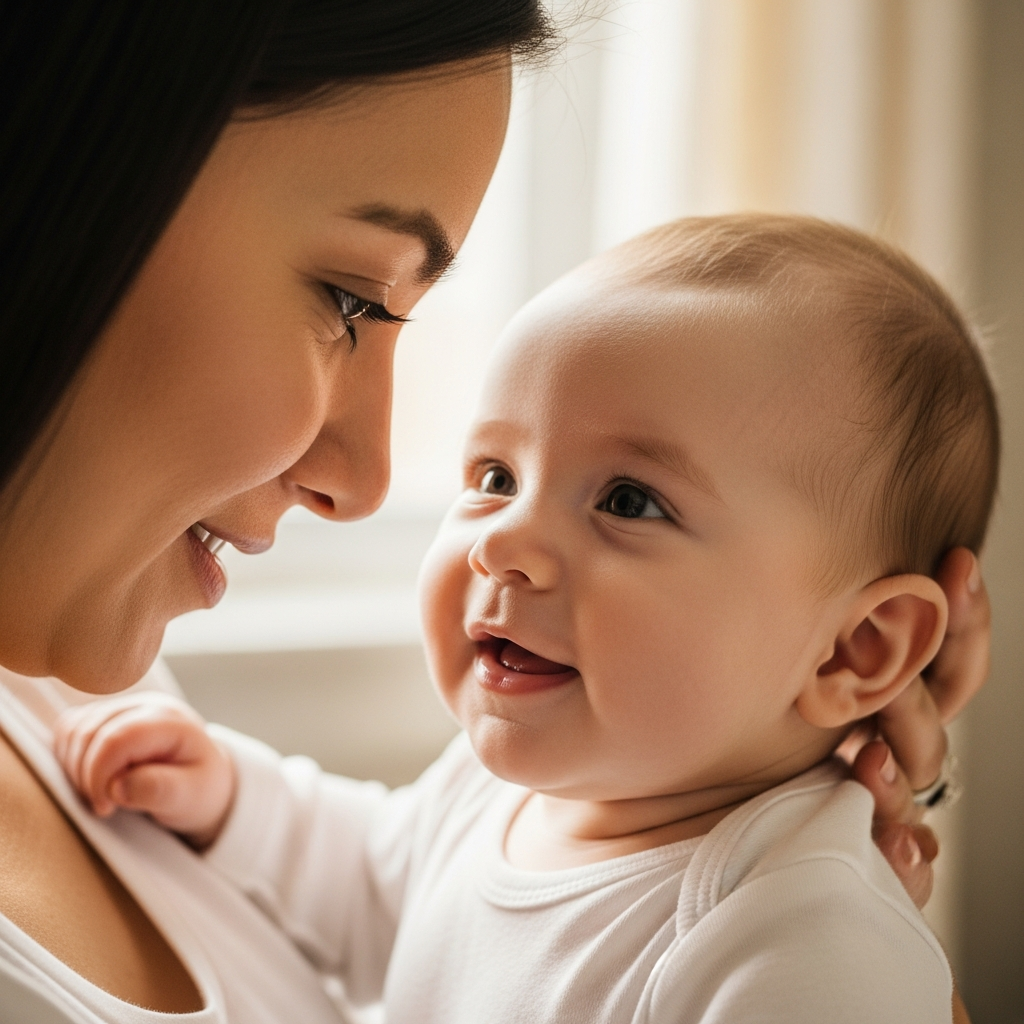
Perhaps the most awaited 2 month old milestone is the social smile. This is not the reflexive smile you saw in the early weeks but a genuine response to seeing your face or hearing your voice.
The First Real Smile: What to Know
Social smiles typically emerge between 6 and 8 weeks. Unlike reflexive smiles that happen randomly, social smiles are triggered by interaction. When you smile at your baby and they smile back, that is a real emotional connection happening.
Not all babies hit this milestone at exactly the same time. If your 2 month old is not smiling yet, do not panic. Some babies take until 10 or 12 weeks to show consistent social smiles. As long as they are making eye contact and engaging with you in other ways, they are likely developing normally.
Early Communication: Cooing and Sounds
Those adorable 2 month old cooing sounds are the beginning of language development. Your baby makes vowel sounds like "ooh" and "aah," practicing the building blocks of speech. When you respond to their coos, you create back-and-forth conversations that teach them how communication works.
Try this: When your baby coos, pause and respond with words or copy their sounds. Then wait for them to respond. This "serve and return" interaction builds brain connections and encourages more vocalization.
Bonding and Attachment Behaviors
Your baby now shows clear preference for their primary caregivers. They calm more easily with familiar people and make intentional eye contact. These attachment behaviors are healthy signs of emotional development and security.