


You notice something different during bath time. Those red, rough patches on your baby's cheeks were not there last week. Your little one seems irritable, and you catch them rubbing their face against the crib sheet. Could this be baby eczema?
If you are worried, you are not alone. Up to 20% of children develop eczema, making it one of the most common childhood skin conditions. For many parents, discovering those telltale patches triggers an avalanche of questions and concerns. What caused this? Is it something you did? Will your baby be okay?
The internet is filled with conflicting advice about infant eczema. One source says to bathe daily, another warns against it. Some recommend coconut oil while others call it harmful. This confusion leaves parents feeling overwhelmed when their baby needs help most.
This comprehensive guide cuts through the noise with evidence-based information on baby eczema treatment, causes, and prevention strategies. We understand that caring for a baby with skin sensitivities requires both knowledge and the right approach. Whether you are dealing with mild dry patches or recurring flare-ups, you will find practical answers here.
From recognizing symptoms on different skin tones to understanding the connection between eczema and allergies, these 10 essential facts will empower you to manage your baby's condition with confidence.
What Is Baby Eczema and How to Recognize the Signs
Understanding Atopic Dermatitis in Infants
Baby eczema, medically known as atopic dermatitis, is a chronic inflammatory skin condition that affects the outermost layer of skin. Unlike a temporary rash that clears up quickly, infant eczema tends to come and go over months or even years.
Most cases of newborn eczema appear between two and six months of age. The condition develops when the skin barrier does not function properly, allowing moisture to escape and irritants to penetrate. This leads to the characteristic dry, itchy, and inflamed patches that make both babies and parents uncomfortable.
One reassuring fact: eczema in babies is not contagious. Despite its sometimes alarming appearance, your child cannot catch it from another baby or pass it along. Atopic dermatitis is part of what doctors call the "atopic triad," meaning it is related to asthma and hay fever. Children with eczema have a higher likelihood of developing these conditions later in life.
Visual Signs on Different Skin Tones
Recognizing baby eczema symptoms depends partly on your child's skin tone. On lighter skin, eczema typically appears as pink or red inflamed patches. However, on darker skin tones, eczema may present as brown, purple, or grayish patches rather than red. This difference often leads to delayed diagnosis in children with melanin-rich skin.
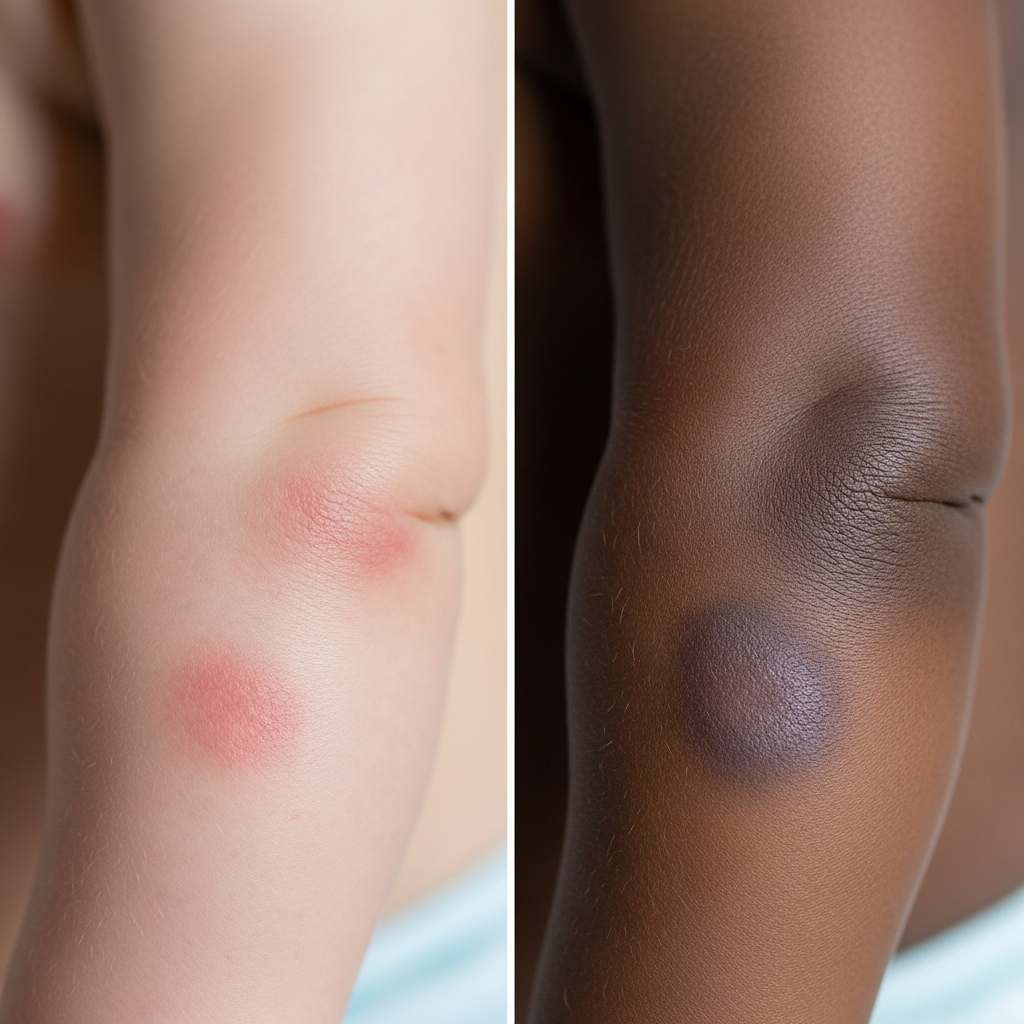
Regardless of skin color, texture provides important clues. Eczema patches typically feel:
- Rough or scaly to the touch
- Dry and sometimes leathery
- Bumpy or raised in some areas
- Warm from inflammation
In young infants, eczema commonly affects the cheeks, forehead, and scalp. As babies grow and become more mobile, the condition often shifts to elbows, knees, and skin folds where sweat and friction occur.
Common Causes and Triggers of Eczema in Babies
Genetic and Hereditary Factors
What causes eczema in babies? The answer involves both genetics and environment. Research shows that family history plays a significant role. If one parent has eczema, asthma, or allergies, the baby has about a 50% chance of developing eczema. When both parents are affected, the risk increases to approximately 80%.
Scientists have identified mutations in the filaggrin gene as a key factor. This gene helps create proteins essential for maintaining a healthy skin barrier. When it does not function correctly, the skin loses moisture more easily and becomes more susceptible to irritants.
Think of it this way: genetics load the gun, but environmental factors pull the trigger. Your baby may inherit a predisposition for eczema, but specific triggers in their environment determine whether and when symptoms appear.
Environmental Irritants and Allergens
Everyday products and conditions can trigger baby eczema flare-ups. Common culprits include:
- Fragrances in laundry detergents, soaps, and lotions
- Harsh fabrics like wool and certain synthetics
- Dust mites lurking in bedding and stuffed animals
- Pet dander from cats, dogs, and other furry companions
- Dry air from heating systems during winter months
- Hot water that strips natural oils from skin

Food Allergies and Dietary Connections
The relationship between baby eczema and food allergies is complex. Approximately 30-40% of children with moderate-to-severe eczema have food allergies. Common trigger foods include cow's milk, eggs, peanuts, wheat, and soy.
For breastfeeding mothers, this connection raises questions. In some cases, foods in a mother's diet can affect a nursing baby's skin. However, elimination diets should only be undertaken with medical guidance. Randomly cutting foods without proper testing can lead to nutritional deficiencies without solving the problem.
Baby Eczema vs Other Skin Conditions: How to Tell the Difference
Distinguishing Eczema from Cradle Cap
Parents often confuse baby eczema vs cradle cap, but these conditions differ significantly. Cradle cap (seborrheic dermatitis) creates yellow, greasy, crusty scales primarily on the scalp. It looks almost waxy and typically does not cause itching.
Eczema patches, in contrast, are dry rather than oily. They cause significant itching that makes babies uncomfortable. While cradle cap usually resolves on its own by 12 months, eczema is chronic and requires ongoing management.
| Characteristic | Baby Eczema | Cradle Cap |
|---|---|---|
| Texture | Dry, rough, scaly | Greasy, crusty scales |
| Itching | Intense | Minimal to none |
| Location | Face, body, skin folds | Primarily scalp |
| Duration | Chronic, recurring | Resolves by 12 months |

Eczema vs Baby Acne and Heat Rash
Baby acne typically appears as small red or white bumps concentrated on the face, emerging around two to four weeks of age. Unlike eczema, baby acne does not itch and resolves without treatment.
Heat rash produces tiny red bumps in areas where skin folds or clothing traps moisture. It develops quickly in warm conditions and clears just as fast once the baby cools down.
The key differentiator is itching. Eczema causes persistent, intense itching that disrupts sleep and comfort. Baby acne and heat rash do not. When uncertain about your baby's skin condition, consulting your pediatrician ensures proper diagnosis and treatment.
Effective Baby Eczema Treatment Options at Home
Daily Moisturizing Routine for Eczema-Prone Skin
Consistent moisturizing forms the foundation of baby eczema treatment. Dermatologists recommend applying a thick, fragrance-free moisturizer at least twice daily. The most critical application comes within three minutes after bathing, while skin remains damp.
When selecting products, remember that not all moisturizers are equal:
- Ointments (petroleum-based) provide the strongest barrier and work best for severe dryness
- Creams offer good protection with a less greasy feel
- Lotions are thinnest and least effective for eczema-prone skin
Look for products containing ceramides, which help restore the skin barrier. Avoid anything with fragrances, dyes, or alcohol that could trigger irritation.
Bathing Best Practices for Babies with Eczema
The old advice to limit bathing for eczema babies has evolved. Daily bathing is now considered beneficial when done correctly using the "soak and seal" method:
- Use lukewarm water, not hot
- Limit bath time to five to ten minutes
- Apply fragrance-free, soap-free cleanser only to dirty areas
- Pat skin dry gently with a soft towel
- Apply moisturizer immediately while skin is still damp
Adding colloidal oatmeal to bath water can provide additional soothing benefits. This natural ingredient helps calm irritated skin and reduce inflammation.

Creating an Eczema-Friendly Environment
Your home environment significantly impacts your baby's skin health. Simple modifications can reduce flare-up frequency:
- Maintain room temperature between 68 and 72 degrees Fahrenheit
- Use a humidifier during dry months to keep humidity at 30 to 50 percent
- Dress baby in soft, breathable cotton clothing
- Switch to fragrance-free, dye-free laundry detergent
- Remove tags from clothing that might irritate skin
- Vacuum regularly to minimize dust mites
Natural Remedies and Steroid-Free Approaches for Baby Eczema
Gentle Botanical Options to Consider
Many parents seek natural remedies for baby eczema, especially for mild cases. Several options show promise:
- Coconut oil: Contains natural antimicrobial properties and serves as a gentle moisturizer
- Sunflower seed oil: Research suggests it helps strengthen the skin barrier
- Colloidal oatmeal: Soothes itching and reduces inflammation effectively
- Shea butter: Provides deep moisturization with anti-inflammatory benefits

Always patch test new products on a small area of skin first. Wait 24 hours to ensure no reaction occurs before applying more broadly.
When Natural Approaches Are Sufficient
For mild eczema characterized by small patches and minimal itching, natural care combined with consistent moisturizing often provides adequate relief. Environmental modifications and trigger avoidance may be all your baby needs.
However, natural does not automatically mean safer. Some botanical ingredients can irritate sensitive skin. Monitor your baby's response carefully and discontinue anything that worsens symptoms.
Understanding Steroid Cream Concerns
Many parents worry about using topical corticosteroids on their baby's delicate skin. These concerns, while understandable, often lead to under-treatment and prolonged discomfort.
The facts are reassuring. Low-potency topical corticosteroids like hydrocortisone 1% are safe and effective for babies when used as directed. Side effects are rare with proper application of thin layers for limited durations. Discuss any concerns openly with your pediatrician to find the right balance for your child.
Managing Baby Eczema Flare-Ups and Preventing Scratching
Recognizing and Responding to Flare-Ups
Even with excellent care, baby eczema flare-ups happen. Common triggers include illness, teething, weather changes, and stress. Signs that a flare-up is developing include increased redness, spreading patches, and weeping or crusting skin.
When flare-ups occur, intensify your moisturizing routine immediately. Apply moisturizer more frequently and consider using an ointment for extra protection. Short courses of topical steroids may be necessary for acute flares. For severe episodes, wet wrap therapy under medical supervision can provide significant relief.
Practical Strategies to Prevent Scratching
How to stop baby scratching eczema at night is one of the most common questions parents ask. The itch-scratch cycle worsens eczema and can lead to skin damage and infection.
Effective strategies include:
- Keep fingernails trimmed short and filed smooth
- Use cotton mittens or scratch sleeves during sleep
- Employ distraction techniques during waking hours
- Apply cool compresses to particularly itchy areas
- Dress baby in long-sleeved clothing and footed pajamas
- Consider specialty sleepwear with built-in hand covers

Sleep Solutions for Babies with Eczema
Eczema itching often intensifies at night for biological reasons. Body temperature rises during sleep, increasing discomfort. Additionally, cortisol levels naturally decrease at night, reducing the body's anti-inflammatory response.
To improve sleep quality:
- Keep the bedroom cool with breathable cotton sheets
- Apply extra moisturizer before bedtime
- Establish a calming bedtime routine
- Use white noise to help baby stay asleep despite discomfort
The Eczema-Allergy Connection and When to Seek Medical Care
Understanding the Atopic March
Pediatricians use the term "atopic march" to describe the progression from eczema to food allergies to asthma and hay fever. Not every child with eczema will develop other atopic conditions, but the connection is significant.
Approximately 50% of children with severe eczema develop asthma. The theory behind this progression involves the compromised skin barrier. When allergens penetrate damaged skin, they trigger an immune response that can sensitize the child to develop allergies over time.

Navigating Food Allergy Testing
For babies with moderate-to-severe eczema, allergy testing may be recommended. Skin prick tests and blood tests can identify specific sensitivities. However, testing should guide treatment rather than prompt random food avoidance.
Interestingly, research now suggests that early allergen introduction may actually help prevent food allergies in some cases. Work with an allergist to develop a personalized approach that balances eczema management with appropriate food introduction.
Warning Signs That Require Medical Attention
While most baby eczema can be managed at home, certain situations warrant prompt medical care:
- Eczema not improving after two weeks of consistent treatment
- Signs of infection: oozing, crusting, pus, fever, or spreading redness
- Baby appears extremely uncomfortable or is not sleeping due to itching
- Rash is spreading rapidly or covering large body areas
- Open sores or bleeding from scratching
Important: Infected eczema requires prompt treatment with antibiotics. If you notice honey-colored crusting, increasing redness, warmth, or your baby develops a fever, contact your doctor immediately.

Medical Treatment Options Available
When home treatment is insufficient, medical options include:
- Prescription-strength topical corticosteroids
- Topical calcineurin inhibitors as steroid alternatives
- Oral antihistamines to improve sleep
- Antibiotics for bacterial infections
- Referral to a pediatric dermatologist for complex cases
Long-Term Outlook: Will My Baby Outgrow Eczema
Statistics and Timeline for Eczema Resolution
This is the question every parent with an eczema baby asks: when does baby eczema go away? The news is largely encouraging. Approximately 60 to 70% of children outgrow eczema by adolescence. Many experience significant improvement by age five.
Some children see their eczema resolve completely, while others continue to have occasional flares during times of stress or seasonal changes. About 10 to 30% carry eczema into adulthood, though it often becomes milder and more manageable.
Factors That Affect Long-Term Prognosis
Several factors influence whether your child will outgrow eczema:
- Severity: Mild cases are more likely to resolve completely
- Age of onset: Very early onset may indicate more persistent eczema
- Associated conditions: Presence of food allergies or other atopic conditions
- Family history: Strong genetic factors may lead to longer duration
- Treatment consistency: Proper early management can improve outcomes

Maintaining Healthy Skin for Life
Even after eczema improves, maintaining good skincare habits protects your child's skin long-term. Continue using gentle, fragrance-free products. Keep skin moisturized, particularly during dry seasons. Remain aware that stress or illness can trigger recurrences, and establish healthy habits now that will serve your child throughout their life.
Frequently Asked Questions About Baby Eczema
Is baby eczema contagious?
No, baby eczema is not contagious and cannot spread from person to person. Eczema is caused by a combination of genetic factors and immune system dysfunction, not by bacteria or viruses. Your baby cannot catch eczema from another child or give it to others.
Can I use hydrocortisone on my baby's eczema?
Yes, over-the-counter hydrocortisone 1% cream is generally safe for babies when used as directed for short periods. Apply a thin layer to affected areas once or twice daily for up to seven days. Consult your pediatrician before using on the face or for extended treatment.
How often should I bathe my baby with eczema?
Daily bathing is acceptable and often beneficial for babies with eczema when done correctly. Use lukewarm water, limit baths to five to ten minutes, use fragrance-free cleansers sparingly, and apply moisturizer immediately after patting skin dry. This soak and seal method helps hydrate skin.
What foods should I avoid if my breastfed baby has eczema?
Common foods that may trigger eczema through breast milk include cow's milk, eggs, peanuts, tree nuts, wheat, and soy. However, elimination diets should only be done under medical supervision. Not all babies with eczema have food triggers, and unnecessary restrictions can affect nutrition.
Why does my baby's eczema get worse at night?
Baby eczema often worsens at night because body temperature rises during sleep, increasing itchiness. The circadian rhythm also affects cortisol levels, which naturally decrease at night, reducing the body's anti-inflammatory response. Cool rooms, cotton pajamas, and extra moisturizer can help.
Can baby eczema be cured permanently?
Baby eczema cannot be cured, but it can be effectively managed and many children outgrow it. About 60 to 70% of children see significant improvement or complete resolution by adolescence. Focus on consistent skincare, trigger avoidance, and appropriate treatment to control symptoms.
When should I see a dermatologist for my baby's eczema?
See a dermatologist if your baby's eczema does not improve with consistent home treatment, covers large body areas, shows signs of infection, or significantly affects sleep and quality of life. A pediatric dermatologist can provide specialized treatment plans for severe or persistent cases.
Taking the Next Step for Your Baby's Skin Health
Managing baby eczema can feel overwhelming, but you now have the knowledge to make a real difference. From understanding what causes eczema in babies to implementing effective treatment strategies, you are equipped to help your little one find relief.
Remember these key takeaways: Consistent moisturizing is your most powerful tool. Identifying and avoiding triggers prevents many flare-ups. Most children with infant eczema see significant improvement or complete resolution over time. You are not alone in this journey, and professional help is available when you need it.
Your baby's comfort matters, and the care you provide today builds the foundation for healthy skin tomorrow. Whether you are dealing with mild dry patches or more challenging flare-ups, patience and consistency will serve you well.
At PatPat, we support parents through every stage of their baby's development. If you found this guide helpful, share it with other parents who may be navigating similar concerns. For more baby-friendly clothing options, explore our bamboo baby clothes collection designed with your baby's sensitive skin in mind.
Have questions about your baby's skin condition? Consult your pediatrician or dermatologist for personalized guidance tailored to your child's specific needs.


