


You just brought new life into the world. Your body accomplished something extraordinary. Yet here you are at 3 a.m., exhausted beyond words, wondering when you will feel like yourself again. If this sounds familiar, you are not alone. The postpartum period, often called the "fourth trimester," can feel like an overwhelming blur of sleepless nights, endless feedings, and physical recovery that nobody quite prepared you for.
Here is what many new mothers are surprised to learn: as many as 40% of women do not attend their postpartum checkup, and full recovery can take six months to a year or even longer. The good news? Building healthy habits during this critical time can transform your recovery experience. This guide covers everything you need to know about postpartum healing, from nutrition and exercise to mental health and sleep strategies. At PatPat, we understand that caring for yourself is just as important as caring for your little one, and we are here to support your journey every step of the way.
Understanding Your Postpartum Recovery Timeline
The fourth trimester is a concept that has gained significant recognition in recent years. ACOG now recommends that postpartum care should be an ongoing process rather than a single encounter, with initial contact within the first three weeks and comprehensive assessment by week 12. Understanding this timeline helps you set realistic expectations for your postpartum recovery journey.
Week-by-Week Recovery Expectations for New Mothers
Every mother's recovery looks different, but having a general roadmap can help you know what to expect during the fourth trimester and beyond.
Weeks 1-2: Your body is in active healing mode. Whether you had a vaginal birth or cesarean delivery, these early days require significant rest. You may experience lochia (postpartum bleeding), uterine contractions, and general soreness. Focus on bonding with your baby, establishing feeding patterns, and accepting help from others.
Weeks 3-6: Many mothers begin to feel slightly more mobile during this stage. Light activities like short walks may become possible, though you should still prioritize rest. Most healthcare providers schedule the traditional postpartum checkup around week six.
Weeks 6-12: After receiving medical clearance, you can gradually increase activity levels. This is when many women begin establishing sustainable routines and healthy habits that support long-term postpartum wellness.
3-12 months: Full physical recovery continues well beyond the initial weeks. When will you feel normal after giving birth? The honest answer is that your body has changed, and finding a "new normal" is part of the journey.
Physical vs. Emotional Recovery After Childbirth
Physical healing involves measurable milestones like the cessation of lochia, incision healing for cesarean births, and pelvic floor recovery. However, emotional recovery is equally important and often takes longer. Hormonal fluctuations, identity shifts, and the adjustment to new responsibilities all contribute to the emotional landscape of postpartum life.
Both aspects of recovery deserve attention and care. Focusing solely on physical healing while neglecting mental health can slow overall recovery and affect your well-being.
Postpartum Nutrition Habits for Faster Healing
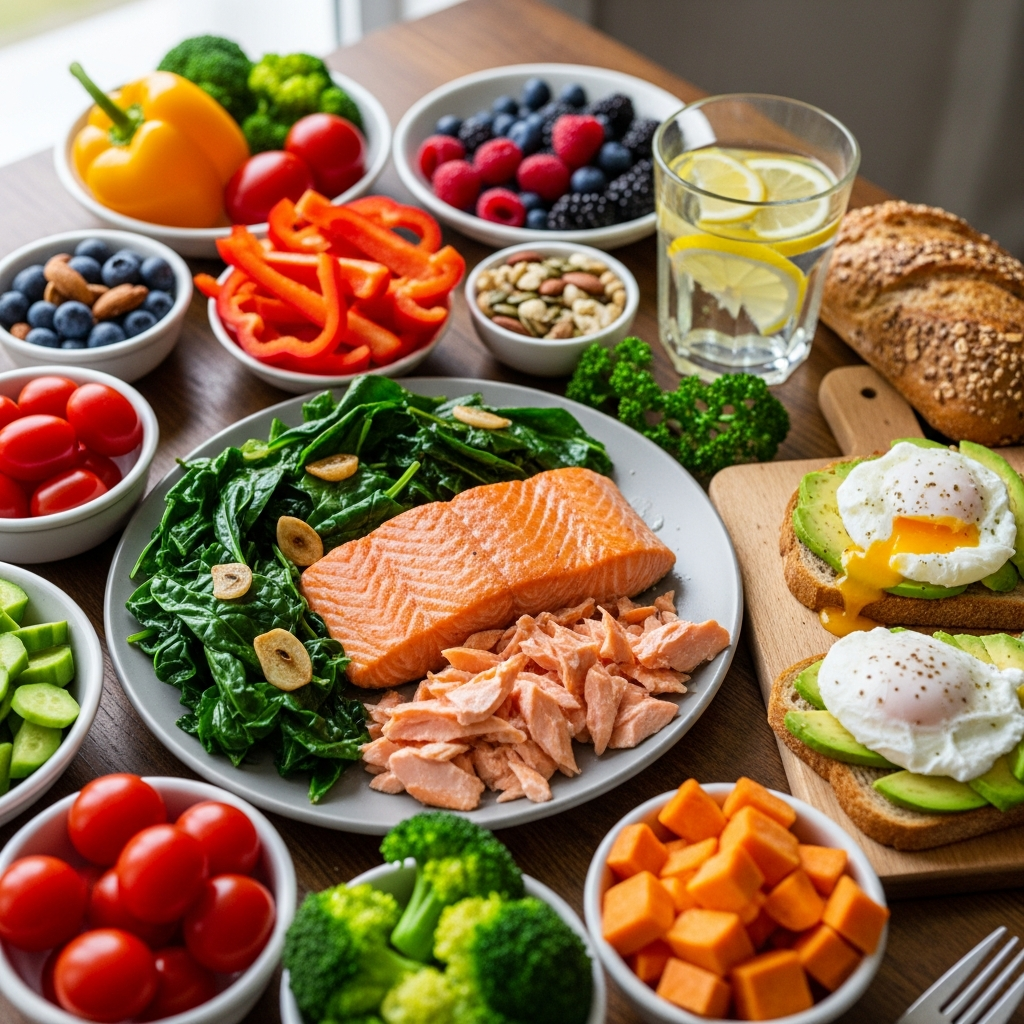
What you eat during the postpartum period directly impacts how quickly your body heals and your energy levels throughout the day. For breastfeeding mothers, nutrition also influences milk production and quality.
Best Foods for Postpartum Recovery and Milk Production
Your body needs specific nutrients to repair tissues, rebuild blood supply, and support overall healing. Here are the essential nutrients and best food sources for postpartum recovery:
- Iron-rich foods: Blood loss during delivery can deplete iron stores. Focus on lean red meat, poultry, fish, legumes, spinach, and fortified cereals. Breastfeeding mothers need approximately 9 mg of iron daily, though those with anemia may require more.
- Protein for tissue repair: Research suggests that breastfeeding women may need approximately 1.7-1.9 g of protein per kg of body weight daily, which is higher than previous recommendations. Good sources include eggs, fish, chicken, beans, and dairy products.
- Omega-3 fatty acids: Essential for brain health and reducing inflammation, omega-3s are found in fatty fish like salmon, walnuts, chia seeds, and flaxseed.
- Calcium: Important for bone health and milk production, aim for 1,000 mg daily from dairy products, fortified plant milks, and leafy greens.
Hydration and Meal Prep Strategies for Busy New Moms
Breastfeeding mothers need an additional 330 to 400 calories per day compared to pre-pregnancy intake. Staying hydrated is equally crucial, as dehydration can affect milk supply and energy levels.
Practical meal prep strategies:
- Keep a water bottle at each nursing station and aim for 8-12 glasses daily
- Prepare one-handed snacks like trail mix, cheese sticks, and cut vegetables
- Accept meal trains from friends and family without guilt
- Batch cook and freeze meals before delivery when possible
- Focus on nutrient-dense foods rather than calorie counting
Safe Postpartum Exercise and Movement Habits
Movement is medicine, but timing and approach matter greatly during postpartum recovery. Starting too soon or too intensely can set back your healing, while appropriate gentle exercise supports recovery.
Pelvic Floor Exercises and Core Restoration After Birth
Pelvic floor health is a crucial but often overlooked aspect of postpartum recovery. Diastasis recti, the separation of abdominal muscles, occurs in approximately 60% of pregnant women, and pelvic floor dysfunction is common after childbirth.
How to check for diastasis recti:
- Lie on your back with knees bent and feet flat on the floor
- Place your fingers horizontally just above your navel
- Lift your head and shoulders slightly off the ground
- Feel for a gap between the abdominal muscles
- A gap wider than two finger-widths may indicate diastasis recti
If you suspect diastasis recti or experience urinary incontinence, consider consulting a pelvic floor physical therapist. They can provide personalized exercises and guidance for core rehabilitation.
Kegel exercises for pelvic floor recovery:
- Contract your pelvic floor muscles as if stopping urine flow
- Hold for 5-10 seconds, then release
- Repeat 10-15 times, three times daily
- Gradually increase hold duration as muscles strengthen
Gentle Movement Ideas for the First 12 Weeks Postpartum
When can you start exercising after giving birth? Most healthcare providers recommend waiting until your 6-week postpartum checkup before beginning structured exercise, particularly after a cesarean section. However, gentle movement can often begin earlier with approval from your provider.
| Timeframe | Recommended Activities |
|---|---|
| Weeks 1-2 | Deep breathing exercises, gentle stretching in bed, short walks around the house |
| Weeks 3-6 | Short outdoor walks (10-15 minutes), Kegel exercises, gentle postnatal yoga |
| Weeks 6-12 | Longer walks, swimming (after wound healing), low-impact exercises with clearance |
Listen to your body and stop if you experience pain, heavy bleeding, or increased discomfort. Safe exercises after pregnancy prioritize gradual progression over quick results.
Postpartum Mental Health and Emotional Wellness Habits

Your mental health during the postpartum period deserves as much attention as your physical recovery. Hormonal shifts, sleep deprivation, and life changes create a perfect storm for emotional challenges.
Baby Blues vs. Postpartum Depression: What Every New Mom Should Know
Up to 85% of new mothers experience the baby blues, characterized by mood swings, tearfulness, and anxiety in the first two weeks after delivery. This is a normal response to dramatic hormonal changes and typically resolves on its own.
Postpartum depression (PPD) is different. CDC research shows approximately 1 in 8 women experience postpartum depression symptoms, which can emerge any time in the first year after birth.
Warning signs of postpartum depression include:
- Persistent sadness or feelings of hopelessness lasting more than two weeks
- Difficulty bonding with your baby
- Withdrawing from family and friends
- Severe anxiety or panic attacks
- Thoughts of harming yourself or your baby
- Significant changes in appetite or sleep beyond normal newborn care disruptions
If you experience these symptoms, please reach out to your healthcare provider. Postpartum depression is treatable, and seeking help is a sign of strength, not weakness.
Daily Mindfulness and Stress Management for New Mothers
Building emotional wellness habits does not require hours of free time. Small, consistent practices can make a meaningful difference in your mental health.
5-minute mindfulness practices:
- Box breathing: Inhale for 4 counts, hold for 4, exhale for 4, hold for 4. Repeat 4 times.
- Body scan: During a feeding, mentally scan from head to toe, releasing tension in each area.
- Gratitude moment: Name three things you are grateful for before getting out of bed.
- Fresh air break: Step outside for just two minutes of natural light and deep breathing.
Self-compassion is perhaps the most important habit to develop. You are learning a completely new role while recovering from a major physical event. Be as kind to yourself as you would be to a dear friend in your situation.
Sleep Strategies and Rest Habits for Sleep-Deprived Parents
Let us acknowledge the elephant in the room: sleep deprivation is one of the hardest aspects of new parenthood. Research shows that new mothers average only 6.7 hours of total sleep per night in weeks 2-7 postpartum, with only 3.2 hours uninterrupted. This level of sleep disruption affects everything from mood to decision-making abilities.
How to Get More Sleep With a Newborn
While you cannot eliminate nighttime wakings, you can maximize the quality and quantity of rest you do get.
Practical postpartum sleep tips:
- Sleep when baby sleeps: Yes, the dishes can wait. Even 20-minute power naps help restore energy.
- Share nighttime duties: If possible, alternate nighttime feeding shifts with your partner. Even one longer stretch of sleep helps.
- Create a sleep-friendly environment: Blackout curtains, white noise, and a cool room temperature support better rest.
- Keep baby close: A bedside bassinet reduces the distance for nighttime feeds, helping everyone settle back to sleep faster.
- Simplify nighttime changes: Having comfortable baby pajamas with easy closures can make nighttime diaper changes quicker, helping both you and baby return to sleep faster.
The 5-5-5 Rule for Postpartum Rest and Recovery
The 5-5-5 rule is a traditional approach to postpartum rest that has gained renewed attention. The concept is simple: spend five days in bed, five days on the bed, and five days near the bed after giving birth.
While modern life may not allow for this level of rest, the underlying principle remains valuable. The first two weeks postpartum should prioritize recovery above all else. Household tasks, visitors, and obligations can wait. Your body needs this time to heal.
Consider adapting the 5-5-5 rule to your circumstances:
- Days 1-5: Stay in bed as much as possible, focusing only on feeding and bonding
- Days 6-10: Rest in bed between gentle activities like showering and short walks to the kitchen
- Days 11-15: Remain near your resting area, gradually increasing light activity
Building Sustainable Self-Care Routines for New Moms
Self-care for new mothers looks different than it did before baby. The key is redefining what self-care means during this season of life and finding realistic ways to nurture yourself.
Quick Self-Care Ideas That Work for Exhausted Mothers
Forget hour-long spa sessions. Postpartum self-care ideas that actually work are quick, accessible, and can happen while caring for your baby.
5-minute self-care activities:
- Take a hot shower and use your favorite products
- Apply lotion slowly and mindfully
- Drink a full glass of water
- Step outside for fresh air and natural light
- Listen to one favorite song with headphones
- Text a friend just to connect
- Do five minutes of gentle stretching
Skin-to-skin time with your baby counts as self-care too. This contact releases oxytocin for both of you, reducing stress and supporting bonding.
Building Your Postpartum Support System
Taking care of yourself after having a baby is not meant to be a solo endeavor. Building a postpartum support system is one of the most important healthy habits you can establish.
How to build your support network:
- Identify your people: Make a list of friends, family members, and neighbors who have offered to help.
- Be specific when asking: Instead of "Can you help?" try "Could you bring dinner on Tuesday?" or "Would you watch the baby while I shower?"
- Consider professional support: Postpartum doulas, lactation consultants, and pelvic floor therapists can provide specialized help.
- Connect with other new parents: Online communities and local parent groups offer understanding and shared experiences.
Streamlining daily routines also supports your well-being. Having organized baby essentials, including comfortable newborn clothes and quick-change baby bodysuits, makes daily care routines smoother, giving you more time for self-care.
Simplifying Daily Baby Care to Support Your Recovery
The more efficiently you can manage baby care tasks, the more energy you preserve for your own recovery. Creating systems and choosing functional products reduces decision fatigue and physical strain.
Organizing Baby Essentials for Easier Daily Routines
Create stations throughout your home:
- Nursing/feeding station: Water bottle, healthy snacks, phone charger, burp cloths, nursing pillow
- Diaper changing station: Diapers, wipes, diaper cream, change of clothes, plastic bags for disposal
- Sleep station: Swaddles, white noise machine, pacifiers if using, dim lighting
Choosing the right baby clothes makes a surprising difference in your daily energy expenditure. Look for these features:
- Easy-access snaps or zippers for quick diaper changes
- Soft, breathable fabrics that are gentle on baby's sensitive skin
- Machine-washable materials that simplify laundry
Soft, breathable fabrics like bamboo baby clothes can be particularly helpful for babies with sensitive skin, reducing the need for specialty products and multiple outfit changes due to irritation.
Consider keeping your baby's wardrobe simple with versatile, functional pieces from quality baby clothes collections. Fewer, better-quality items mean less laundry and easier outfit decisions during those bleary-eyed morning moments.
Week-by-Week Healthy Habit Checklist for Postpartum Recovery
Use this postpartum recovery week by week checklist to track your progress and celebrate small wins along the way.
Weeks 1-6: Foundation Habits for Early Postpartum
- Prioritize rest whenever possible
- Eat nutrient-dense foods, even if meals are small
- Stay hydrated (keep water within reach at all times)
- Begin gentle pelvic floor exercises when comfortable
- Accept help without guilt
- Monitor your mood and reach out if you have concerns
- Attend your postpartum checkup
Weeks 6-12: Building Momentum in Your Recovery
- Gradually increase physical activity with medical clearance
- Establish a loose daily routine
- Continue focusing on nutrition for healing and energy
- Practice daily mindfulness, even for just five minutes
- Begin rebuilding social connections
- Assess and address any ongoing physical concerns
3-6 Months: Establishing Long-Term Postpartum Wellness Habits
- Develop a sustainable exercise routine you enjoy
- If returning to work, establish work-life balance strategies
- Continue mental health maintenance practices
- Build long-term healthy eating habits
- Nurture your relationship with your partner
- Celebrate how far you have come
Conclusion: Your Postpartum Recovery Journey
Building healthy habits for postpartum recovery is not about perfection. It is about progress, patience, and self-compassion during one of the most transformative periods of your life. Remember that recovery is not linear. You may have good days and harder days, and that is completely normal.
The habits covered in this guide, from nutrition and exercise to mental health and sleep strategies, provide a foundation for healing. But the most important habit you can develop is kindness toward yourself. You are doing something incredible: recovering from childbirth while nurturing a new human being.
Start small. Choose one healthy habit to focus on this week. Maybe it is drinking more water, taking a daily five-minute walk, or asking a friend for specific help. Small, consistent actions add up to meaningful change over time.
At PatPat, we are honored to support families through every stage of the parenting journey. As you focus on building healthy habits for your recovery, remember that simplifying your daily routines with functional, comfortable essentials can make the postpartum period just a little bit easier.
You are stronger than you know. Your recovery matters. And every small step forward counts.
Frequently Asked Questions About Postpartum Recovery
How long does postpartum recovery take?
Postpartum recovery typically takes 6-12 weeks for initial healing, though full recovery can take 6 months to a year or longer. Vaginal births generally have shorter initial recovery times than C-sections, but every mother's experience is unique. The fourth trimester (first 12 weeks) is critical for establishing healthy habits that support long-term recovery.
What is the 5-5-5 rule for postpartum recovery?
The 5-5-5 rule recommends spending 5 days in bed, 5 days on the bed, and 5 days near the bed after giving birth. This traditional approach emphasizes rest as essential for recovery. While modern life may require adaptations, the principle of prioritizing rest in the first two weeks remains valuable for physical healing and emotional adjustment.
What foods should I eat for faster postpartum recovery?
Focus on iron-rich foods (leafy greens, lean meats, legumes), protein for tissue repair (eggs, fish, chicken, beans), omega-3 fatty acids (salmon, walnuts, flaxseed), and calcium-rich foods (dairy, fortified plant milks). Staying hydrated is especially important for breastfeeding mothers. Nutrient-dense whole foods support both physical healing and milk production.
When can I start exercising after having a baby?
Most doctors recommend waiting until your 6-week postpartum checkup before starting structured exercise, especially after a C-section. However, gentle movement like short walks and pelvic floor exercises can often begin within the first few weeks if you had a vaginal birth. Always get clearance from your healthcare provider before starting any exercise routine.
What is the difference between baby blues and postpartum depression?
Baby blues affect up to 85% of new mothers and typically resolve within two weeks. Symptoms include mood swings, crying, and anxiety. Postpartum depression (PPD) is more severe, lasts longer than two weeks, and may include persistent sadness, difficulty bonding with baby, and thoughts of self-harm. If symptoms persist beyond two weeks or interfere with daily functioning, seek professional help.
How can I get more sleep with a newborn?
Try sleeping when your baby sleeps, even if just for short naps. Create a dark, quiet sleep environment and share nighttime duties with your partner if possible. Keep baby's sleeping area close for easier nighttime feeds. Lower expectations for household tasks and accept help from family and friends to prioritize rest.
How do I know if I have diastasis recti after pregnancy?
Diastasis recti is a separation of the abdominal muscles common after pregnancy. To check, lie on your back with knees bent, lift your head slightly, and feel above and below your navel for a gap between the muscles. A gap wider than two finger-widths may indicate diastasis recti. Consult a pelvic floor physical therapist for proper assessment and exercises.
What are some quick self-care ideas for exhausted new mothers?
Focus on micro-moments of self-care: a 5-minute hot shower, drinking a full glass of water, stepping outside for fresh air, or doing a few deep breathing exercises. Keep expectations realistic and celebrate small wins. Skin-to-skin time with baby counts as self-care too, as it releases oxytocin and supports bonding.





